
Muscovy Duck
Cairina moschata
疣鼻栖鸭
Introduction
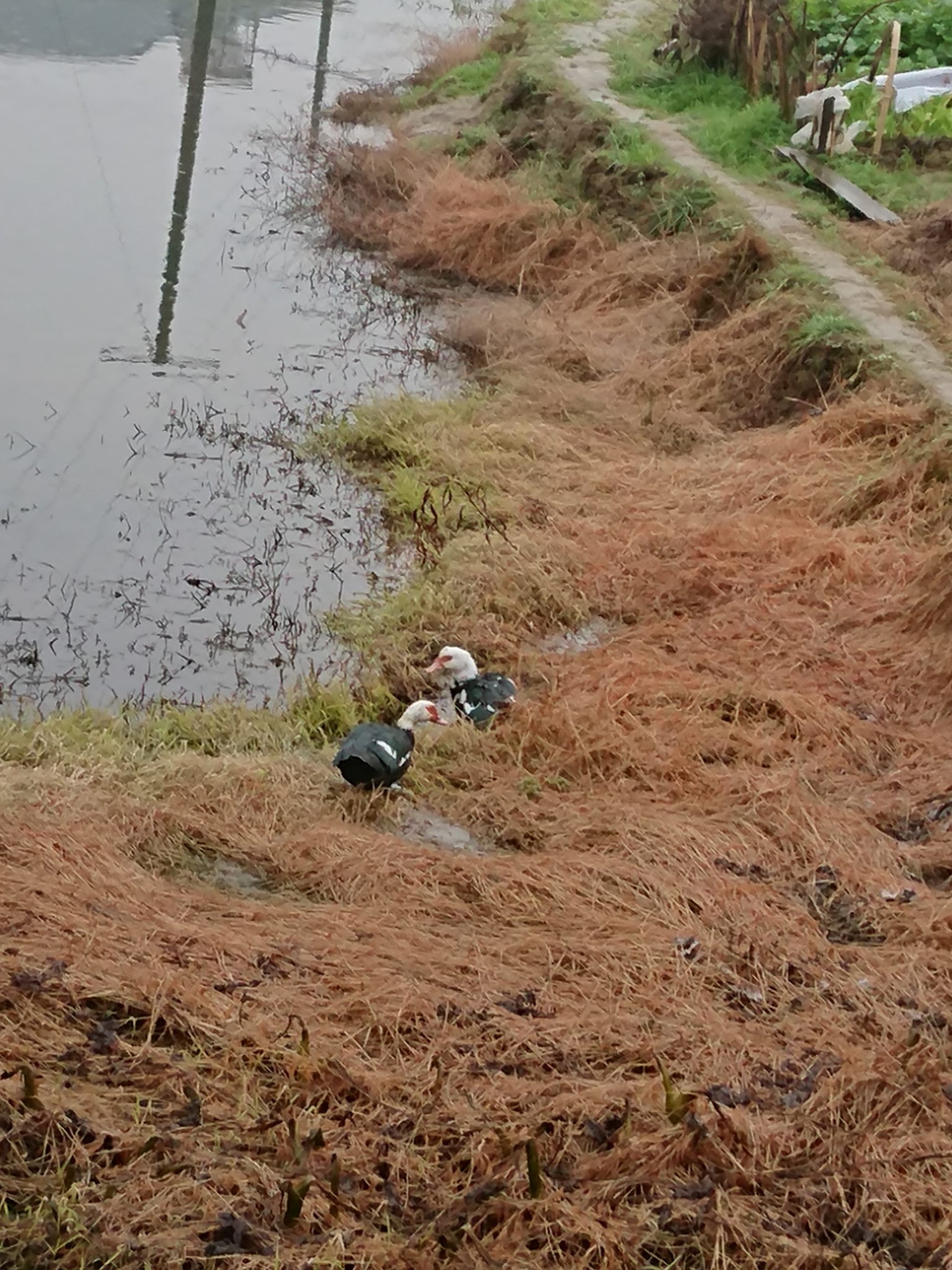
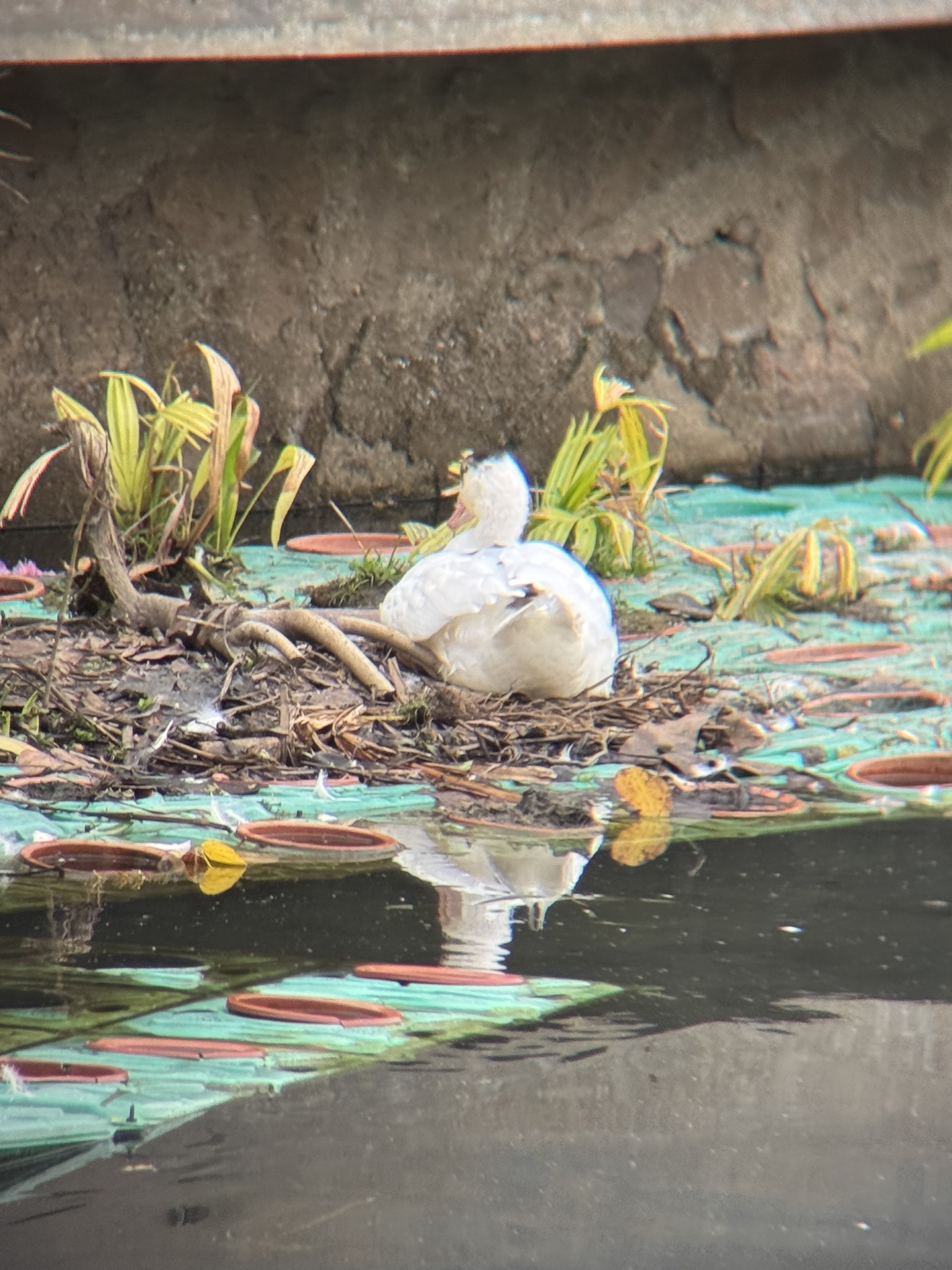
Native to the Americas, ranging from the Lower Rio Grande Valley of Texas and Mexico southward through Central America to Argentina and Uruguay. Inhabits forested swamps, lakes, streams, agricultural areas, and urban environments. Primarily non-migratory. Has been widely introduced beyond its native range, with feral populations established in New Zealand, Australia, the United States, and parts of Central and Eastern Europe. Tolerates temperatures as low as -12°C. Exists in wild and domestic forms; domesticated birds are heavier and have reduced flight capability compared to wild individuals. Feral populations with domesticated ancestry are common near urban and suburban lakes, farms, and residential areas. Nests in tree cavities, under shrubs, or on building structures.
Description
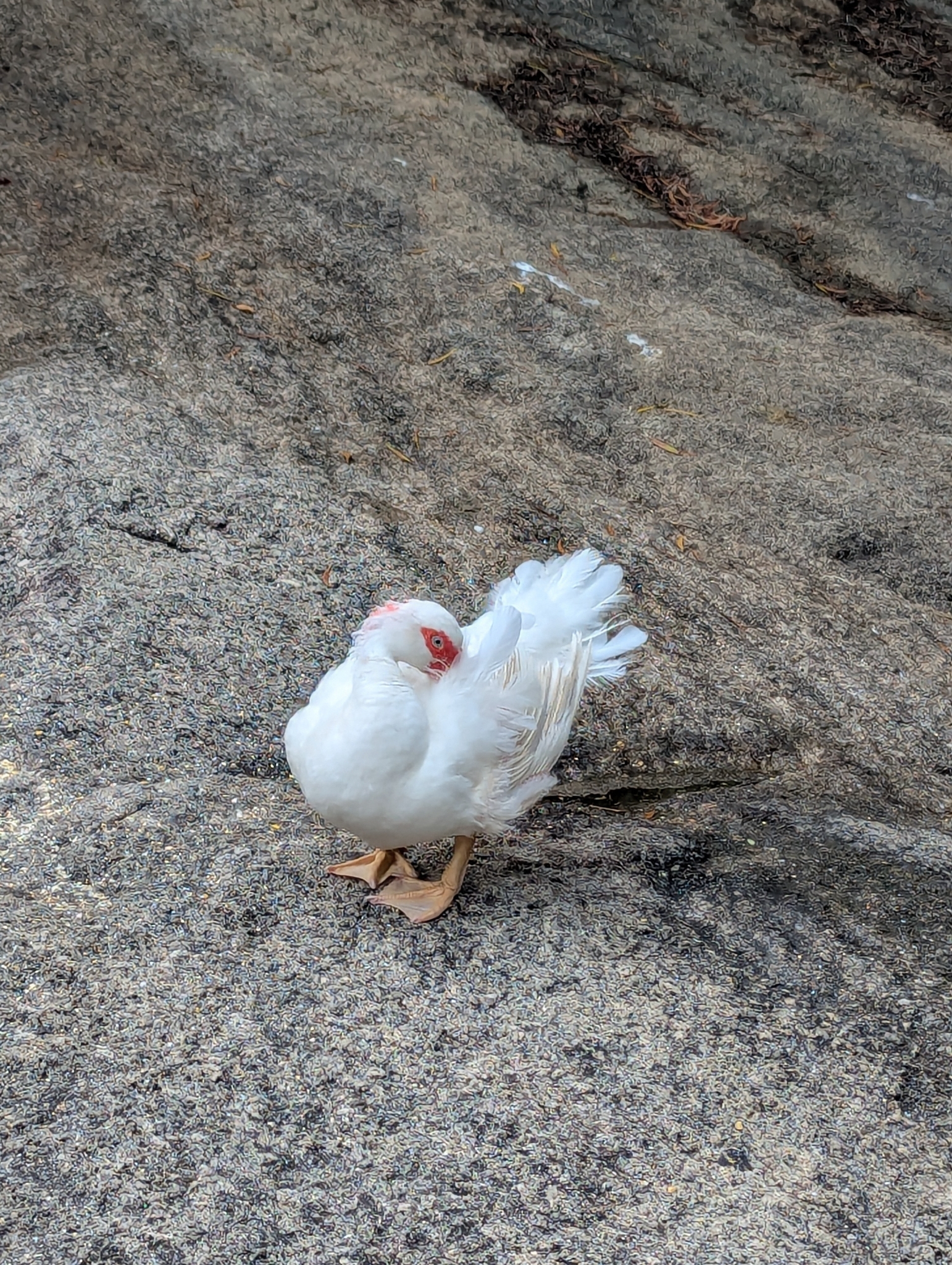
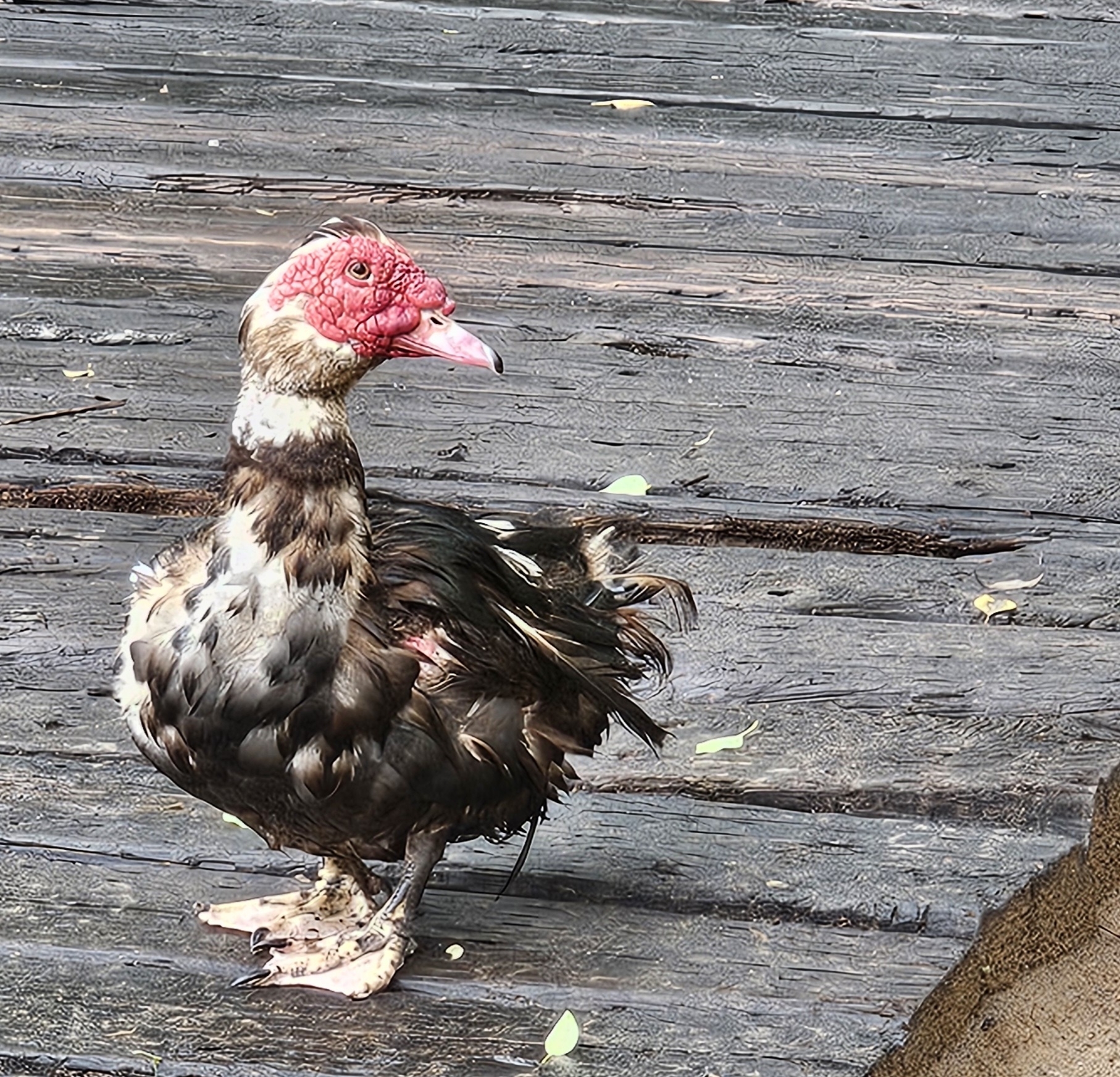
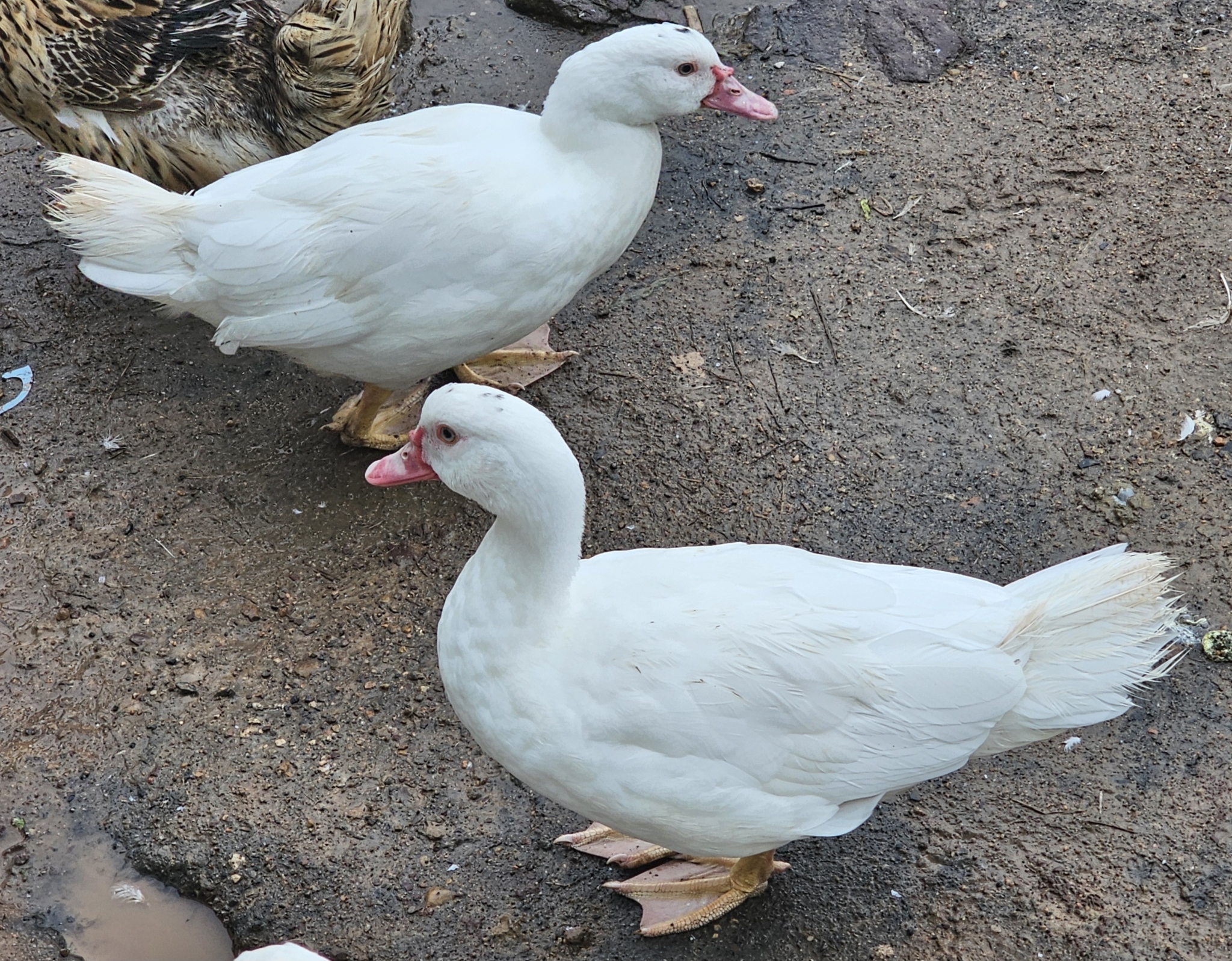
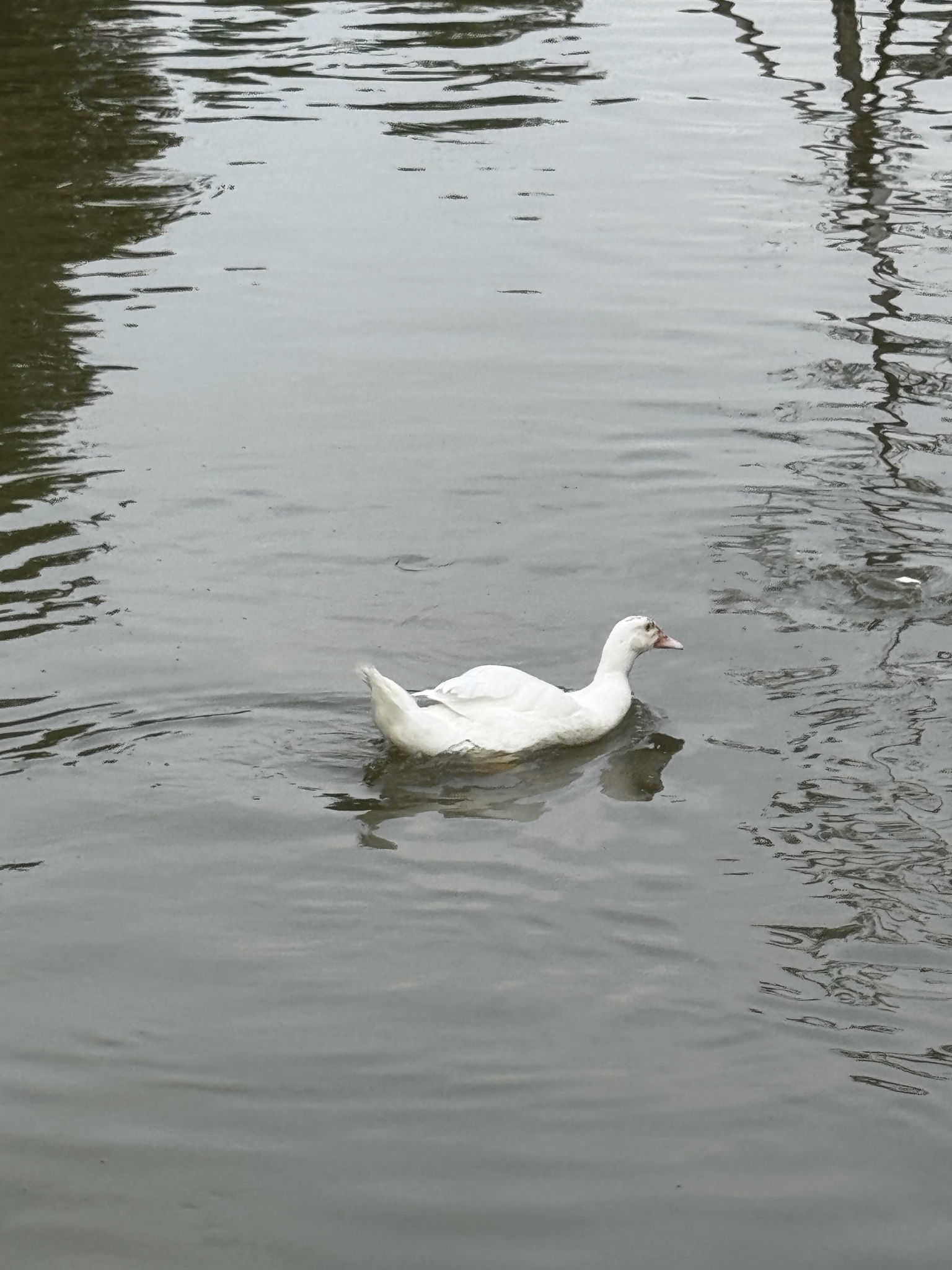
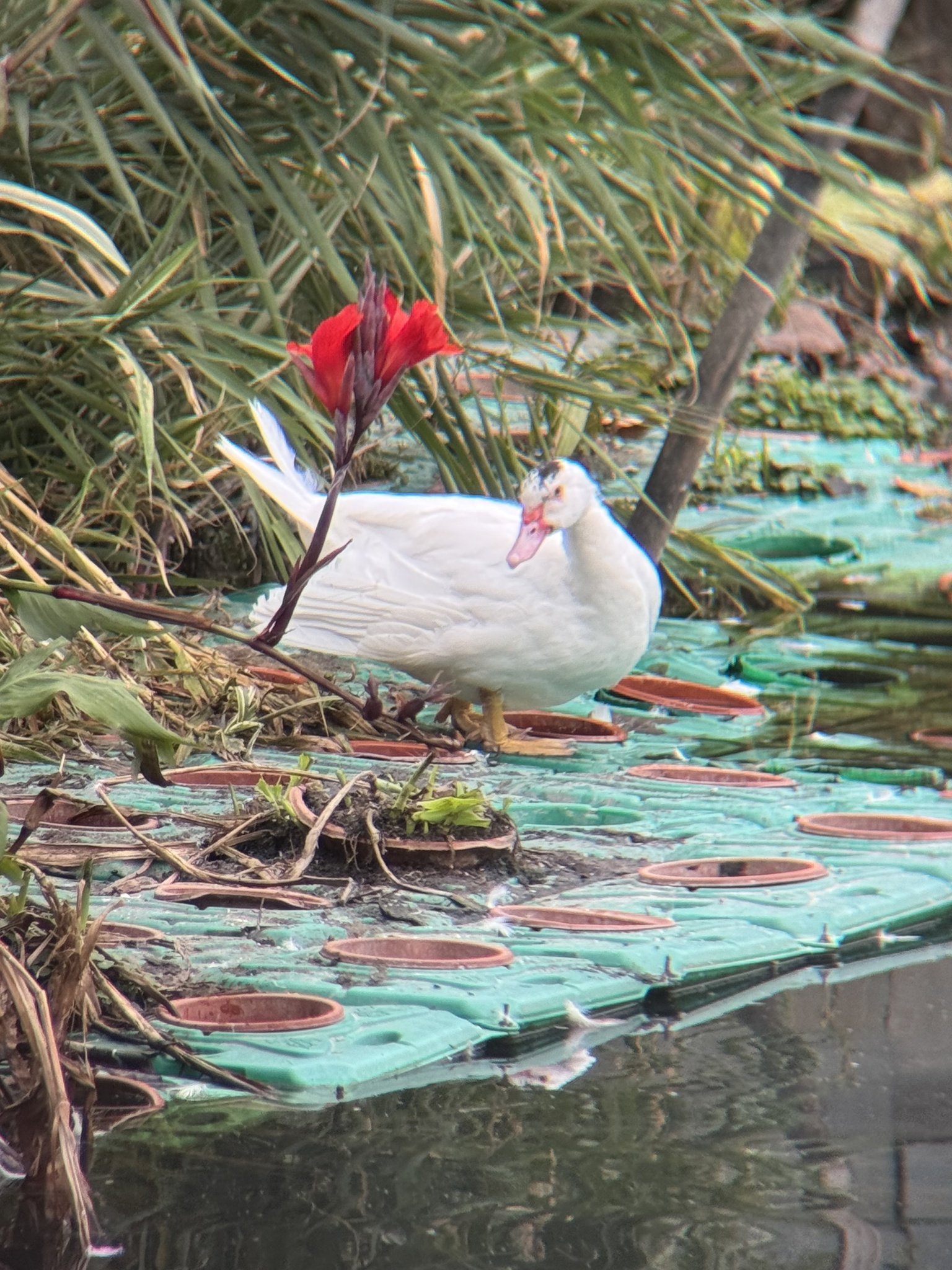
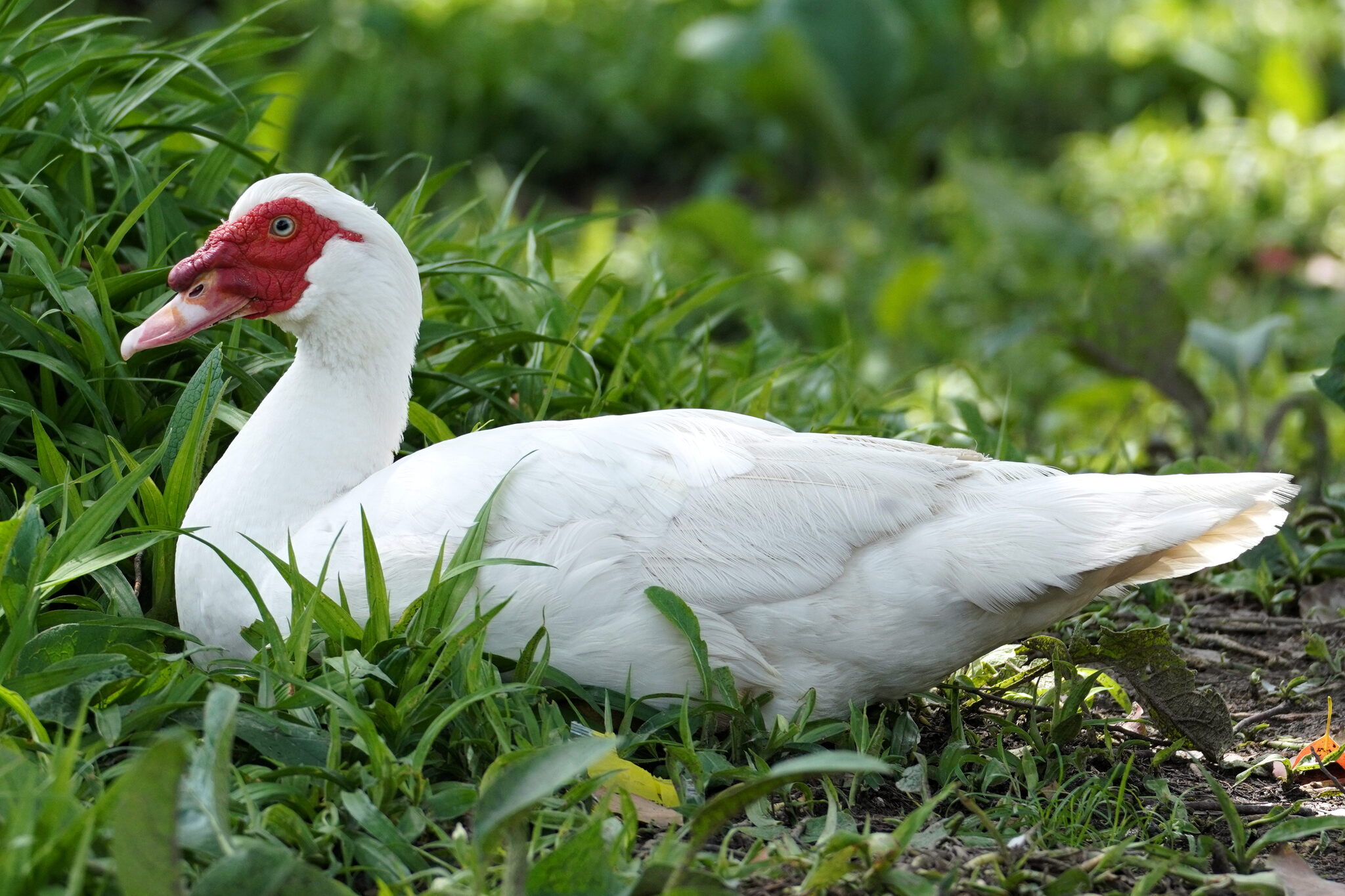
This is a substantially sized duck, with marked sexual dimorphism. Males measure 76-84 cm in length and can weigh 3-4 kg, while females are smaller at 71-76 cm and approximately 1.25 kg, roughly half the male's weight. The wingspan ranges from 137-152 cm. The plumage is predominantly black, featuring conspicuous white patches on the wings that become particularly visible during flight. Males display iridescent, glossy feathers on the back and wings, whereas females appear more subdued in coloration. The species possesses distinctive long claws on its feet and a broad, flat tail. Adult males develop a short crest on the nape and bear a prominent blackish or dark red knob at the base of the black bill, which is speckled with pale pink. The bare facial skin matches the knob in coloration, and the eyes are yellowish-brown. The legs and webbed feet are blackish. Females resemble males in plumage pattern but are notably smaller, have fully feathered faces, and lack the prominent facial knob. Juveniles are overall duller with minimal or no white visible on the wings.
Distribution & Habitat
The native range extends from the Lower Rio Grande Valley of Texas and Mexico southward through Central America to Argentina and Uruguay. This non-migratory species typically inhabits forested swamps, lakes, streams, and adjacent grasslands and agricultural areas, often roosting in trees at night. Feral populations have become established in New Zealand, Australia, the United States, and parts of Central and Eastern Europe. Within the United States, these ducks are considered non-native outside of Hidalgo, Starr, and Zapata Counties in southernmost Texas, where they are classified as indigenous. Populations in southern Florida have become well-established, numbering in the several thousands and considered countable for birders.
Behavior & Ecology
These ducks are aggressive, with males frequently fighting over food, territory, or mates, while female-to-female aggression occurs less often. Adults may peck at ducklings sharing food sources. The species does not form stable pairs, mating occurring on land or in water. Females lay clutches of 8-15 white eggs in tree cavities or ground hollows, incubating them for 30-31 days. The female leaves the nest daily to feed, drink, and bathe. Ducklings hatch over approximately 24 hours and remain with the mother for 10-12 weeks, requiring parental warmth particularly in temperate regions. Males often remain close to the brood for several weeks, providing protection during foraging. The diet is varied, consisting of plant material including aquatic plants, grasses, and agricultural crops, plus small fish, amphibians, reptiles, crustaceans, spiders, insects, millipedes, and worms. Vocalizations include a low breathy call from the drake and a quiet trilling coo from the hen.
Conservation
The species is not considered globally threatened by the IUCN due to its wide distribution. However, it remains somewhat uncommon in the eastern part of its range due to excessive hunting. The species has benefited from nest box programs in Mexico, which have supported local populations. In the United States, feral populations outside of southern Texas are managed as non-native species, with regulations allowing removal or destruction of ducks, eggs, and nests where no owner exists. Some feral populations, such as those in southern Florida, have developed pest reputations. Legal methods to restrict breeding include ceasing to feed the ducks and using noise or harassment to deter them.
Culture
This duck holds significance as one of the few domesticated American waterfowl, having been kept by various Native American cultures in the Americas long before European contact. Columbus brought several individuals to Europe in the early 16th century after reaching the Bahamas. In Spanish-speaking regions, the domestic form is commonly known as pato criollo. In culinary contexts, the term Barbary duck typically refers to this species when prepared as food. The duck has been bred since pre-Columbian times, resulting in domesticated strains that are heavier and display more variable plumage, often with extensive white markings, compared to wild birds.
Source: Wikipedia · CC BY-SA 3.0
Taxonomy
- Order
- Anseriformes
- Family
- Anatidae
- Genus
- Cairina
- eBird Code
- musduc
Distribution
lowland wetlands from northern Mexico southward, west of the Andes, to southwestern Ecuador and, east of the Andes, to northeastern Argentina and Brazil; domestic varieties introduced almost worldwide
Data Sources
Species description from Wikipedia, licensed under CC BY-SA 3.0.
Bird images and sounds sourced from GBIF, contributed by citizen scientists worldwide under Creative Commons licenses.
Taxonomy data from AviList 2025.