Long-legged Buzzard
Buteo rufinus
棕尾鵟
Introduction
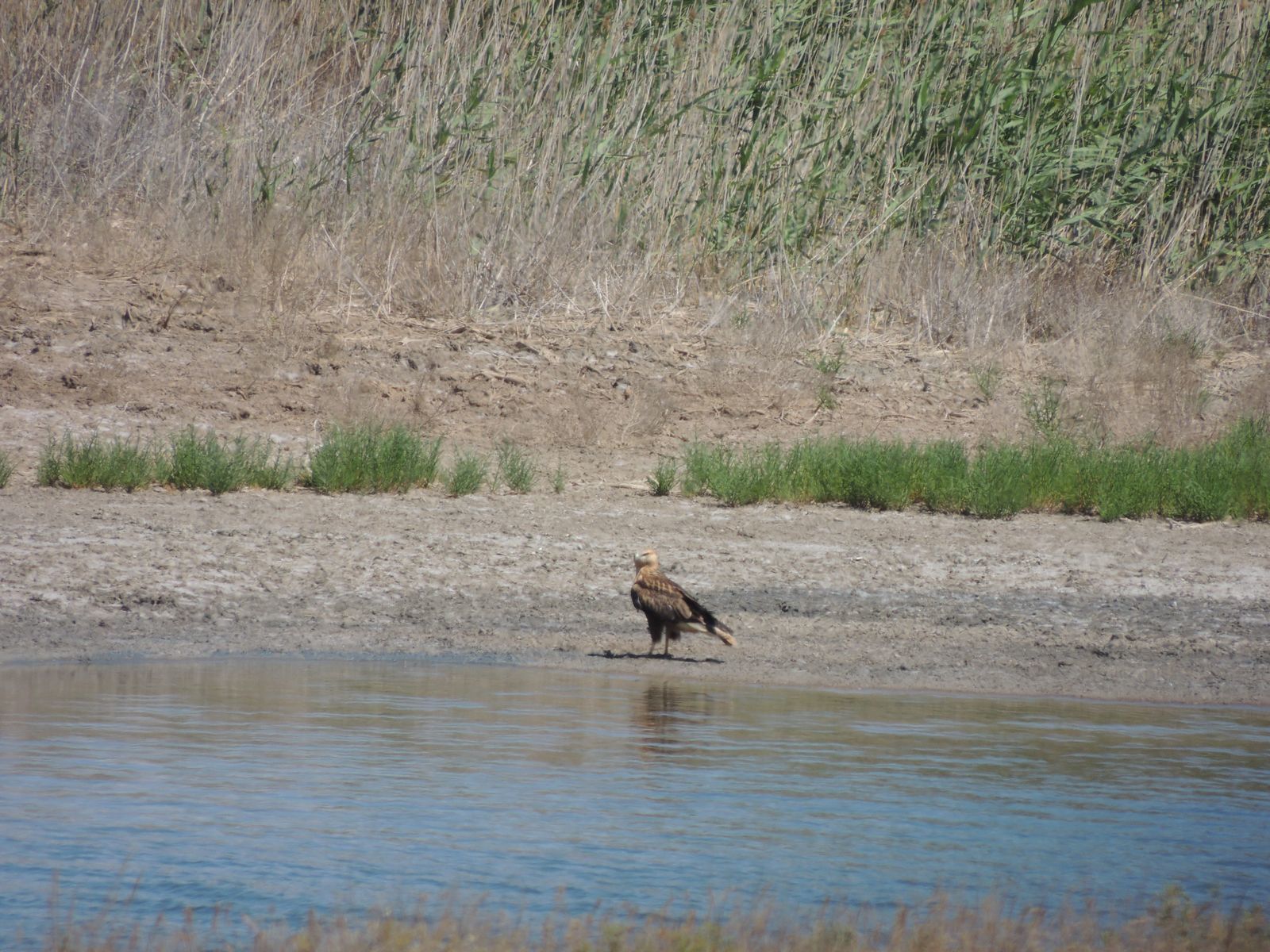
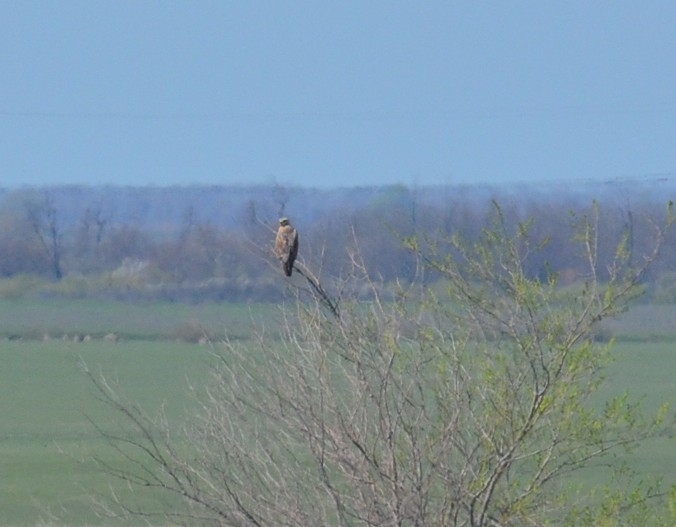
The Long-legged Buzzard (Buteo rufinus) is one of the largest Buteo species, with a body length of 50-66 cm and wingspan of 110-150 cm. Its range extends from southeastern Europe through Central Asia to the Indian subcontinent and North Africa. The species inhabits arid steppe, semi-desert, and rocky terrain at elevations up to 3000 meters. It displays extensive phenotypic variation with multiple color morphs. The species perches on rocks, cliffs, and utility poles, and also walks on the ground while foraging. Diet consists opportunistically of small mammals, reptiles, and occasionally birds. The species is not globally threatened, though populations in parts of western Europe have declined.
Description
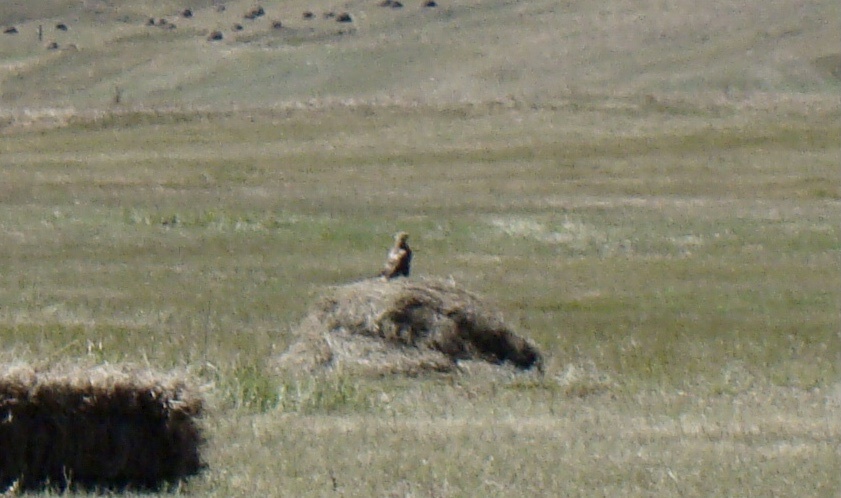
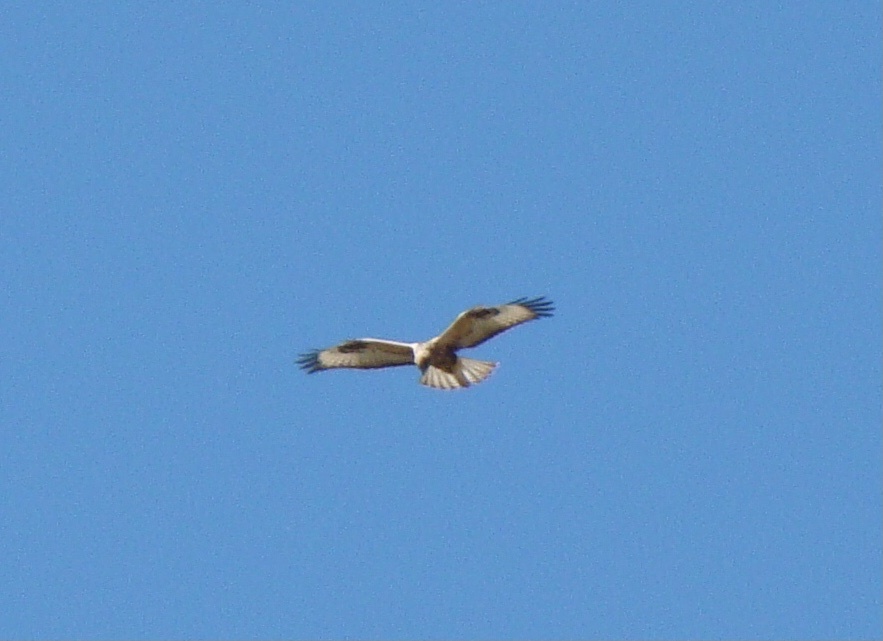
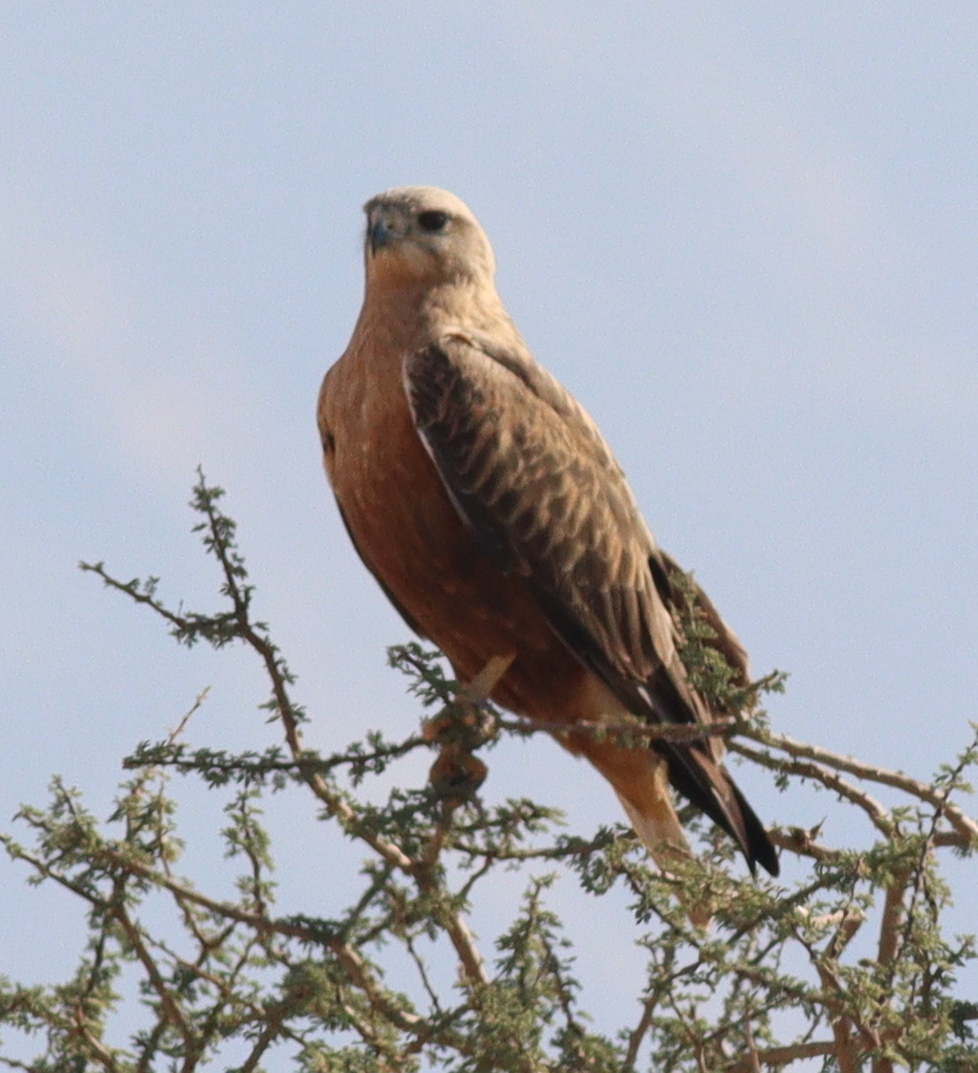
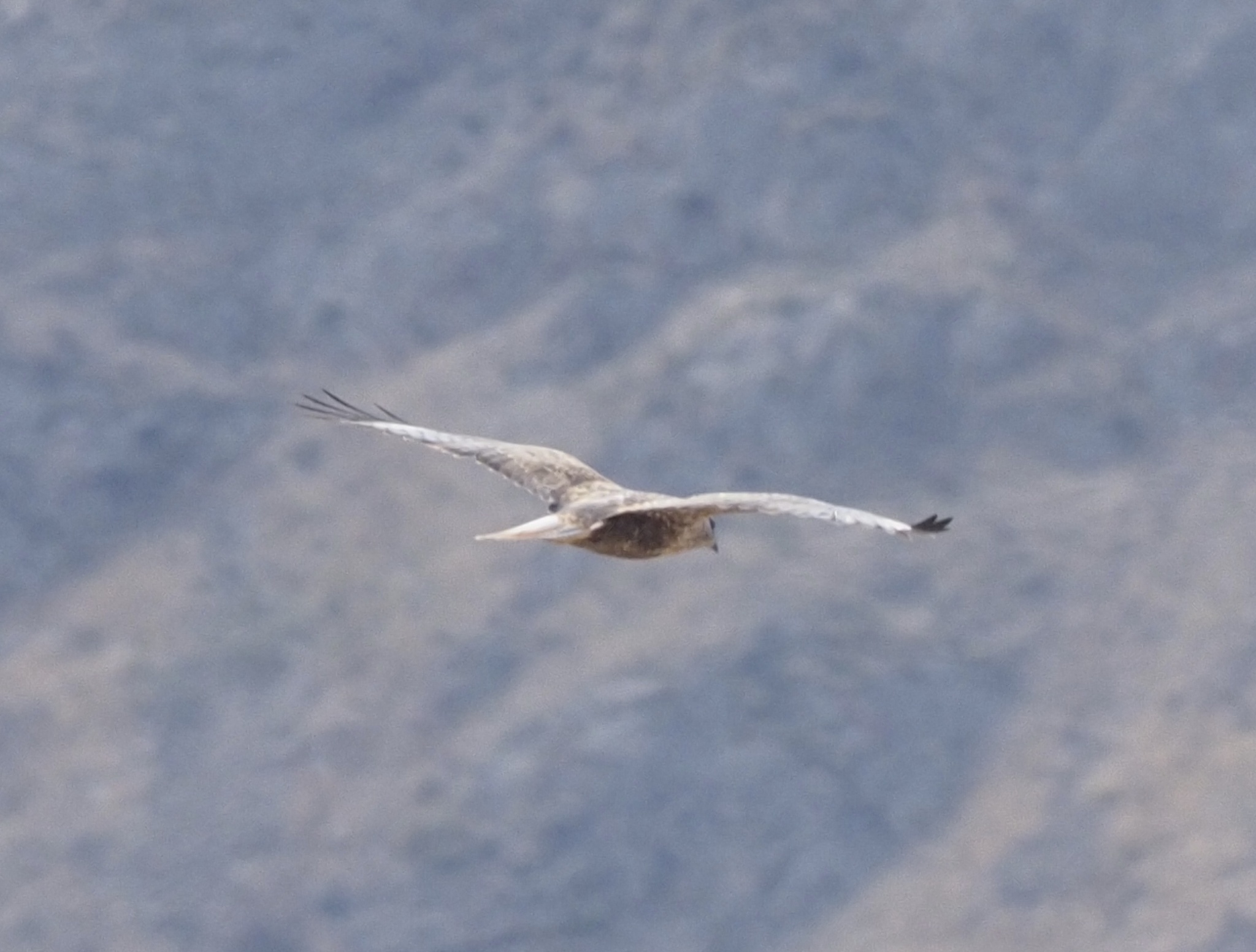
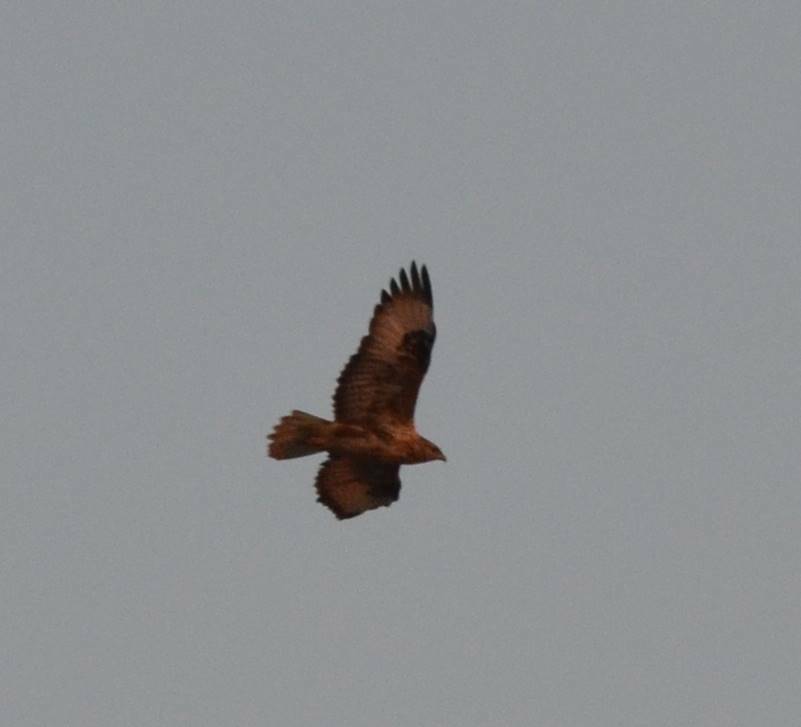
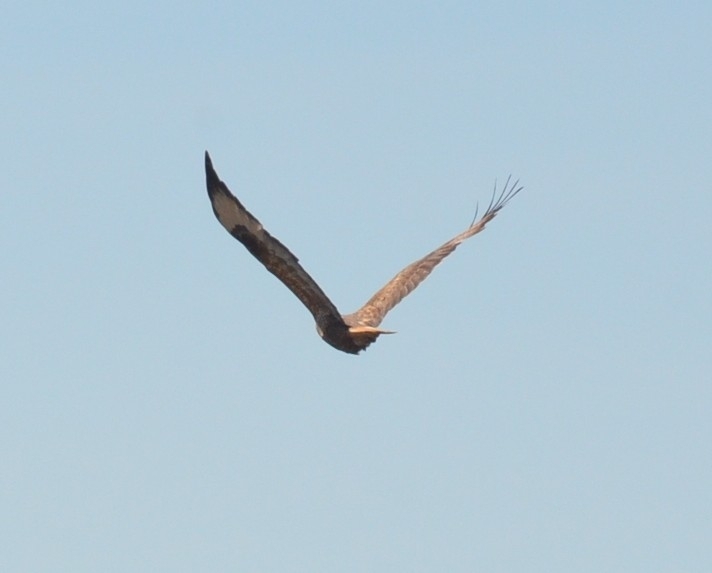
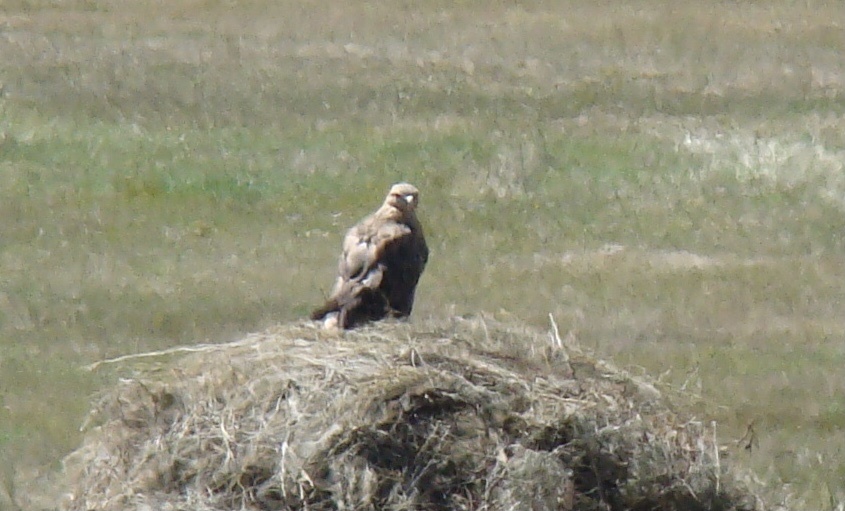
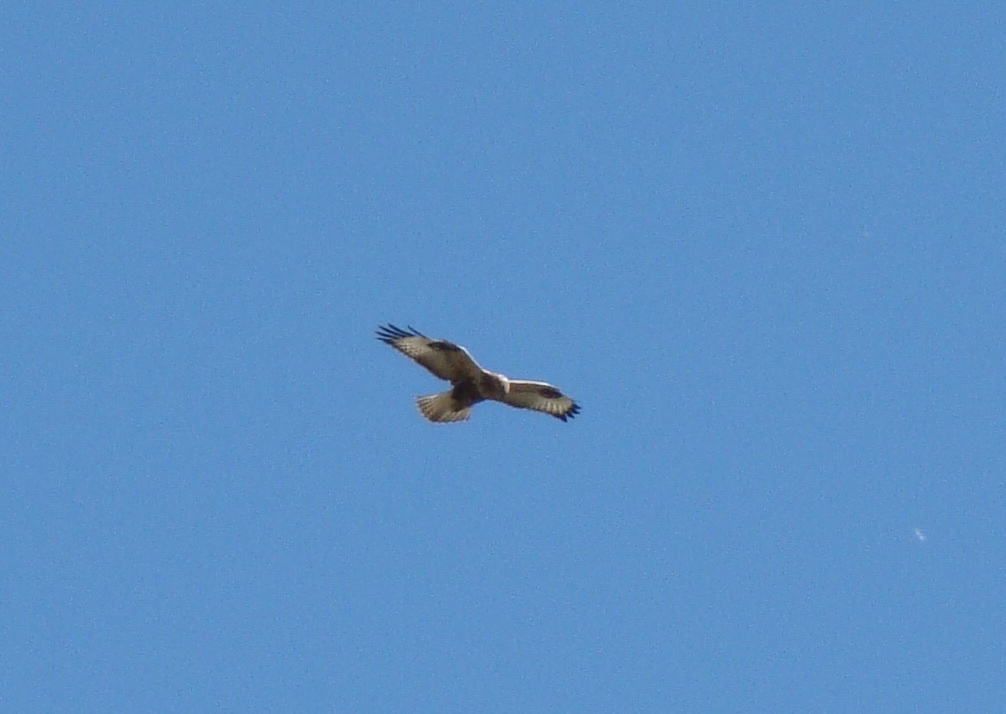
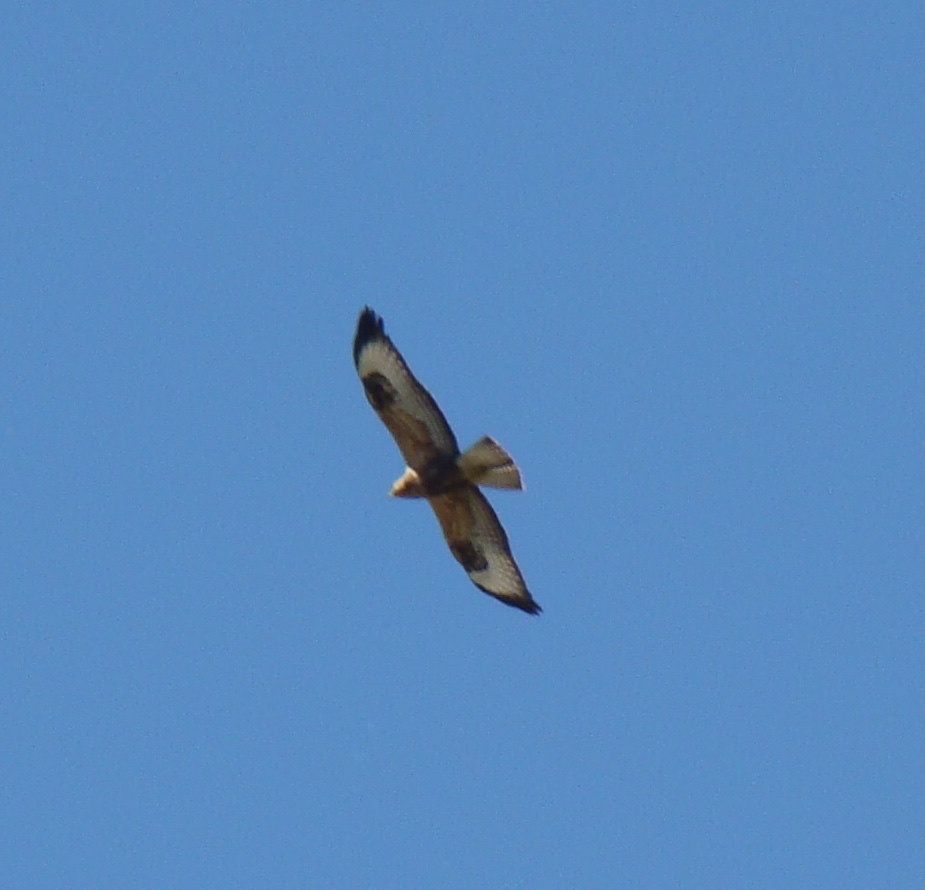
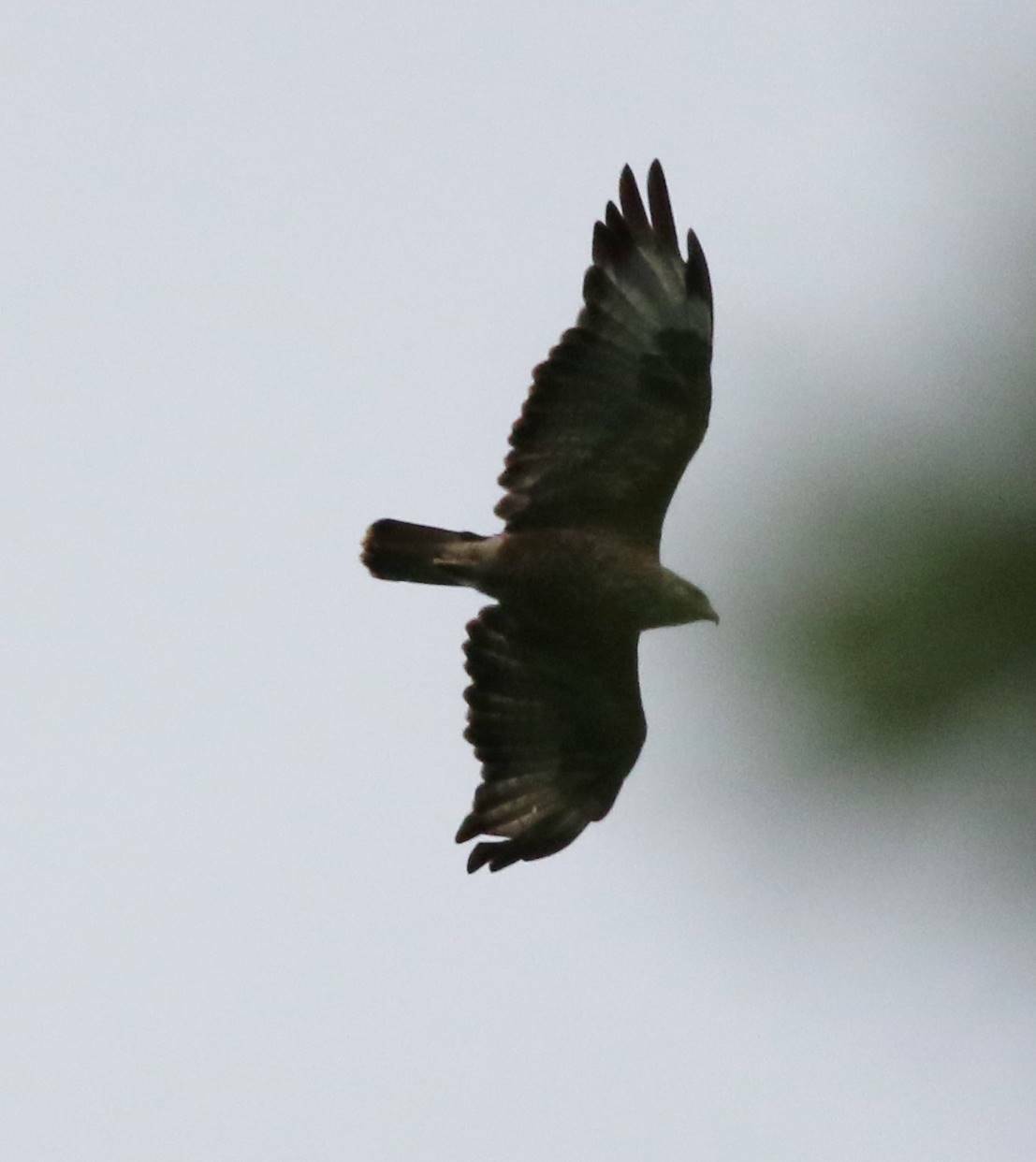
This is a large, sturdy raptor with a relatively large bill on a smallish head, long broad wings, a fairly long rounded tail, and notably long legs with powerful feet. The species exhibits extreme plumage variation with three main morphs: pale individuals have a creamy-rufous head, streaked brown upperparts, and a light orange tail; intermediate birds show richer, darker rufous tones throughout; dark morphs appear almost entirely blackish-brown. All morphs have very dark brown eyes as adults and dull yellow cere and legs. In flight, the broad-winged silhouette appears eagle-like with a protruding head, and the species flies with slow, deep wingbeats while frequently hovering. Adults measure 50-66 cm in length with a wingspan of 112-163 cm, showing pronounced sexual dimorphism with females up to 30% heavier than males.
Identification
Paler individuals can be reasonably distinctive, but the highly variable plumage often leads to confusion, particularly with the steppe subspecies of common buzzard. Telling them apart requires attention to multiple features: the steppe buzzard is distinctly smaller and more compact with shorter wings and tail, has a more pronounced head but less protruding bill, and shows a darker head and chest with a contrasting pale breast band. Dark morphs of both species are especially difficult to distinguish and are best separated by size and proportions. The upland buzzard averages slightly larger with a distinctive white patch on the upper wing and a uniform grayish-white tail lacking the warm rufous tones. The rough-legged buzzard is marginally smaller with fully feathered legs and a white-based tail with a broad dark subterminal band.
Distribution & Habitat
This species inhabits arid regions across a broad geographic range from northwestern Africa and southeastern Europe through Turkey, the Middle East, and Central Asia to northwestern China and the northern Indian subcontinent. It breeds throughout Turkey, the Caucasus, and much of Central Asia, with the nominate subspecies being largely migratory in northern and eastern portions of its range. Wintering areas extend through the Indian subcontinent, Arabia, and parts of northeast Africa. The species prefers open steppe, semi-desert, rocky landscapes, and dry shrubland, typically nesting on cliff ledges, rocky crags, and occasionally trees or artificial structures. Breeding populations occur from sea level up to 3,900 m elevation in Asia.
Behavior & Ecology
Although appearing sluggish when perched, this species is a powerful and active predator that employs multiple hunting strategies. It typically watches for prey from elevated perch sites including rocks, trees, and power poles, but also hunts by hovering at heights of up to 30 meters before dropping steeply to capture prey. The diet is generalist and opportunistic, dominated by small mammals such as rodents, moles, and ground squirrels, but also includes substantial numbers of reptiles, birds, and insects. Breeding occurs between March and July, with nests built on cliff ledges, in trees, or occasionally on power poles. The nest is a large stick structure typically containing 2-4 eggs, with incubation lasting about 28-30 days. The species is usually solitary outside the pair bond but may form loose breeding groups. Vocalizations are not well developed; the most common call is a short, gull-like mew.
Conservation
The species holds a global conservation assessment of Least Concern due to its extensive range and generally stable population. However, European populations have experienced significant declines exceeding 30% from historical levels, warranting Vulnerable status regionally. The western Palearctic population was estimated at 11,800-19,200 breeding pairs by 2015, representing a substantial increase from 1990s estimates of 5,000-15,000 pairs. Bulgaria holds 200-750 pairs, Greece around 60-300 pairs, and western Russia 800-1,500 pairs. Declines in western Russia and parts of Europe contrast with stable or increasing populations elsewhere. Major threats include habitat degradation, pesticide use, and potential competition with other raptors. Central Asian populations appear stable but remain poorly documented.
Culture
While specific cultural or folklore associations are not well documented in available sources, the species' impressive size and distinctive hunting behavior have likely made it a notable presence in the cultures of the regions it inhabits. As a cliff-nesting raptor sharing habitat with other large birds of prey, it may appear in local traditions or folk knowledge across its extensive range from the Mediterranean to Central Asia and the Indian subcontinent.
Source: Wikipedia · CC BY-SA 3.0
Taxonomy
- Order
- Accipitriformes
- Family
- Accipitridae
- Genus
- Buteo
- eBird Code
- lolbuz1
Vocalizations
Subspecies (2)
-
Buteo rufinus cirtensis
Mauritania to Egypt and Arabian Peninsula
-
Buteo rufinus rufinus
southeastern Europe to Mongolia and India; winters to Africa
Data Sources
Species description from Wikipedia, licensed under CC BY-SA 3.0.
Bird images and sounds sourced from GBIF, contributed by citizen scientists worldwide under Creative Commons licenses.
Taxonomy data from AviList 2025.