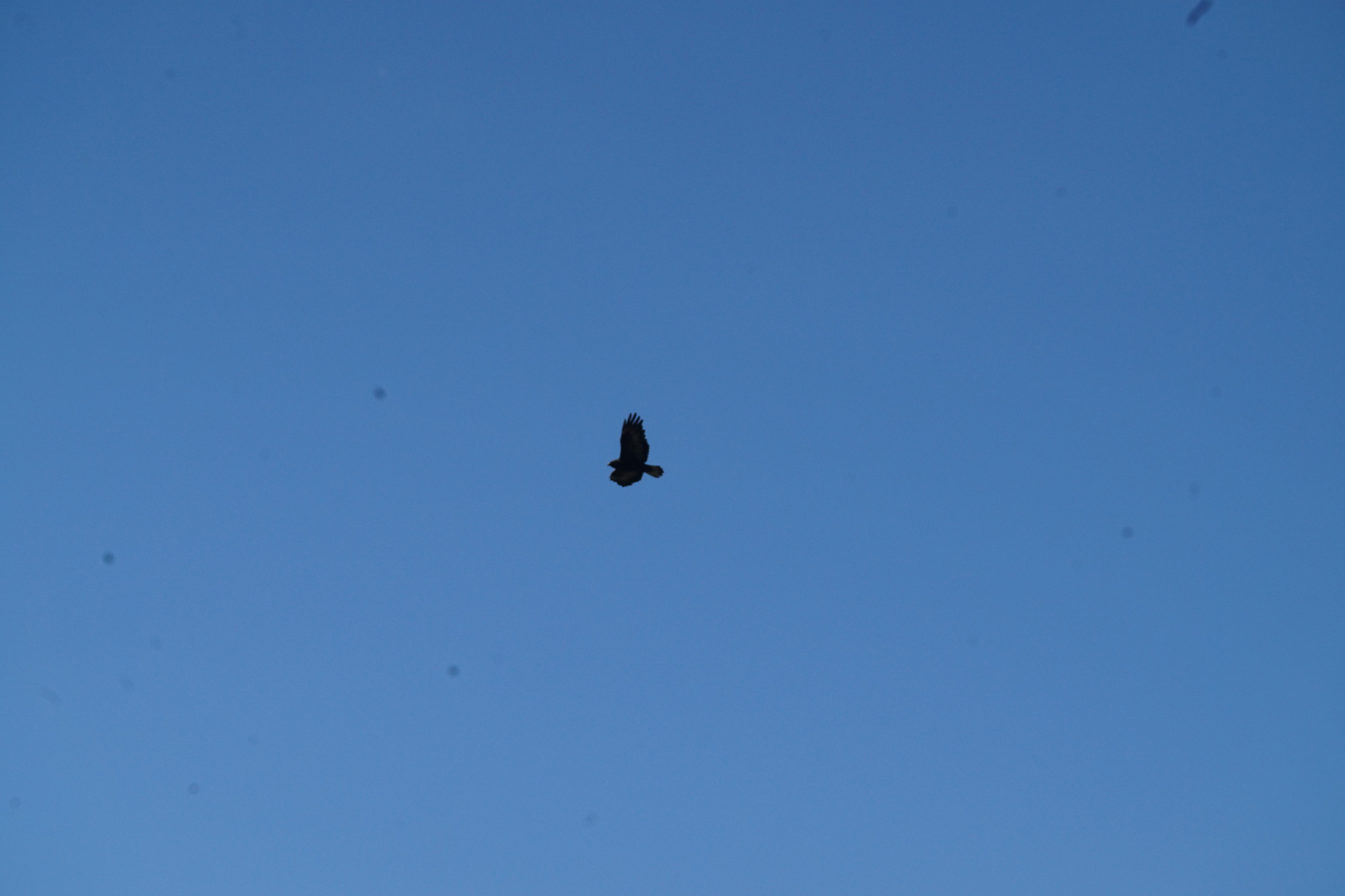
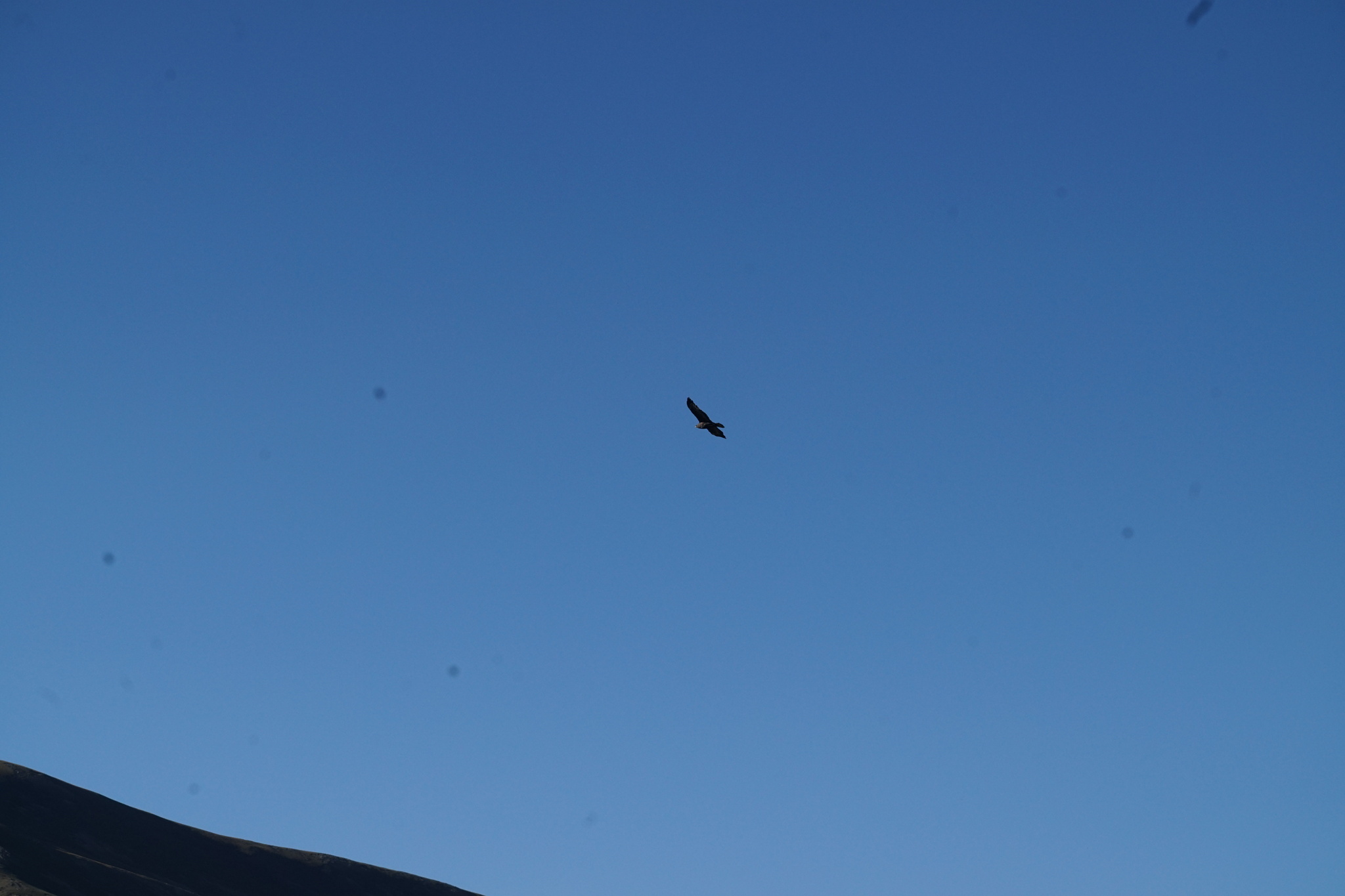
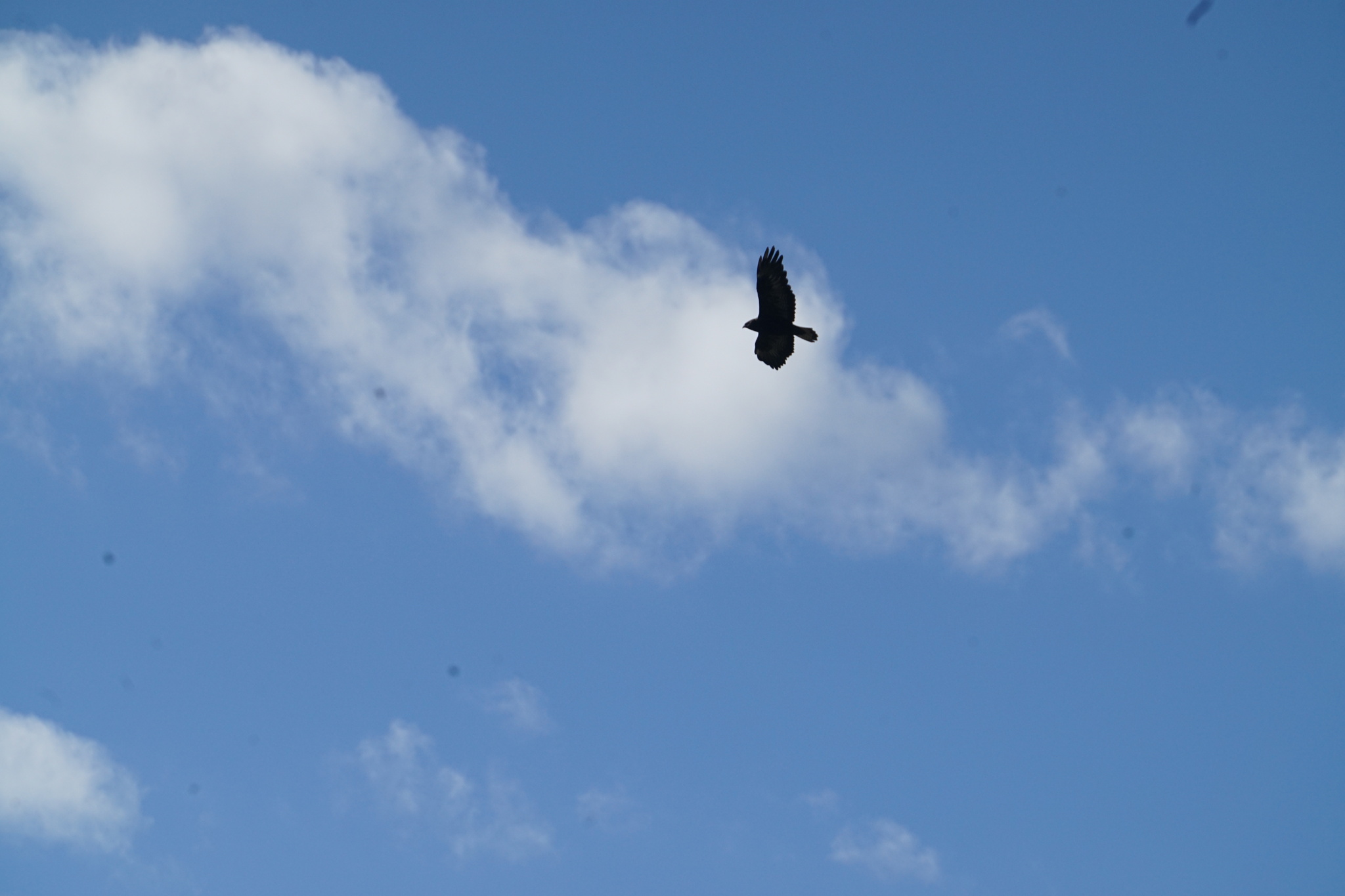
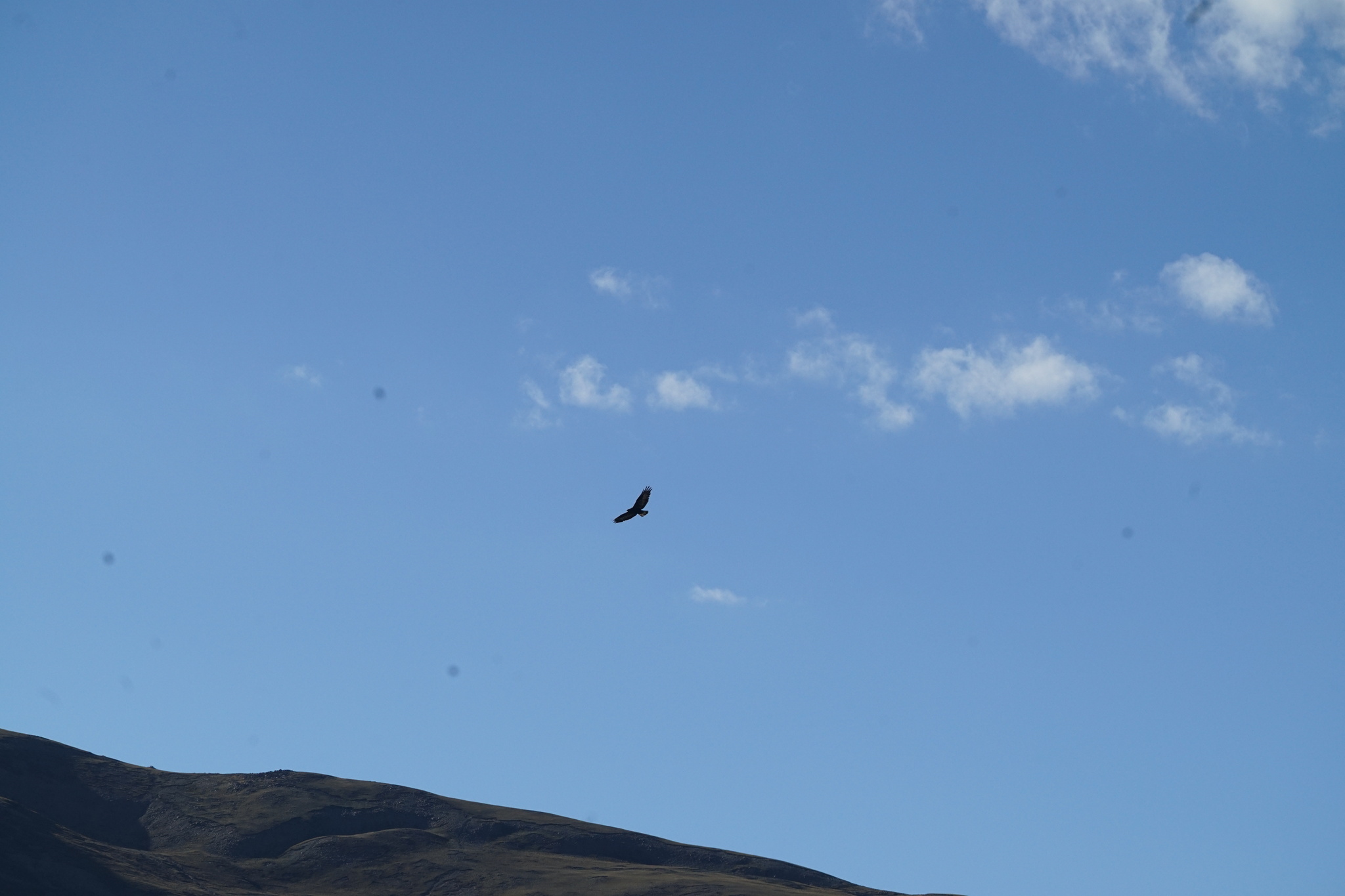
Himalayan Buzzard
Buteo refectus
喜山鵟
Introduction
Medium to large bird of prey. Inhabits high mountain ranges of Central and South Asia. Formerly classified under a different genus, it was reassigned following taxonomic revisions that clarified its phylogenetic relationship to other buzzard species. While previously considered a subspecies of the common buzzard, it is now treated as a distinct species. Occurs in montane habitats including alpine meadows, forest edges, and mountain slopes. Hunts by soaring on thermal currents and perching in elevated positions to detect prey.
Description
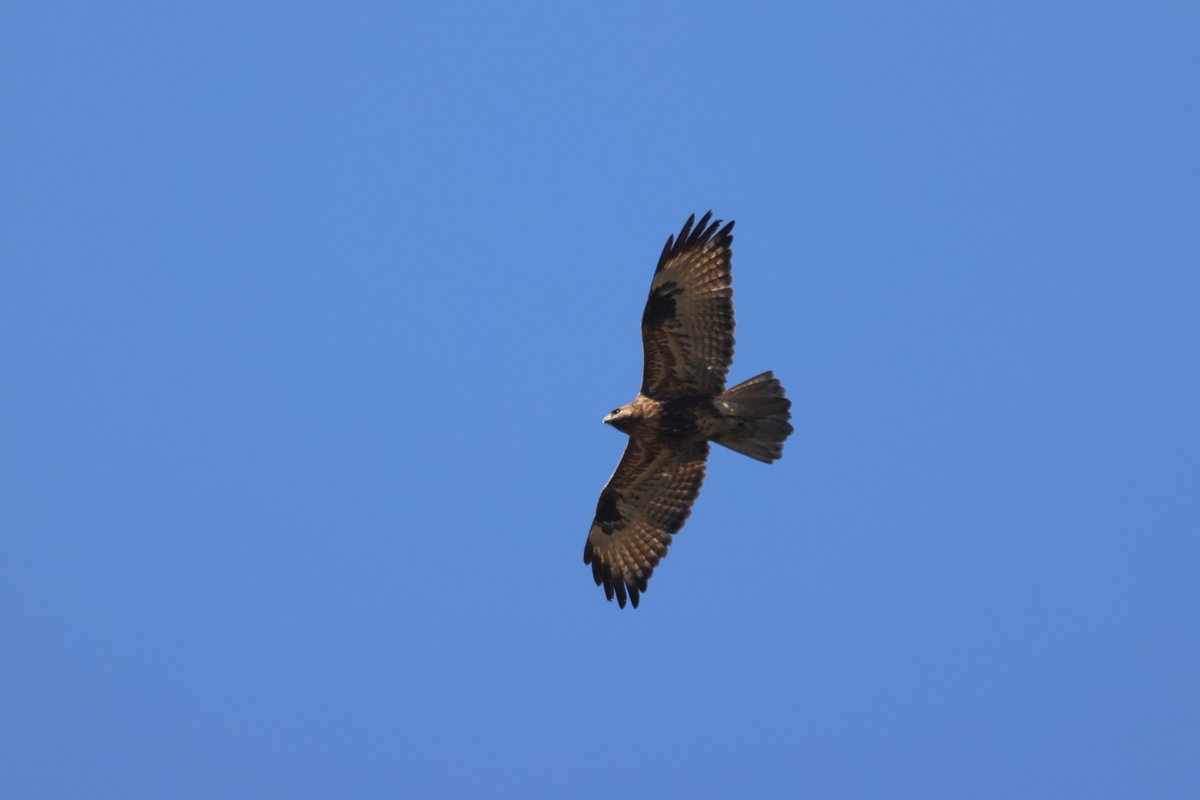
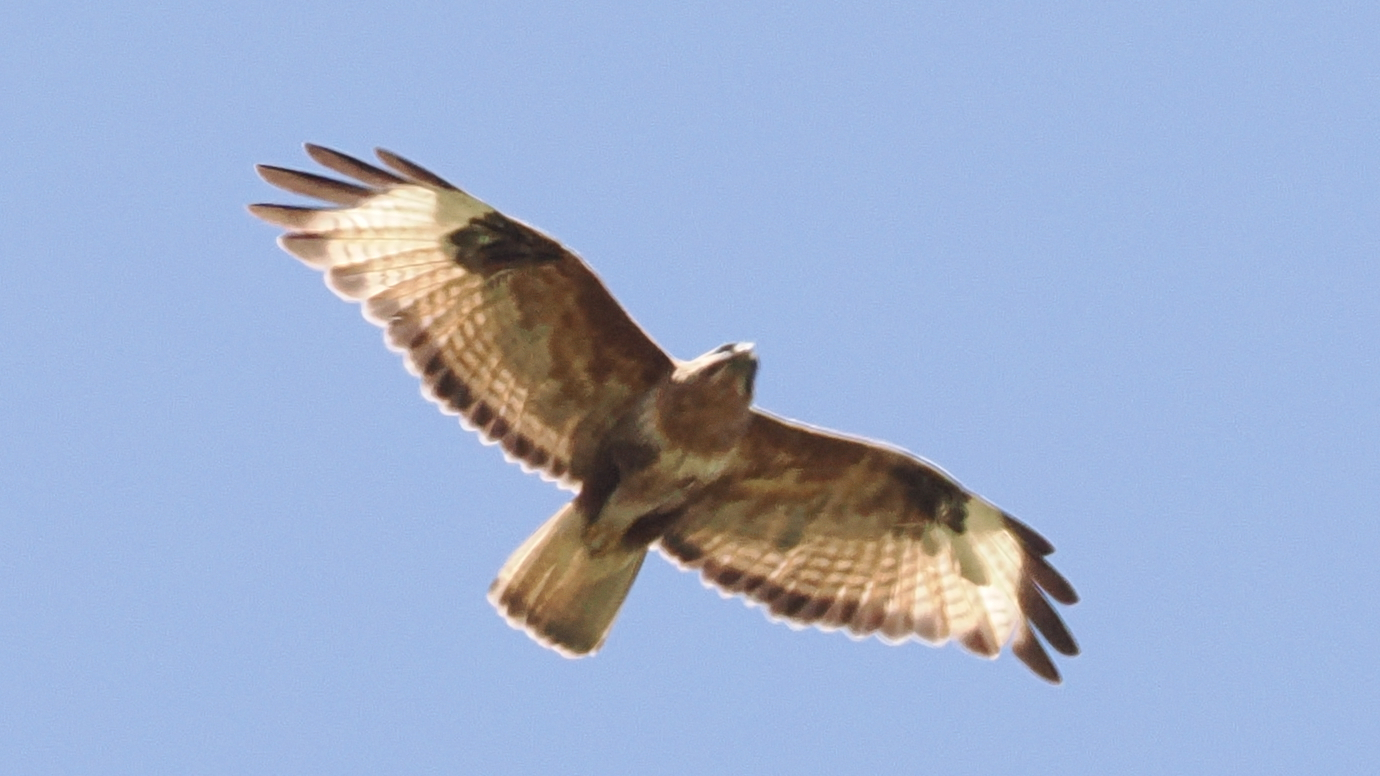
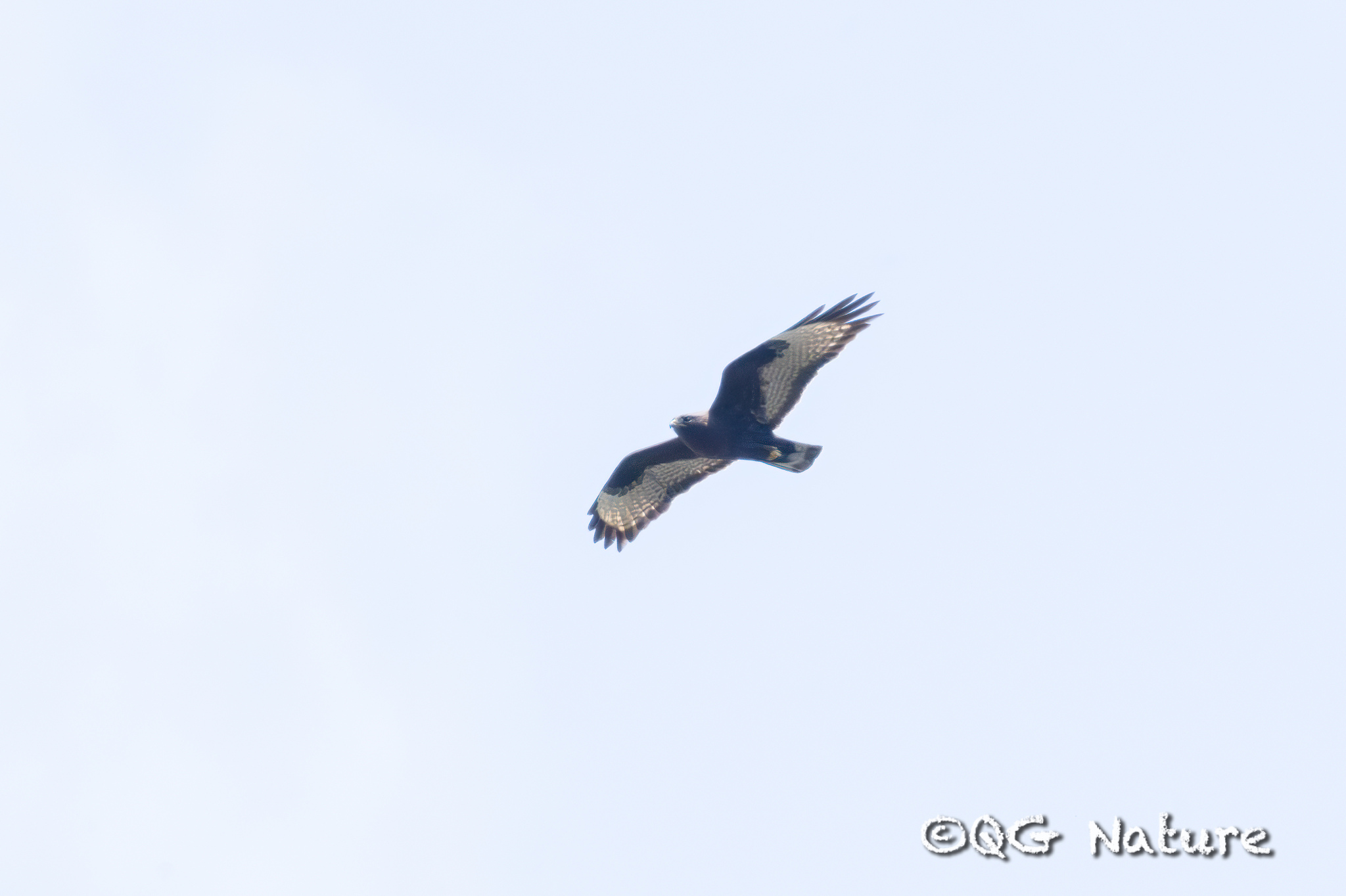
As a medium to large buzzard, this species exhibits the typical robust body shape and broad wings characteristic of the Buteo genus. The plumage shows considerable variation among individuals, a trait common in buzzard species that can complicate identification. The wings are relatively broad, adapted for soaring over mountainous terrain where thermal currents provide opportunities for energy-efficient flight. The tail is relatively short and broad, typical of birds that hunt in open country.
Distribution & Habitat
This species is endemic to the Himalayas and adjacent mountain ranges. Its core range encompasses Nepal and northern India, extending eastward into the neighboring highlands of southern China. It occupies the mountainous regions along the southern edge of the Tibetan Plateau, where it can be found at elevations typically associated with montane and subalpine zones. The species is resident within its range, meaning populations do not undertake long-distance migrations, though individuals may make altitudinal movements in response to seasonal conditions.
Source: Wikipedia · CC BY-SA 3.0
Taxonomy
- Order
- Accipitriformes
- Family
- Accipitridae
- Genus
- Buteo
- eBird Code
- combuz9
Distribution
breeds from the western Himalayas in northern India eastward to montane south-central China (Sichuan and Gansu); winters to southeast Asia
Data Sources
Species description from Wikipedia, licensed under CC BY-SA 3.0.
Bird images and sounds sourced from GBIF, contributed by citizen scientists worldwide under Creative Commons licenses.
Taxonomy data from AviList 2025.