Bulwer's Petrel
Bulweria bulwerii
褐燕鹱
Introduction
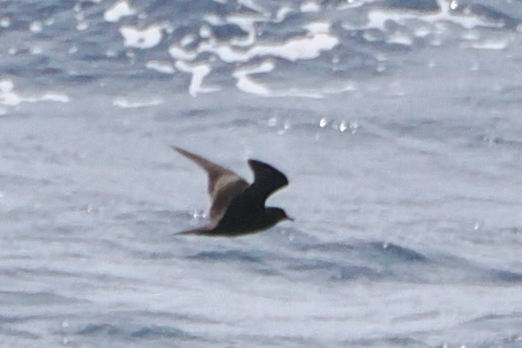
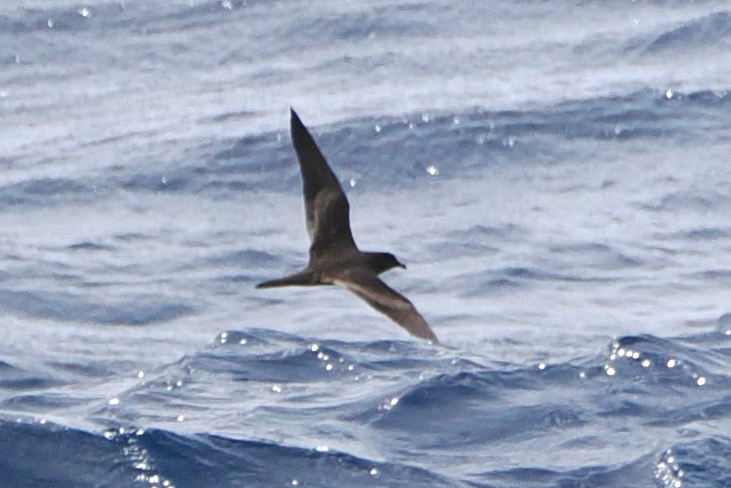
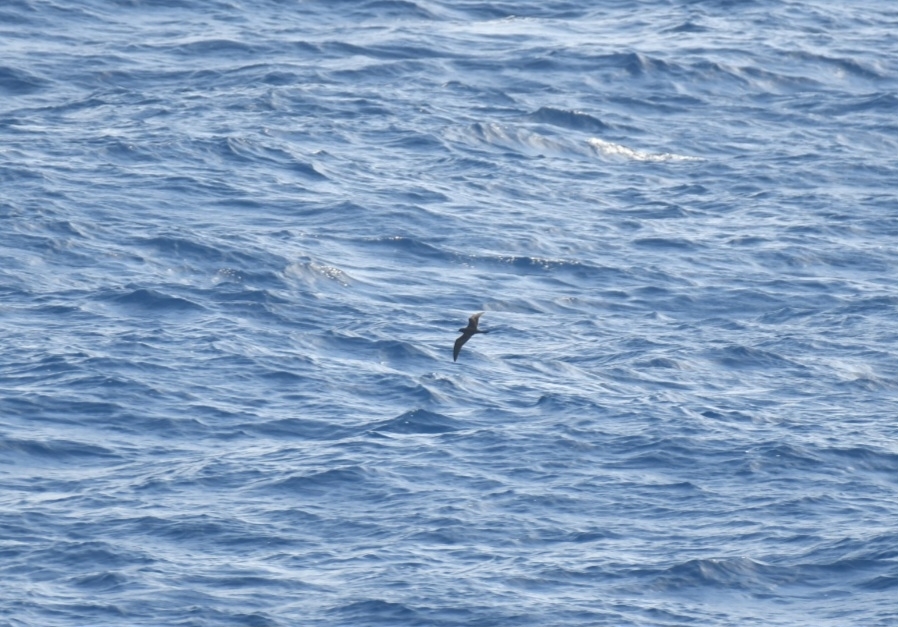
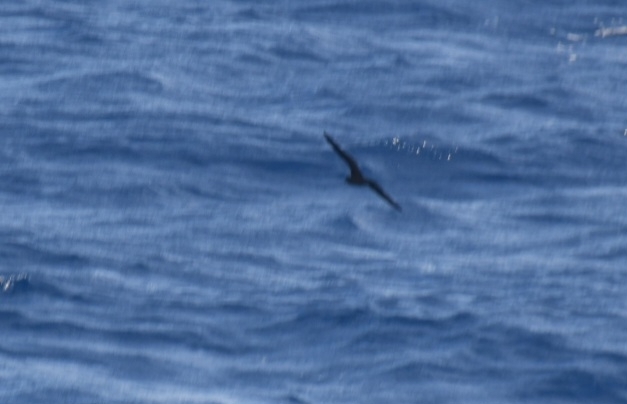
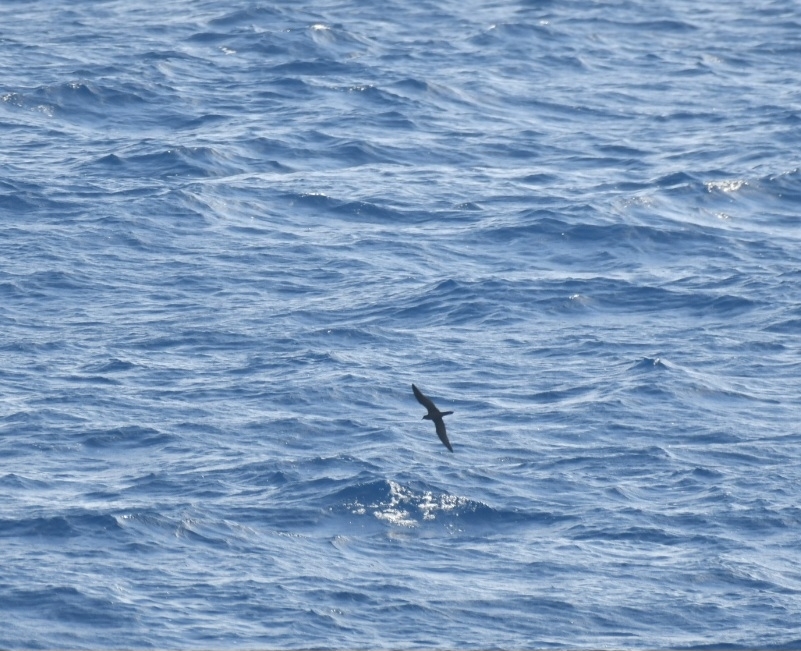
Bulwer's petrel (Bulweria bulwerii) is a small petrel and the sole member of its genus. It occurs in tropical and subtropical waters of the Atlantic, Indian, and Pacific oceans. It breeds on islands and coastal areas but spends most of its life over open ocean waters. The species has a buoyant, twisting flight as it glides low over waves. It feeds on planktonic organisms taken from the surface.
Description
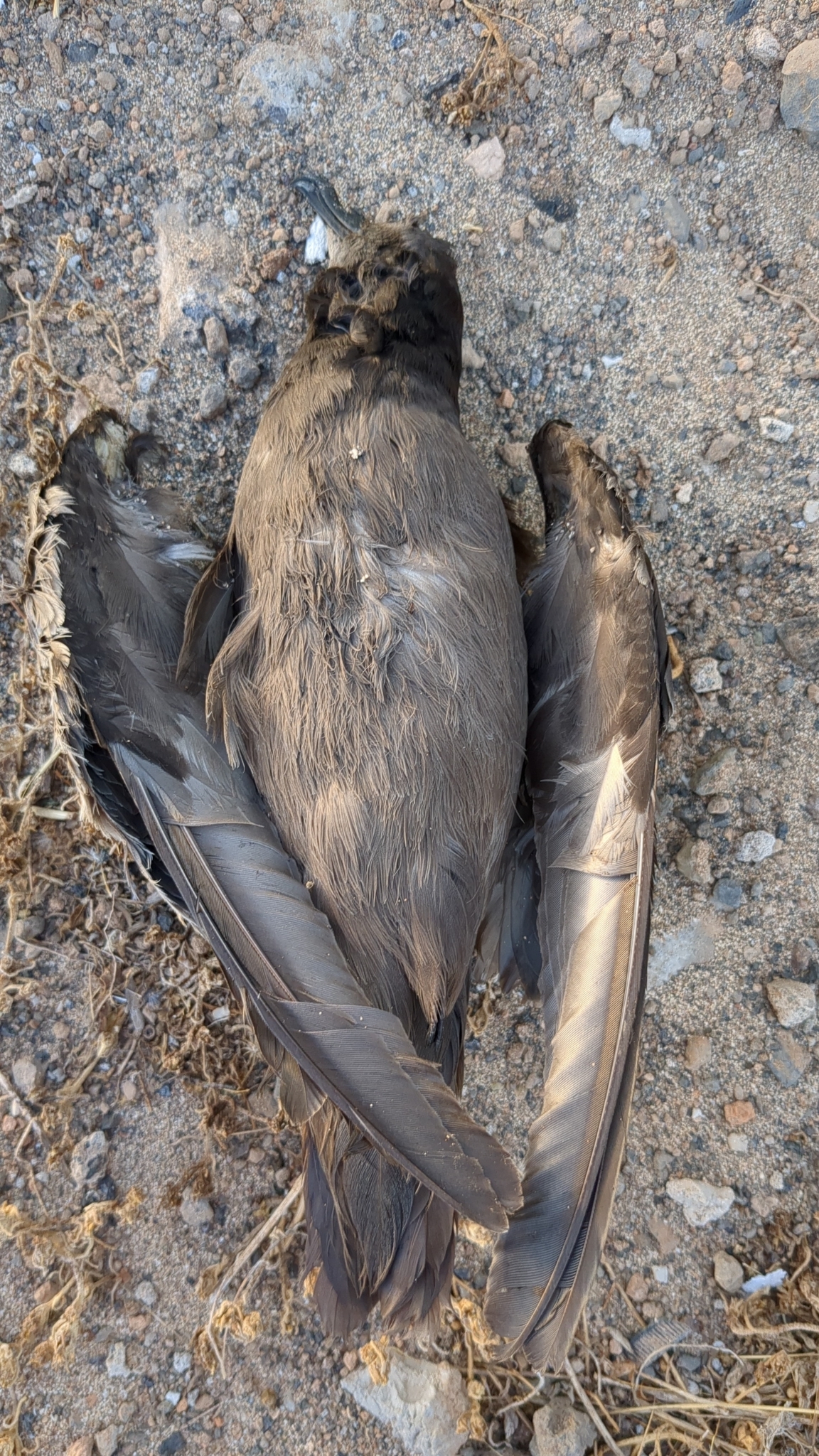
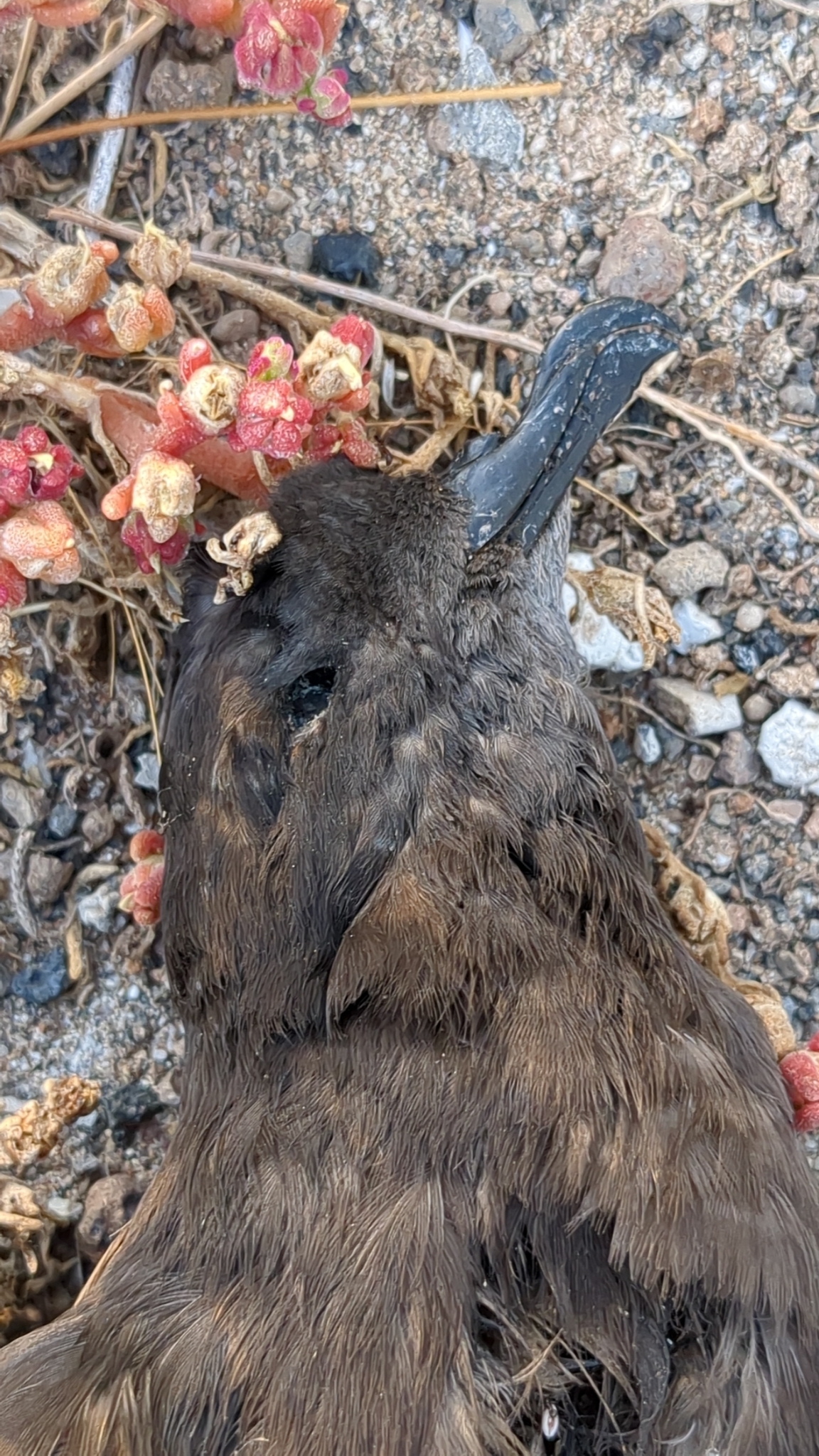
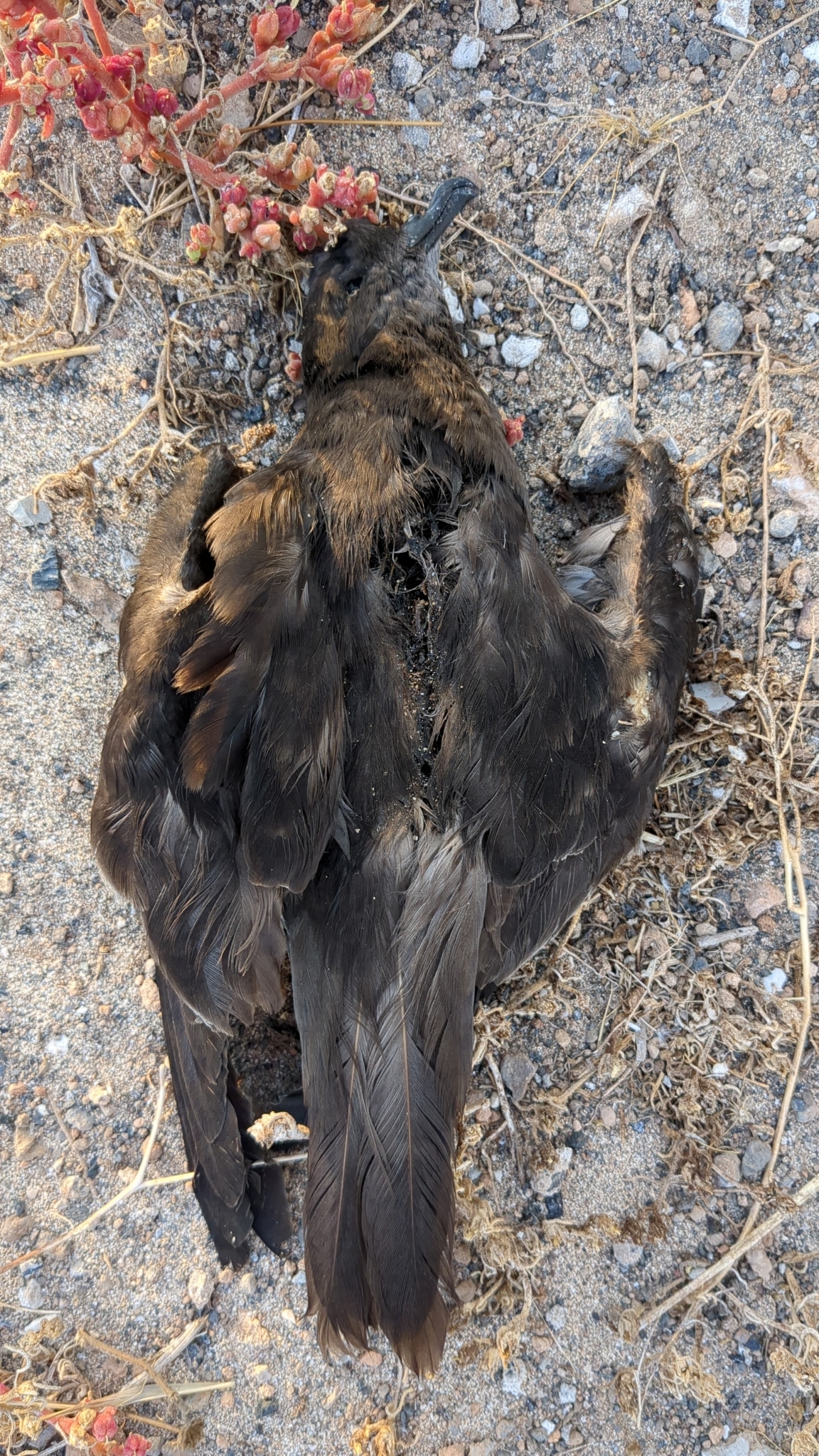
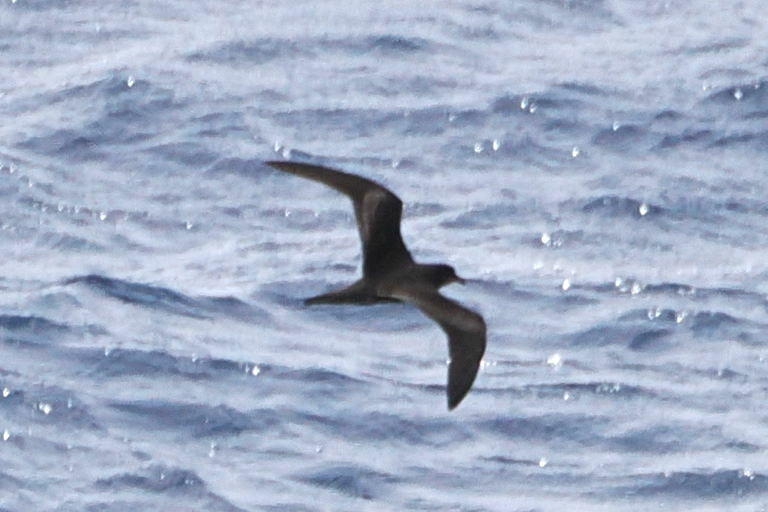
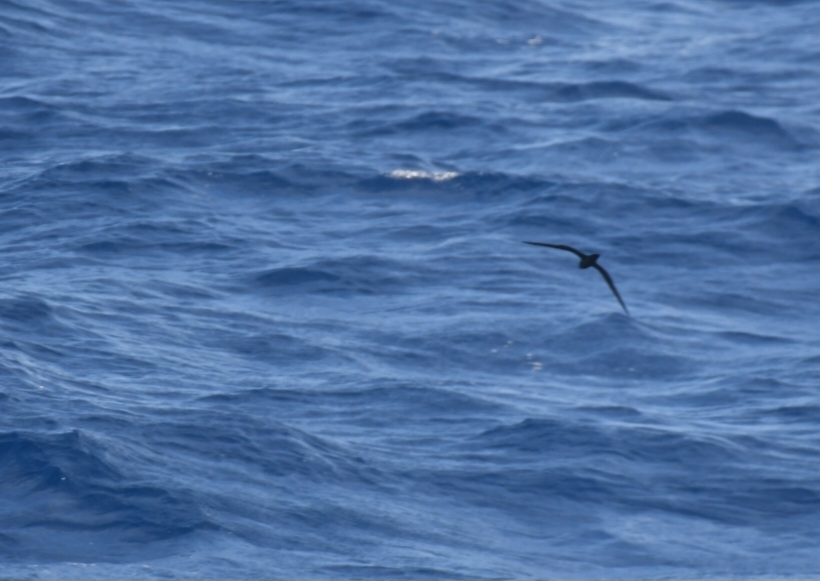
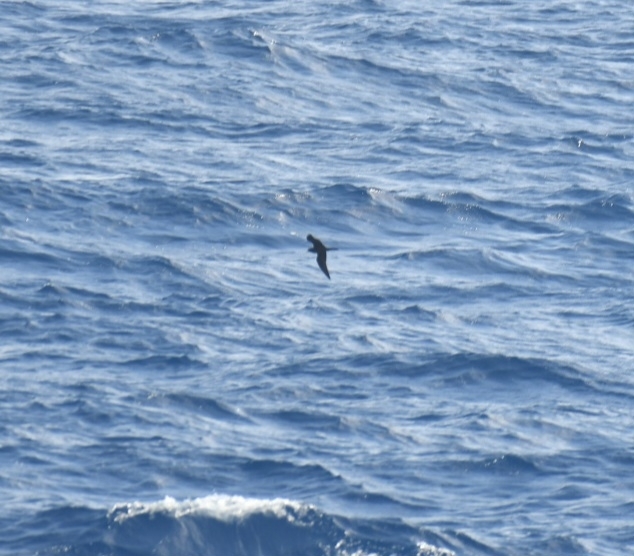
This compact petrel measures 25–29 cm in length with an impressive wingspan of 78–90 cm, featuring notably long, slender wings that give it an elegant silhouette in flight. The plumage is predominantly dark brown throughout, providing excellent camouflage against the ocean backdrop. Its most distinctive field mark is the long, pointed tail, which distinguishes it from many other storm-petrels and prions. The species is characterized by its buoyant, twisting flight pattern as it skims the ocean surface, rather than the more stiff-winged flight typical of larger petrels. The overall dark appearance and relatively small size make it a challenging identification in poor lighting conditions.
Distribution & Habitat
Bulwer's petrel has an extensive tropical and subtropical distribution spanning the Atlantic, Indian, and Pacific oceans. Year-round populations occur in Cabo Verde, China, French Guiana, Indonesia, Japan, Malaysia, Mauritania, Morocco, Saint Helena, Ascension and Tristan da Cunha, Senegal, and Taiwan. Breeding colonies are established in the Macaronesian Islands and coastal Portugal in the Atlantic, extending east through the Bonin Islands to the Hawaiian Islands, Marquesas Islands, US Minor Outlying Islands, and Kiribati in the Pacific. It is strictly marine and highly pelagic, typically found far from land except during the breeding season. As a rare vagrant, it has been recorded in Ireland, the Netherlands, France, Italy, California, North Carolina, and Australia.
Behavior & Ecology
Breeding commences in April and May, with pairs returning to the same nest site and mate each year. Nests are constructed in burrows, vegetation, cliff caves and crevices, or under man-made debris and driftwood, though the species does not excavate its own burrows. Colonies during the breeding season can number 7,000–9,000 pairs. The species lays a single beige-white egg measuring approximately 42 by 30 mm, though young, inexperienced birds may occasionally lay two eggs. Both parents share incubation duties for 42–46 days and jointly feed the chick. Its diet consists primarily of small fish such as sardines, squid, and various crustaceans including crabs, krill, and shrimp, supplemented by planktonic organisms.
Conservation
The species faces predation pressure from introduced predators including cats, house rats, and endemic invertebrates across the North East Atlantic. Feral cats have significantly restricted breeding distribution, with colonies in the Azores now confined to steep cliff areas to avoid predation. Madeiran wall lizards have been recorded preying on up to 10% of chicks in some Madeira colonies, though this is unlikely to impact population levels. Human exploitation for food and fish bait occurs in the Desertas Islands colony, though this practice has ceased in the Salvage Islands following their designation as a nature reserve. The species is vulnerable to oil spills, marine pollution, and light pollution at night, with tourism and recreational developments potentially reducing available breeding habitat.
Culture
The species bears the name of James Bulwer, an English naturalist and artist who collected the type specimen on the island of Madeira in 1828. Beyond this taxonomic designation, no significant cultural traditions, folklore, or cultural significance associated with this species are documented in the available literature.
Source: Wikipedia · CC BY-SA 3.0
Taxonomy
- Order
- Procellariiformes
- Family
- Procellariidae
- Genus
- Bulweria
- eBird Code
- bulpet
Distribution
breeds Azores to Cape Verde Islands, Round Island (off Mauritius), Bonin Islands (southern Japan), islands off southern China, Kiribati, Marquesas, Northwestern and main Hawaiian islands, including Johnson Atoll; ranges widely in Atlantic, reaching western Africa, widely in tropical Indian Ocean from Mascarenes eastward to New Guinea and northern Australia, and through tropical Pacific
Data Sources
Species description from Wikipedia, licensed under CC BY-SA 3.0.
Bird images and sounds sourced from GBIF, contributed by citizen scientists worldwide under Creative Commons licenses.
Taxonomy data from AviList 2025.