Barnacle Goose
Branta leucopsis
白颊黑雁
Introduction
A species of goose belonging to the genus Branta (black geese), distinguished from grey Anser species by extensive black plumage. Genetic analysis confirms the cackling goose as its closest relative. Breeds in Arctic regions including Greenland, Svalbard, and the Russian Arctic, wintering in western Scotland, Ireland, the England/Scotland border, and the Wadden Sea region. Notable for nesting on high mountain cliffs away from predators, with goslings jumping from heights of hundreds of feet to reach feeding grounds. The species is common and widespread with increasing populations across all major population groups.
Description
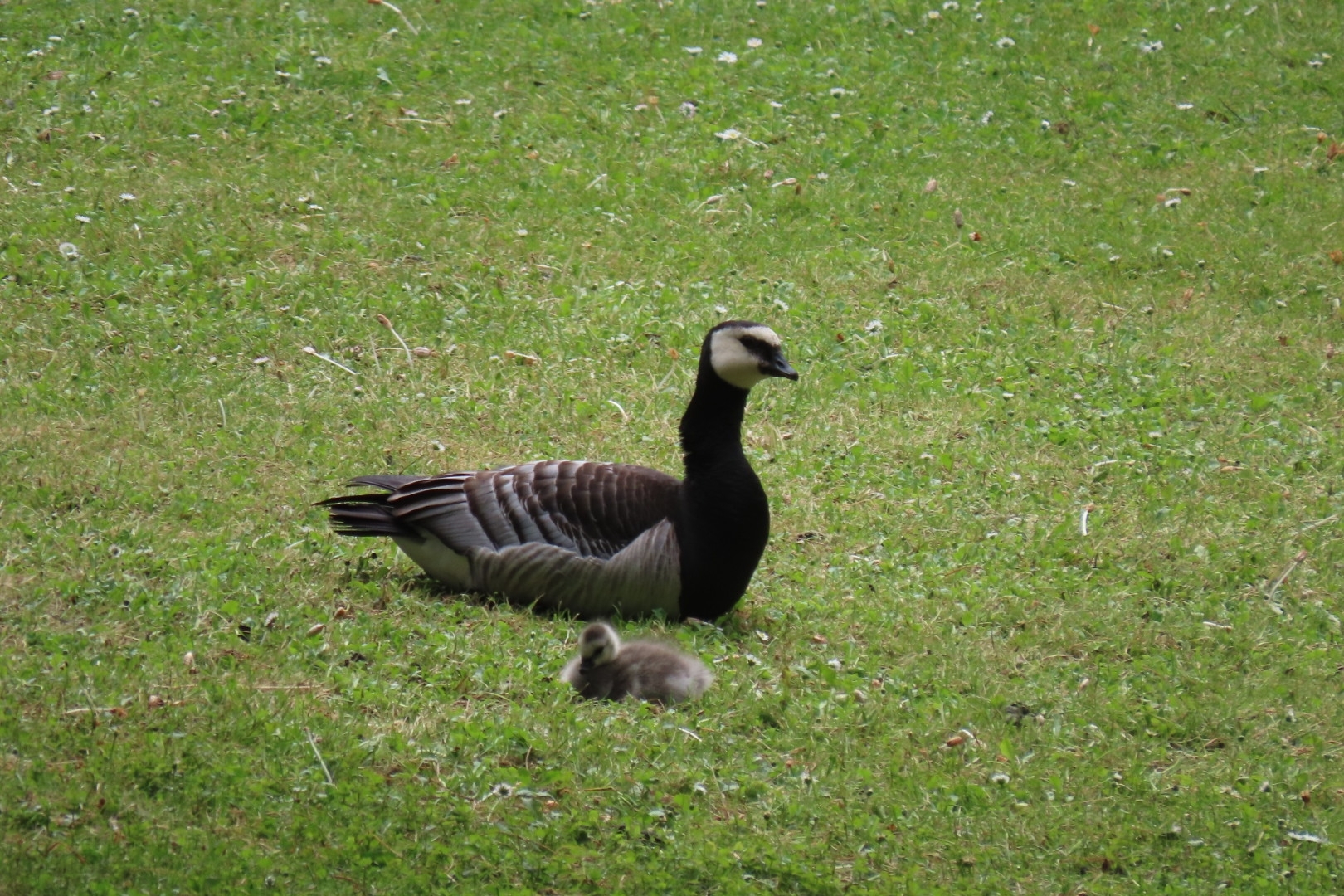
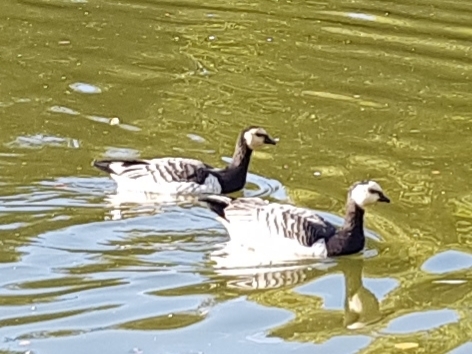
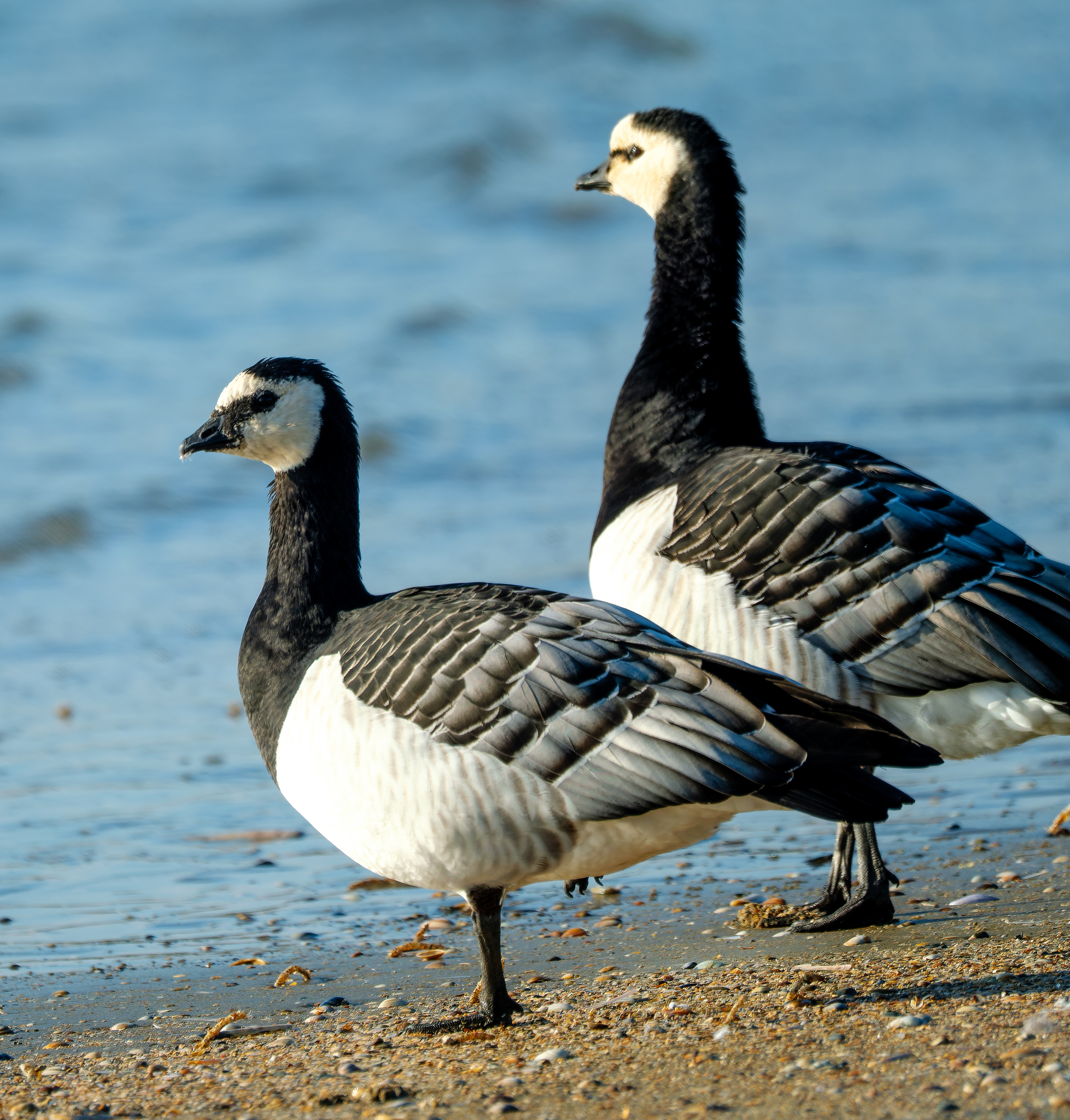
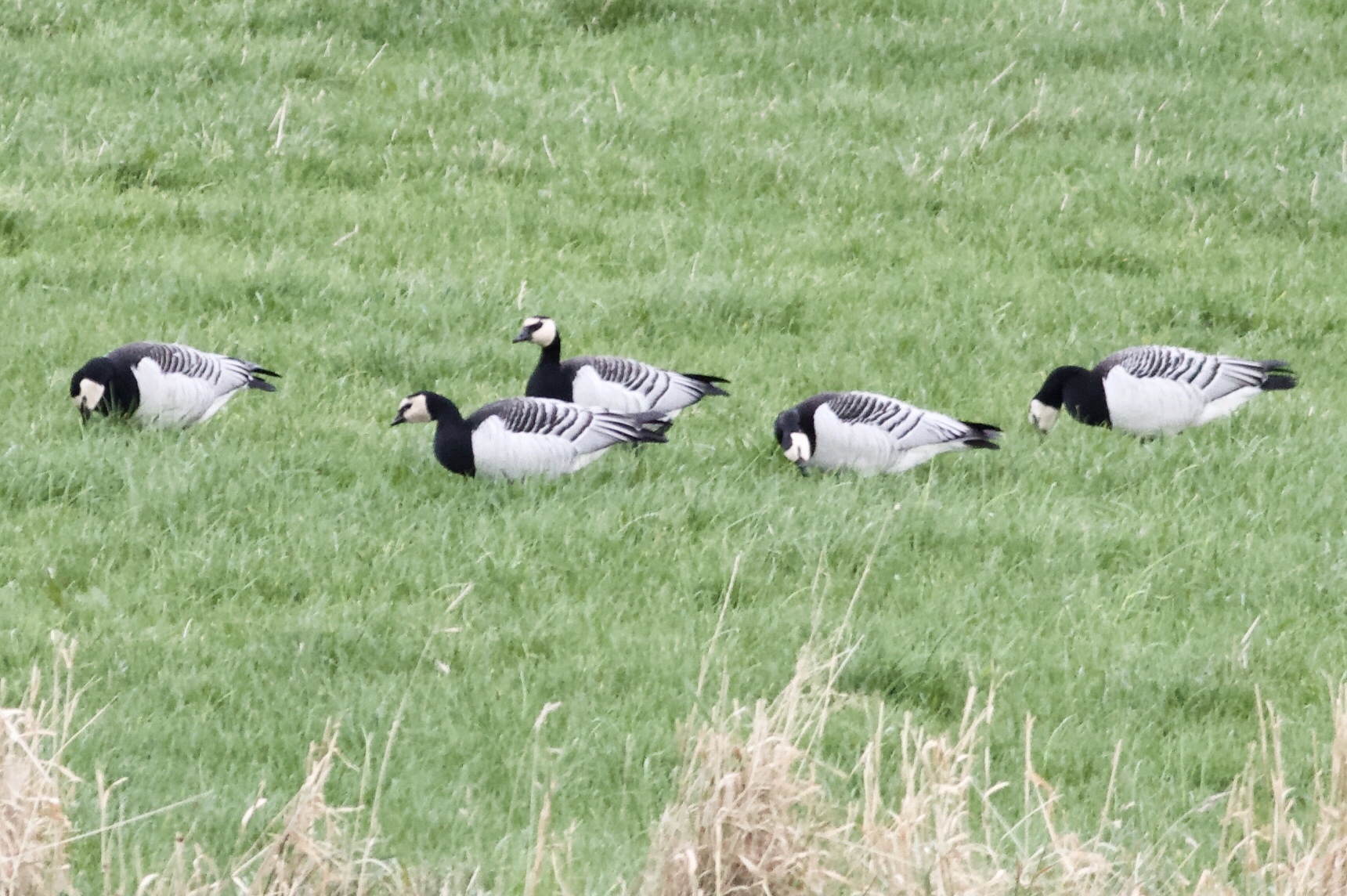
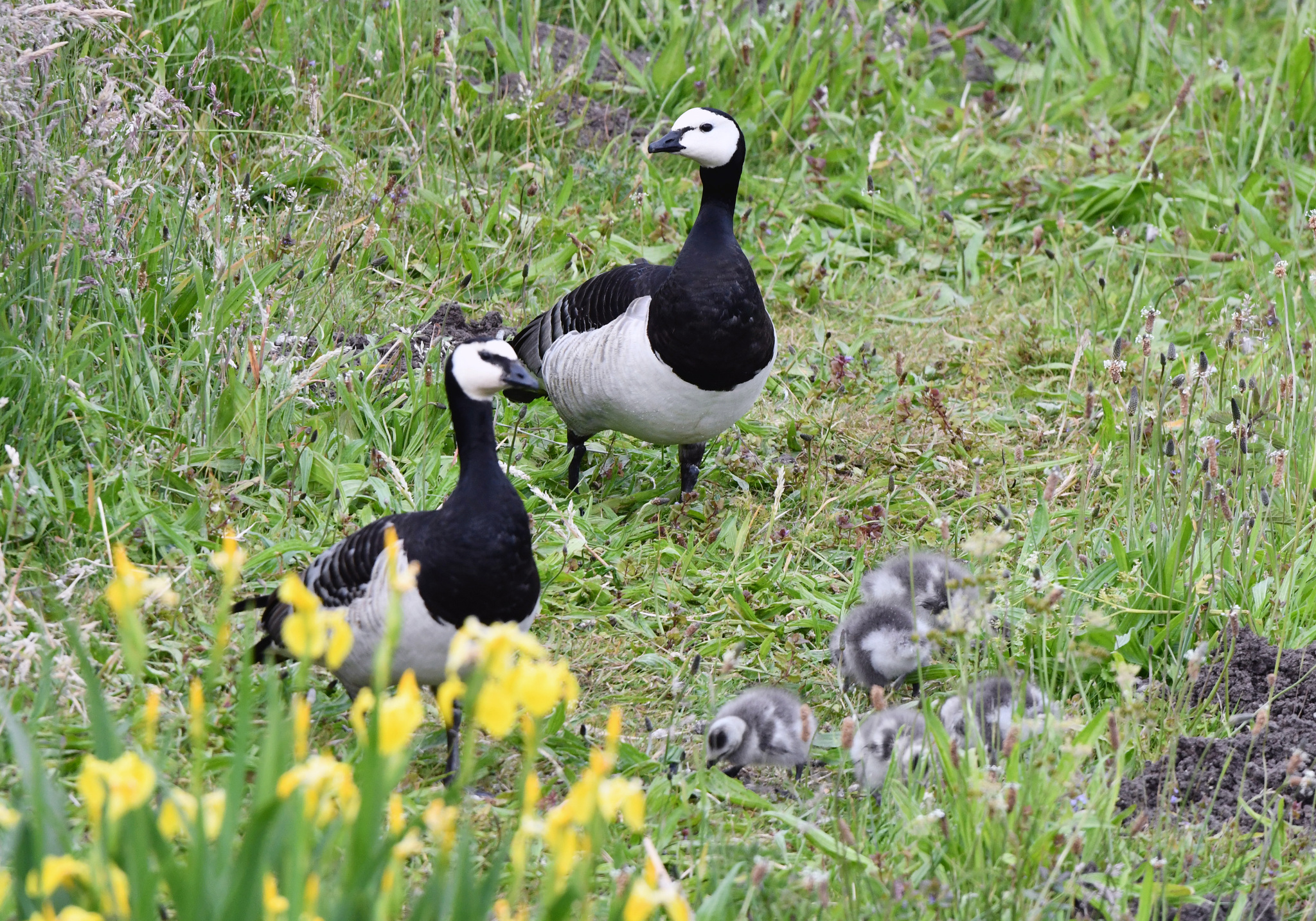
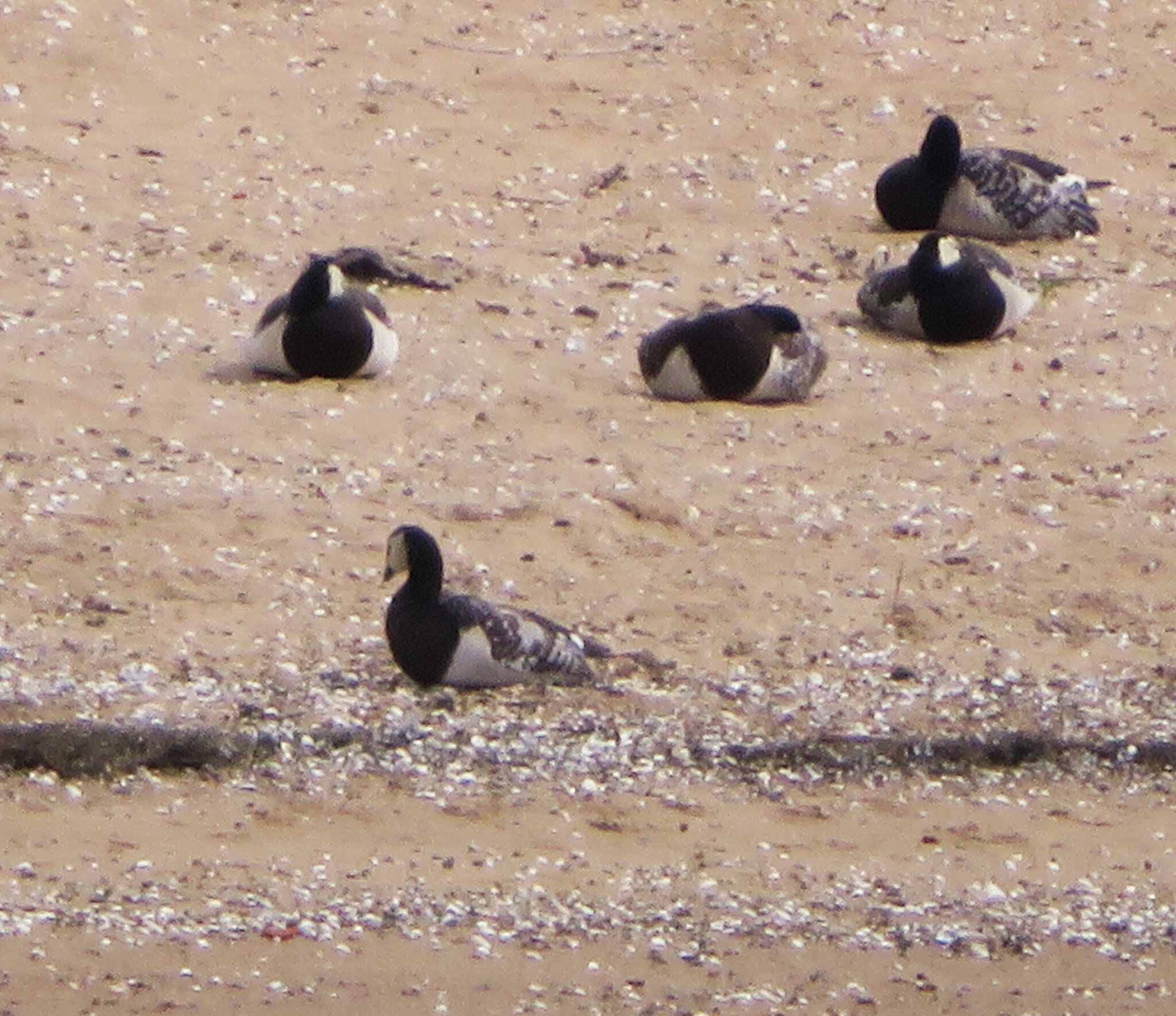
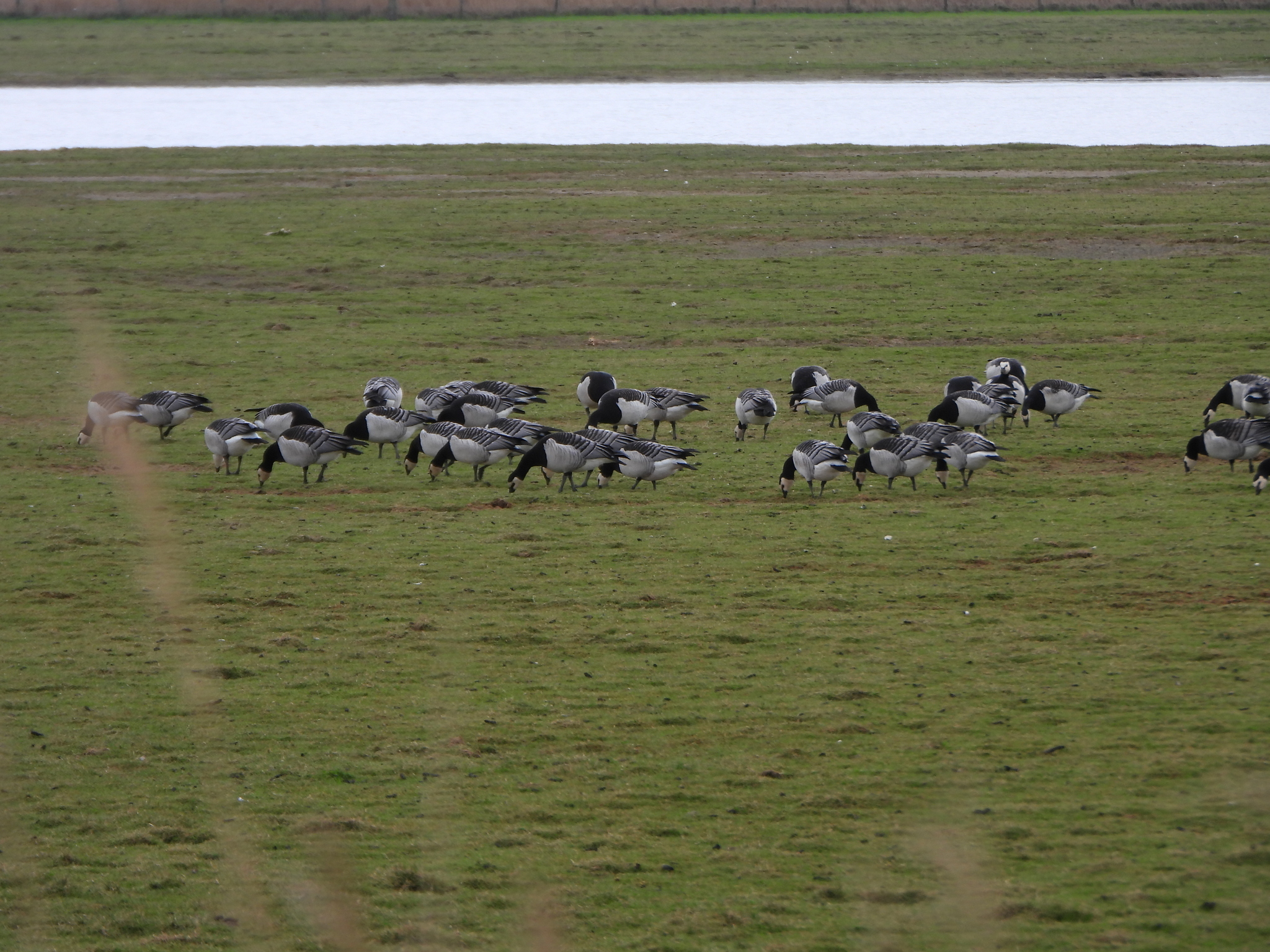
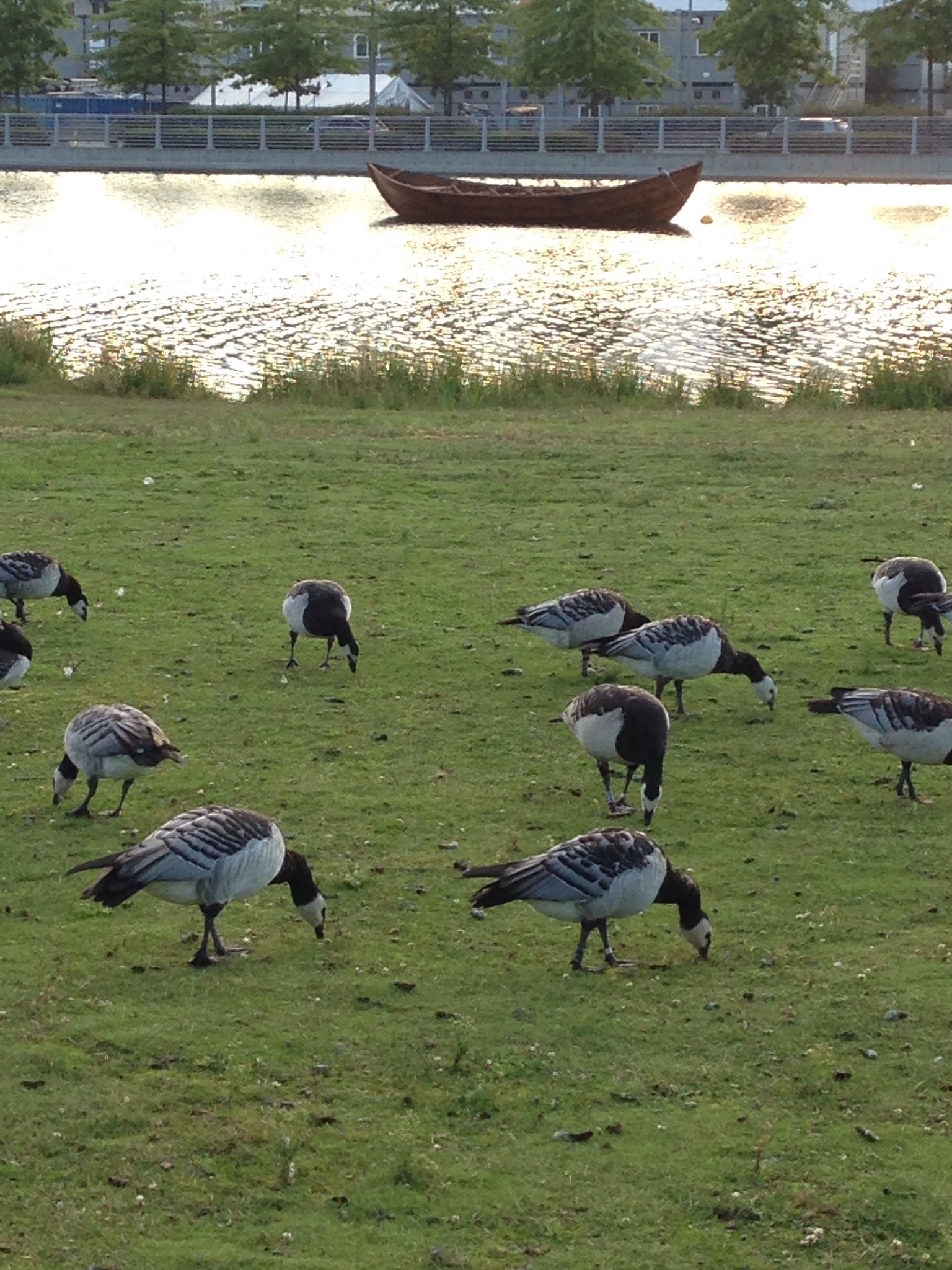
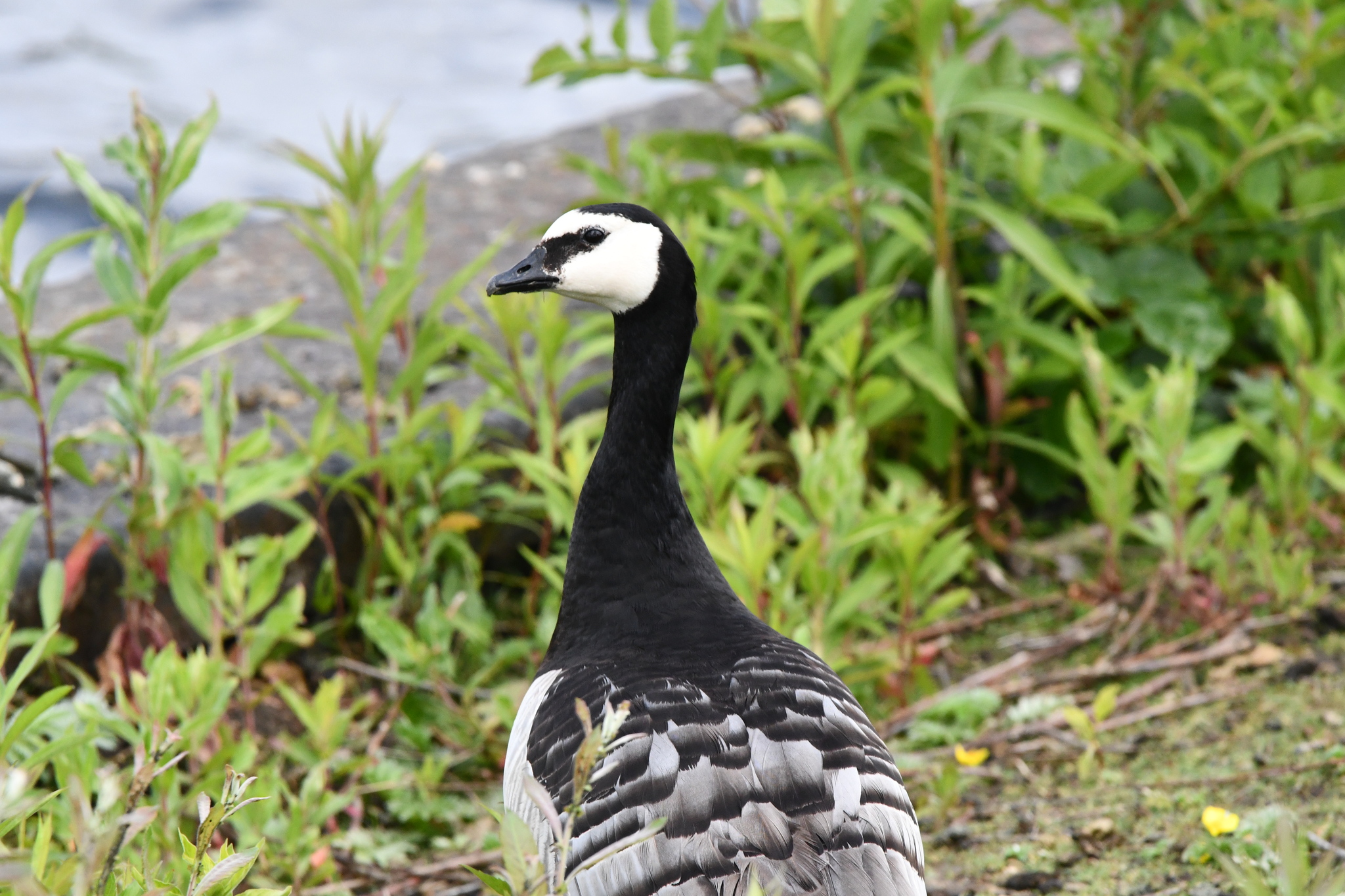
A medium-sized goose measuring 55–70 cm (22–28 in) long, with a wingspan of 120–145 cm (47–57 in) and weight of 1.21–2.23 kg (2.7–4.9 lb). Features a white face contrasting with black head, neck, and upper breast. The belly is white, while wings and back are silver-grey with black-and-white bars that appear shining in reflected light. In flight, shows a distinctive V-shaped white rump patch and silver-grey underwing linings. Juveniles resemble adults but can be distinguished by rounded rather than square-ended mantle and flank feathers.
Identification
Distinguished from cackling geese by grey and white (rather than brown) bodies and more extensive white on the head. Separated from Canada geese by smaller overall size and smaller beaks. The combination of white face, black head and neck, silver-grey back with black-and-white barring, and white belly creates a distinctive profile. In flight, the V-shaped white rump patch and silver-grey underwing linings are key field marks. Juveniles show rounded feather tips on mantle and flanks unlike the square-ended adult feathers.
Distribution & Habitat
Three original populations exist with separate breeding and wintering ranges, plus two populations established since the 1960s. Greenland population breeds in eastern Greenland, winters in the Hebrides and western Ireland (increased from 7,000 in 1960s to 44,000 in 2011). Svalbard population breeds in Norway, winters in Solway Firth on the England/Scotland border (reached 40,000 by early 2020s). Russian Arctic population breeds on Novaya Zemlya and surrounding areas, winters in the Wadden Sea (increased from 70,000 in 1980 to 1.2 million in 2015). New breeding populations established in Iceland since 1964 and in the Baltic Sea and North Sea coasts since 1971. Vagrant records exist for eastern Canada, northeastern United States, and India.
Behavior & Ecology
Nests are built high on mountain cliffs away from predators including Arctic foxes and polar bears, but distant from wetland feeding grounds. Goslings are not fed by adults and must jump from cliff nests, potentially hundreds of feet, while unable to fly. Their small size, downy feathers, and light weight offer some protection, but many die from impact. Arctic foxes are attracted by parent geese noise and capture dead or injured goslings, also stalking young as they are led to wetland feeding areas. Only 50% of chicks survive the first month. Feeds at lakes and rivers.
Conservation
The species is common and widespread, with population and breeding range increasing in recent decades. Protected under the Agreement on the Conservation of African-Eurasian Migratory Waterbirds. The Svalbard population experienced significant mortality from highly pathogenic avian influenza (HPAI) in the 2021/22 winter, with 11,400 individuals killed representing approximately 31% of that population. However, two subsequent highly productive breeding seasons allowed recovery to near former levels by the 2023/24 winter.
Culture
Medieval legend claimed these birds were born from driftwood and developed underwater as barnacles, explaining their absence in summer when they actually bred in remote Arctic regions. The barnacle derived its name from this bird. Gerald of Wales, William Turner, and John Gerard promoted this belief, which persisted until the late 18th century. In County Kerry, Catholics abstaining from meat during Lent consumed this bird as it was considered fish. Pope Innocent III prohibited this practice at the Fourth Council of the Lateran (1215). Rabbeinu Tam (1100–71) determined the birds were kosher under Jewish dietary law. A Jewish legend describes the beak forever attached to the tree from which the bird grew.
Source: Wikipedia · CC BY-SA 3.0
Taxonomy
- Order
- Anseriformes
- Family
- Anatidae
- Genus
- Branta
- eBird Code
- bargoo
Distribution
breeds high Arctic eastern Greenland, Svalbard (north of Norway), Novaya Zemlya and nearby Kolguyev and Vaygach islands (northwestern Russia); winters to coastal northern British Isles, southern Scandinavia, and northwestern Europe
Data Sources
Species description from Wikipedia, licensed under CC BY-SA 3.0.
Bird images and sounds sourced from GBIF, contributed by citizen scientists worldwide under Creative Commons licenses.
Taxonomy data from AviList 2025.