Chinese Bamboo Partridge
Bambusicola thoracicus
灰胸竹鸡
Introduction
This small galliform bird is one of three species in its genus, closely related to mountain bamboo partridges of the Himalayas and Taiwan bamboo partridges. It inhabits warm forests and grasslands across its range, not exclusively bamboo habitats. The species has been introduced to Japan, Hawaii, Argentina, and Iwo Jima, though reintroduction attempts in Hong Kong have failed. It is distinguished by a loud multi-syllabic call that carries through the forest, for which it is known in Japanese as 'kojukei'.
Description
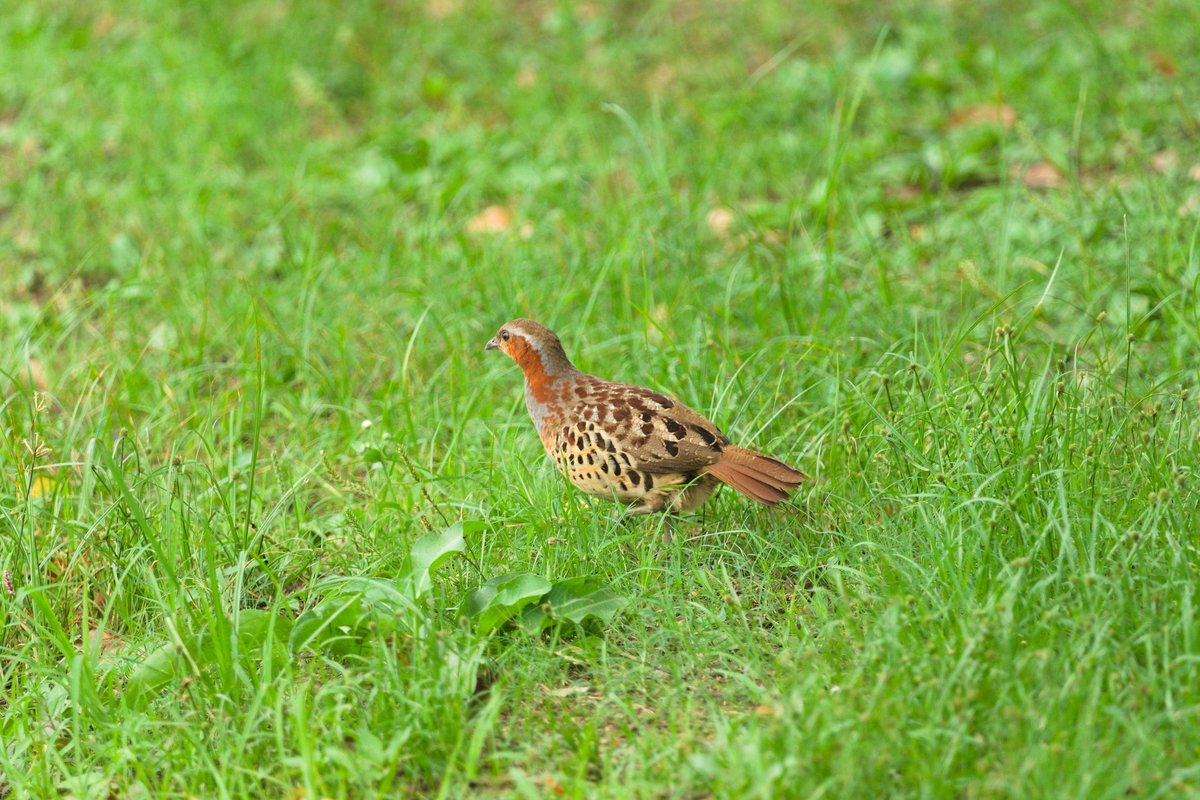
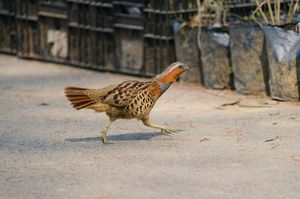
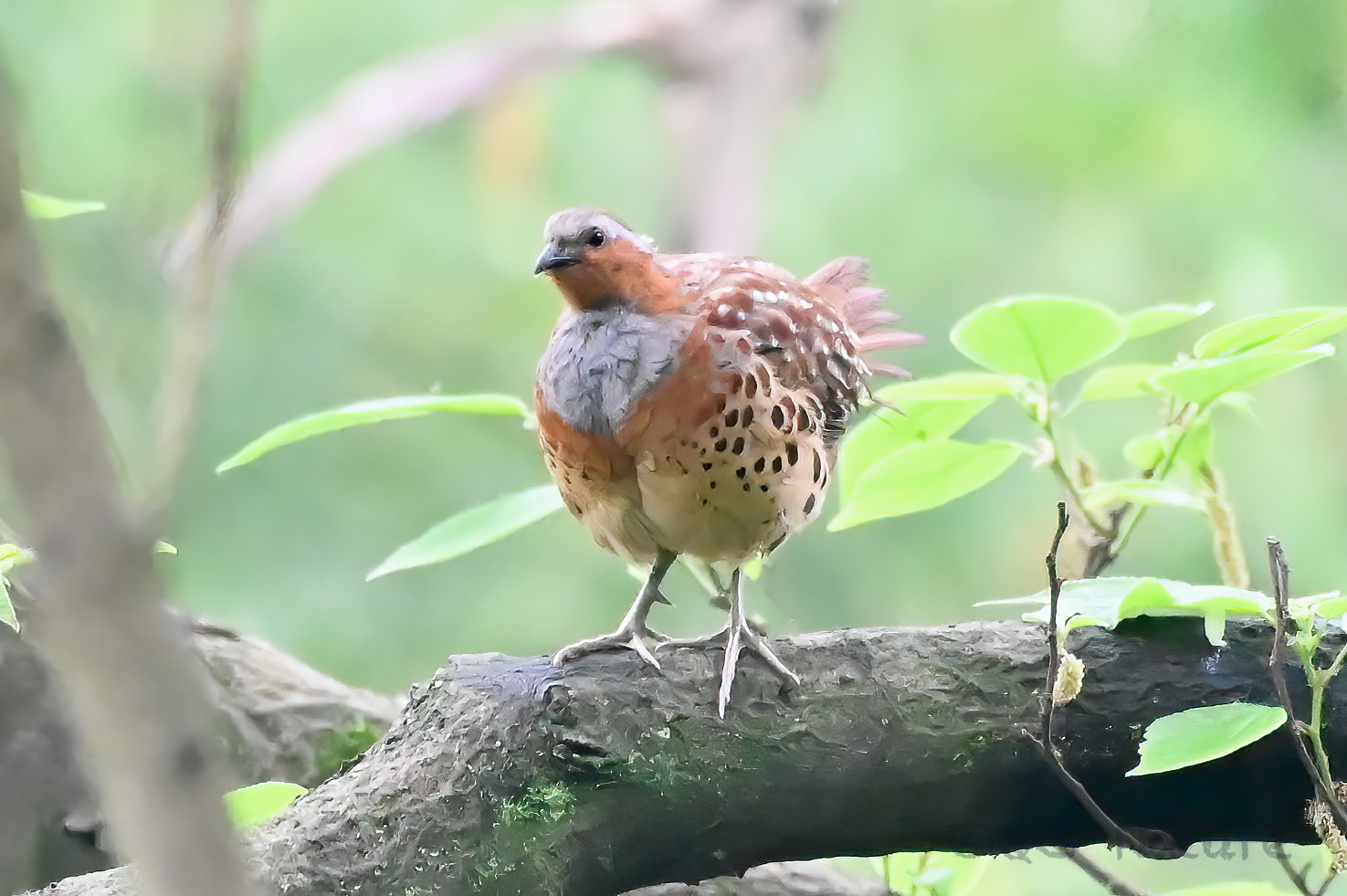
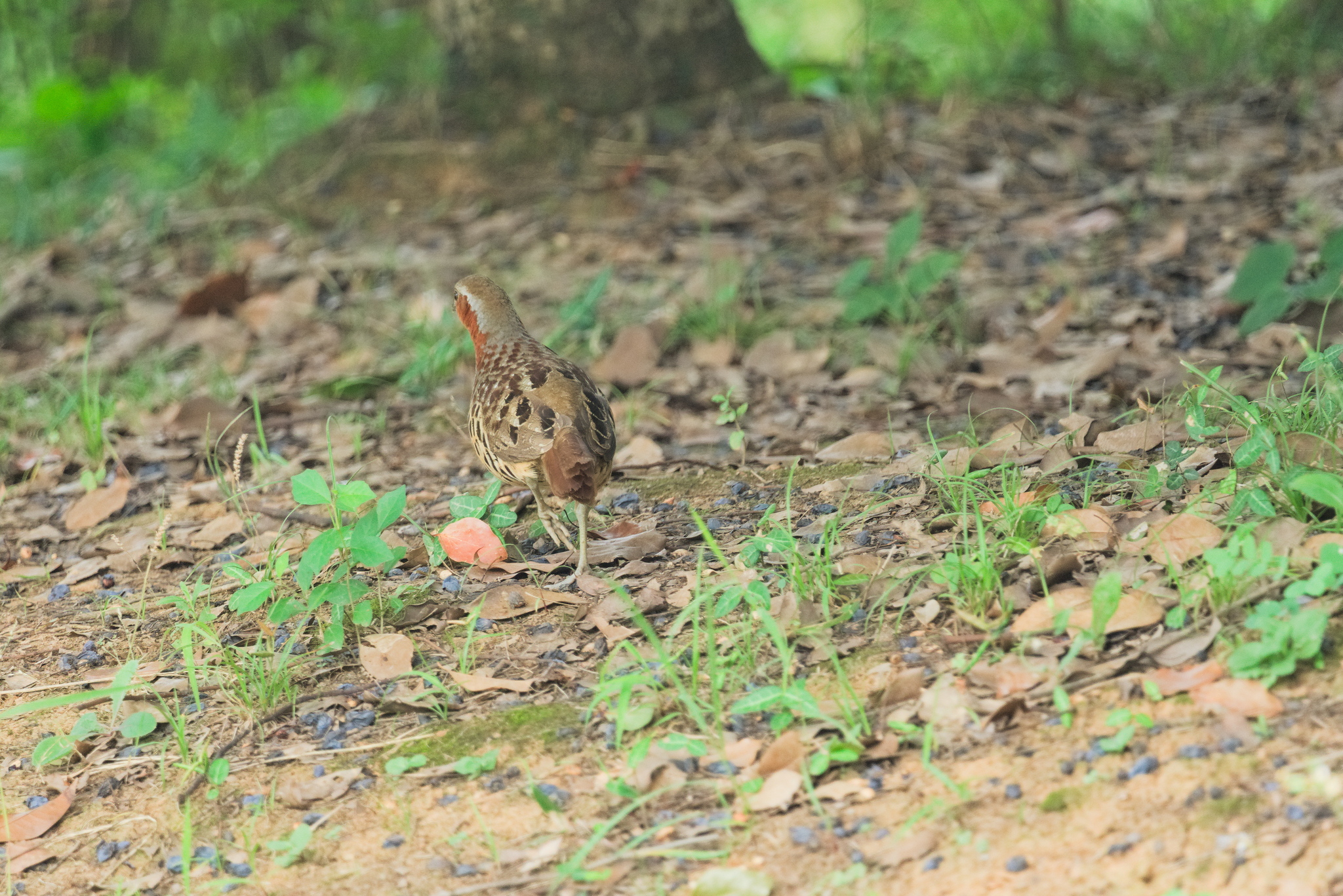
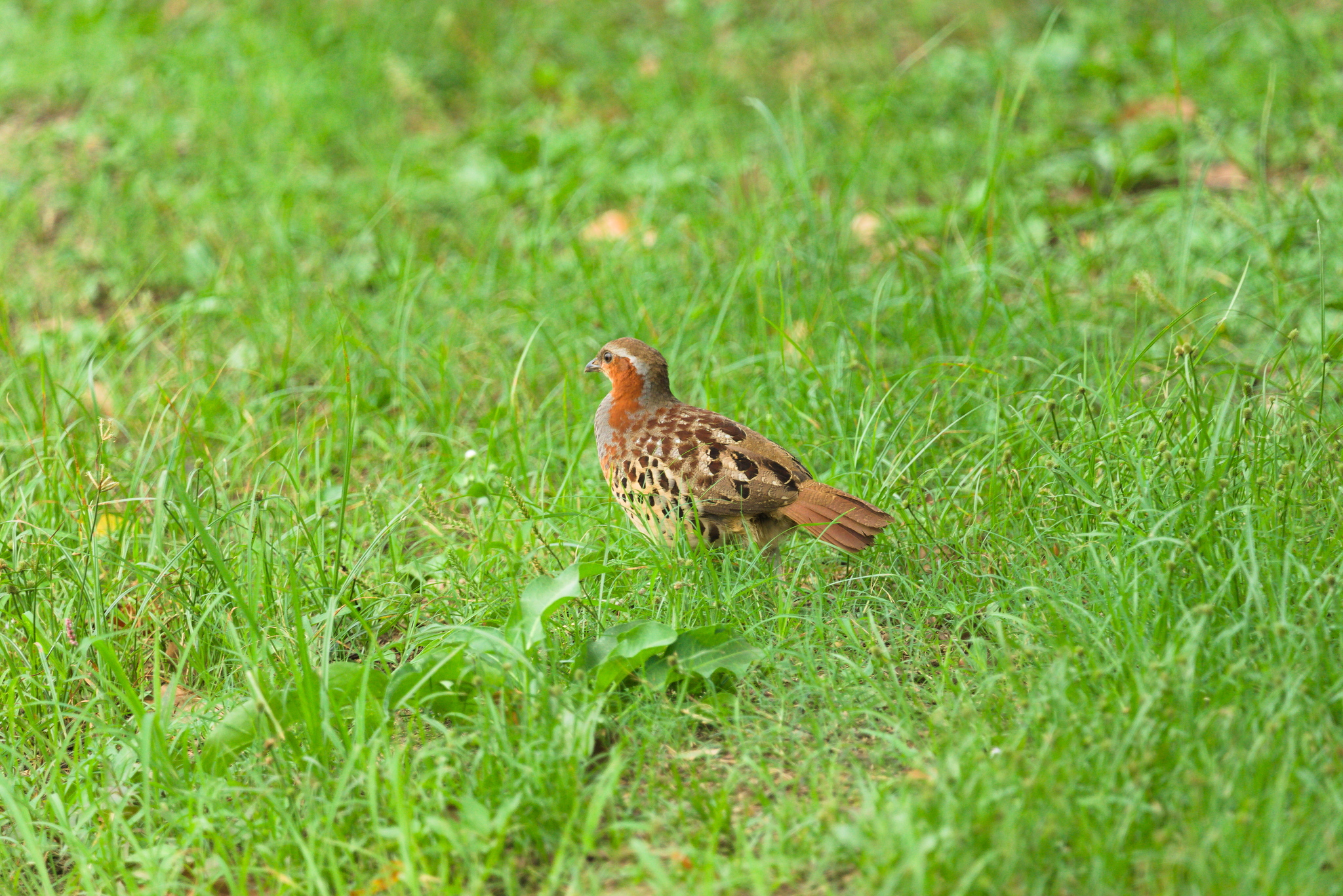
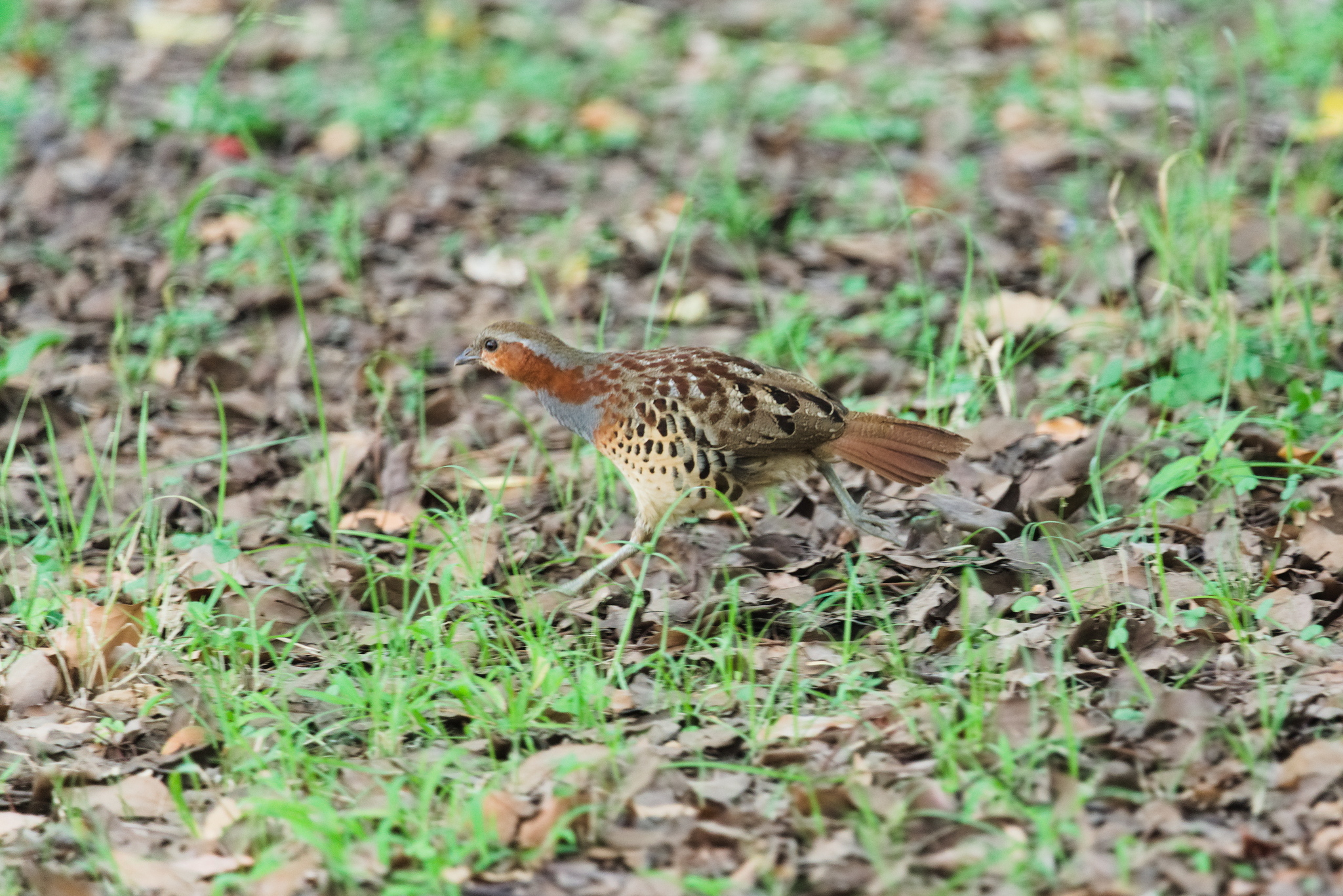
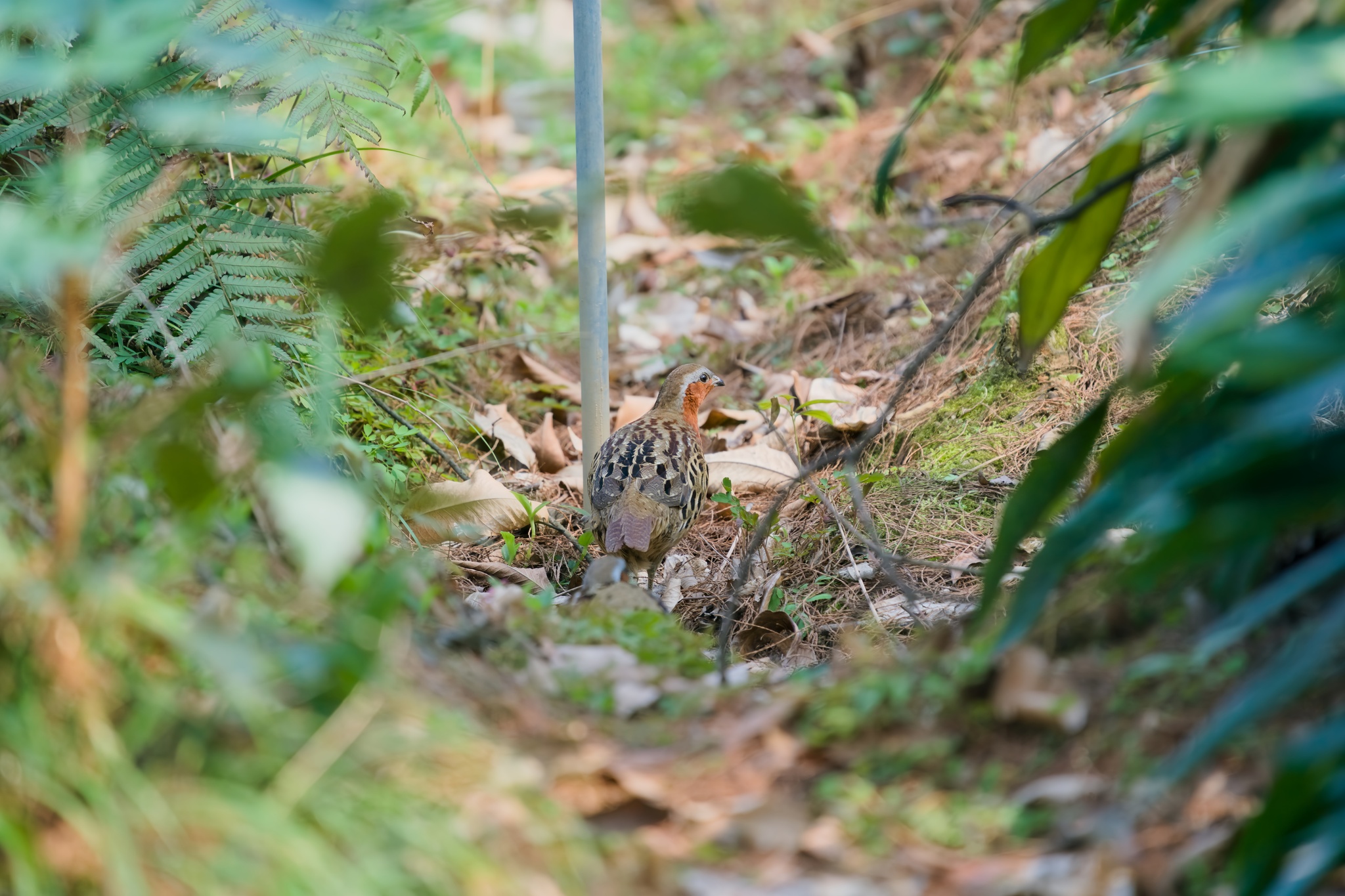
A compact gamebird reaching 31 centimeters in length, with males displaying slightly larger dimensions than females. The size places this species intermediately between Coturnix and Perdix partridges. Plumage exhibits complex mottling across the breast and back in black, chestnut, and cream tones, while black spotting marks the flanks and upper portions. Rich fulvous and rufous coloration adorns the face and throat, contrasting with yellow-ochre on the breast. Distinctive pale greyish blue and taupe markings extend above the eye and down the neck. The species possesses well-developed flight feathers housed in long, narrow wings, complemented by broad, squared tail feathers. These anatomical features enable sustained flight between the sub-canopy of steep hillside forests and the forest floor throughout the day.
Distribution & Habitat
Native to eastern mainland China, this species has been intentionally introduced to multiple locations worldwide. The first successful introduction occurred in Japan during 1919, followed by populations in Hawaii, Argentina, and the remote island of Iwo Jima. The species occupies warm forested areas and grasslands rather than being restricted to bamboo thickets. In Hawaii, introduced populations exist without protection under the Migratory Bird Treaty Act. The species has disappeared from Hong Kong despite a 1961 reintroduction attempt that failed to establish a viable breeding population.
Behavior & Ecology
Like many Galliform species, these birds prefer concealment over flight but will explode into action when disturbed, producing startling wingbeats that deter pursuers. Within forest habitats, they exhibit the unusual behavior of flying uphill while weaving through timber - a trait shared only with the unrelated koklass. Males maintain a persistent presence throughout the year, broadcasting loud multi-syllabic calls that serve as territorial challenges, location signals, and anti-predator alarms. The distinctive contact call, transcribed as 'ki-ko-kuai' or 'kojukei', repeats several times before gradually diminishing. This vocalization carries considerable distance, meaning birders typically hear the bird far more often than they observe it directly.
Conservation
The species has been extirpated from Hong Kong despite conservation intervention, though populations remain stable across much of its native and introduced range.
Culture
These birds have featured in Chinese aviculture for centuries, valued for their compact size and vocal characteristics. However, their pugnacious temperament requires careful consideration when housing them with other terrestrial species. They prove compatible companions for crestless firebacks and eared pheasants in mixed collections, but aggression toward junglefowl and francolins makes such combinations inadvisable.
Source: Wikipedia · CC BY-SA 3.0
Taxonomy
- Order
- Galliformes
- Family
- Phasianidae
- Genus
- Bambusicola
- eBird Code
- chbpar3
Distribution
varied habitats and elevations of central and southeastern China
Vocalizations
Data Sources
Species description from Wikipedia, licensed under CC BY-SA 3.0.
Bird images and sounds sourced from GBIF, contributed by citizen scientists worldwide under Creative Commons licenses.
Taxonomy data from AviList 2025.