Tufted Duck
Aythya fuligula
凤头潜鸭
Introduction
Global population approximately 900,000-1,000,000 individuals. Breeds across temperate Eurasia, from Britain and Ireland east to Siberia. Northern and eastern populations are partially migratory, wintering in western and southern Europe. Inhabits lakes, reservoirs, estuaries, and coastal waters; also uses gravel pits and other artificial water bodies. Feeds primarily on mollusks, including freshwater mussels. Listed in Category A2 of the Agreement on the Conservation of African-Eurasian Migratory Waterbirds (AEWA). Considered game species in several range countries.
Description
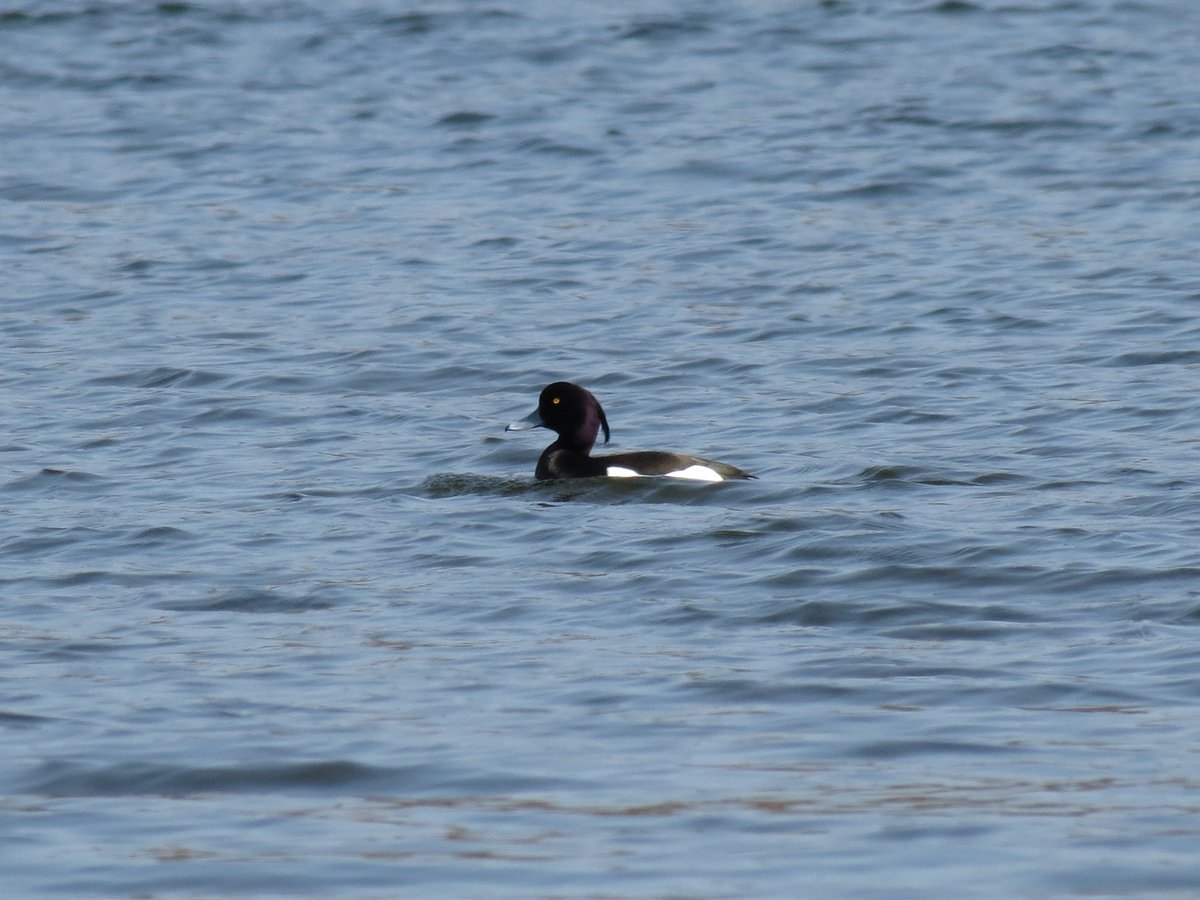
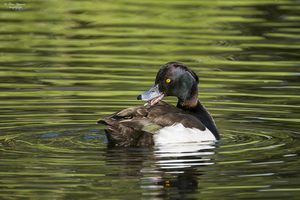
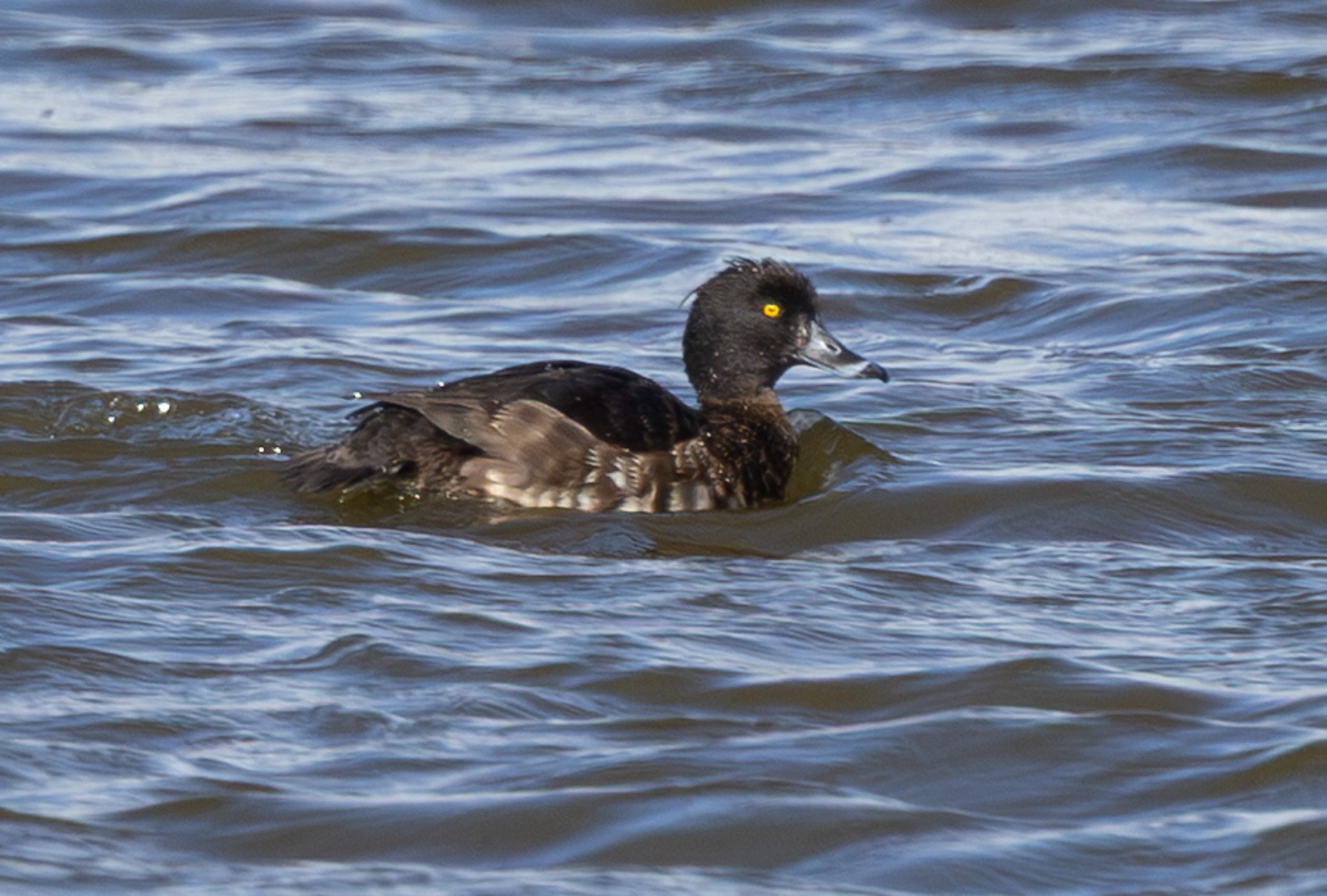
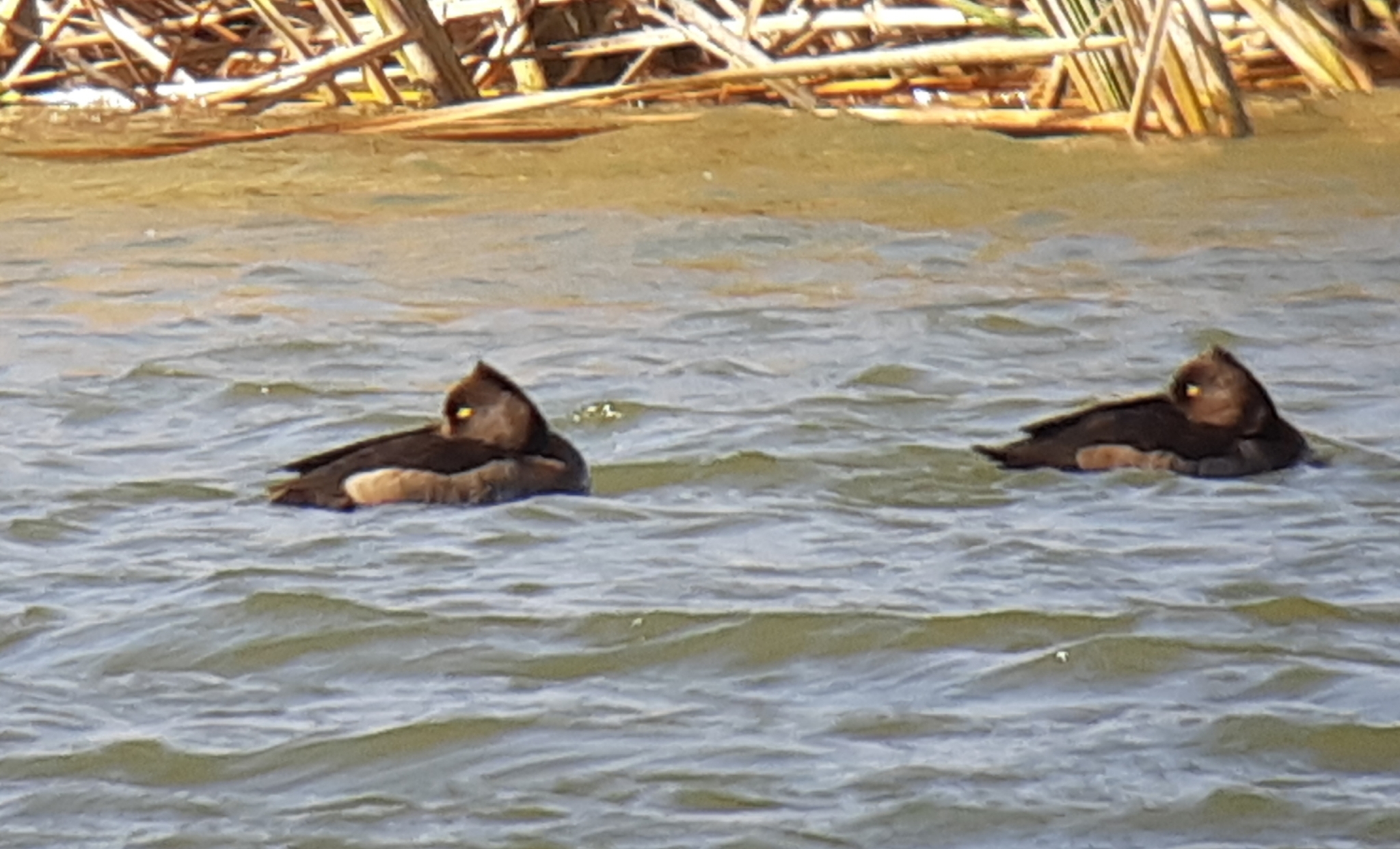
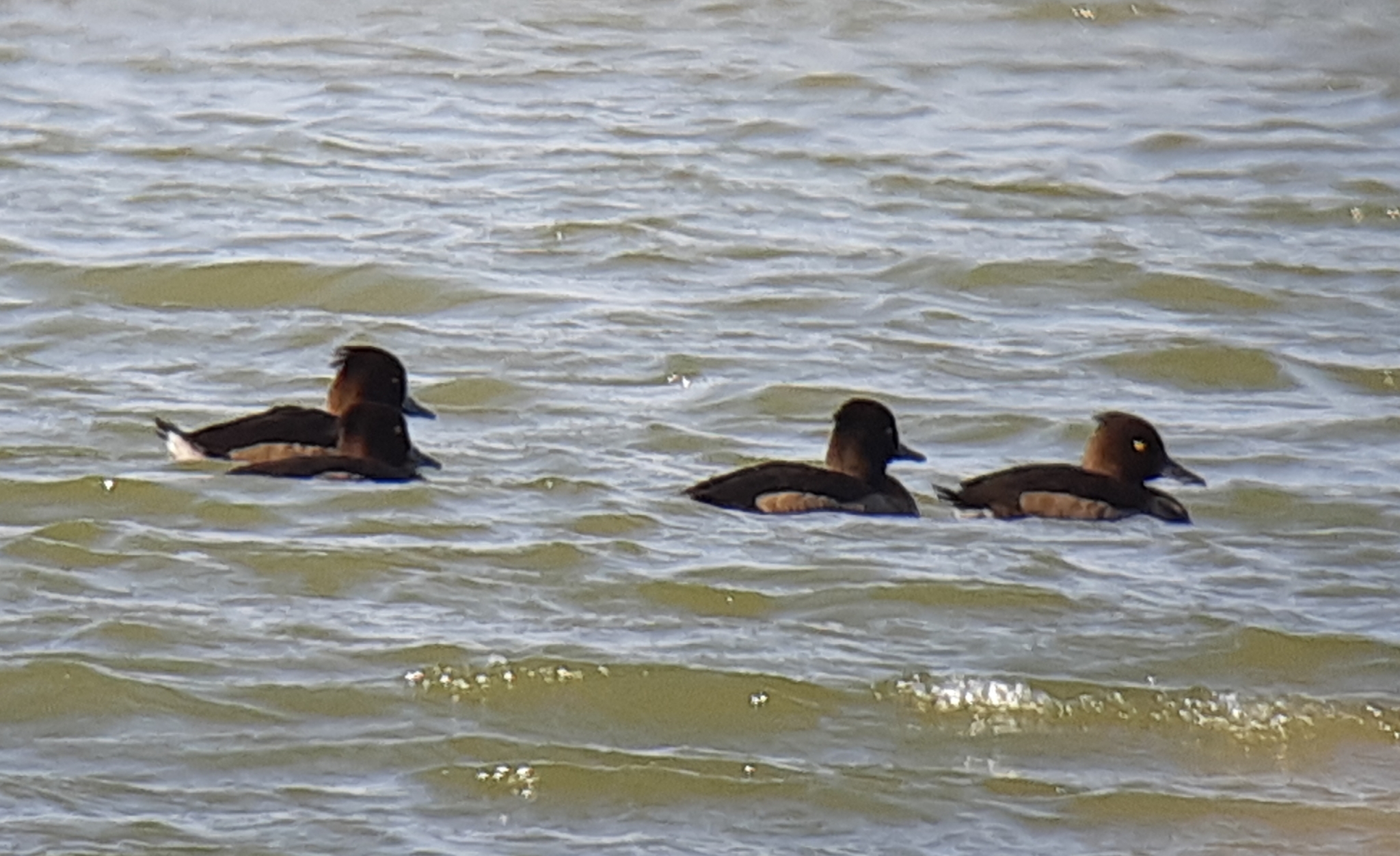
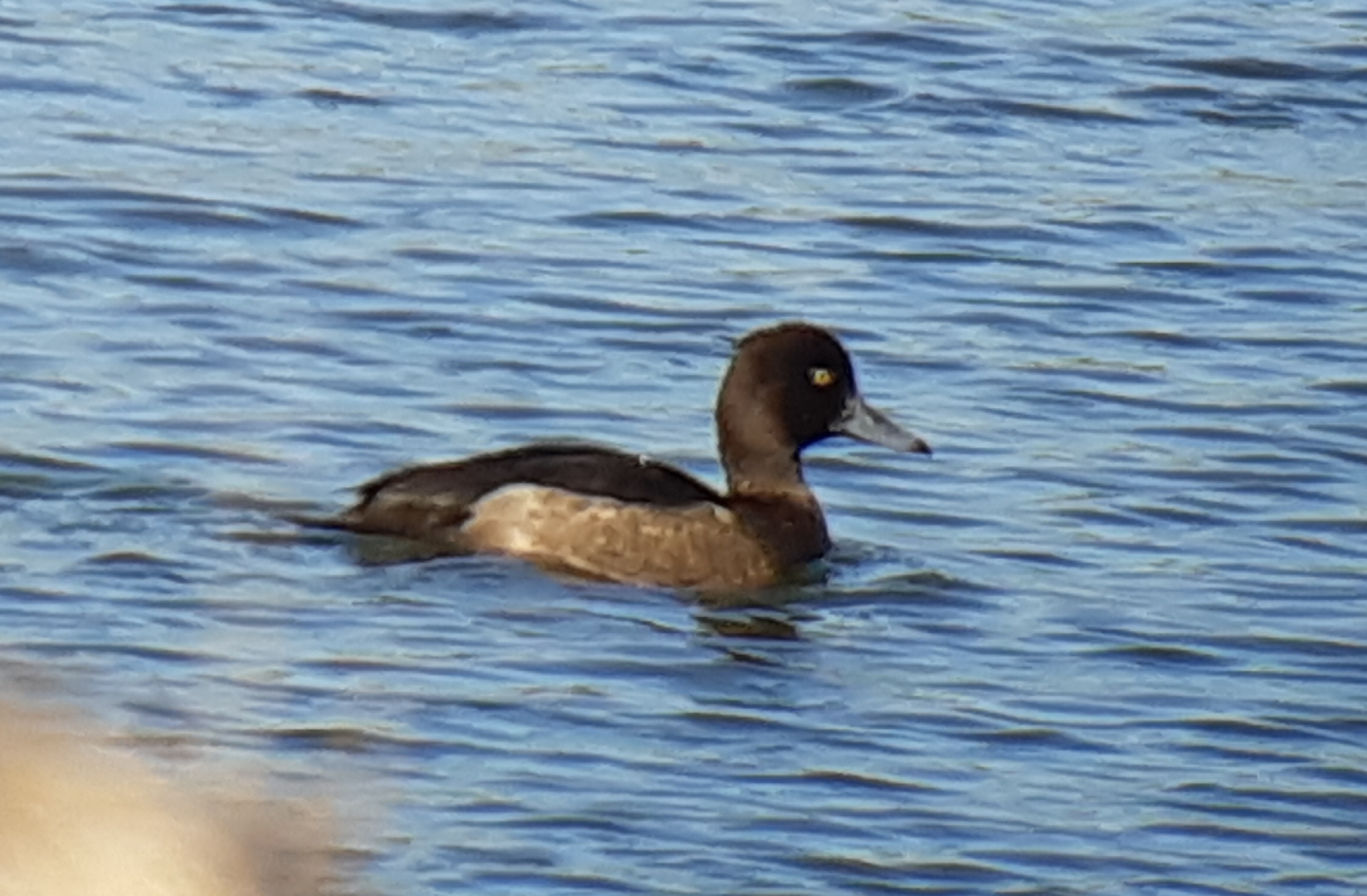
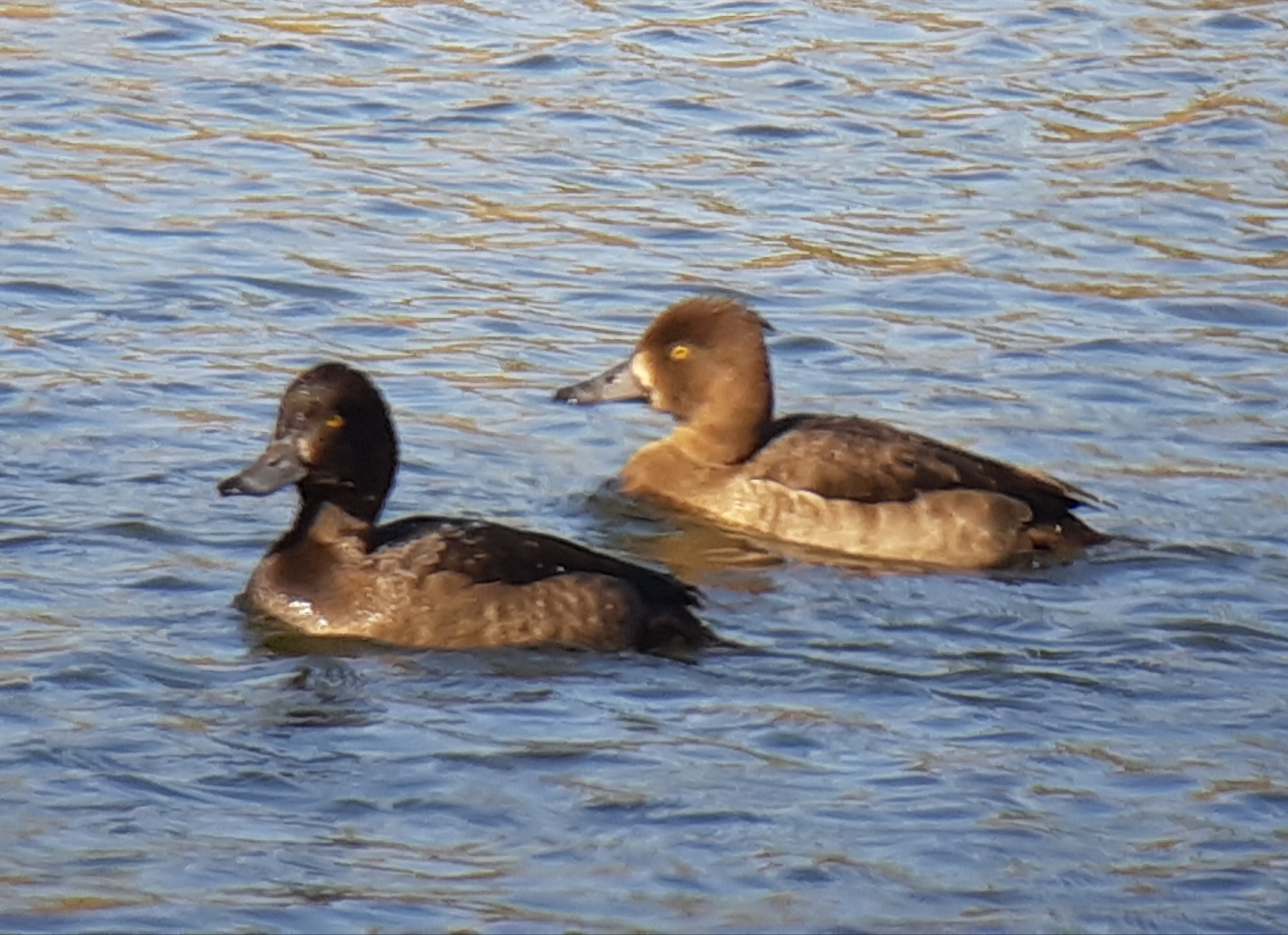
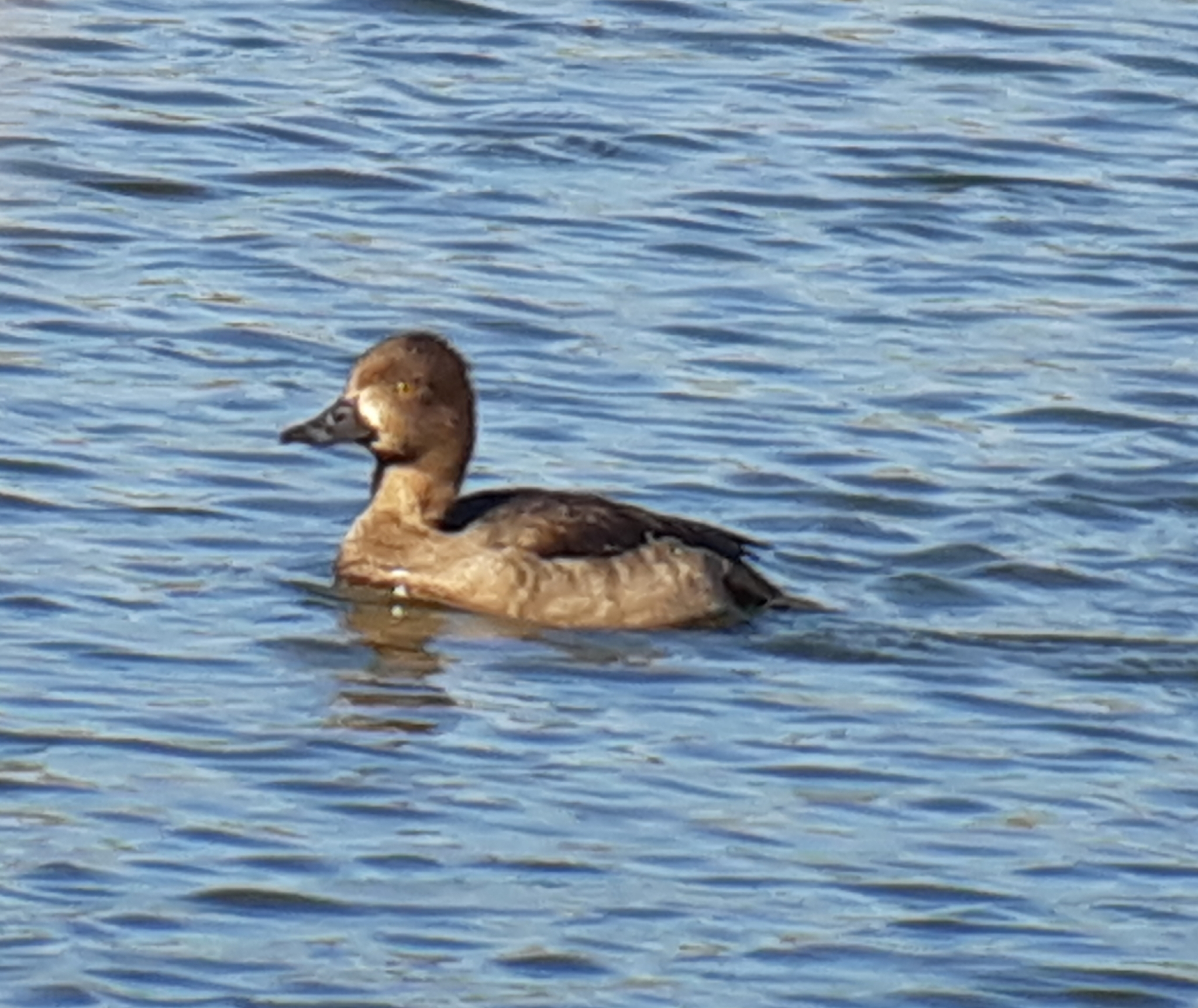
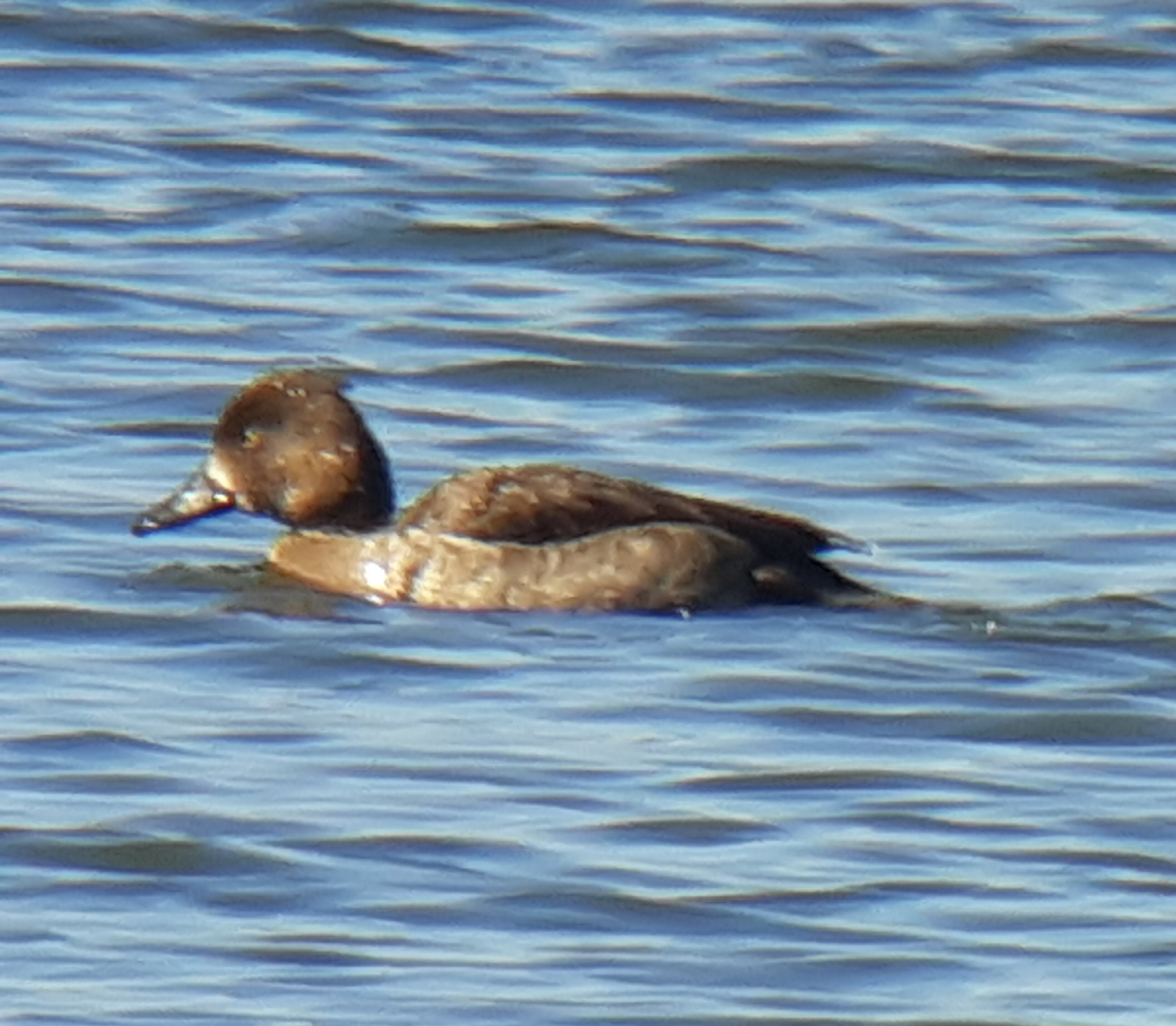
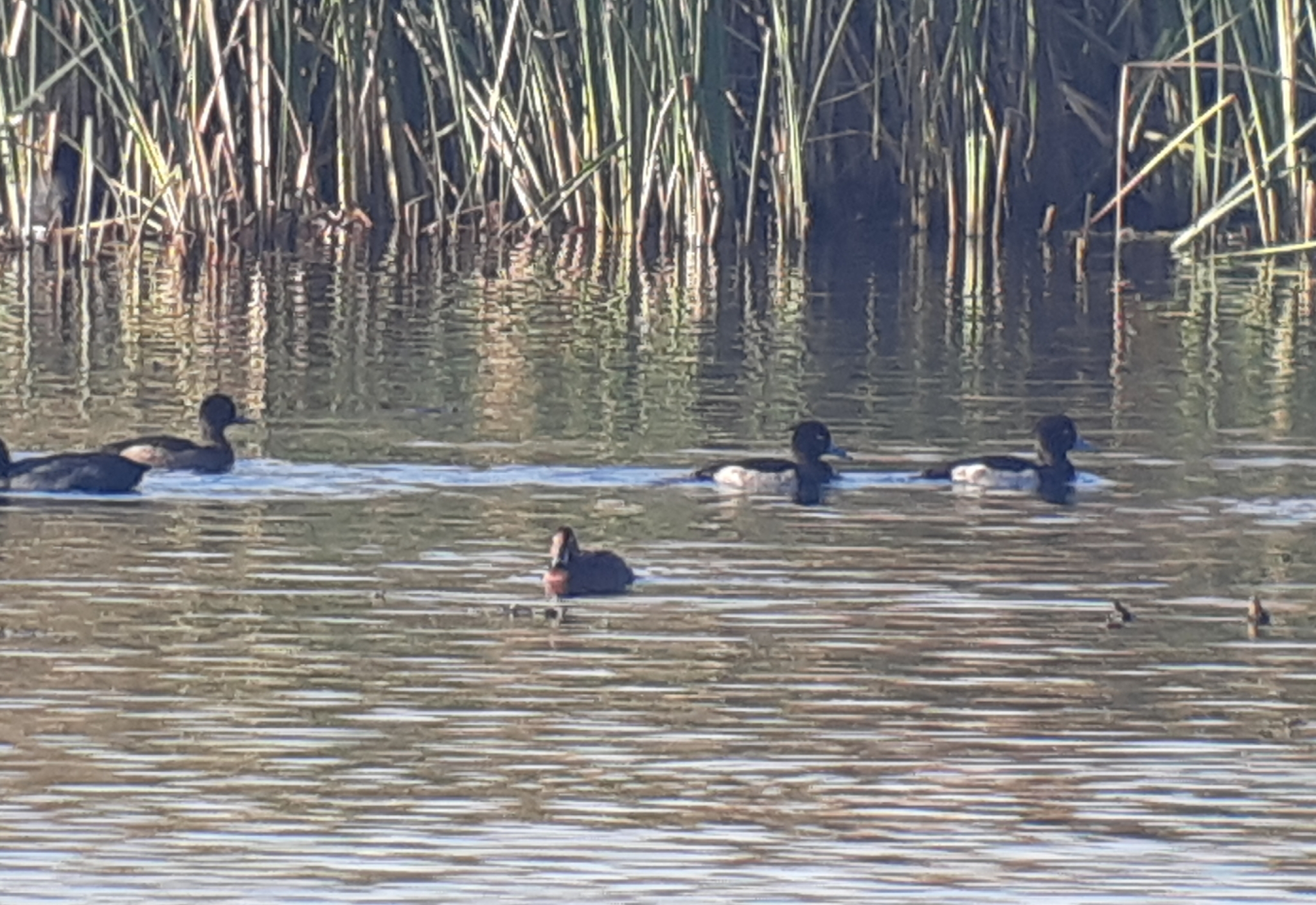
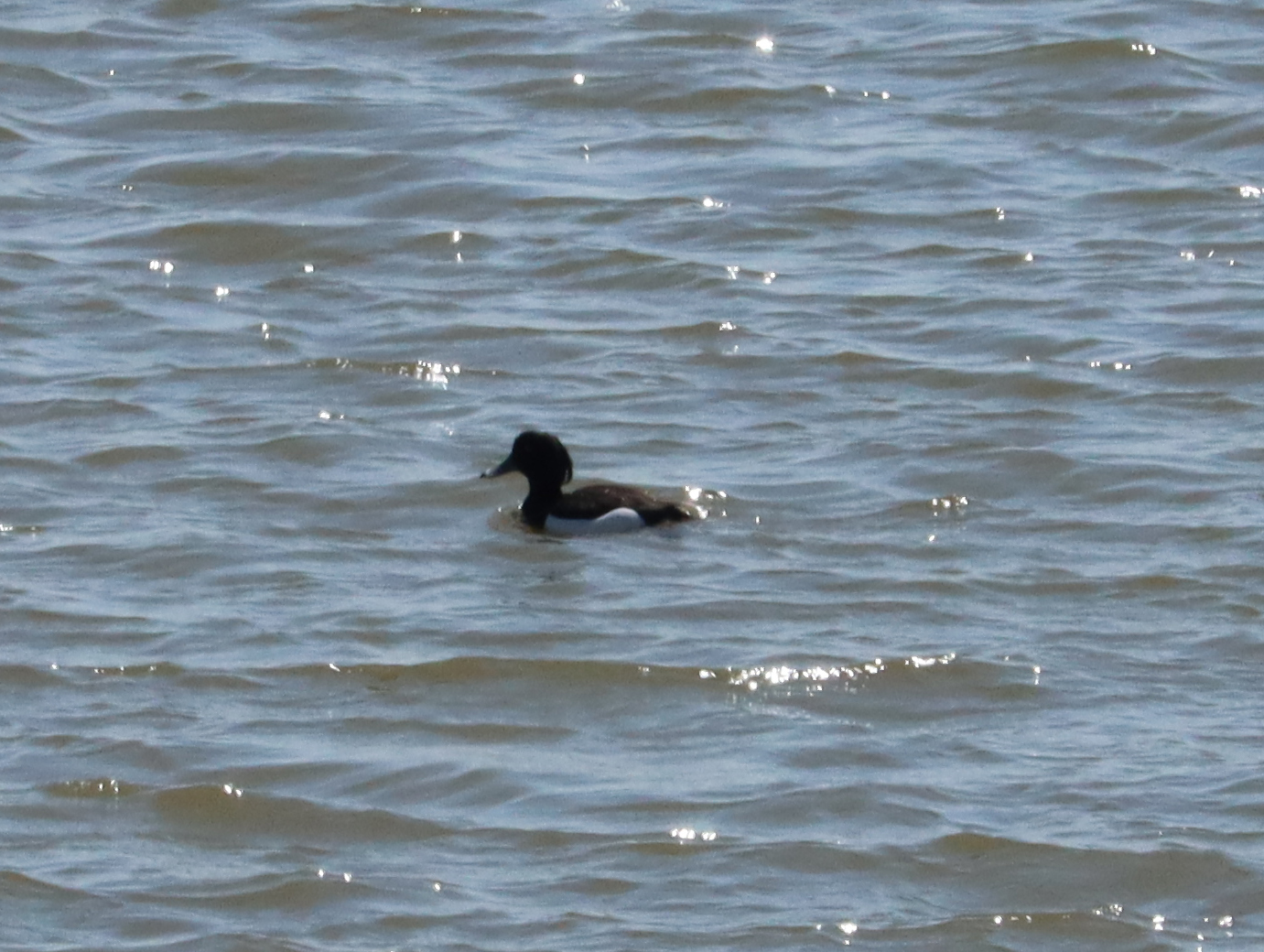
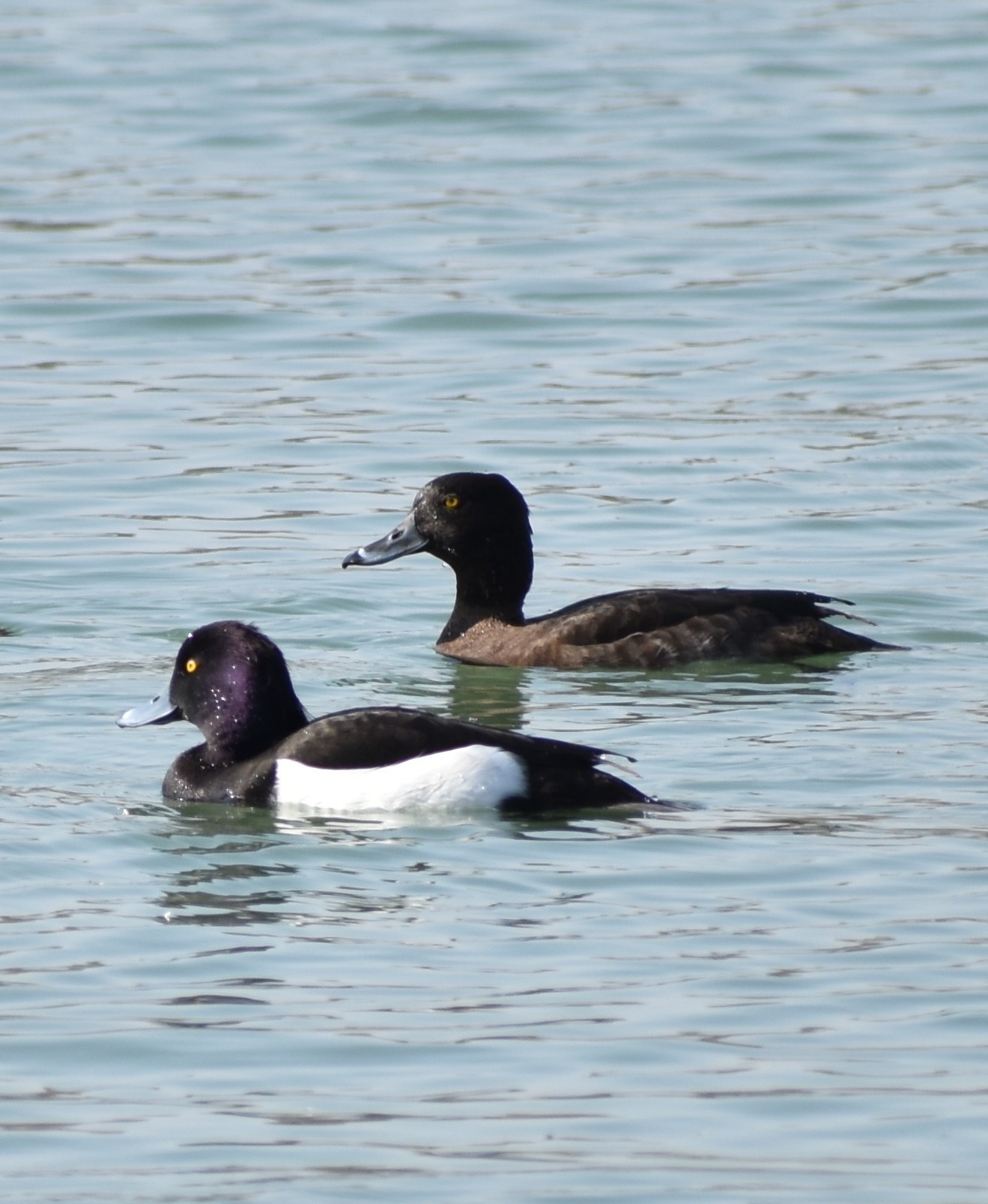
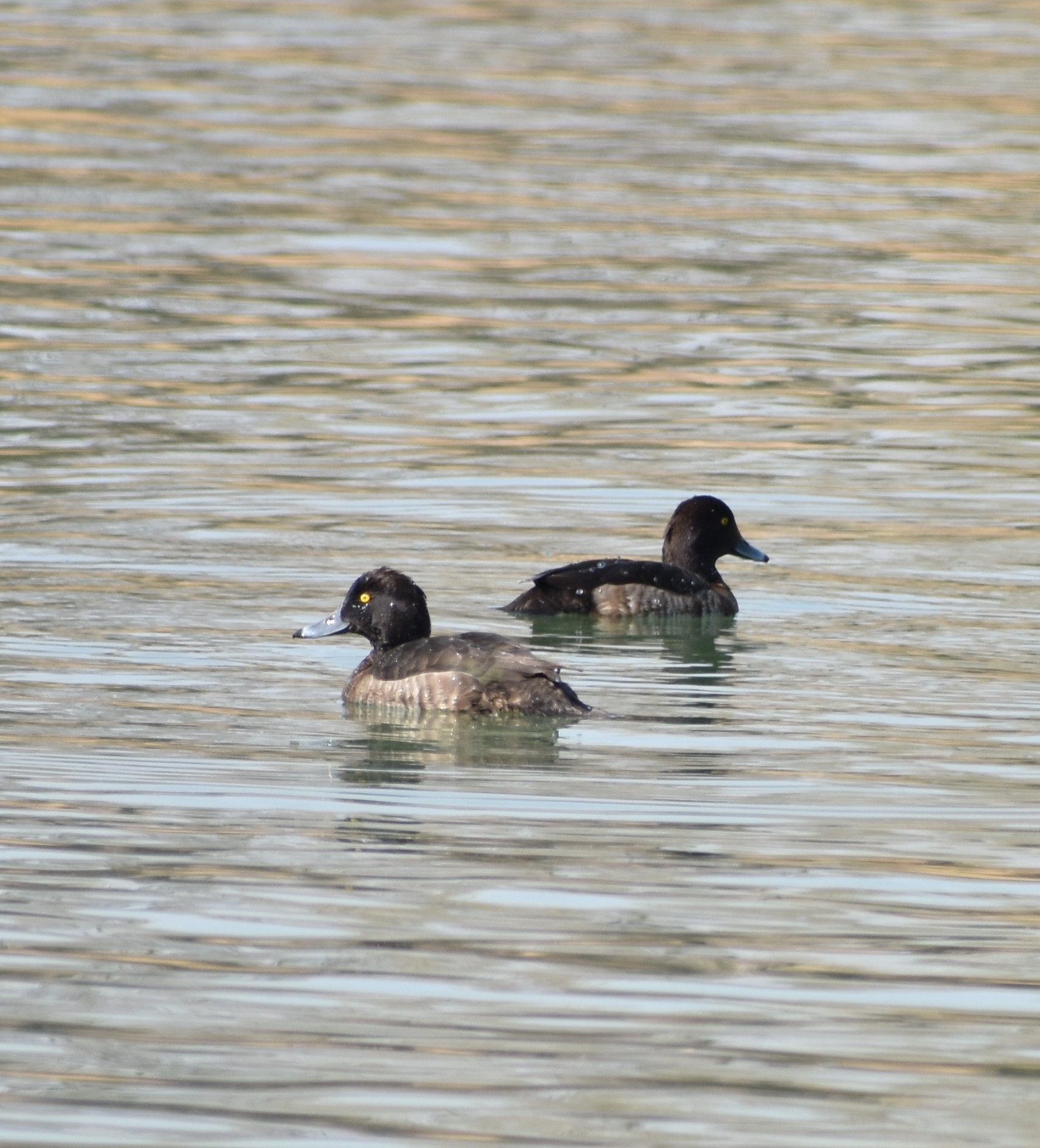
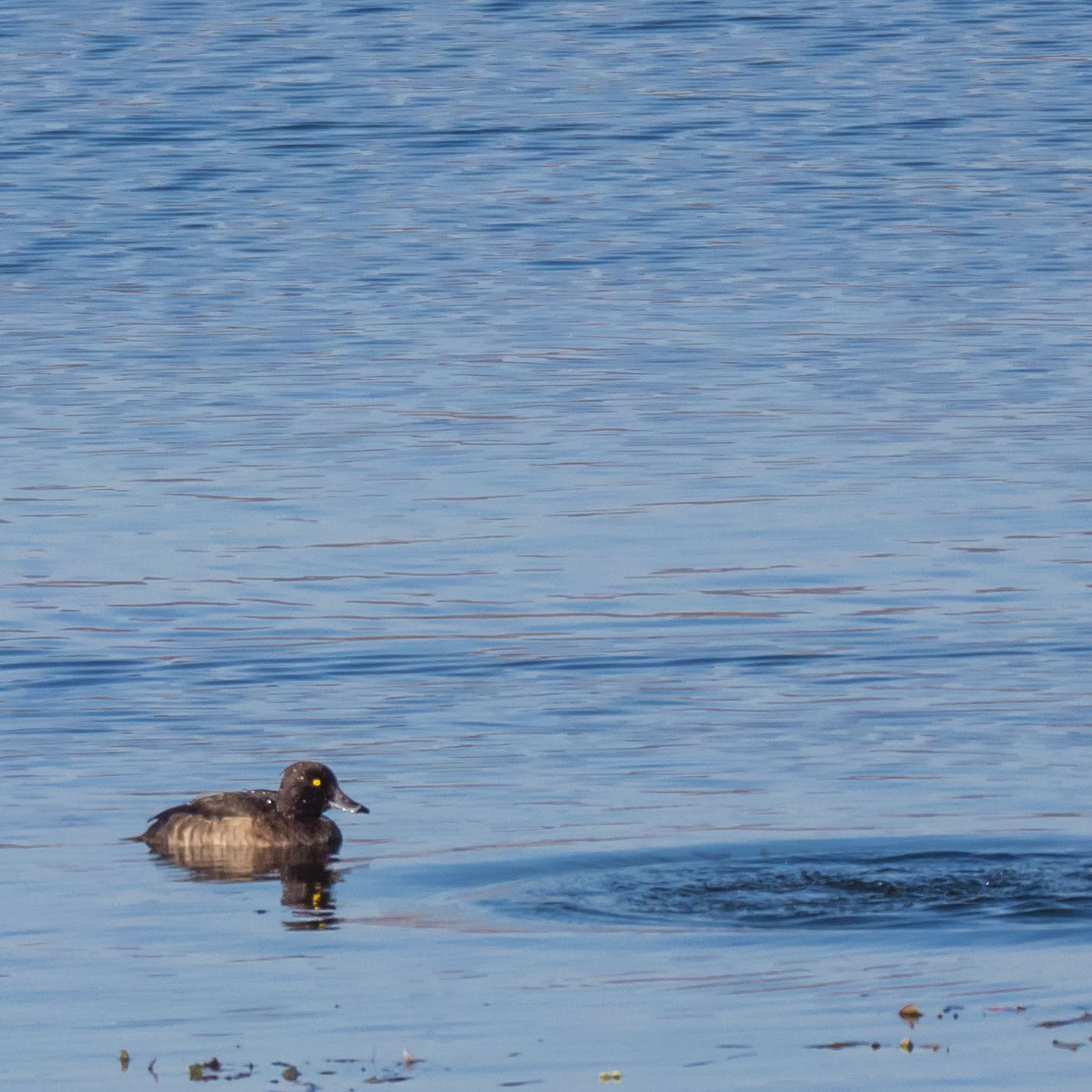
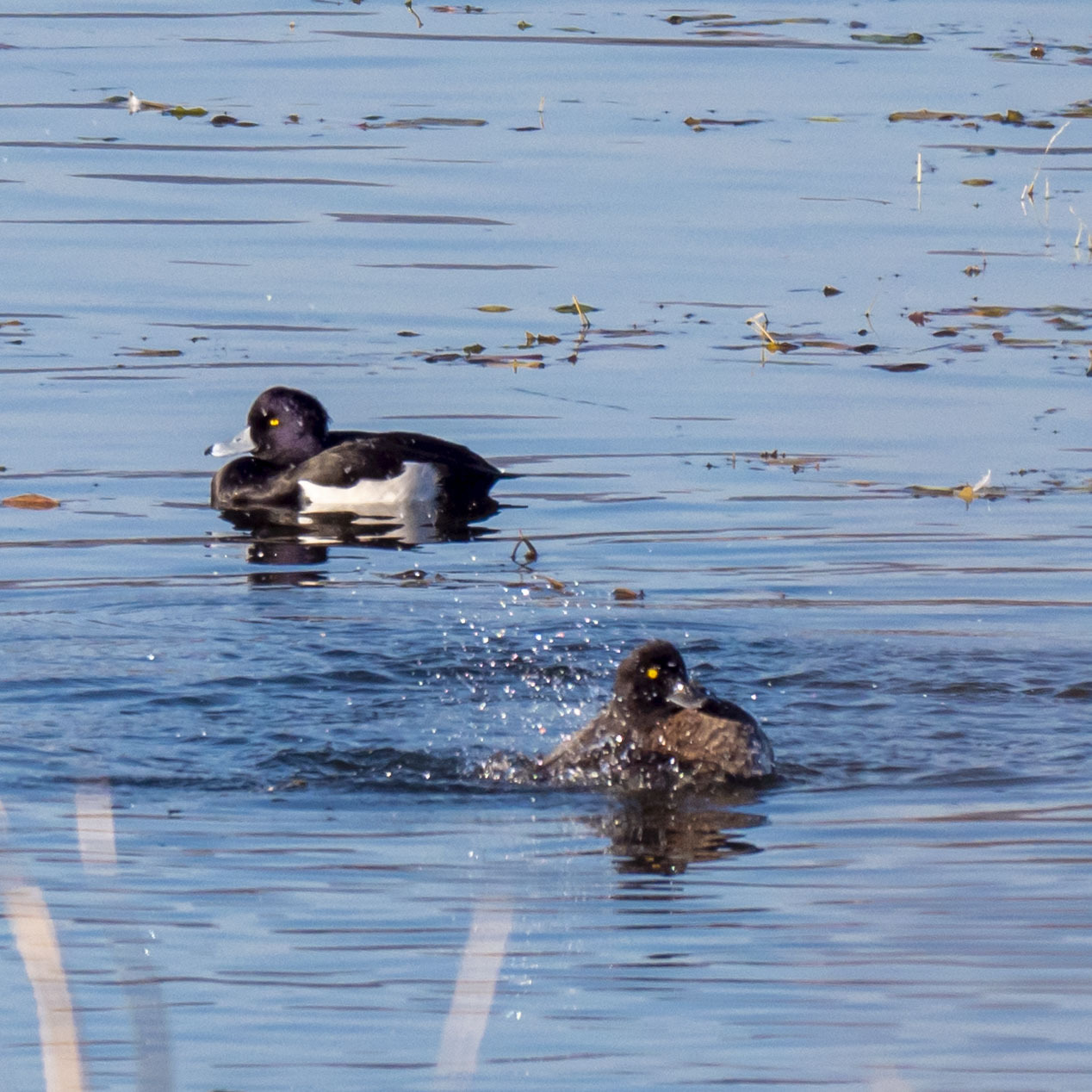
A small, stocky diving duck with a rounded head profile. Adult males are striking: entirely black plumage with brilliant white flanks, a blue-grey bill, and striking golden-yellow eyes. The most distinctive feature is the long, drooping tuft of feathers on the back of the head, which gives the species its name. Adult females are more subdued, clad in chocolate-brown plumage with paler flanks and underparts. Some females show a small white patch at the base of the bill, though this is less extensive than in the similar scaup species. The bill is darker than the male's, and the head tuft is present but less pronounced.
Identification
The most reliable field mark is the prominent head tuft, which distinguishes this species from all other diving ducks. Males are unmistakable with their black-and-white plumage and golden eyes. Females can be confused with greater and lesser scaup, but scaup lack the head tuft entirely and show more extensive white facial markings. Scaup also produce different vocalizations—a key distinguishing feature. Females give a harsh, growling 'karr' call in flight, while males are typically silent except for a simple courtship whistle. When swimming, the tufted duck appears somewhat hunch-backed with a low profile on the water.
Distribution & Habitat
Breeds extensively across temperate and northern Eurasia, from Iceland and the British Isles eastwards through Scandinavia and Russia to the Pacific coast. The range has expanded westward in recent decades. While primarily a Eurasian species, small numbers occasionally appear as winter visitors along both coasts of North America. In winter, birds from northern populations migrate to milder areas—southern and western Europe, the Mediterranean basin, and southern Asia—though the British Isles support year-round residents. Vagrant records extend as far as Australia. Favors large lakes, reservoirs, coastal lagoons, and sheltered estuaries; breeding habitat includes vegetated lakes and marshes with nearby islands for nesting.
Behavior & Ecology
These diving ducks feed primarily by submerged foraging, diving to the bottom to collect molluscs, aquatic insects, and some plant material. They may also upend at the surface and occasionally feed at night. Breeding occurs from mid-May through July in northern Europe. Nests are built by females as grass-lined depressions, preferably on islands near water, and may occur in loose groups. The clutch contains 8-11 greenish-grey eggs incubated for about 25 days. Ducklings are precocial and feed themselves while receiving care from the female, fledging at 45-50 days. Most breed at one year of age. Females give a harsh 'karr' call in flight; males are largely silent but whistle during courtship.
Conservation
The species is listed as Least Concern globally with a population estimated at nearly one million individuals, appearing stable across its extensive range. Hunting occurs in the United Kingdom, Italy, Iran, Finland, and Denmark, with commercial hunting in Iran. Egg collection historically occurred in Iceland and may continue. The species has benefited from human activity through habitat creation via gravel extraction, though intensive hunting pressure exists in parts of its range. The species is protected under the African-Eurasian Migratory Waterbird Agreement.
Culture
The tufted duck has appeared on postage stamps, including a 1996 issue from Belarus. The species holds no significant folklore or mythology, though the scientific name derives from Ancient Greek references to unidentified seabirds by classical authors including Aristotle and Hesychius.
Source: Wikipedia · CC BY-SA 3.0
Taxonomy
- Order
- Anseriformes
- Family
- Anatidae
- Genus
- Aythya
- eBird Code
- tufduc
Distribution
breeds northern Palearctic from Iceland eastward to Kamchatka, southward to central Europe and Mongolia; winters to northern Africa and southern and southeastern Asia including the Philippines
Vocalizations
Data Sources
Species description from Wikipedia, licensed under CC BY-SA 3.0.
Bird images and sounds sourced from GBIF, contributed by citizen scientists worldwide under Creative Commons licenses.
Taxonomy data from AviList 2025.