Ring-necked Duck
Aythya collaris
环颈潜鸭
Introduction
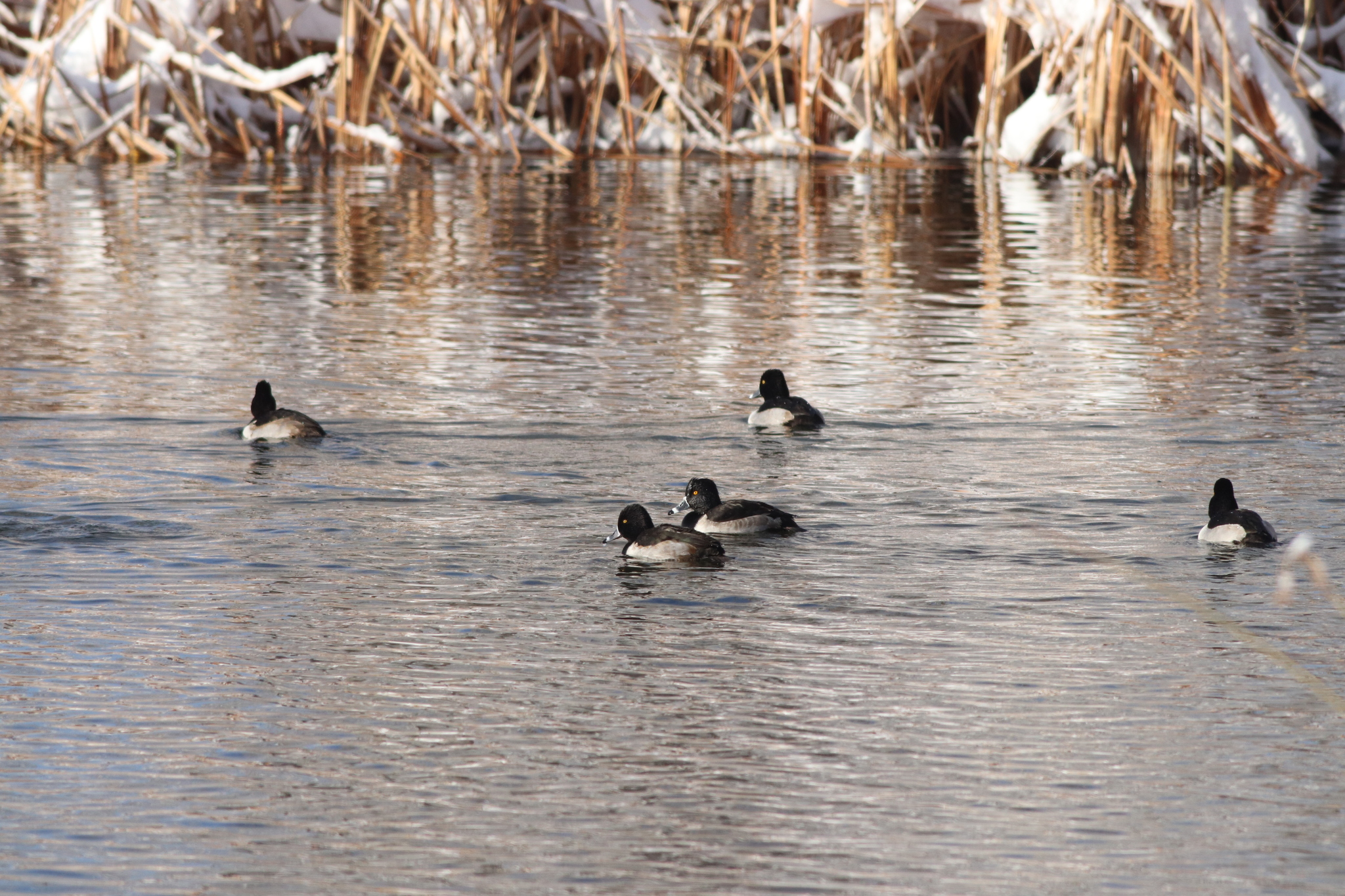
This diving duck (family Anatidae) is distributed across North America. It occupies wooded lakes, ponds, marshes, and other vegetated freshwater habitats. During winter, it forms small groups and associates with other diving duck species. The common name derives from a cinnamon-colored neck ring, though this feature is often difficult to observe in the field. The bill has white rings at the base and tip. This species is an active forager that dives to considerable depths and dabbles at the water's surface. During migration, it forms loose flocks across broad areas of the continent.
Description
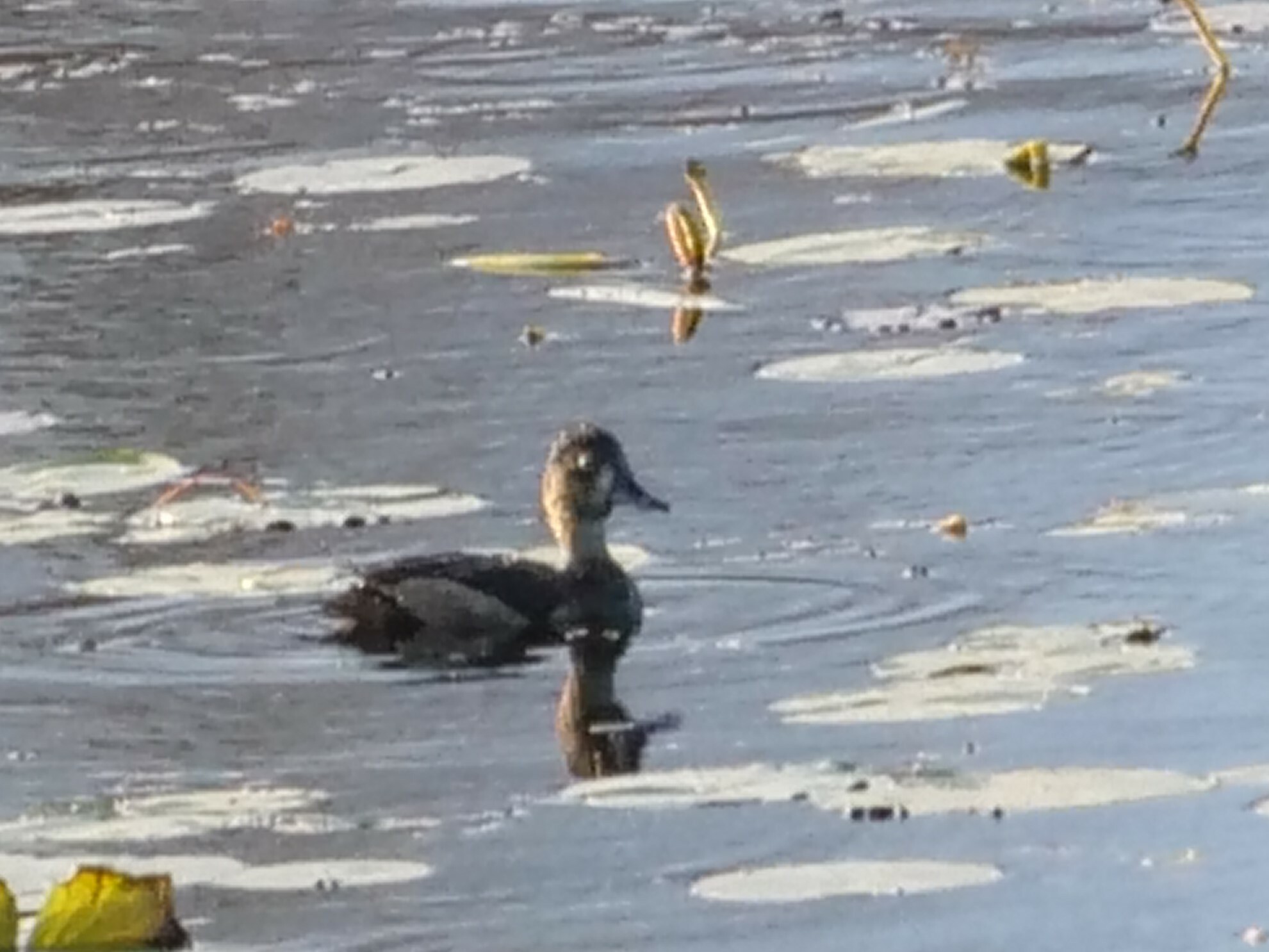
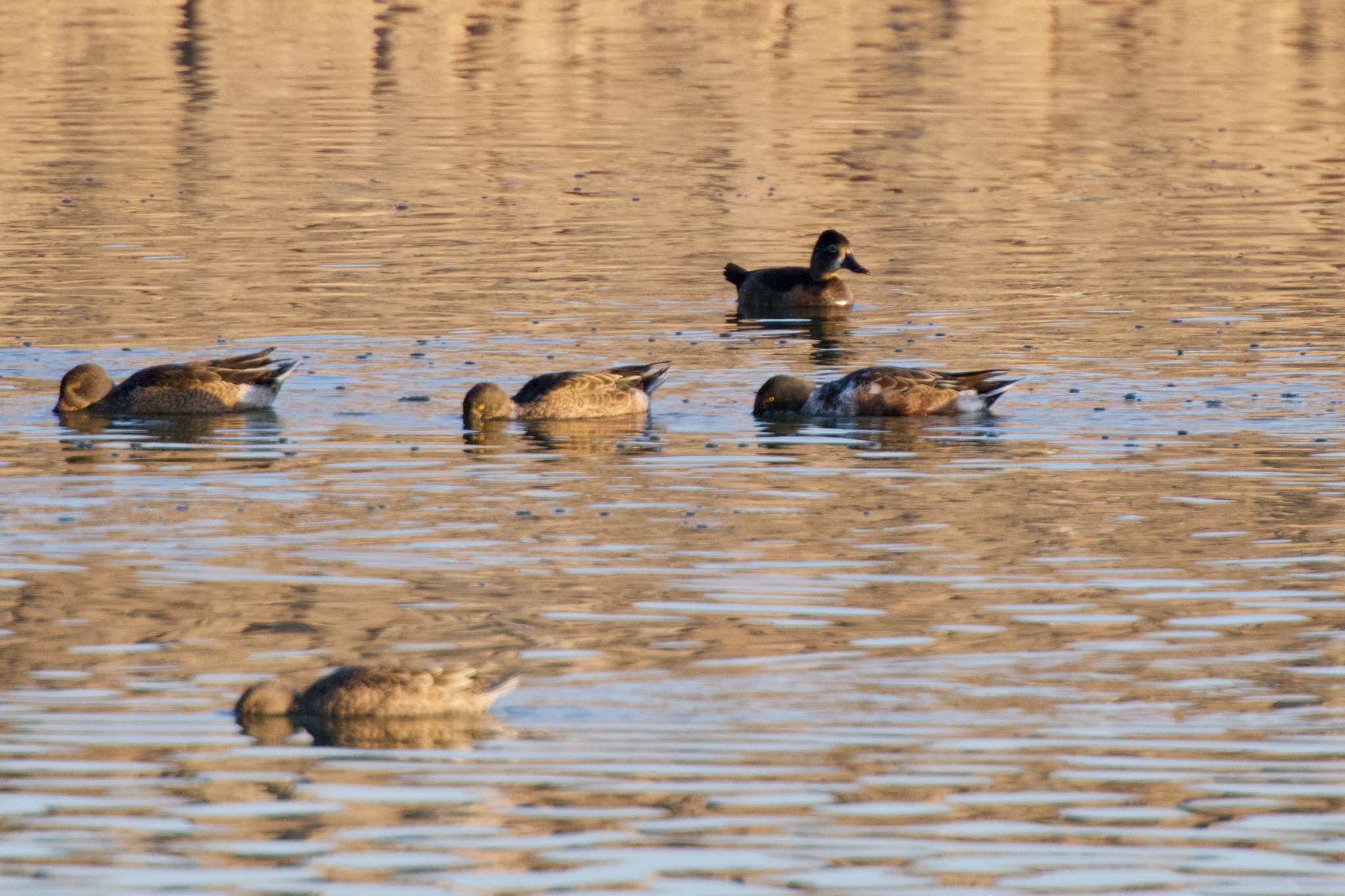
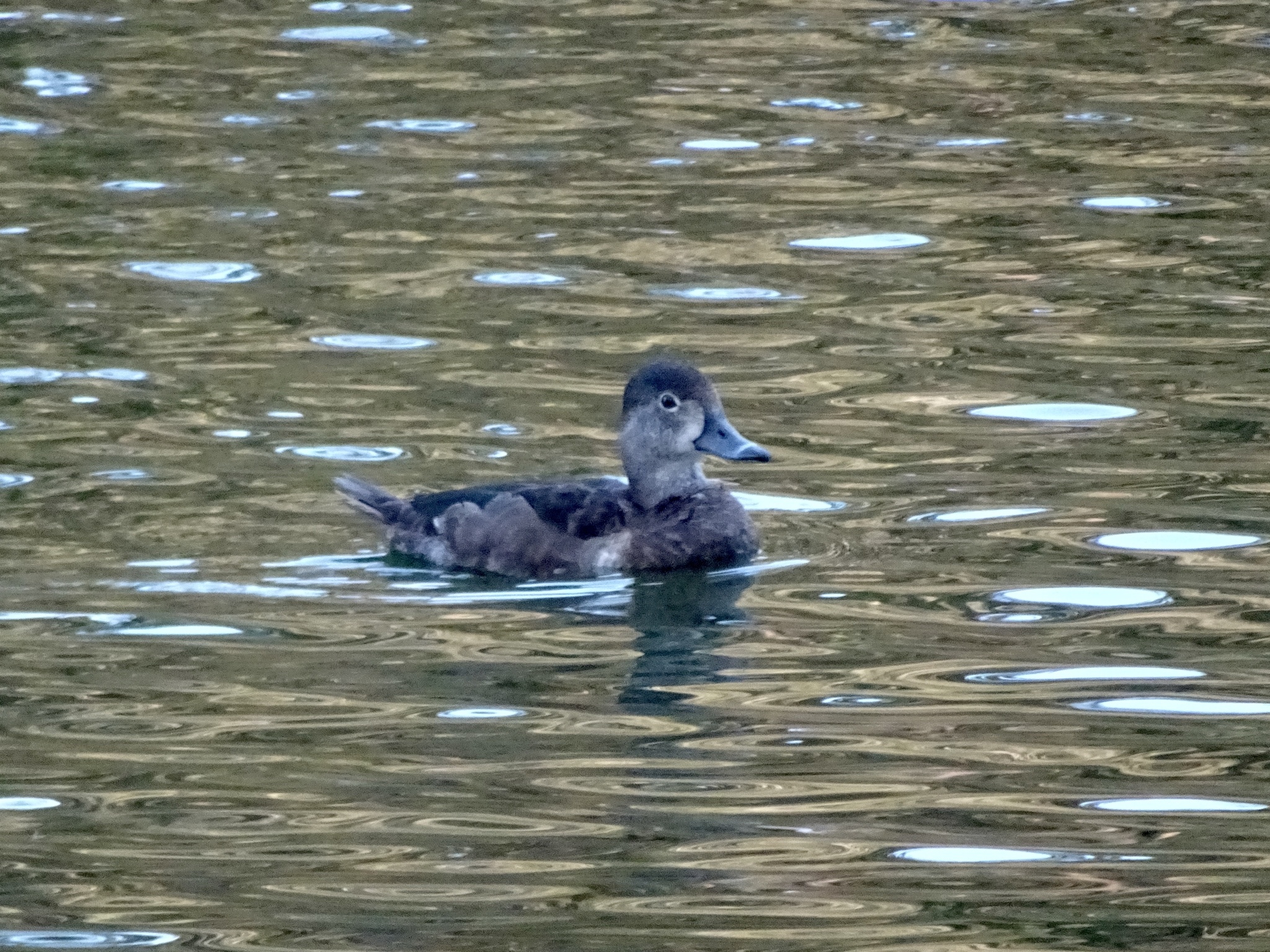
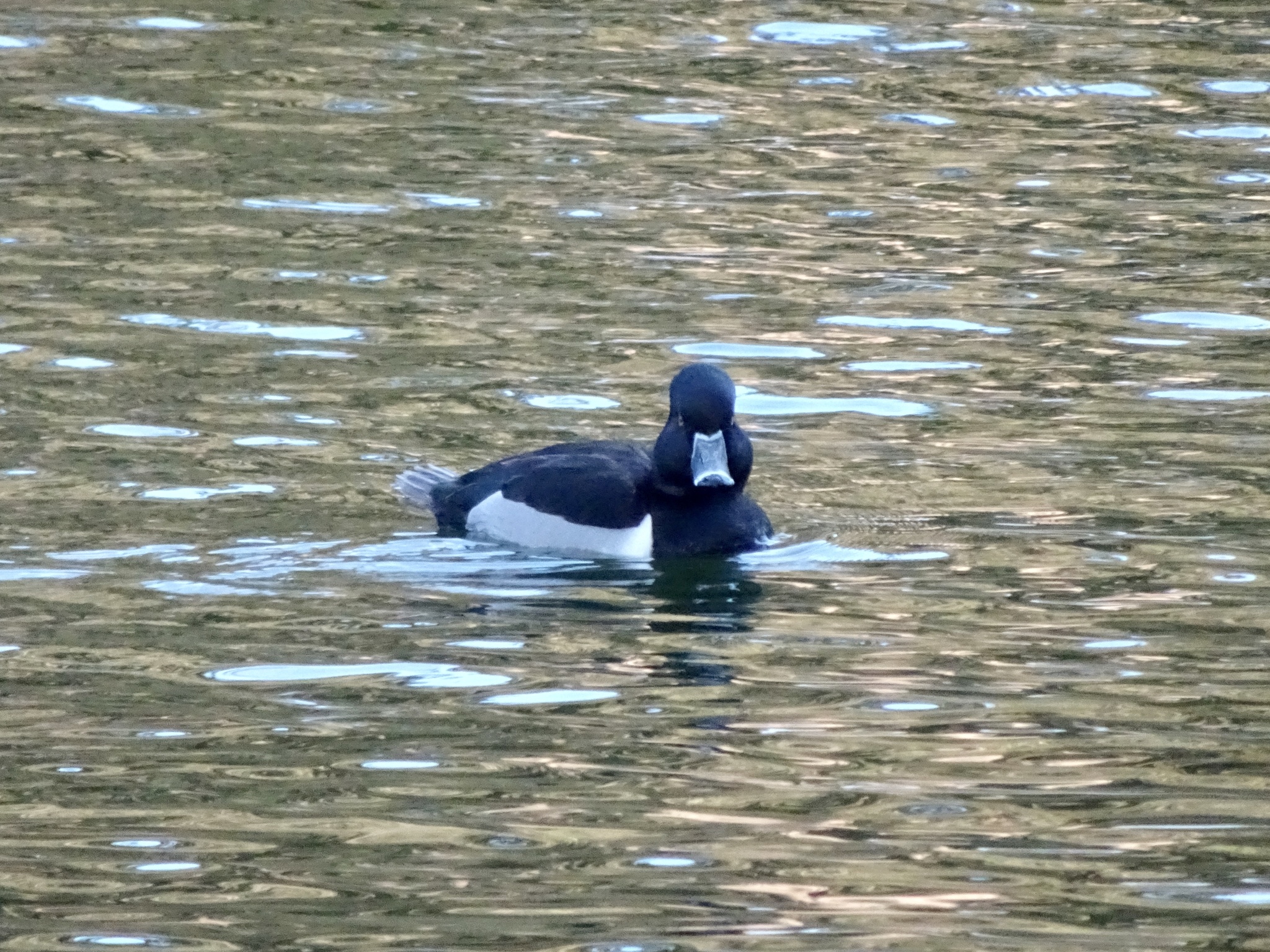
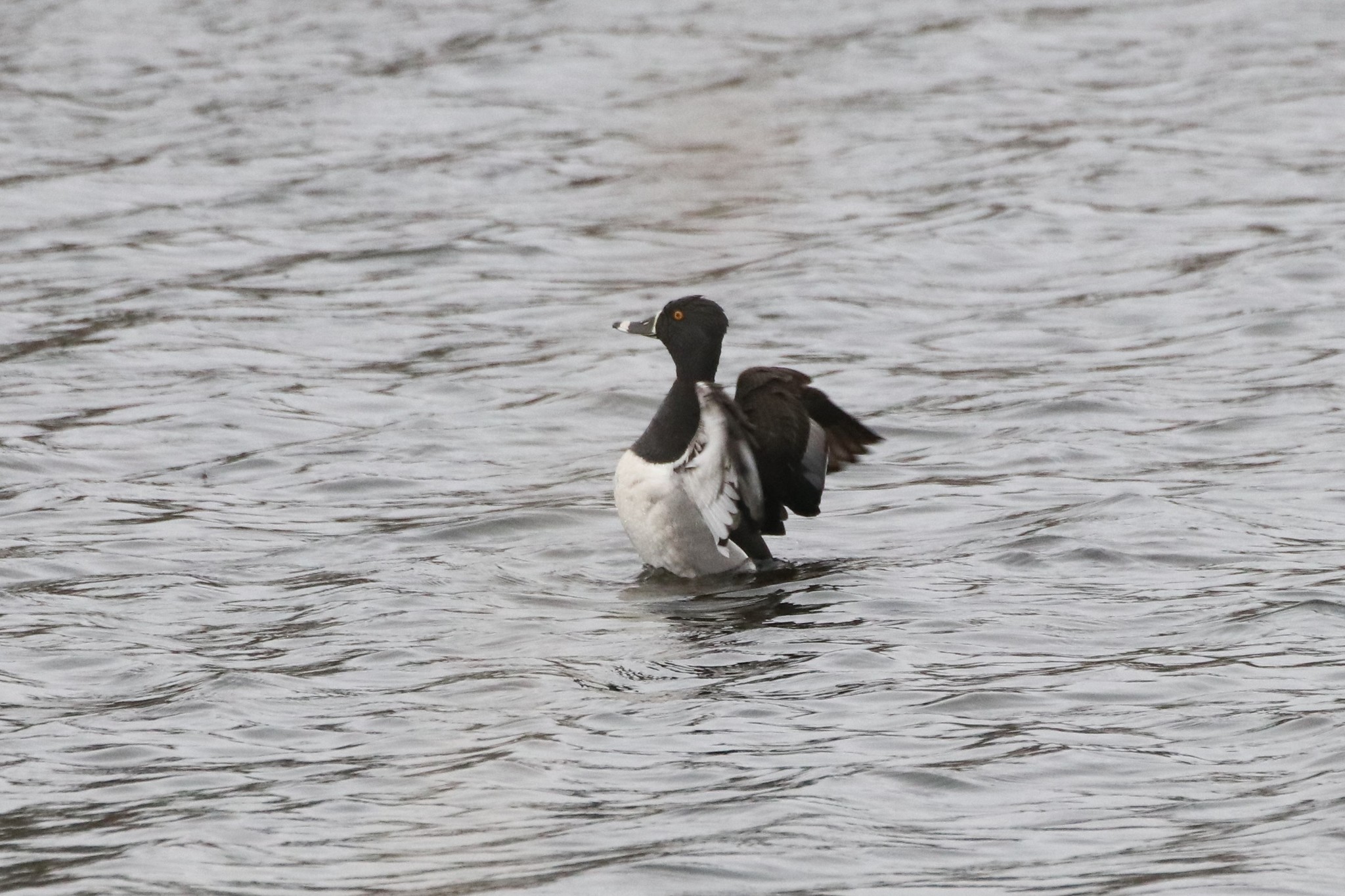
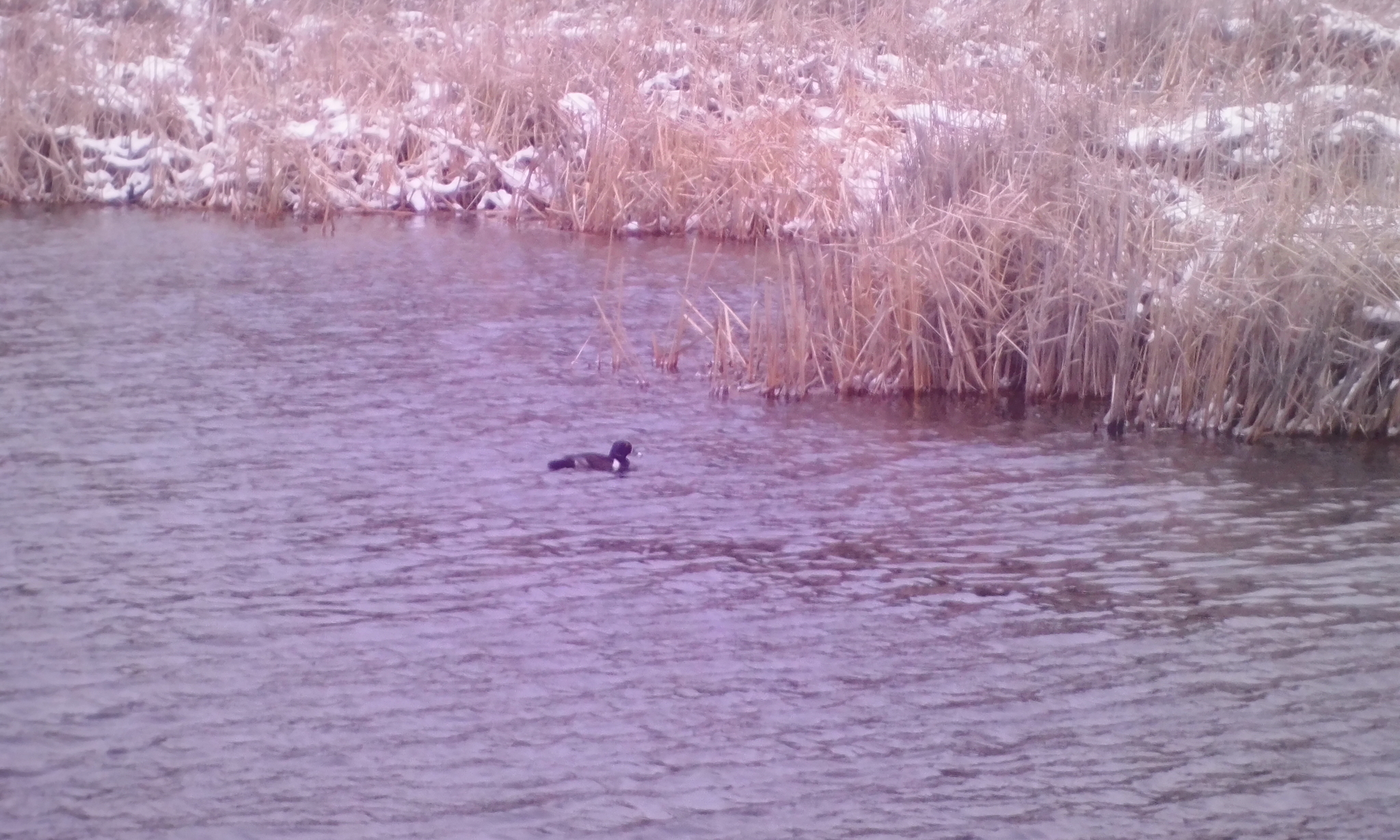
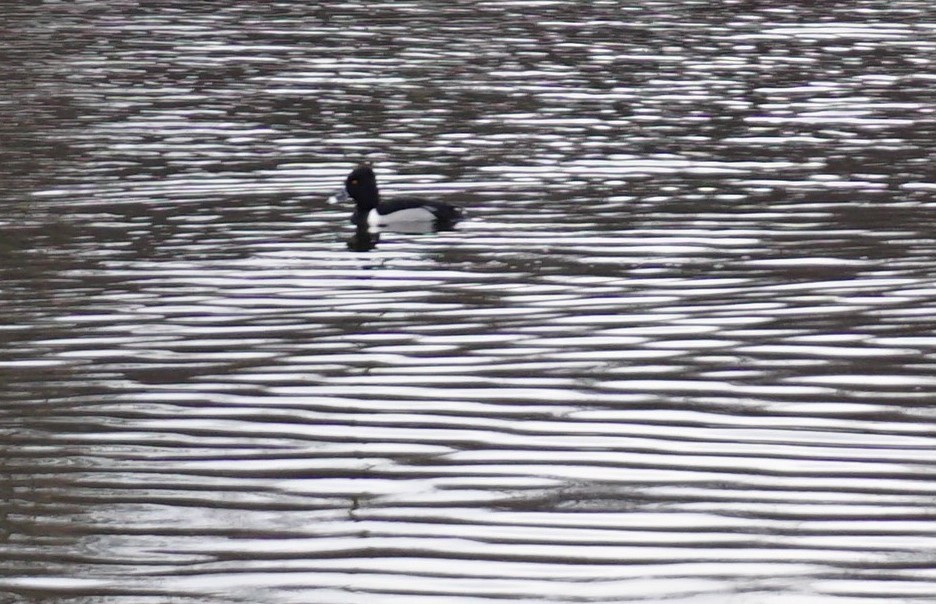
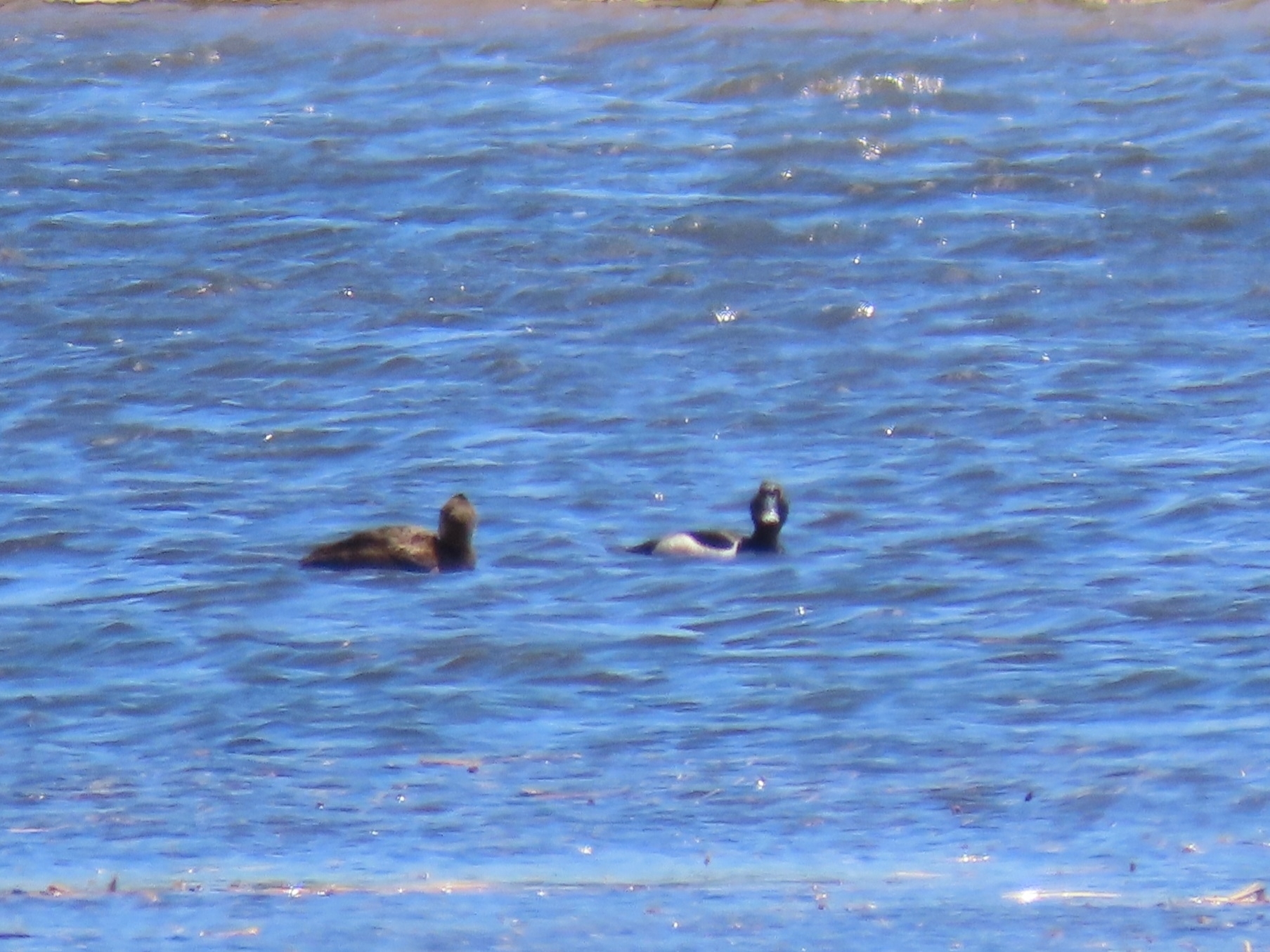
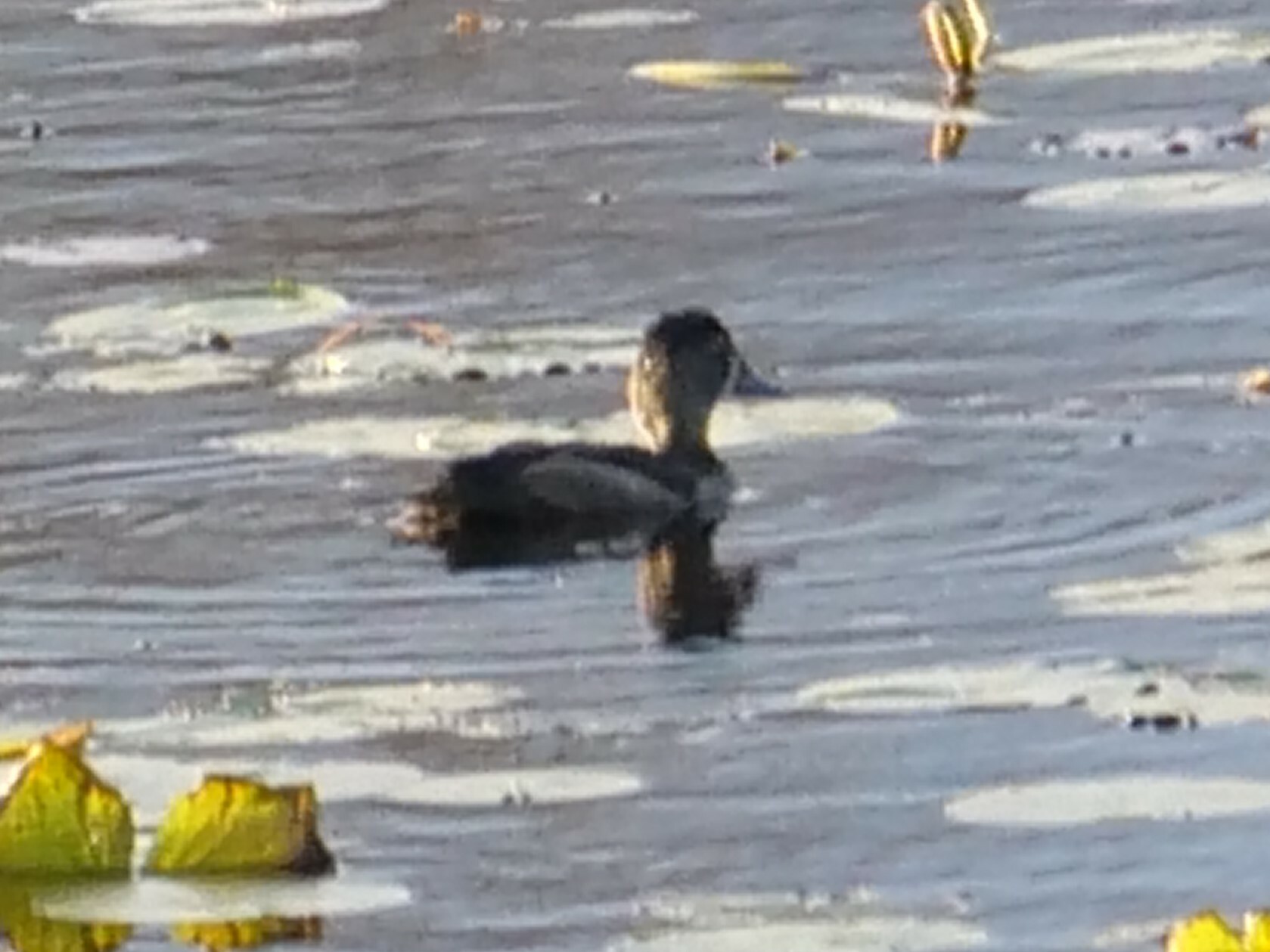
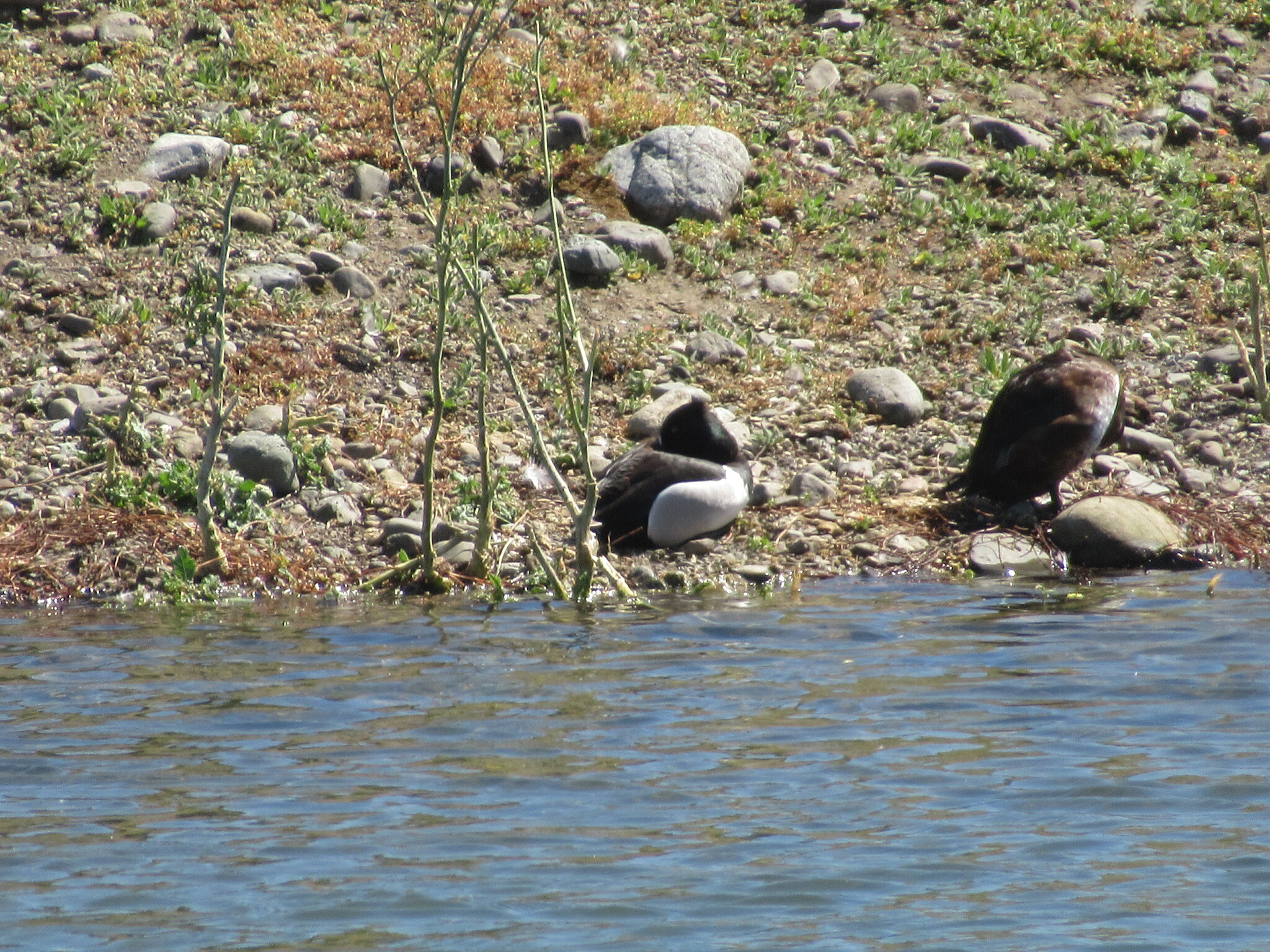
This compact diving duck measures between 15.3-18.1 inches in length with a modest wingspan of 24.4-24.8 inches. Adults weigh between 17.3-32.1 ounces. Males display a striking black-and-white plumage pattern featuring a glossy, angular black head, black back, and white breast, accented by two conspicuous white rings around the gray bill and striking yellow eyes. Females present a more subdued appearance with grayish-brown upperparts, darker brown back, and a dark bill marked with a subtle light band. Both sexes show white eye-rings, though these are more pronounced in females, which also have brown eyes and grayish-blue feet. The namesake cinnamon neck ring is so subtle in the field that it escapes detection in most encounters.
Identification
The two prominent white rings on the bill distinguish this species from similar diving ducks. The head shape— angular and peaked at the rear—helps separate it from the rounder-headed scaup and canvasback. Males closely resemble the Eurasian tufted duck but lack the latter's distinctive head tuft. Females can be confused with female scaup, though the ringbill shows a darker, more contrasting back and a more angular head profile. The combination of small size, black-and-white male plumage, and distinctive bill markings provides the most reliable field identification marks, with the visible white rings being the diagnostic feature.
Distribution & Habitat
Breeding occurs across the boreal forest regions of Canada and the northern United States, with concentrations in the Northwest territories and the eastern boreal regions of Canada. Breeding habitat consists of wooded lakes and ponds with abundant emergent vegetation. Winter range extends through the southern United States into Mexico, where they utilize lakes, ponds, rivers, and bays. Spring migration brings pairs together, with unpaired birds likely representing non-breeding individuals. This species is a strong migrant but has been recorded as a rare vagrant in western Europe, with small flocks appearing in Britain and Ireland. Occasional individuals reach Central America as far south as Costa Rica, with sightings between October and May, and rare reports from northern South America including Suriname and French Guiana.
Behavior & Ecology
These ducks are omnivorous foragers that dive or dabble at the surface to obtain food. Ducklings rely heavily on animal matter including insects, earthworms, leeches, midges, and snails. Adult diets shift toward submerged vegetation such as pondweed and coontail, along with emergent plants like annual wild rice and snails. Breeding pairs form during spring migration but separate after reproduction. The female builds a bowl-shaped nest in dense emergent vegetation, typically among sedges and woody plants over water. She lays 8-10 eggs at a rate of one per day, incubating them for 25-29 days. The female remains with her young until they achieve flight capability.
Conservation
This species maintains a large population and broad distribution across North America. Its adaptable nature, willingness to utilize a variety of freshwater habitats, and extensive breeding range contribute to its stable status. While local populations may face pressures from habitat loss and wetland degradation, the species overall demonstrates resilience. Conservation efforts focused on wetland protection throughout its migration and wintering range benefit this and many other waterfowl species.
Culture
The difficulty in observing the cinnamon neck ring that inspired the species' name has generated discussion among birdwatchers, with many noting the irony that the eponymous feature proves nearly impossible to see in the field. This has led to the alternative common name 'ringbill,' which references the more readily observable white bill rings.
Source: Wikipedia · CC BY-SA 3.0
Taxonomy
- Order
- Anseriformes
- Family
- Anatidae
- Genus
- Aythya
- eBird Code
- rinduc
Distribution
breeds Alaska to southern USA; winters to Panama and southern Lesser Antilles
Vocalizations
Data Sources
Species description from Wikipedia, licensed under CC BY-SA 3.0.
Bird images and sounds sourced from GBIF, contributed by citizen scientists worldwide under Creative Commons licenses.
Taxonomy data from AviList 2025.