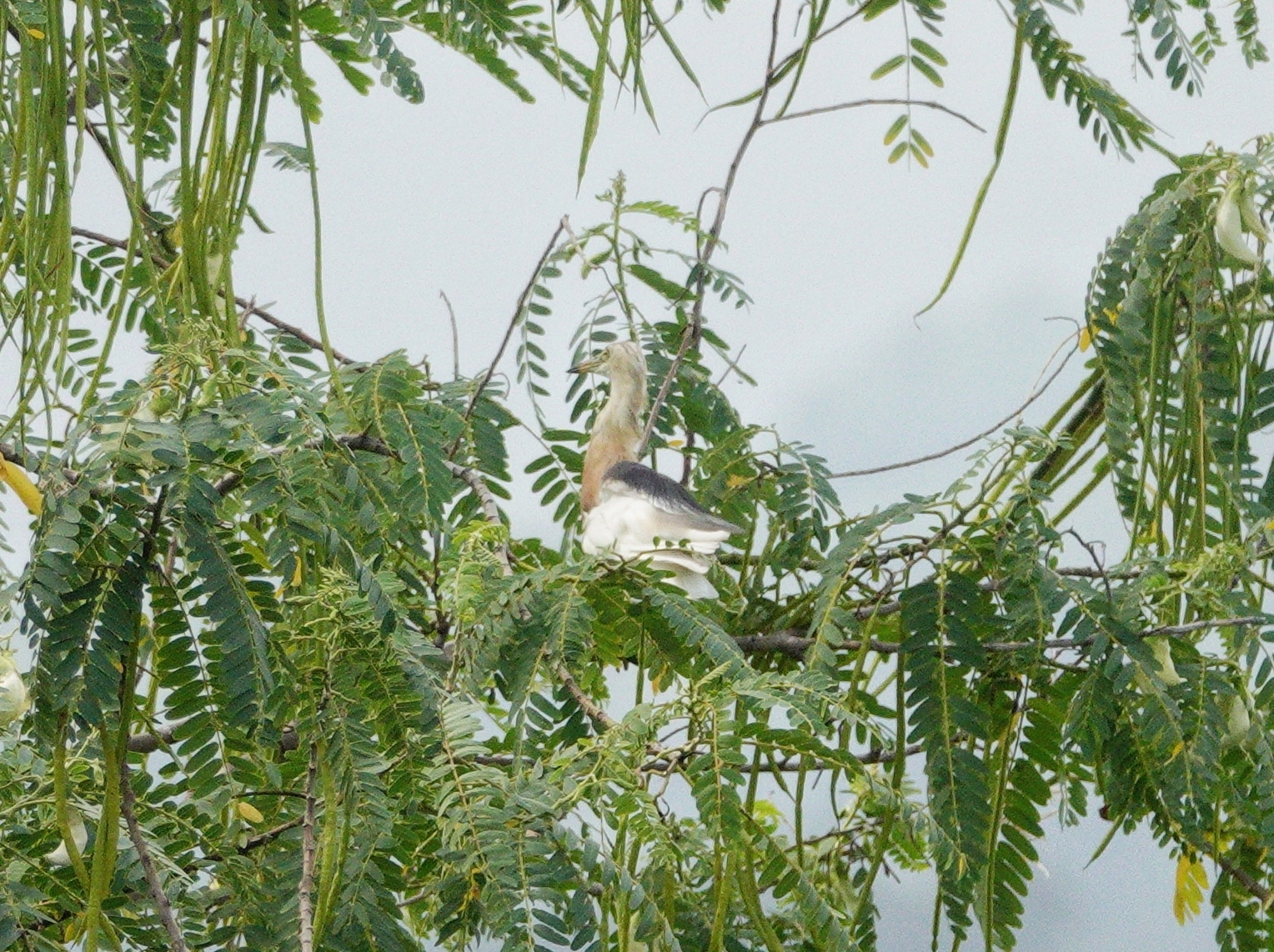
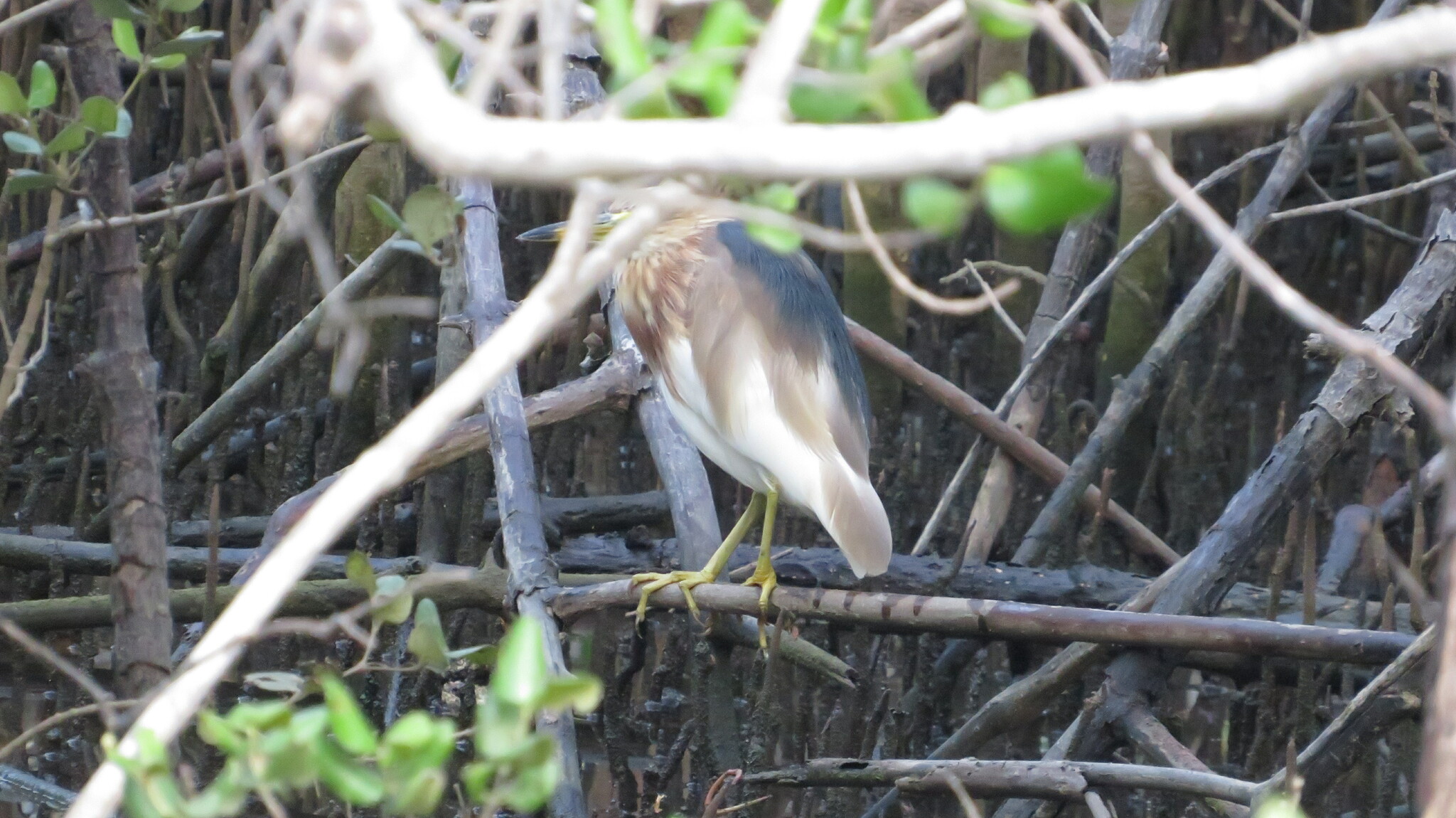
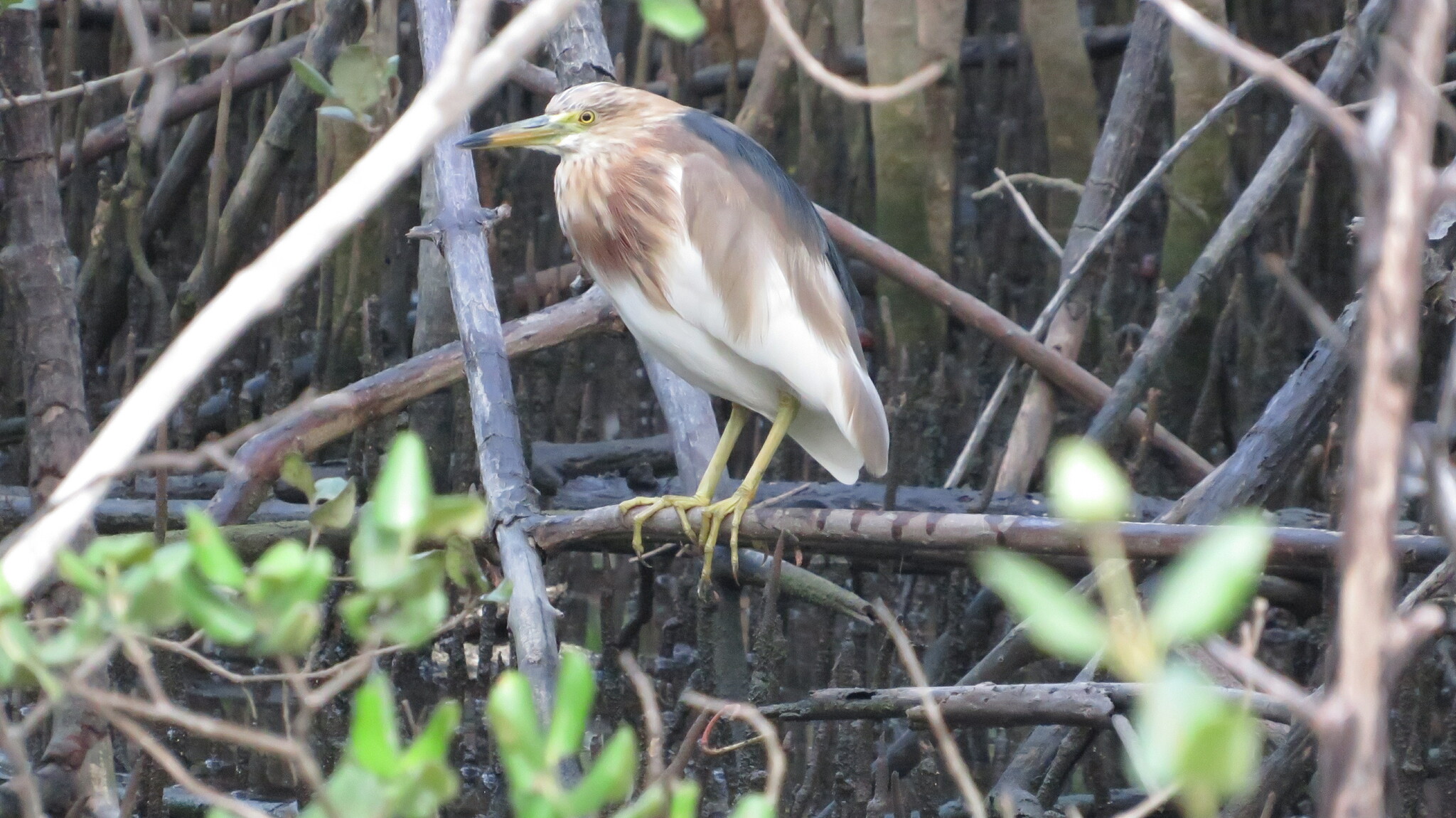

Javan Pond Heron
Ardeola speciosa
爪哇池鹭
Introduction
This compact heron inhabits the wetlands of Southeast Asia, occupying shallow freshwater and saltwater environments including coastal lagoons and rice paddies. The species undergoes a notable seasonal plumage transformation, shifting from brown plumage with white speckling during the non-breeding season to orange, slaty-blue, and white plumage during the breeding season. In non-breeding plumage, it closely resembles related pond heron species, making field identification challenging.
Description
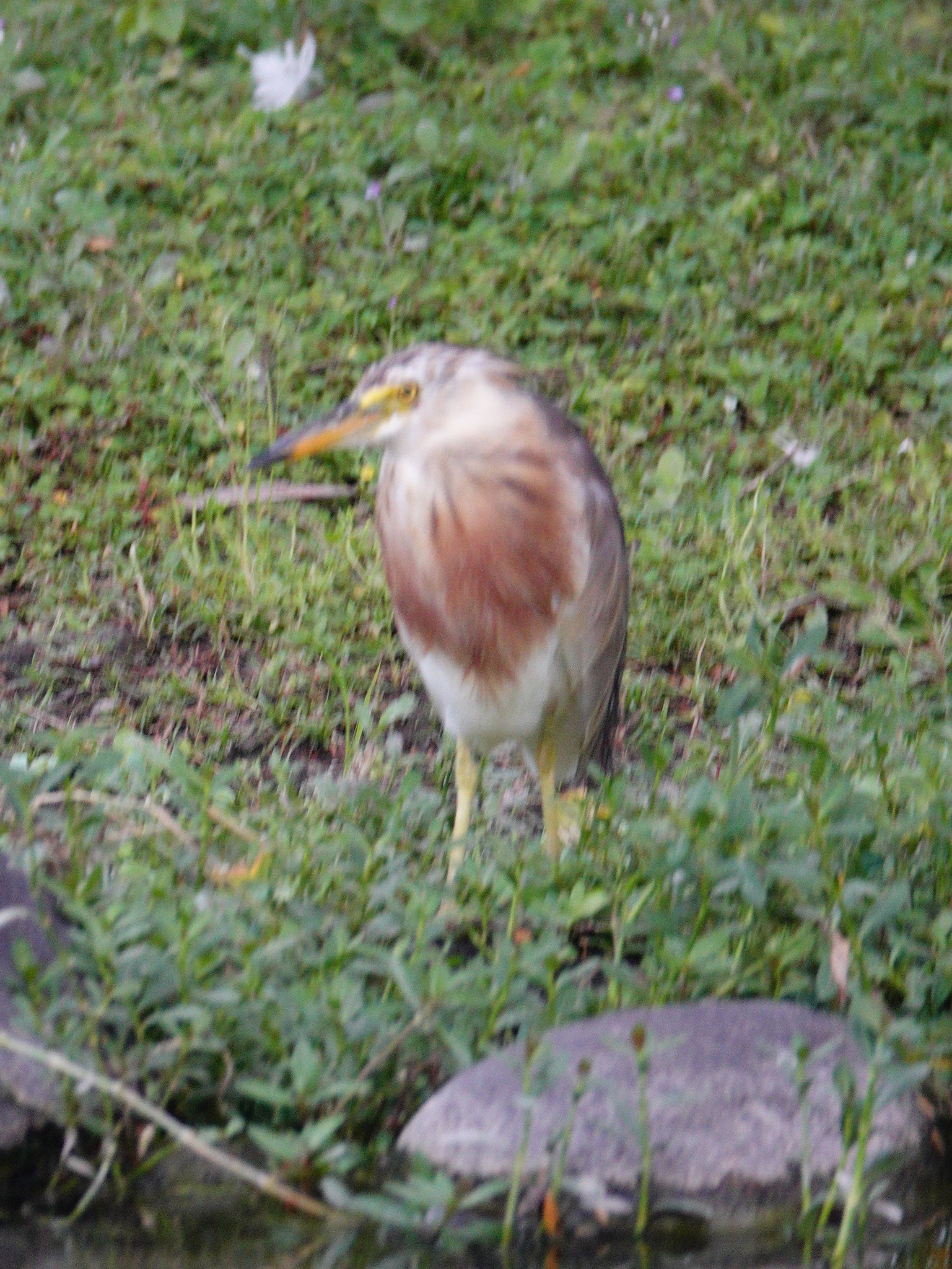
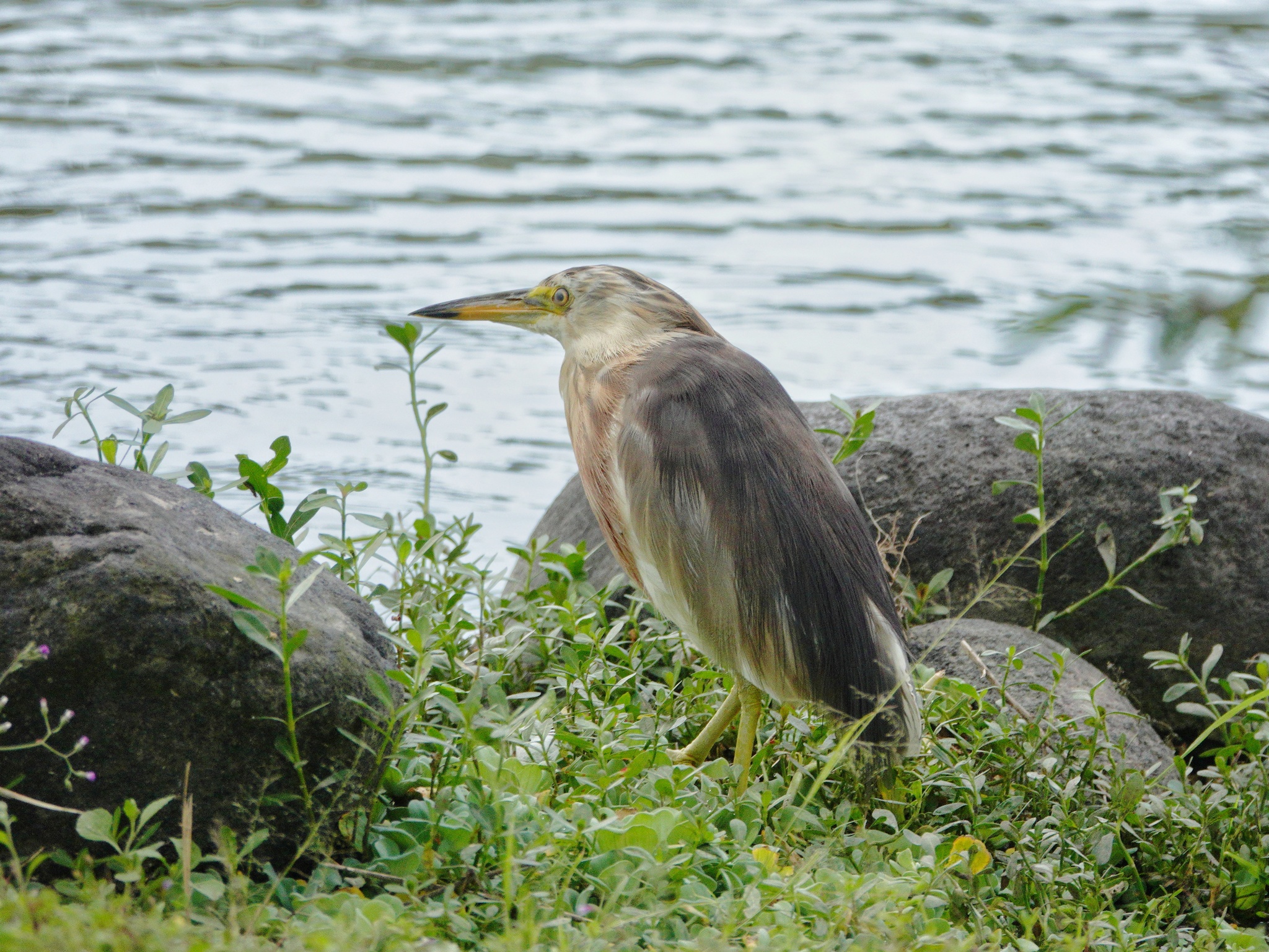
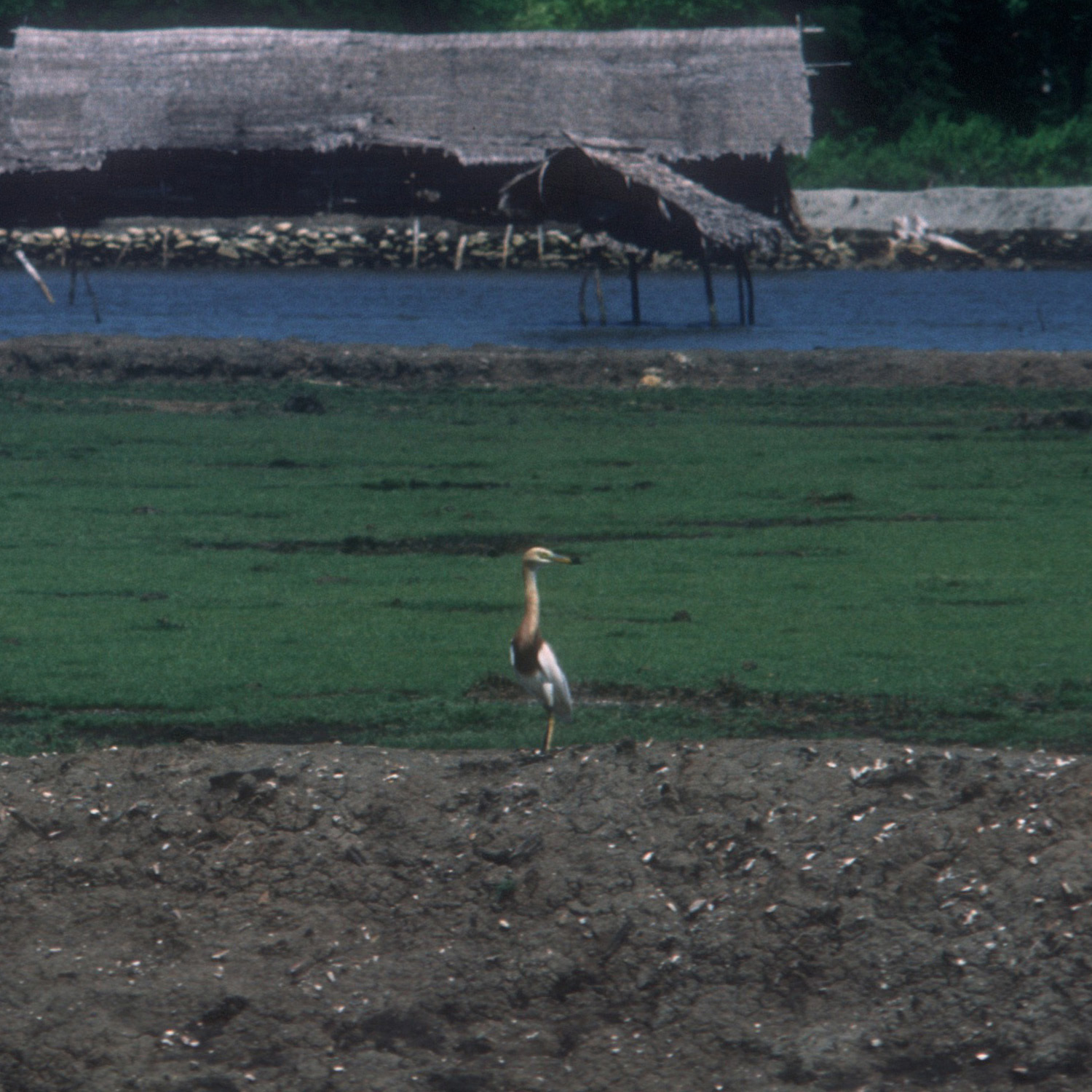
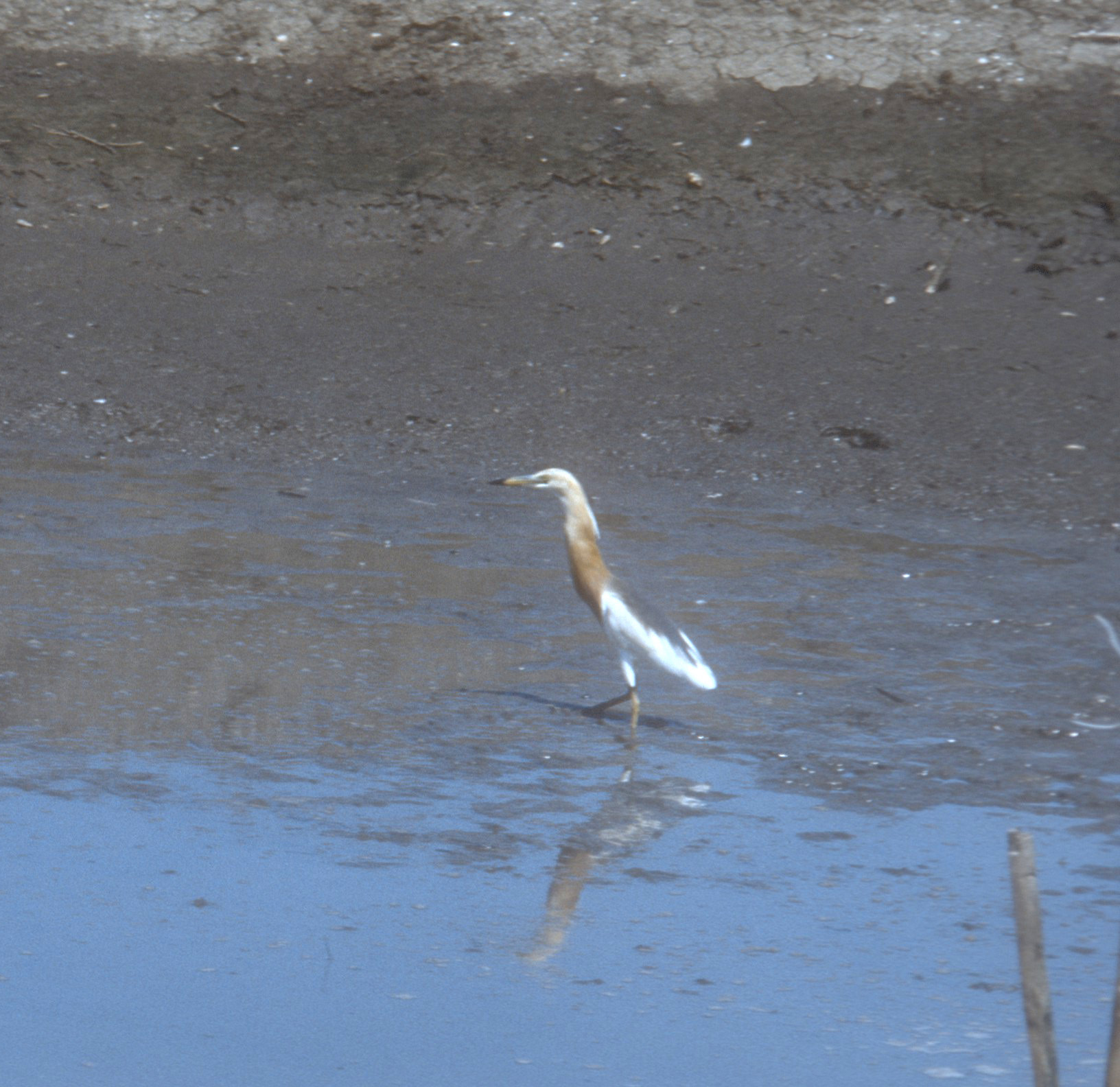
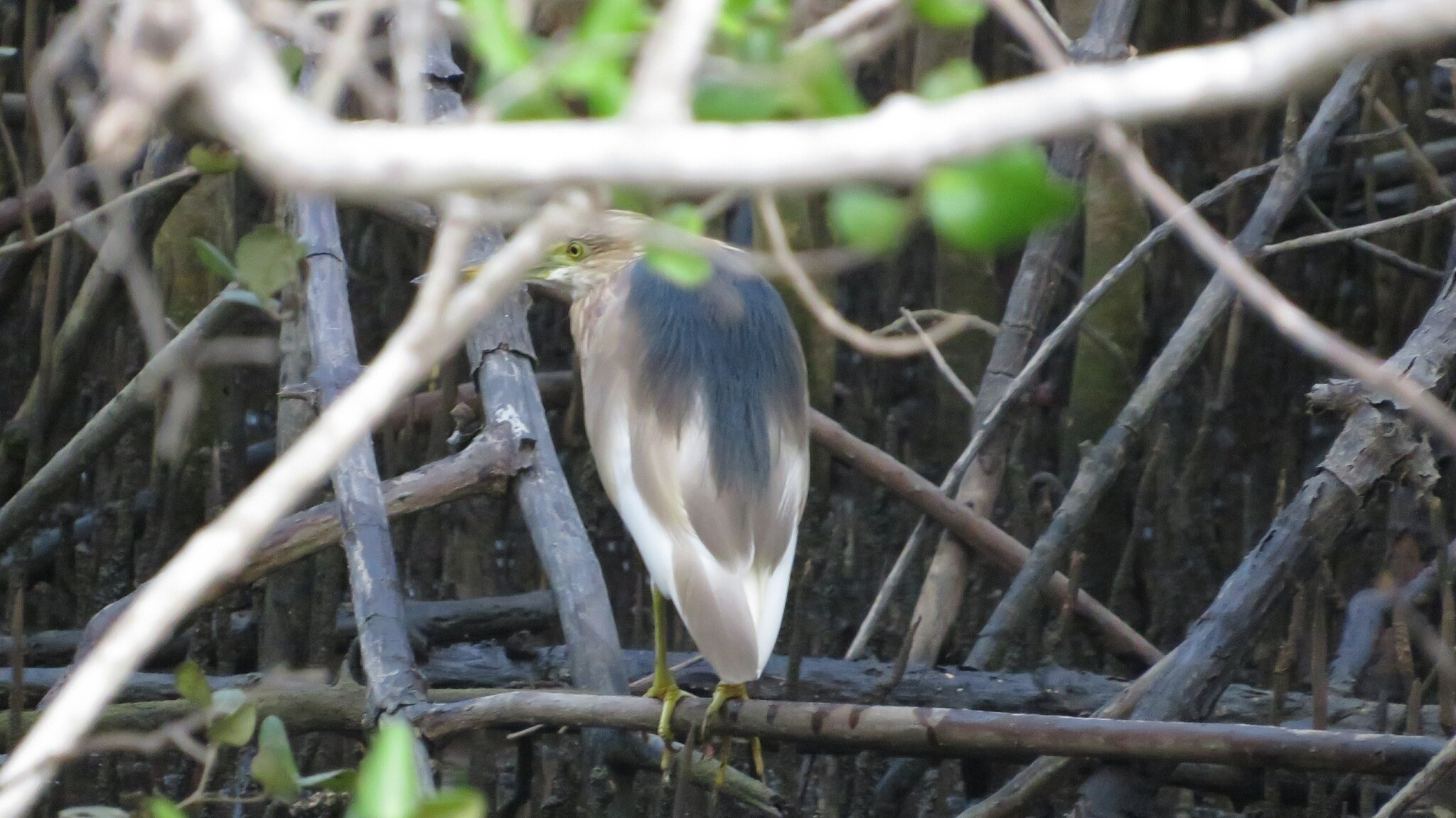
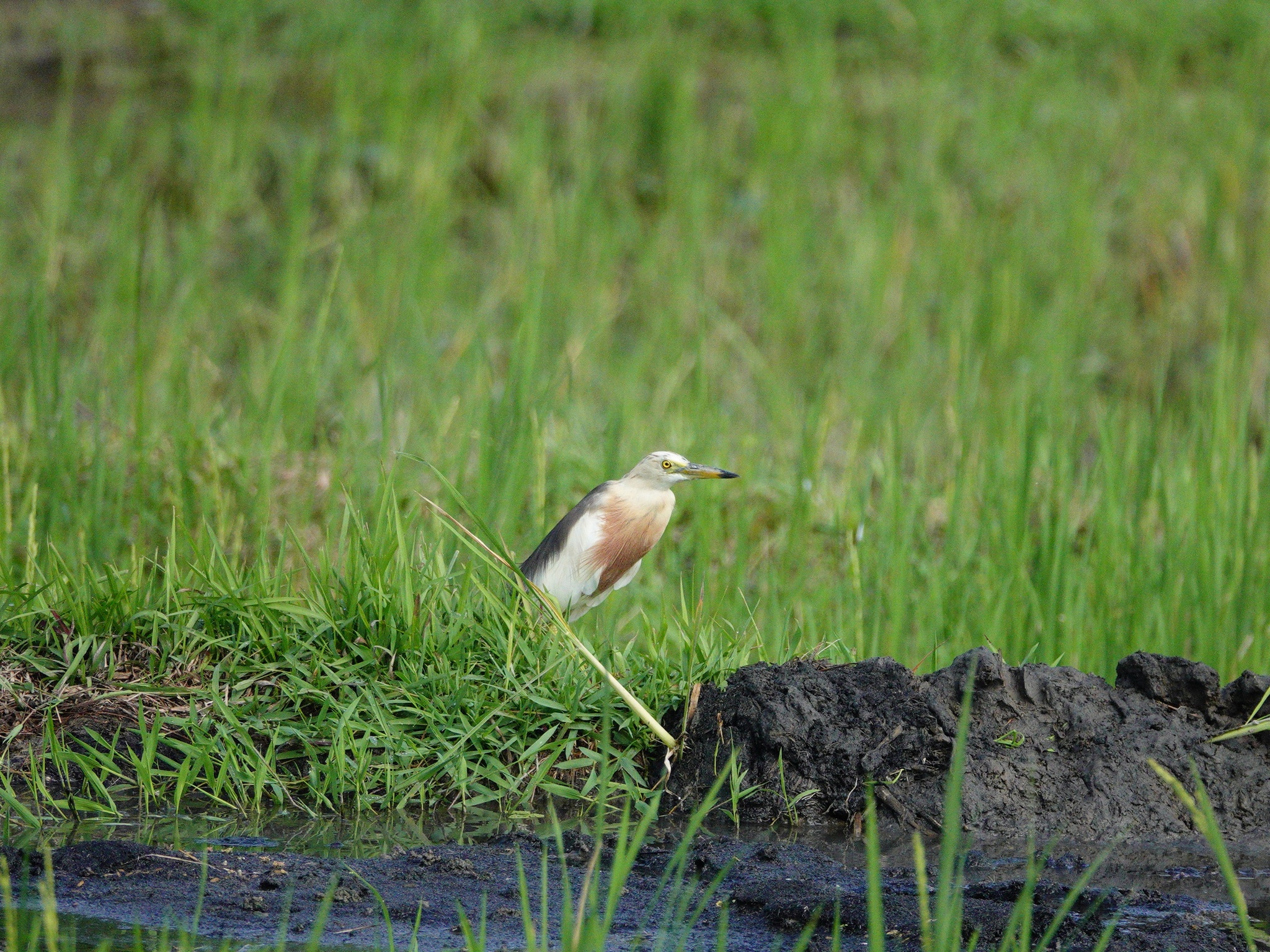
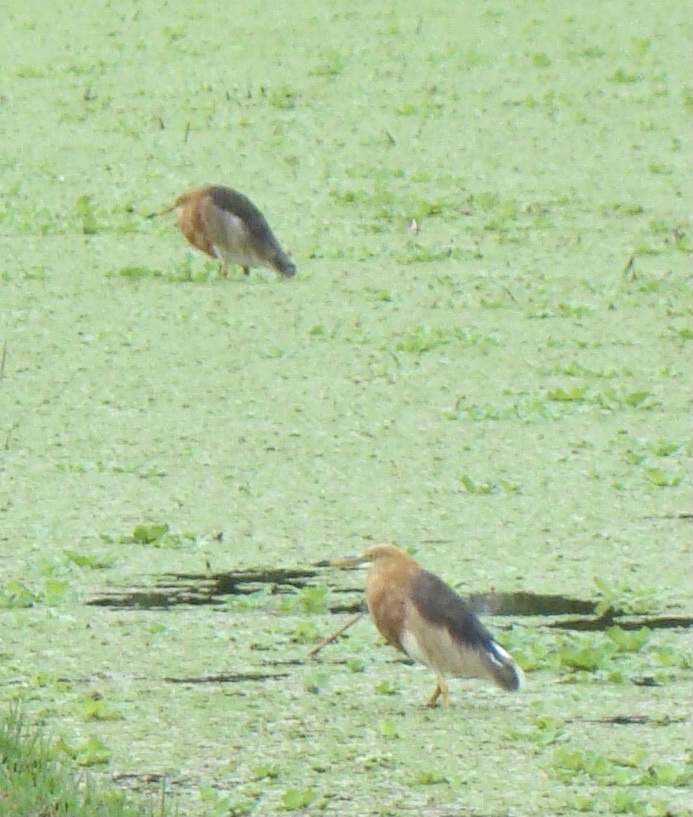
This small heron reaches approximately 45 centimeters in length, making it a compact member of its family. The wings are conspicuously white throughout the year, providing a reliable identifying feature. The bill is robust and yellow with a distinctive black tip, complemented by striking yellow eyes and matching yellow legs. During the breeding season, the plumage transforms dramatically, displaying a vibrant combination of orange on the head and breast, slaty-blue tones on the back, and pure white accents. In non-breeding plumage, the bird appears predominantly brown with extensive white flecking throughout the upperparts, creating a much more subdued overall appearance.
Identification
This species presents one of the more challenging identification problems among Asian herons, particularly in its non-breeding plumage. It is virtually indistinguishable from the Chinese and Indian pond herons when not in breeding condition, with all three species sharing similar brown and white-flecked plumage. The white wings, visible in flight, provide a helpful field mark, though this feature is shared with its close relatives. Positive identification typically requires careful observation of the bird in breeding plumage or, in non-breeding plumage, may depend on range and habitat context. The yellow legs, yellow eyes, and yellow bill with black tip are consistent characteristics across all plumage stages.
Distribution & Habitat
This heron ranges throughout Southeast Asia, occupying a variety of shallow wetland habitats including freshwater marshes, coastal lagoons, rice paddies, and tidal flats. It demonstrates adaptability to both fresh and saltwater environments, though it shows particular affinity for shallow waters where its prey can be easily accessed. The species is migratory, with movements likely tied to seasonal conditions and water availability across its range. It breeds during the summer months, with the breeding season extending from June through September.
Behavior & Ecology
The diet encompasses a diverse range of small aquatic prey including insects, fish, and crabs, reflecting the bird's opportunistic feeding strategy. It employs the typical heron hunting technique of standing motionless in shallow water before striking with remarkable speed and precision. The breeding season occurs during the summer months, spanning June to September. While specific social behaviors are not extensively documented in available sources, like most pond herons it is typically observed singly or in small groups, particularly outside the breeding season. Vocalizations remain poorly described in available literature.
Conservation
This species holds a Least Concern status on the IUCN Red List of Threatened Species, reflecting its widespread distribution and apparently stable population numbers across its extensive range. Its adaptability to various wetland habitat types, including human-modified environments such as rice paddies, has likely contributed to its resilience. While specific population trends are not detailed, the species is described as widespread throughout its large range. Like all wetland-dependent birds, it faces potential threats from habitat degradation, pollution, and drainage of wetlands for development, though these pressures do not appear to have significantly impacted its overall conservation status to date.
Source: Wikipedia · CC BY-SA 3.0
Taxonomy
- Order
- Pelecaniformes
- Family
- Ardeidae
- Genus
- Ardeola
- eBird Code
- japher1
Subspecies (2)
-
Ardeola speciosa continentalis
central Thailand to southern Indochina
-
Ardeola speciosa speciosa
west and central Indonesian Archipelago
Data Sources
Species description from Wikipedia, licensed under CC BY-SA 3.0.
Bird images and sounds sourced from GBIF, contributed by citizen scientists worldwide under Creative Commons licenses.
Taxonomy data from AviList 2025.