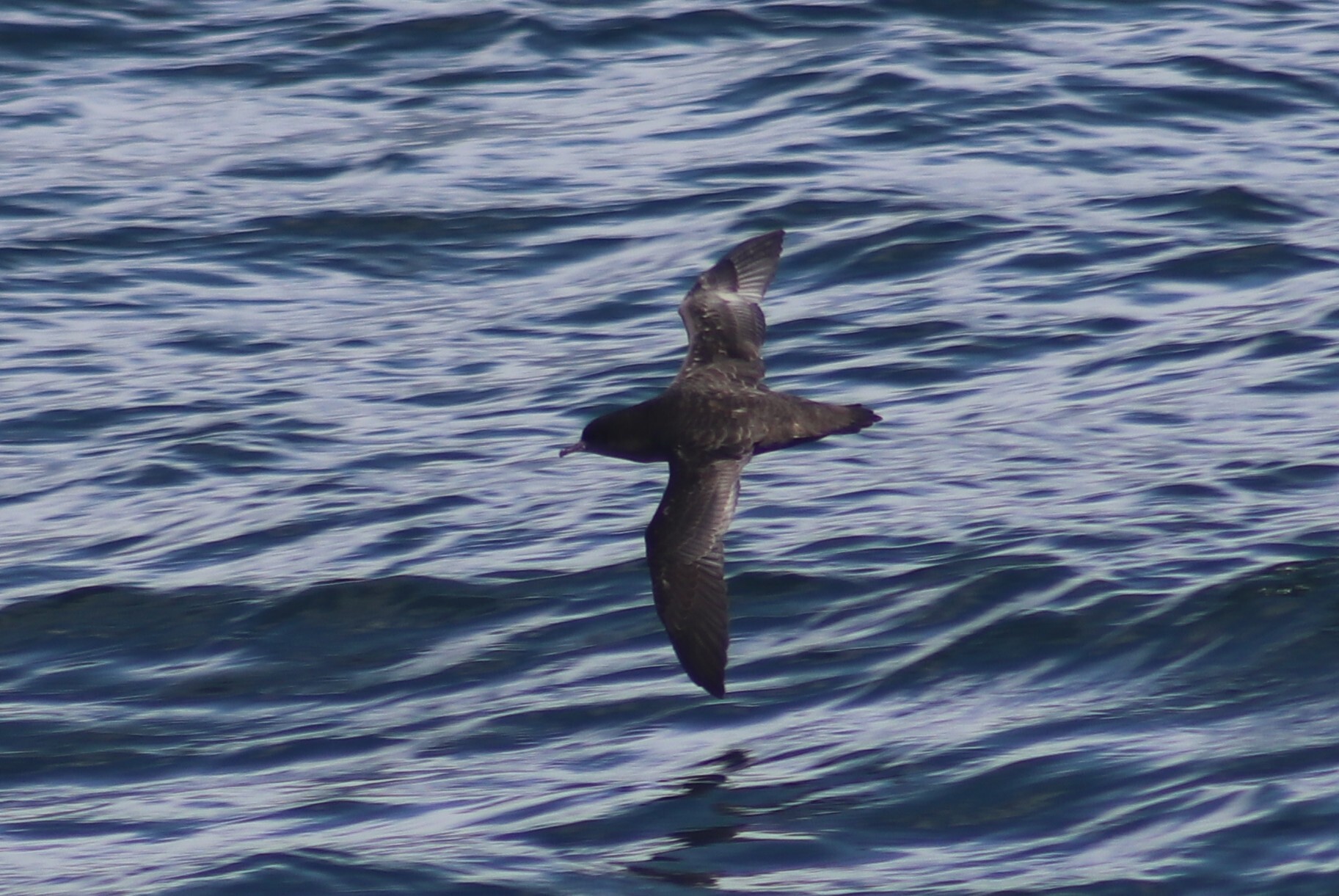
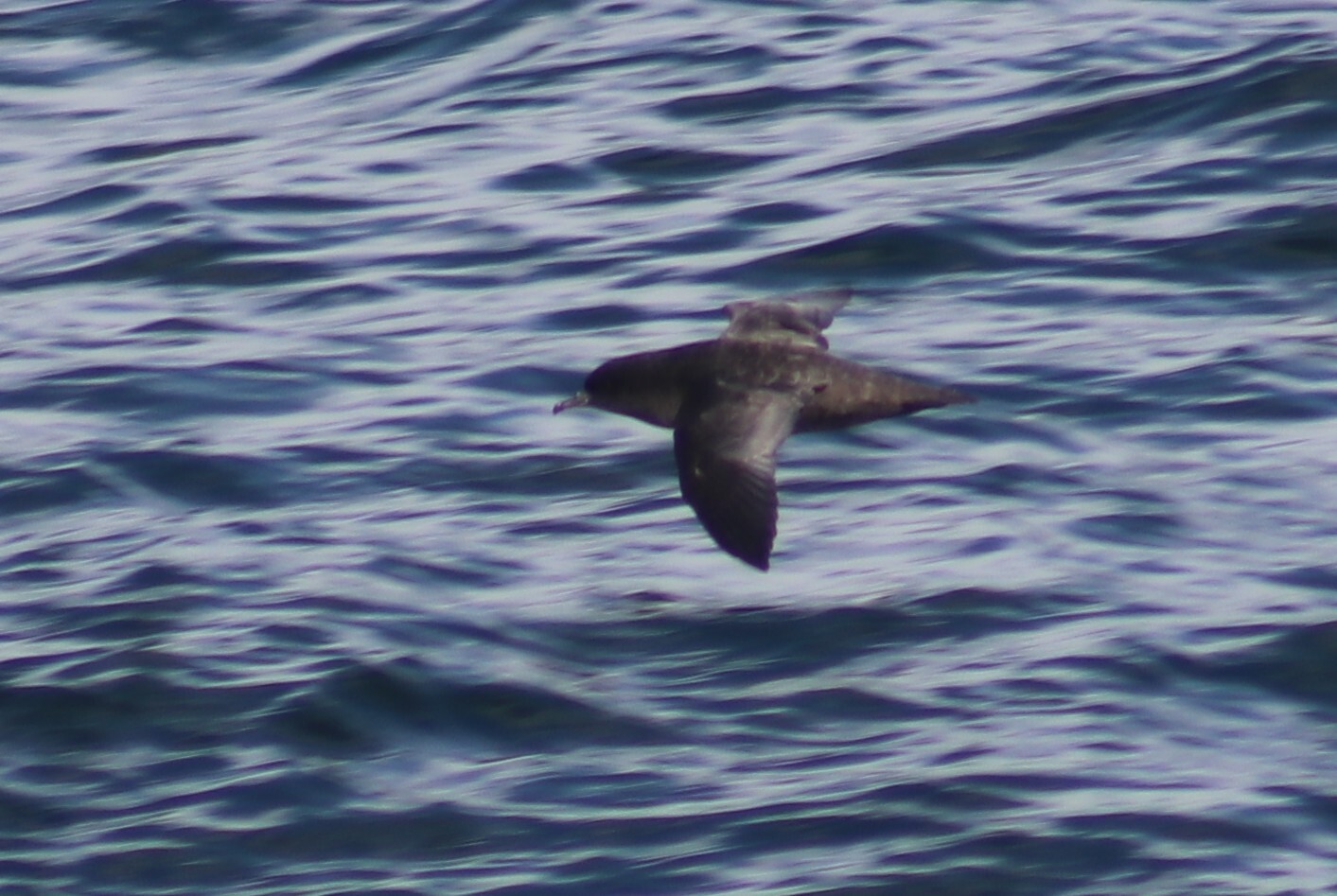
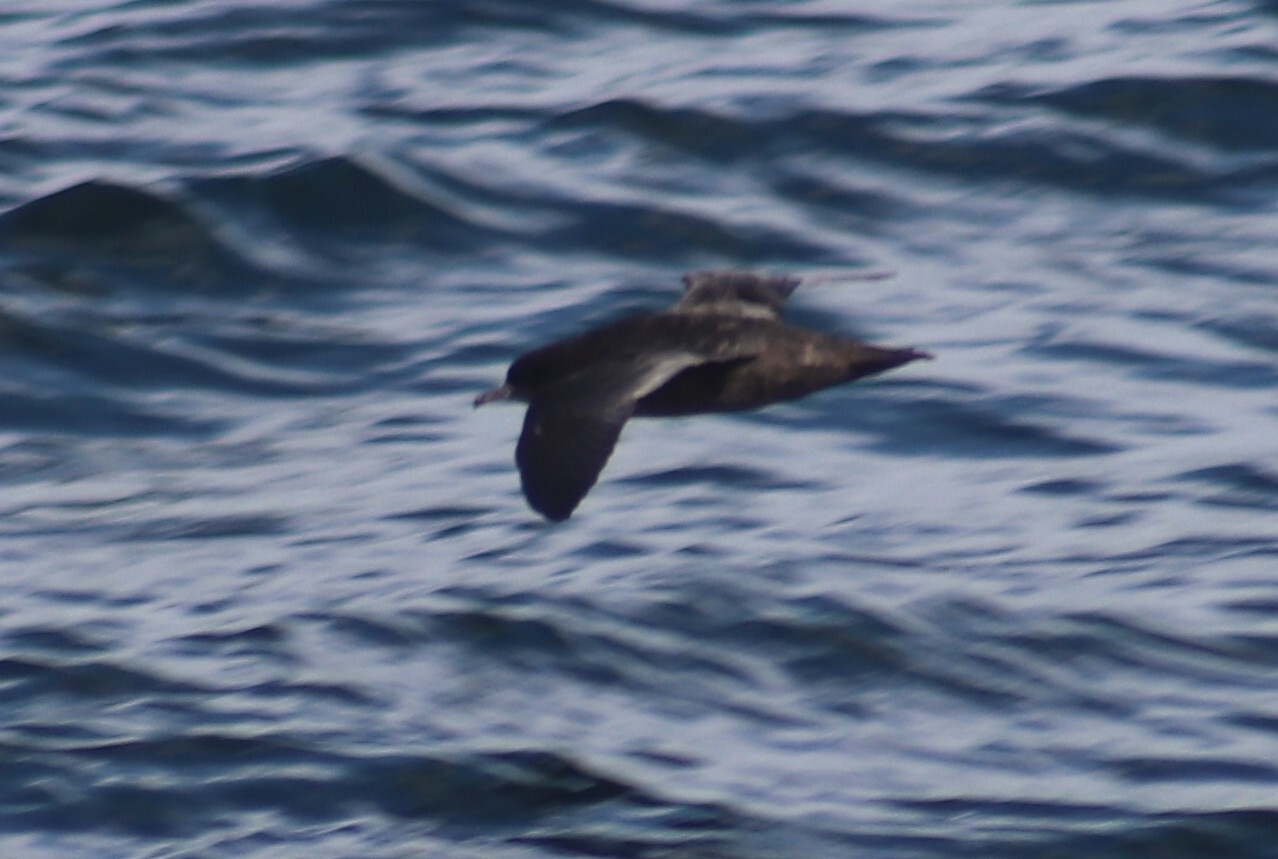
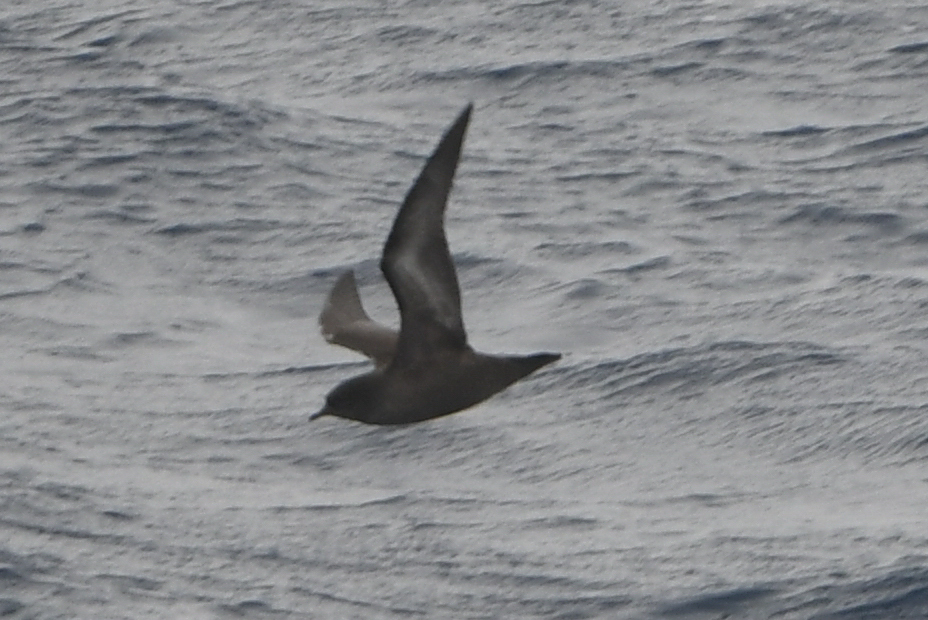
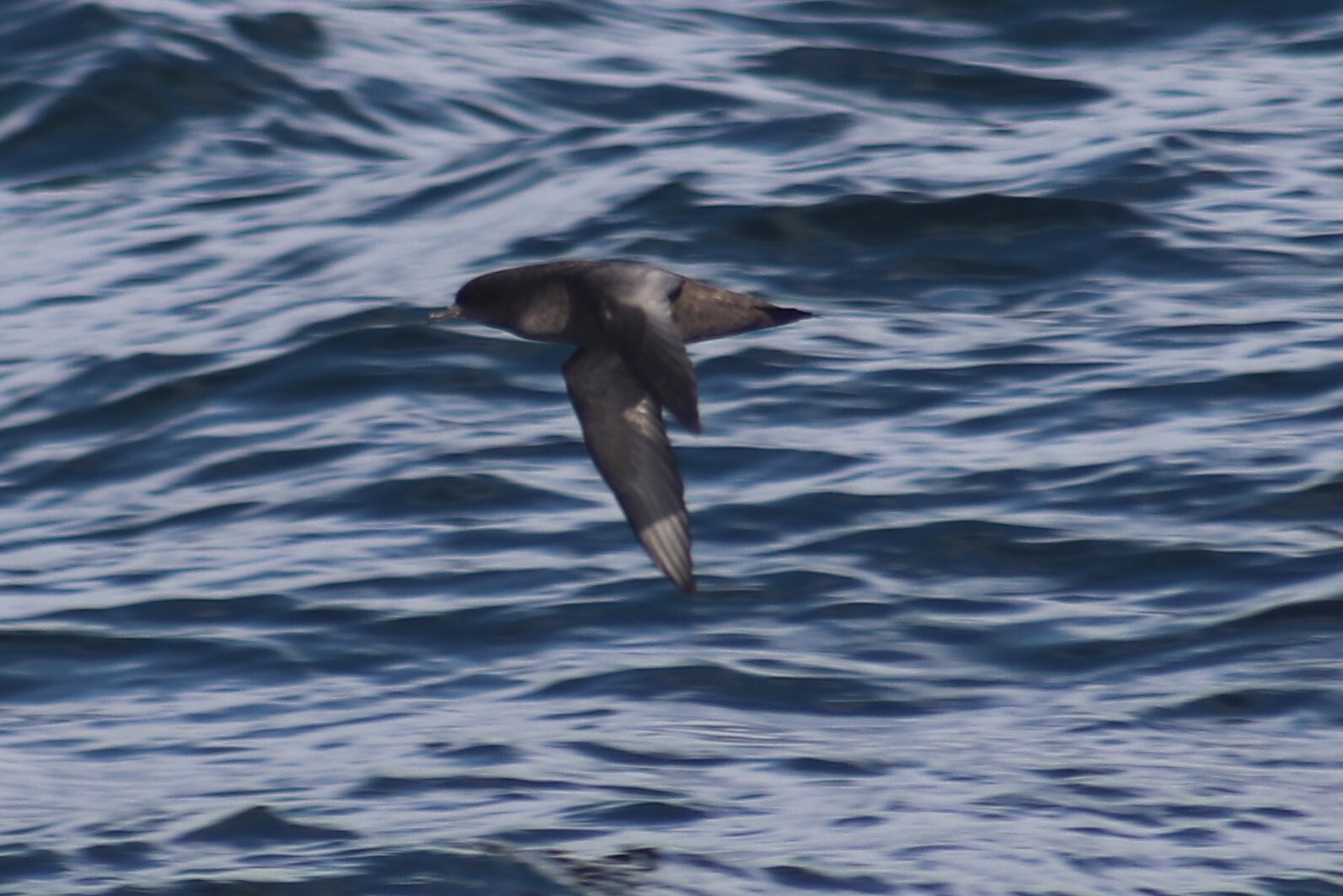
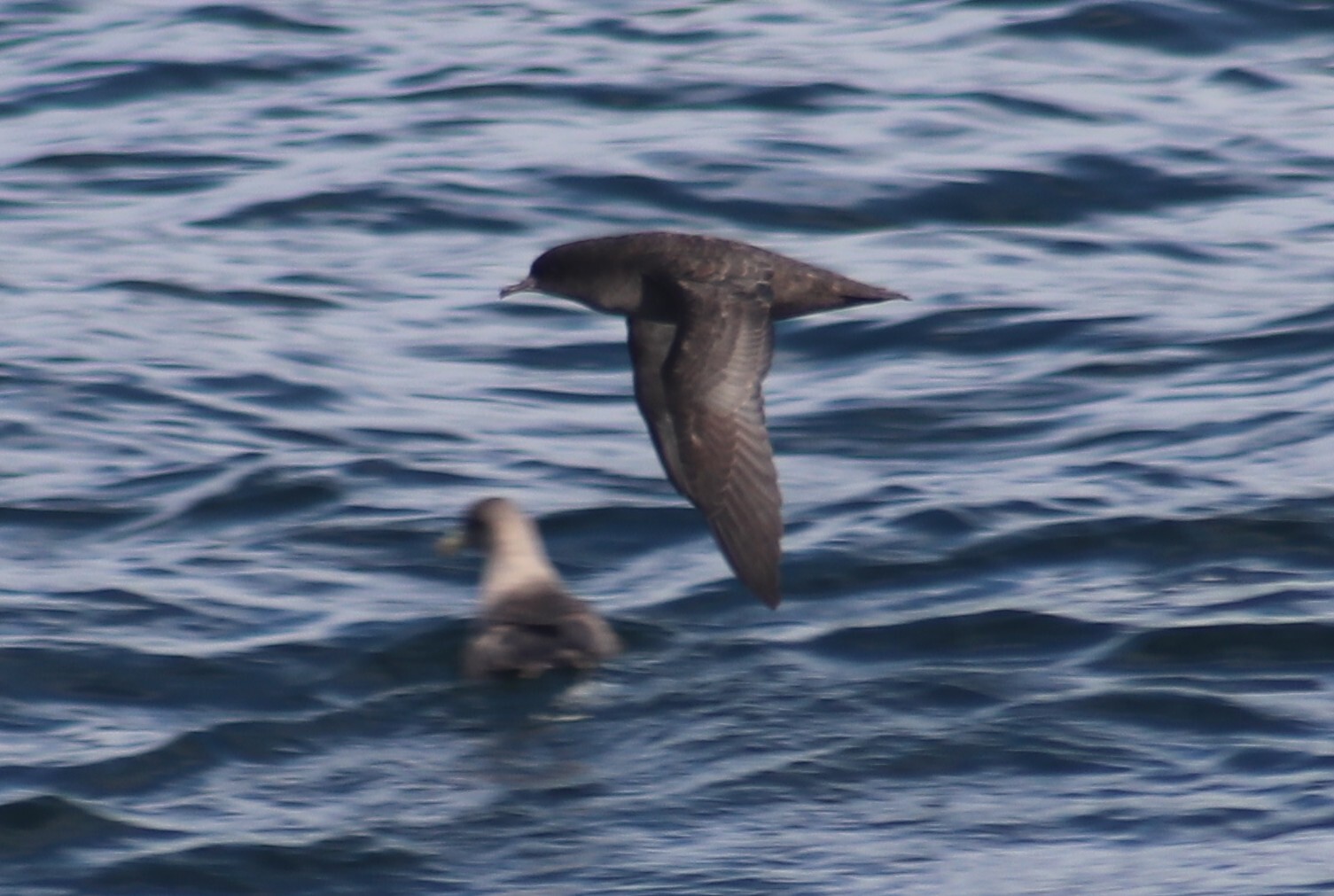
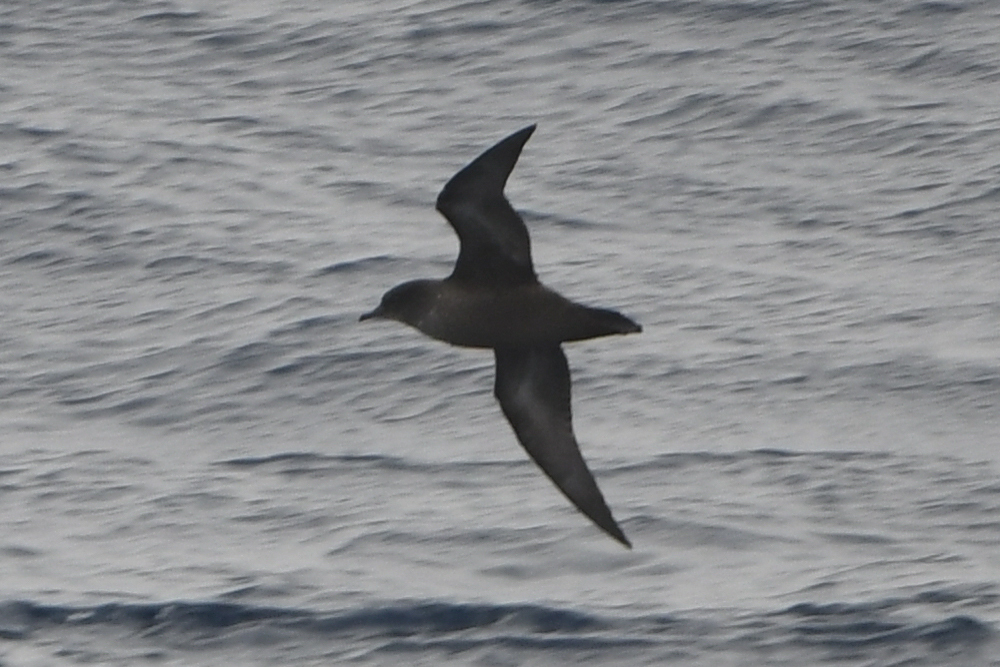
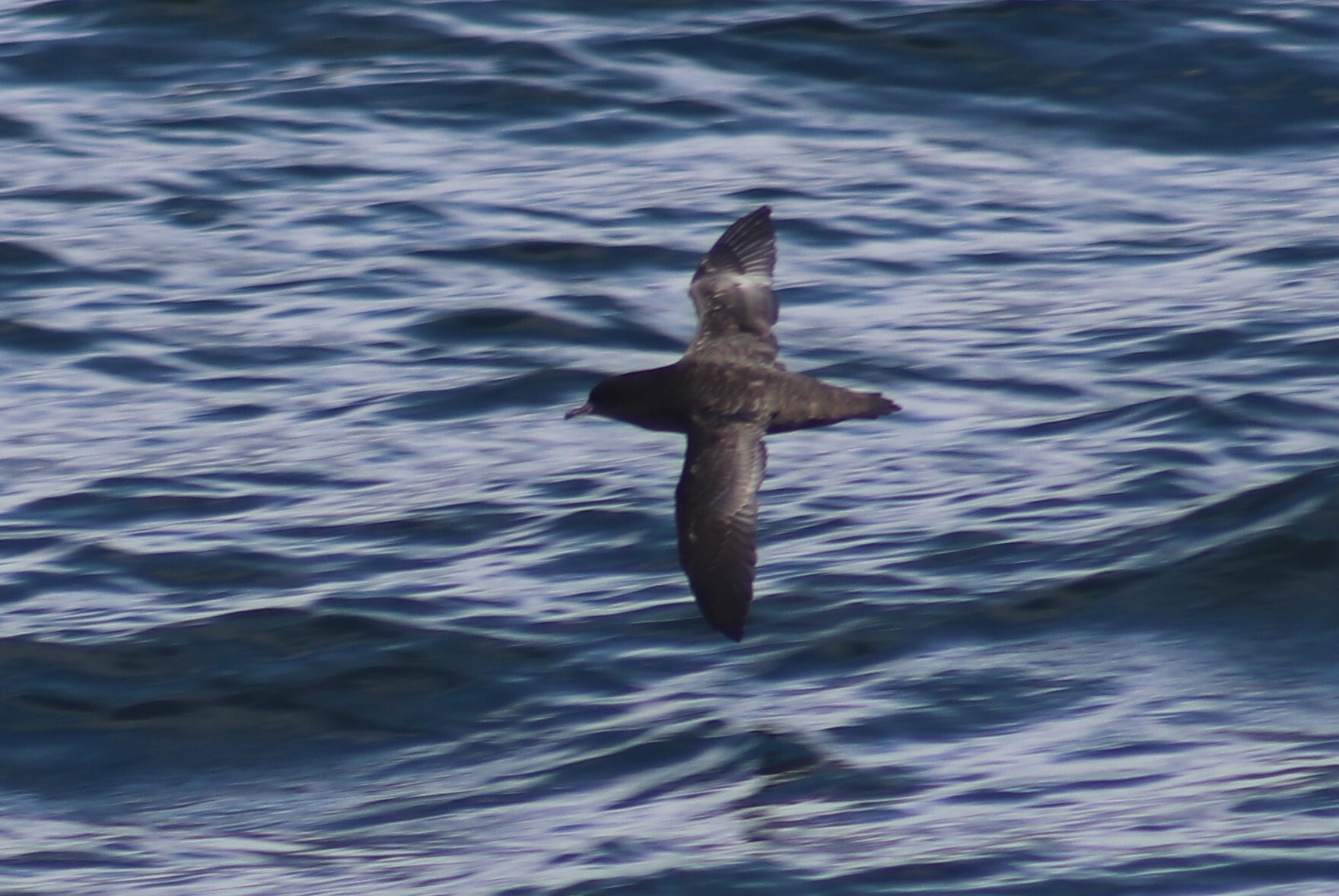
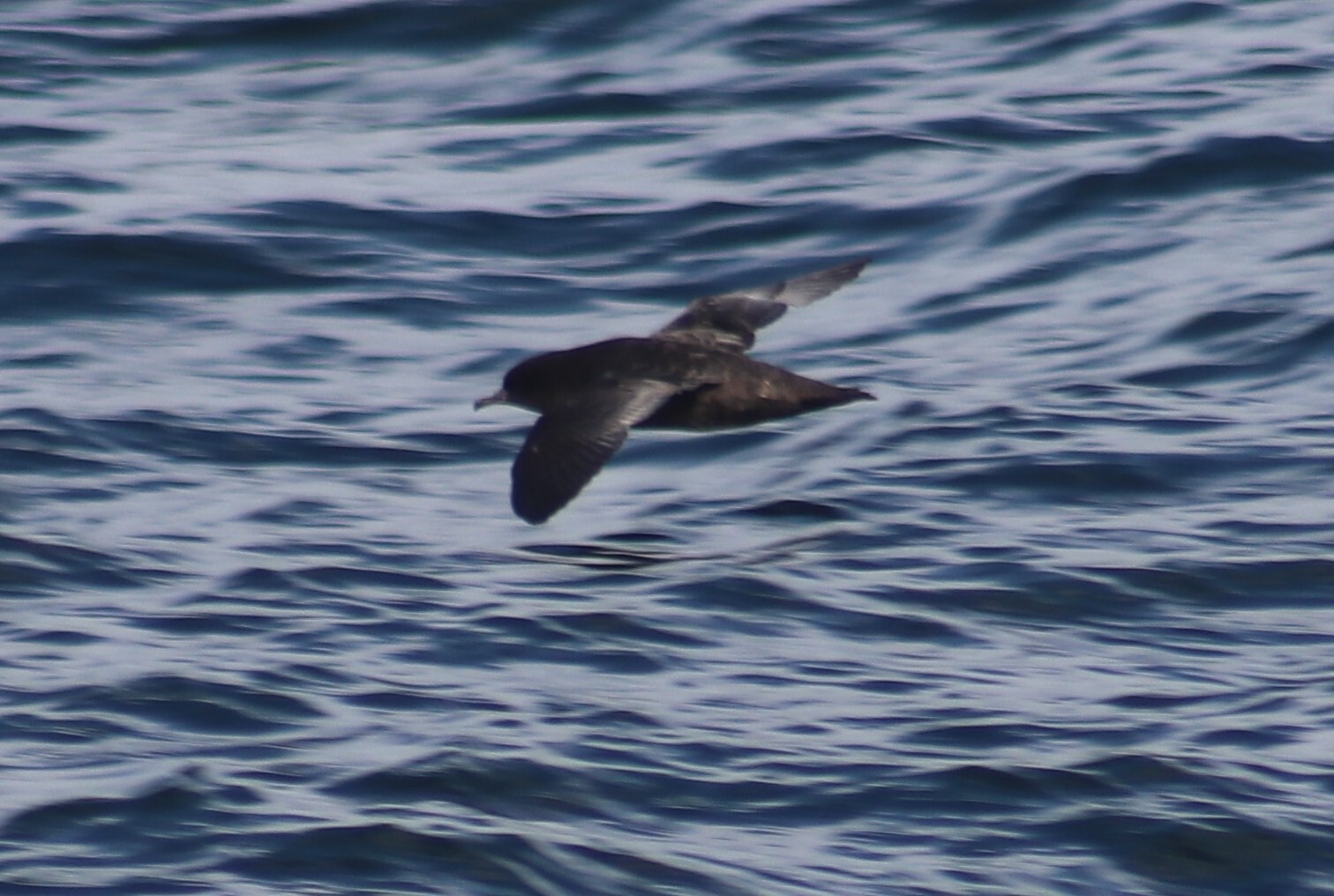
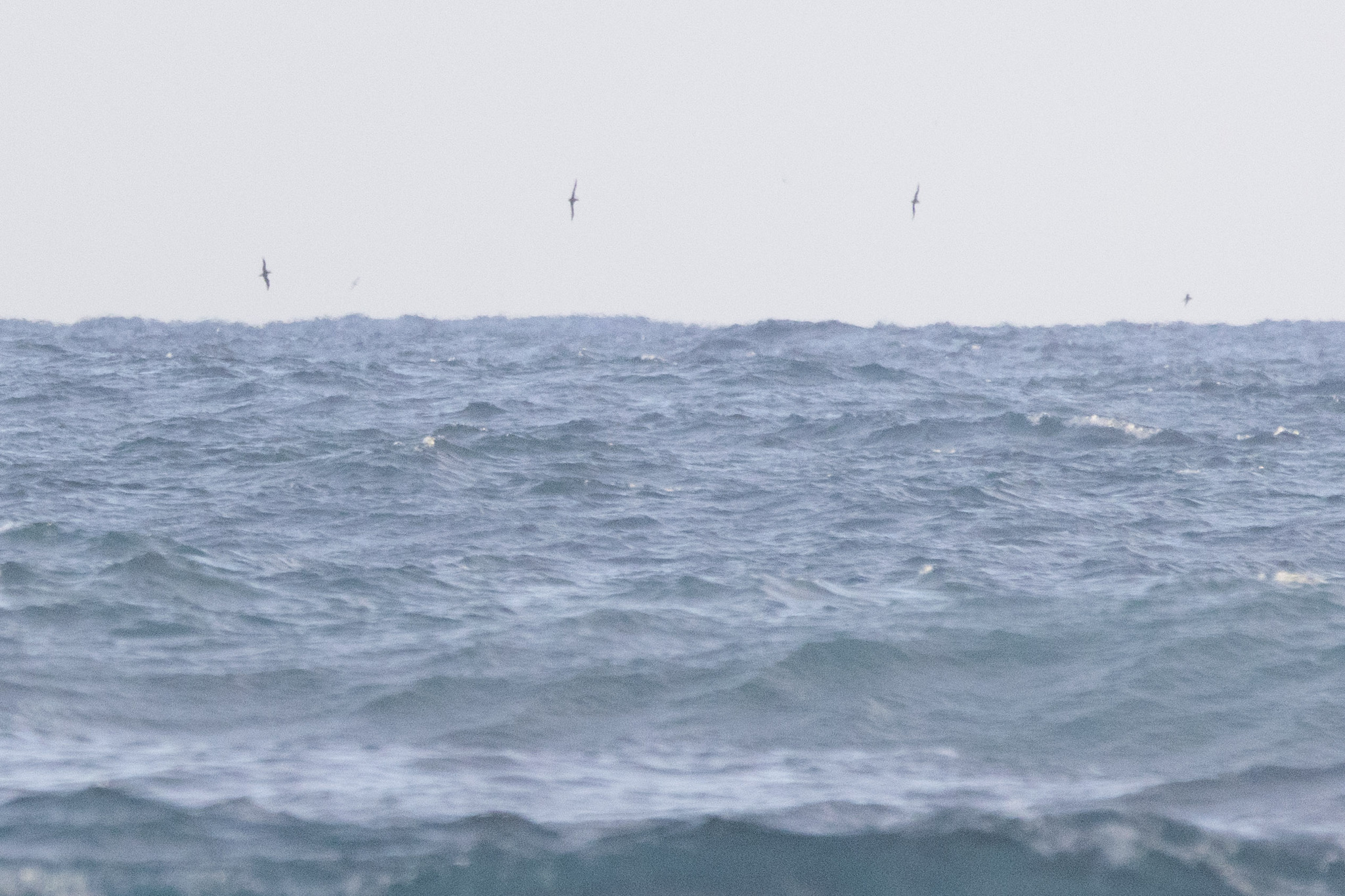
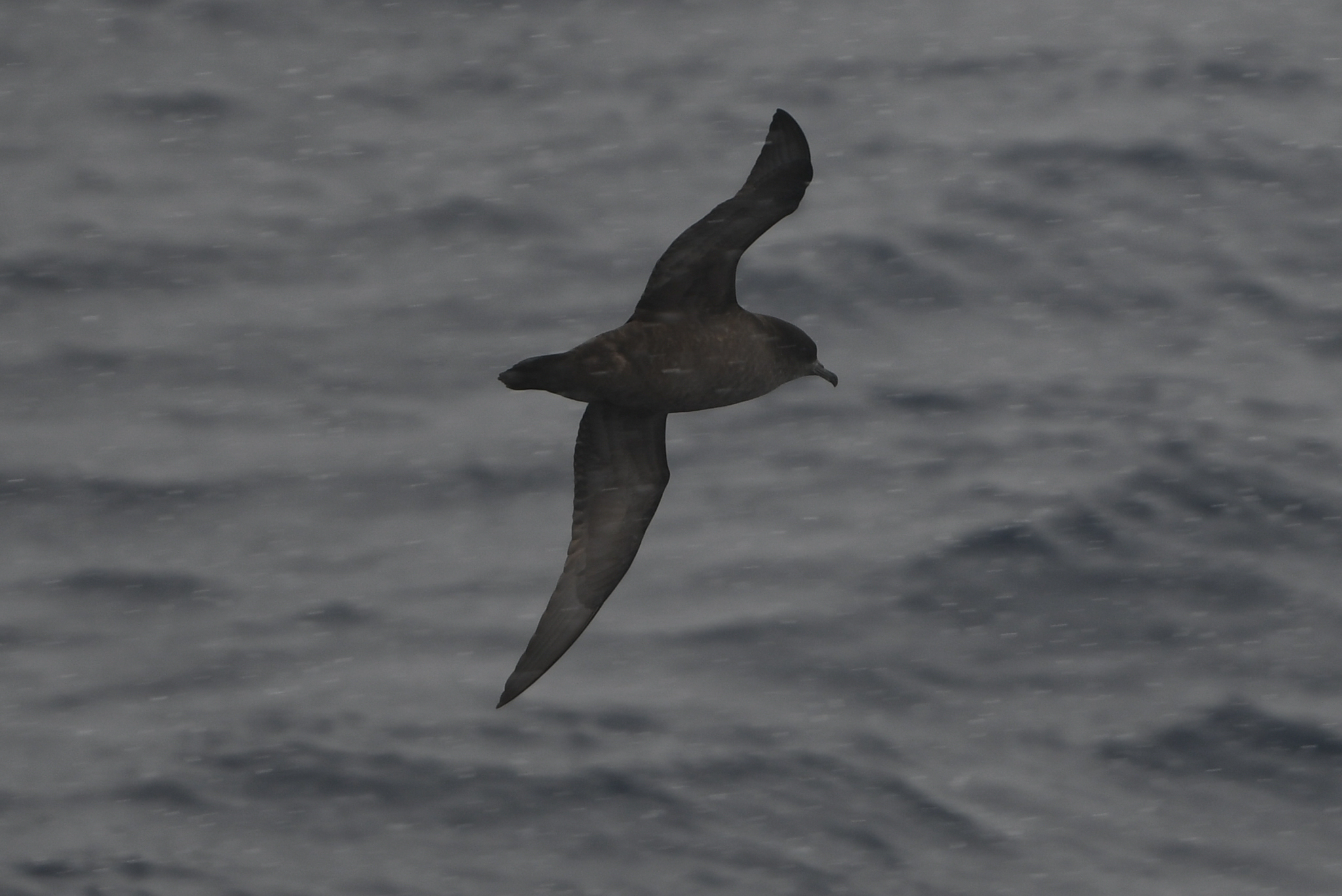
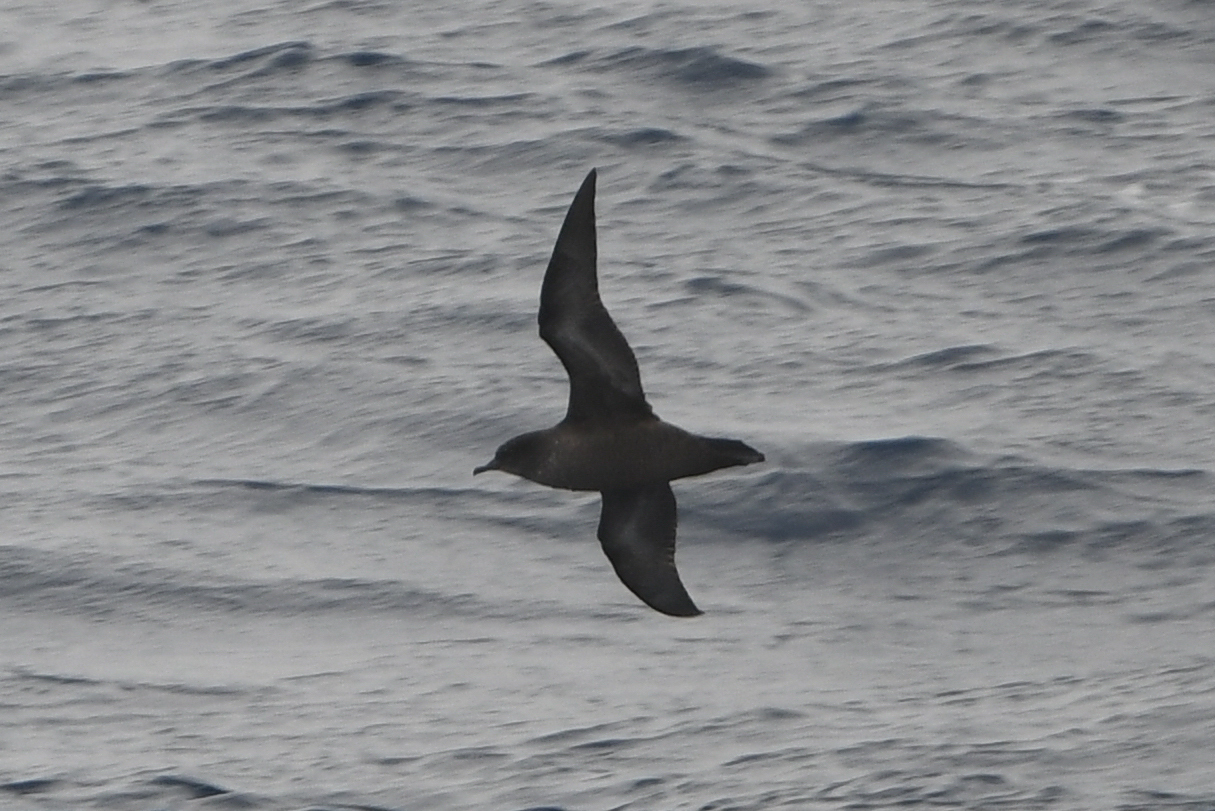
Short-tailed Shearwater
Ardenna tenuirostris
短尾鹱
Introduction
The short-tailed shearwater is the most abundant seabird in Australian waters. It breeds on small islands of Bass Strait and Tasmania during the austral summer, then migrates to the Northern Hemisphere for the boreal summer, occurring in the seas off the Aleutian Islands, Kamchatka, and the coast of California. It is unique among Australian native birds in that its chicks are commercially harvested. Chicks are heavier than their parents at fledging.
Description
This shearwater represents one of the larger species within its genus, belonging to a group of blunt-tailed, black-billed seabirds that also includes the sooty and great shearwaters. Recent taxonomic revisions, based on phylogenetic analysis of mitochondrial DNA, have placed this species in the genus Ardenna alongside its close relatives. The birds appear uniformly dark in plumage, consistent with other members of their group, though precise physical descriptions are limited in available sources. They possess the characteristic tube-nosed structure of procellariiform seabirds and share the elongated, hooked bill typical of shearwaters adapted for capturing prey at the ocean surface.
Identification
Field identification relies on combination of size, flight behavior, and distribution. As a larger shearwater species, it can be distinguished from smaller relatives by its more substantial build and deeper wingbeats. The black bill and overall dark plumage help separate it from similar-sized species. The species' distinctive migration pattern—moving in vast numbers between Australian breeding grounds and northern Pacific feeding areas—provides temporal clues for identification. At sea, they exhibit the characteristic shearwater flight style of banking and gliding close to wave tops, though distinguishing them from other Ardenna shearwaters at distance requires experience.
Distribution & Habitat
Breeding occurs primarily on small islands throughout Bass Strait and around Tasmania, with the Furneaux Group supporting particularly significant colonies. Babel Island hosts the world's largest population at approximately 2.8 million pairs, representing around 12% of the global population. After breeding, birds migrate north to feed in the productive waters around the Aleutian Islands and Kamchatka Peninsula during the boreal summer. The return journey follows the coast of California before crossing the Pacific back to Australian waters. A single vagrant was recorded in Ireland in 2020, representing the first confirmed sighting in the Western Palearctic region.
Behavior & Ecology
Breeding pairs raise a single chick, with each parent taking turns to feed the young over 2-3 day periods before departing on extensive foraging trips lasting up to three weeks. These hunting expeditions can cover distances of 1,500 kilometers, meaning chicks may be left unattended for more than a week at a time. Despite this irregular feeding schedule, chicks fledge at impressive weights around 900 grams, often exceeding the mass of their parents. Adults feed by seize-diving and surface-seizing prey items, though the species faces increasing challenges from plastic debris mistaken for food and subsequently fed to chicks. Fledglings are particularly vulnerable during their maiden flights, attracted to artificial lights and susceptible to collisions with infrastructure.
Conservation
The species faces several anthropogenic threats that impact population numbers. Plastic contamination from marine debris represents a significant concern, as adults collect plastic particles while foraging and inadvertently feed them to chicks, leading to contamination and potential health impacts. Artificial light pollution during the fledgling phase causes mass mortality events, with thousands of young birds becoming disoriented, grounded, or injured by collisions with human structures. Predation of grounded fledglings by introduced mammals and road casualties further compound these losses. The species' reliance on island breeding habitat also leaves it vulnerable to habitat disturbance and sea level rise associated with climate change.
Culture
The bird carries deep cultural significance, particularly among Aboriginal Tasmanian communities who have harvested muttonbirds and their eggs for countless generations, with many families continuing this practice today. The name 'muttonbird' originated with early settlers on Norfolk Island, who applied it to the similar but larger providence petrel. A Royal Marine officer reportedly dubbed these birds 'the flying sheep' due to their abundance and the substantial meat they provided. The commercial harvesting industry was established by early European sealers and their Aboriginal families, combining traditional knowledge with European practices. In Tasmania, the species is also known as 'yolla' or 'moonbird.' Today, licensed harvesting during declared open seasons maintains this cultural connection to the land and seabirds.
Source: Wikipedia · CC BY-SA 3.0
Taxonomy
- Order
- Procellariiformes
- Family
- Procellariidae
- Genus
- Ardenna
- eBird Code
- shtshe
Distribution
breeds islets off southern Australia, including Bass Strait and Tasmania; ranges to Antarctic ice edge waters, then to Sea of Okhotsk, Bering Sea (North Pacific Ocean)
Vocalizations
Data Sources
Species description from Wikipedia, licensed under CC BY-SA 3.0.
Bird images and sounds sourced from GBIF, contributed by citizen scientists worldwide under Creative Commons licenses.
Taxonomy data from AviList 2025.