Flesh-footed Shearwater
Ardenna carneipes
淡足鹱
Introduction
The flesh-footed shearwater is a medium-large seabird in the Ardenna genus. Its range spans the Indo-Pacific, from waters around Australia and New Zealand to the North Pacific. Genetic analysis has split the Ardenna genus from the larger shearwater group. Populations show genetic differences between Pacific colonies and those in South and Western Australia. These differences likely result from philopatry and different foraging strategies. Genetic studies indicate a close relationship with the pink-footed shearwater, with some researchers suggesting they may be conspecific. This species is pelagic, spending most of its time over open ocean waters and breeding in dense colonies on remote islands.
Description
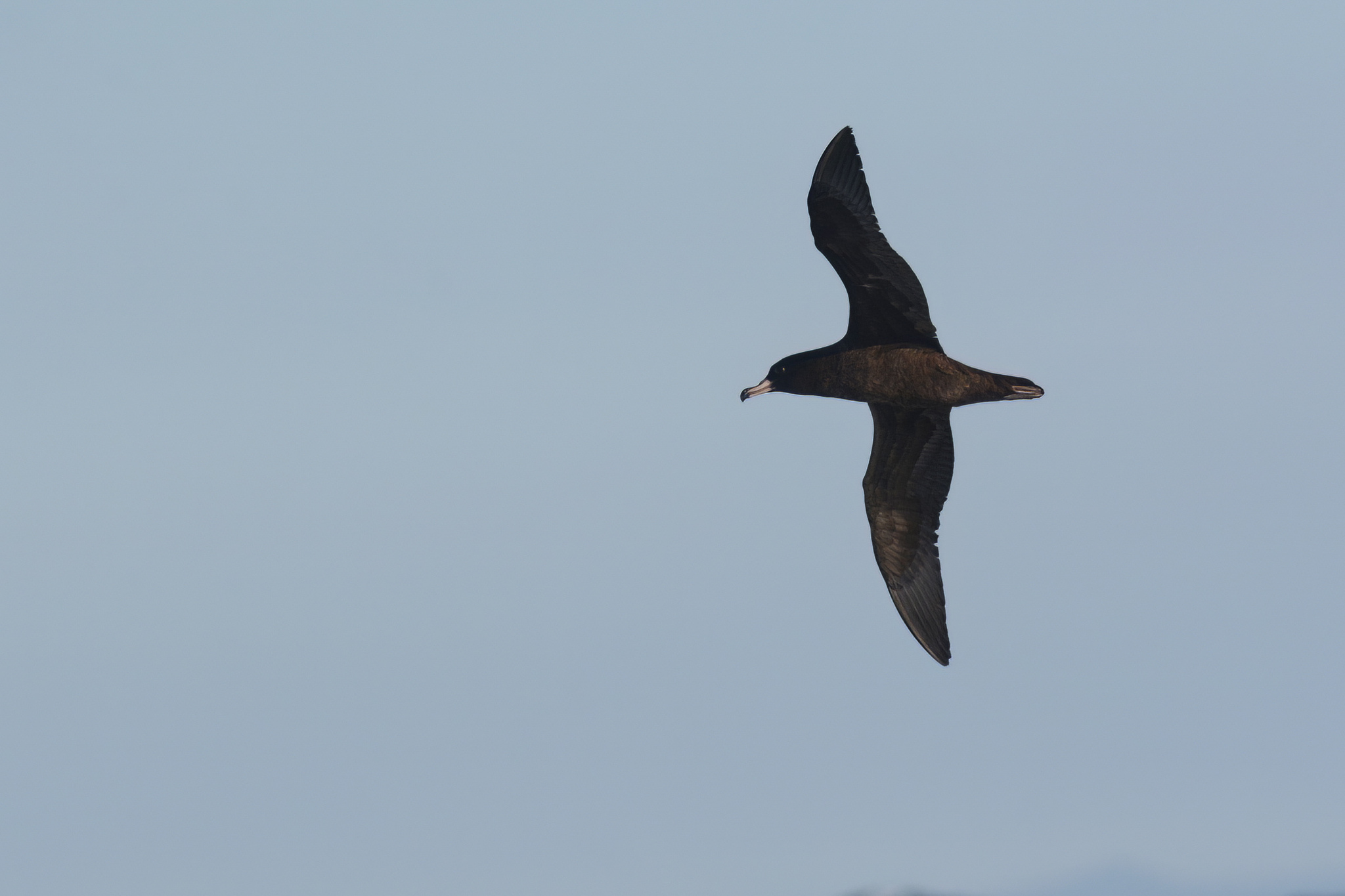
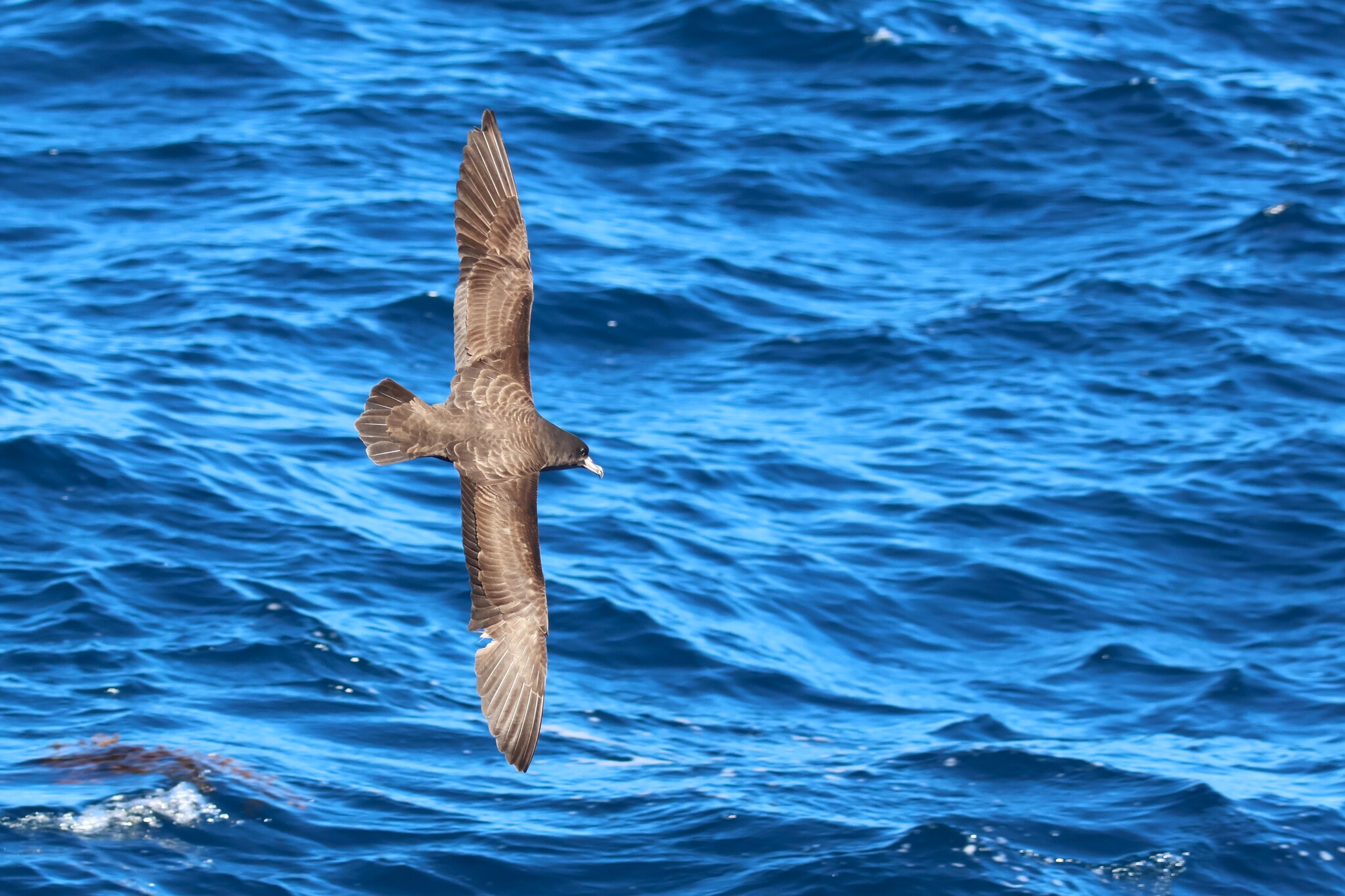
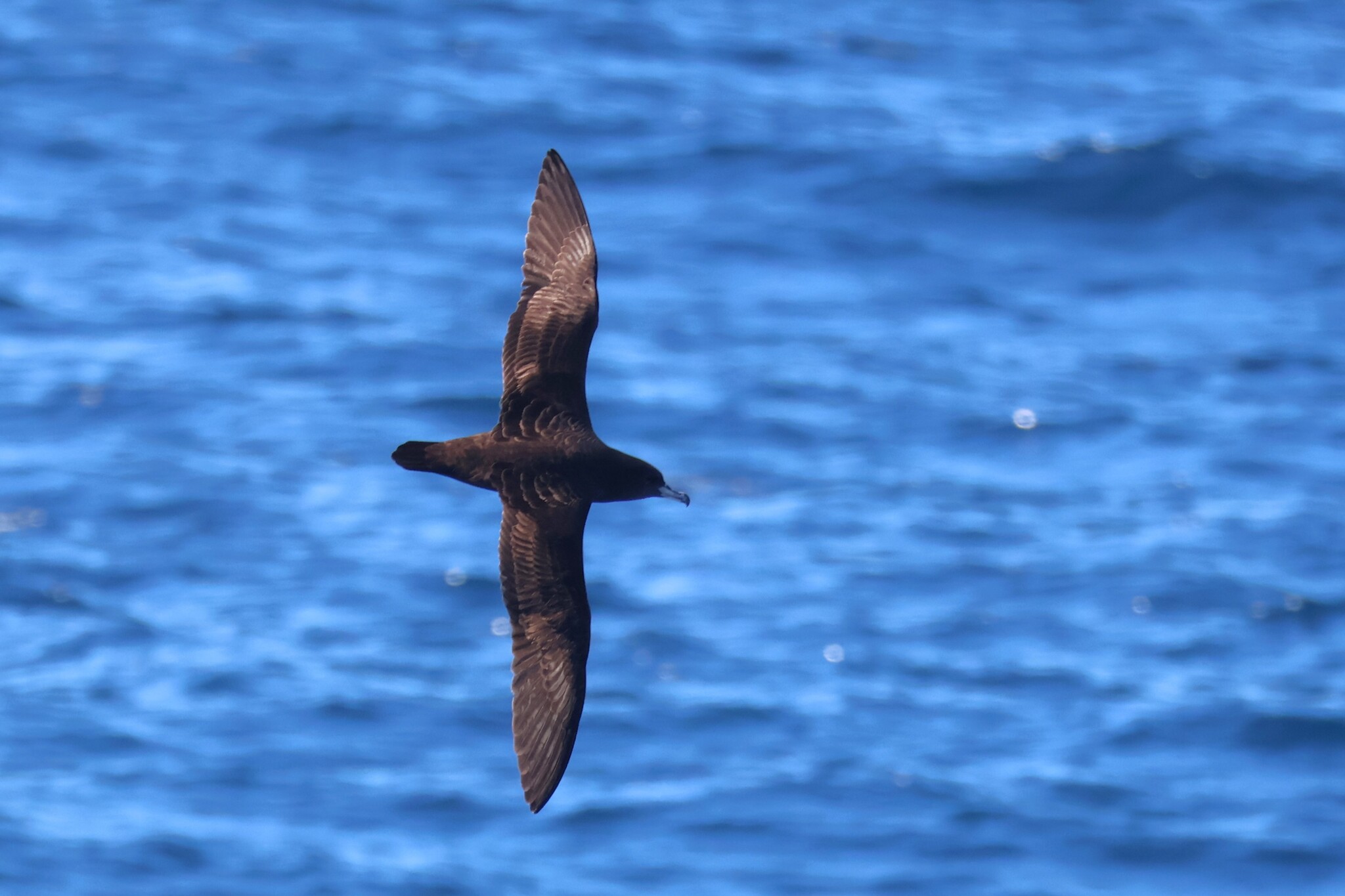
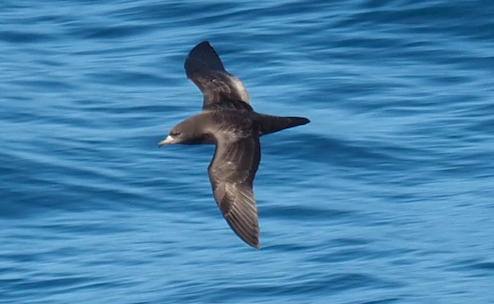
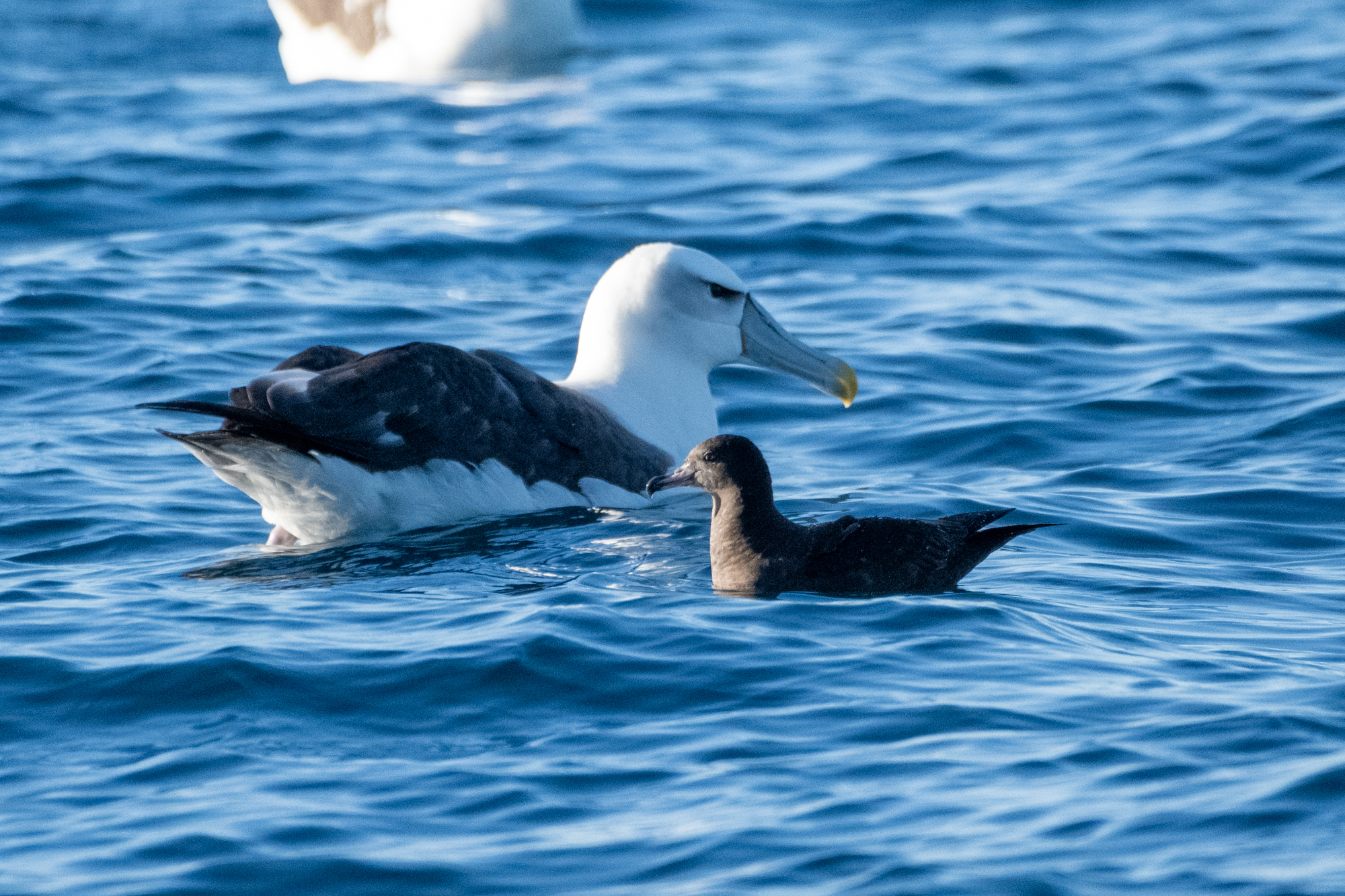
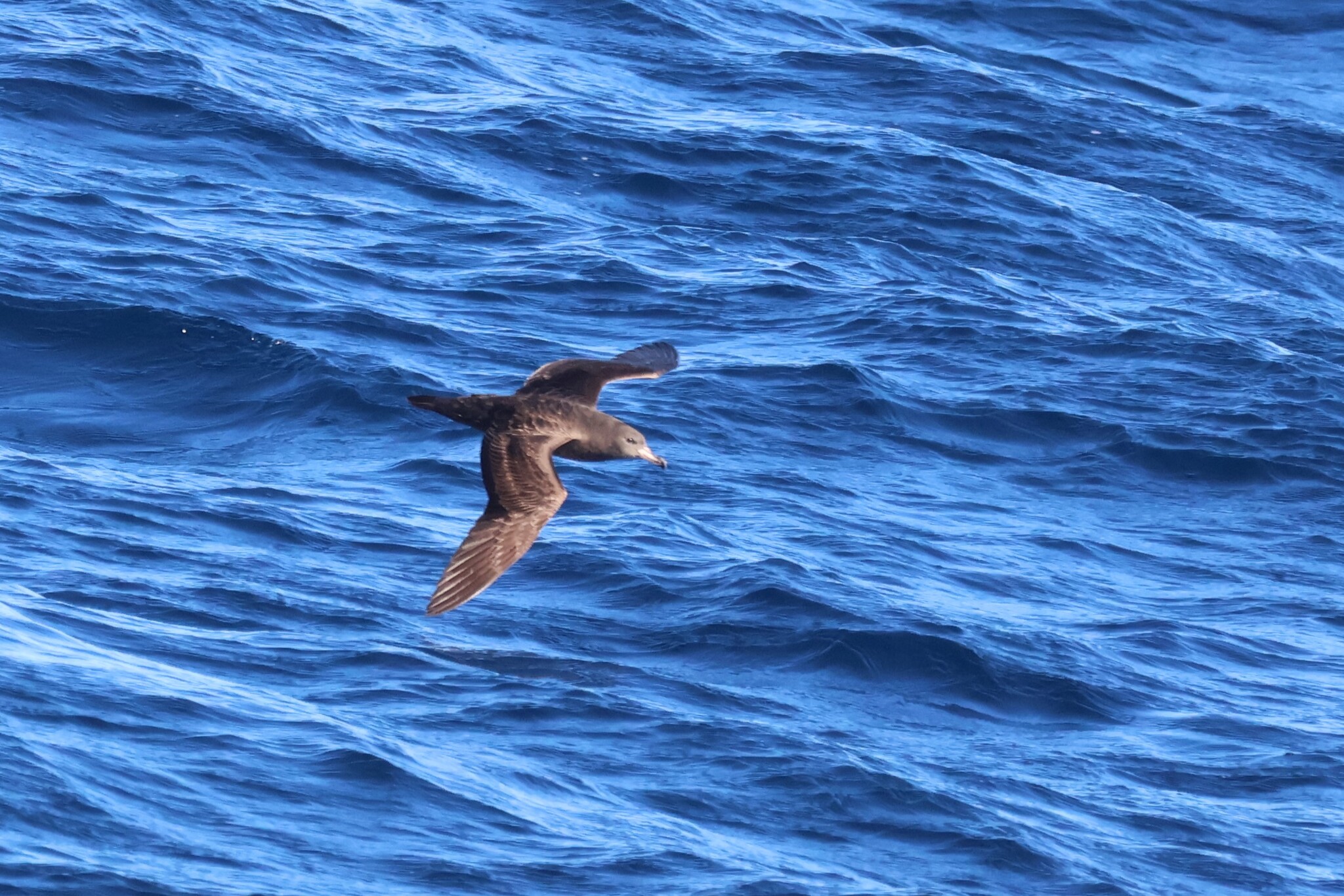
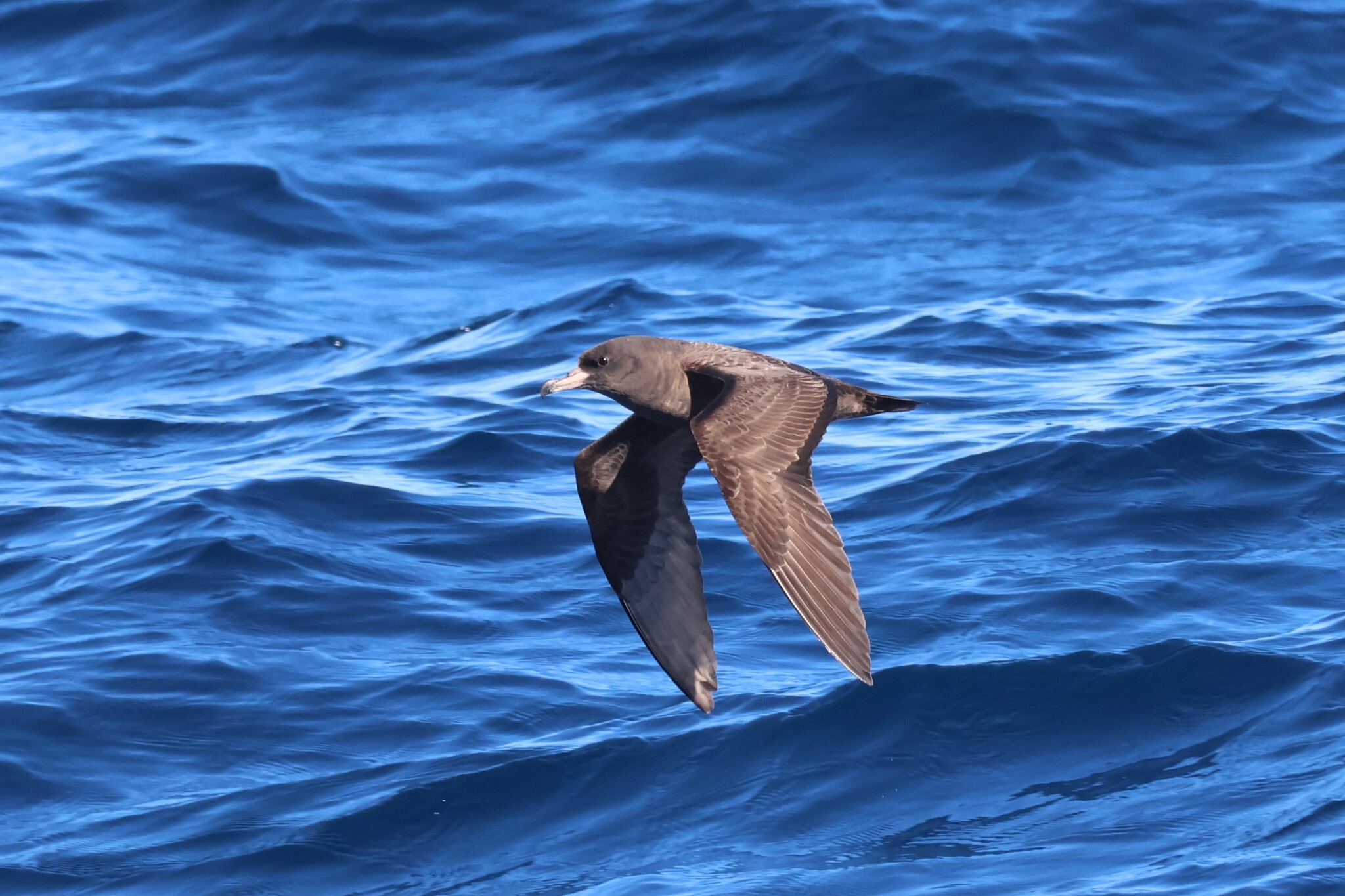
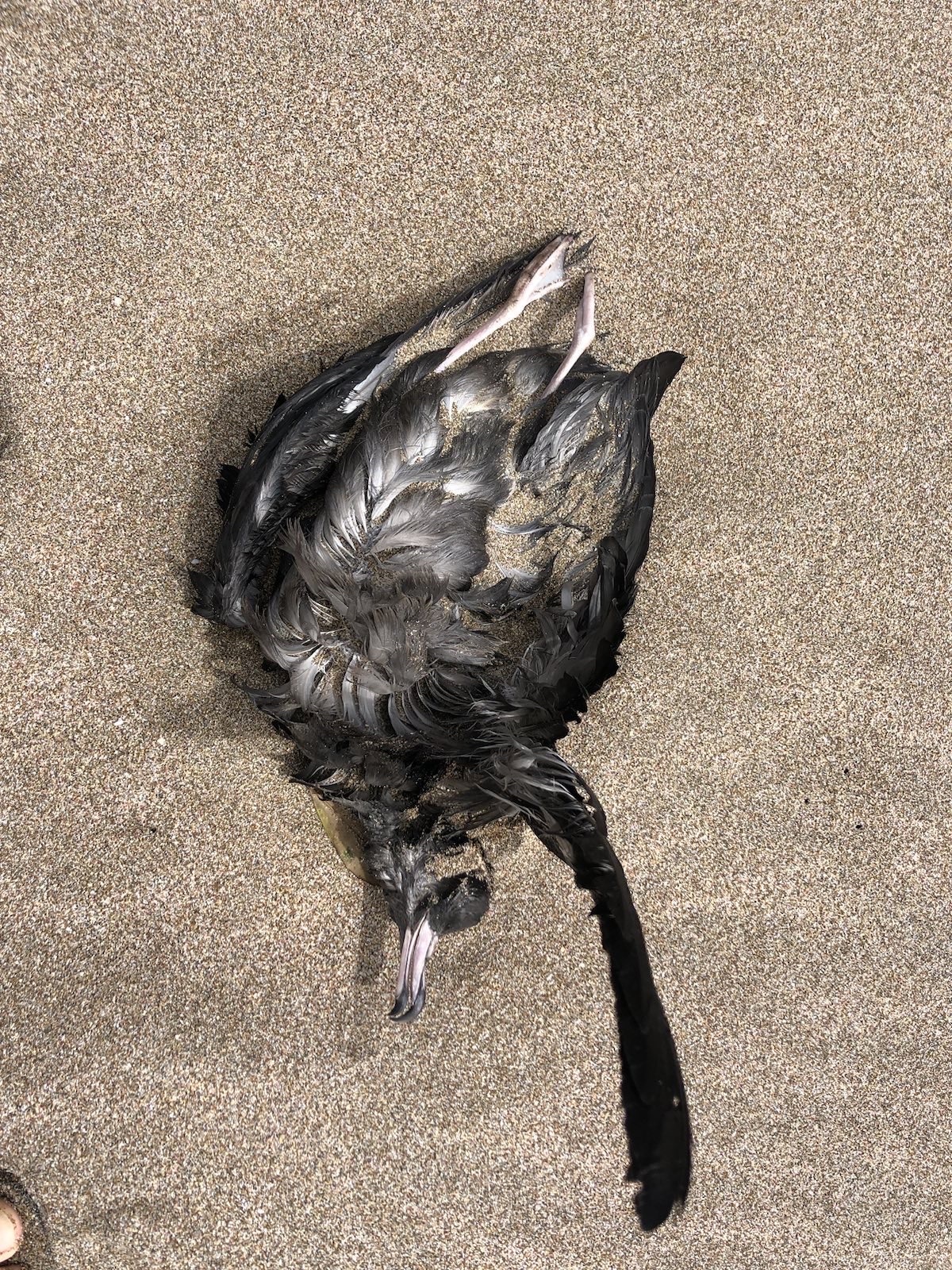
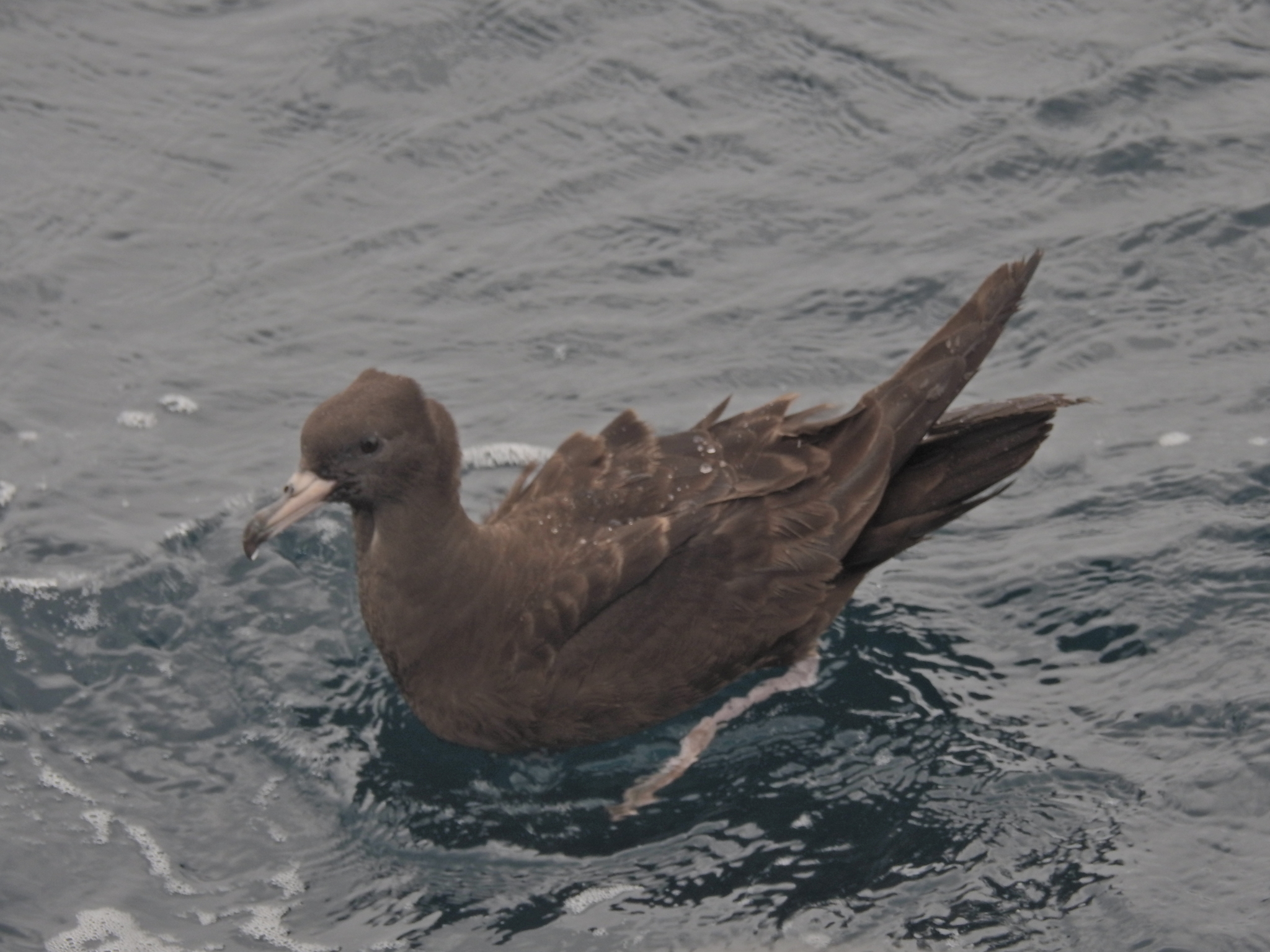
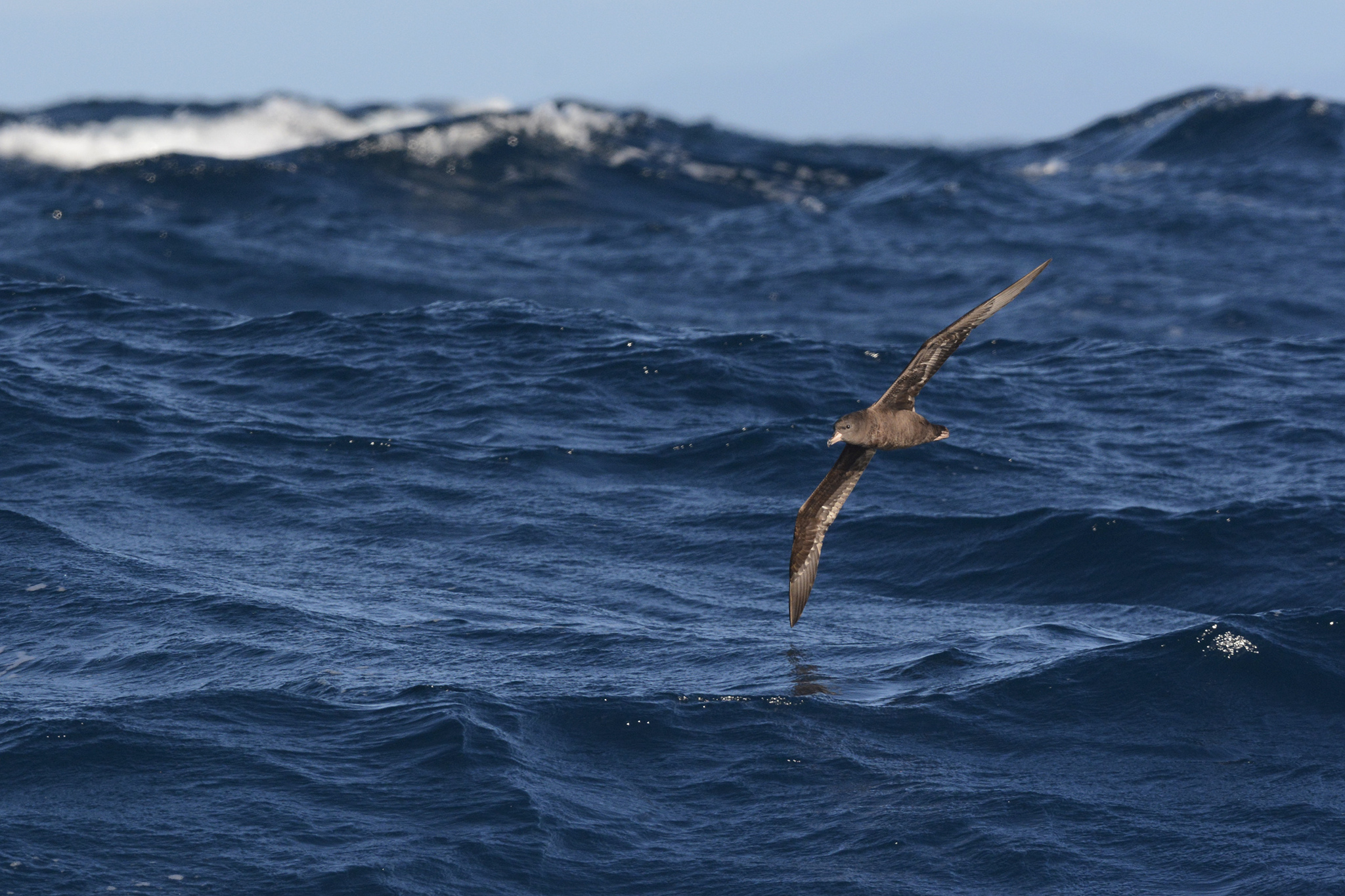
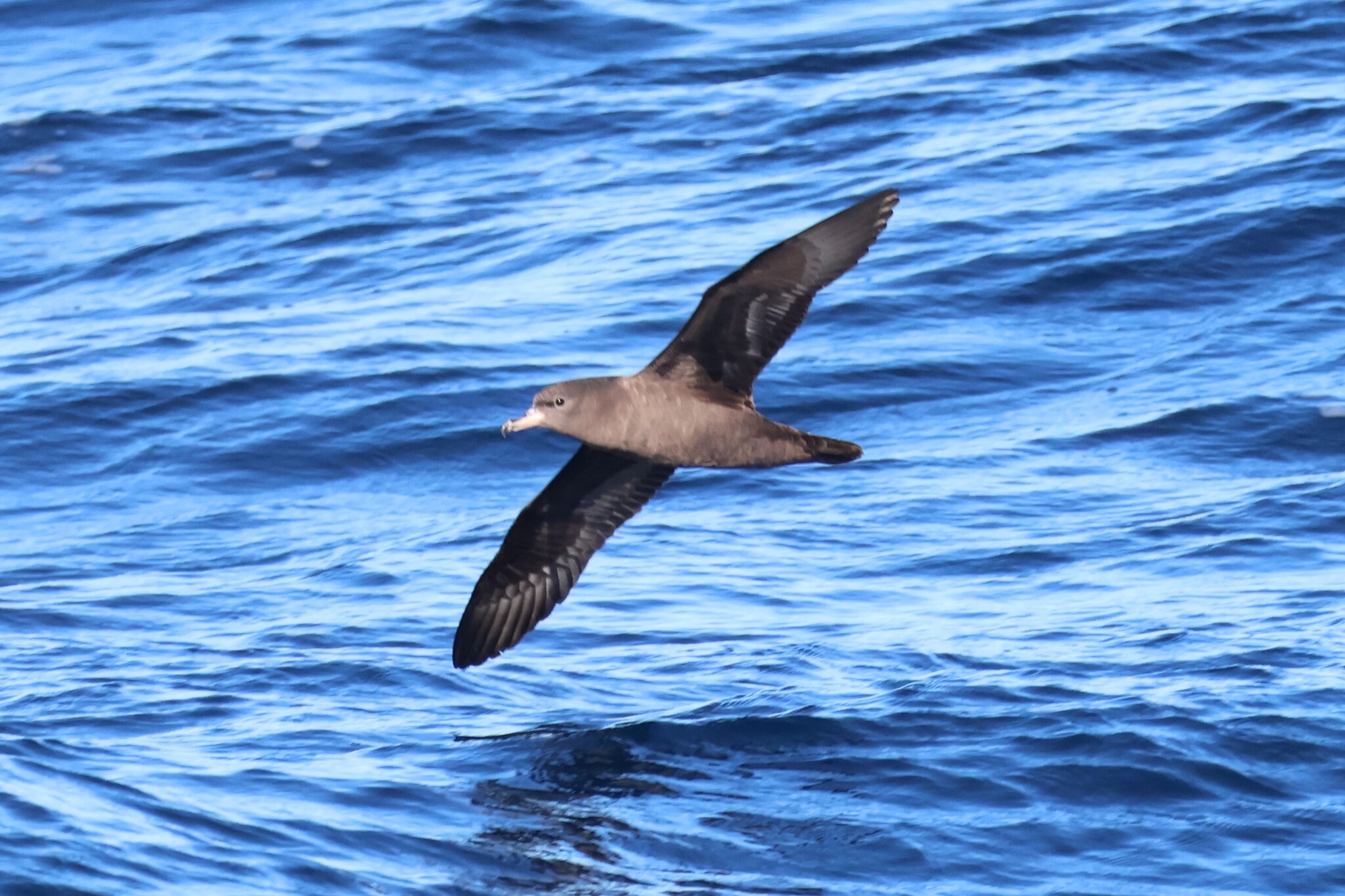
Medium-large shearwater with sleek black plumage covering most of its body. The most distinctive features are its pale pinkish feet, which give the species its name, and a pale bill topped with a black tip. The overall silhouette shows the characteristic shearwater shape with long, slender wings adapted for dynamic gliding over ocean waves. The dark coloration provides excellent camouflage against the open sea, while the contrasting foot and bill coloration aids in identification, particularly when observing birds at close range or on the water's surface.
Identification
Key distinguishing features include the unique combination of black plumage, pale pink feet, and a pale bill with a distinct black tip. The closely related pink-footed shearwater presents the most potential for confusion, though the flesh-footed species can be distinguished by its slightly different foot coloration and bill pattern. When observed at sea, the contrast between the dark body and pinkish feet helps separate it from other dark shearwater species. The black-tipped pale bill is particularly useful for identification, especially in flight or when birds are feeding at the surface.
Distribution & Habitat
Breeding grounds span two primary regions across the Indo-Pacific. The southwest Pacific population breeds on Lord Howe Island, with approximately 22,654 breeding pairs, along with colonies in South Australia and northern New Zealand. The largest population exists along Western Australia's coastline, where up to 36,000 pairs nest across 42 islands. Additional breeding occurs on St Paul Island in the Indian Ocean. The species migrates to the North Pacific during the boreal summer months, with unconfirmed records from Pakistan's Astola Island. These seabirds prefer remote island habitats for breeding while frequenting open ocean waters throughout their range.
Behavior & Ecology
Breeding occurs in dense colonies on isolated islands, with timing varying across different populations. During the breeding season, different colony groups employ distinct foraging strategies, explaining the genetic divergence observed between populations. They feed by dynamically gliding just above wave tips, using their aerodynamic wings to travel vast distances while searching for prey. The species spends most of its life at sea, only returning to land for reproduction. Vocalizations typical of shearwaters include throaty calls heard primarily at breeding colonies during nighttime activities.
Conservation
Facing significant threats across its range, the species holds a Near Threatened status in Australia and is nationally listed as Vulnerable in New Zealand. Population declines have been documented throughout much of its distribution. Primary threats include accidental capture in commercial fisheries, with potentially large numbers lost as bycatch in the North Pacific. Additional pressures stem from climate change impacts and significant heavy metal contamination, likely resulting from ingesting plastic marine debris mistaken for food. State-level protections vary, with Vulnerable status in Western Australia and New South Wales, and Rare classification in South Australia. The species has been recommended for listing under international conservation agreements targeting seabird protection.
Culture
No specific cultural information provided in the source material.
Source: Wikipedia · CC BY-SA 3.0
Taxonomy
- Order
- Procellariiformes
- Family
- Procellariidae
- Genus
- Ardenna
- eBird Code
- flfshe
Distribution
breeds islets off St. Paul (central Indian Ocean), southern Australia, Lord Howe Island (east of Australia), North Island and Cook Strait (New Zealand); ranges to Arabian Sea, eastern Malagasy region, and Sea of Okhotsk to Gulf of Alaska and western USA coast (rare)
Vocalizations
Data Sources
Species description from Wikipedia, licensed under CC BY-SA 3.0.
Bird images and sounds sourced from GBIF, contributed by citizen scientists worldwide under Creative Commons licenses.
Taxonomy data from AviList 2025.