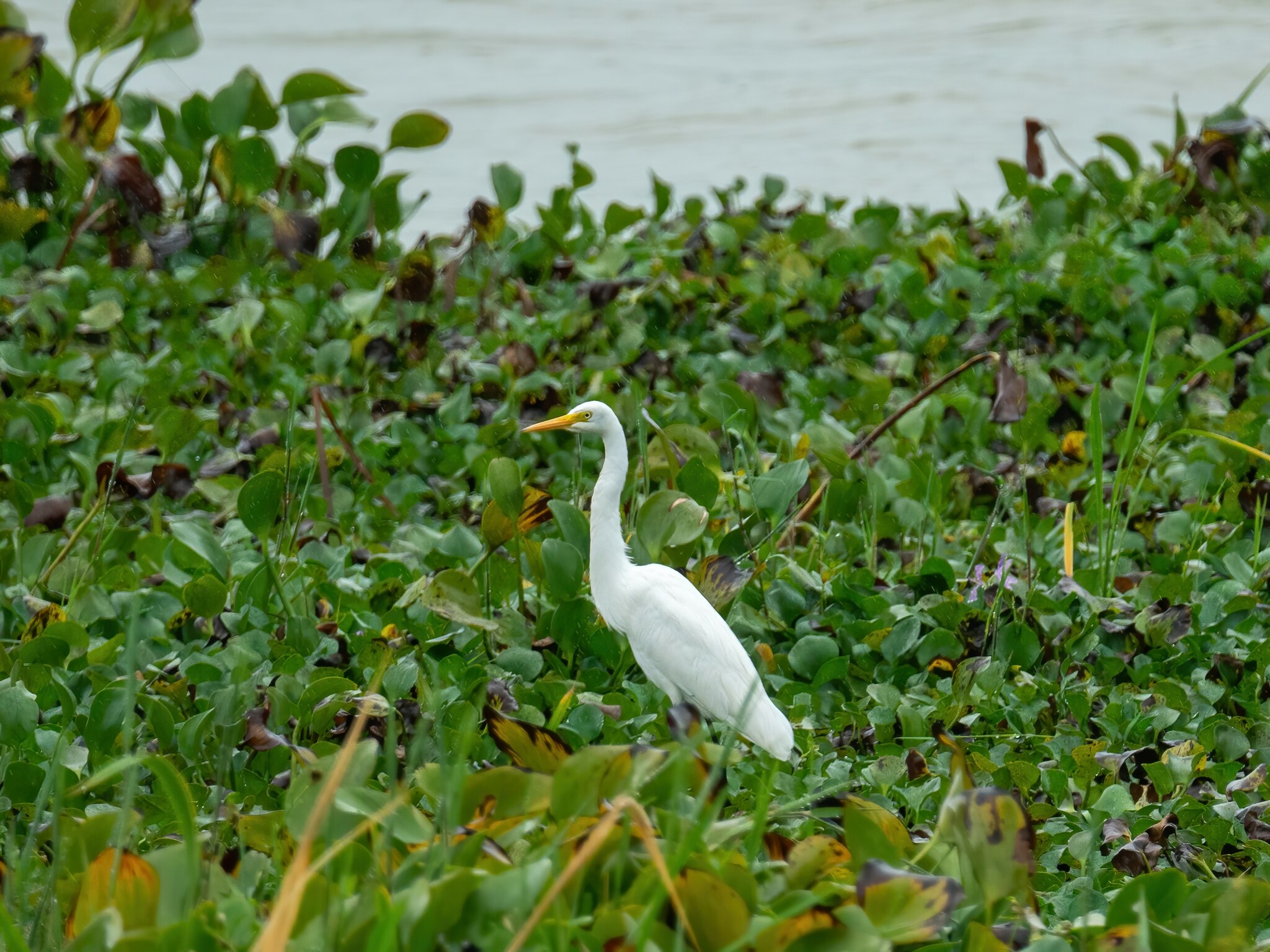
Medium Egret
Ardea intermedia
中白鹭
Introduction
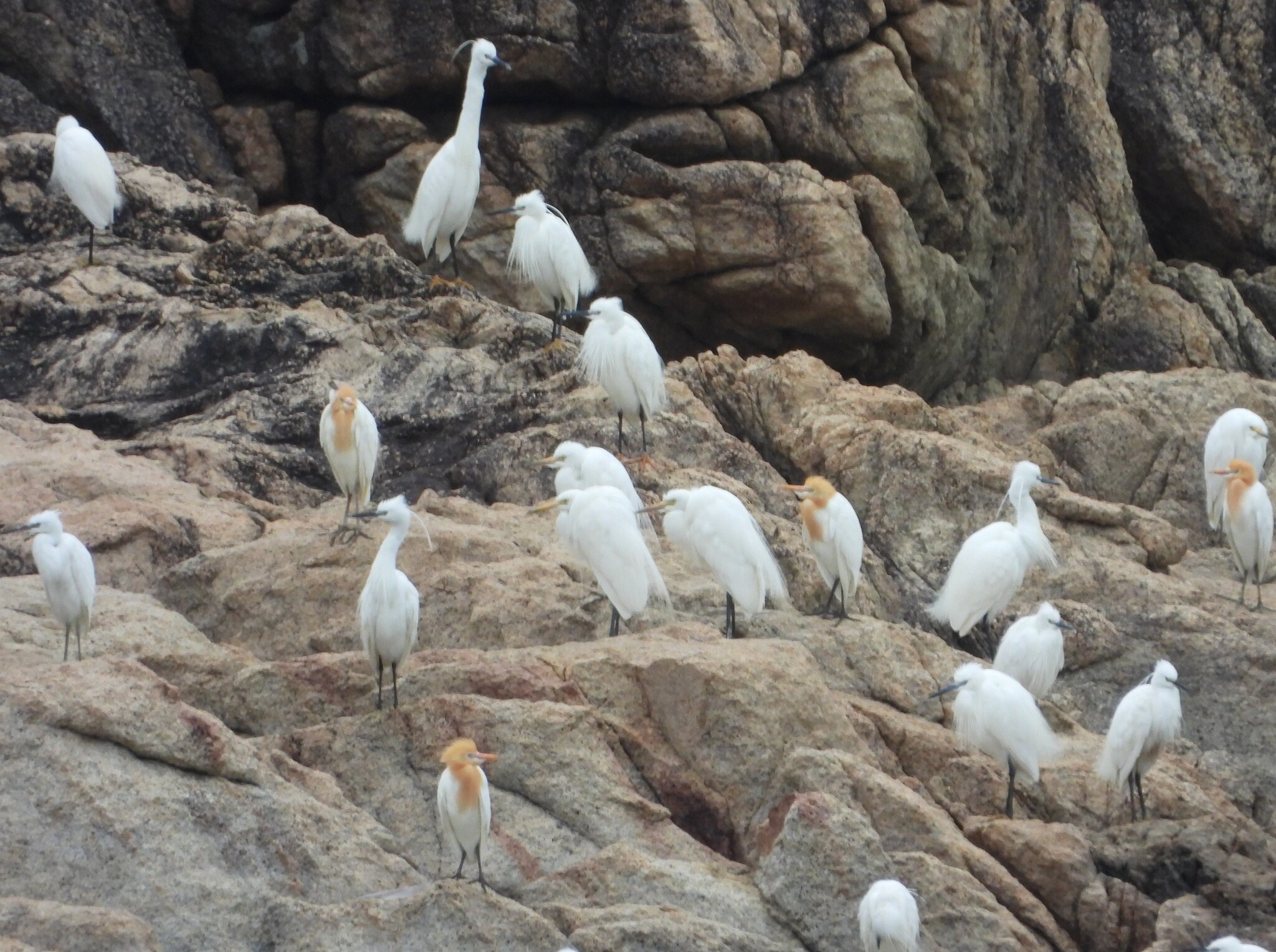
This medium-sized heron is intermediate in size between the great egret and smaller white egrets. It occurs across southern and eastern Asia from the Russian Far East through Japan, India, and the Greater Sundas. It inhabits shallow coastal waters, freshwater wetlands, and flooded fields. It nests in mixed colonies with other heron species.
Description
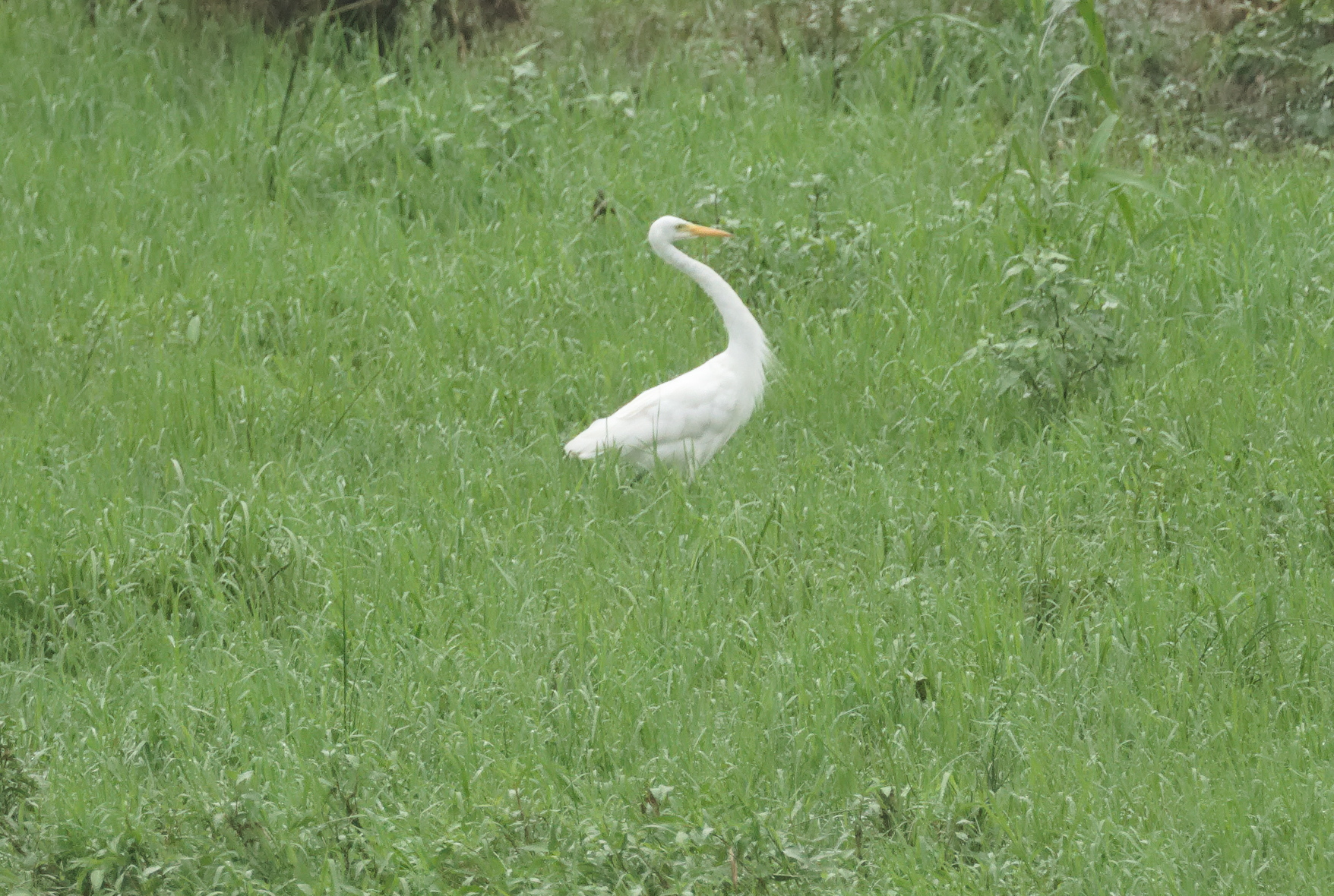
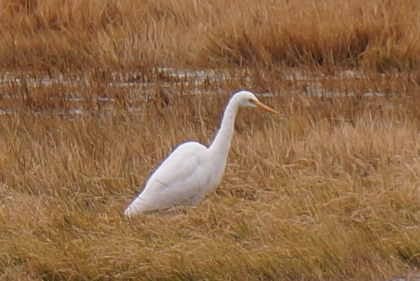
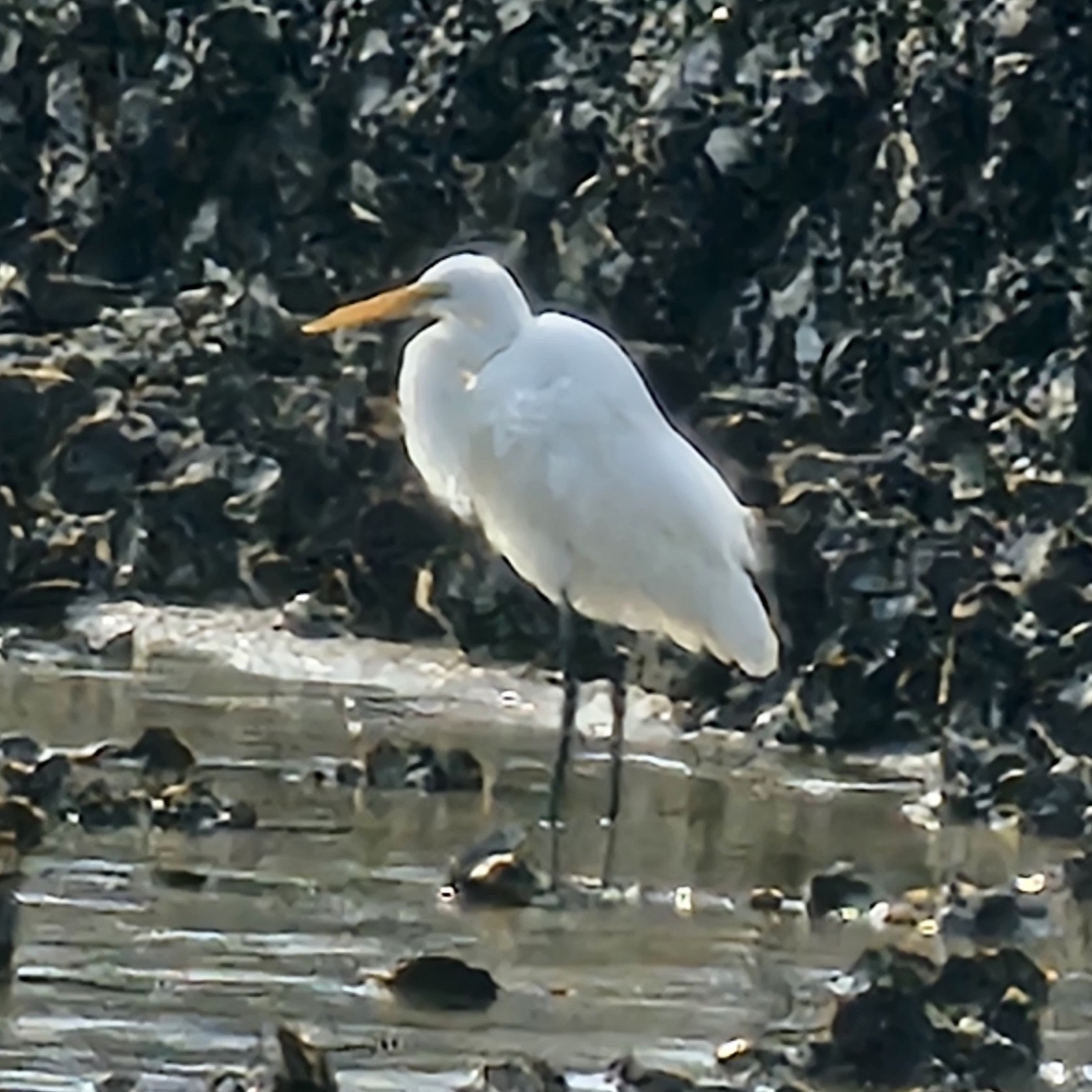
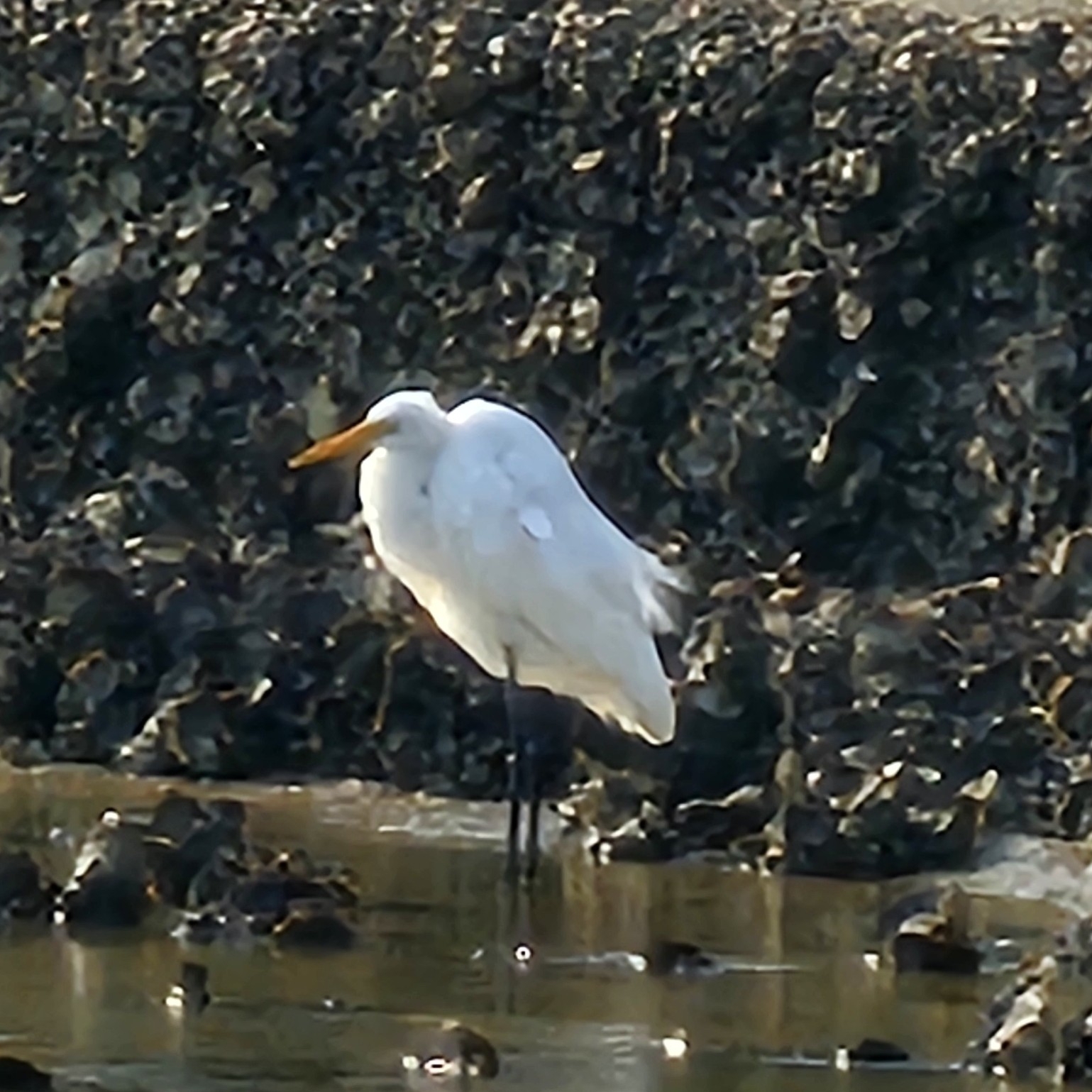
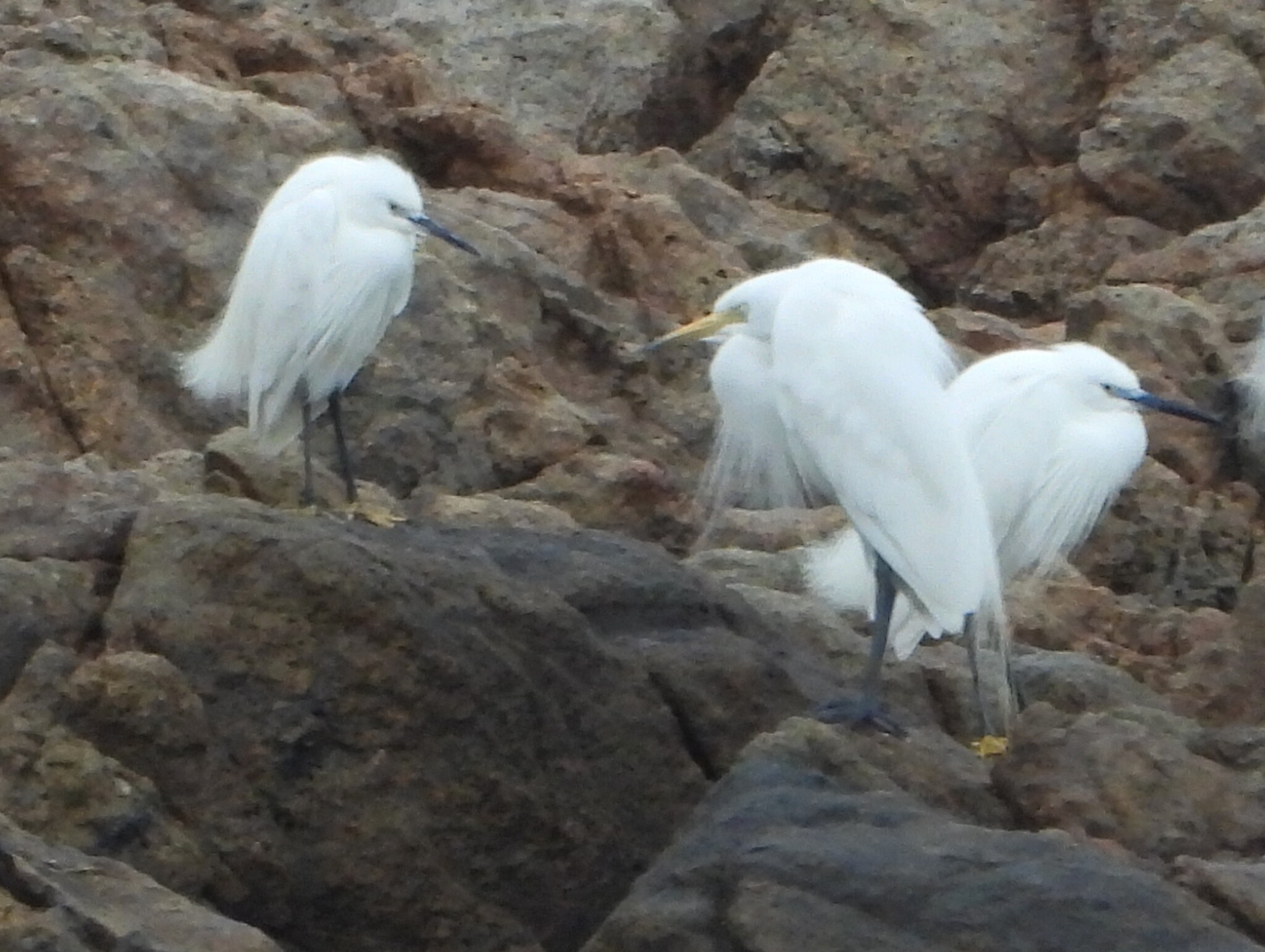
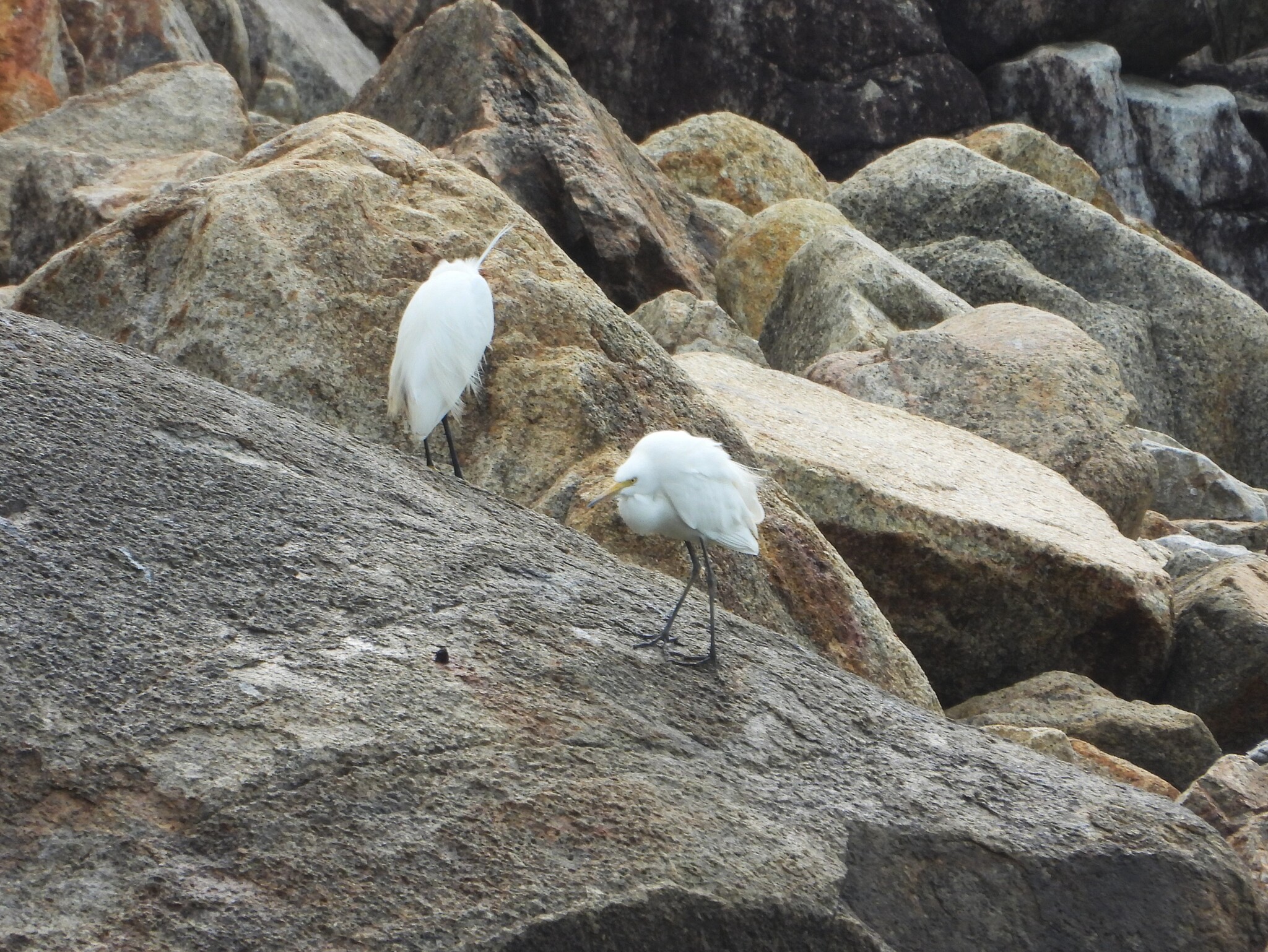
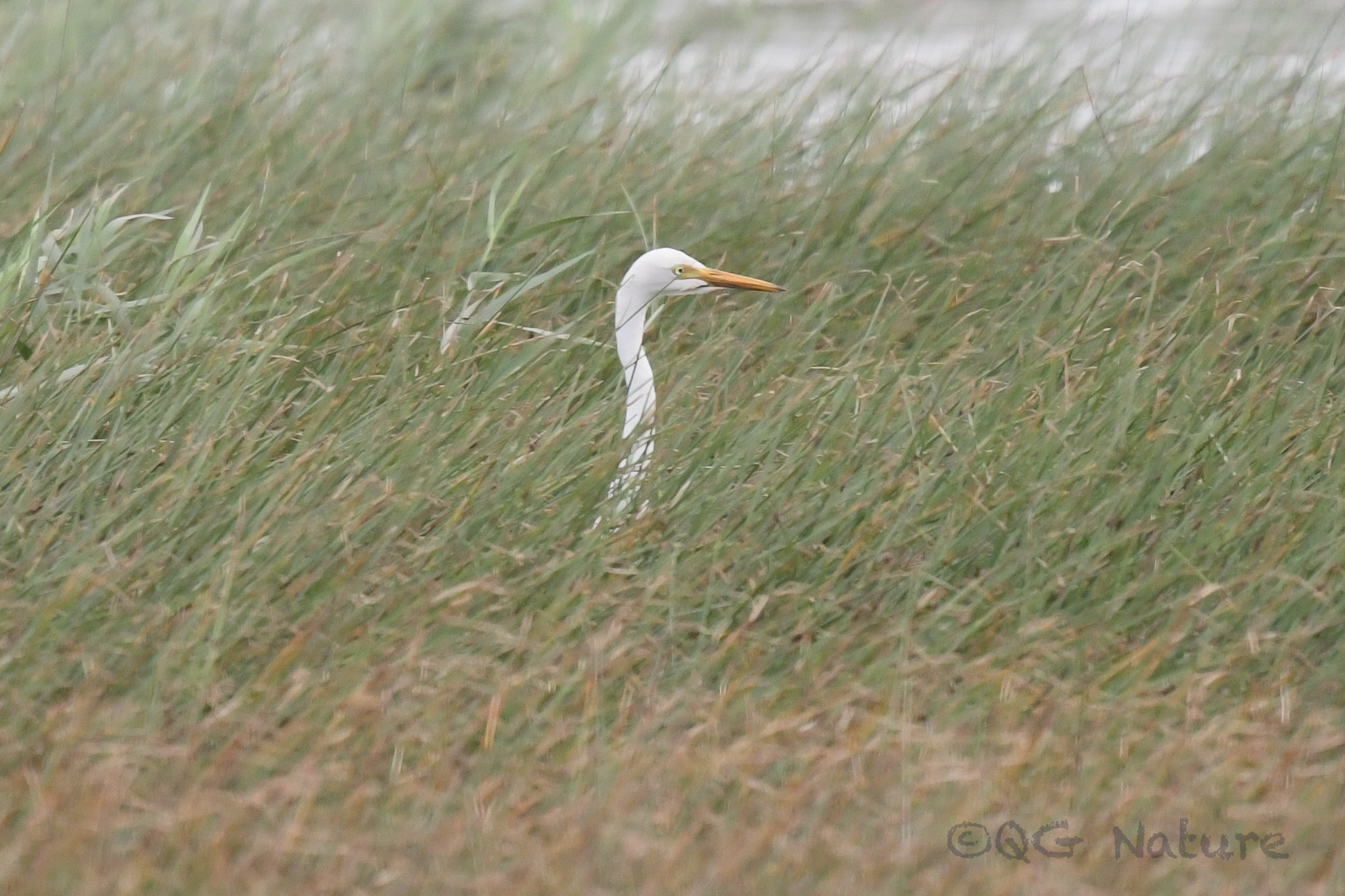
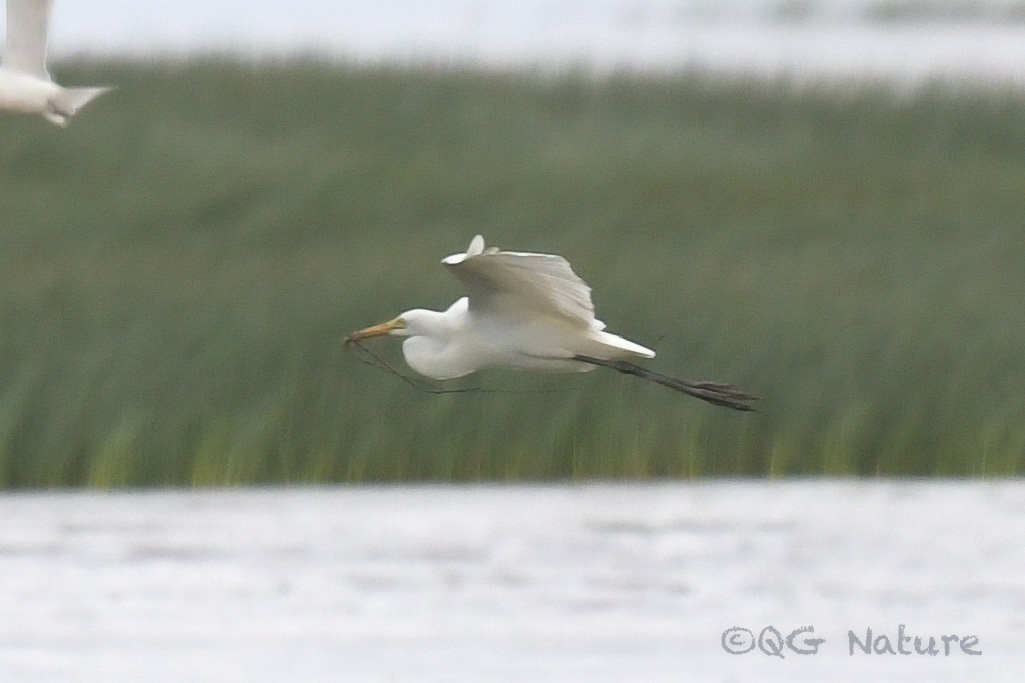
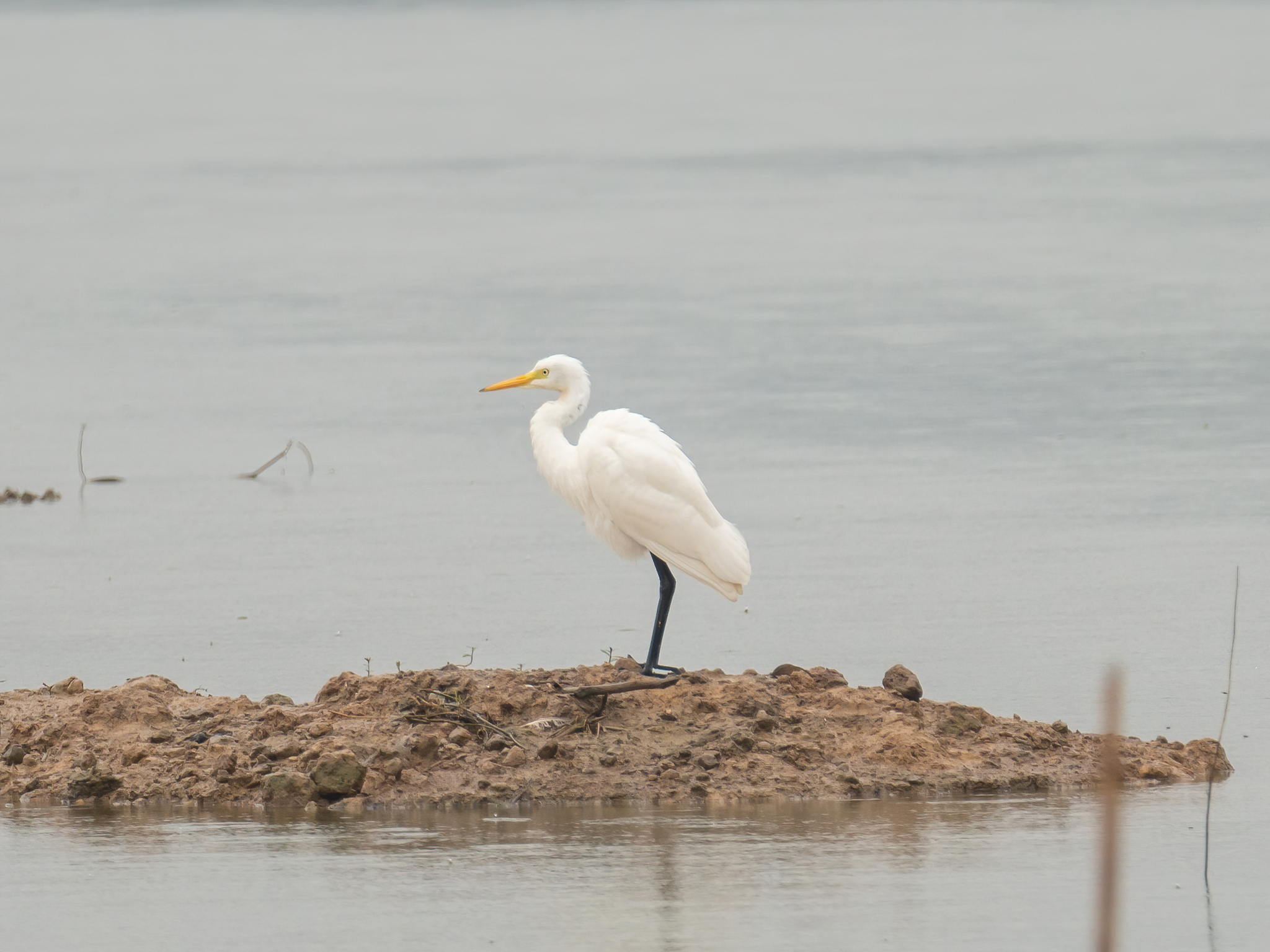
This species bridges the size gap between the great egret and smaller white egrets, though it sits closer to the little egret. Adults measure 56–72 cm in length with a wingspan of 105–115 cm and weigh approximately 400 g. The plumage is entirely white, contrasting with generally dark legs and a thick, relatively short yellow bill. During breeding season, the bill may turn reddish or black, accompanied by greenish-yellow gape skin and loose filamentous plumes on the breast and back. Regional variations appear in the upper leg coloration, which may be dull yellow or pink. The sexes appear identical in all plumages.
Identification
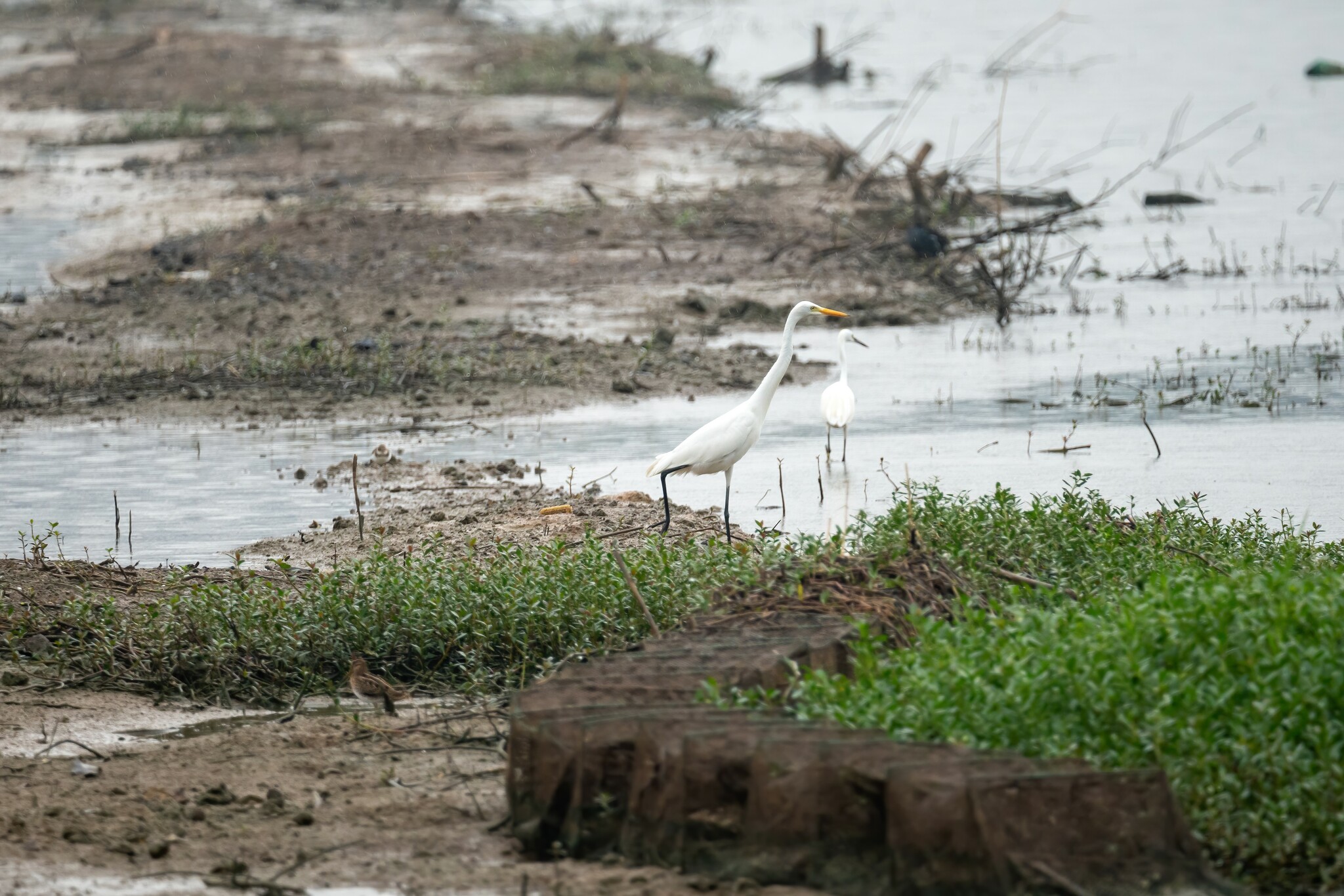
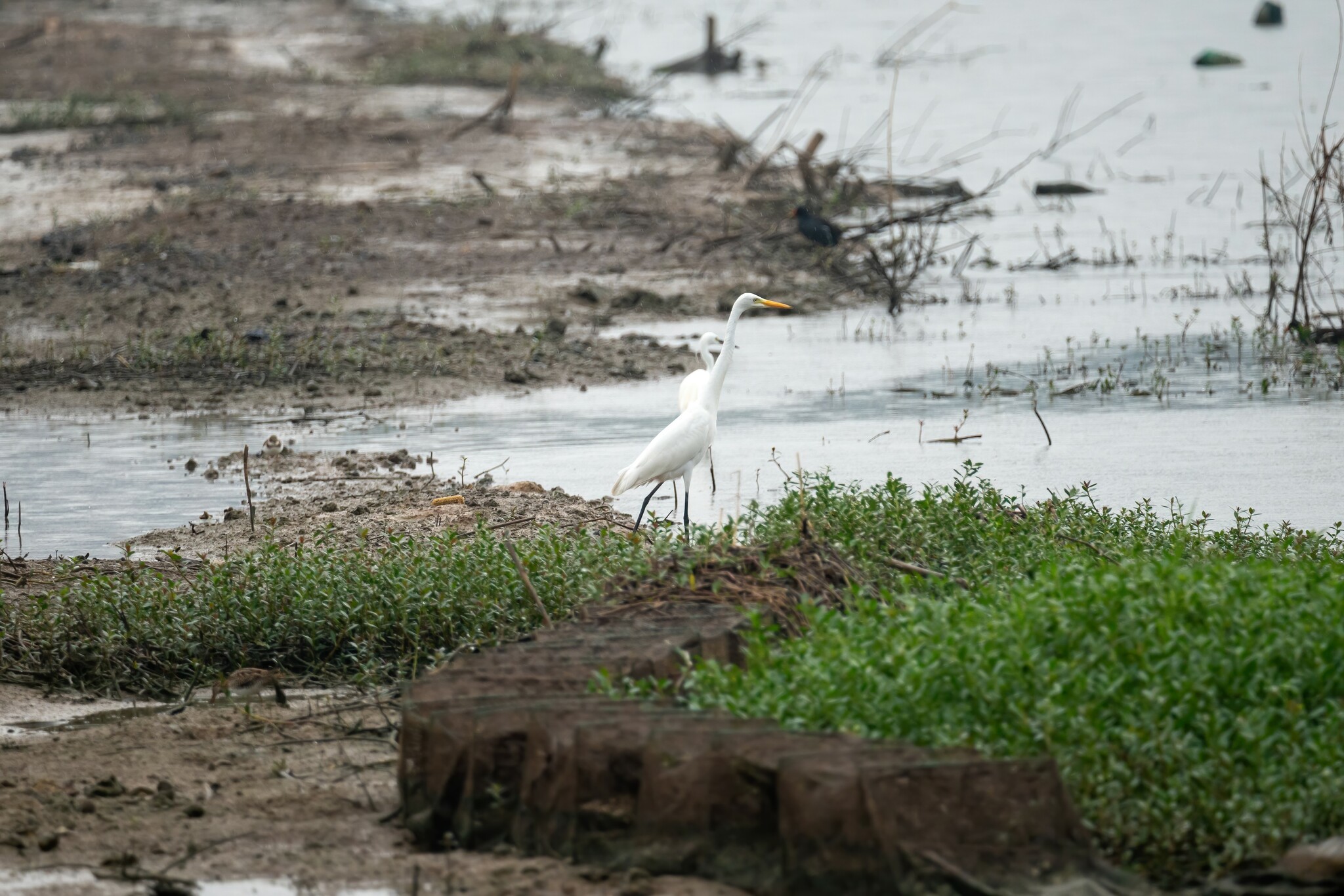
Distinguishing this egret from the great egret requires attention to several features. The neck is shorter relative to body length, and the head appears slightly domed rather than flat. The bill is shorter and thicker, with the top of the longer great egret bill aligning almost flush with the flat top of its head. At close range, the great egret's gape line extends behind the eye, while this species' gape line ends below the eye. Behaviorally, this bird stalks upright with neck extended forward, unlike the great egret's patient, sideways-leaning 'one-eyed' pose. From little egrets, it differs in having dark legs rather than yellow-soled feet, and a thicker, yellow bill rather than a black one. Little egrets also run after fish in shallow water and display long nuptial plumes on the back of the head when breeding.
Distribution & Habitat
This resident breeder occupies southern and eastern Asia, with its range extending from the Russian Far East through Japan and India to the Greater Sundas. It inhabits shallow coastal waters, freshwater lakes, rivers, and flooded fields, where it stalks prey methodically in shallow water. The species is non-migratory throughout most of its range, though some populations may make local movements in response to water conditions.
Behavior & Ecology
This heron hunts methodically in shallow waters, taking fish, frogs, crustaceans, and insects. It often breeds in colonies with other heron species, constructing stick platforms in trees or shrubs. The typical clutch contains 2–3 eggs, though up to 6 may occur, with pale green coloration and smooth, slightly pitted shells. Both parents share incubation duties over 24–27 days, and they defend the nest aggressively against aerial predators by crouching, raising plumes, and pointing their bills at threats. Chicks receive regurgitated food from both parents and may leave the nest at 24 days, though they return for feeding. Fledging occurs around 40 days, with young departing the colony after 70 days. Breeding success varies with rainfall, being more successful in wet years, with reported fledging rates of 96% in Africa and 88% in Australia.
Conservation
This species is currently assessed as Least Concern by the IUCN, reflecting its relatively stable population across its extensive range. Population success appears linked to wetland conditions, with higher productivity during wet years. Like many wetland birds, it faces ongoing pressures from habitat loss and degradation across its range.
Culture
No specific cultural significance, folklore, or mythological associations were documented in the available sources for this species.
Source: Wikipedia · CC BY-SA 3.0
Taxonomy
- Order
- Pelecaniformes
- Family
- Ardeidae
- Genus
- Ardea
- eBird Code
- integr1
Distribution
Japan to southern India and Greater Sundas
Data Sources
Species description from Wikipedia, licensed under CC BY-SA 3.0.
Bird images and sounds sourced from GBIF, contributed by citizen scientists worldwide under Creative Commons licenses.
Taxonomy data from AviList 2025.