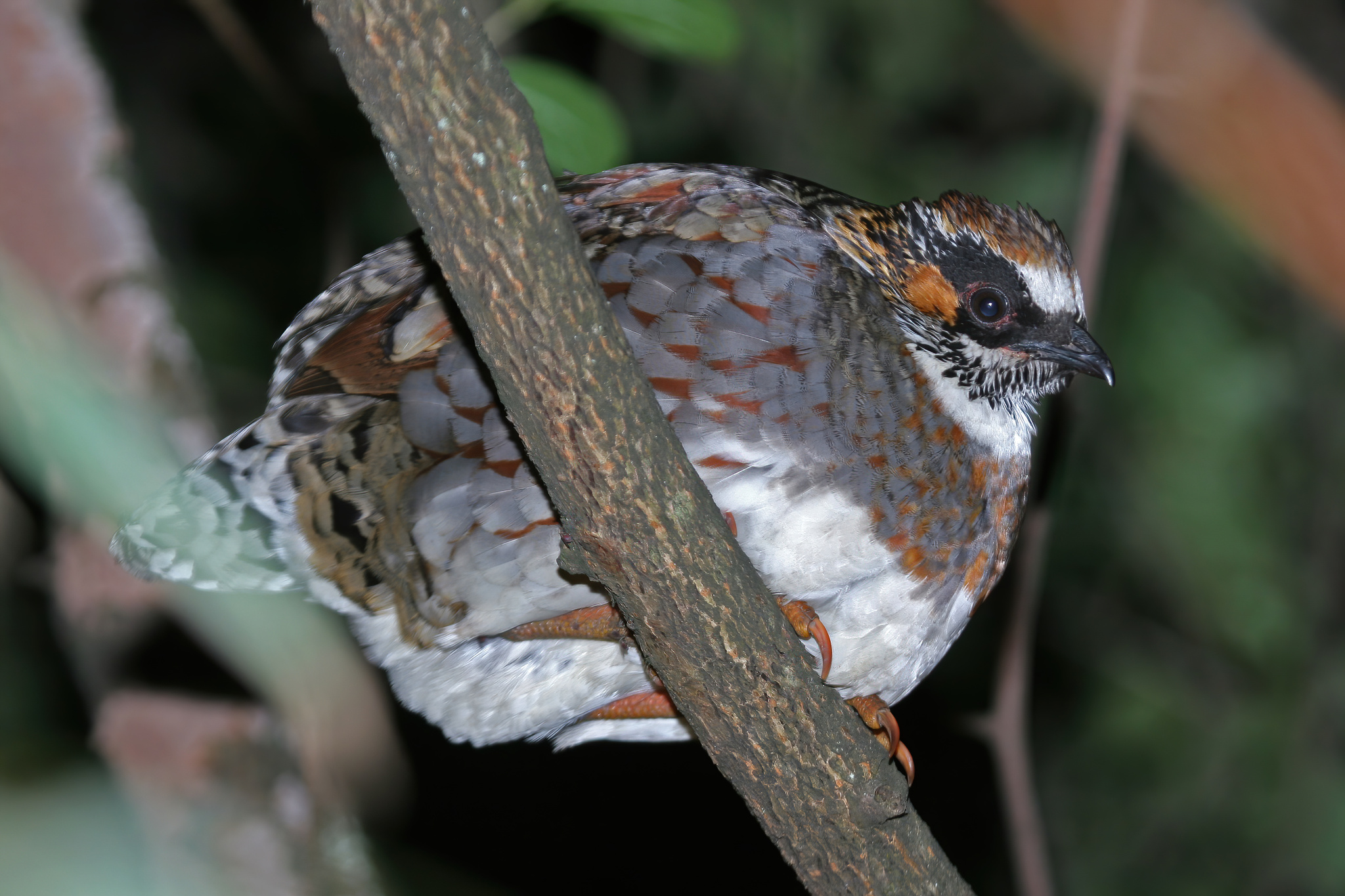
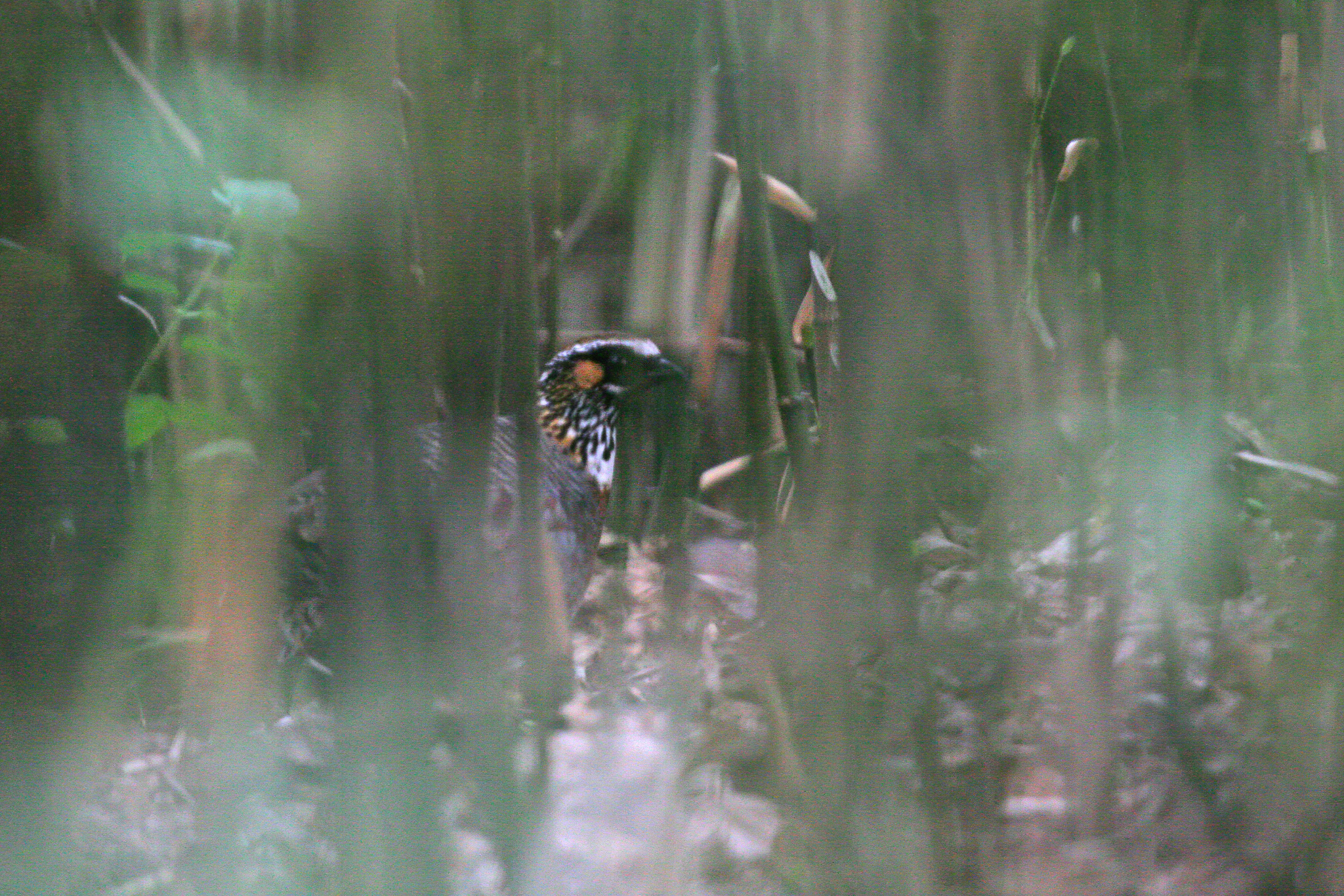
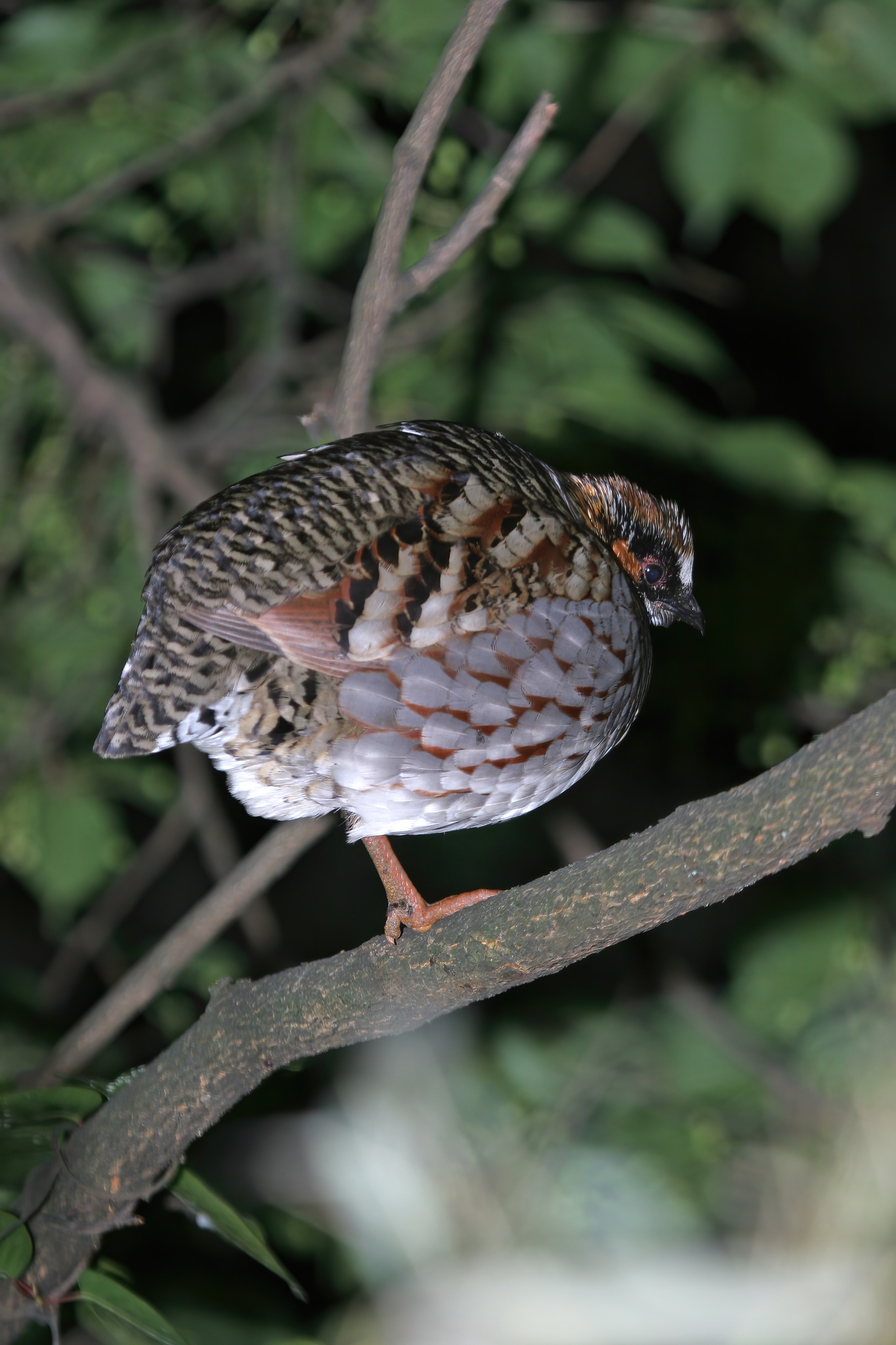
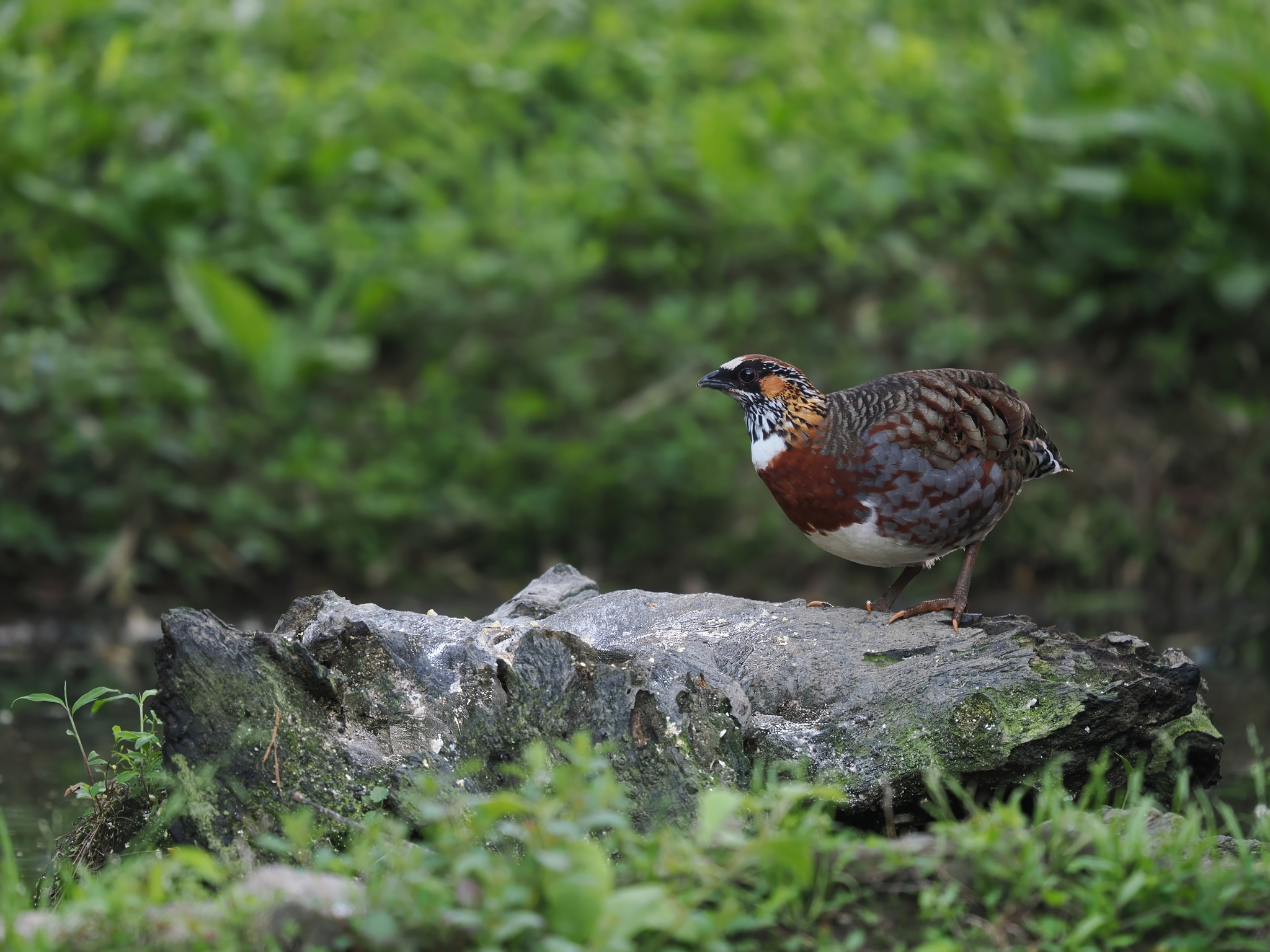
Sichuan Partridge
Arborophila rufipectus
四川山鹧鸪
Introduction
Sichuan partridge is a gamebird endemic to the mountainous forests of southwestern China. Its range encompasses southern Sichuan and northern Yunnan provinces, where it inhabits temperate broadleaf forests at elevations of 2,100-3,600 meters. The species is ground-dwelling and favors dense understory and thick shrub cover. It is nationally protected in China. Habitat loss across its restricted range presents ongoing conservation challenges despite protective measures enacted in recent decades.
Distribution & Habitat
This species is restricted to southern Sichuan Province in southwest China, with additional populations in northern Yunnan including the Laojun Mountain area. It inhabits primary broadleaf forest and older secondary broadleaf stands with dense canopy cover and relatively open understories, avoiding areas with significant human disturbance. The species shows strong preference for thick shrubs used for roosting. Within the Laojunshan Nature Reserve, birds occur between 1,400 and 1,800 meters elevation on gently sloping ground near water sources. They are absent from settlements, coniferous plantations, and farmland, though secondary broadleaf forest does support populations when suitable structure exists.
Behavior & Ecology
Males are territorial and monogamous, maintaining close bonds with females outside the breeding season but staying apart during mating and incubation. During the breeding season, which begins late March with hatching from mid-May through mid-July, males guard females continuously for 24 hours. While females brood on the ground, males remain nearby for two weeks before roosting elsewhere. Males produce three distinct one-syllable vocalizations: a crowing call, courtship call, and territory-preserving call. Each call type differs in syllable duration, though main peak frequency remains similar. These vocal behaviors help maintain pair bonds and reduce predation pressure, supporting population sustainability.
Conservation
The species is listed as Vulnerable on the IUCN Red List due to significant habitat loss. Before 1998, unregulated logging devastated broadleaf forest habitats across its range, with forestry authorities showing little regard for ecosystem protection. The National Forest Protection Programme subsequently prohibited deforestation in the upper Yangtze region, temporarily halting habitat destruction. However, ongoing threats include livestock browsing, bamboo shoot harvesting, medicinal plant collection, and hunting. Conservation planning is complicated by limited understanding of the species' specific requirements. Research indicates the species uses both primary and replanted broadleaf forests equally, with planted stands reaching structural similarity to primary forest within 15-20 years, potentially expanding available habitat within protected reserves.
Source: Wikipedia · CC BY-SA 3.0
Taxonomy
- Order
- Galliformes
- Family
- Phasianidae
- Genus
- Arborophila
- eBird Code
- sicpar1
Distribution
southwestern China (hills of south-central Sichuan)
Data Sources
CBR Notes: IUCN红色名录等级由EN降为VU
Species description from Wikipedia, licensed under CC BY-SA 3.0.
Bird images and sounds sourced from GBIF, contributed by citizen scientists worldwide under Creative Commons licenses.
Taxonomy data from AviList 2025.