
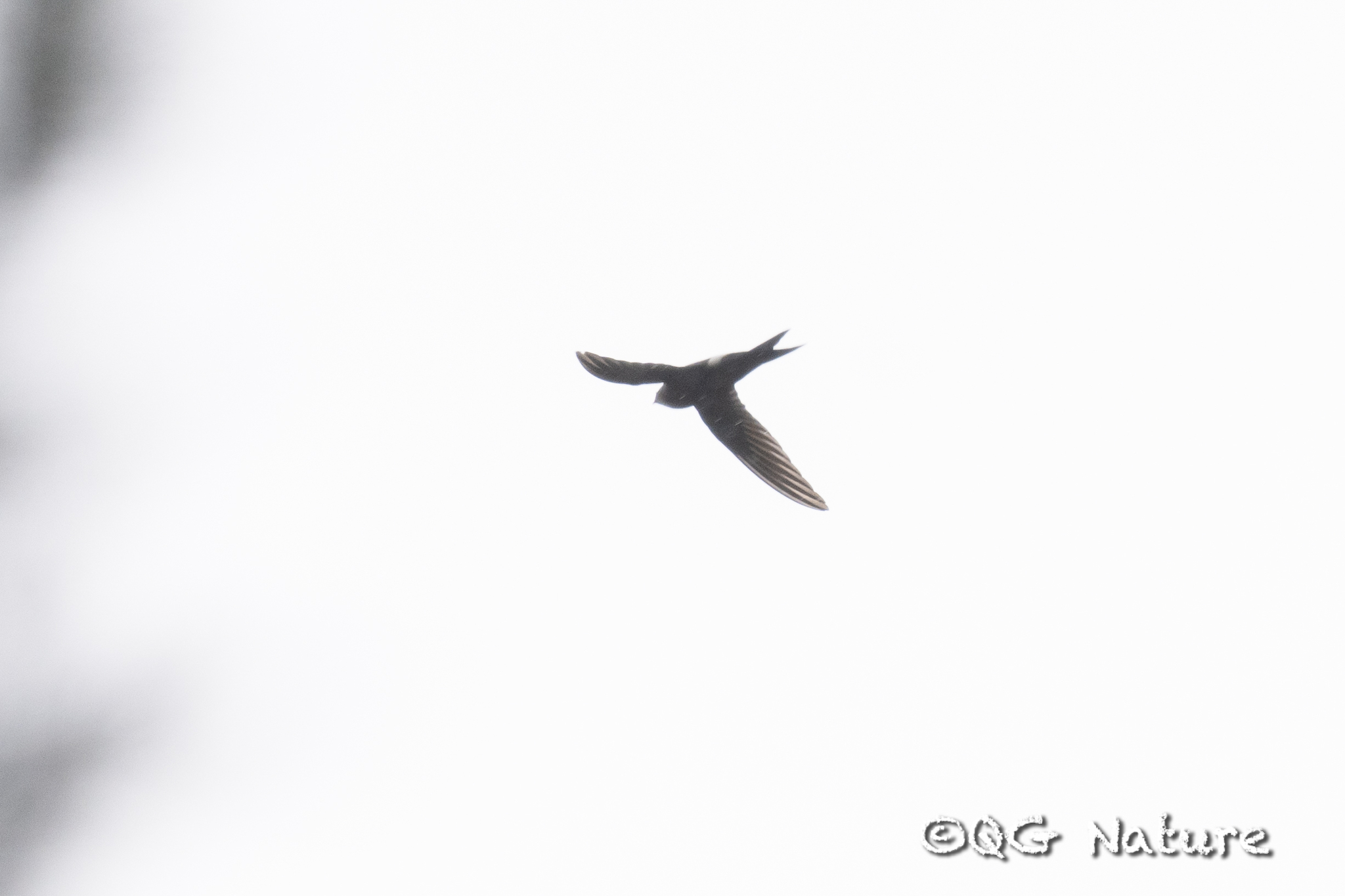
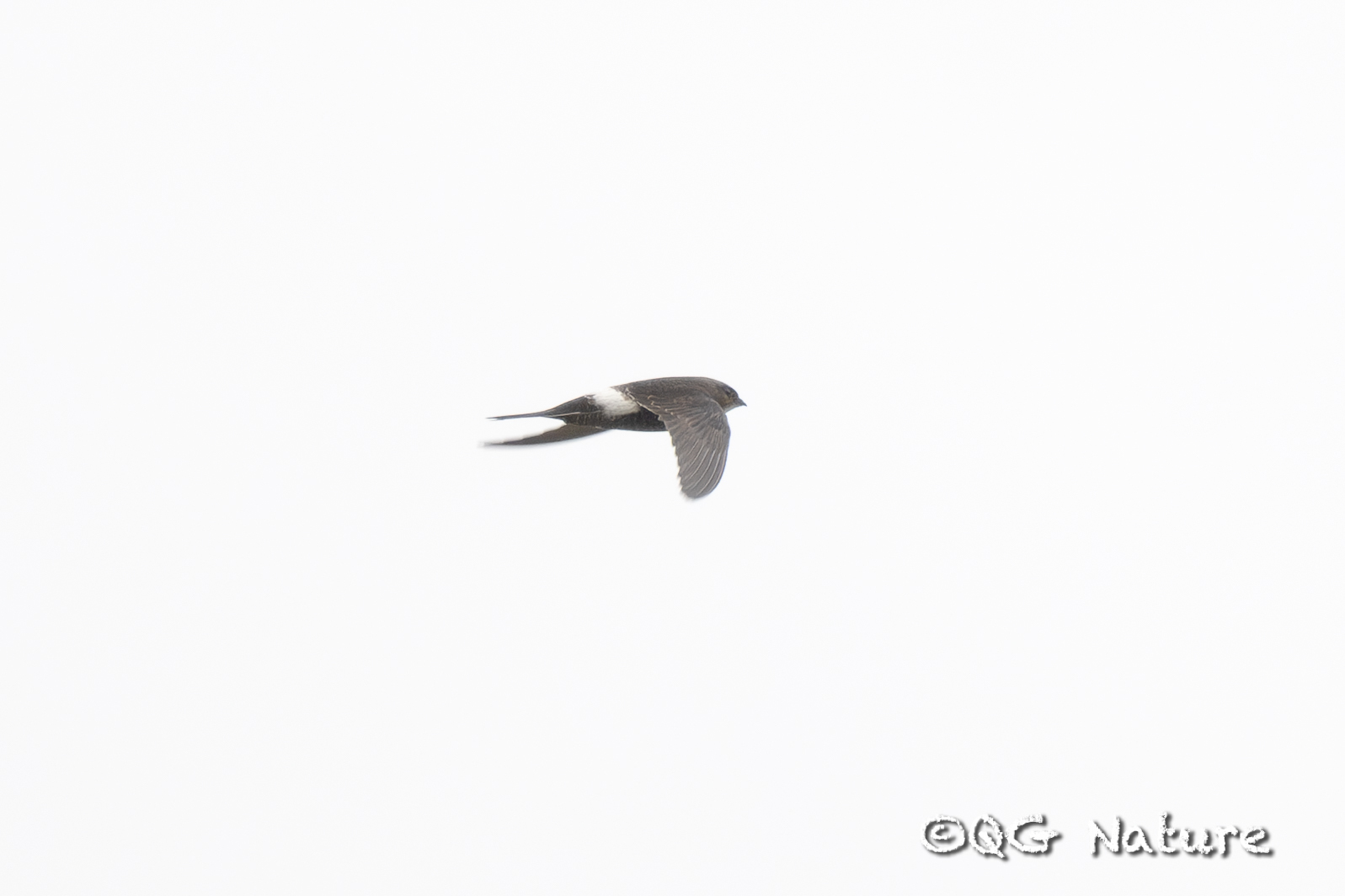

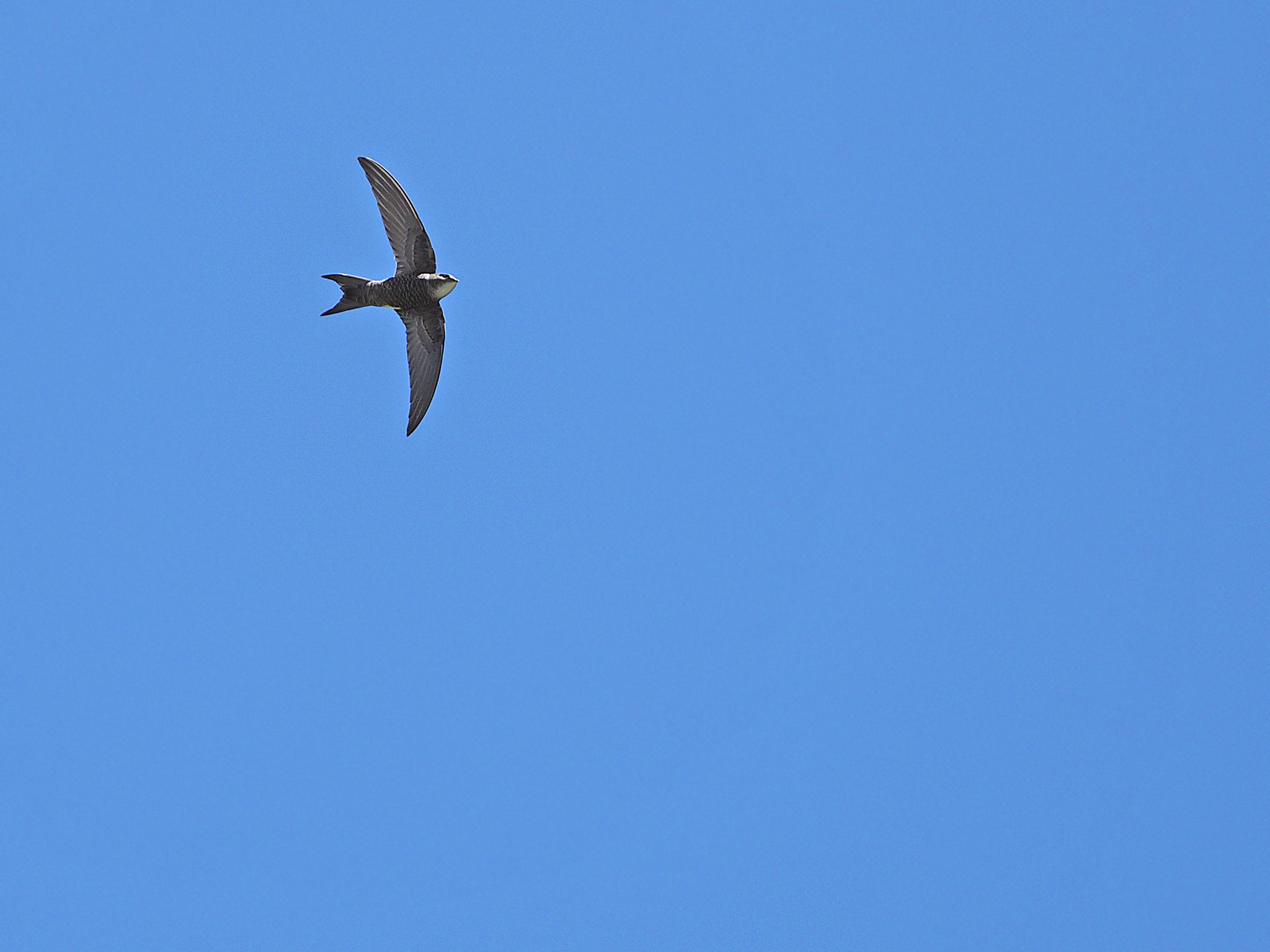
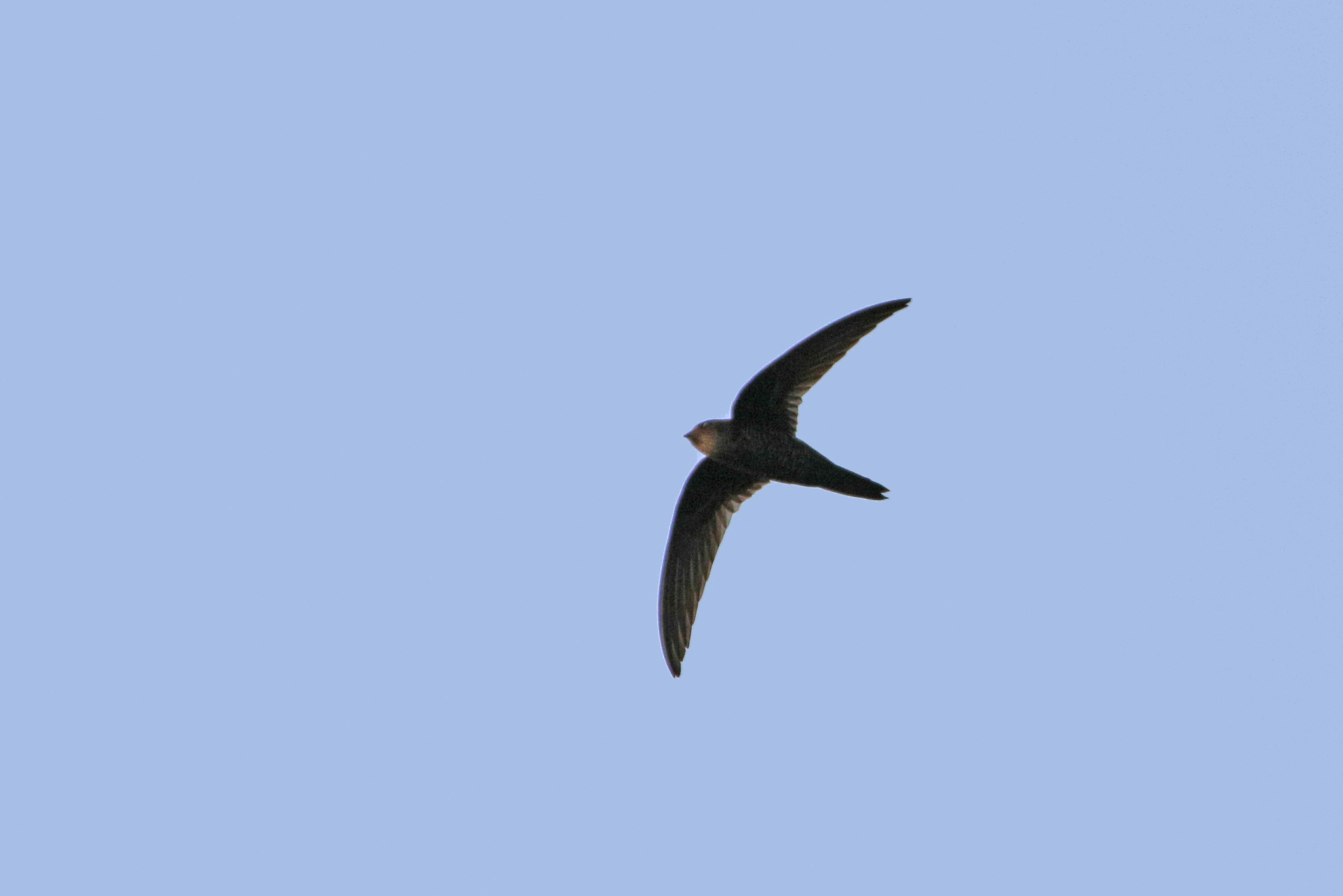
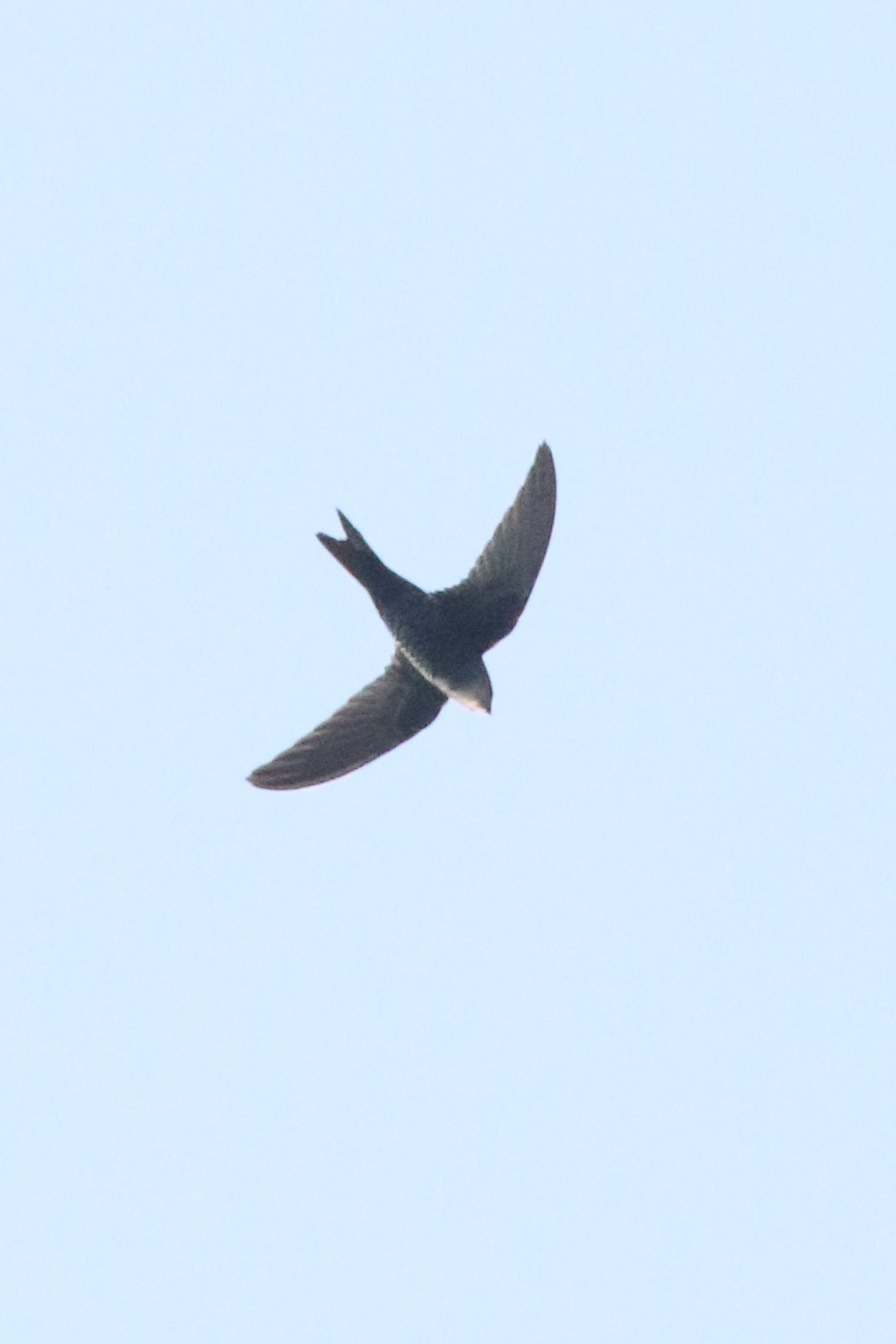
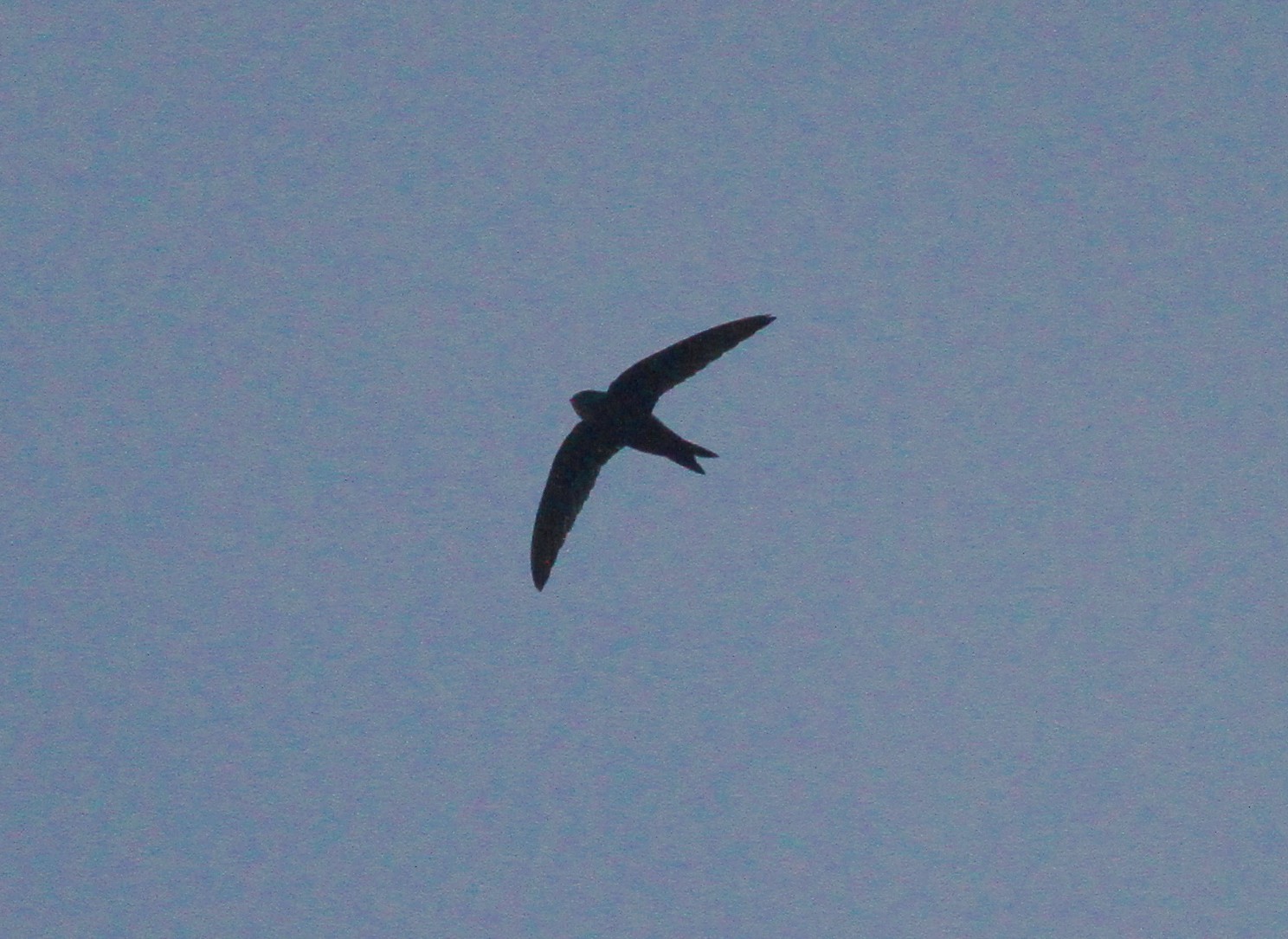
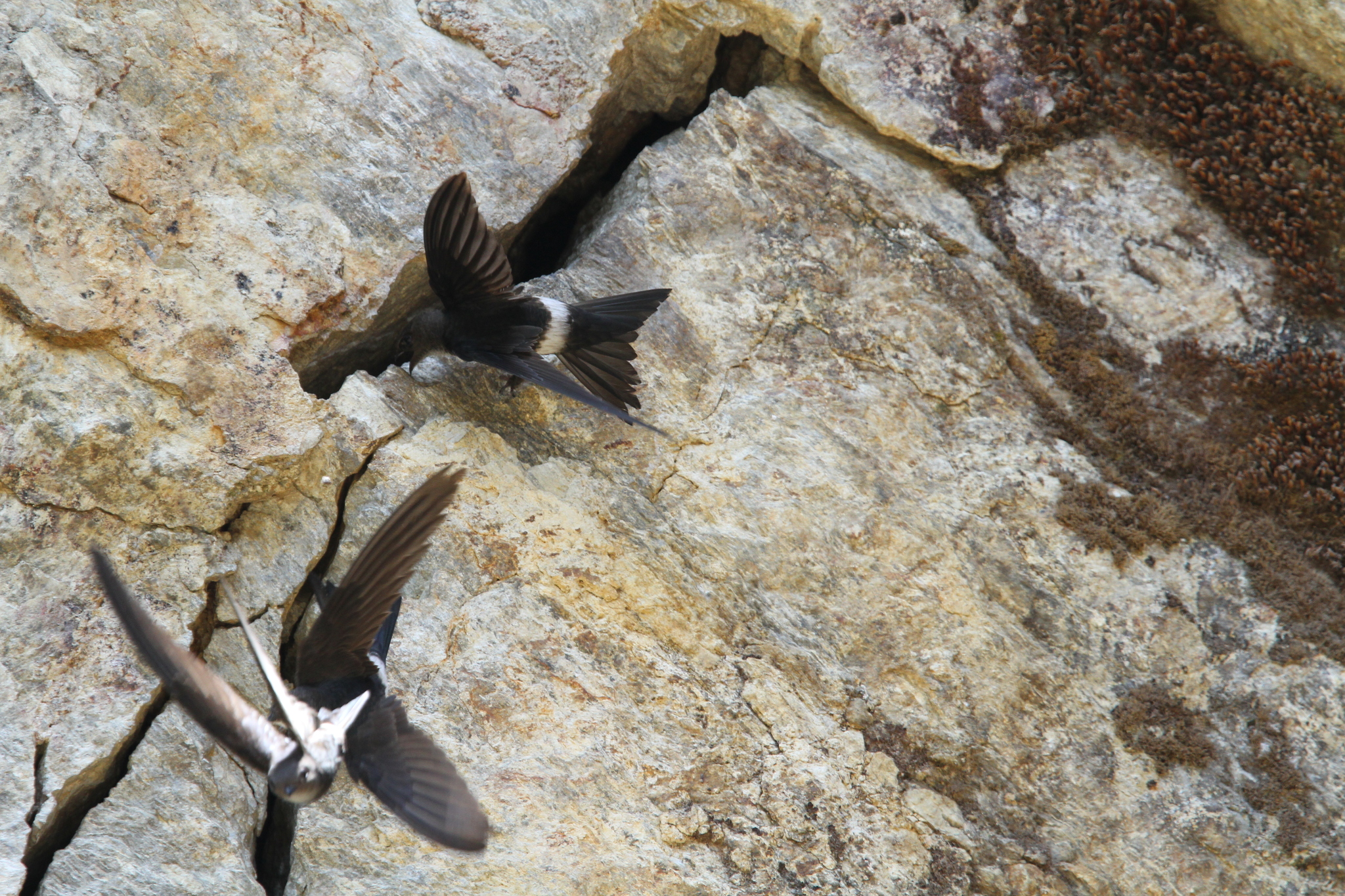
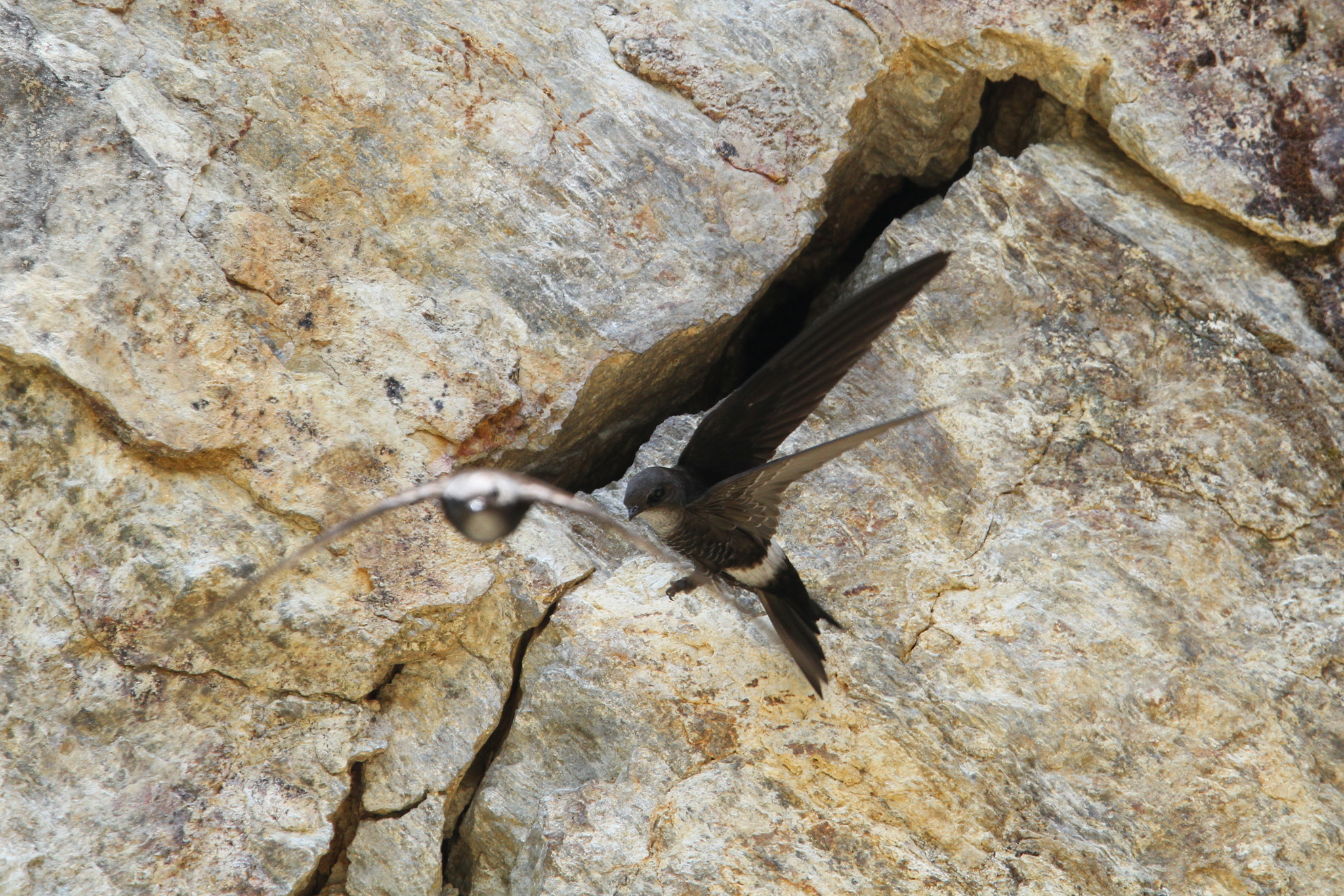



Fork-tailed Swift
Apus pacificus
白腰雨燕
Introduction
Fork-tailed Swift is a historic name formerly used to describe a swift complex now taxonomically divided into four separate species. All descendant species belong to the genus Apus and are distributed across Eurasia.
Description
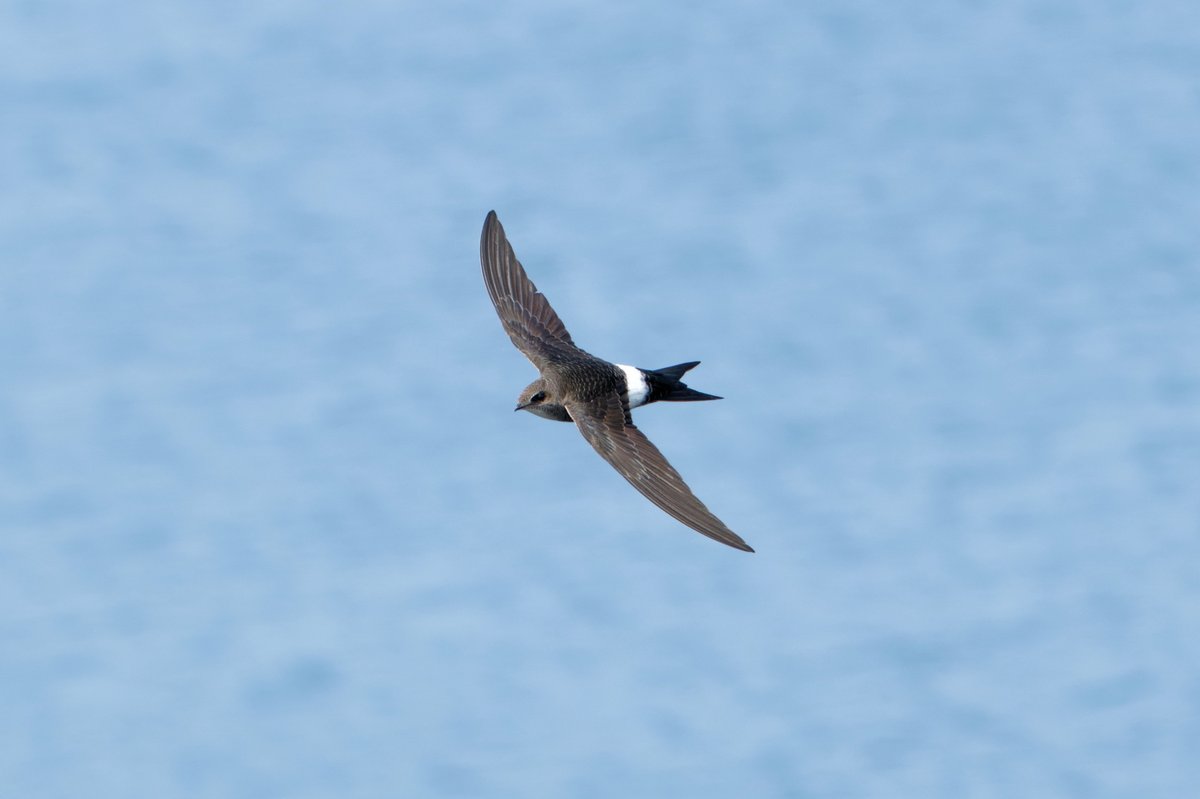
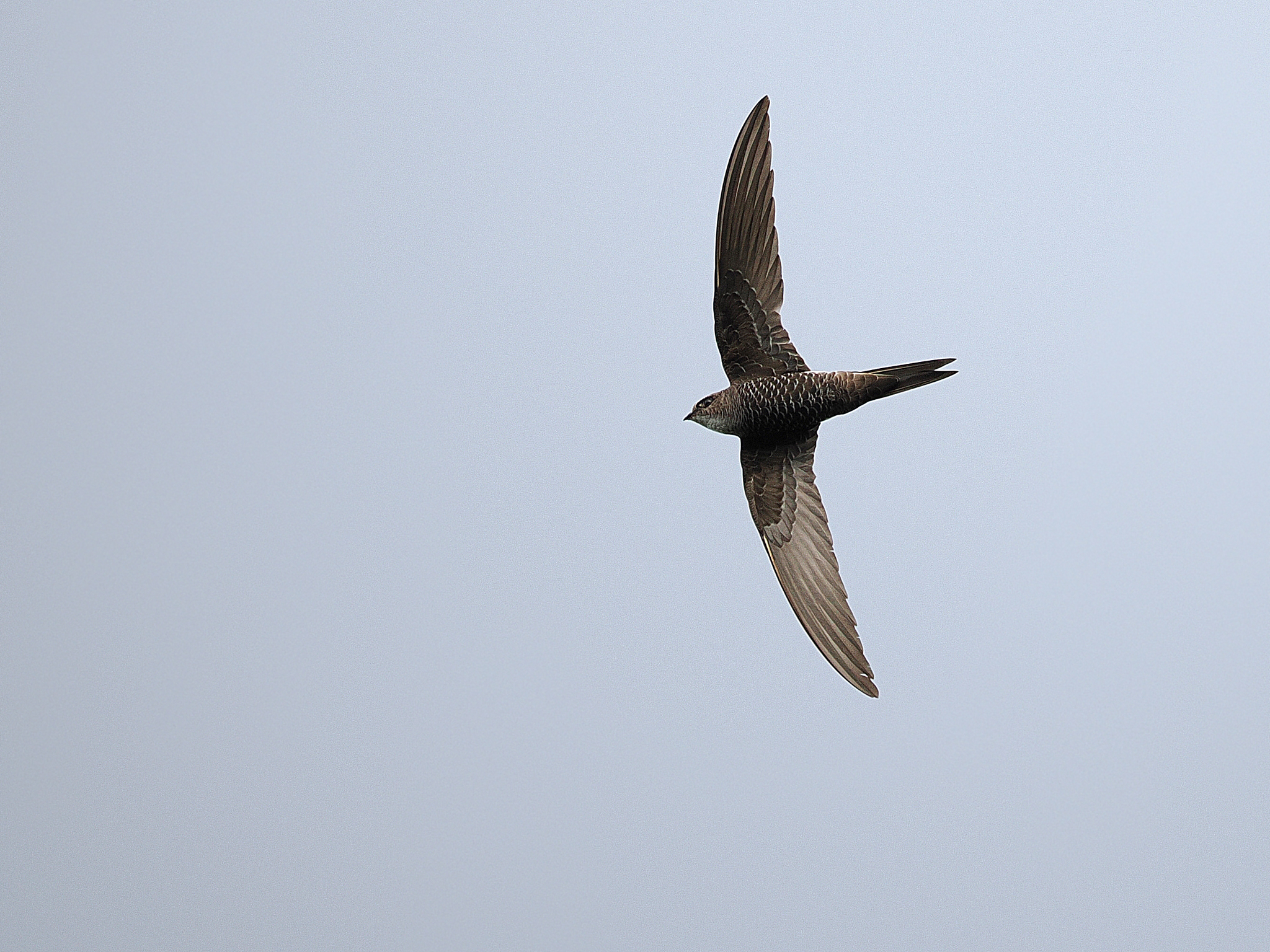
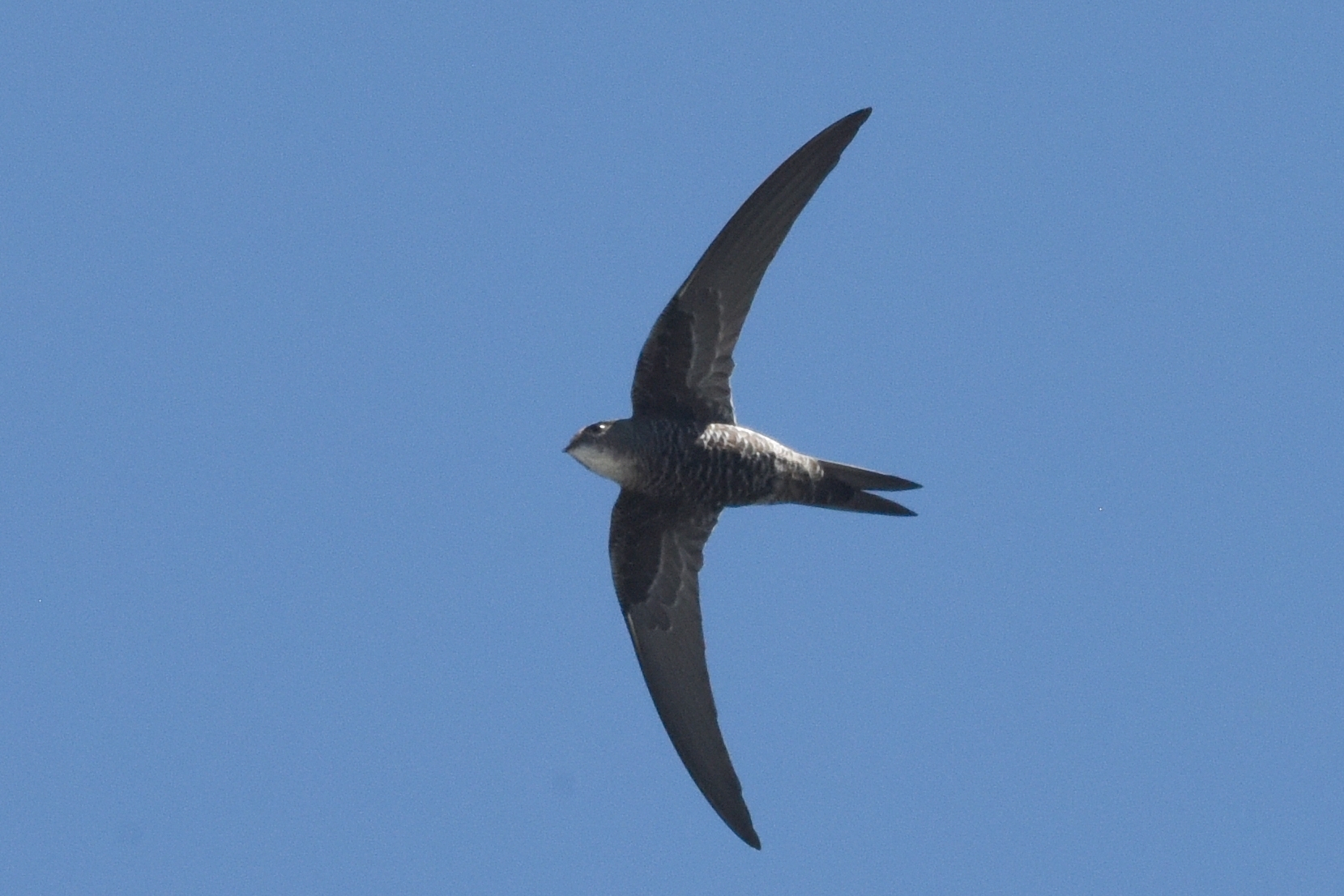
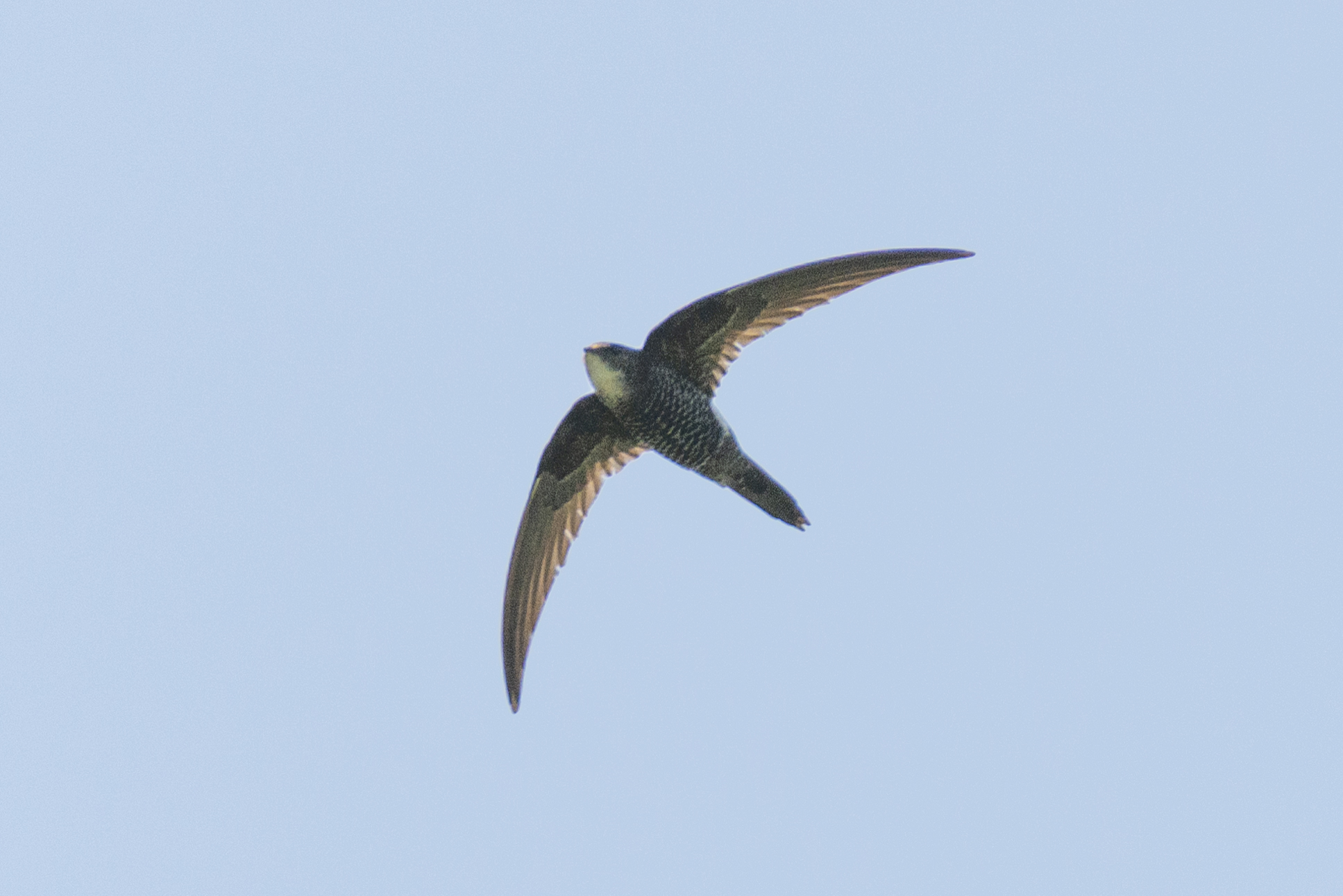
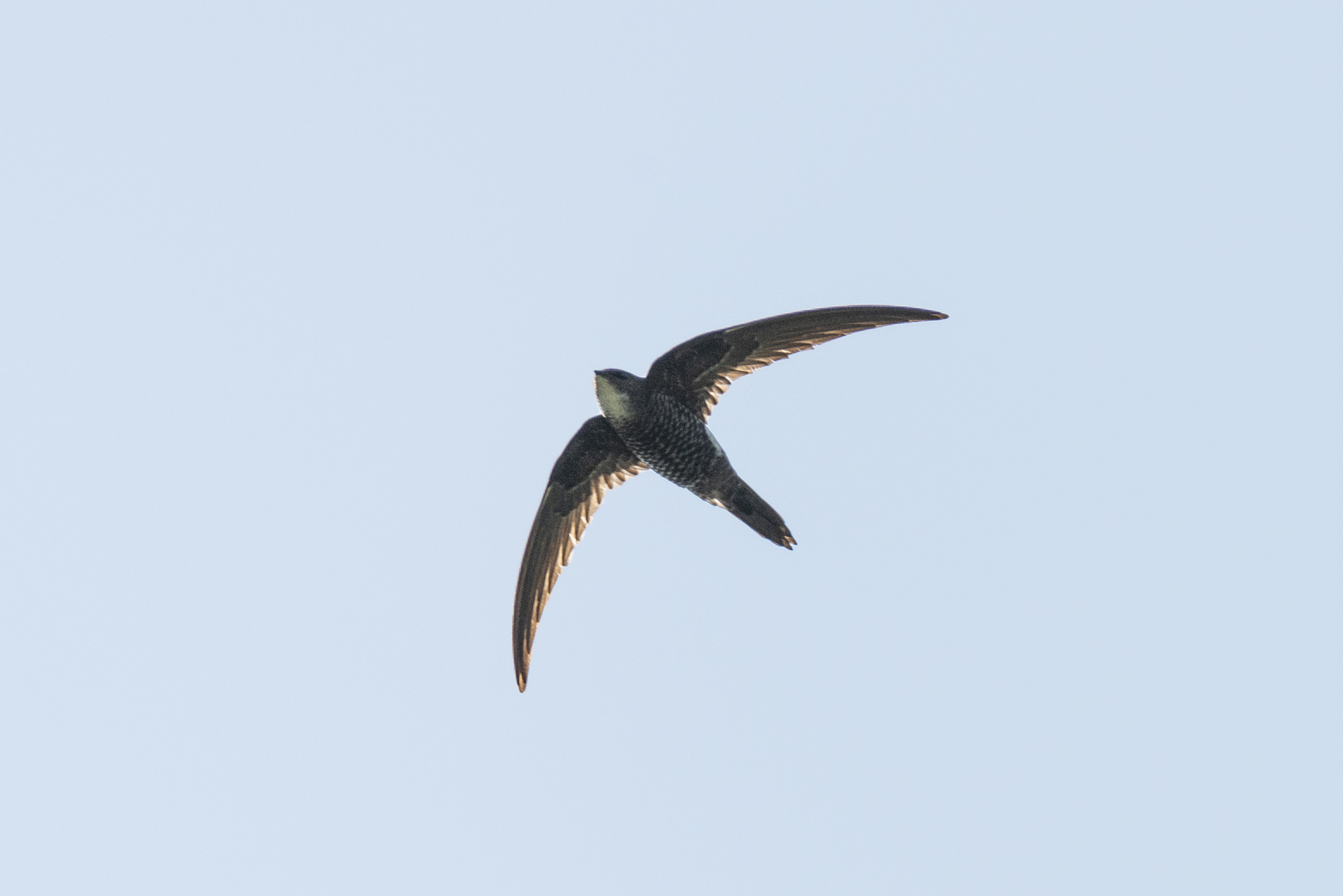
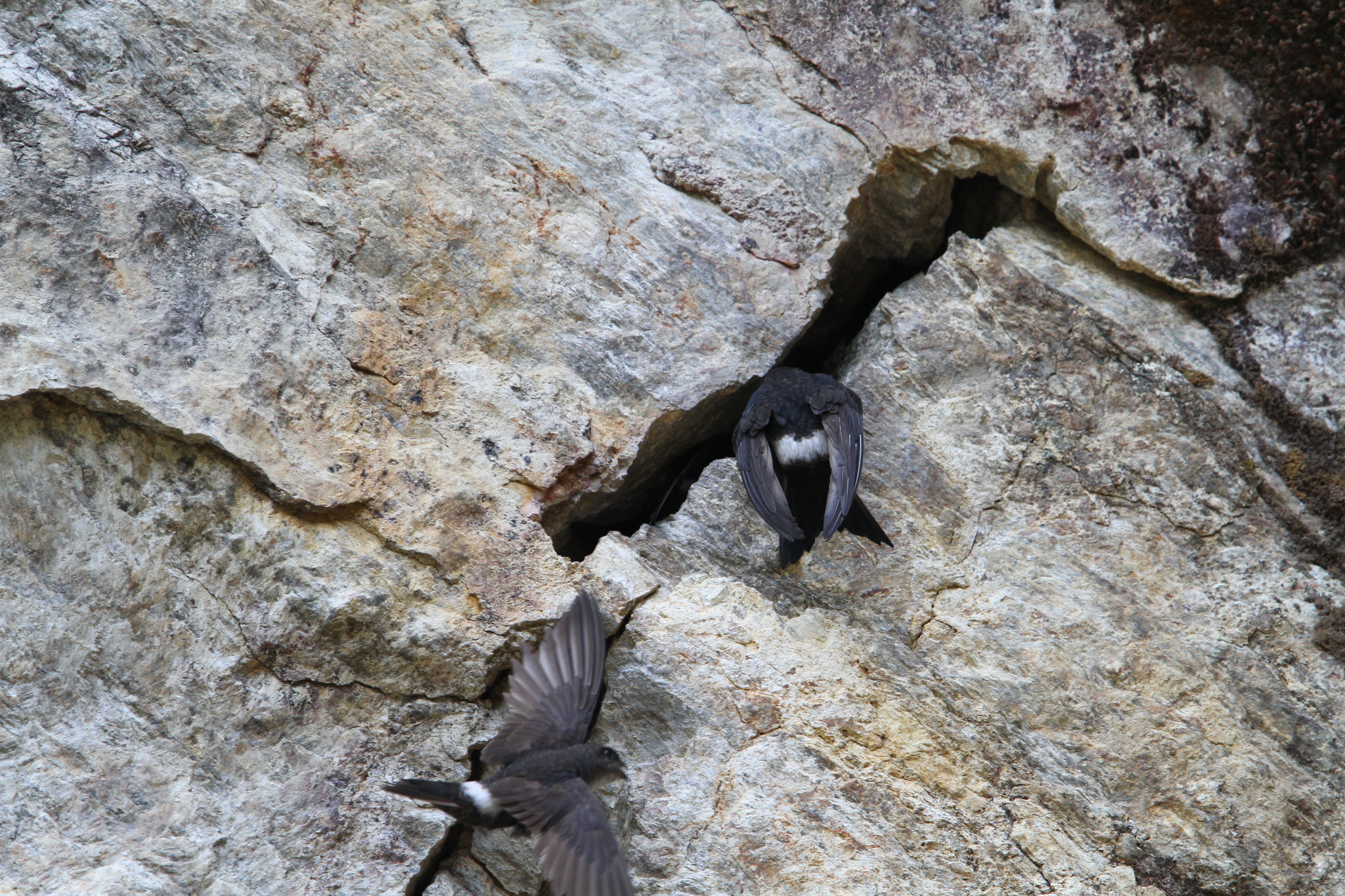
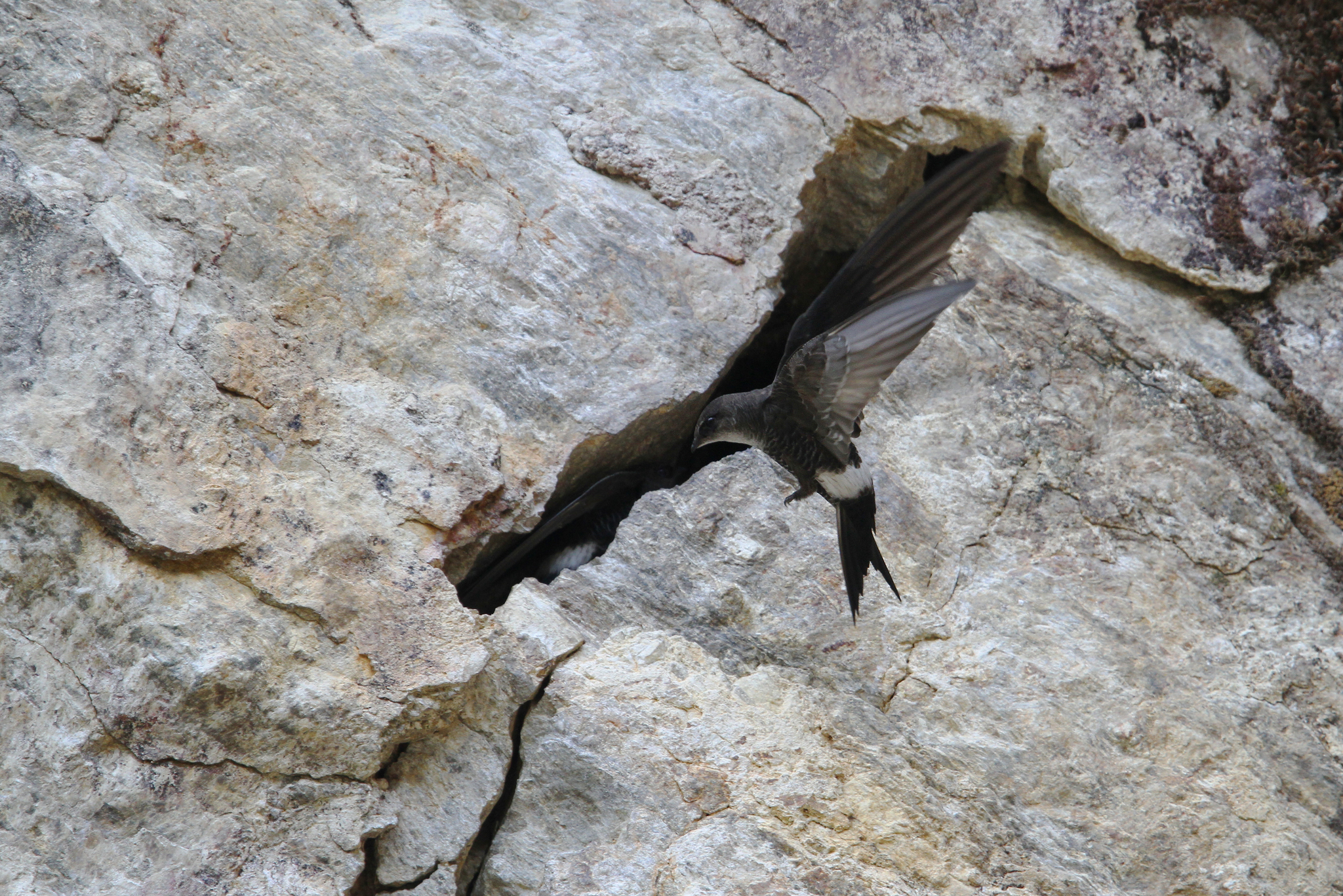
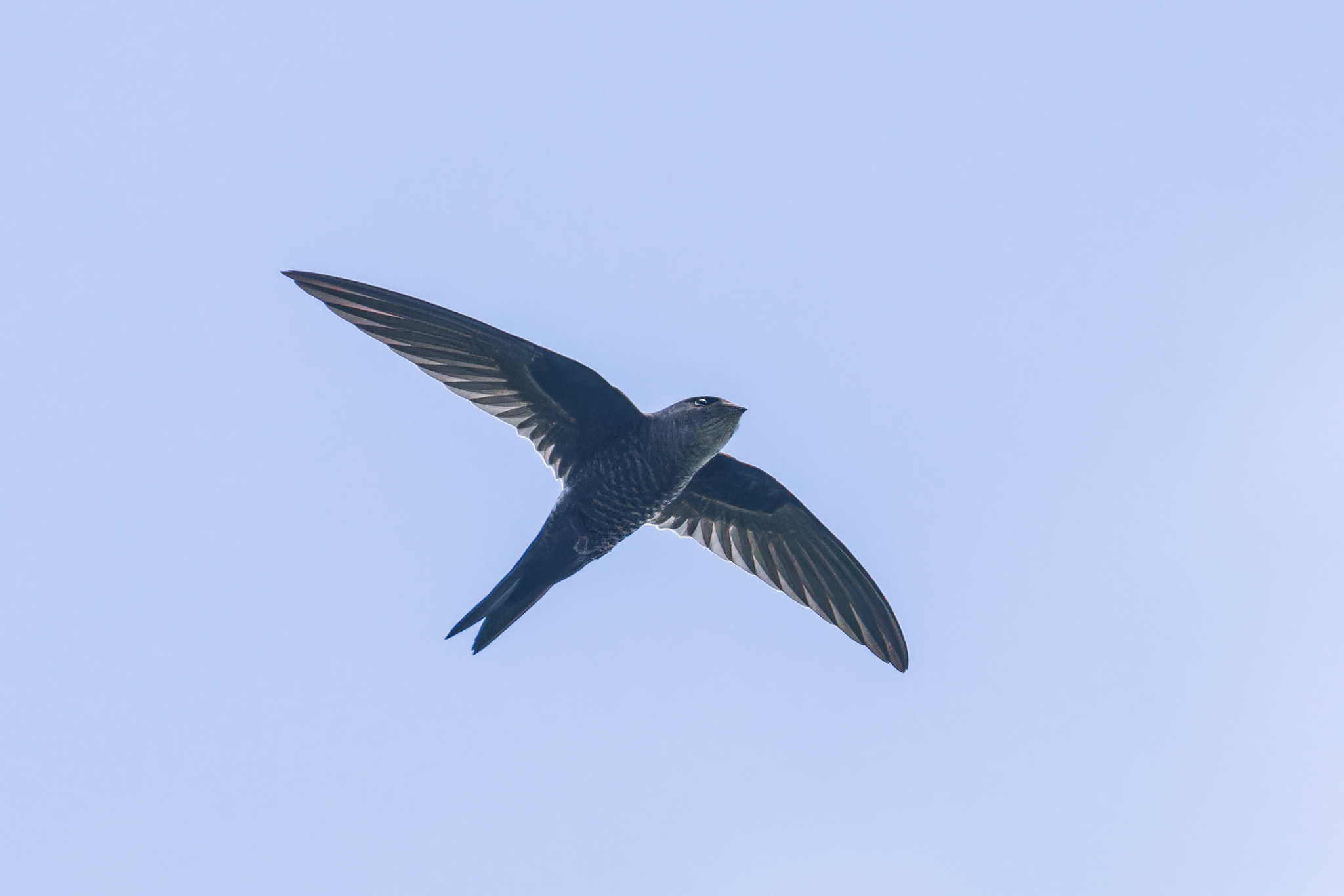
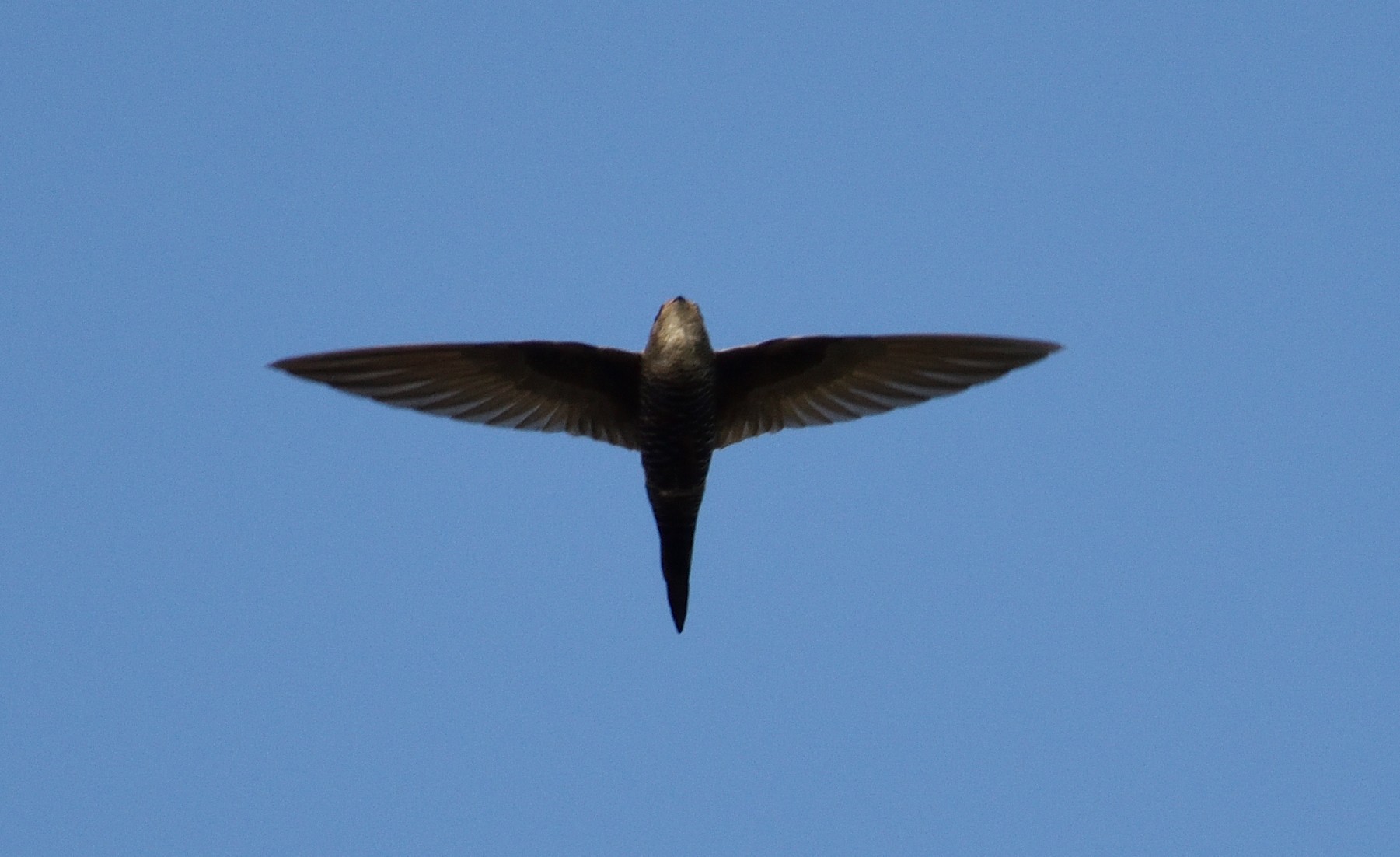
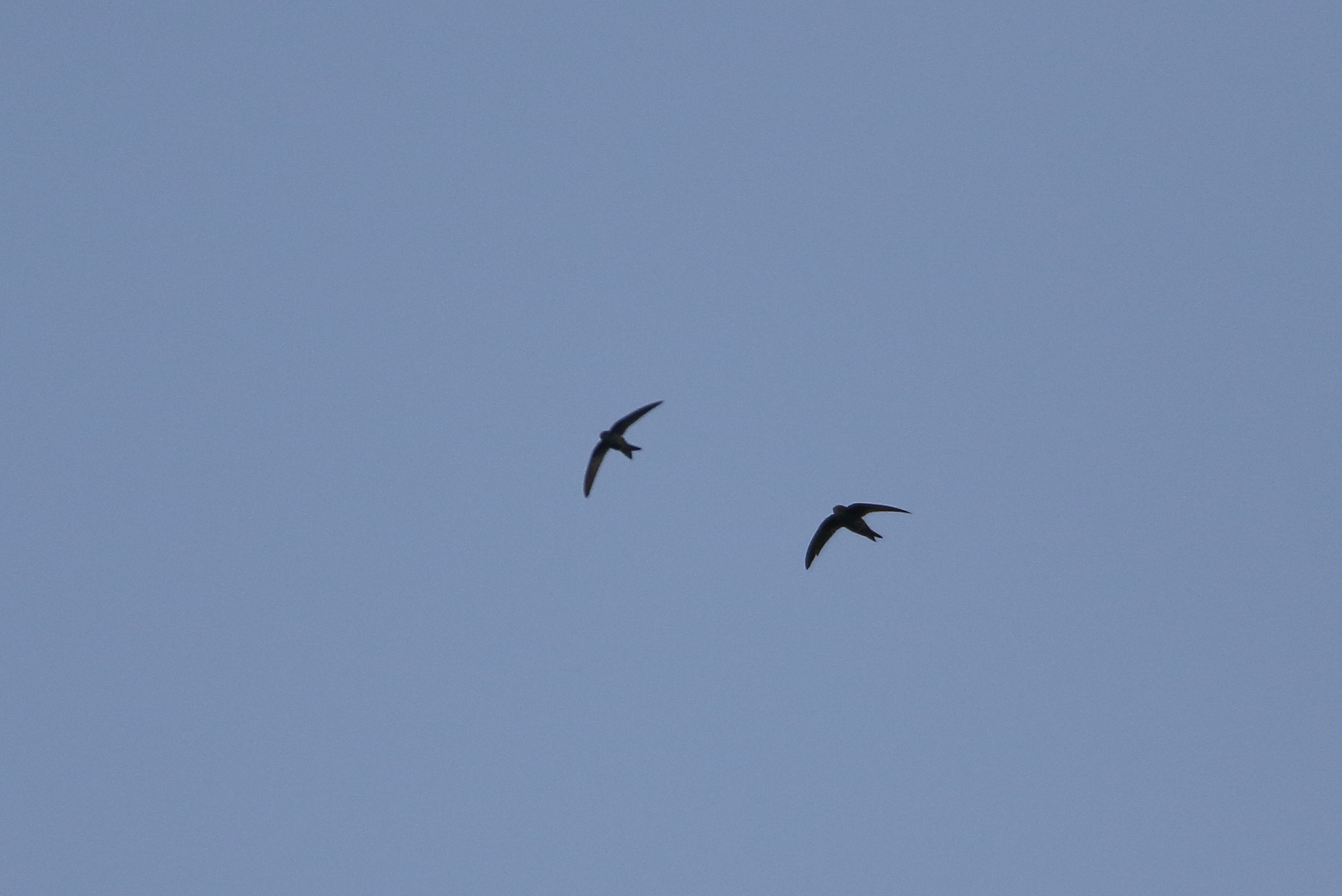
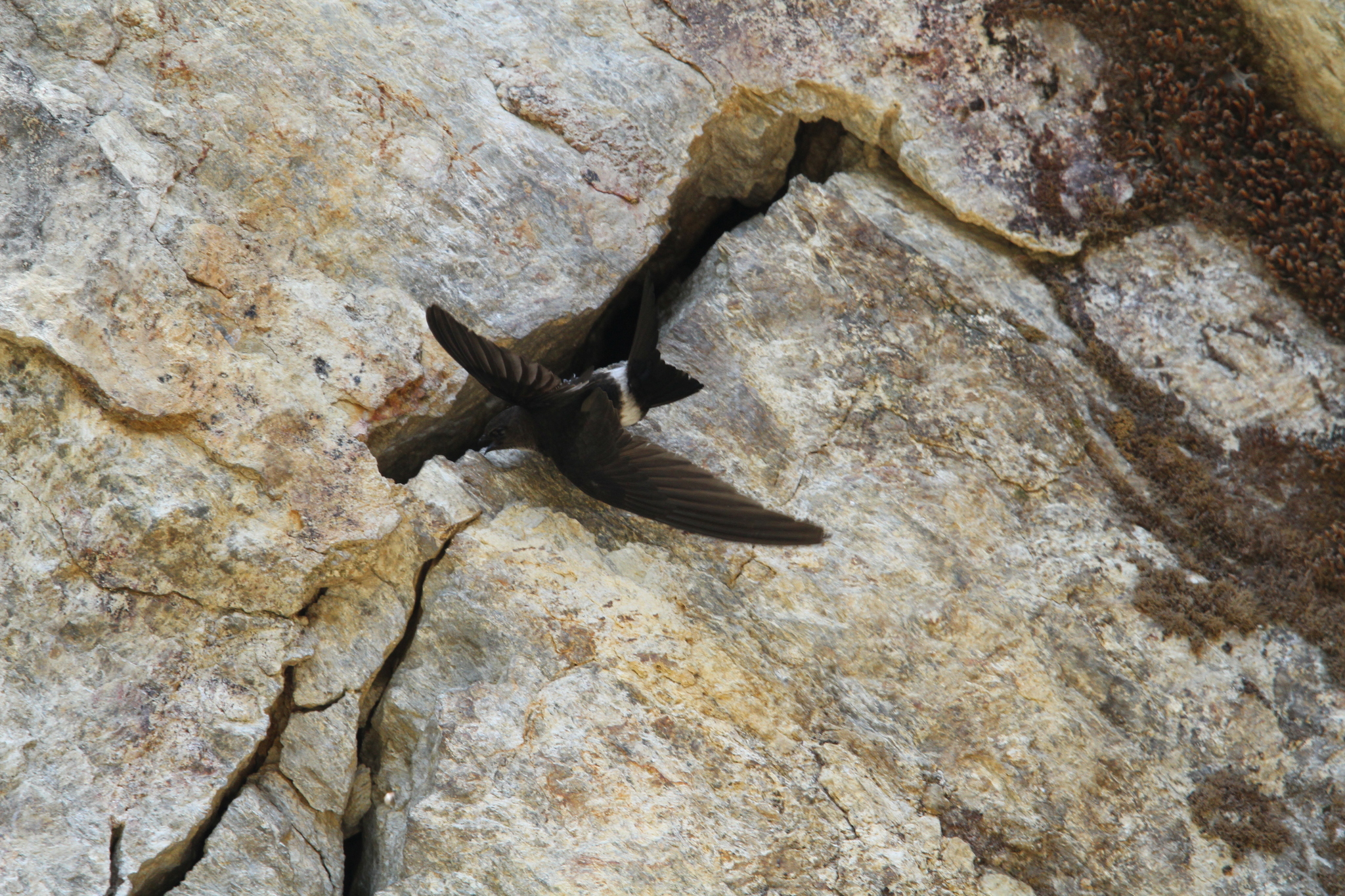
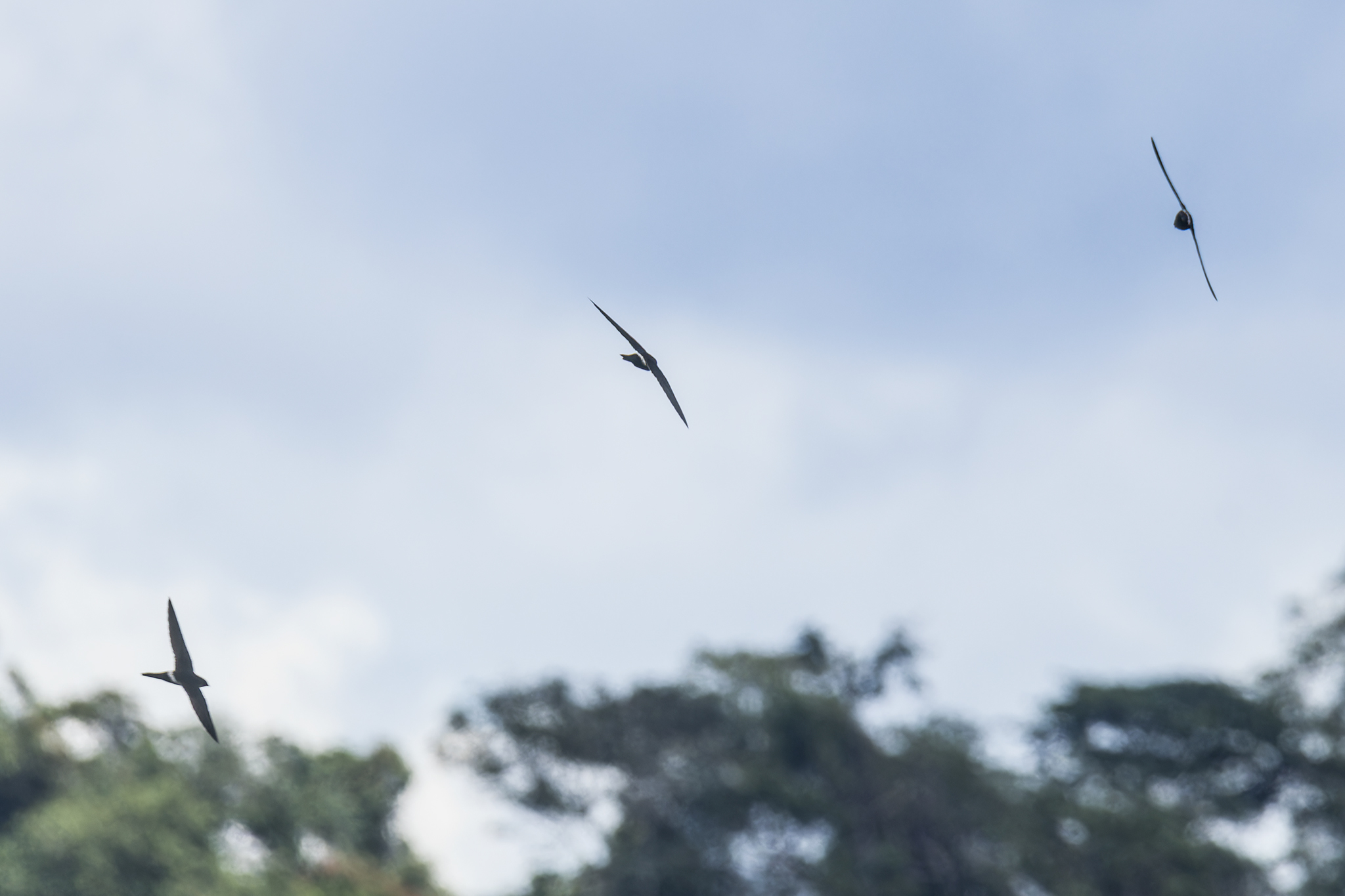
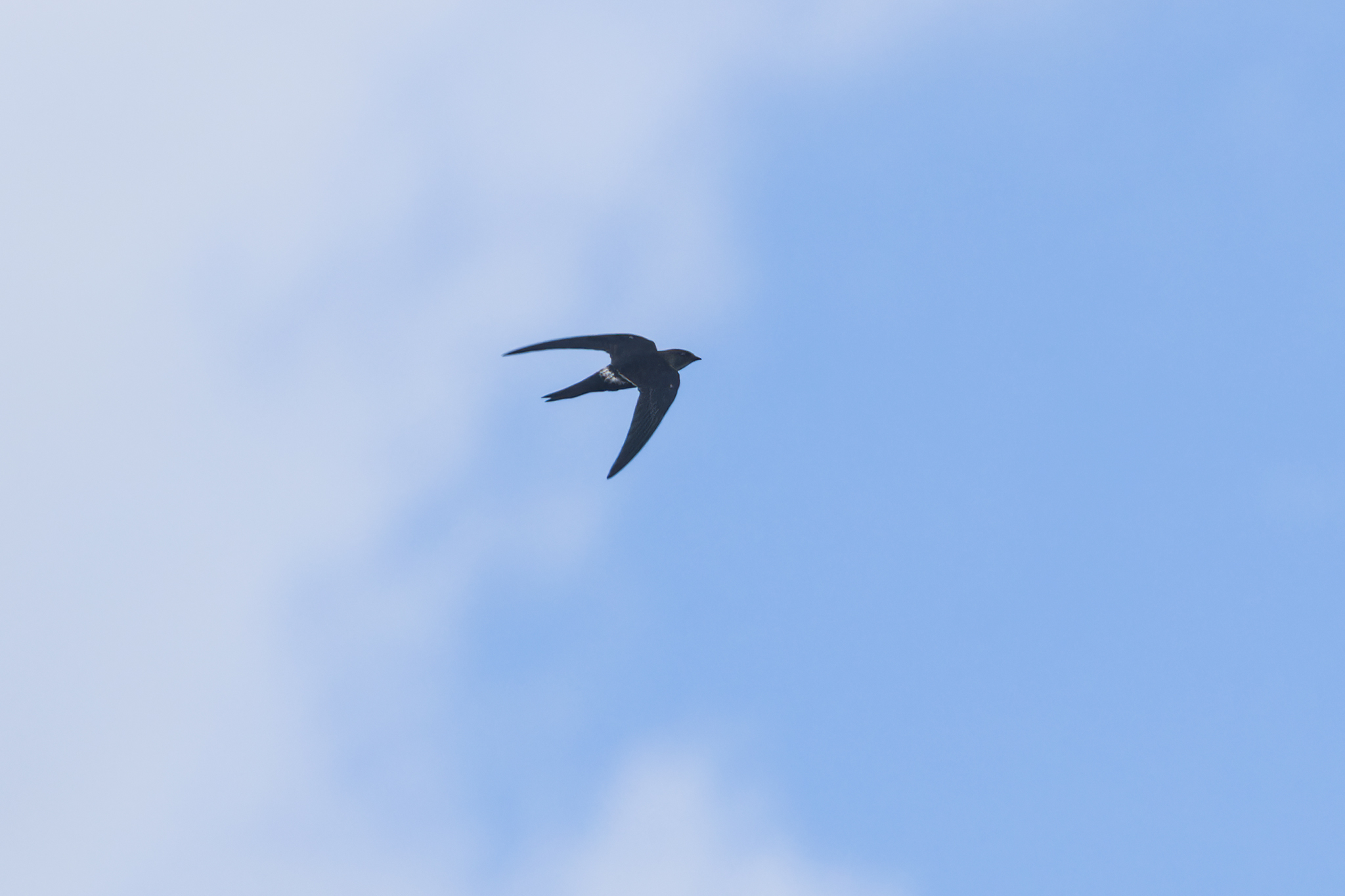
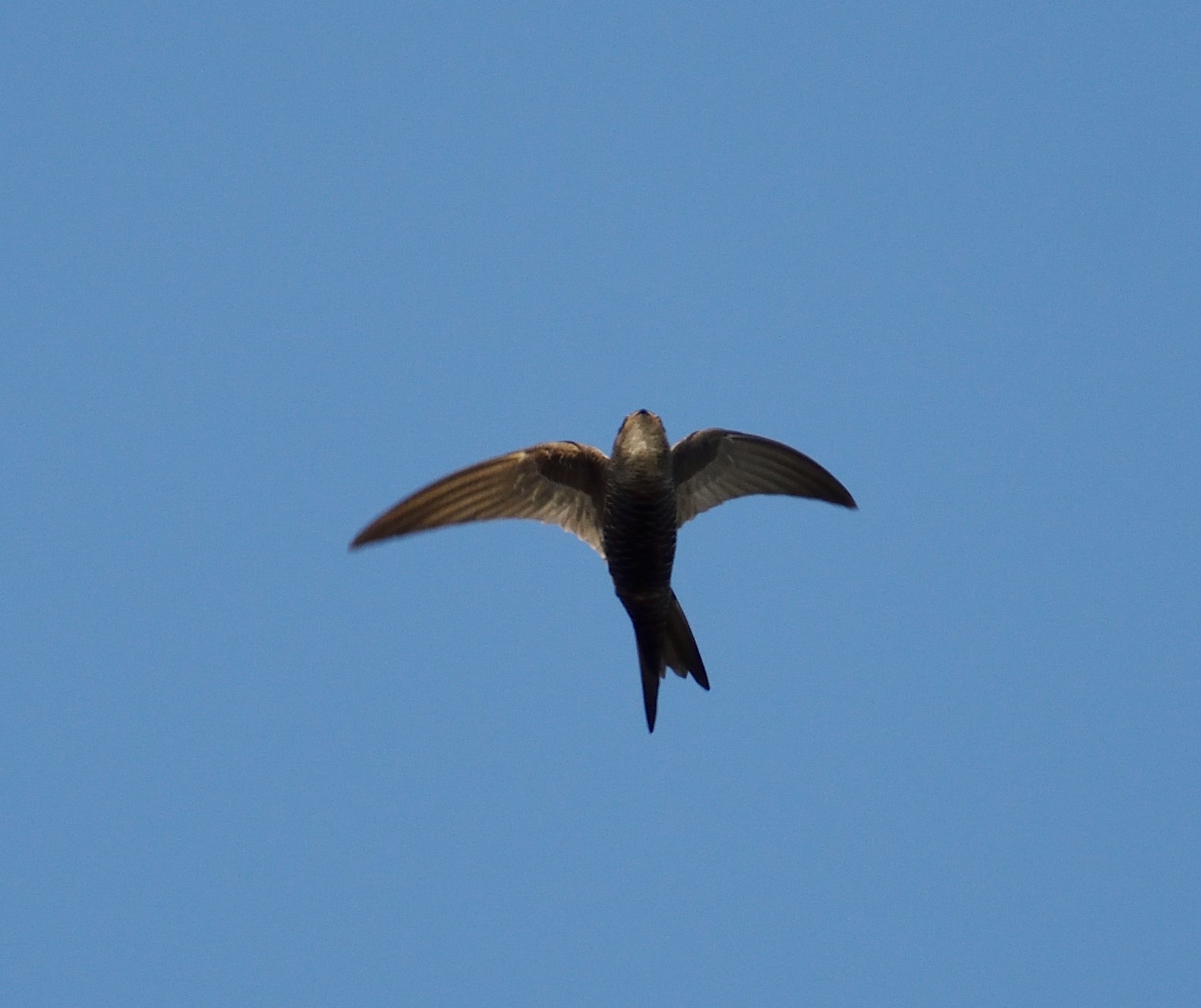
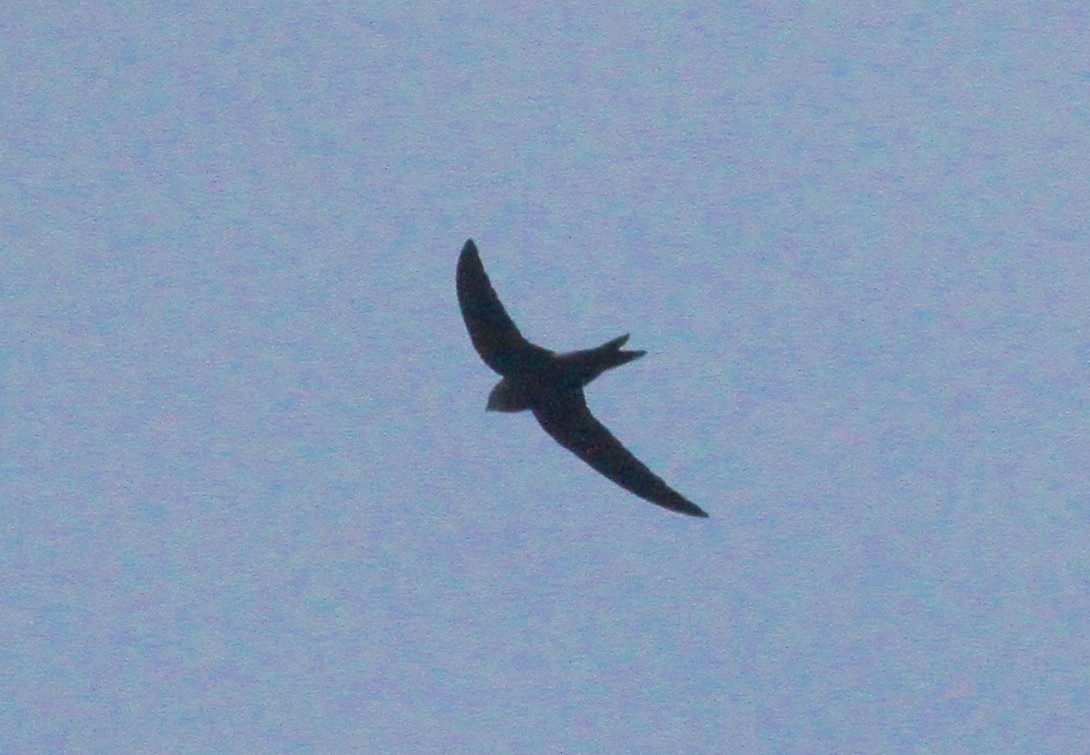
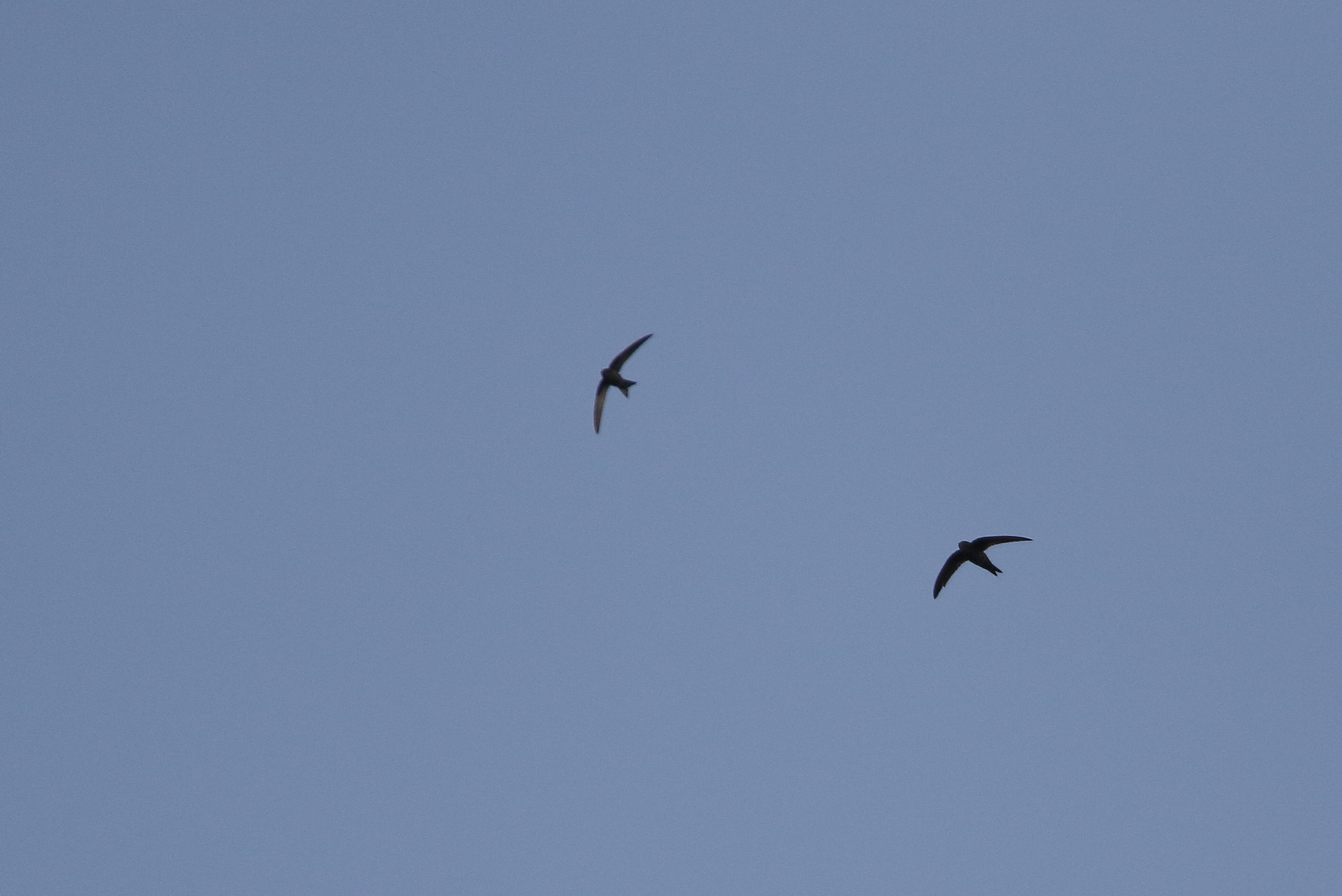
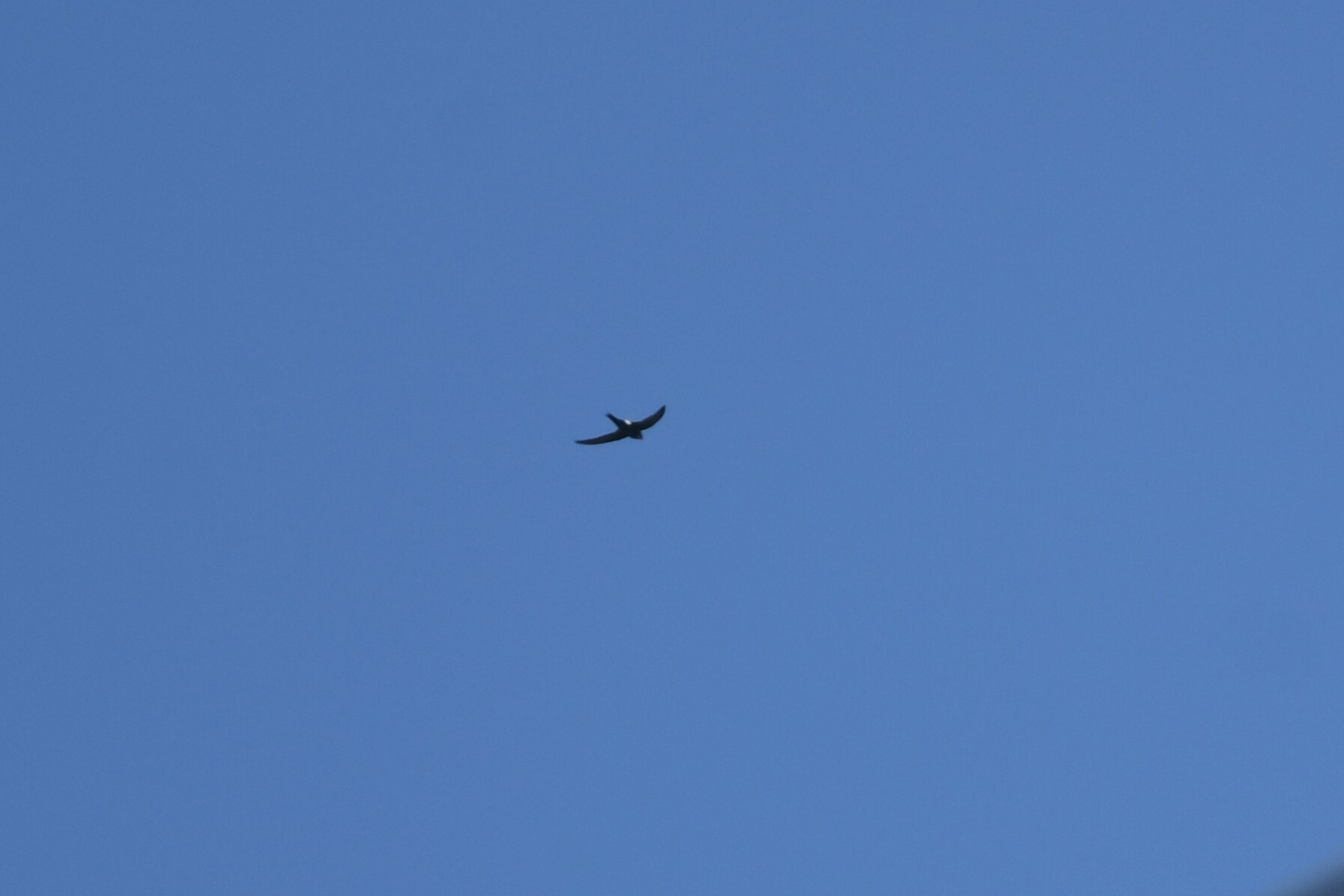
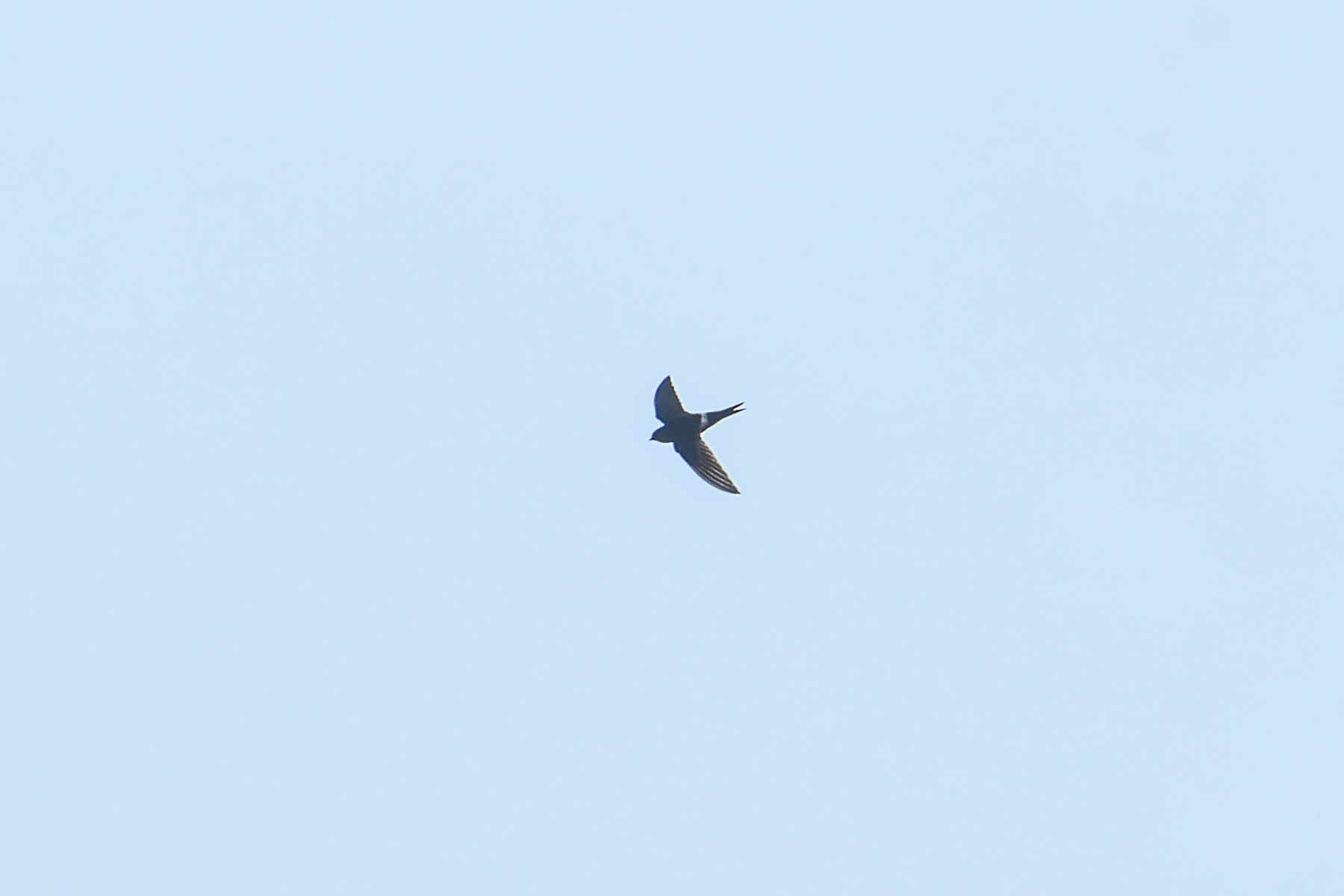
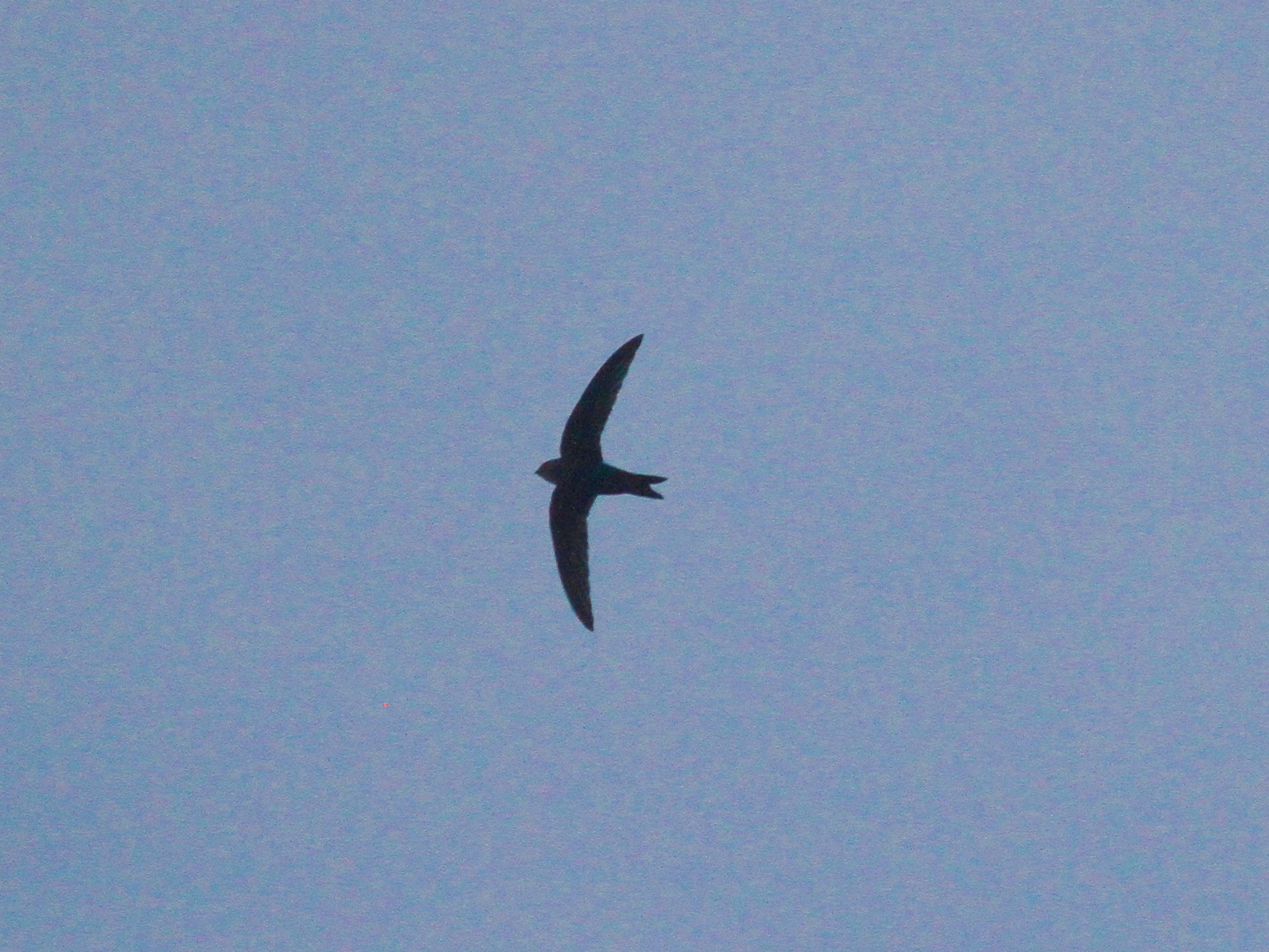
As a group, the four species descended from the historic Fork-tailed Swift designation share typical swift characteristics: streamlined bodies, long curved wings, and forked tails that give the group its descriptive name. They are medium to large swifts with predominantly dark plumage, often showing white or pale rump patches and throat markings that vary among species. Body proportions and the depth of the tail fork provide key identification clues between the Pacific swift, Salim Ali's swift, Blyth's swift, and Cook's swift.
Identification
Distinguishing between the four species requires careful attention to wing shape, tail fork depth, and plumage patterns. Geographic location during observation provides important context, as each species has a distinct breeding range. The Pacific swift is the most widespread, while Salim Ali's swift, Blyth's swift, and Cook's swift have more restricted distributions in South and Southeast Asia.
Distribution & Habitat
The four descendant species have largely allopatric breeding distributions across Asia. The Pacific swift breeds in East Asia and Central Asia, while the other three species occupy overlapping ranges in South and Southeast Asia. All are migratory to varying degrees, with populations moving to different parts of Asia and potentially to Australasia during the non-breeding season.
Behavior & Ecology
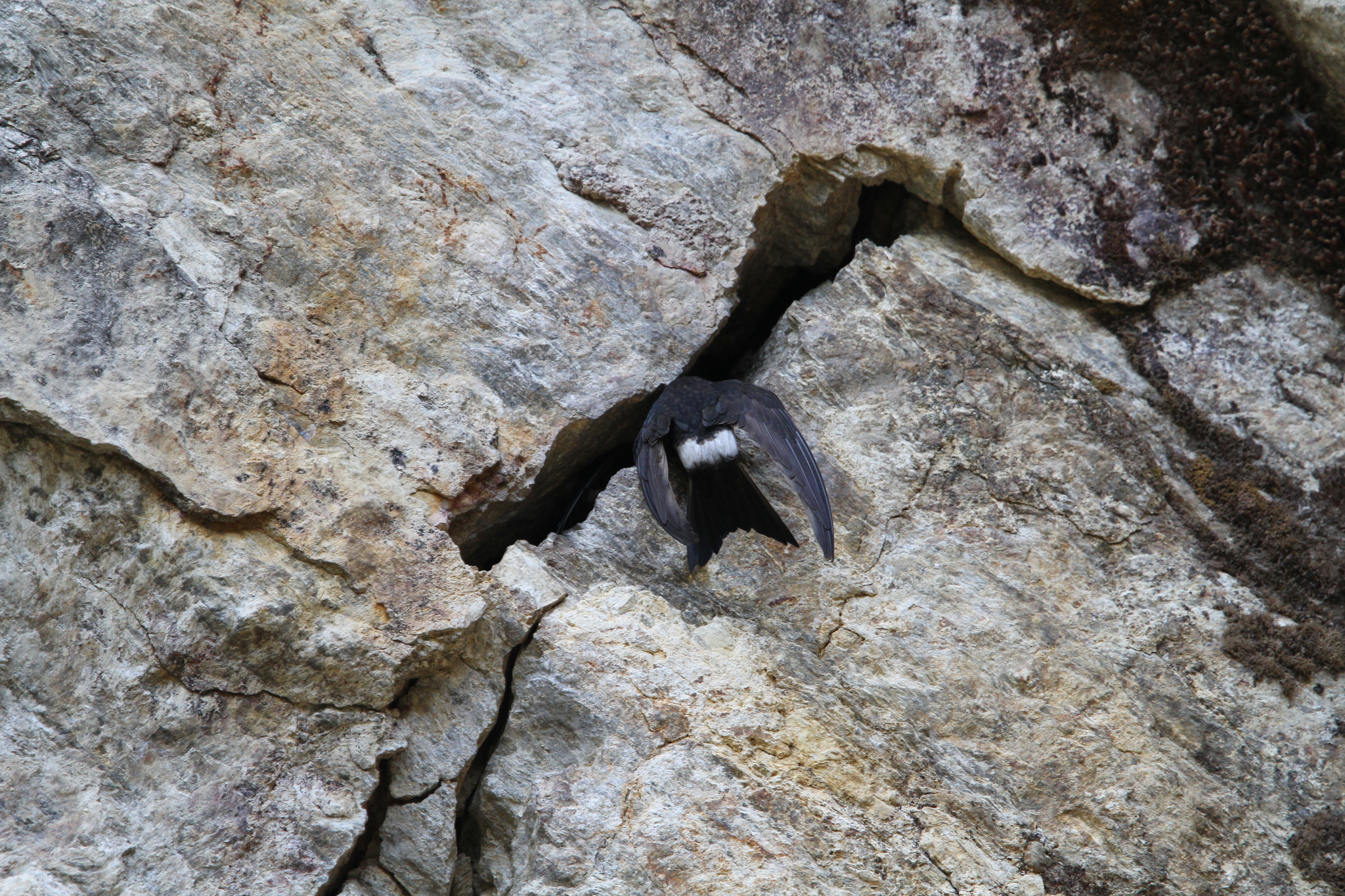
Like all swifts, these species are highly aerial, spending almost their entire lives on the wing. They feed on flying insects caught in flight and nest in cliff crevices, buildings, and sometimes tree hollows. Their vocalizations include typical swift screams and chatters, though specific call characteristics may differ among the four species.
Conservation
Population assessments vary by species. Some, like the Pacific swift, appear to have large populations and are listed as Least Concern by the IUCN. The rarer species with more restricted ranges face greater potential threats from habitat loss and degradation of their breeding and foraging environments.
Culture
The swift has long captured human imagination with its mastery of flight, though specific cultural associations vary by region and likely apply to the birds under their modern names rather than the historic grouping.
Source: Wikipedia · CC BY-SA 3.0
Taxonomy
- Order
- Apodiformes
- Family
- Apodidae
- Genus
- Apus
- eBird Code
- fotswi1
Vocalizations
Subspecies (5)
-
Apus pacificus cooki
lowland Myanmar, Thailand, Vietnam, southern Yunnan, and Guangxi (southwestern and southeastern China); winters at least to Peninsular Malaysia
-
Apus pacificus kanoi
breeds southern Japan, eastern China, Taiwan, and northern Philippines (Batan Islands); winters in southeastern Asia
-
Apus pacificus leuconyx
breeds outer Himalayas and Assam Hills; winters in India
-
Apus pacificus pacificus
Siberia to Kamchatka, northern China, and northern Japan; winters Indonesia, Melanesia, and Australia (including Tasmania but not western deserts)
-
Apus pacificus salimalii
eastern Tibetan plateau, western Sichuan; winter range unknown
Data Sources
Species description from Wikipedia, licensed under CC BY-SA 3.0.
Bird images and sounds sourced from GBIF, contributed by citizen scientists worldwide under Creative Commons licenses.
Taxonomy data from AviList 2025.