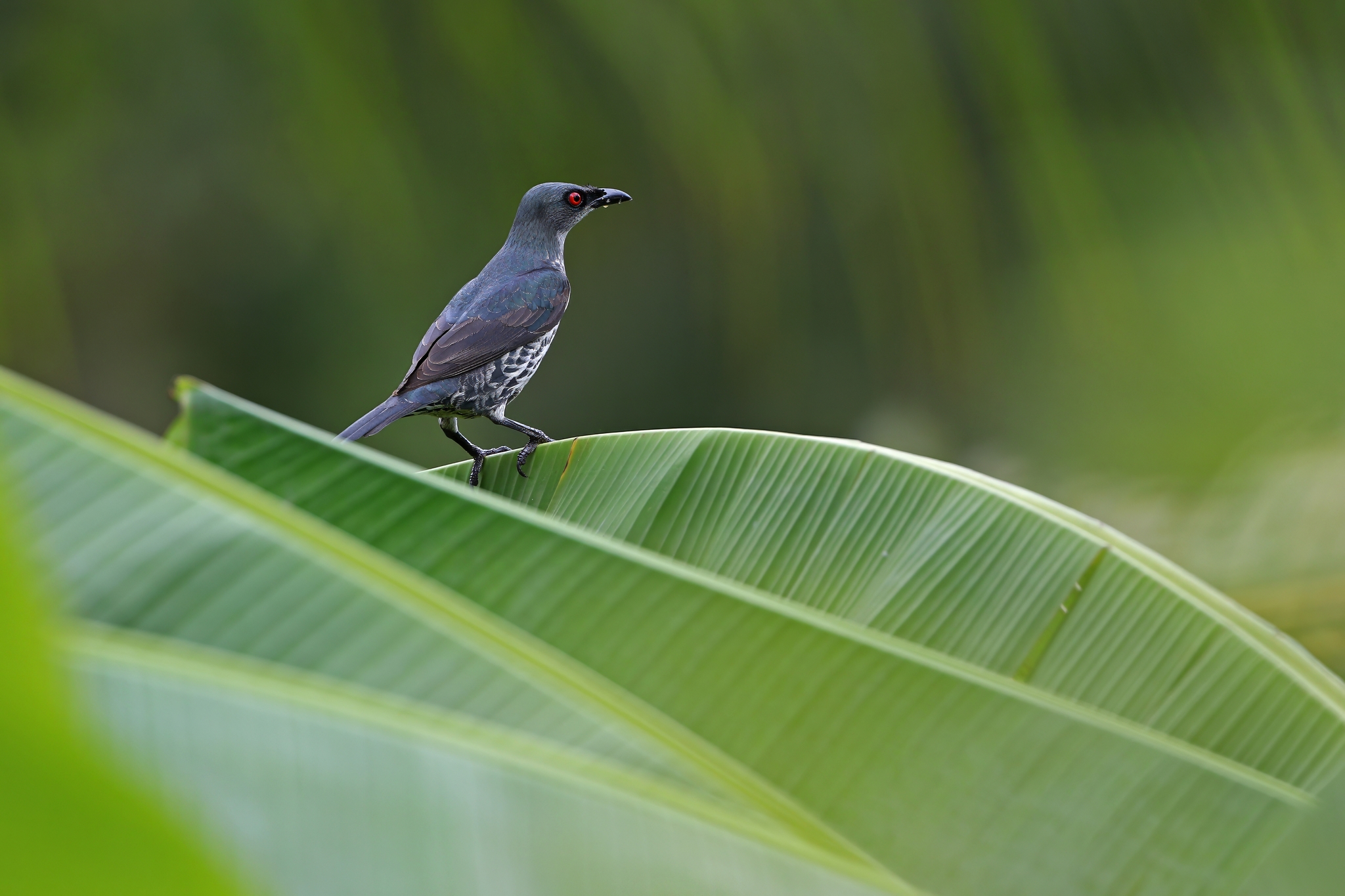
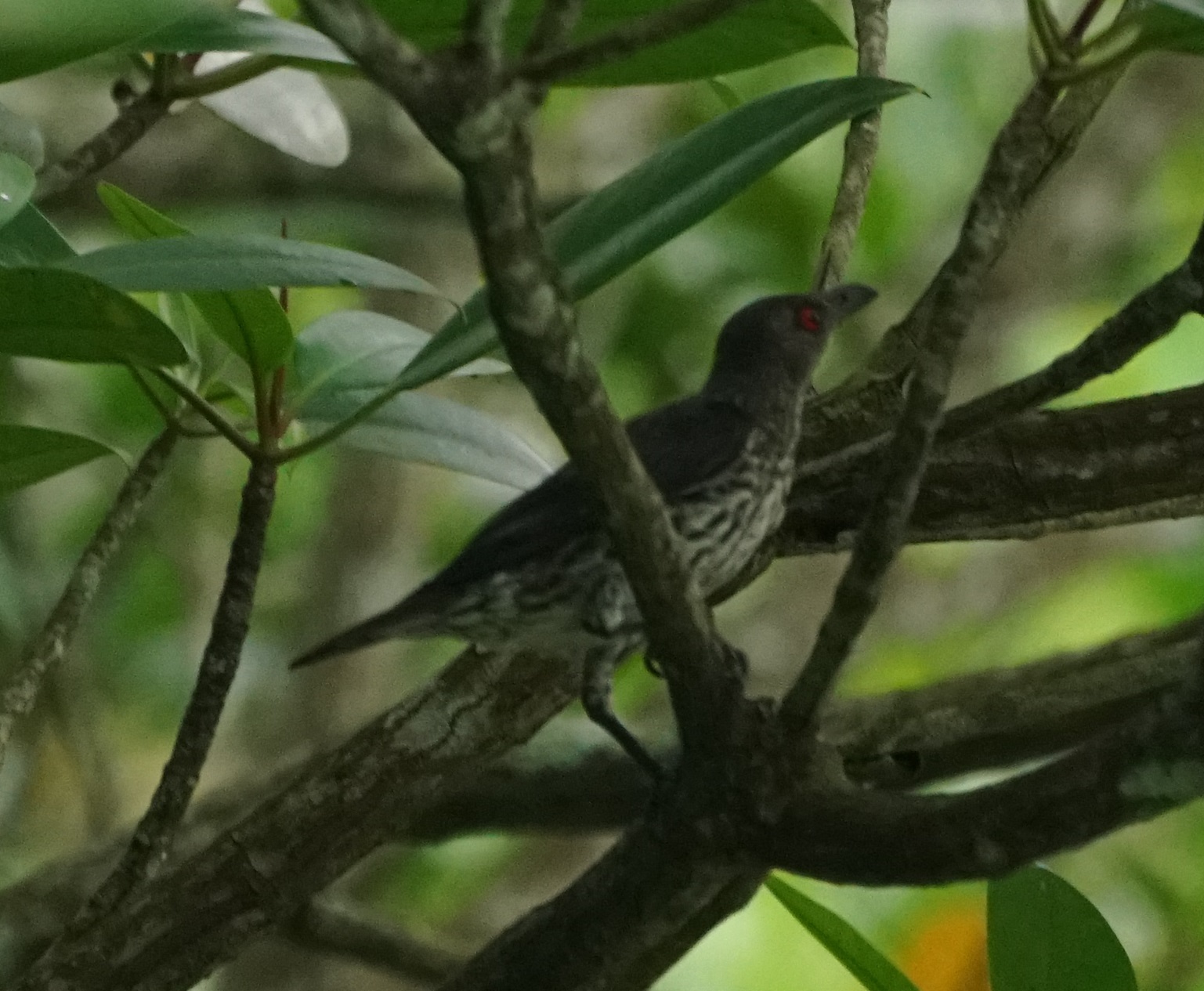
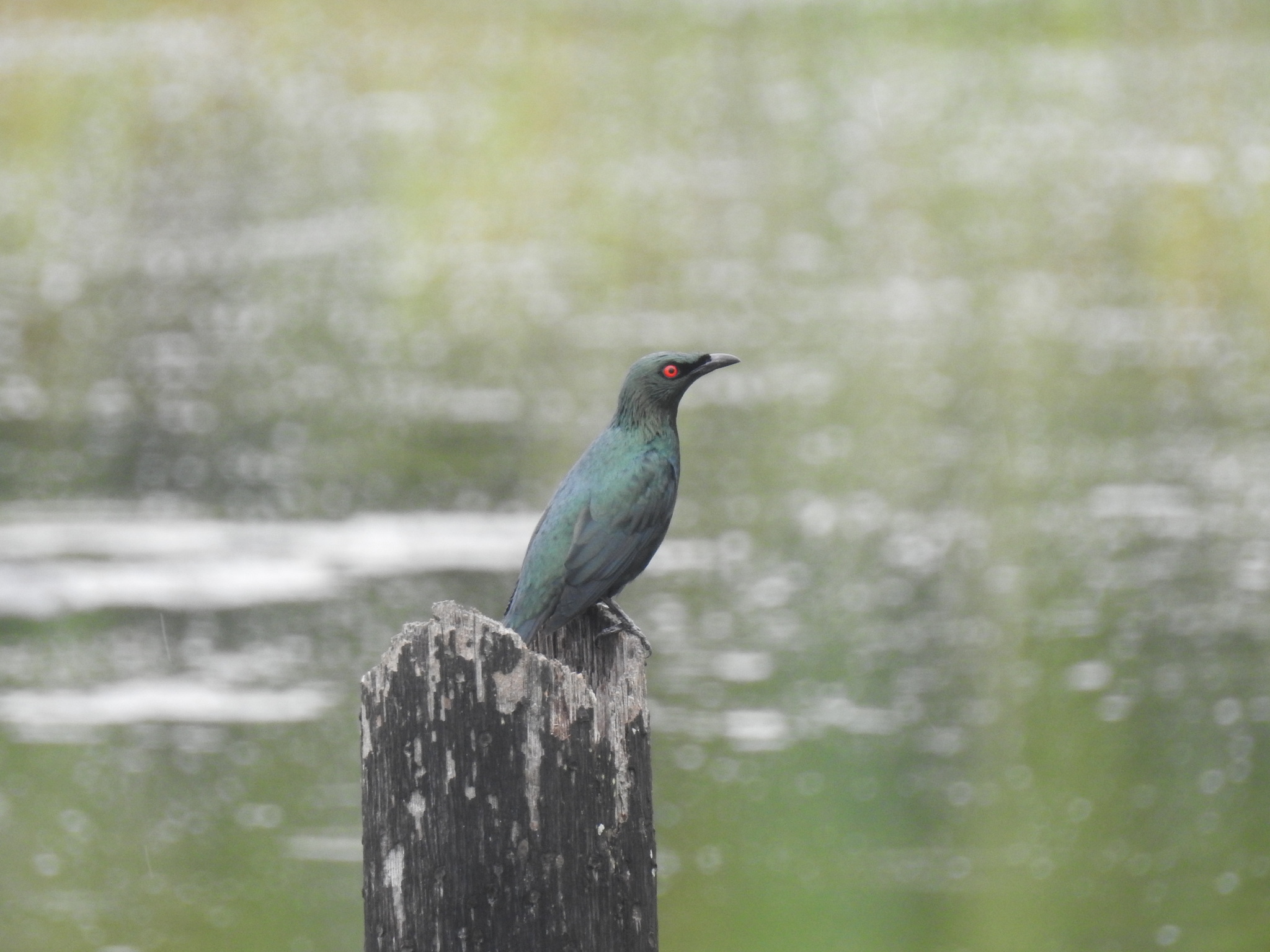
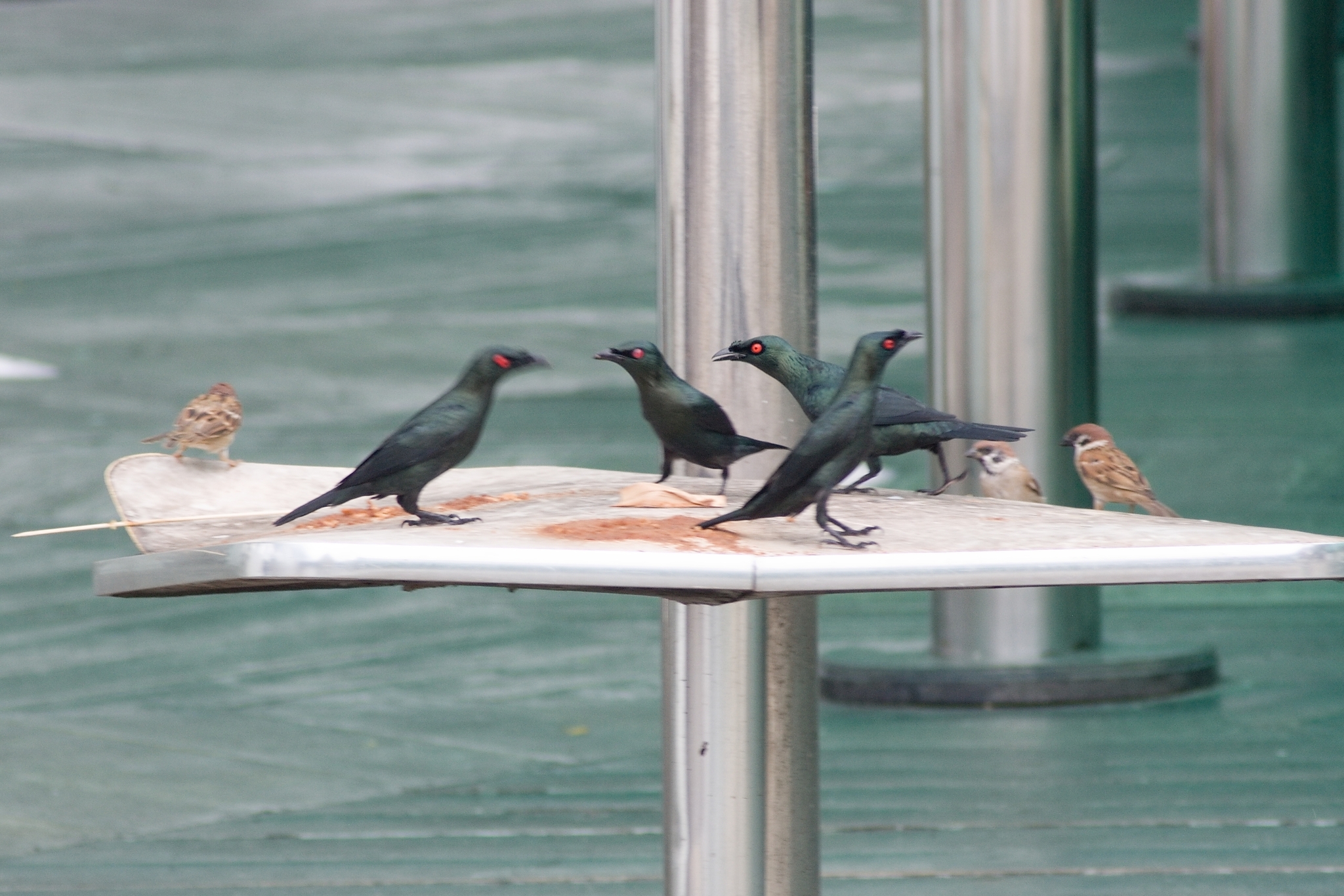
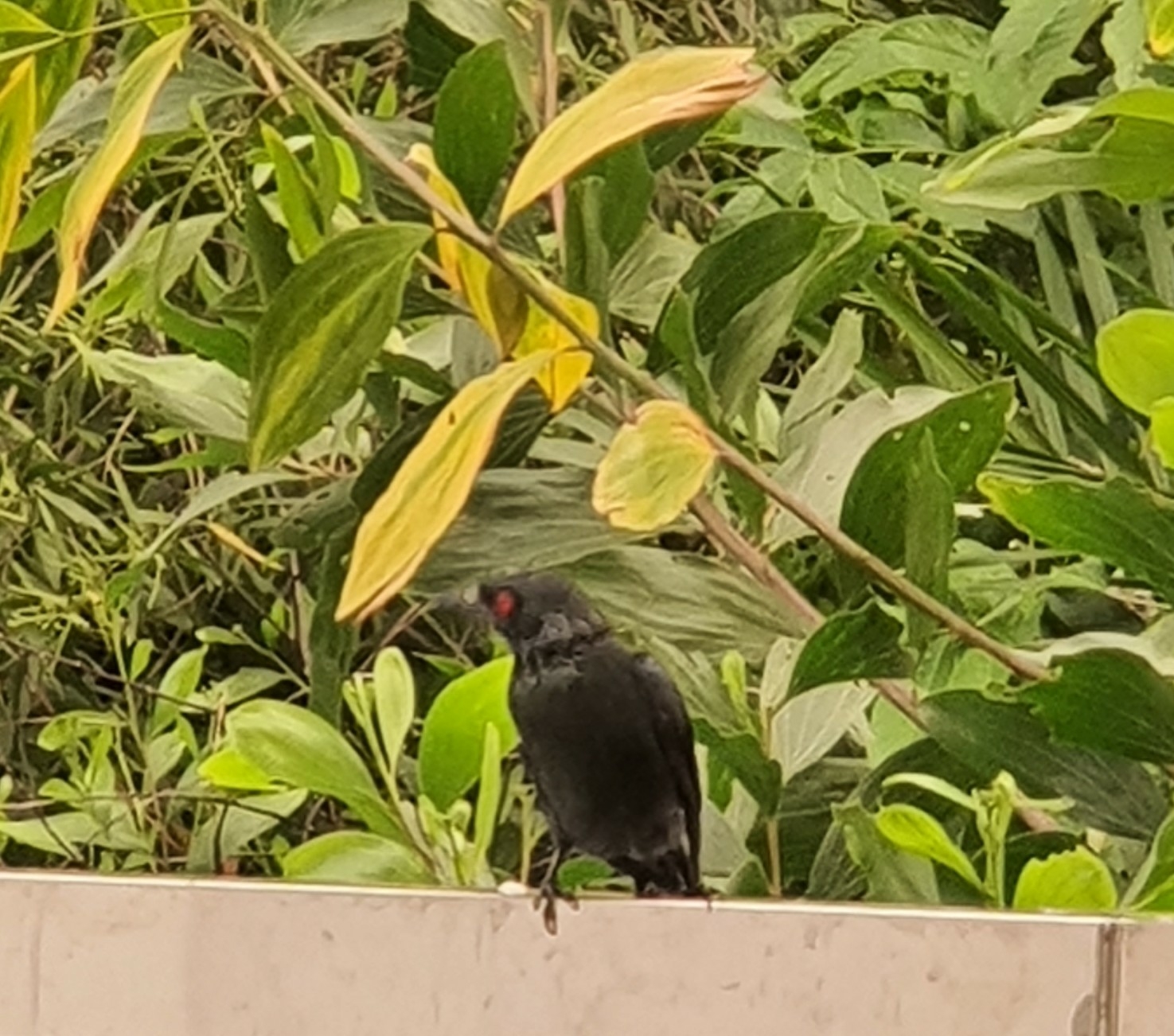
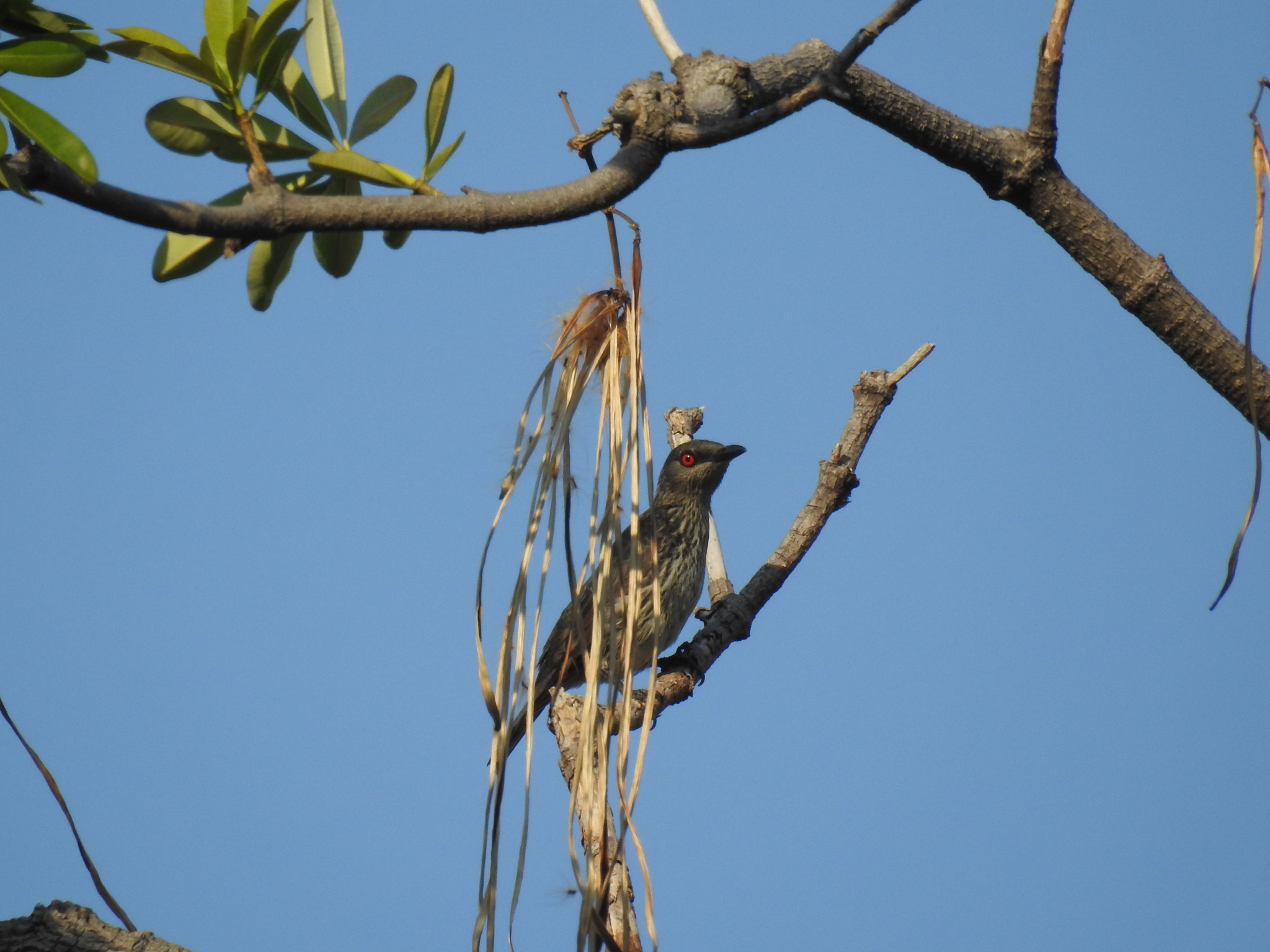
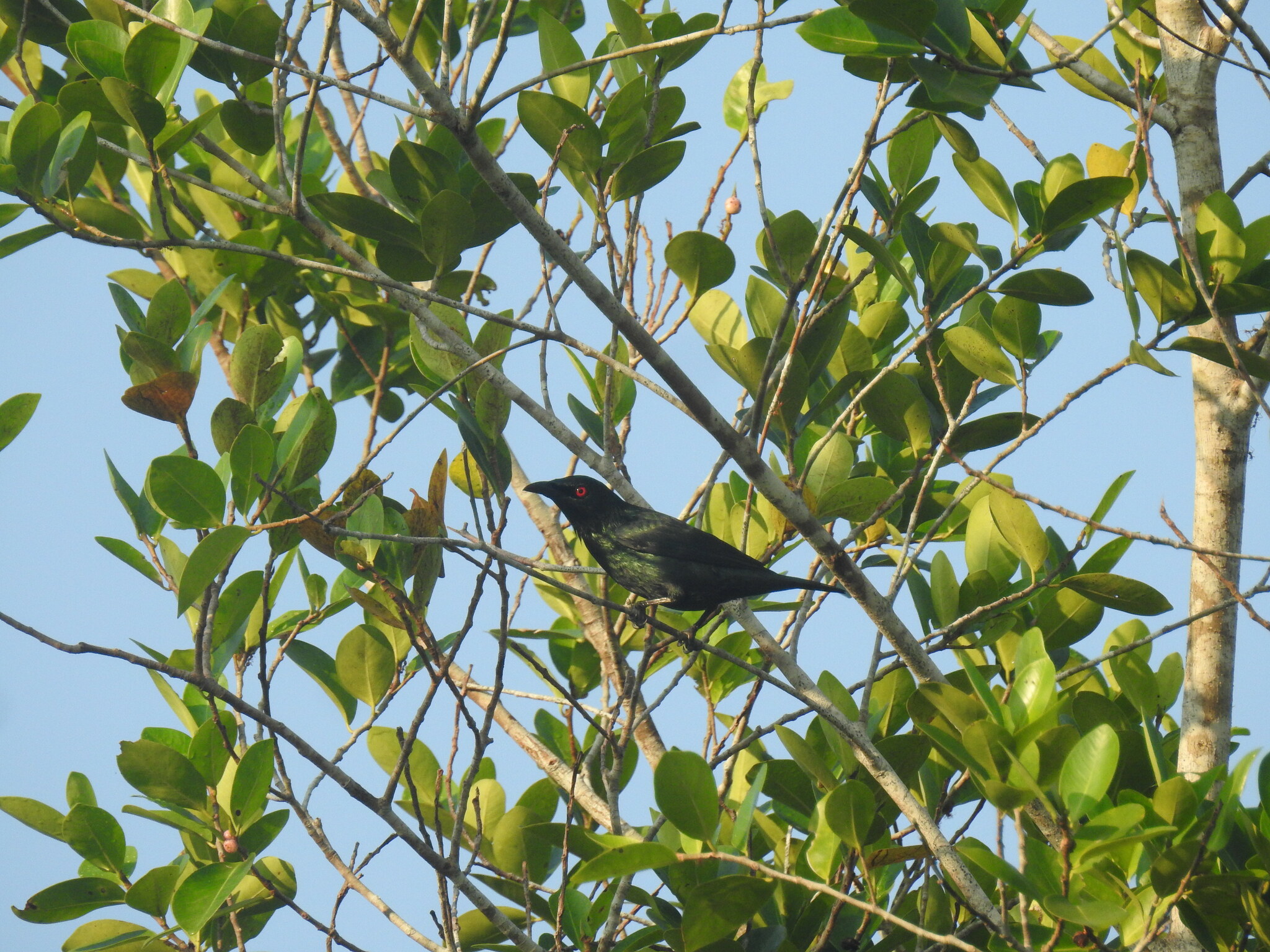
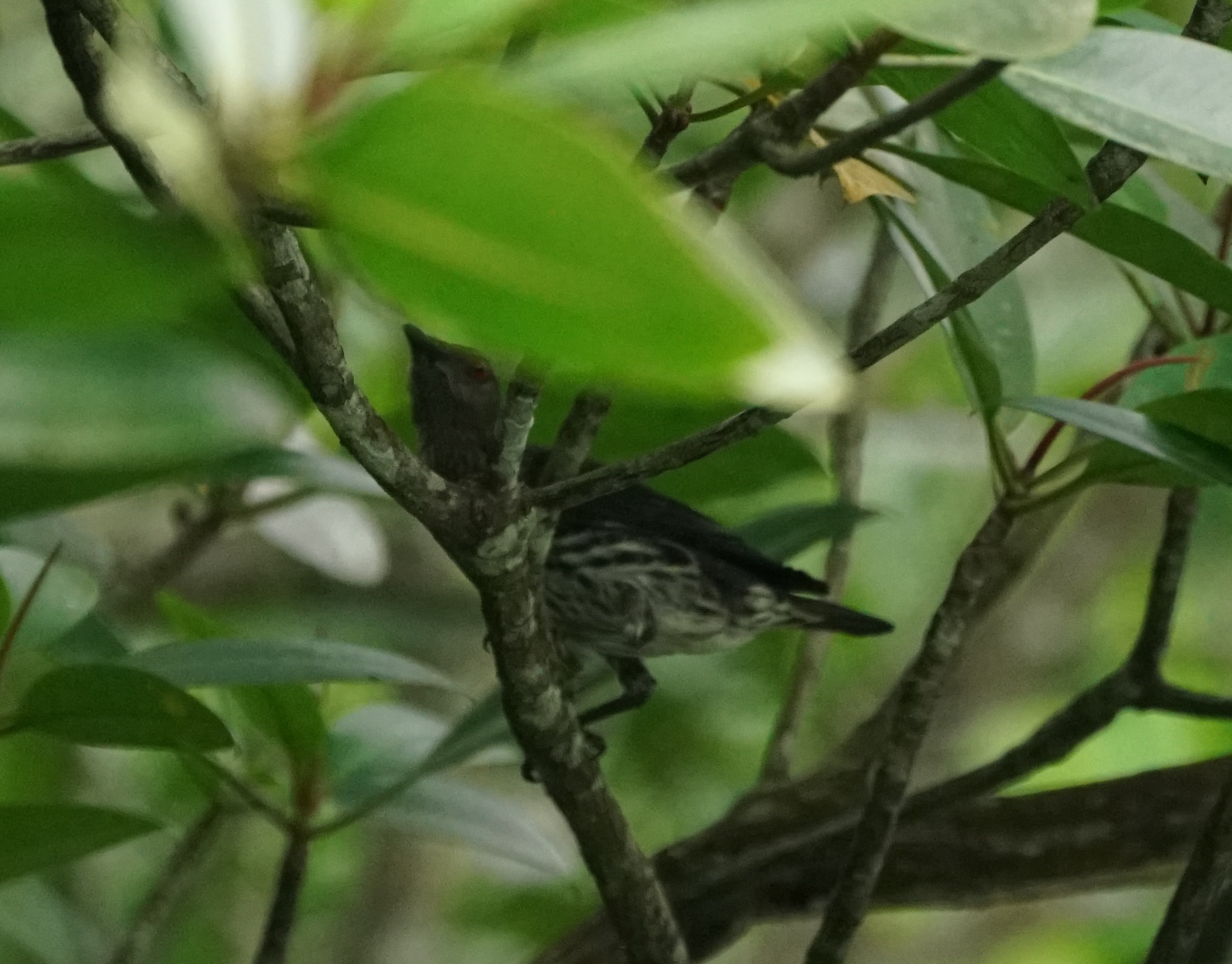
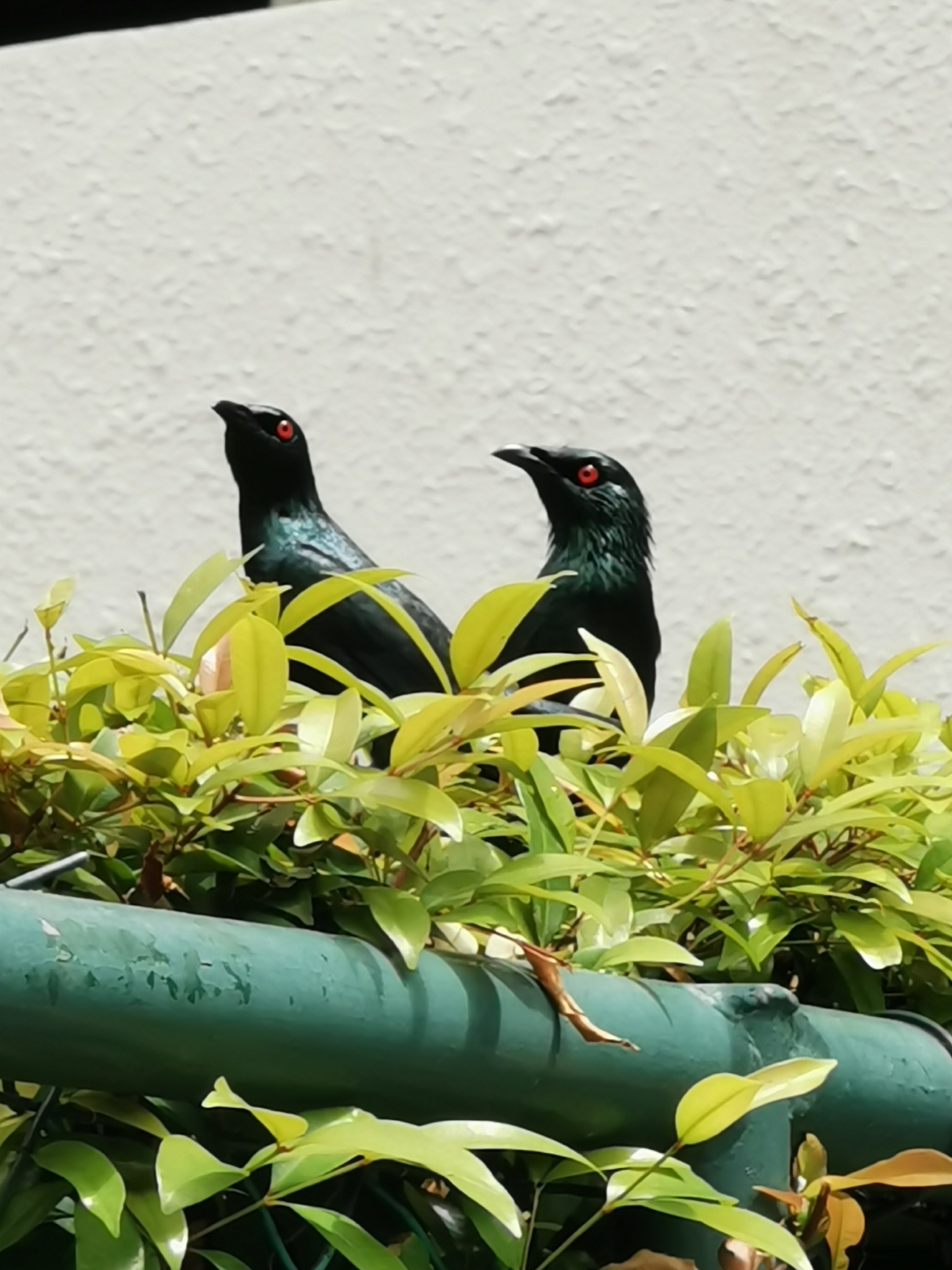
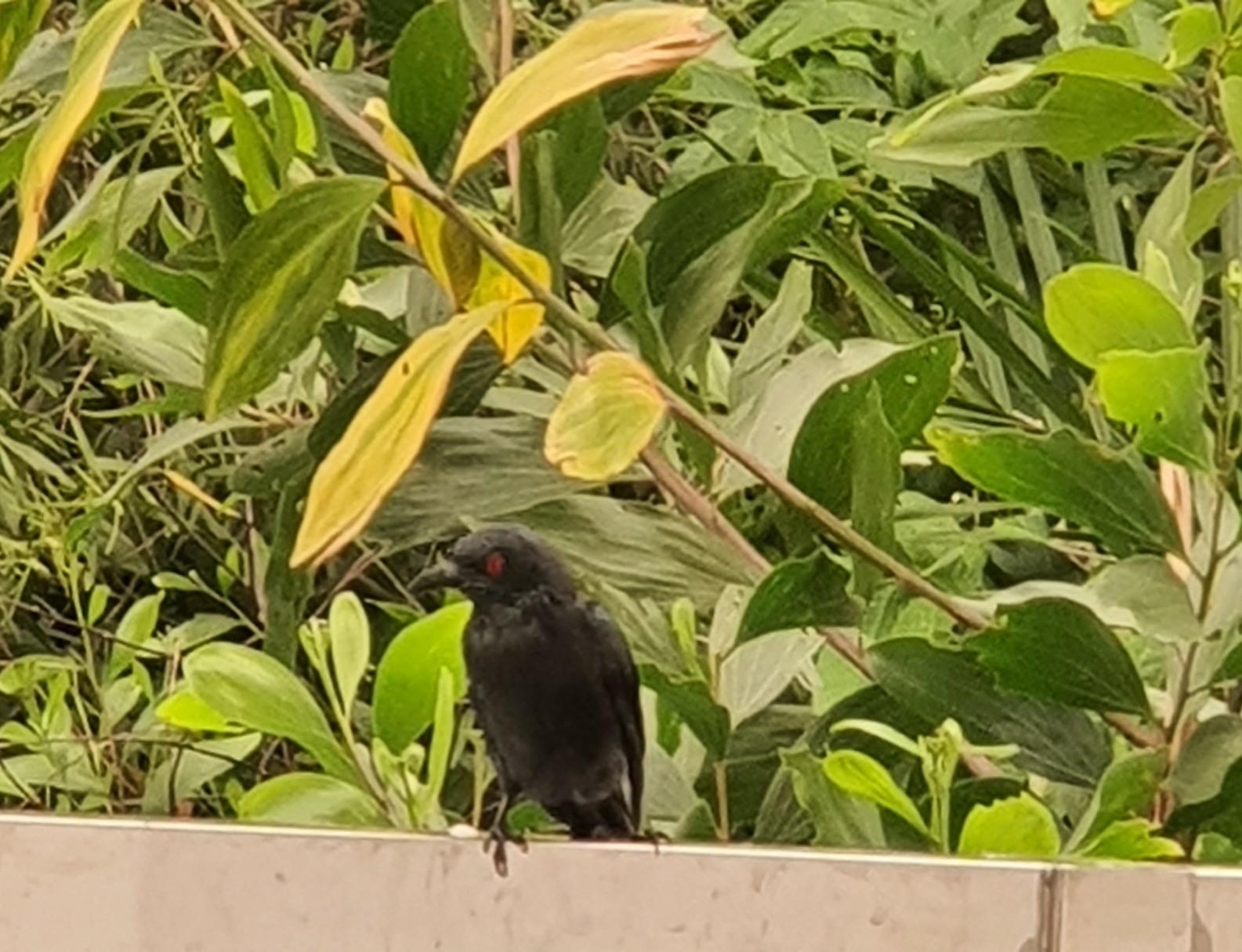
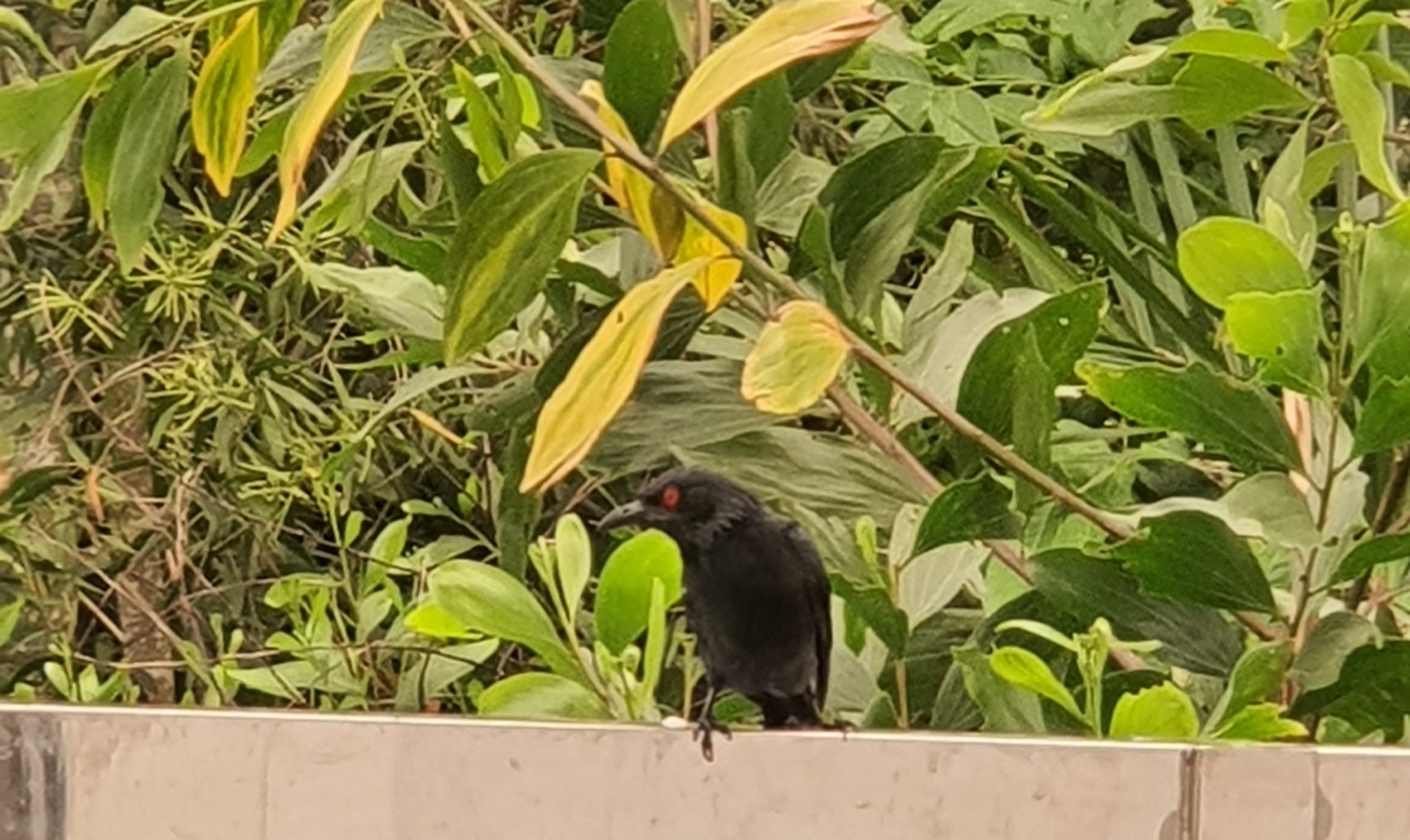
Asian Glossy Starling
Aplonis panayensis
亚洲辉椋鸟
Introduction
The common hill myna is a starling species found across South and Southeast Asia. It inhabits lowland forests, urban areas, towns, and cities, including buildings and ornamental trees. The species forms large, noisy flocks that gather in large numbers at dusk to roost. It is highly vocal, producing a variety of calls. It occupies an extensive range and adapts to human-modified landscapes.
Distribution & Habitat
This species occurs across Bangladesh, Brunei, India, Indonesia, Malaysia, Myanmar, the Philippines, Singapore, Cambodia, and Thailand, with an introduced population in Taiwan. It occupies subtropical and tropical moist lowland forests as well as mangrove forests, but is equally comfortable in urban and suburban areas where it exploits buildings, parks, and gardens. The species has benefited from human settlement and is now abundant in many cities throughout its range. Several subspecies are recognized across its vast geographic distribution, with different populations occupying various island groups and continental regions.
Behavior & Ecology
These birds are highly social, moving and feeding in large flocks that can number hundreds of individuals. Their gregarious nature extends to roosting, where thousands may gather in communal sleeping sites. They are considered one of the noisiest starling species, producing frequent vocalizations that include whistles, chatters, and other calls used to maintain group contact and issue alarms. In urban areas, their noisy gatherings often draw attention from residents. The article does not provide details on specific diet or breeding behavior, but like other starlings, they are likely omnivorous and cavity-nesting.
Culture
In the Philippines, this bird is known locally as kulansiyang, galansiyang, or kuling-dagat. These common names reflect its widespread presence in Philippine communities, where it interacts regularly with human populations despite not being formally domesticated or ceremonially significant.
Source: Wikipedia · CC BY-SA 3.0
Taxonomy
- Order
- Passeriformes
- Family
- Sturnidae
- Genus
- Aplonis
- eBird Code
- asgsta1
Vocalizations
Subspecies (14)
-
Aplonis panayensis affinis
Assam to Bangladesh and Myanmar (Arakan Mountains)
-
Aplonis panayensis albiris
Great and central Nicobar islands
-
Aplonis panayensis alipodis
Panjang, Maratau, and Derawan islands (off eastern Borneo)
-
Aplonis panayensis altirostris
Simuelue, Banyak, and Nias islands (off western Sumatra)
-
Aplonis panayensis enganensis
Enggano Island (off southern Sumatra)
-
Aplonis panayensis eustathis
eastern Borneo
-
Aplonis panayensis gusti
Bali
-
Aplonis panayensis heterochlora
Anambas and Natuna islands (off Borneo)
-
Aplonis panayensis nesodramus
Babi (west of central Sumatra)
-
Aplonis panayensis pachistorhina
Batu and Mentawai islands (west of central Sumatra)
-
Aplonis panayensis panayensis
northern Sulawesi and Philippines
-
Aplonis panayensis sanghirensis
Talaud, Sangihe, Siau, Tahjlandang, Ruang, and Biaro islands
-
Aplonis panayensis strigata
Thai-Malay Peninsula, Sumatra, Java, and western Borneo
-
Aplonis panayensis tytleri
Andaman Islands and Car Nicobar Island
Data Sources
CBR Notes: 2022年2月26日,海南海口,钟忠柱
Species description from Wikipedia, licensed under CC BY-SA 3.0.
Bird images and sounds sourced from GBIF, contributed by citizen scientists worldwide under Creative Commons licenses.
Taxonomy data from AviList 2025.