American Pipit
Anthus rubescens
黄腹鹨
Introduction
The American pipit is a songbird species distributed across North America. It breeds in northern North America, including Arctic and alpine tundra regions, and the Rocky Mountains. Three subspecies are currently recognized, occupying different regions of northern North America and the Rocky Mountains. Wintering habitat includes open fields, agricultural areas, and coastal plains. The species was formerly classified as a form of water pipit, and the Siberian pipit was once considered a subspecies before being split into its own species. It performs aerial displays during courtship and forms large migratory flocks outside the breeding season. The wintering range has expanded northward in recent decades.
Description
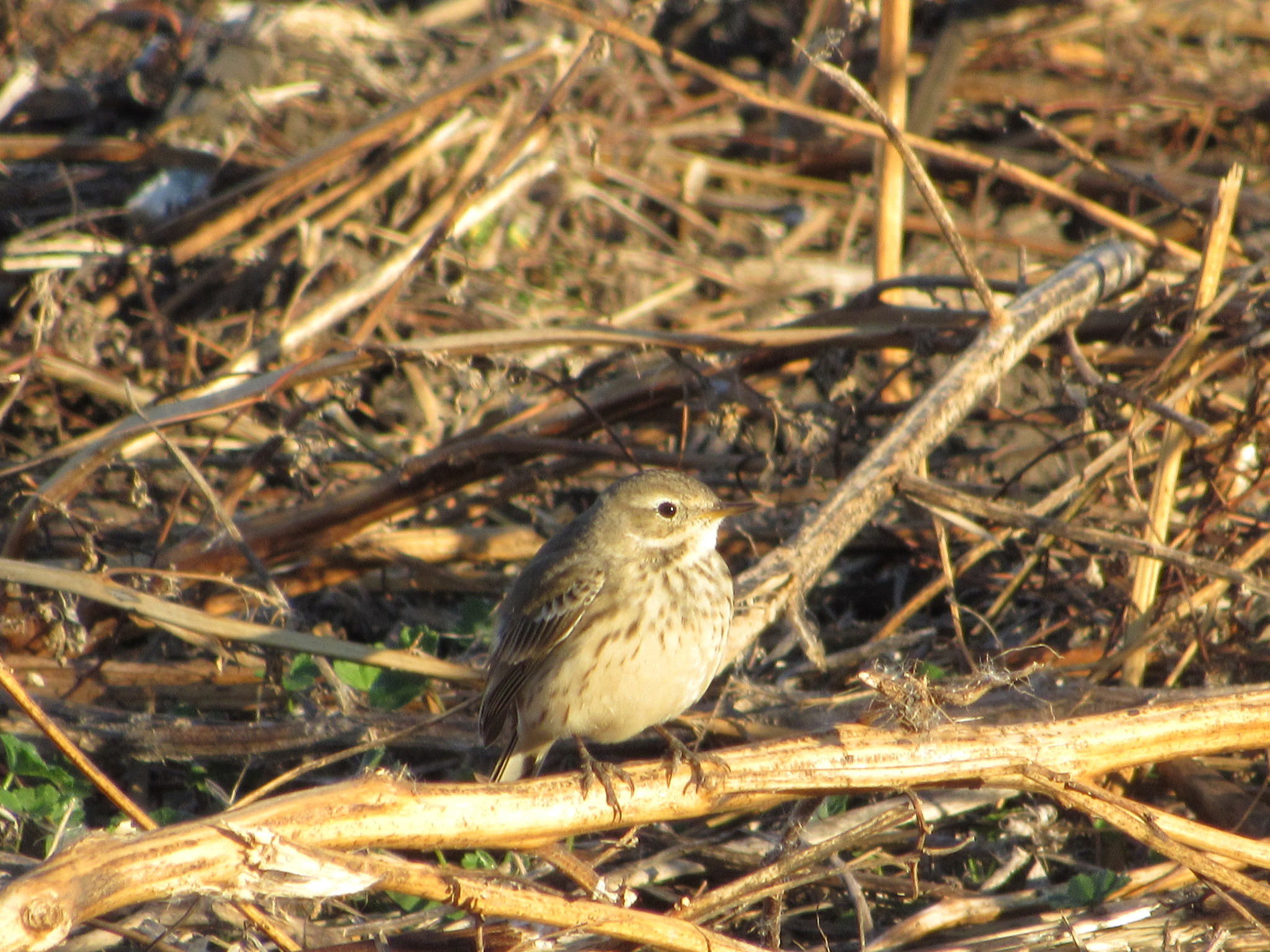
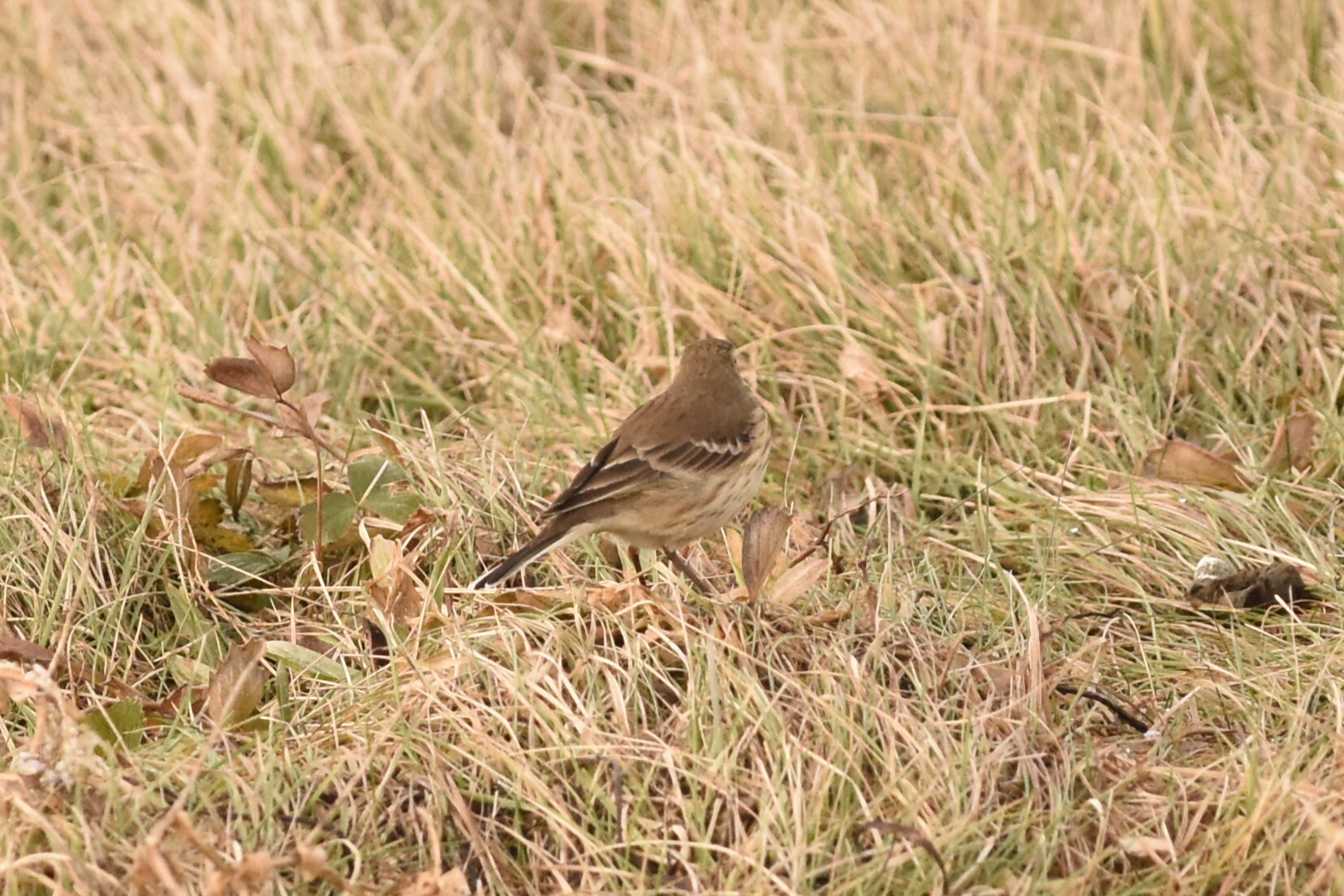
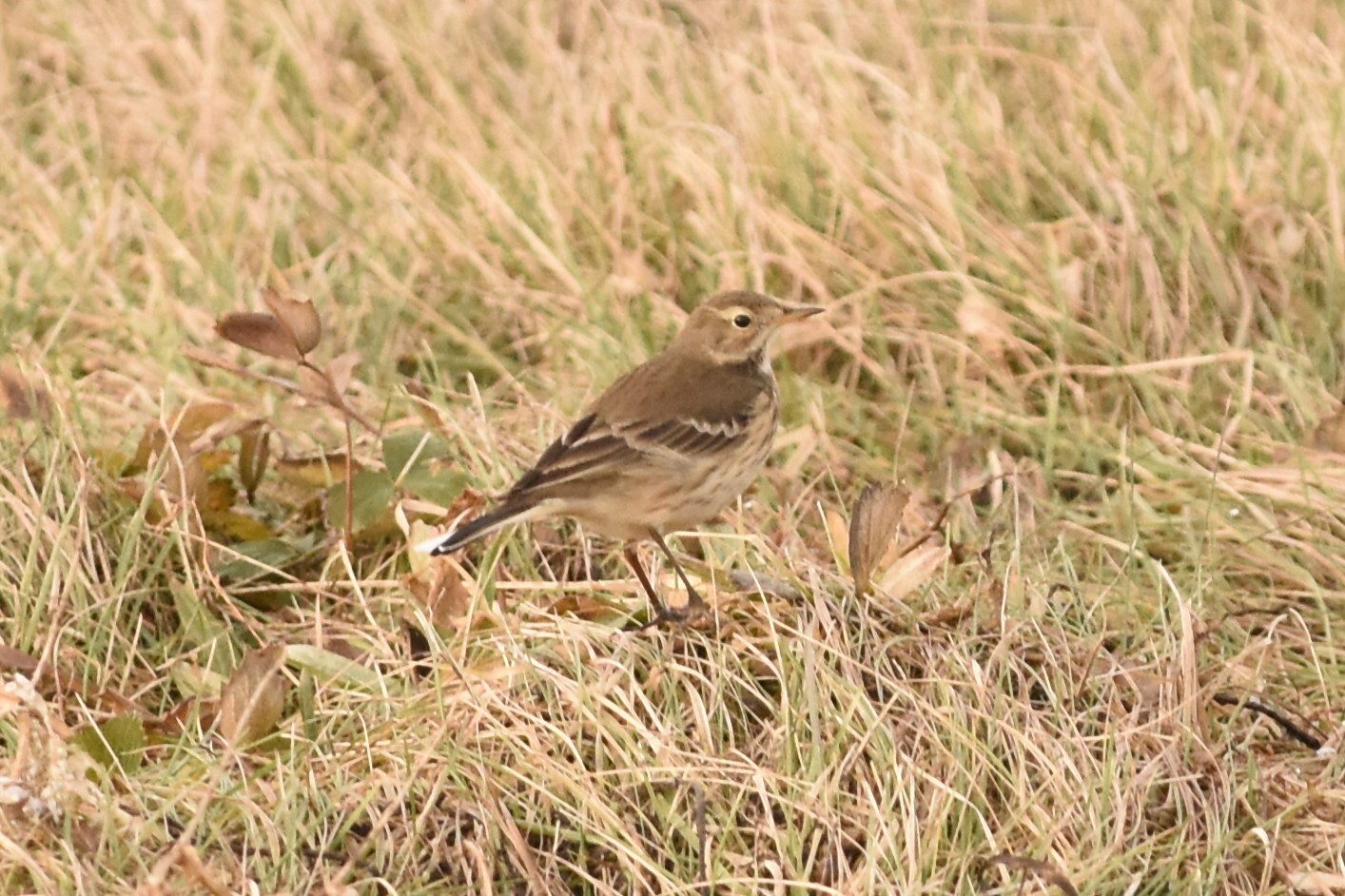
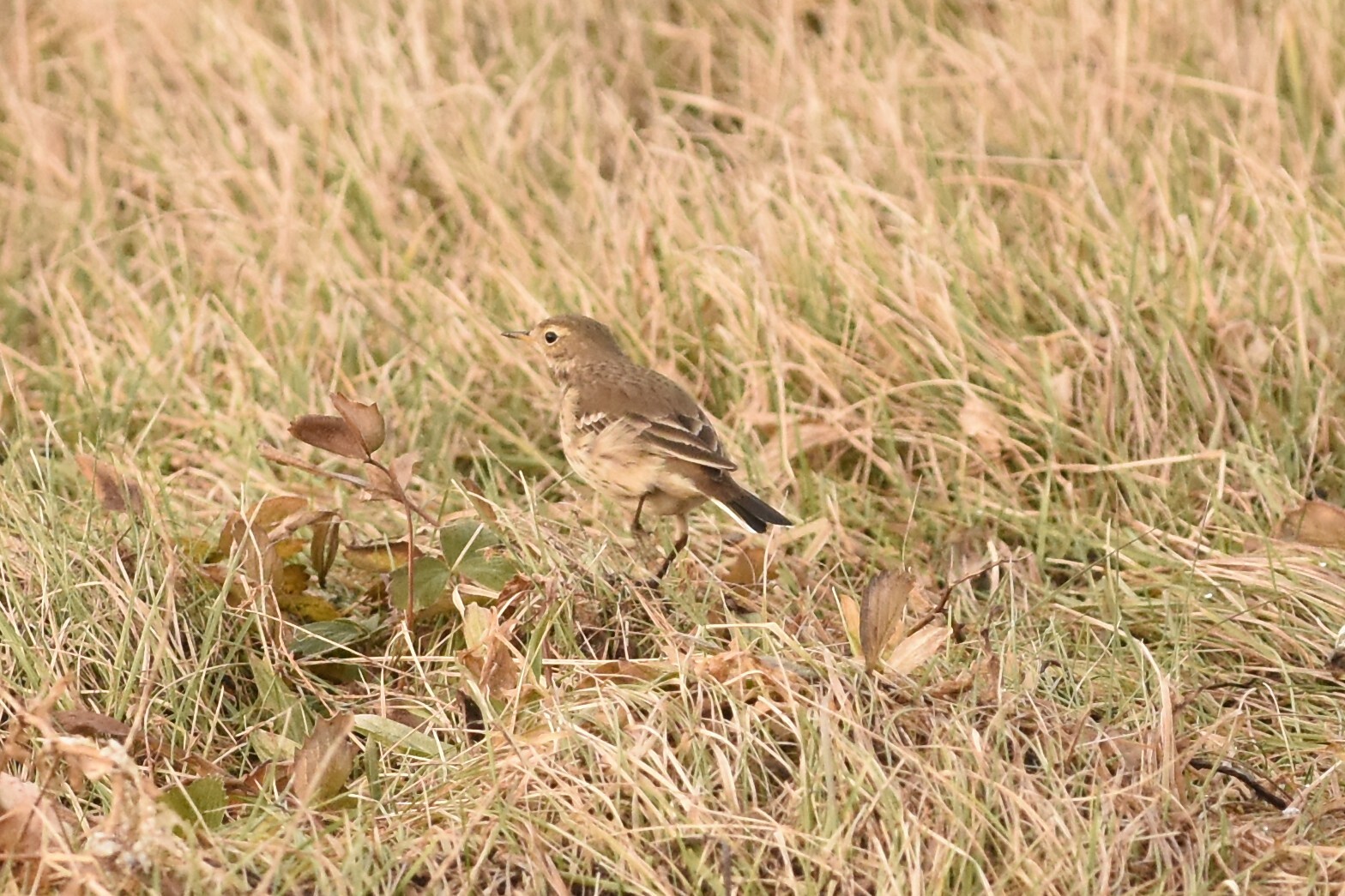
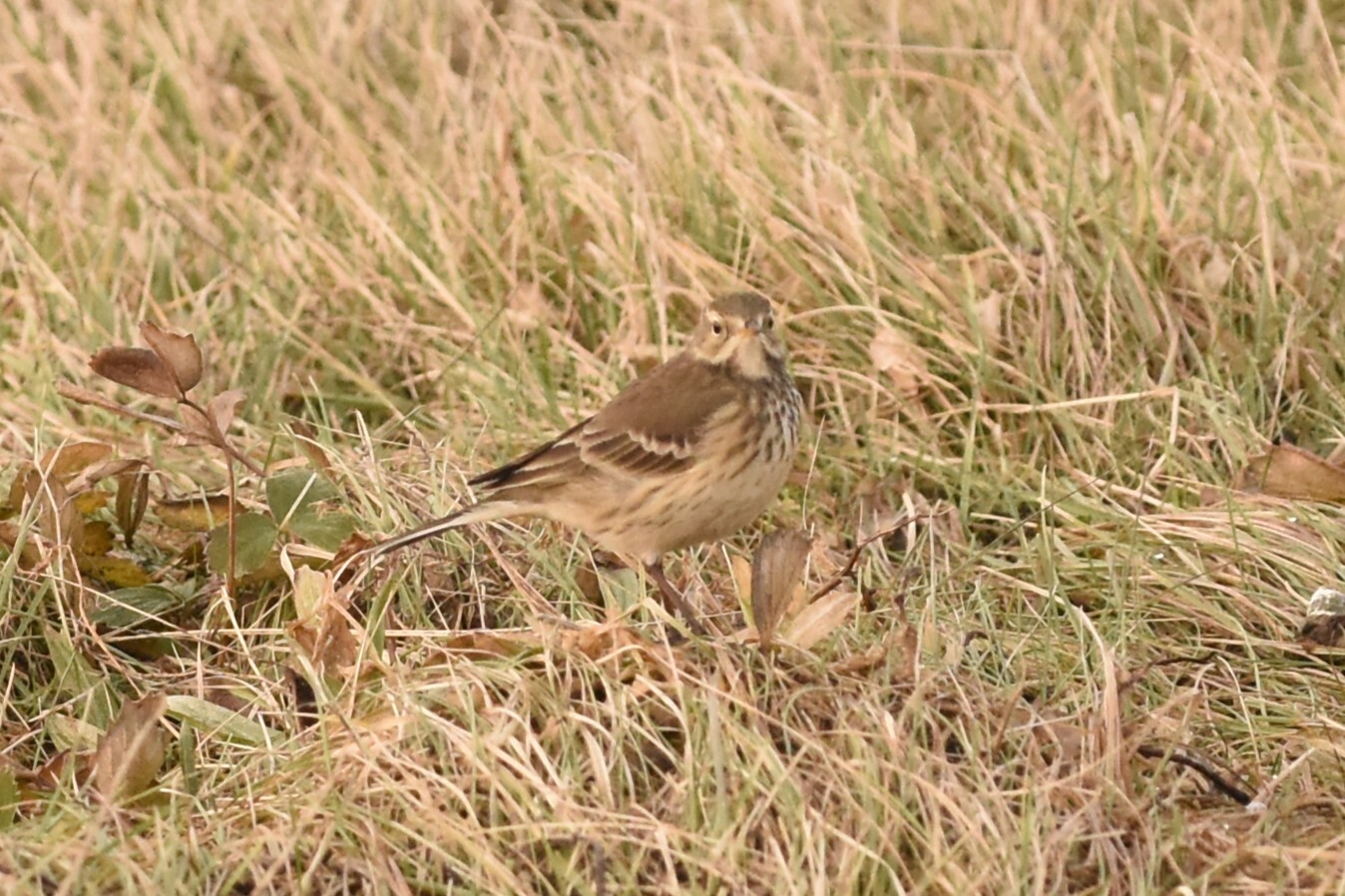
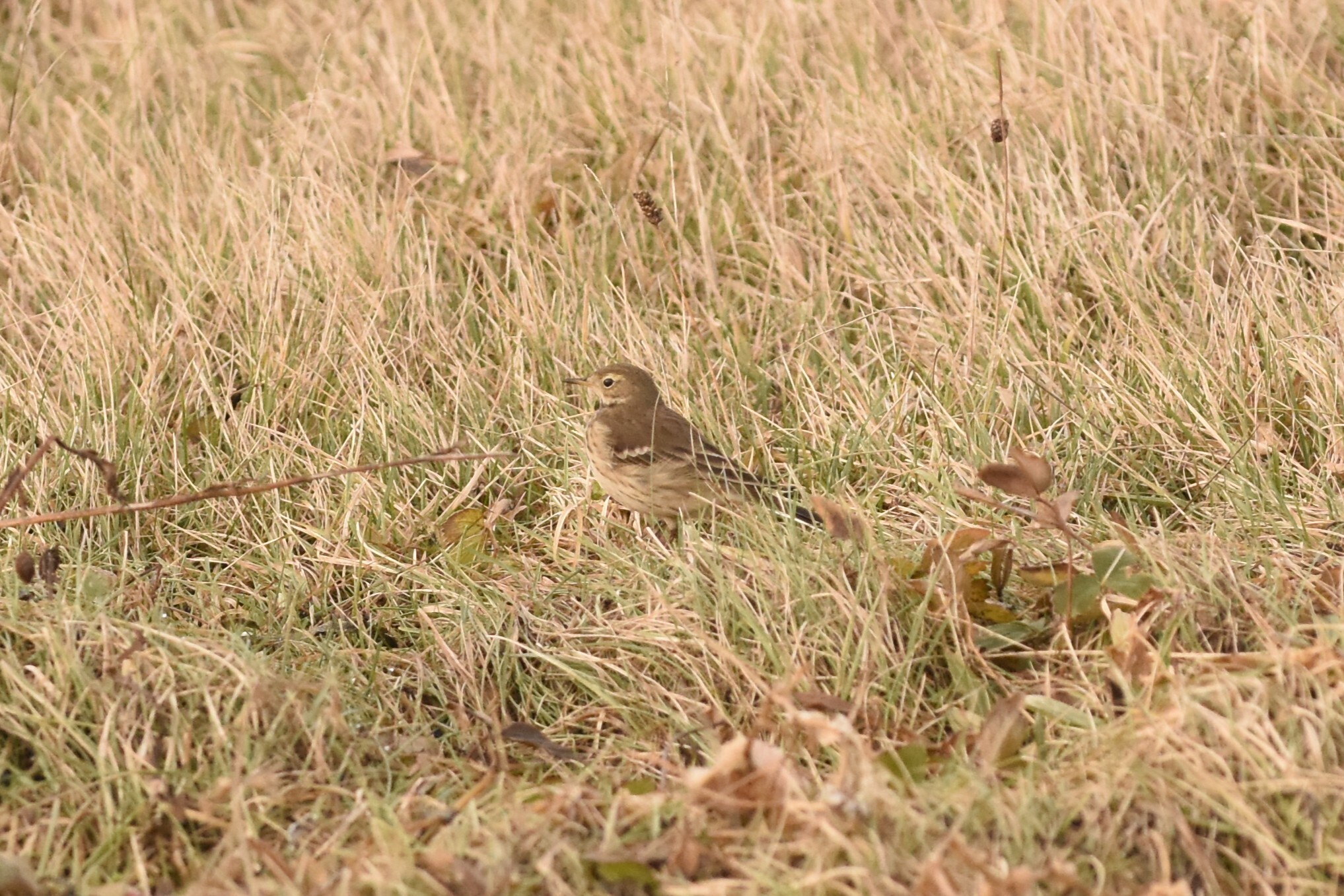
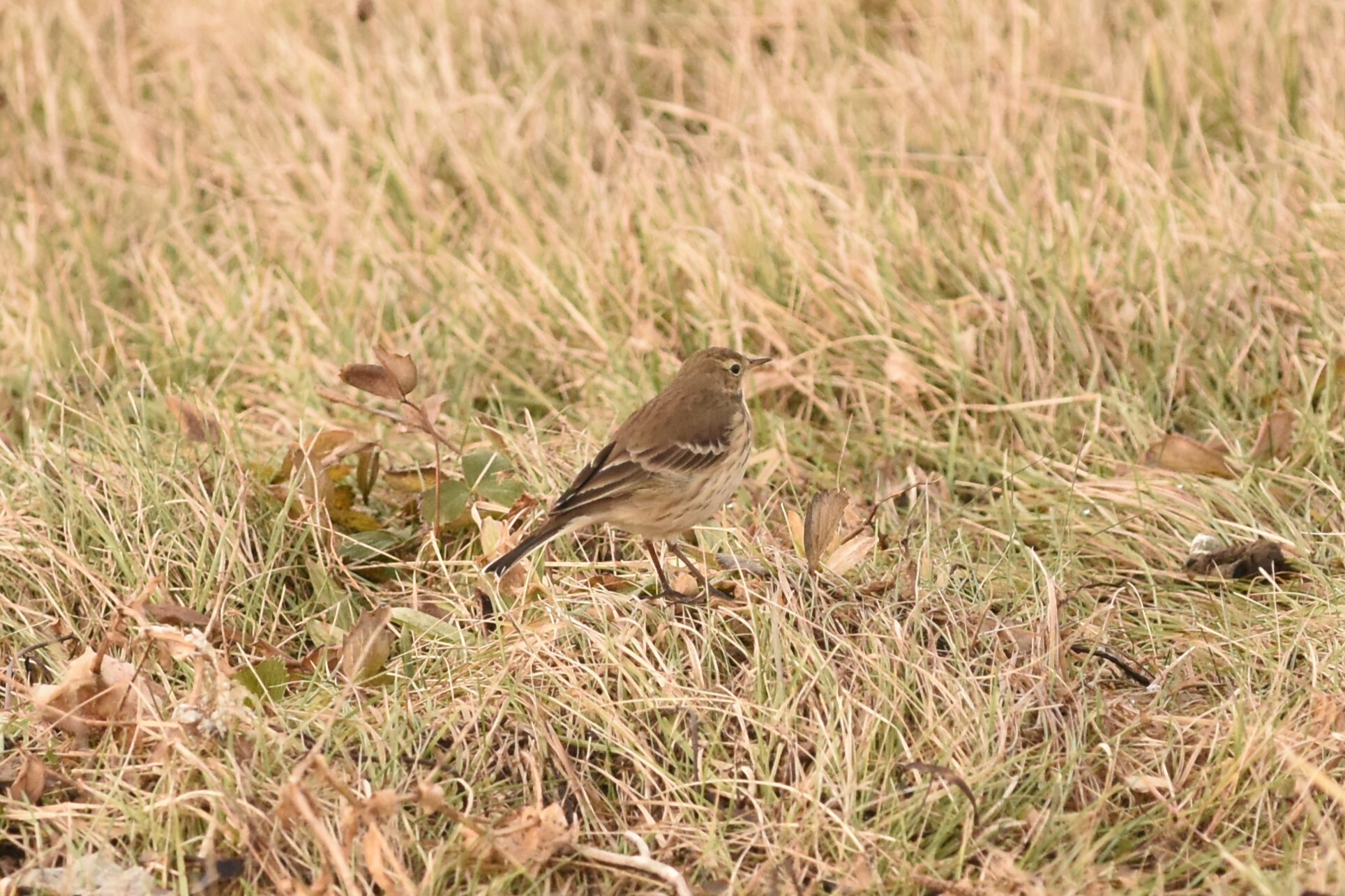
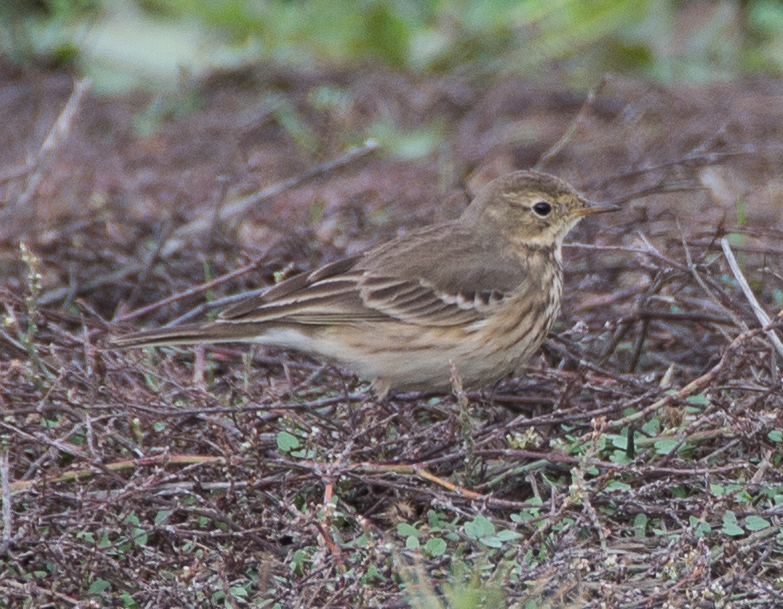
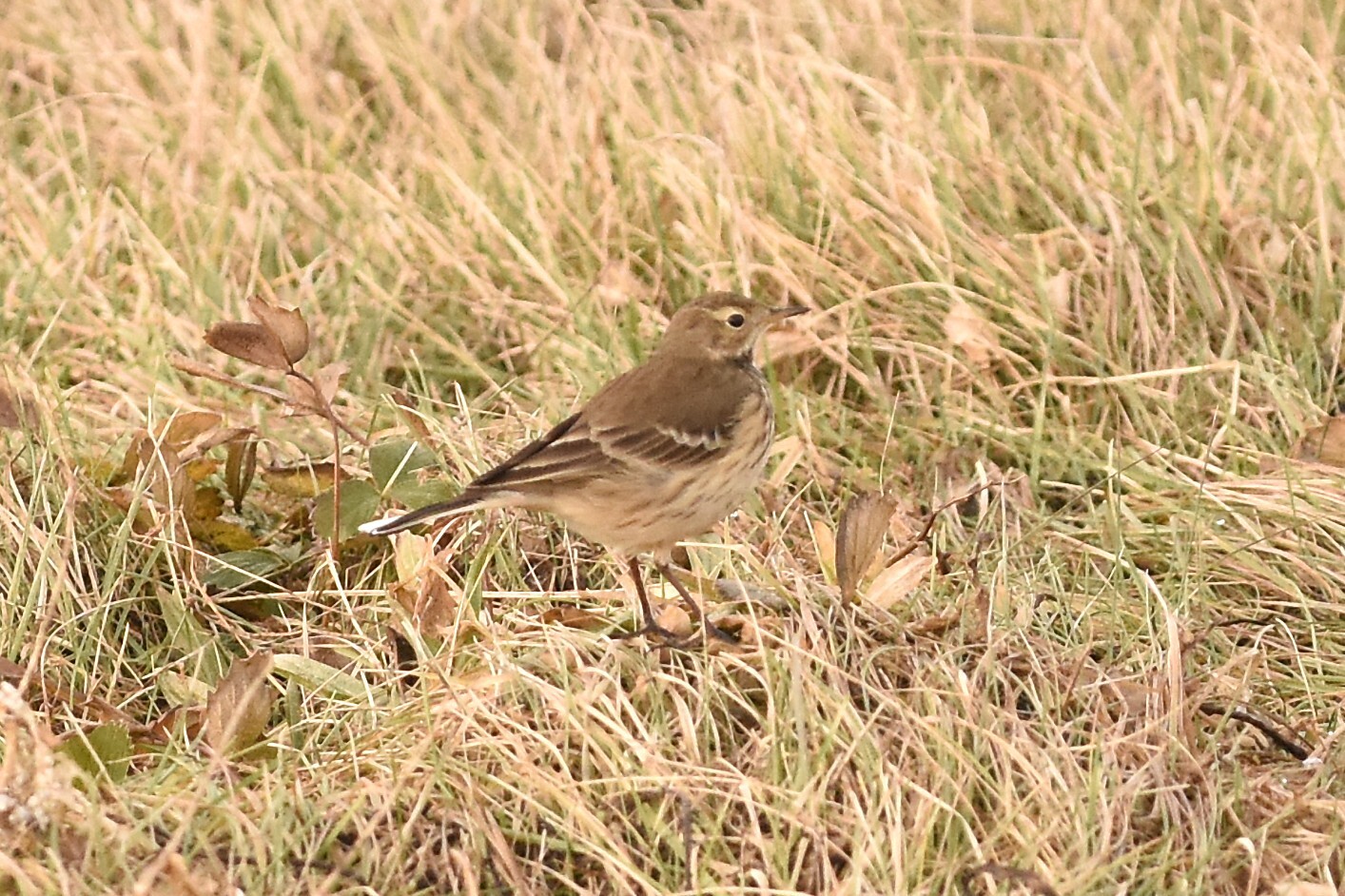
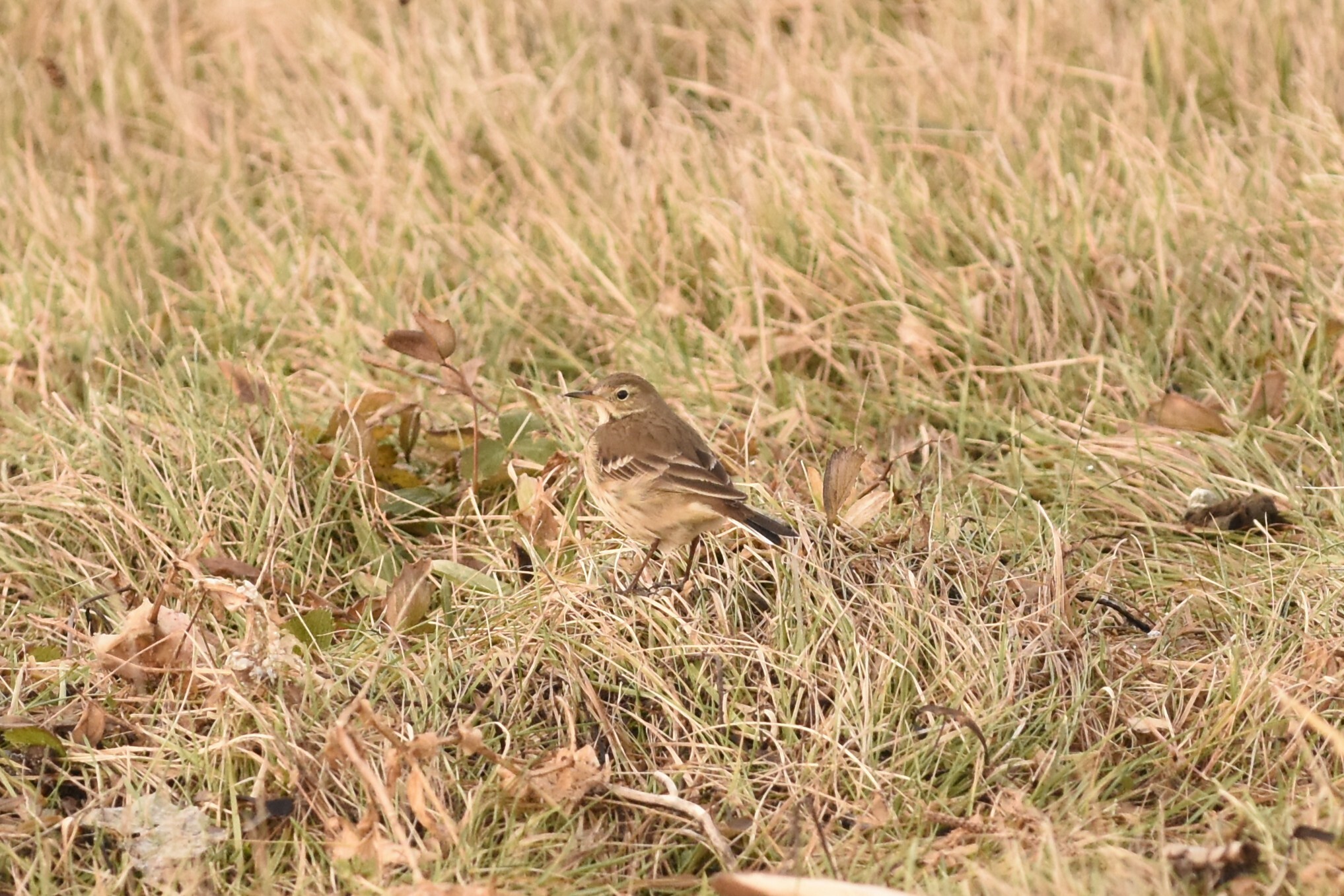
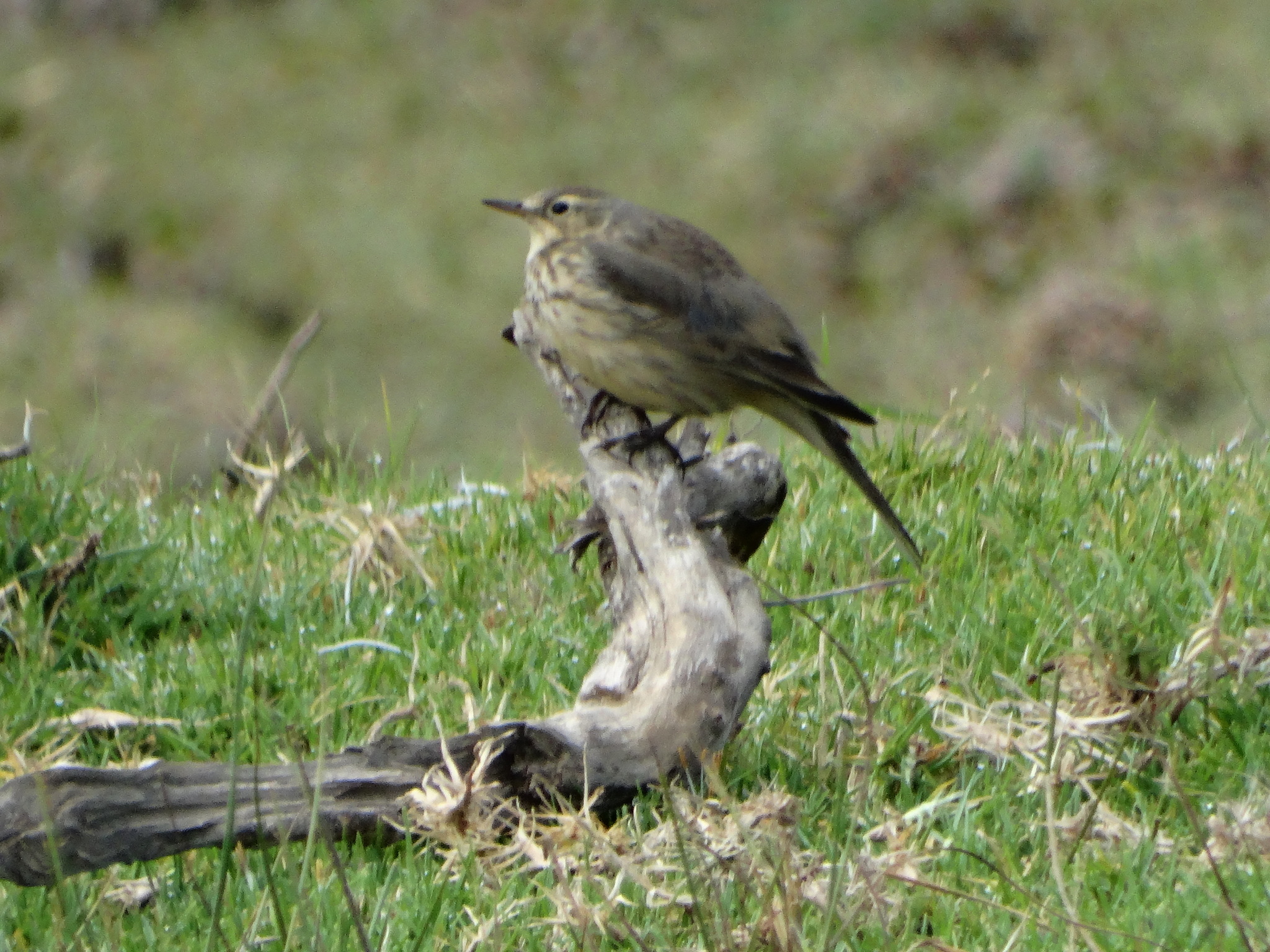
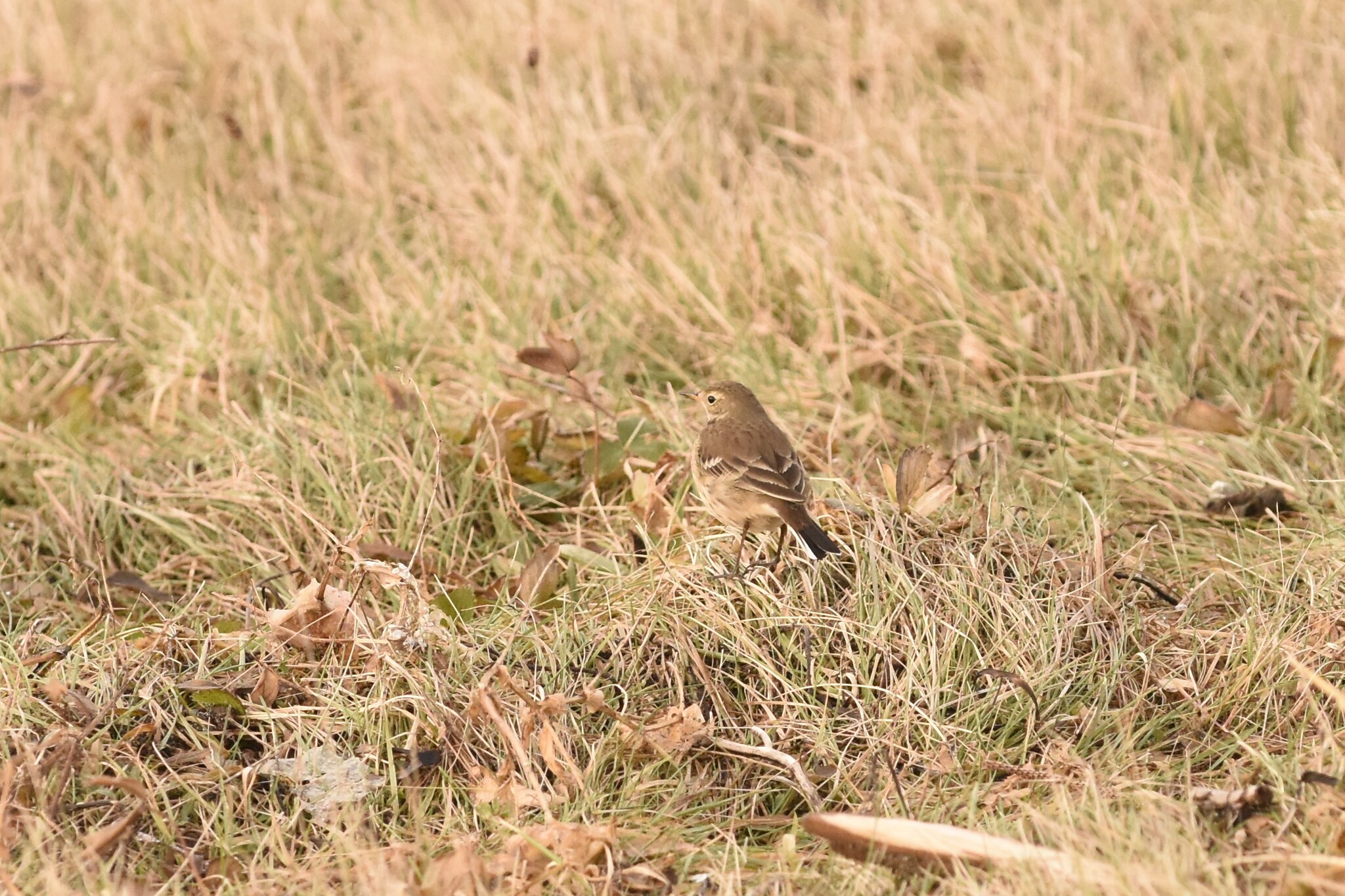
This is a small, slender songbird with an unassuming, camouflaged appearance. The upperparts are grey-brown with light streaking, while the underparts show diffuse streaking on a buff-colored breast and flanks, contrasting with a whitish belly. The bill and legs are dark. In flight, the species shows a white outer tail edge. Individuals measure approximately 16 centimeters in length, weigh around 22 grams, and have a wingspan of about 24 centimeters. The overall impression is of a plain, ground-dwelling bird that blends well with its environment.
Identification
This species is best identified by its combination of streaked upperparts, buff-washed and diffusely streaked underparts, and dark legs. It runs along the ground in a characteristic steady, low-slung manner. The related Siberian pipit is darker above with bolder black streaking on whiter underparts and has reddish-legged appearance. The European rock pipit is similar but not found in North America except as a rare vagrant. The call is a distinctive squeaky 'sip' that helps distinguish this species in the field.
Distribution & Habitat
This species breeds across northern North America, from Alaska through the Canadian Arctic and Rocky Mountains to Greenland and northeastern North America. Populations migrate south to winter across much of the western and southern United States, Mexico, and Central America. The breeding habitat is open tundra, while wintering birds favor open lightly vegetated areas including fields, grasslands, and coastal plains. The wintering range has expanded northward in recent decades, with birds now wintering further north than historically recorded.
Behavior & Ecology
The diet consists entirely of insects and other small invertebrates. During the breeding season, males establish territories through aerial displays and engage in fights to win mates. Nesting occurs on the ground in meadows, with nests constructed from sedge, grass, and sometimes hair. The female lays 4-5 eggs, incubated for 13-14 days. Both parents feed the chicks, which fledge after about a week and remain dependent for an additional two weeks. Outside the breeding season, this pipit forms small flocks and is often quite tame, allowing close approach. The vocalization is a thin, squeaky 'sip' call.
Conservation
The species is classified as Least Concern by the IUCN due to its large range and apparently stable population. It is considered widespread and common throughout its distribution, with no significant threats identified at current population levels.
Culture
No specific cultural significance, folklore, or mythological associations were documented in available sources for this species.
Source: Wikipedia · CC BY-SA 3.0
Taxonomy
- Order
- Passeriformes
- Family
- Motacillidae
- Genus
- Anthus
- eBird Code
- amepip2
Vocalizations
Subspecies (2)
-
Anthus rubescens alticola
breeds Rocky Mountains from Montana southward to east-central Arizona and northern New Mexico and in the Sierra Nevada of California; winters in the southwestern United States and northwestern Mexico
-
Anthus rubescens rubescens
breeds from the Aleutian Islands eastward through northern Canada and western Greenland, and southward along the Cascades and Rocky Mountains to Oregon and southwestern Alberta; winters Arizona and western Texas southward to southern Mexico
Data Sources
Species description from Wikipedia, licensed under CC BY-SA 3.0.
Bird images and sounds sourced from GBIF, contributed by citizen scientists worldwide under Creative Commons licenses.
Taxonomy data from AviList 2025.