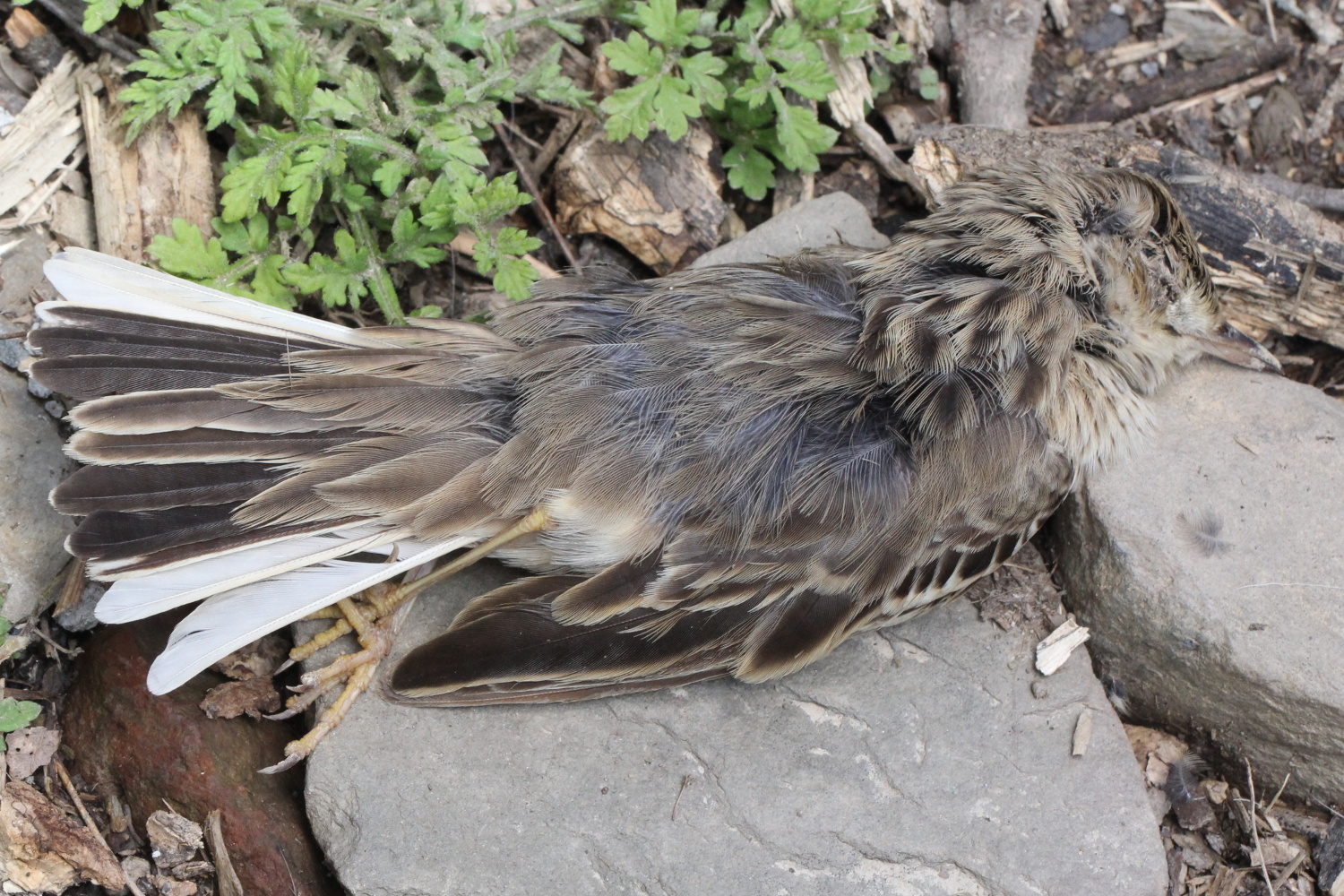
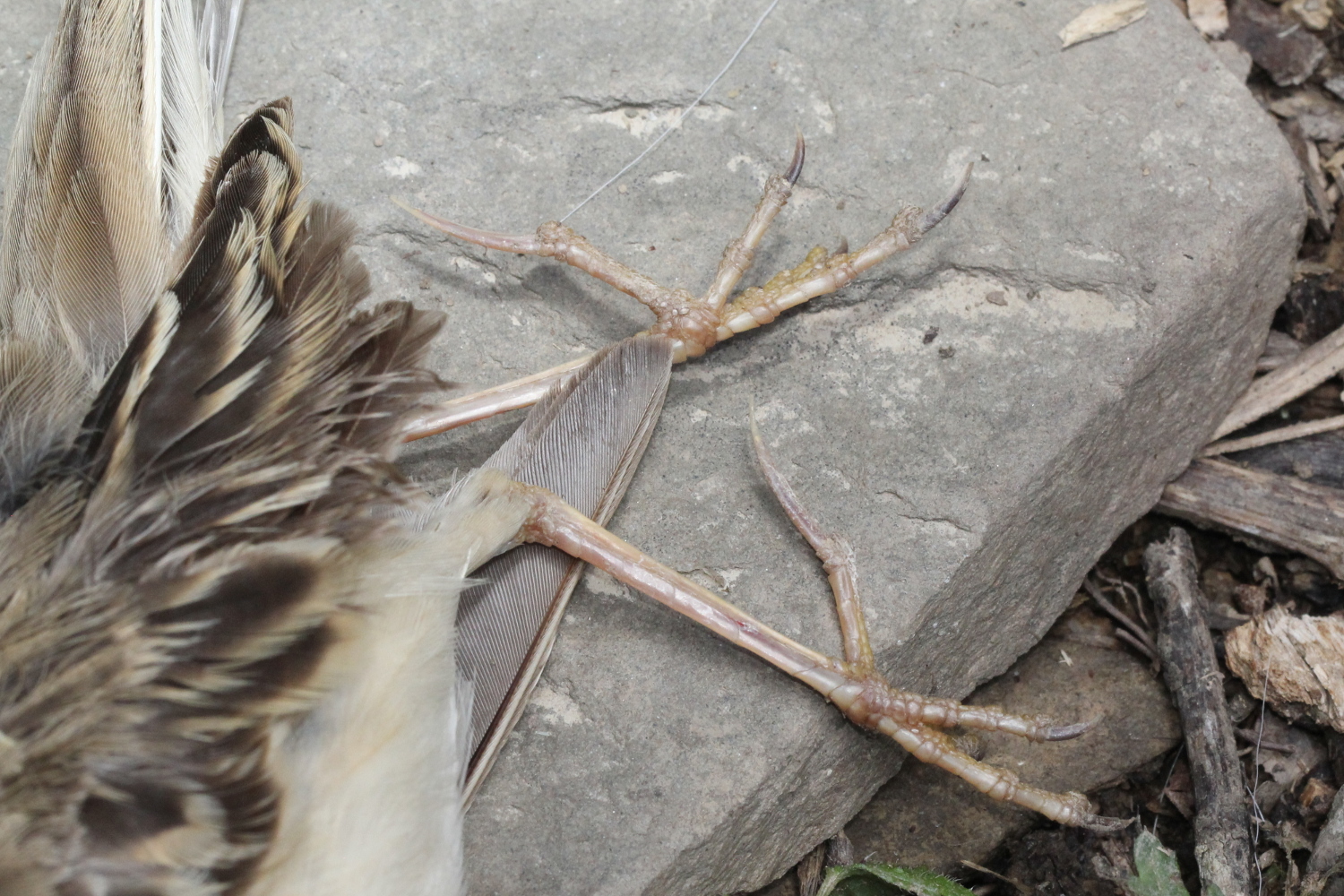
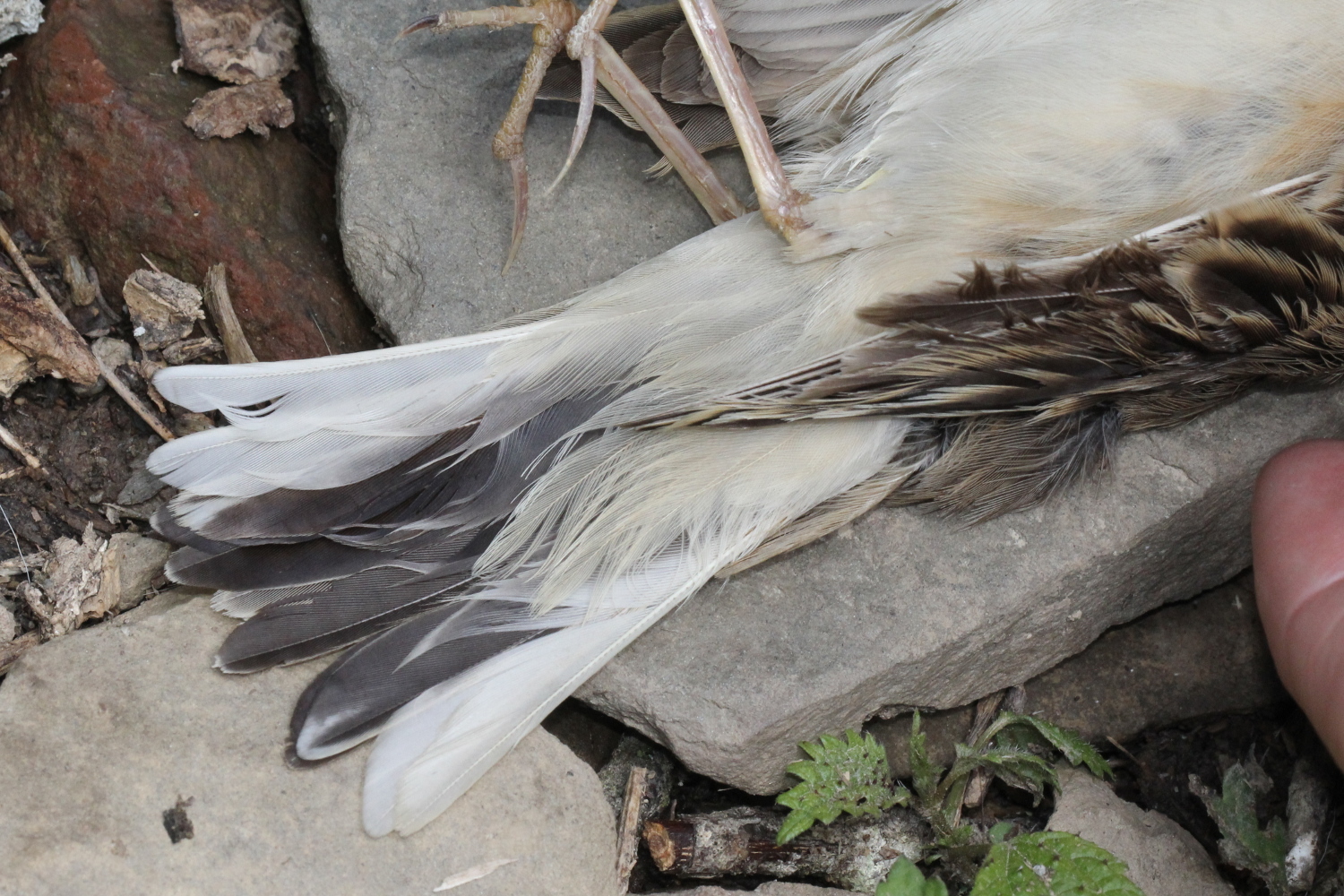
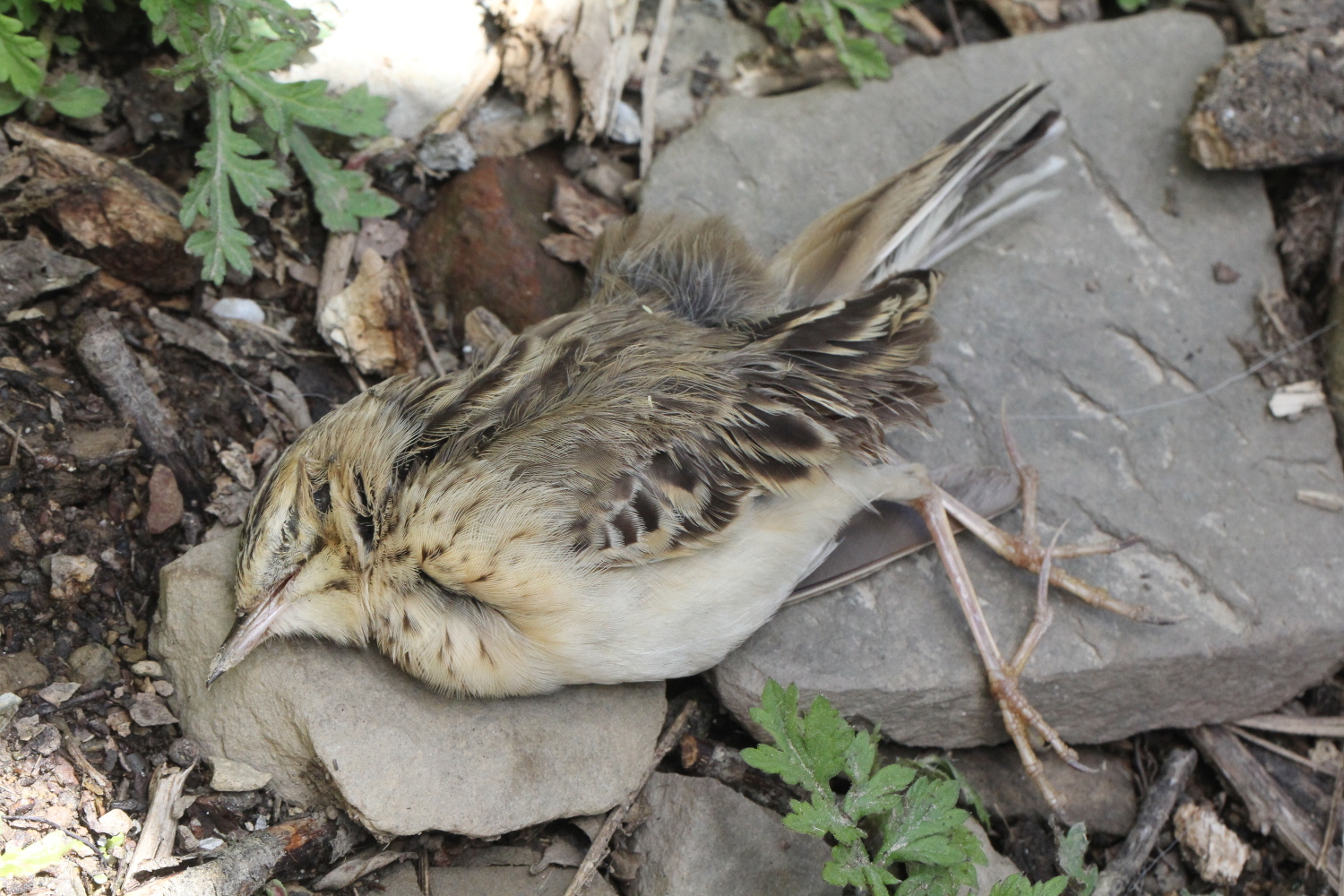
Blyth's Pipit
Anthus godlewskii
布氏鹨
Introduction
A medium-sized passerine bird. Breeds in the steppes and grasslands of Central Asia, including Mongolia and adjoining regions of China, Tibet, and India. Migrates long distances southward to winter in the open lowlands of Southern Asia, where it joins mixed flocks of other pipits. Occurs as a vagrant in western Europe. Inhabits dry grasslands and steppe during breeding season, and open country including agricultural fields and grasslands in winter.
Description
A relatively large member of the pipit family with an undistinguished, camouflaged appearance. The upperparts are predominantly brown, providing excellent concealment in grassland habitats, while the underparts are pale. The bird has a compact, streamlined body shape typical of grassland birds. The legs are relatively short, and the bill is dark and somewhat short for a pipit of this size. The overall impression is that of a robust, earth-toned bird perfectly adapted to life on the ground in open environments.
Identification
This species presents one of the more challenging pipit identifications in the field due to its strong resemblance to Richard's pipit. The key distinguishing features include its slightly smaller overall size, shorter legs, and shorter, darker bill. Its flight is strong and direct, lacking the somewhat floppy quality seen in some other pipits. The most reliable field mark is its characteristic call: a distinctive 'pshee' that is noticeably higher pitched than the similar call of Richard's pipit. In South Asia during winter, careful attention must be paid to separate this species from other large pipits that share the same wintering grounds.
Distribution & Habitat
Breeds across the steppes of Mongolia and extends into neighboring regions of China, Tibet, and northeastern India. Its breeding habitat consists of dry grasslands and steppe environments. As a long-distance migrant, it travels southward to spend the winter in the open lowlands of Southern Asia. While regular in its core Asian range, it is a very rare vagrant to western Europe, where sightings generate considerable excitement among the birdwatching community.
Behavior & Ecology
As its name suggests, this bird forages primarily on the ground, walking or running in search of insect prey. It is strictly insectivorous, feeding on various insects and their larvae found in grassland habitats. When disturbed, it tends to run rather than fly, relying on its cryptic plumage for concealment. The breeding behavior follows the typical pipit pattern of nest-building on the ground among vegetation, though specific details of its breeding biology are less well-documented than some related species. It is generally encountered alone or in pairs during the breeding season but may join mixed flocks during migration and winter.
Culture
The scientific nomenclature honors two figures in natural history. The genus name Anthus is the classical Latin term for small birds of grasslands. The specific epithet commemorates Polish nobleman and field naturalist Victor Godlewski, reflecting the tradition of recognizing contributions to ornithology through species names. This naming convention connects the species to the broader history of ornithological discovery and the naturalists who contributed to our understanding of Asian avifauna.
Source: Wikipedia · CC BY-SA 3.0
Taxonomy
- Order
- Passeriformes
- Family
- Motacillidae
- Genus
- Anthus
- eBird Code
- blypip1
Distribution
southern Siberia to Mongolia, China, Tibet, and northeastern India
Data Sources
Species description from Wikipedia, licensed under CC BY-SA 3.0.
Bird images and sounds sourced from GBIF, contributed by citizen scientists worldwide under Creative Commons licenses.
Taxonomy data from AviList 2025.