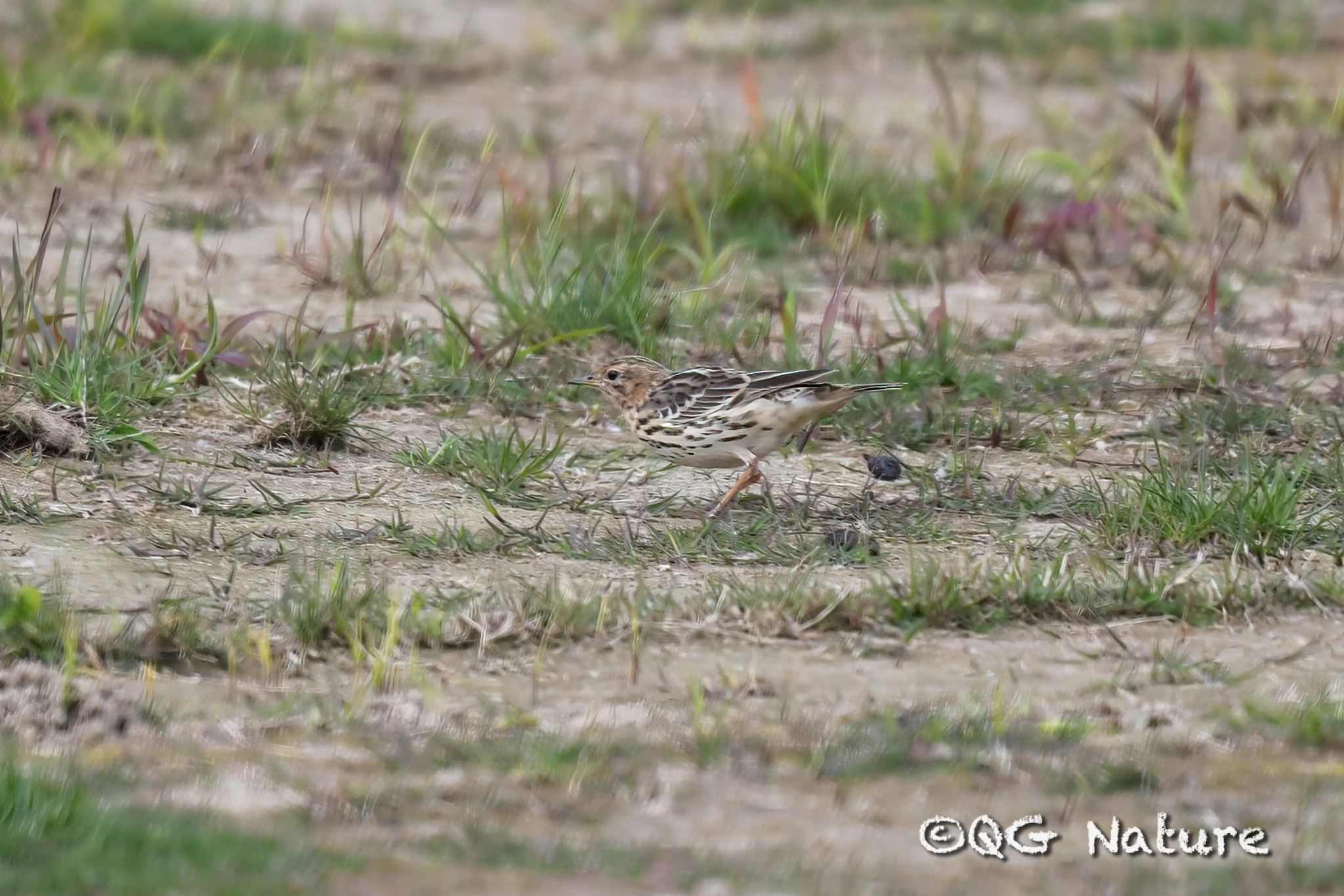
Red-throated Pipit
Anthus cervinus
红喉鹨
Introduction
This small passerine breeds across the far northern latitudes of Europe and Asia, with a small population also nesting in northern Alaska. During the breeding season, adults have a brick-red face and throat. Non-breeding plumage is less colorful. They migrate to Africa, South-East Asia, and western Alaska for the winter. The species inhabits open country during both breeding and wintering seasons, including grassland and tundra habitats. They have a strong, direct flight and give a psii call.
Description
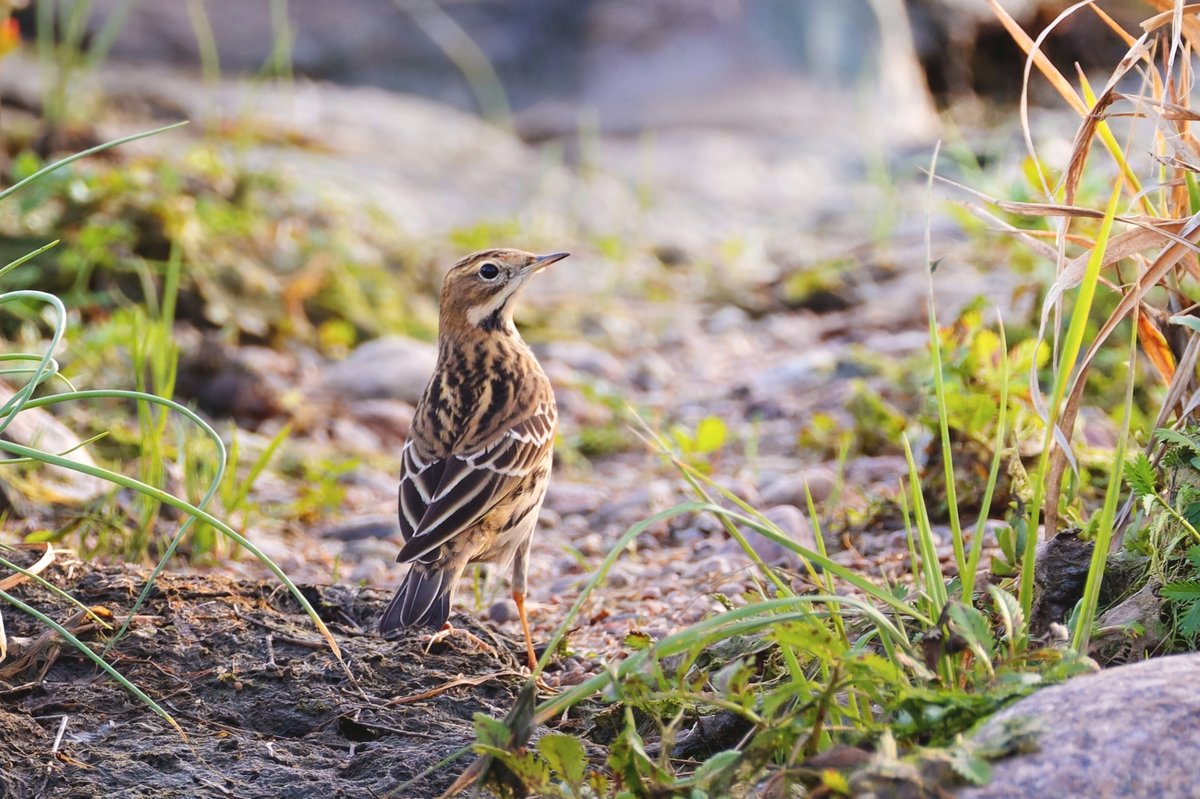
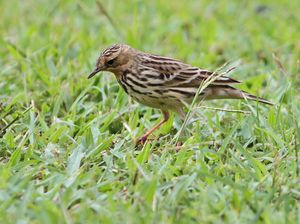
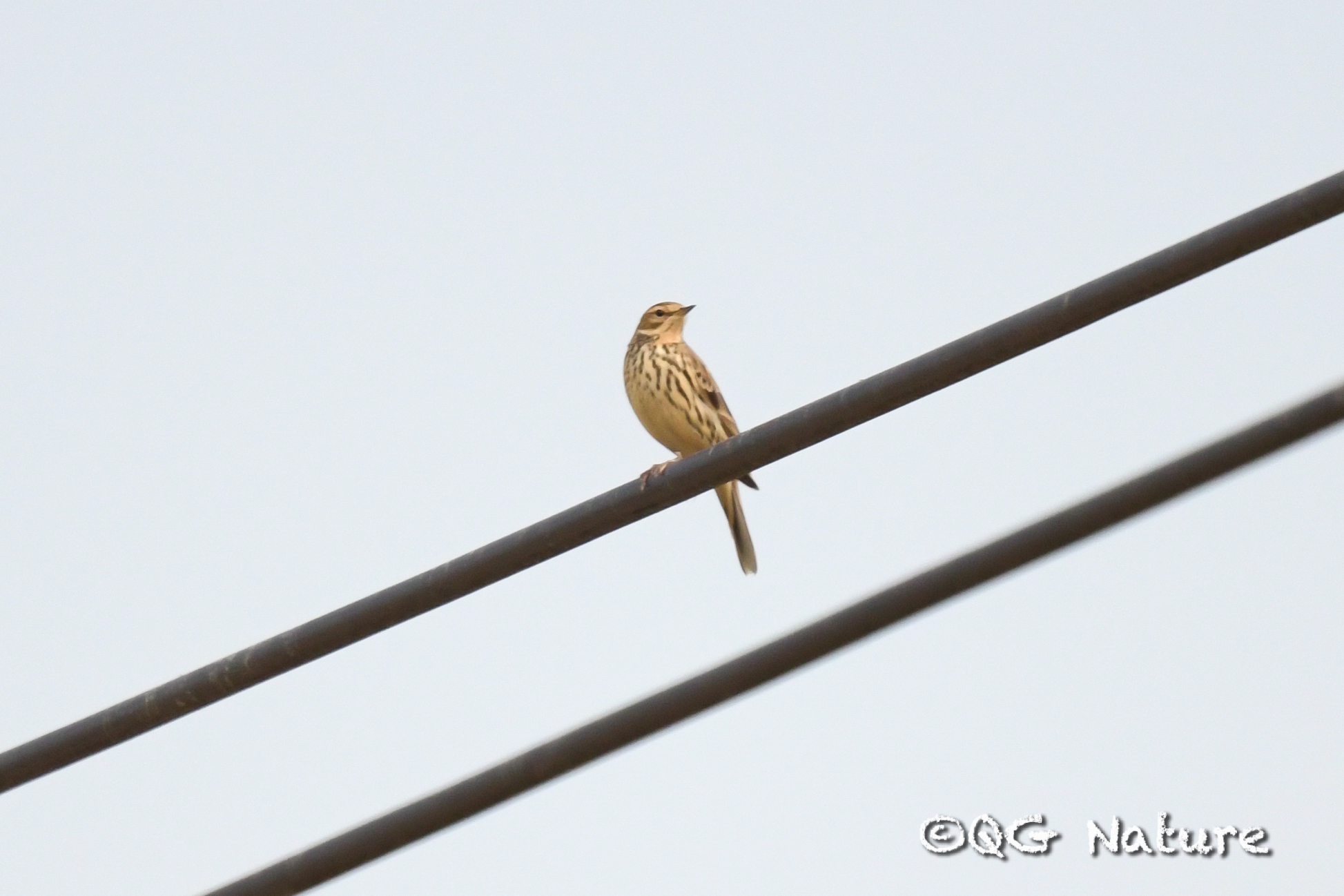
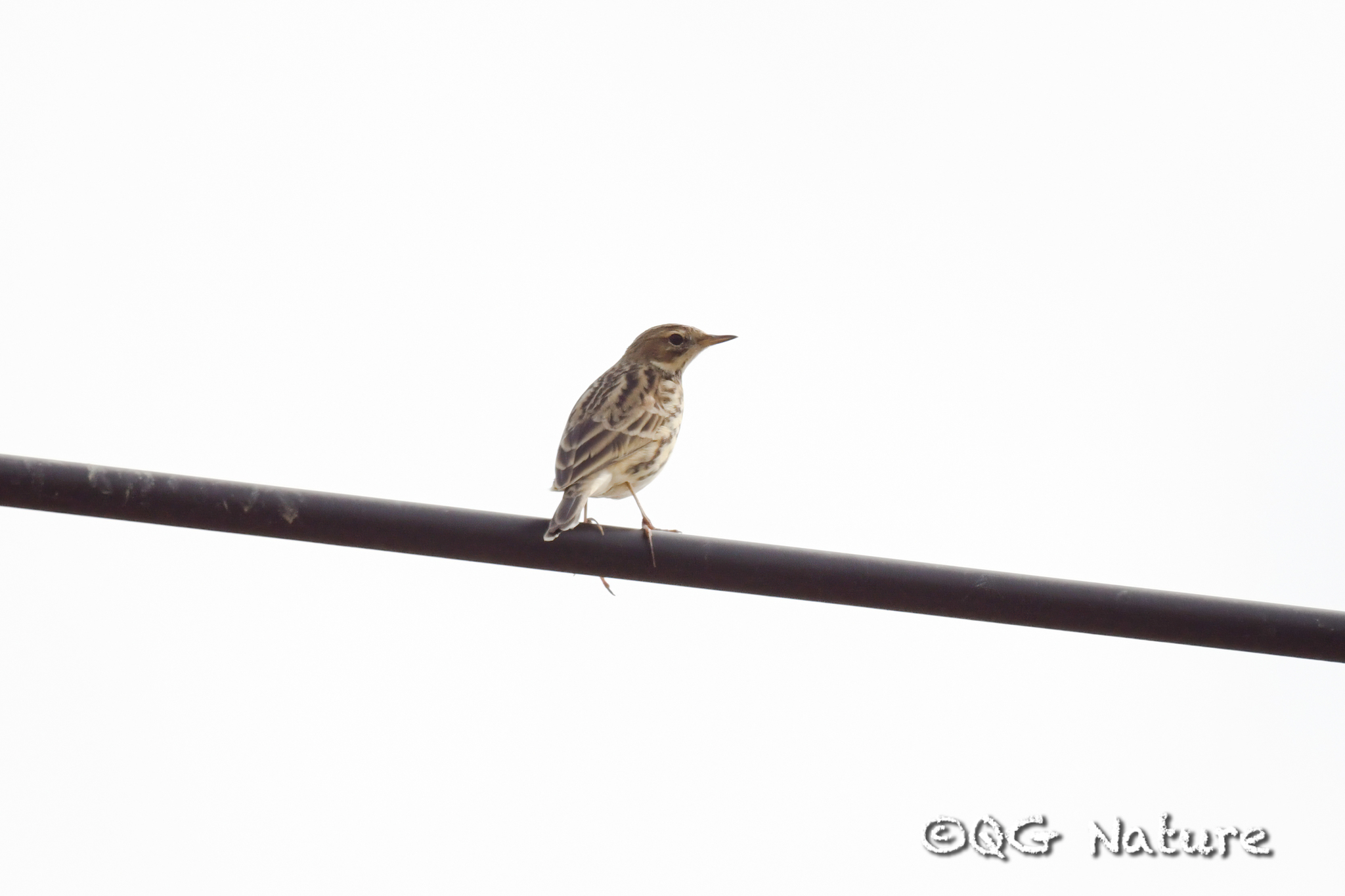
A small pipit species that appears quite plain in non-breeding plumage but transforms dramatically during the breeding season. Adults in summer display a distinctive brick-red face and throat. In other plumages, the upperparts are heavily streaked brown with whitish mantle stripes, while the underparts show black markings on a white background. The species bears a strong resemblance to the meadow pipit, and autumn plumage can confuse observers with the tree pipit. However, this species shows a more heavily striped appearance overall due to having more numerous streaks on the cap, back, flank, rump, and chest compared to similar species. The flight is strong and direct, accompanied by a characteristic psii call.
Identification
The breeding adult is unmistakable with its brick-red face and throat. In non-breeding plumage, separation from the very similar meadow pipit can be challenging. The key distinguishing feature is the more heavily striped appearance, with greater numbers of streaks on the cap, back, flanks, rump, and chest. When compared to the tree pipit in autumn plumage, this species shows more extensive streaking throughout. The characteristic psii call given in flight is an important identification clue, as is the strong, direct flight pattern.
Distribution & Habitat
Breeds across the boreal regions of Northern Europe and Asia, with a foothold in northern Alaska. The breeding habitat consists of open country including mountains, marshland, and tundra. This is a long-distance migrant that winters in Africa, South-East Asia, and western Alaska. The species occurs as a vagrant in Western Europe.
Behavior & Ecology
Forages primarily on insects but also consumes seeds. The nest is constructed on the ground, typically positioned beside a grass tussock, on rough grassland, or on a hummock within marshland. The structure is built from dry grasses and sedges and lined with soft reindeer hair or down. The female lays four to six eggs and incubates them for nearly two weeks. The young fledge and leave the nest approximately 12 days after hatching. Gives a distinctive psii call during flight.
Conservation
Rated as Least Concern by the IUCN. The species has a very large range, and the global population has been estimated at approximately two million individuals. The population is believed to be stable, and there are no particular threats identified at present.
Source: Wikipedia · CC BY-SA 3.0
Taxonomy
- Order
- Passeriformes
- Family
- Motacillidae
- Genus
- Anthus
- eBird Code
- retpip
Distribution
breeds tundra of northern Palearctic and northwestern Alaska; winters to Africa, Indonesia, and Philippines
Vocalizations
Data Sources
Species description from Wikipedia, licensed under CC BY-SA 3.0.
Bird images and sounds sourced from GBIF, contributed by citizen scientists worldwide under Creative Commons licenses.
Taxonomy data from AviList 2025.