Brown Noddy
Anous stolidus
白顶玄燕鸥
Introduction
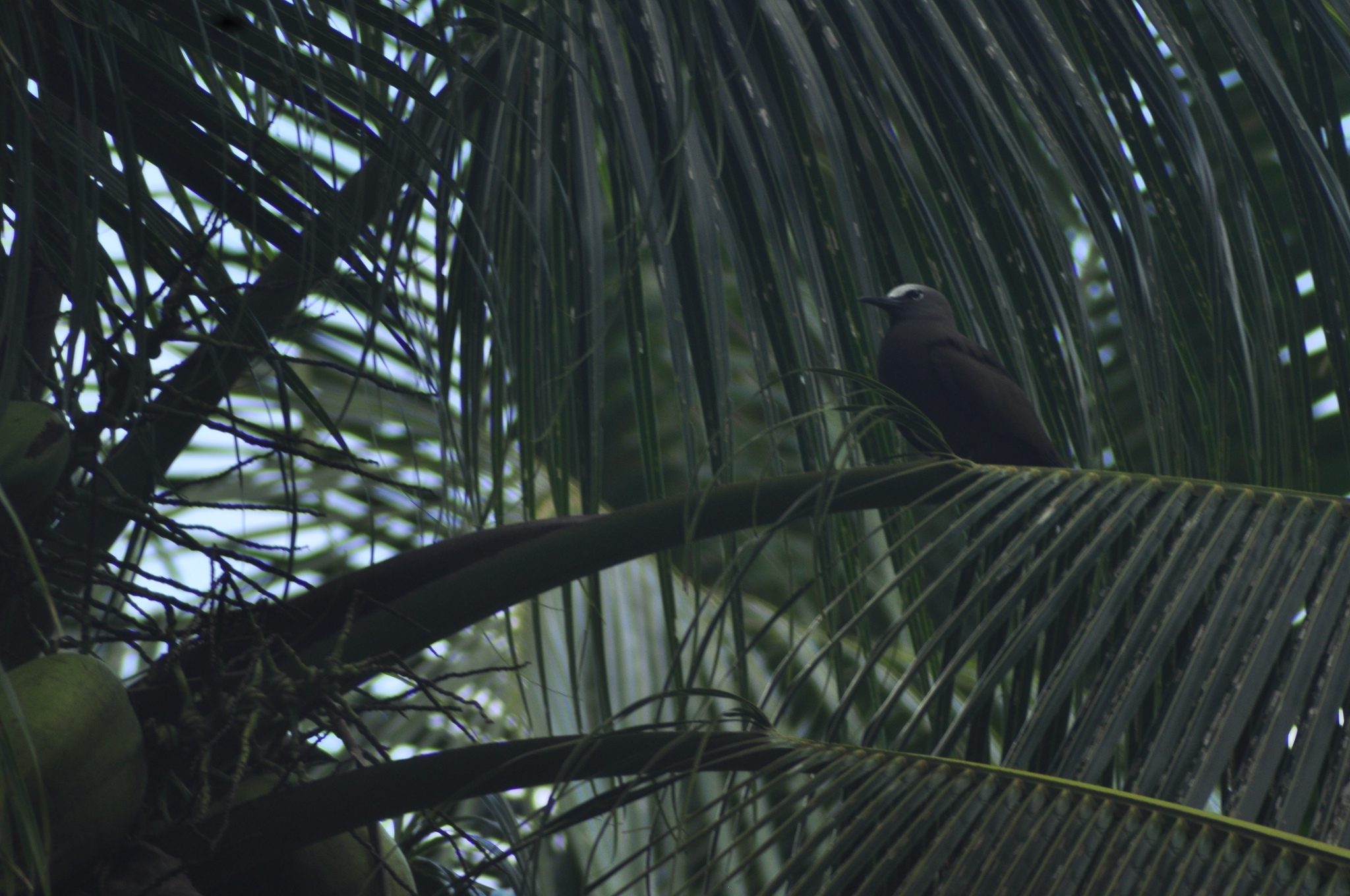
The brown noddy (Anous stolidus) is the largest species in the noddy tern group. It occurs in tropical waters worldwide, from the Atlantic, Indian, and Pacific Oceans. This species breeds colonially on cliffs, trees, and shrubs throughout its range. It forages by flying low over ocean waters. Some populations are resident year-round while others make short-distance movements. In India, the species is protected within the PM Sayeed Marine Birds Conservation Reserve.
Description
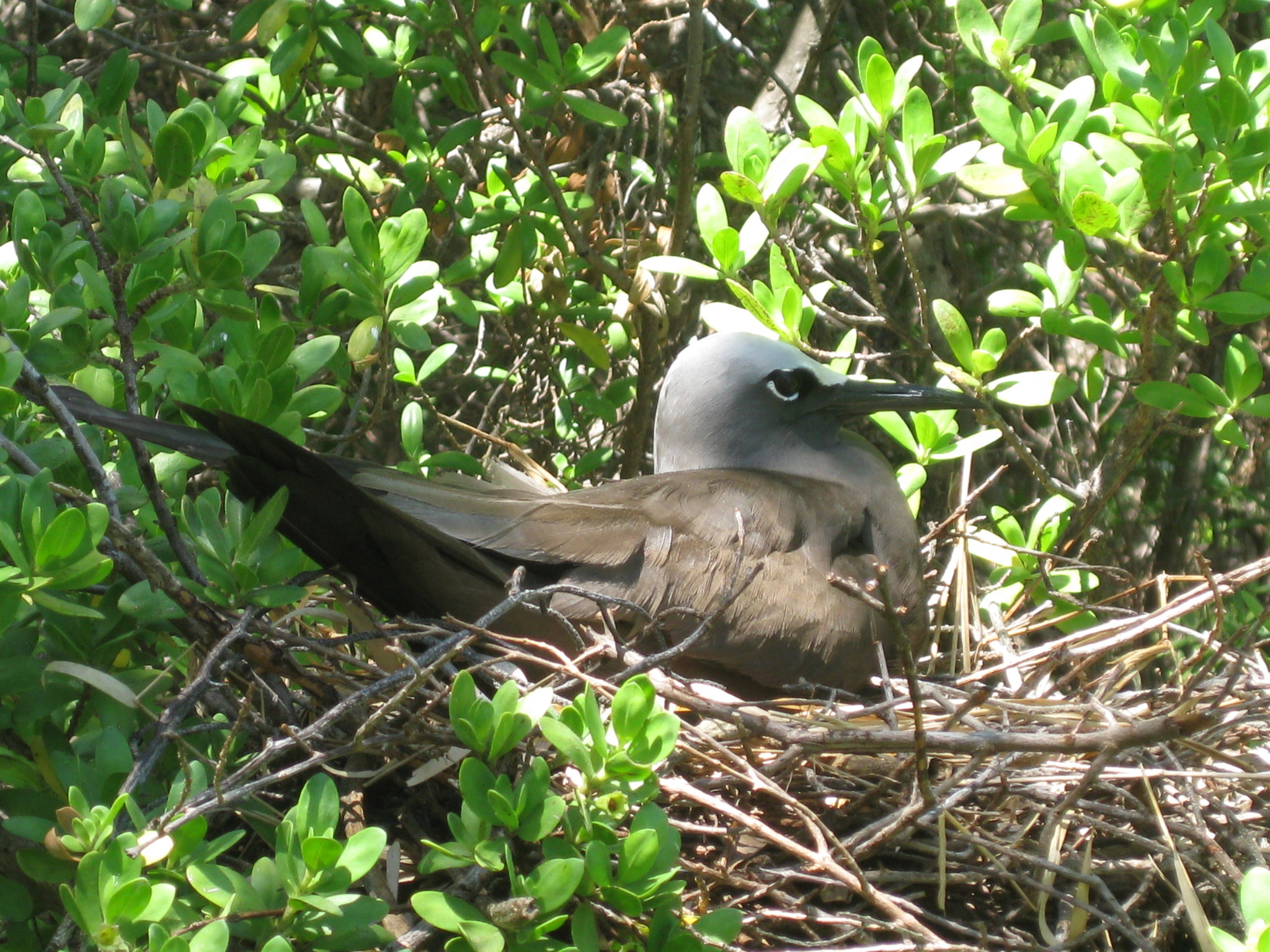
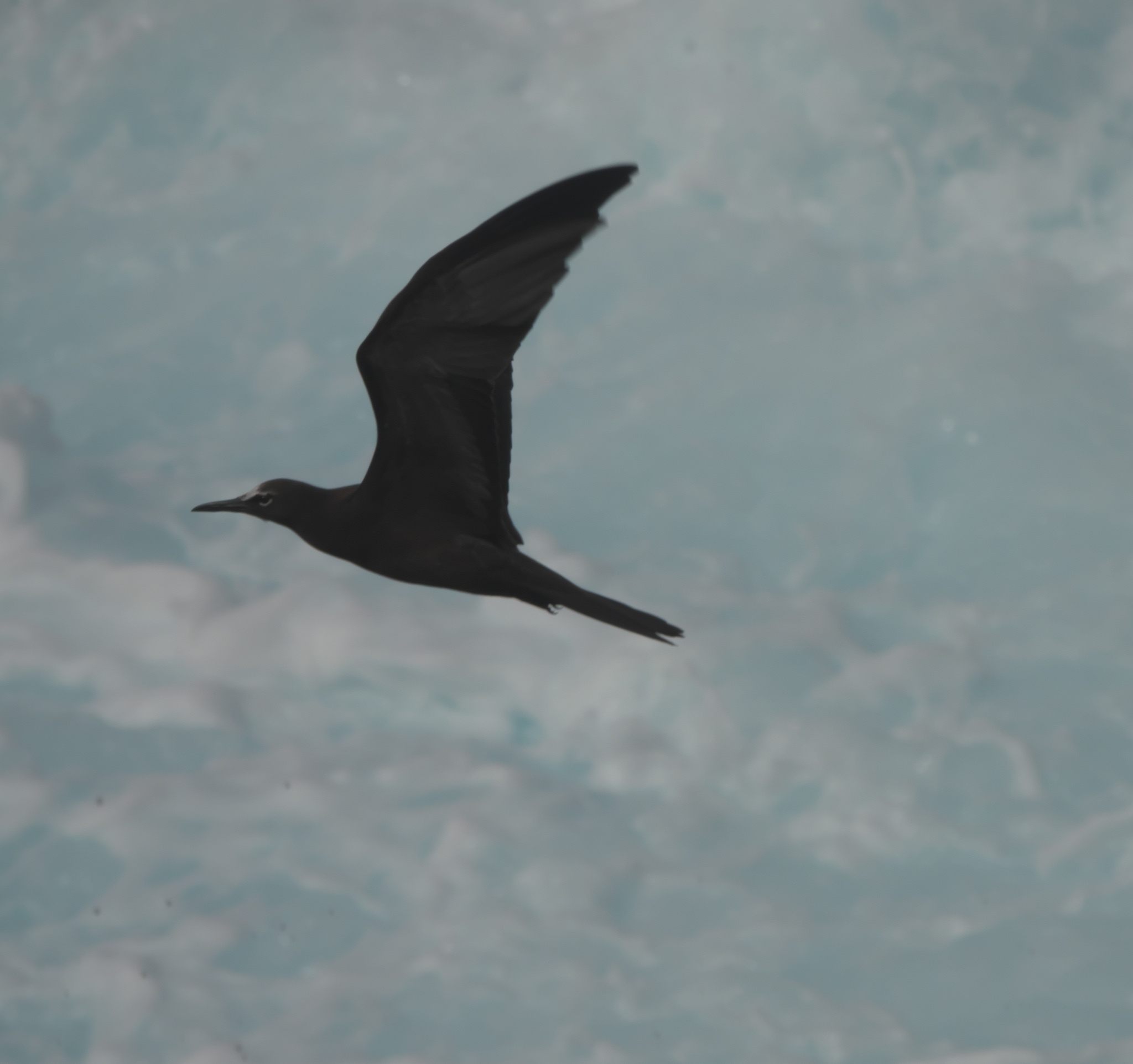
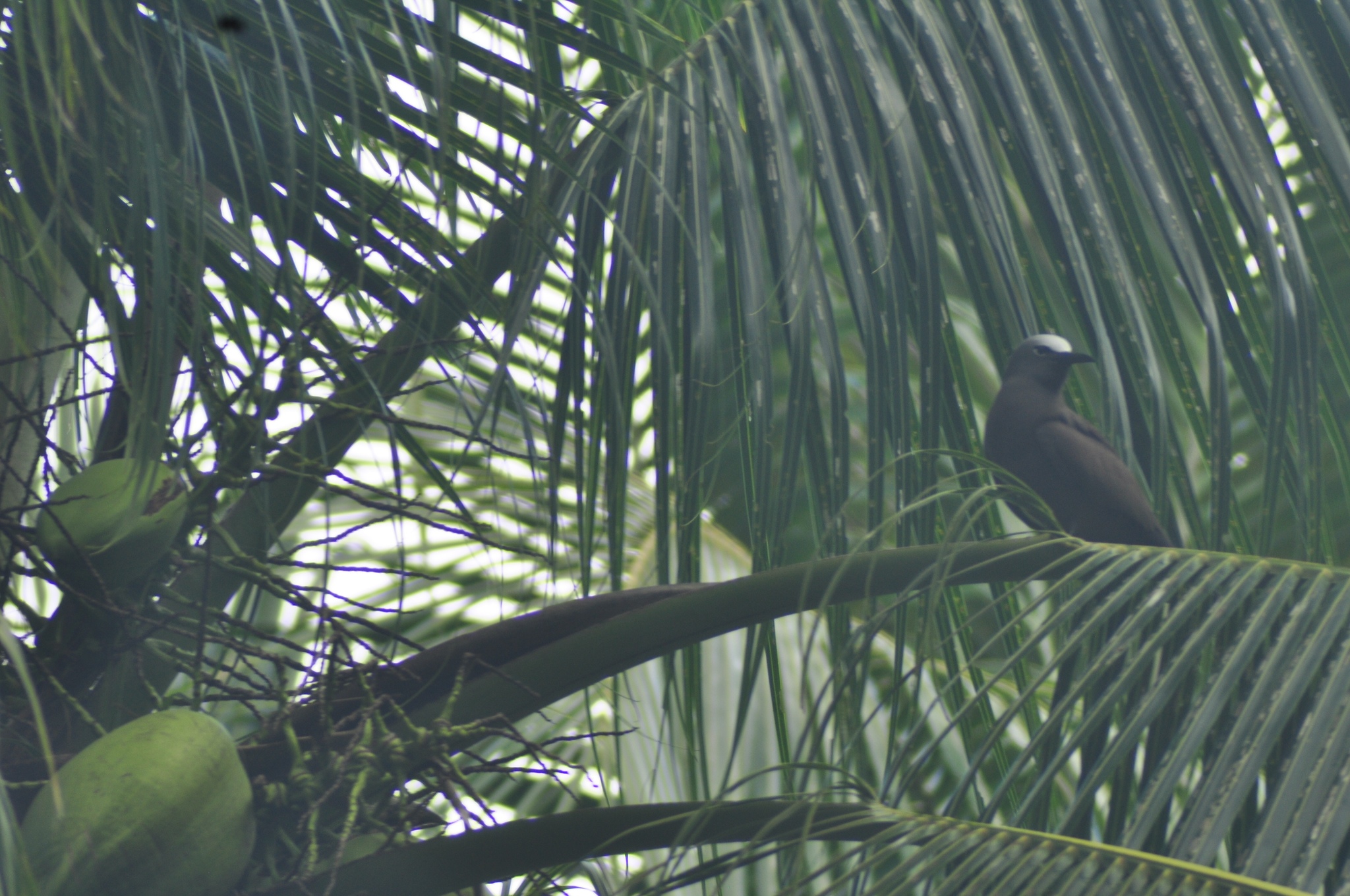
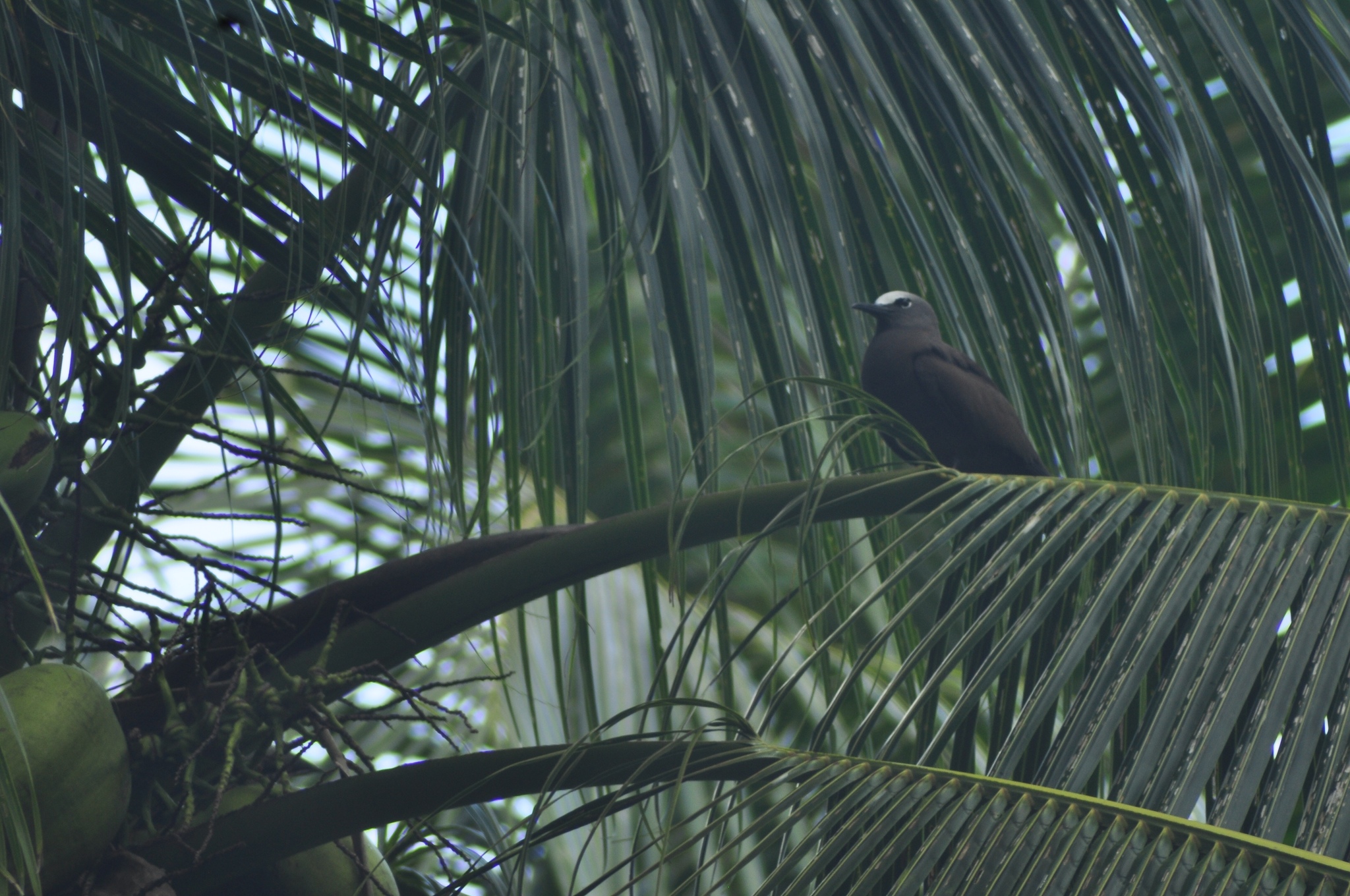
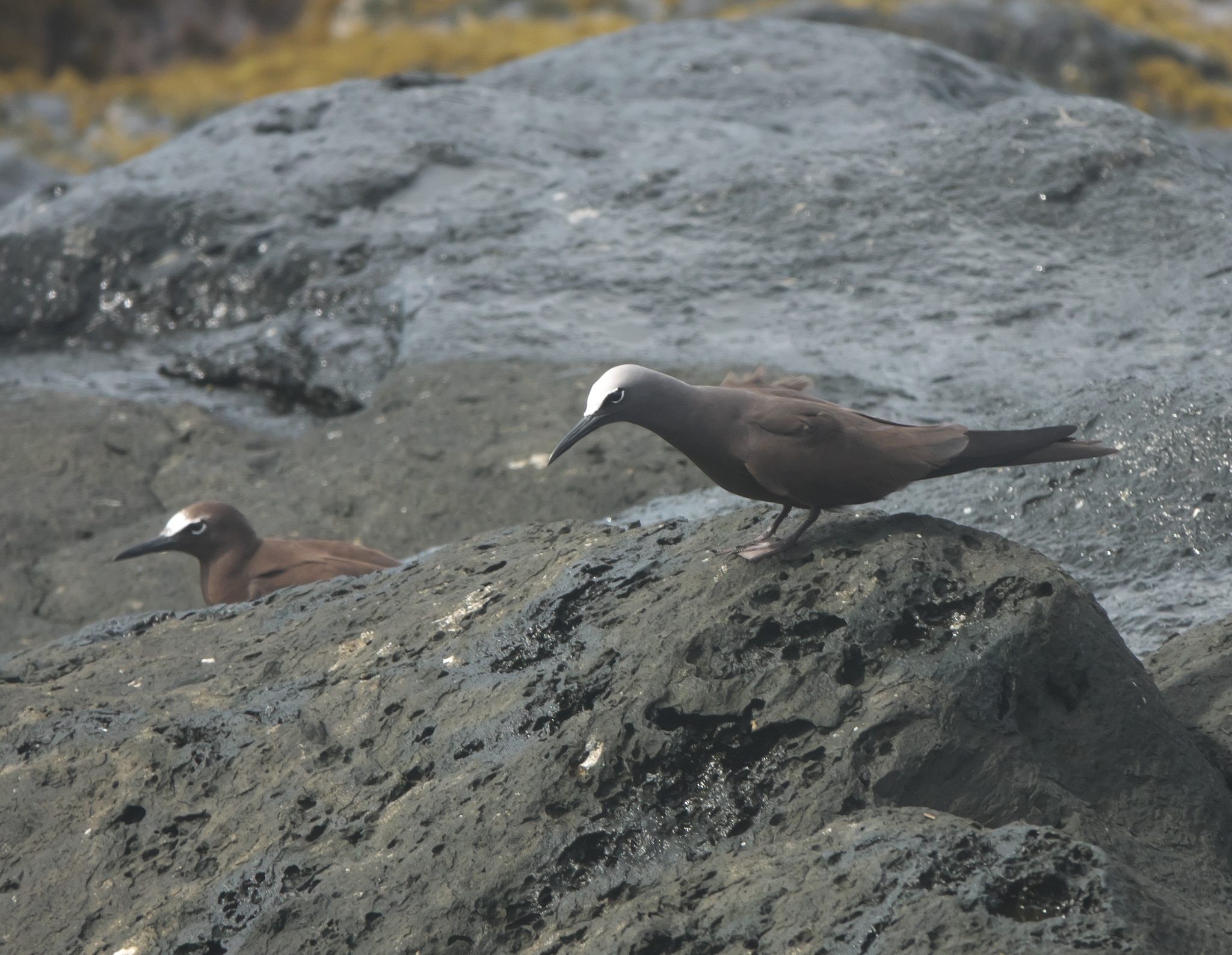
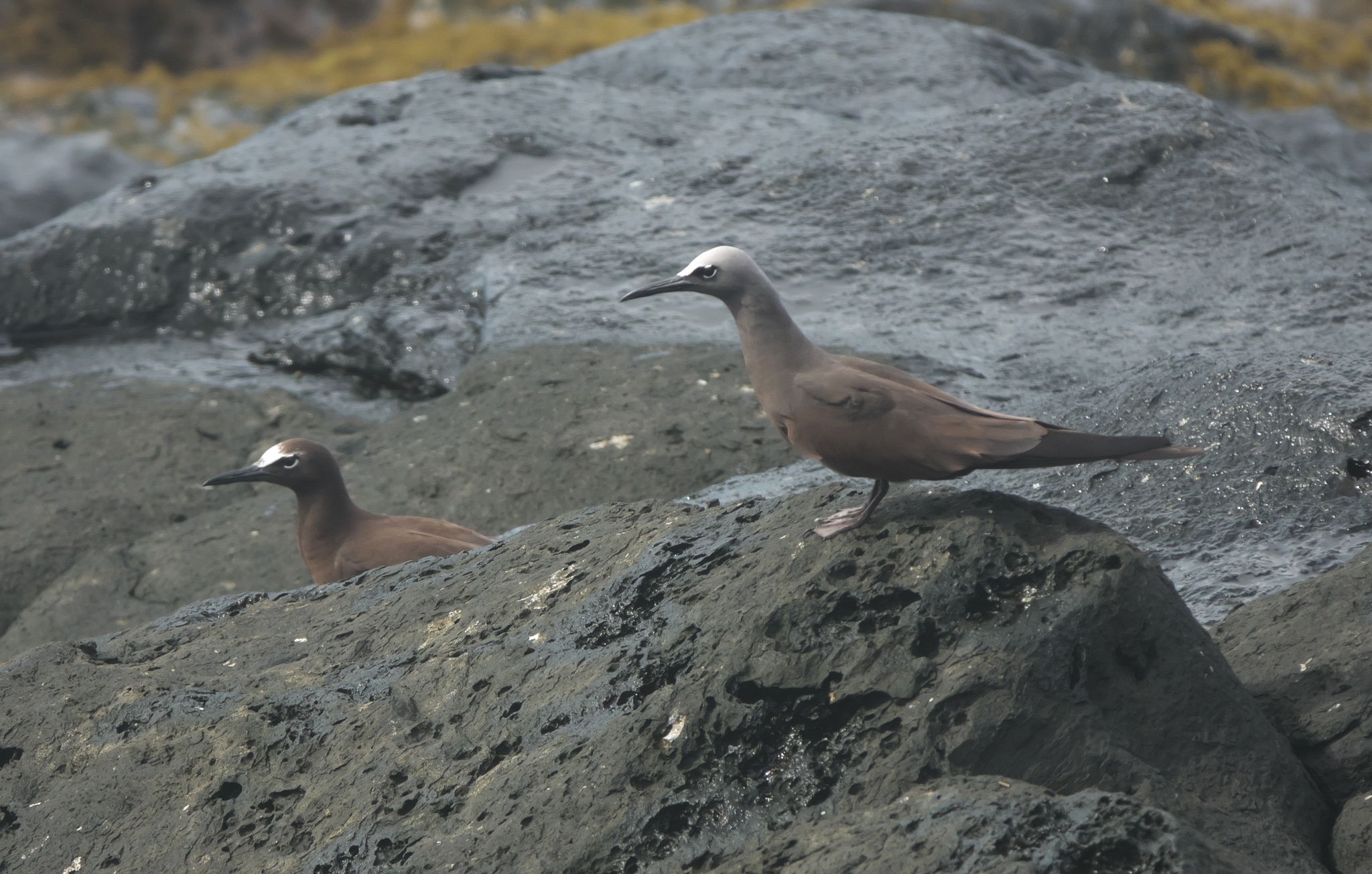
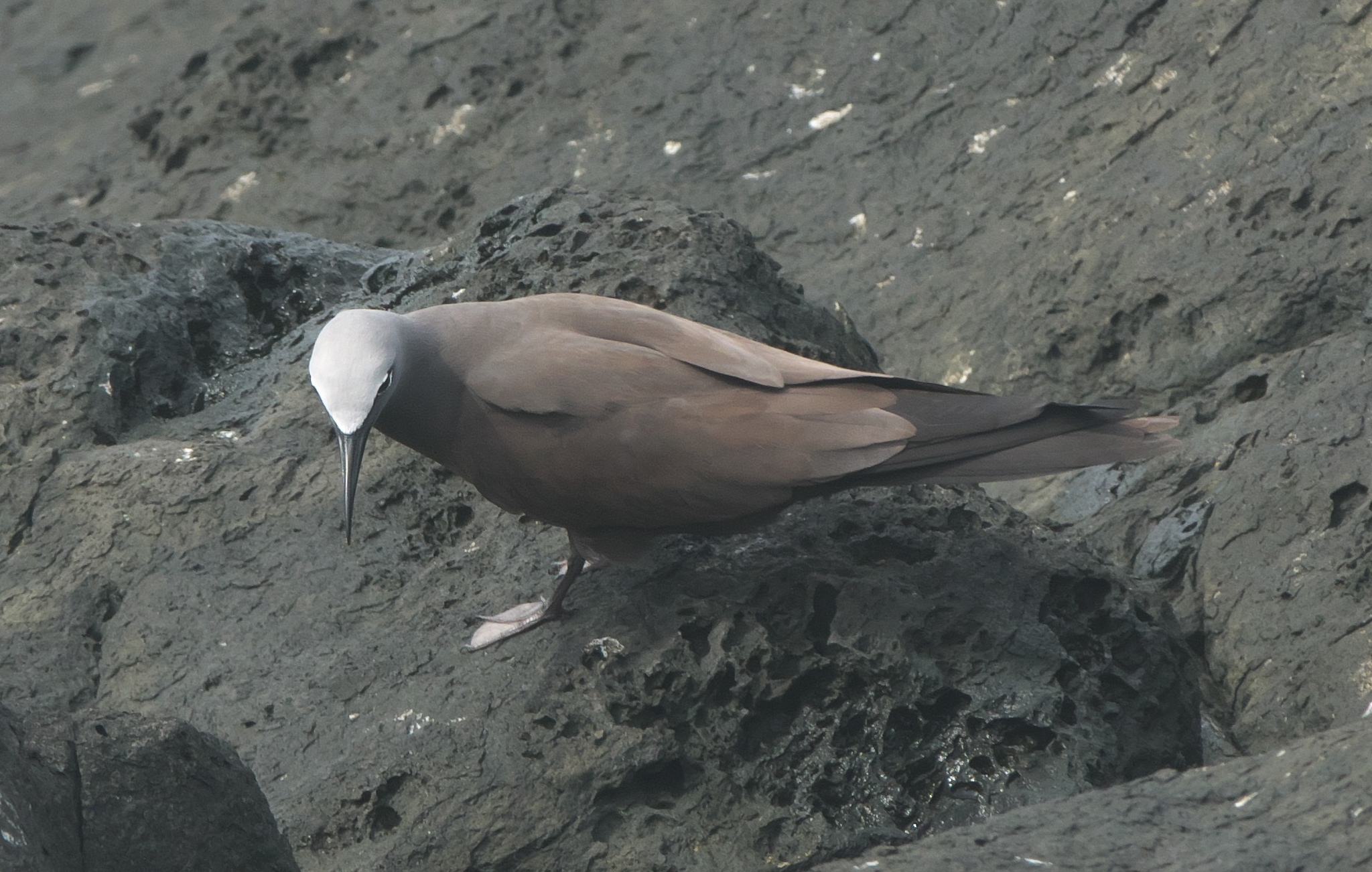
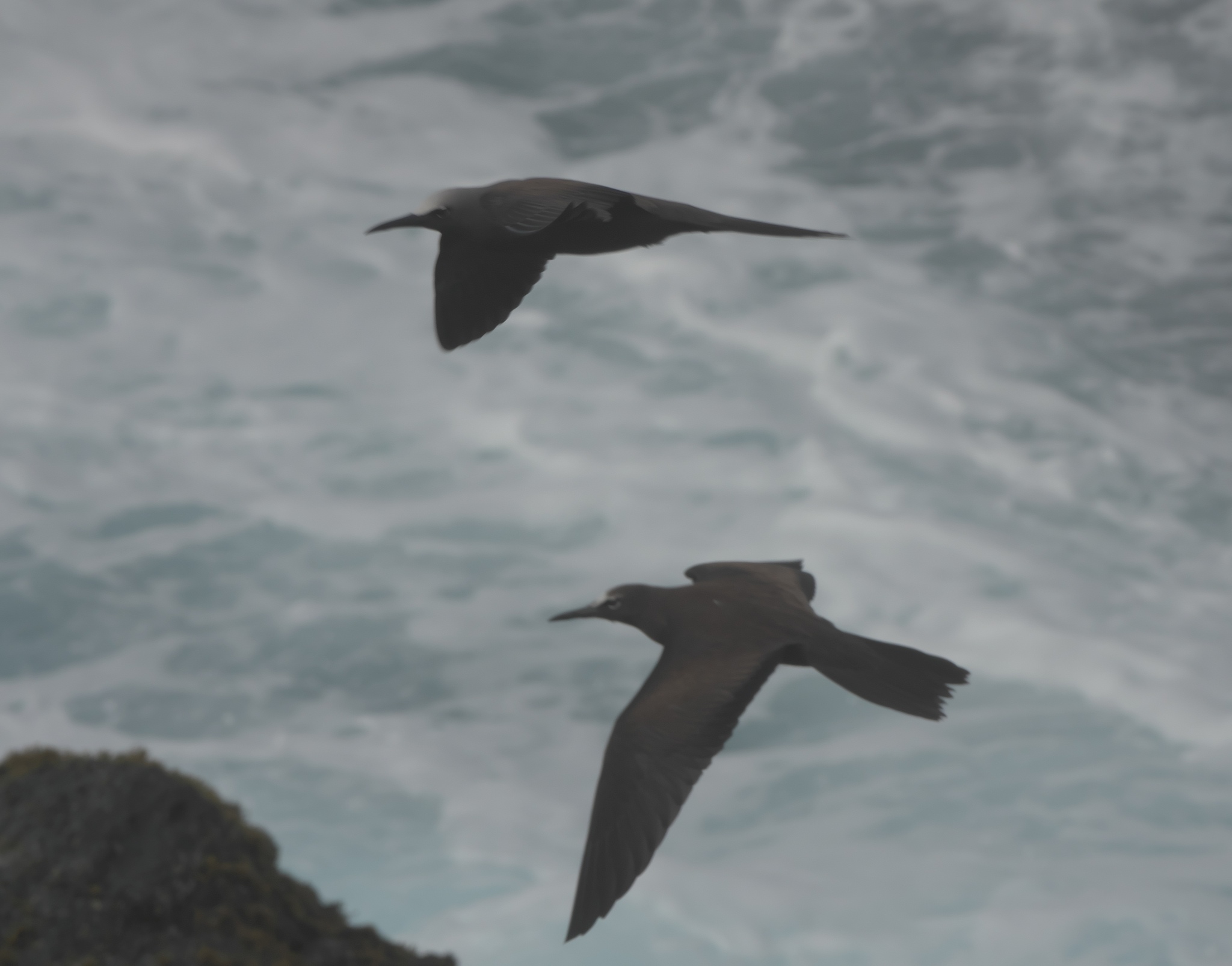
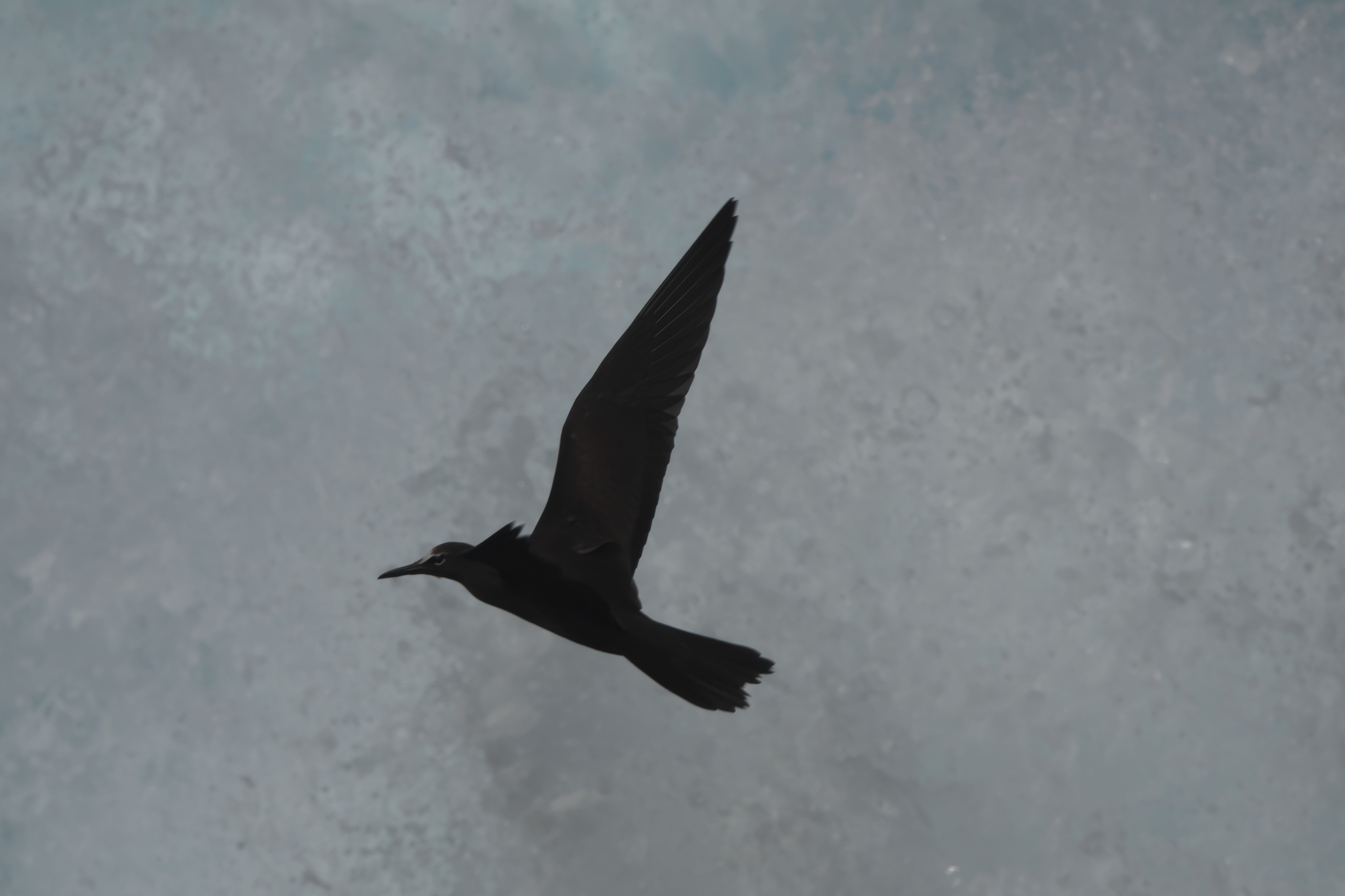
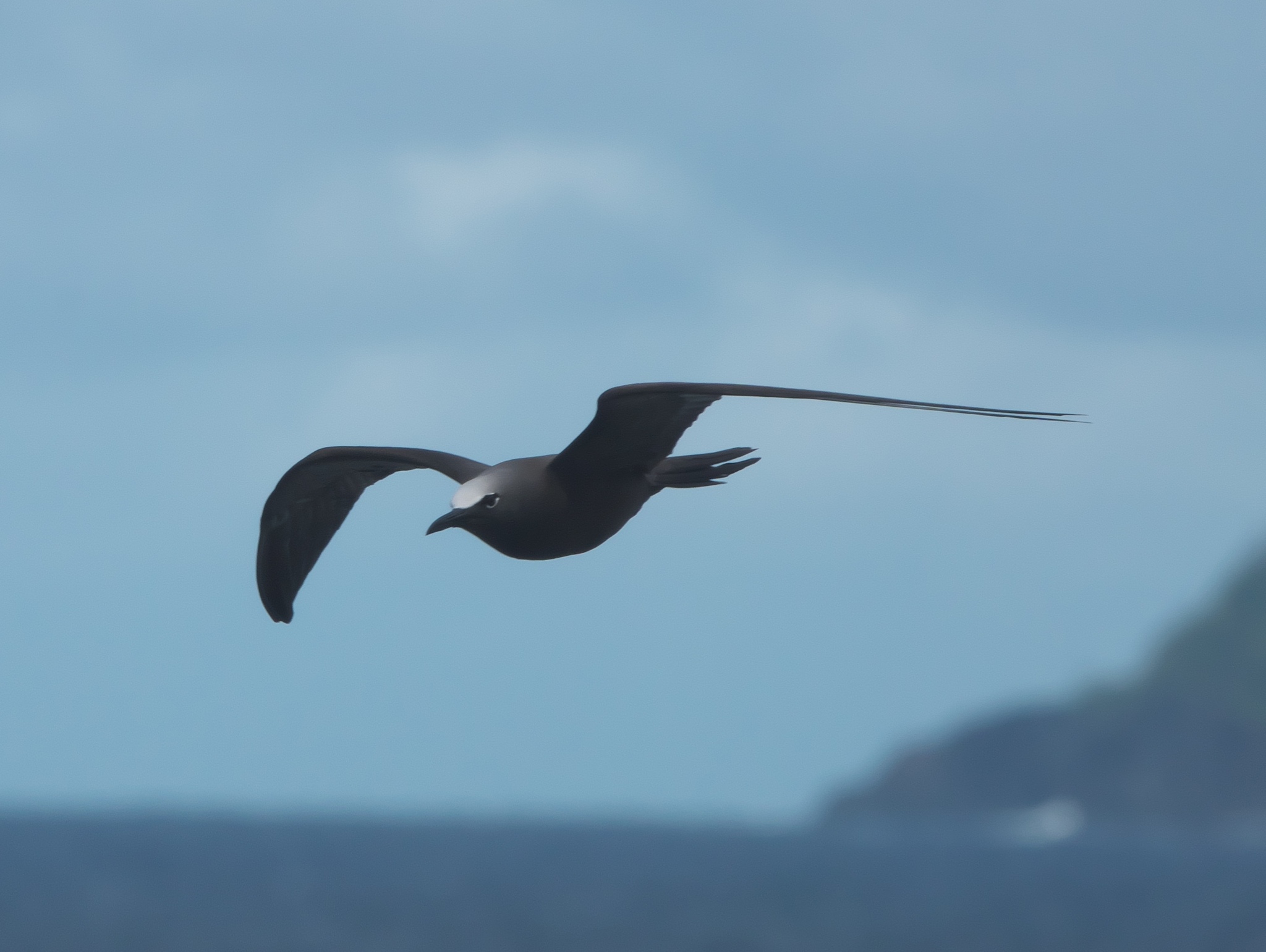
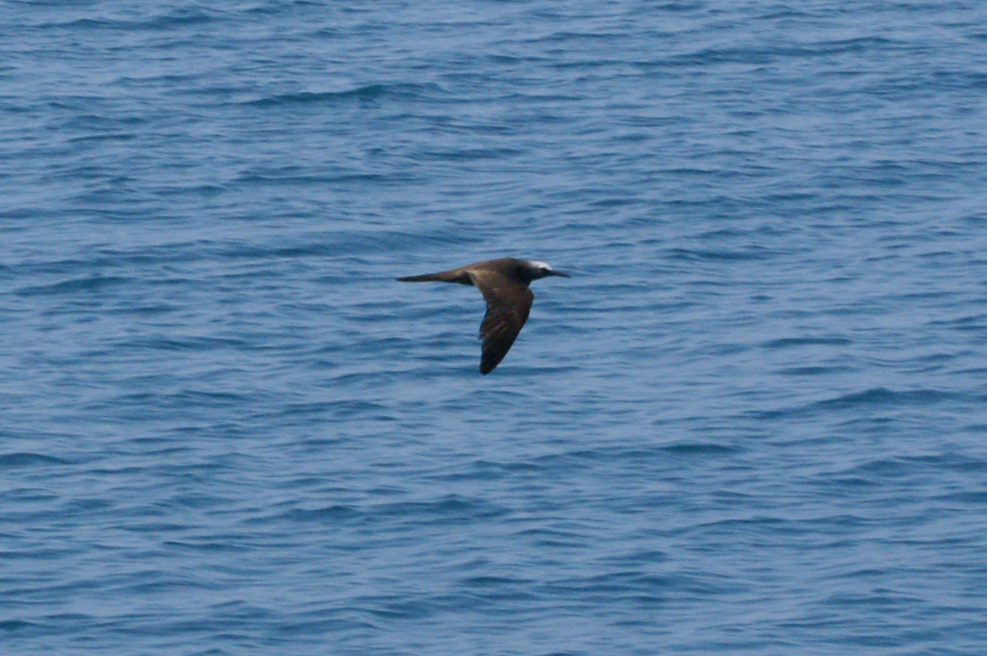
A fairly large tern with a robust build, this bird measures 38-45 cm in length with a wingspan of 75-86 cm. The overall plumage is a rich, dark chocolate-brown that appears almost black in certain lighting conditions. The head shows a striking contrast, with a pale grey to white crown and forehead that extends back from the bill. A narrow, incomplete white eye-ring surrounds the dark eye. The tail is notably long and wedge-shaped, a useful identification feature when the bird is in flight. The legs and feet are dark, matching the general plumage tone. Juveniles resemble adults but may show slightly paler underparts and less defined head patterning.
Identification
The most reliable distinguishing feature from its closest relative, the black noddy, is size and plumage tone. This species is significantly larger with darker brown plumage rather than the blackish appearance of the black noddy. The pale crown and forehead also differ from the more uniformly dark-headed black noddy. In flight, the wedge-shaped tail and darker underwing contrasts help separate it from similar-sized terns. The relatively slow, buoyant flight with steady wingbeats is characteristic. At colonies, the brown plumage contrasts with the white-crowned appearance, creating a distinctive profile against vegetation or cliff faces.
Distribution & Habitat
This tropical seabird has a truly global distribution within warm oceanic regions. In the Pacific, it ranges from Hawaii through the Tuamotu Archipelago to Australia and across to Easter Island. The Indian Ocean population extends from the Red Sea through the Seychelles to Australia. Atlantic populations occur from the Caribbean islands south to Tristan da Cunha. The species shows a strong preference for islands and coastal areas, rarely being found far from land. It nests colonially on elevated sites including sea cliffs, short trees, and shrubs, with ground nesting occurring only occasionally.
Behavior & Ecology
Colonial breeding defines the social structure, with pairs nesting close together on cliffs, in trees, or occasionally on bare ground. Nests are simple platforms constructed from sticks and twigs. Courtship involves elaborate bowing and nodding displays between pairs, accompanied by courtship feeding where males present freshly caught fish to females. Each season the female lays a single egg, pink cream-colored with lilac and chestnut markings, measuring about 52 by 35 mm. Both parents share incubation duties over 33-36 days and continue joint care after hatching. Chicks grow rapidly, often reaching parental weight within three weeks and fledging at six to seven weeks old. Foraging involves swooping low over water and dipping down to catch small squid, molluscs, insects, and fish such as sardines and anchovies. The species also feeds on screw pine fruit.
Conservation
The species receives legal protection in India through the PM Sayeed Marine Birds Conservation Reserve, reflecting awareness of its conservation needs. However, the article does not provide specific information about IUCN status, global population trends, or detailed threats facing the species. Conservation assessments would be needed to determine the overall status of this widespread tropical seabird across its global range.
Culture
The article does not contain information about cultural significance or folklore associated with this species.
Source: Wikipedia · CC BY-SA 3.0
Taxonomy
- Order
- Charadriiformes
- Family
- Laridae
- Genus
- Anous
- eBird Code
- brnnod
Vocalizations
Subspecies (4)
-
Anous stolidus galapagensis
Galapagos
-
Anous stolidus pileatus
islands from Red Sea and Seychelles in Indian Ocean eastward to Ryukyu and Bonin islands (southern Japan) and through Polynesia to Hawaiian Islands and Easter Island group
-
Anous stolidus ridgwayi
islands off western Mexico (Tres Marias, Socorro, and Clipperton, Cocos Island (off Costa Rica), and Malpelo and Gorgona (off Colombia)
-
Anous stolidus stolidus
southern Atlantic islands from Trindade southward to Tristan da Cunha group, Gulf of Guinea to Cameroon, and throughout Caribbean
Data Sources
Species description from Wikipedia, licensed under CC BY-SA 3.0.
Bird images and sounds sourced from GBIF, contributed by citizen scientists worldwide under Creative Commons licenses.
Taxonomy data from AviList 2025.