

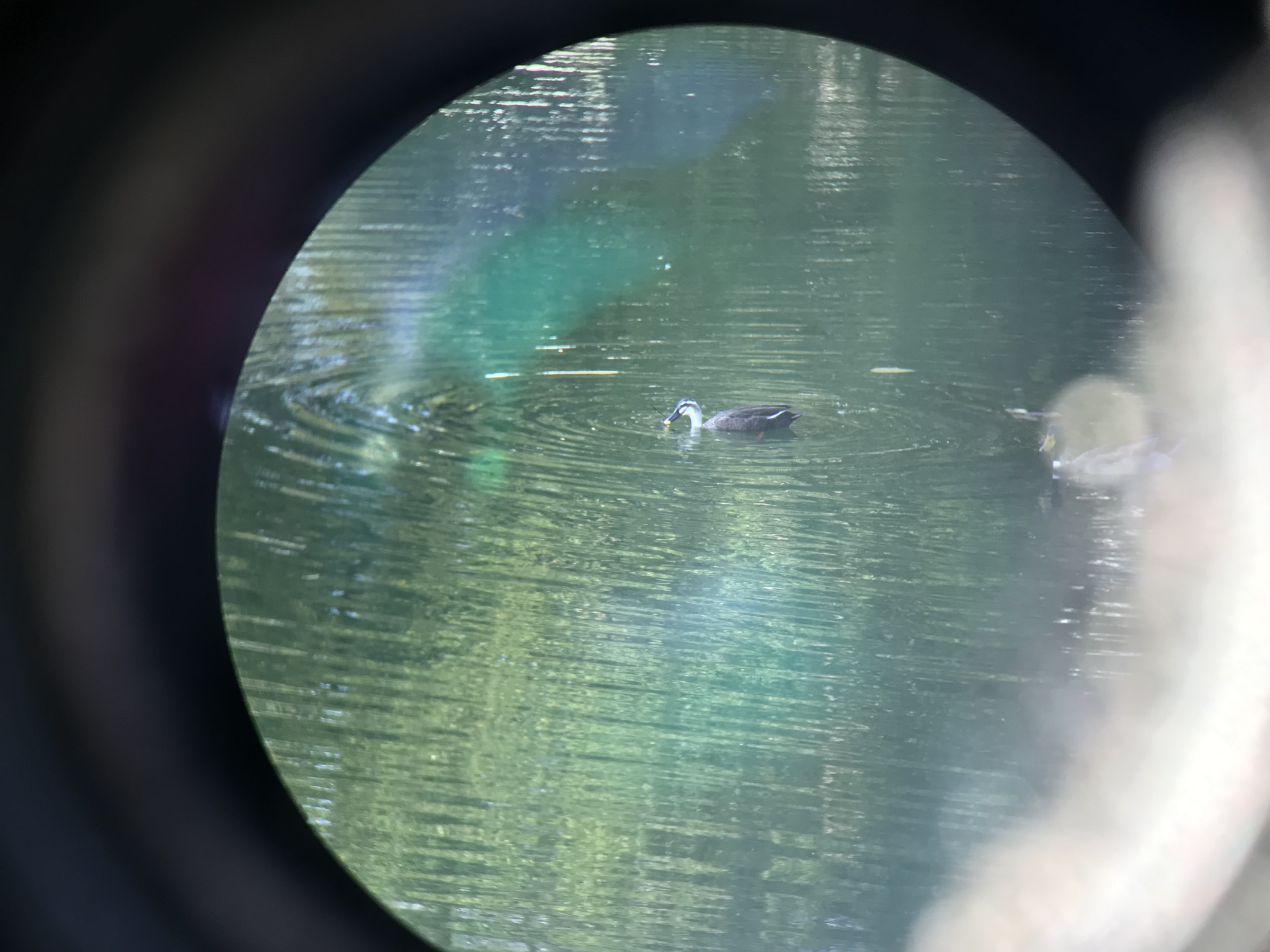
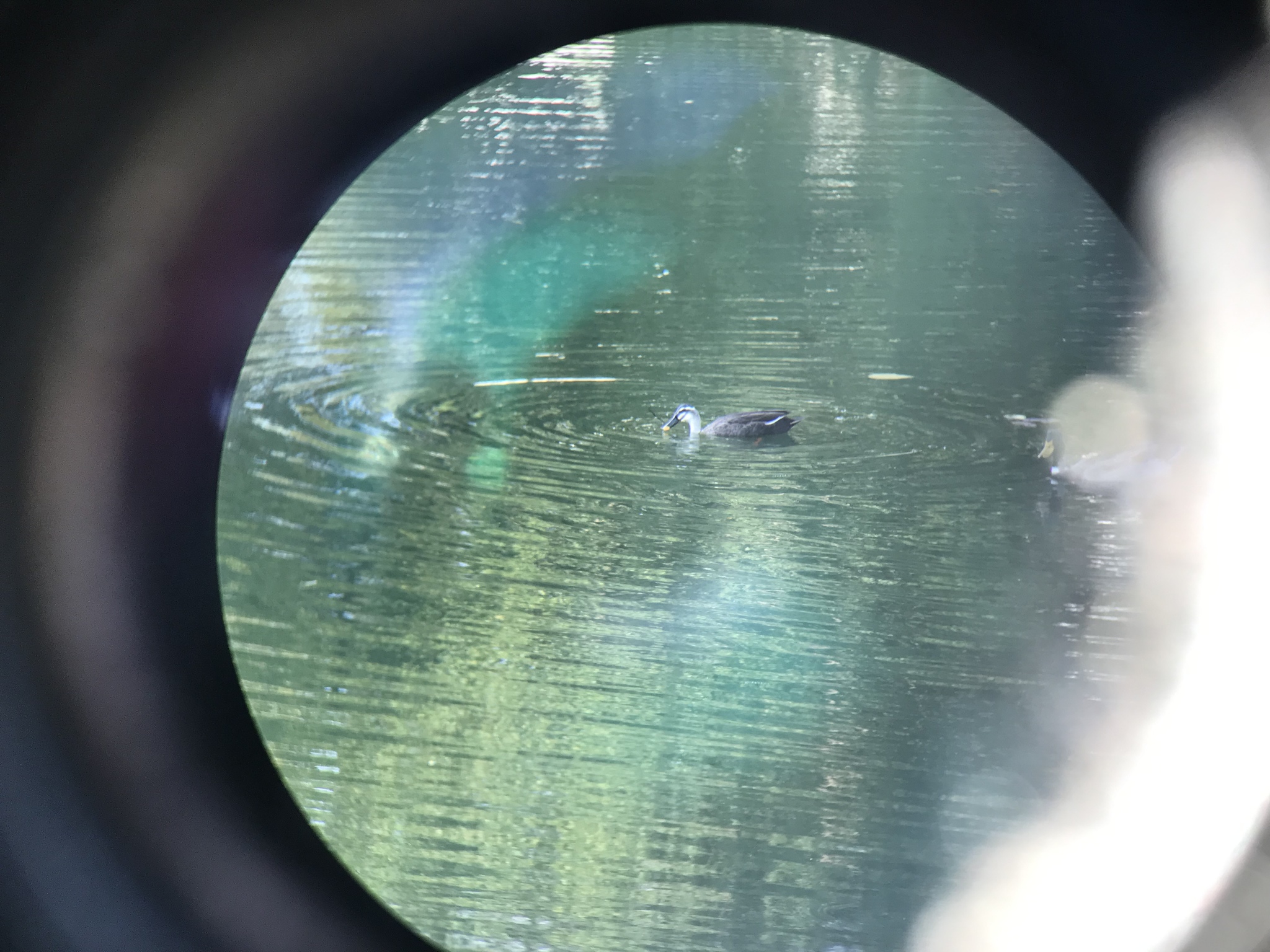

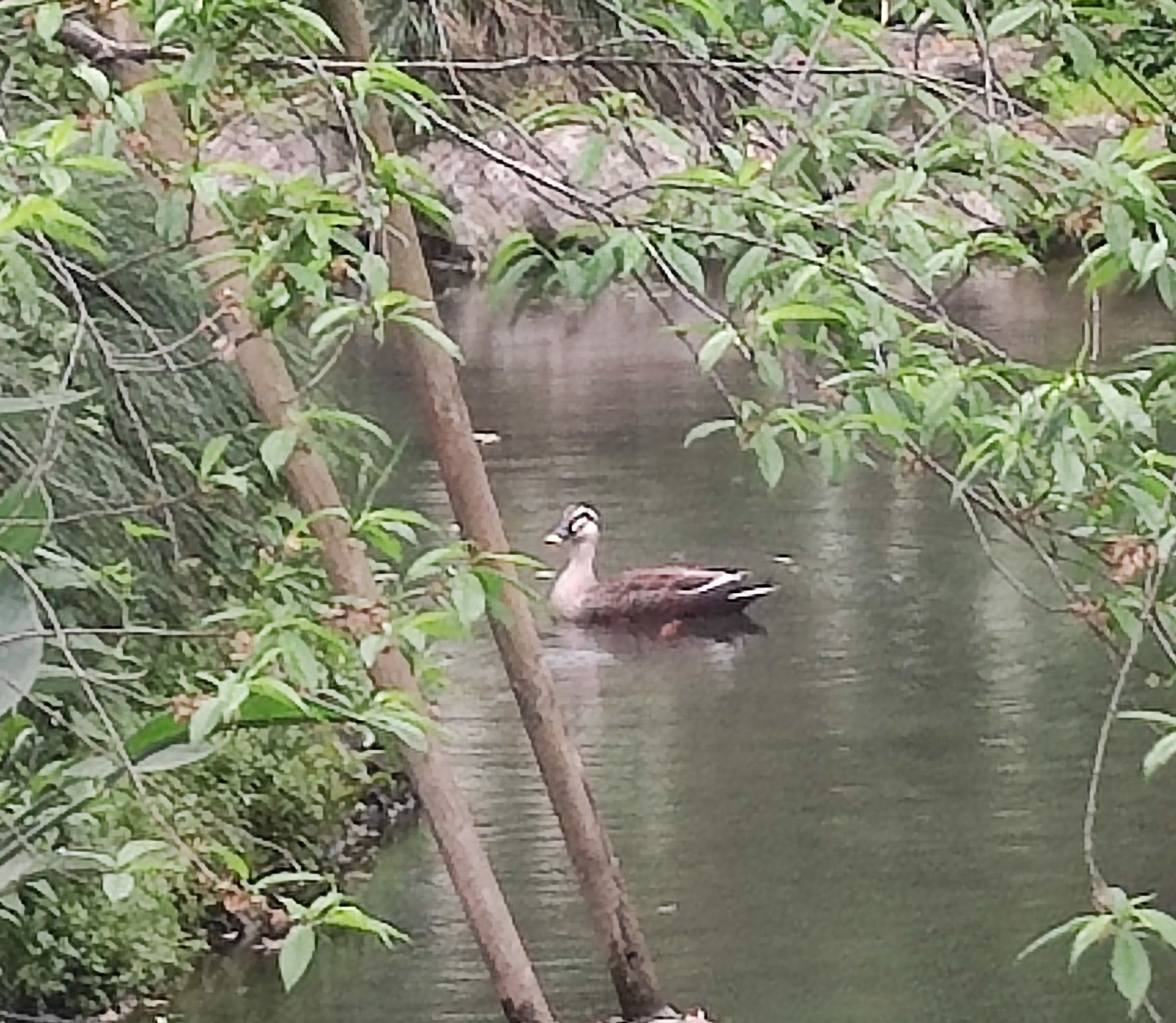




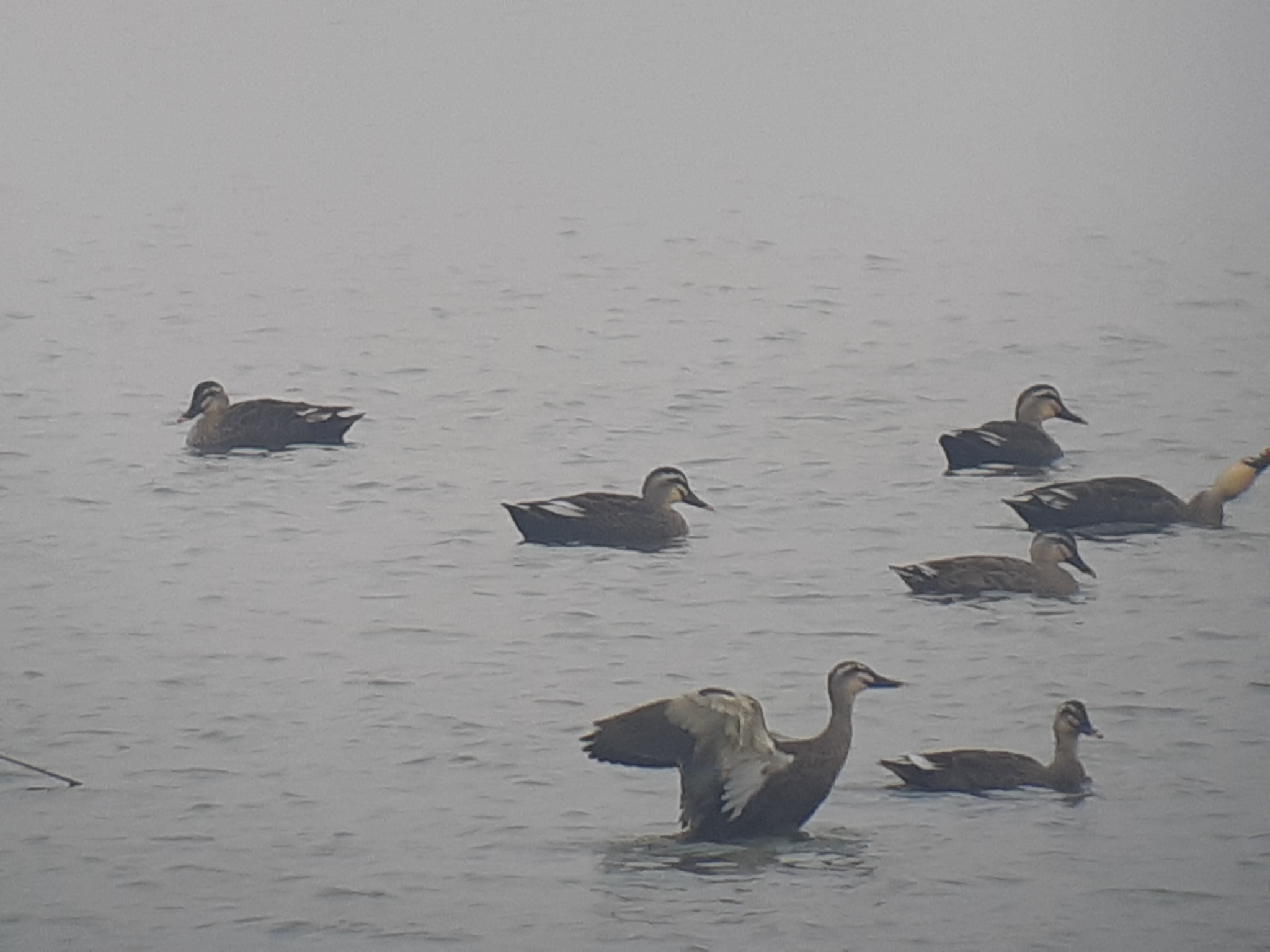
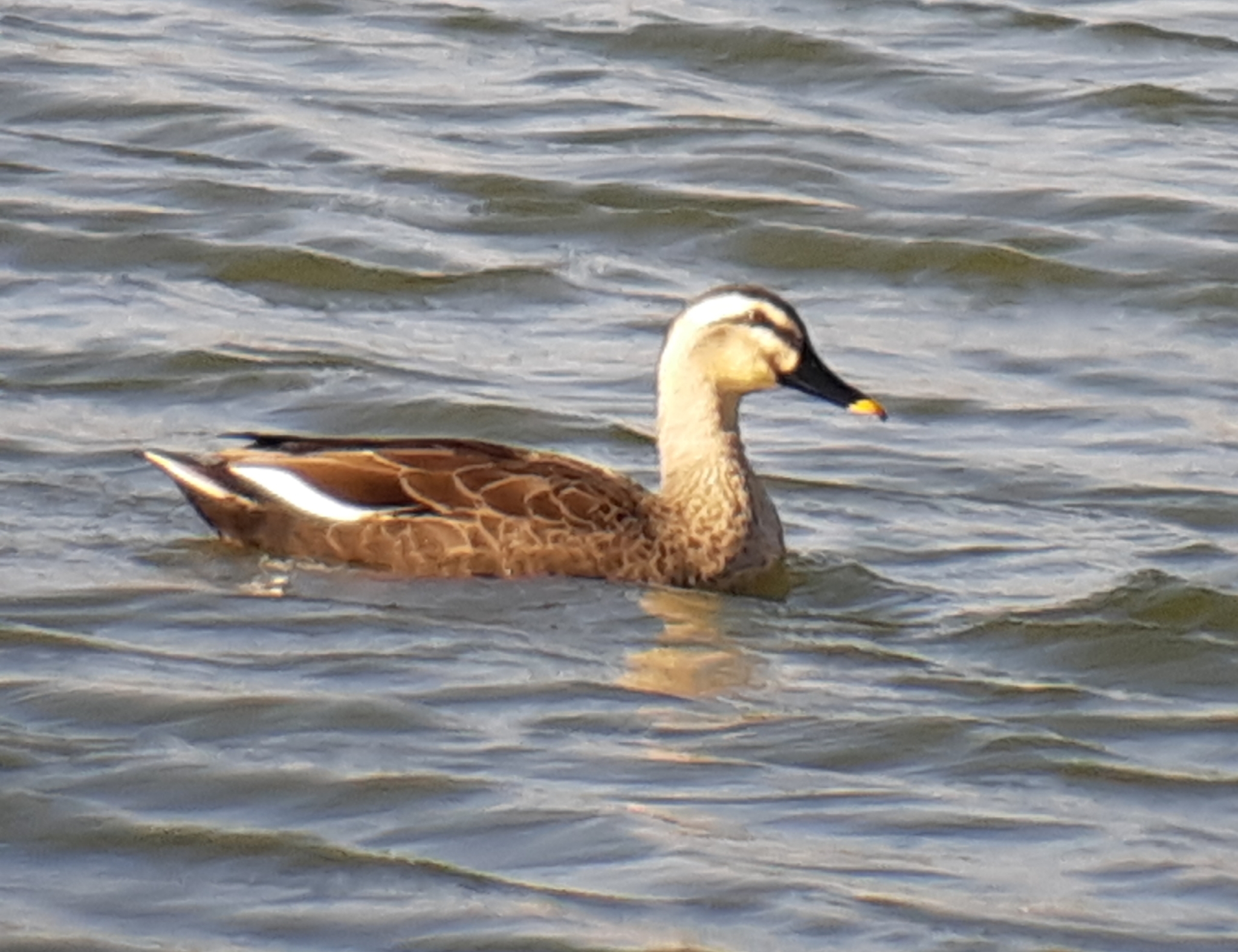
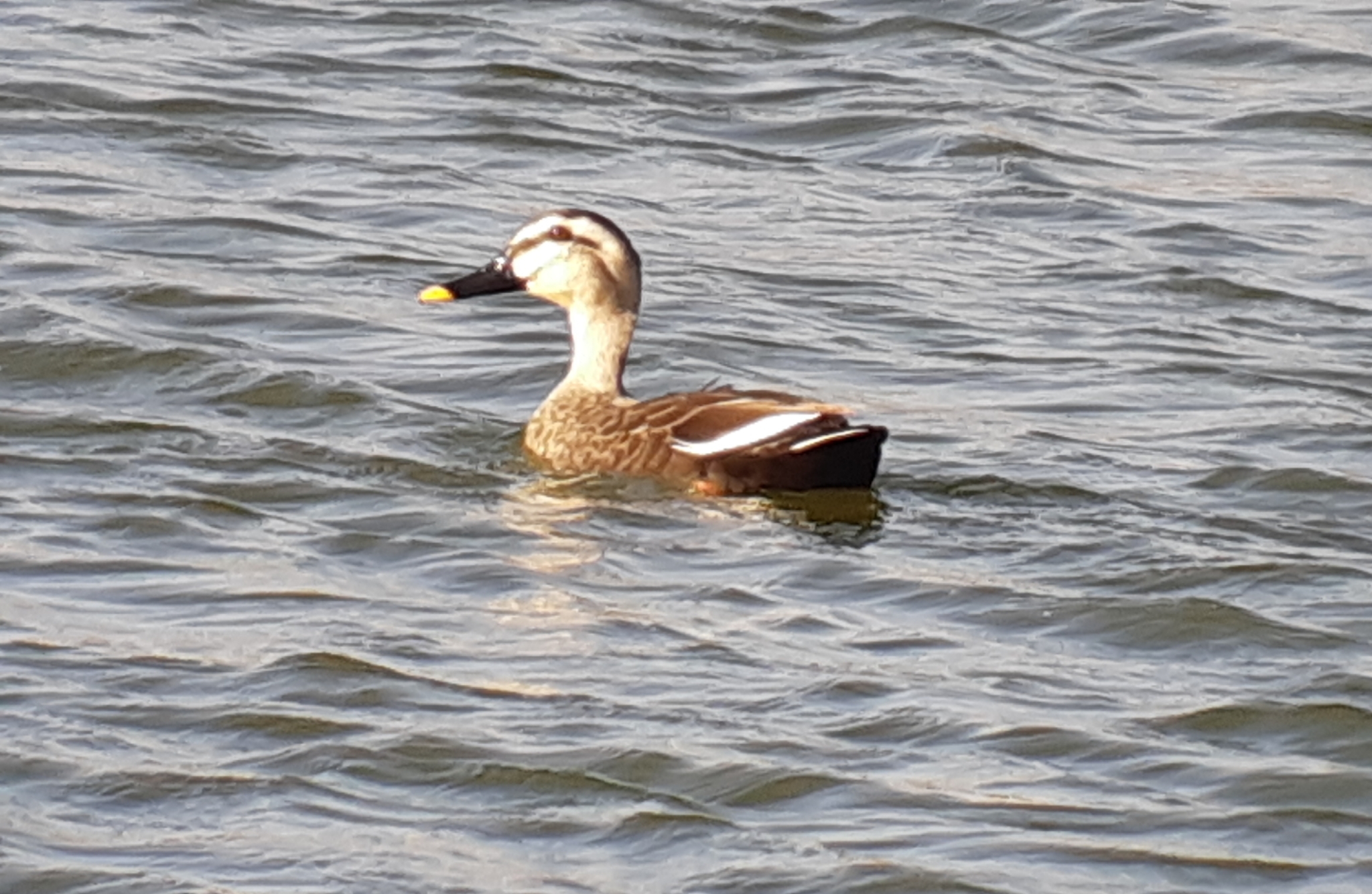
Eastern Spot-billed Duck
Anas zonorhyncha
斑嘴鸭
Introduction
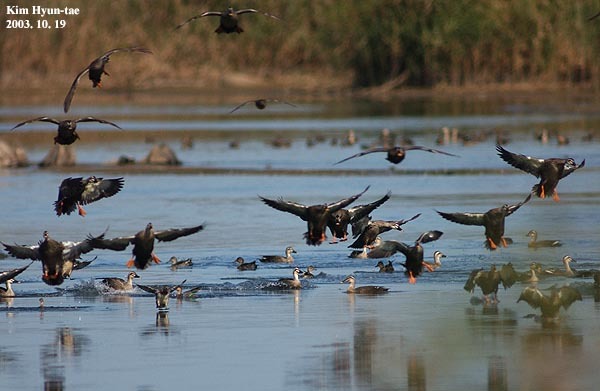
The Chinese spot-billed duck (Anas zonorhyncha) is a dabbling duck native to East and Southeast Asia. It was split from the Indian spot-billed duck (A. poecilorhyncha) as a distinct species in 2008. It inhabits freshwater lakes, marshes, and wetlands in open country throughout its range. This species has a black bill with a yellow tip. Males lack eclipse plumage, with both sexes maintaining breeding appearance year-round. Since the early 20th century, the breeding range has expanded northward by more than 500 kilometers in Japan and the Russian Far East. Outside the breeding season, it forms small flocks and often associates with other dabbling duck species. It feeds primarily at night.
Description
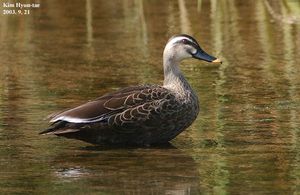
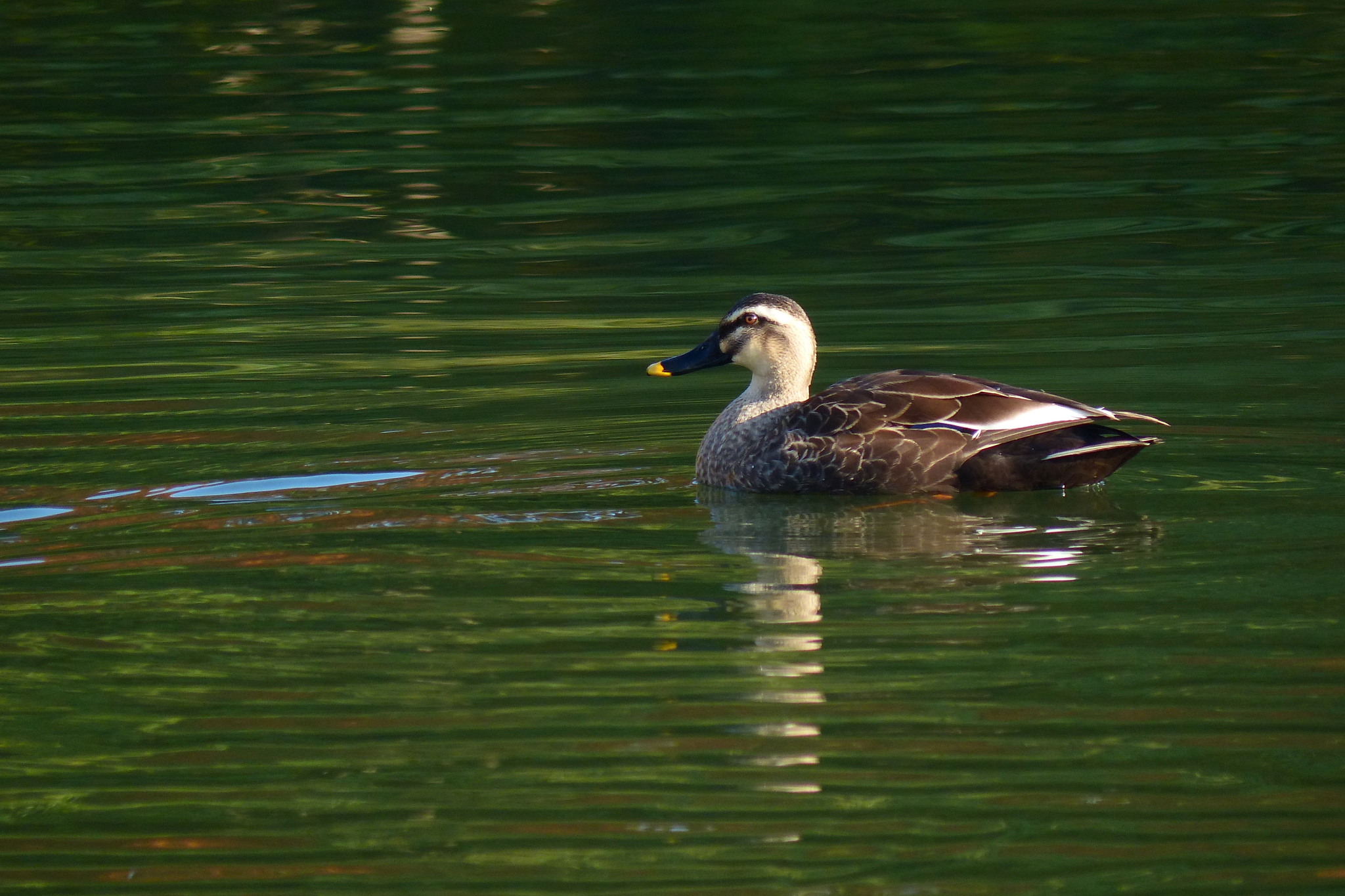
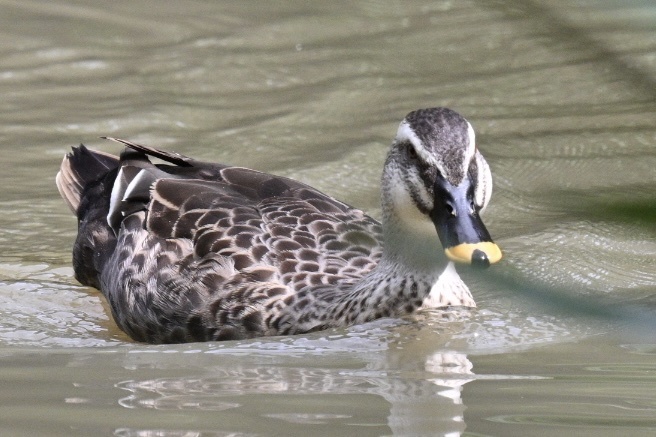
This duck matches the size of a familiar mallard, measuring 55-63 cm in length with a wingspan of 83-95 cm and weighing 790-1,500 grams. The plumage is predominantly grey with a scaly texture across the body, while the head and neck appear noticeably paler. The black bill is diagnostic, tipped with a bright yellow spot that contrasts sharply with the otherwise dark coloration. The wings display a striking blue speculum bordered in white when viewed from above, while the underside shows whitish wings with black flight feathers. Both sexes share similar coloration, and notably, males lack the eclipse plumage seen in many other dabbling ducks. Juveniles are browner and less vibrant than adults, with the bright orange legs and feet being a consistent feature across all age classes. The overall appearance is darker and browner than its close relative, the Indian spot-billed duck.
Identification
The combination of a long neck, black bill with yellow tip, and blue speculum provides the best identification clues for birdwatchers. This species is distinctly darker and browner than the Indian spot-billed duck, with plumage that more closely resembles the Pacific black duck. Unlike the Indian spot-billed duck, it lacks the red spot on the bill. The blue speculum is a reliable distinguishing feature, and the white border to the speculum from above adds another identification element. At rest, the elongated neck profile helps separate it from more compact dabbling ducks. The calls are very similar to those of the mallard, with females giving a loud quack and males producing a softer, deeper note. Hybrid individuals with mallards may occur in eastern Russia and can complicate identification.
Distribution & Habitat
This migratory species breeds across East Asia, including Japan and the Russian Far East, then winters in southern China and possibly throughout Southeast Asia. Remarkably, northern populations have expanded their breeding range by more than 500 kilometers since the early 20th century, a range expansion attributed to warming temperatures. Vagrants occasionally reach the Aleutian Islands of Alaska, providing a rare sighting for North American birders. The species favors freshwater lakes, marshes, and wetlands in open country environments, avoiding dense forest cover. Outside the breeding season, these ducks are highly gregarious, gathering in small flocks on their nocturnal feeding grounds. The breeding season typically spans April through July, though timing varies with local rainfall and water conditions.
Behavior & Ecology
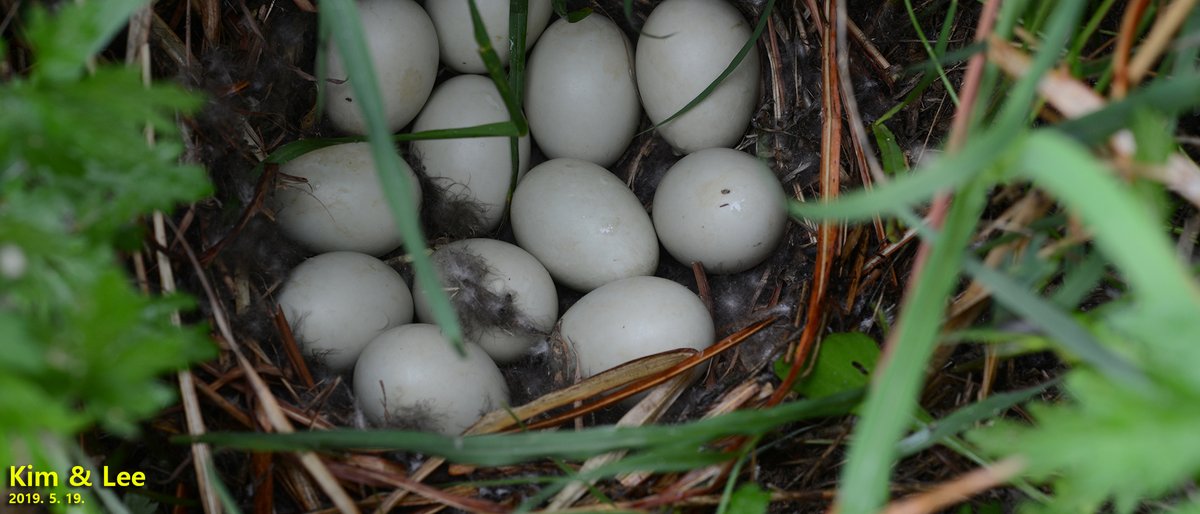
This duck feeds primarily on plant material obtained through dabbling in shallow waters, with feeding activity concentrated in the evening and nighttime hours. The breeding season generally falls between April and July, timing influenced by local rainfall patterns and water availability. Nests are constructed on the ground among vegetation situated close to water, typically containing a clutch of 7-9 eggs. Incubation begins only after the final egg is laid, ensuring all chicks hatch simultaneously after approximately 24 days. The ducklings are black with distinctive yellow back markings and resemble mallard ducklings but can be identified by their wider eyestripe. Both sexes undergo a complete postnuptial moult, dropping all wing feathers simultaneously. Vocalizations closely parallel those of the mallard, with females producing a characteristic loud quack and males giving a softer, deeper call.
Conservation
This species appears to be thriving across its extensive range, with expanding populations in the northern portions of its distribution demonstrating a successful adaptation to changing environmental conditions. While specific population figures are not available in current sources, the northward range expansion observed in recent decades suggests a healthy and adaptable species. The primary threats likely include wetland habitat degradation and pollution, as well as hunting pressure in parts of its range. Conservation efforts focused on protecting freshwater wetland habitats will benefit this and many other waterbird species throughout East and Southeast Asia.
Culture
The species holds relatively little documented cultural significance compared to more prominent waterfowl in the region. Its taxonomic history represents the most notable aspect of its cultural relevance, having been considered conspecific with the Indian spot-billed duck for many years before being elevated to species status based on detailed research into its distinct characteristics and breeding biology. This taxonomic split reflects ongoing scientific understanding of avian biodiversity in Asia and serves as an example of how modern ornithological research continues to refine our understanding of bird species relationships.
Source: Wikipedia · CC BY-SA 3.0
Taxonomy
- Order
- Anseriformes
- Family
- Anatidae
- Genus
- Anas
- eBird Code
- spbduc
Distribution
breeds southeastern Russia and eastern Mongolia eastward to Sakhalin and eastern China, Korean Peninsula, and Japan; winters to southern China, Taiwan, and Philippines
Data Sources
Species description from Wikipedia, licensed under CC BY-SA 3.0.
Bird images and sounds sourced from GBIF, contributed by citizen scientists worldwide under Creative Commons licenses.
Taxonomy data from AviList 2025.