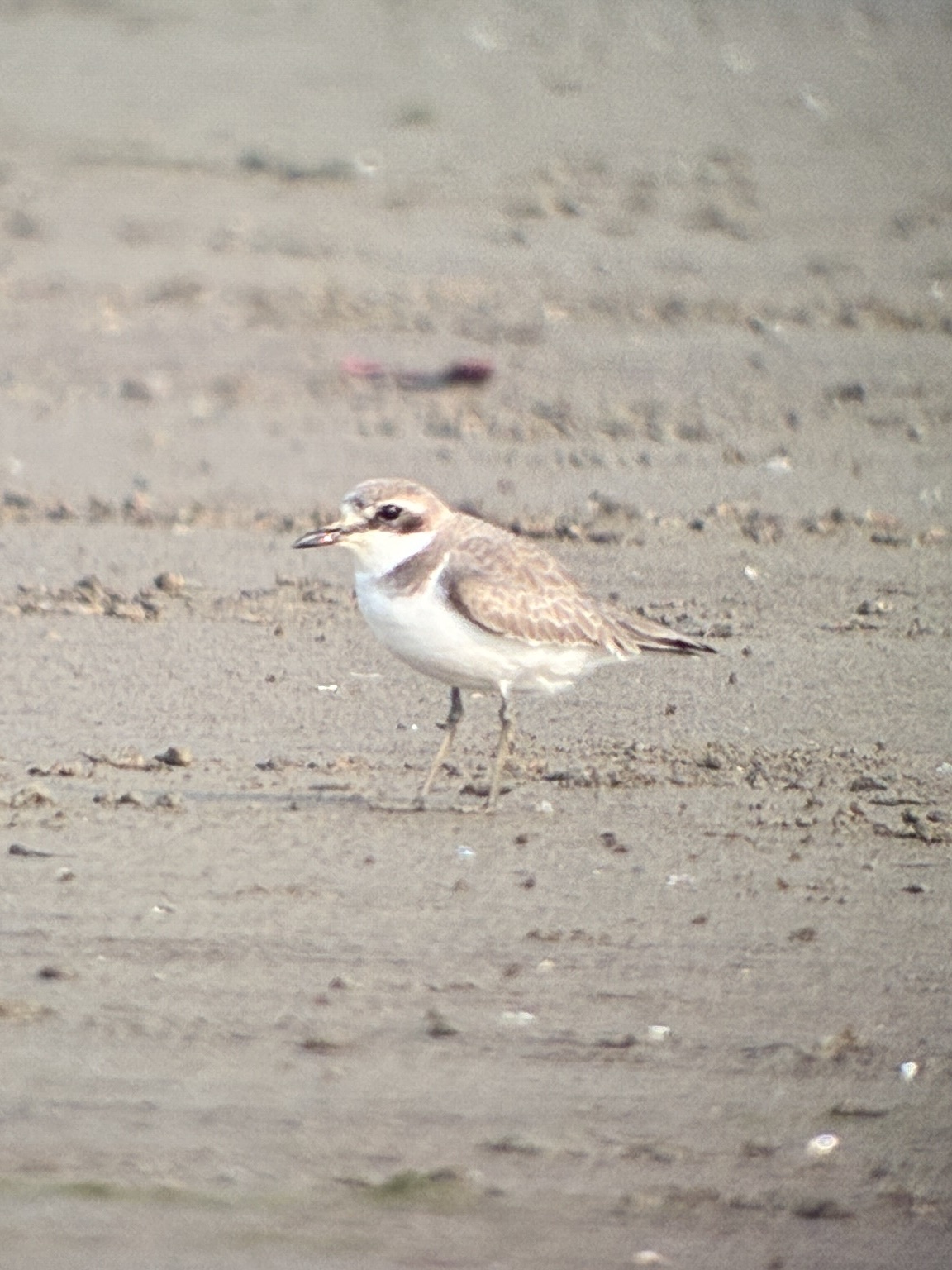
Greater Sand Plover
Anarhynchus leschenaultii
铁嘴沙鸻
Introduction
This wader breeds from Turkey through Central Asia to Mongolia in semi-desert landscapes, nesting in simple scrapes on bare ground. It winters on sandy coastlines across East Africa, South Asia, and Australasia. Slightly larger than the common ringed plover, it has notably long legs and a thick bill. It forms loose flocks with other waders during winter. Vagrants occasionally occur in western Europe and North America.
Description
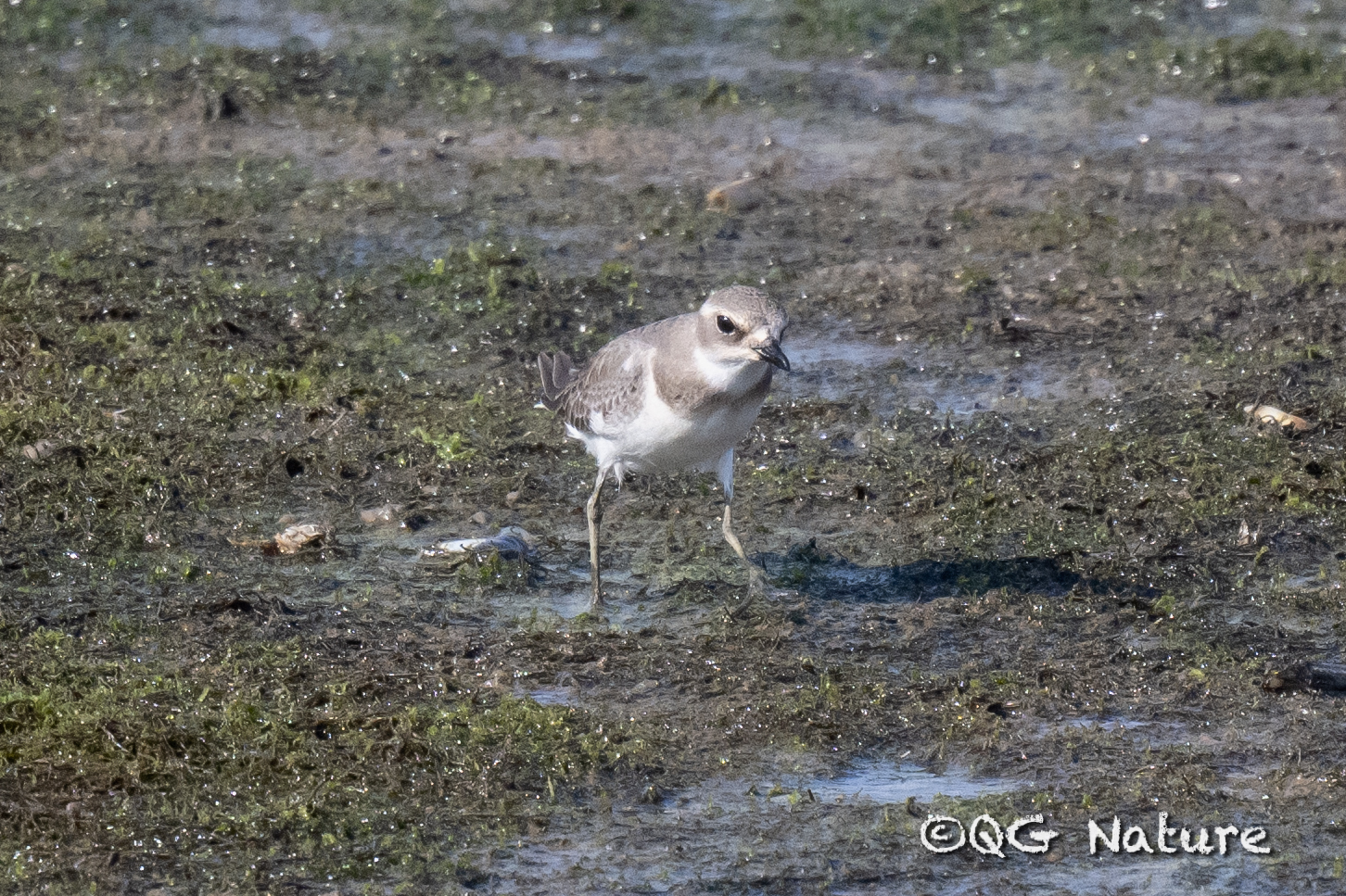
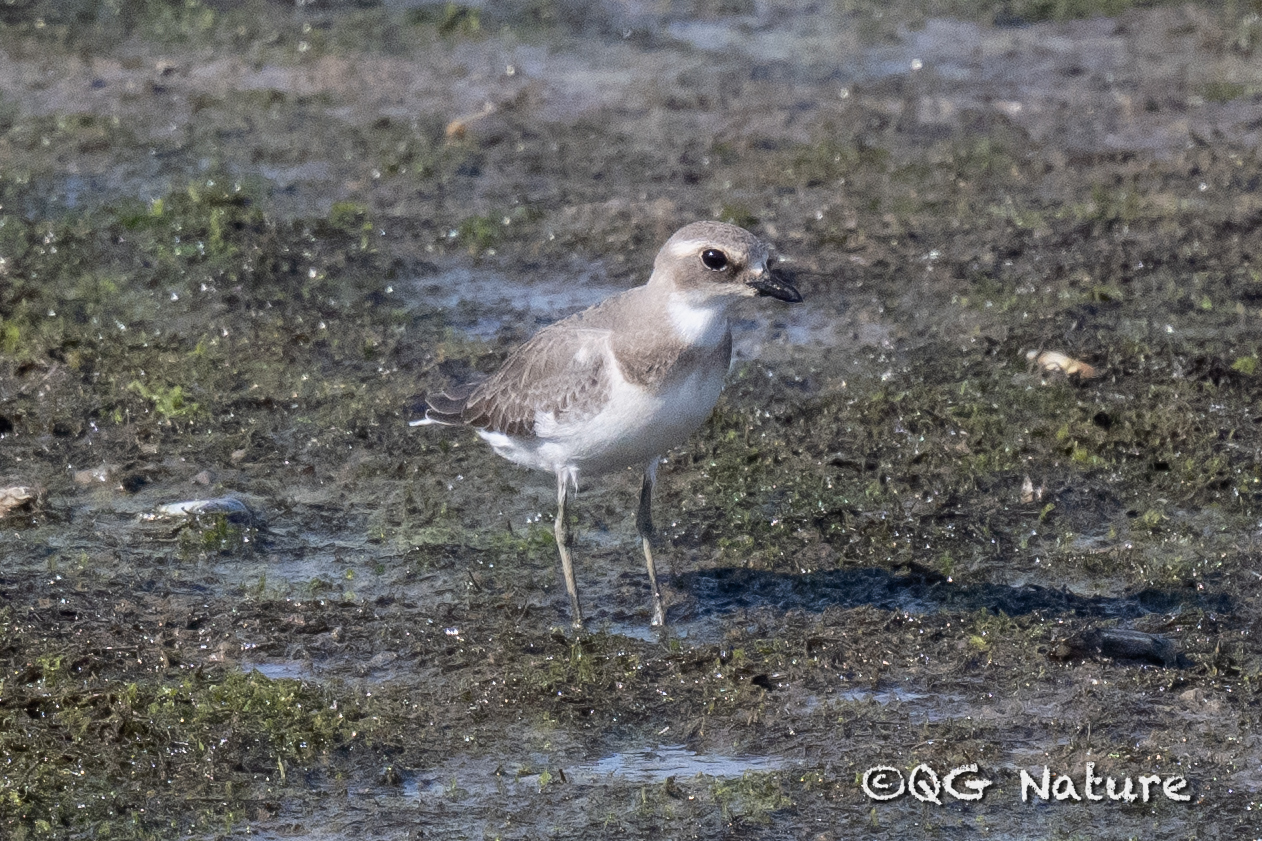
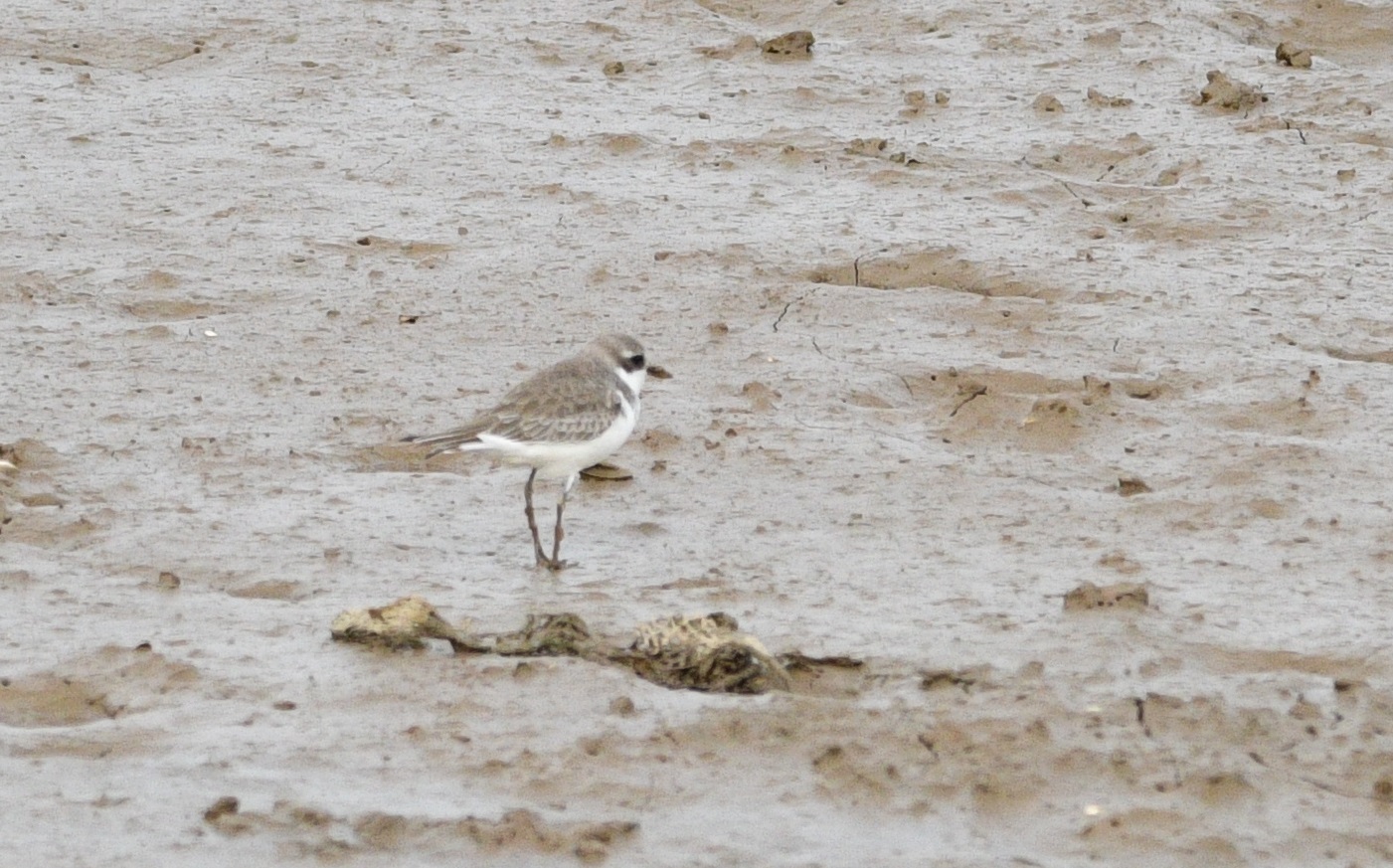
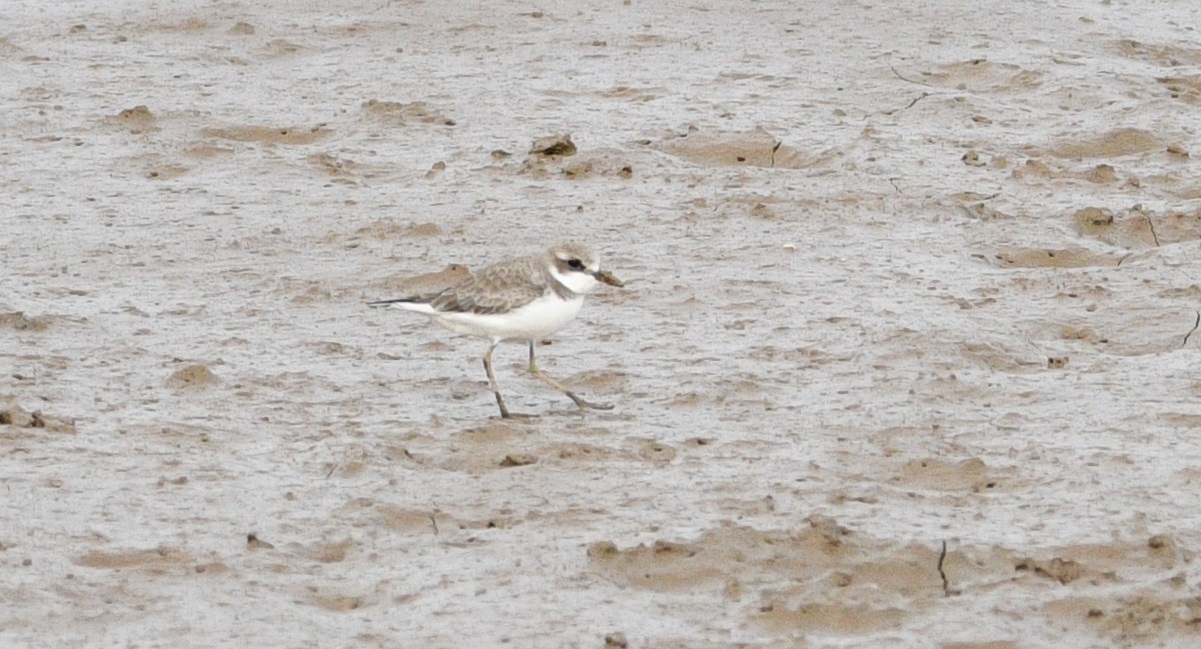
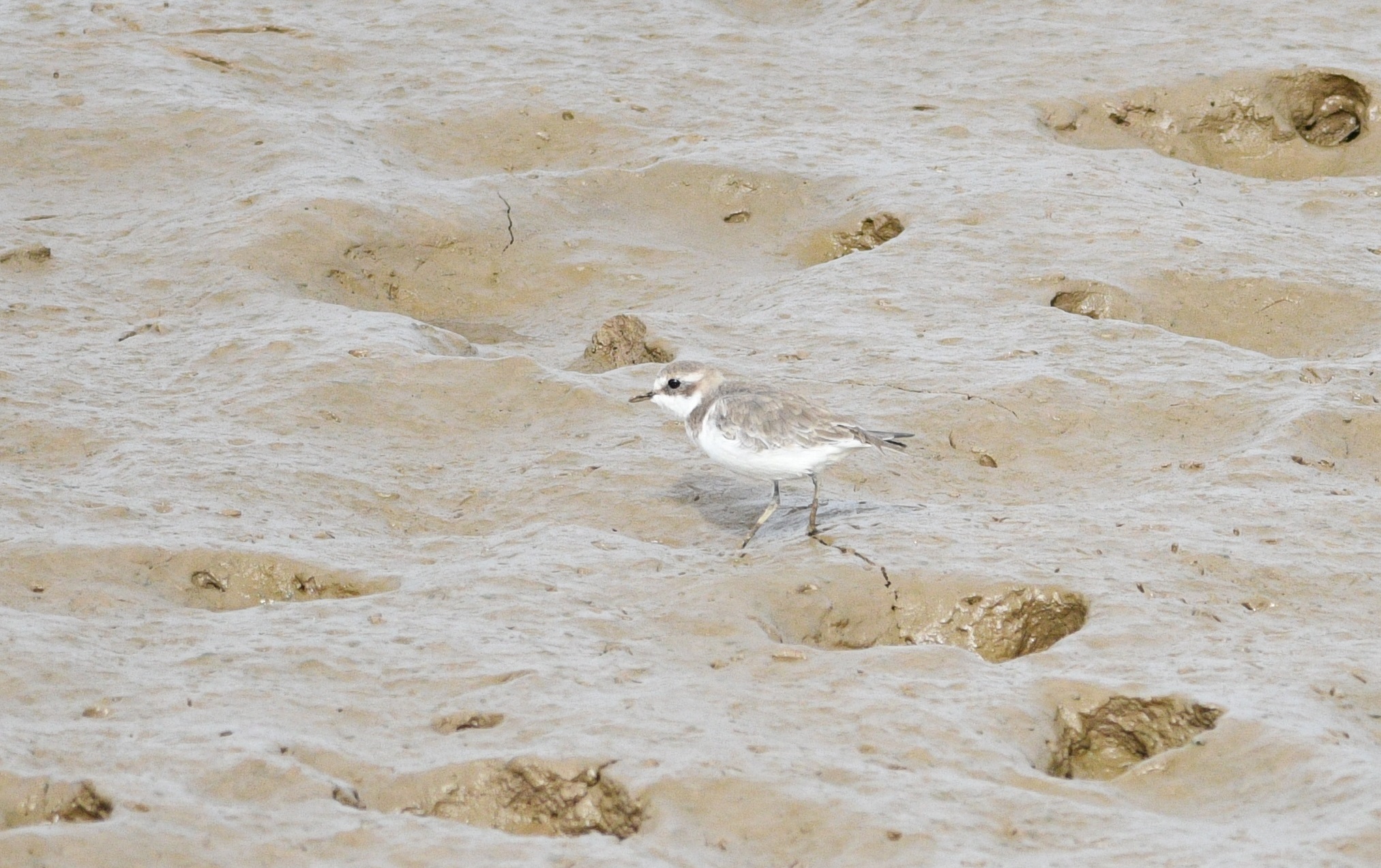
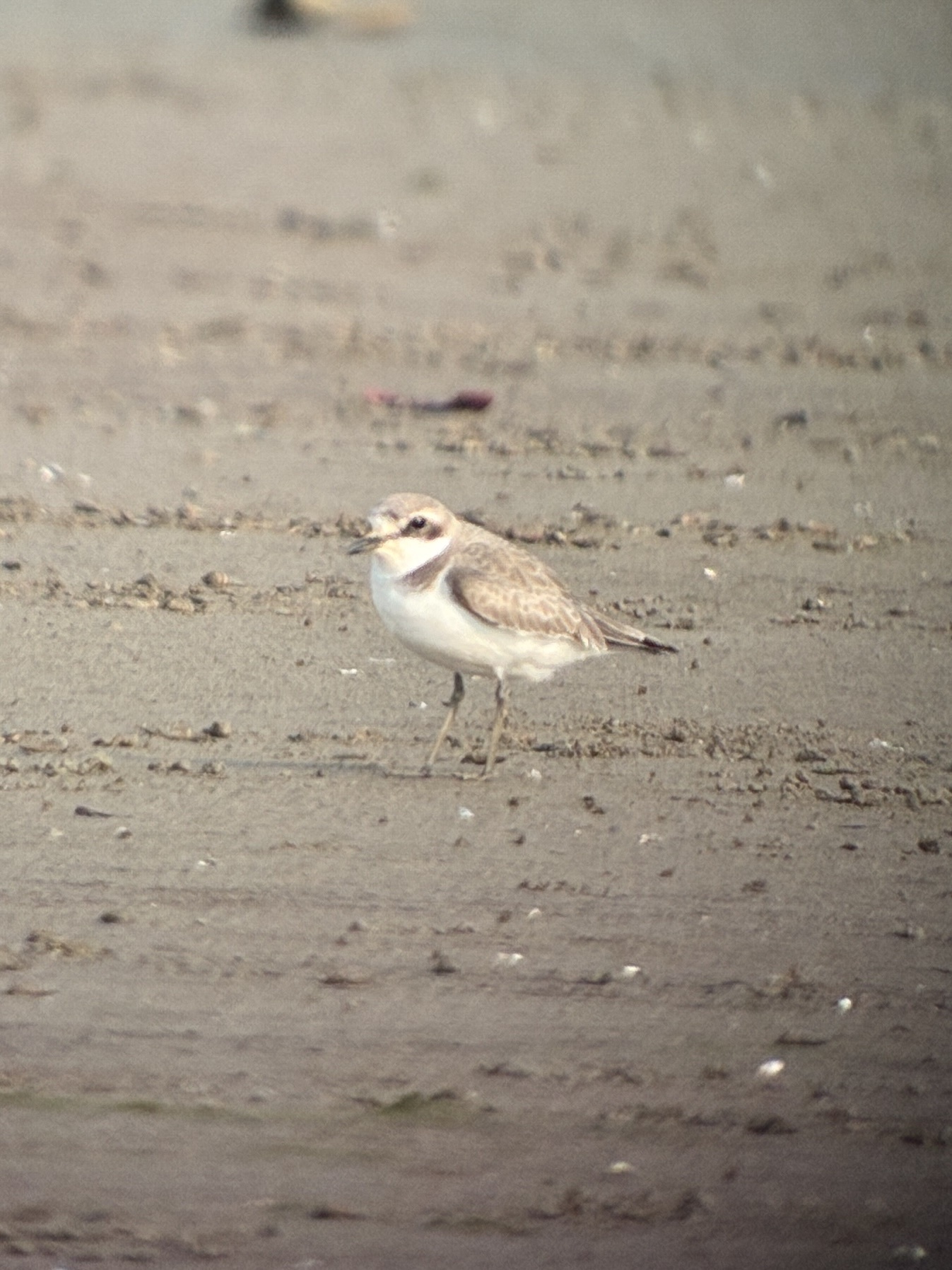
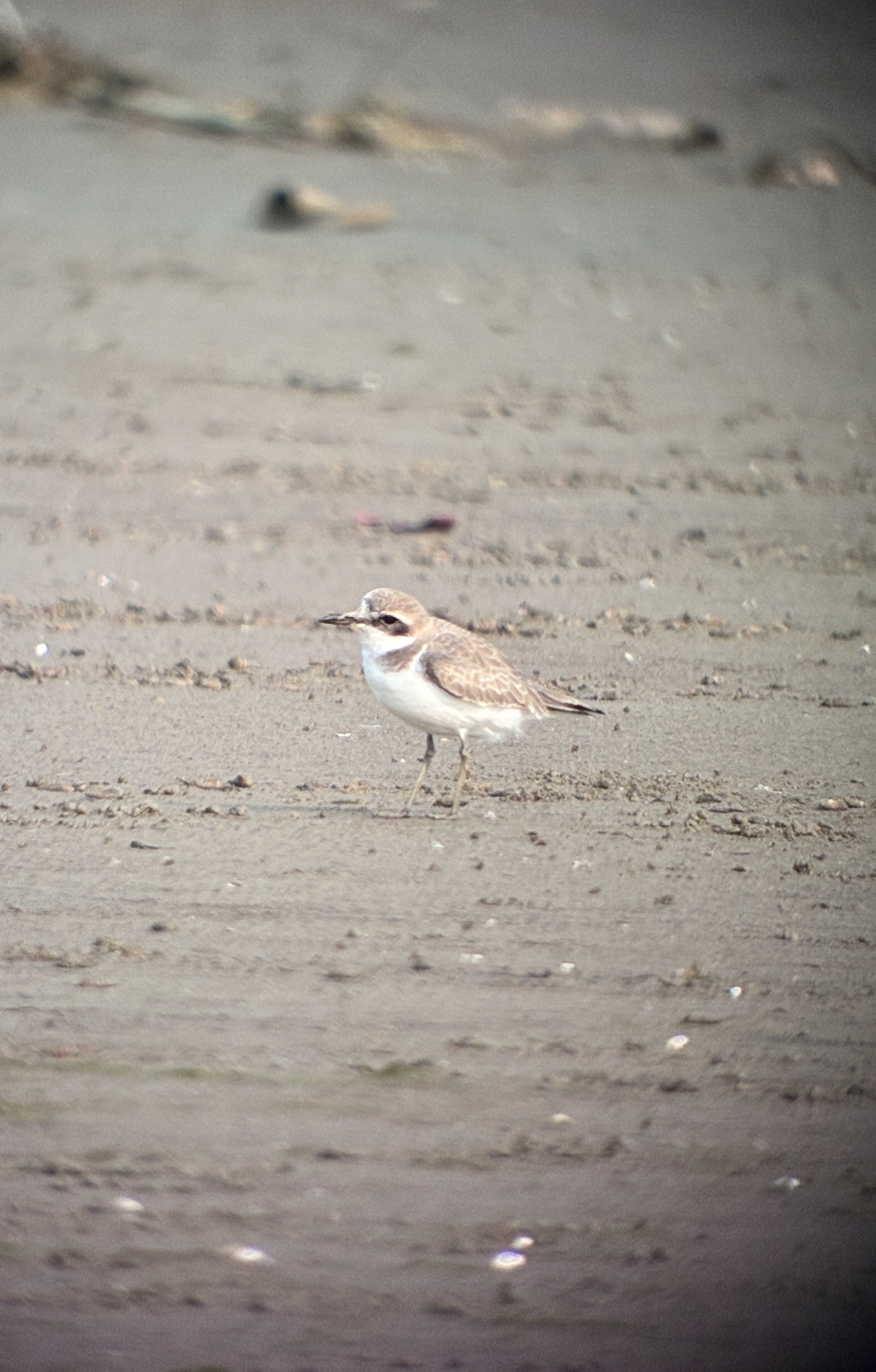
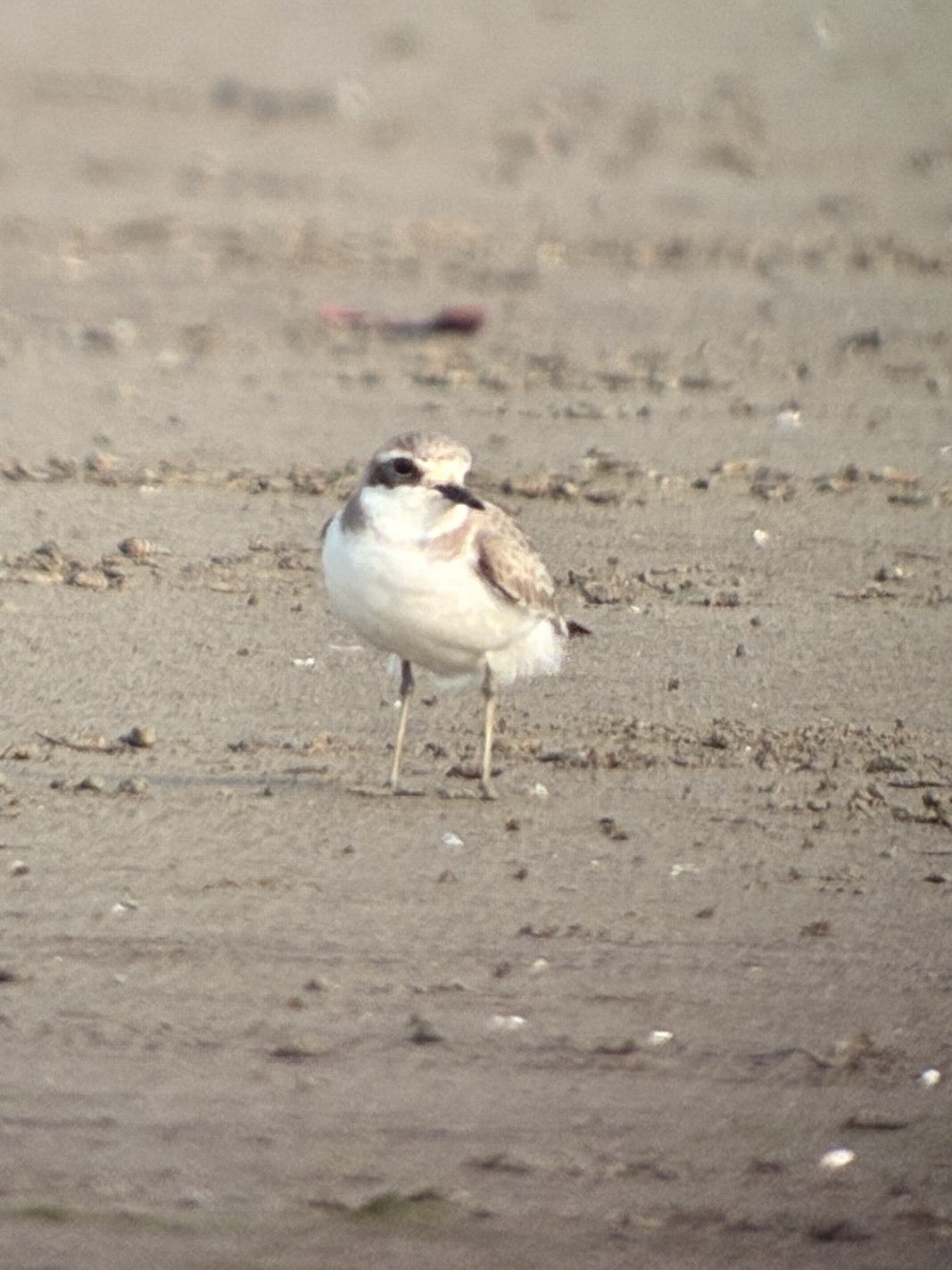
This chunky plover measures 19-22 cm in length, making it slightly larger than the common ringed plover. It possesses conspicuously long legs and a thick, robust bill that distinguish it from many similar species. Breeding males display sandy-buff upperparts and clean white underparts, with variable orange coloring on the breast, forehead, and nape, along with a distinctive black eye mask. Females are more subdued and greyish, while winter and juvenile plumage is browner overall with just a hint of rufous on the head. The legs are greenish-yellow and the bill is black. The species' structure and proportions are key identification features.
Identification
This species presents identification challenges due to its resemblance to the Siberian sand plover and Tibetan sand plover. In mixed wintering flocks on Indian beaches, the difference in size and structure is usually apparent, with this species being noticeably larger and having different proportions. The southwest Asian subspecies poses particular difficulties as it has a smaller bill similar to the other two species. Identifying lone vagrants in western Europe requires extreme care, as all three species are rare there and show subtle plumage differences that demand close examination of wing patterns, leg coloration, and bare part colors.
Distribution & Habitat
The breeding range extends from Turkey through Central Asia to Mongolia and northwestern China, where it nests in bare ground scrapes within semi-desert habitats. This species is strongly migratory, wintering on sandy beaches across East Africa, South Asia, and Australasia. It is a rare vagrant in western Europe, with records as far west as Iceland. North American records are exceptionally rare, with just three documented sightings, the most recent being April 2025 in Newfoundland, following a 2009 record in Florida.
Behavior & Ecology
Foraging is accomplished through a characteristic run-and-pause technique, rather than the steady probing method used by some other wader species. The diet consists primarily of insects, crustaceans, and annelid worms found on sandy beaches and mudflats. The flight call is a soft trill. During the breeding season, males perform aerial displays over their desert nesting territories. Outside the breeding season, they are typically found in small flocks along coastal beaches, often mixing with other wader species.
Conservation
The species is protected under the Agreement on the Conservation of African-Eurasian Migratory Waterbirds (AEWA), which covers its extensive migration route across multiple continents.
Source: Wikipedia · CC BY-SA 3.0
Taxonomy
- Order
- Charadriiformes
- Family
- Charadriidae
- Genus
- Anarhynchus
- eBird Code
- grsplo
Subspecies (3)
-
Anarhynchus leschenaultii columbinus
breeds Türkiye eastward to Azerbaijan and Jordan; winters southeastern Mediterranean, Red Sea, and Persian Gulf
-
Anarhynchus leschenaultii leschenaultii
breeds western China eastward to southern Mongolia and southern Siberia; winters Australasia
-
Anarhynchus leschenaultii scythicus
breeds Turkmenistan through southern Kazakhstan and Afghanistan (race?); winters to southeastern Africa
Data Sources
CBR Notes: 由Charadrius属移入Anarhynchus属(dos Remedios et al. 2015; Eaton et al. 2021)
Species description from Wikipedia, licensed under CC BY-SA 3.0.
Bird images and sounds sourced from GBIF, contributed by citizen scientists worldwide under Creative Commons licenses.
Taxonomy data from AviList 2025.