Grey-cheeked Fulvetta
Alcippe morrisonia
台湾雀鹛
Introduction
This species is an endemic resident of Taiwan in the Leiothrichidae family. It inhabits evergreen mountain forests throughout the island, occurring at higher elevations where it forages in the understory and mid-story layers of dense vegetation. The species was historically considered part of a wider complex but is now restricted to Taiwan's endemic population. It frequently joins mixed-species feeding flocks, particularly in winter months, associating with flycatchers, warblers, and tits.
Description
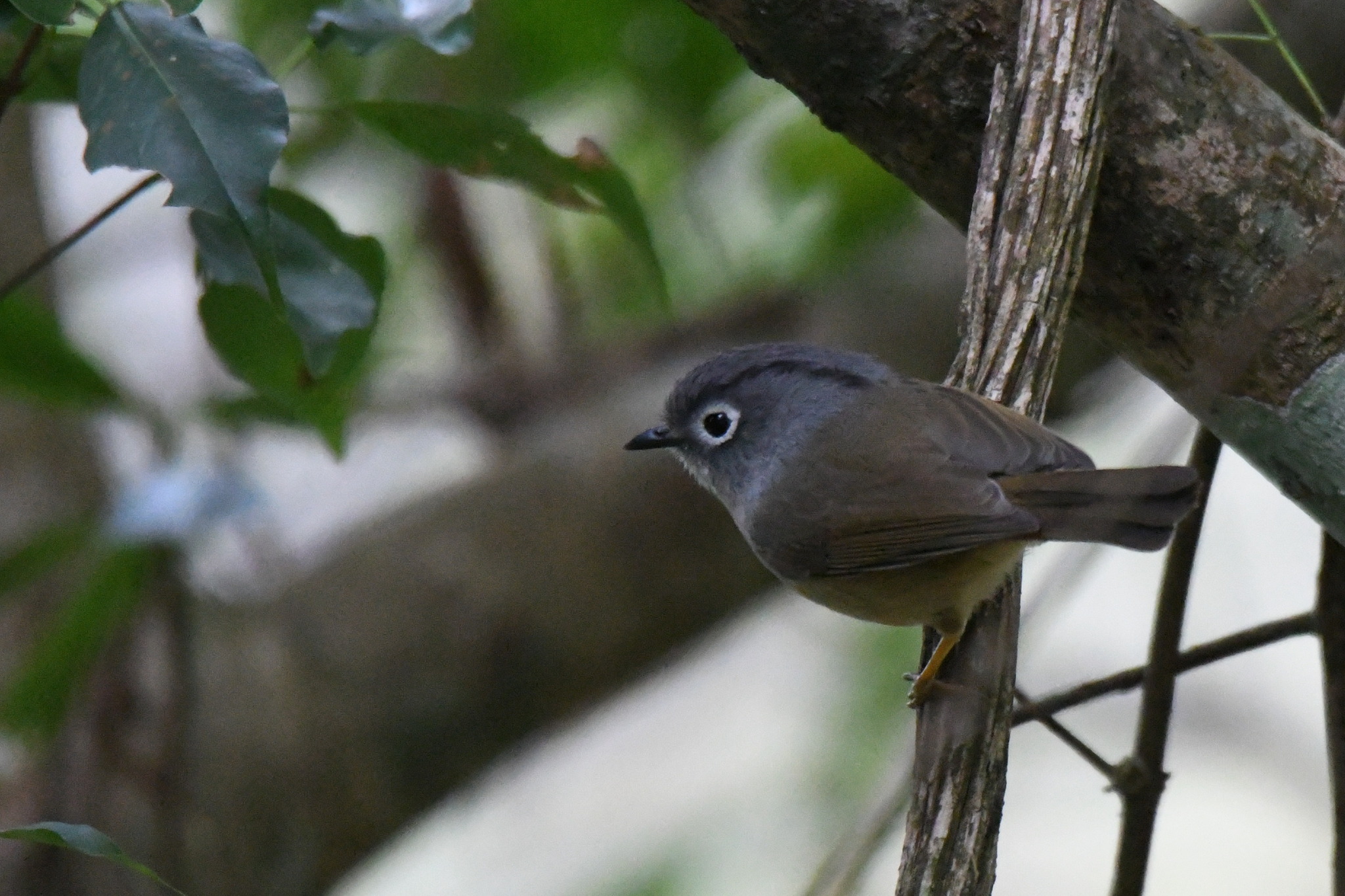
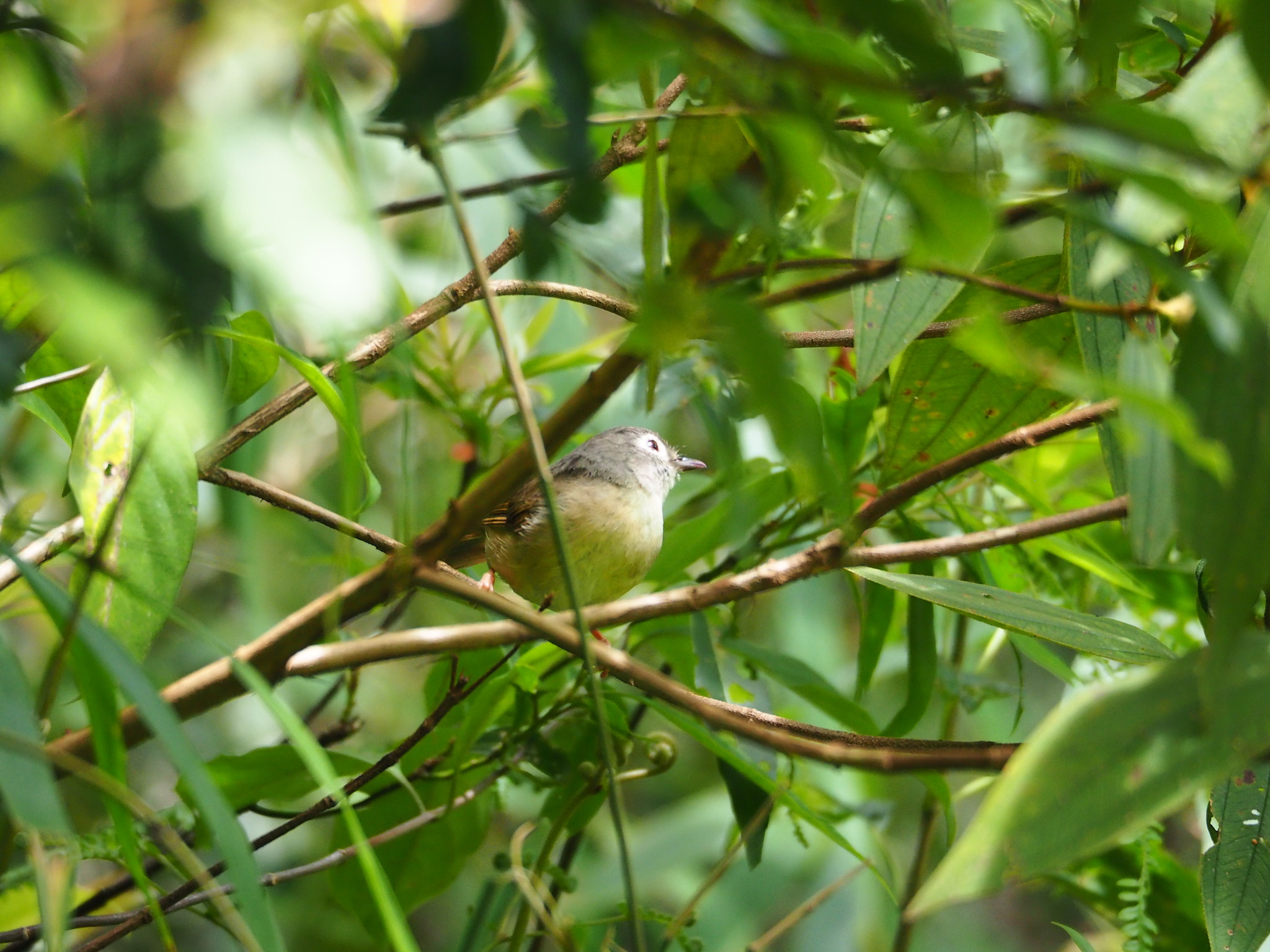
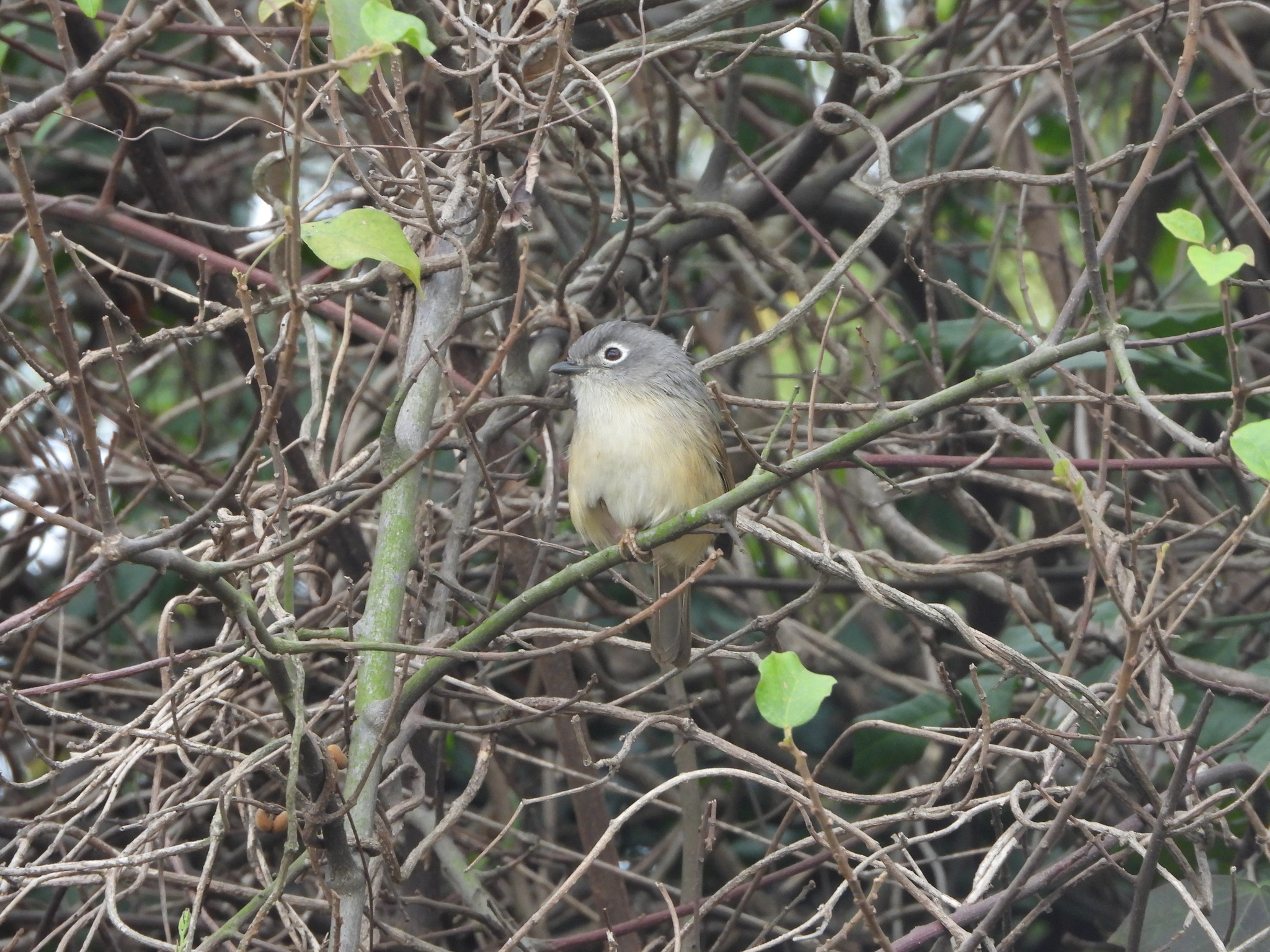
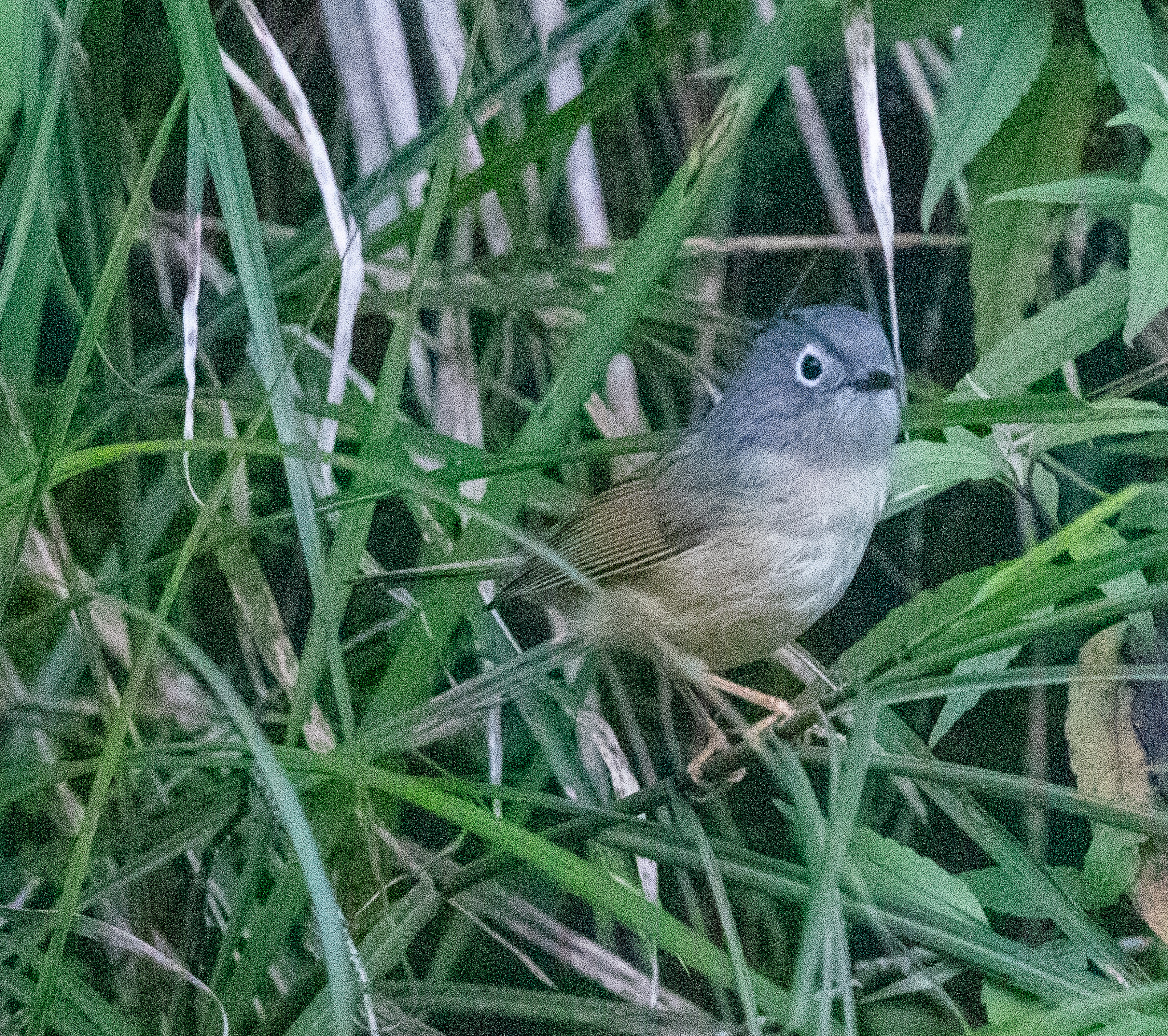
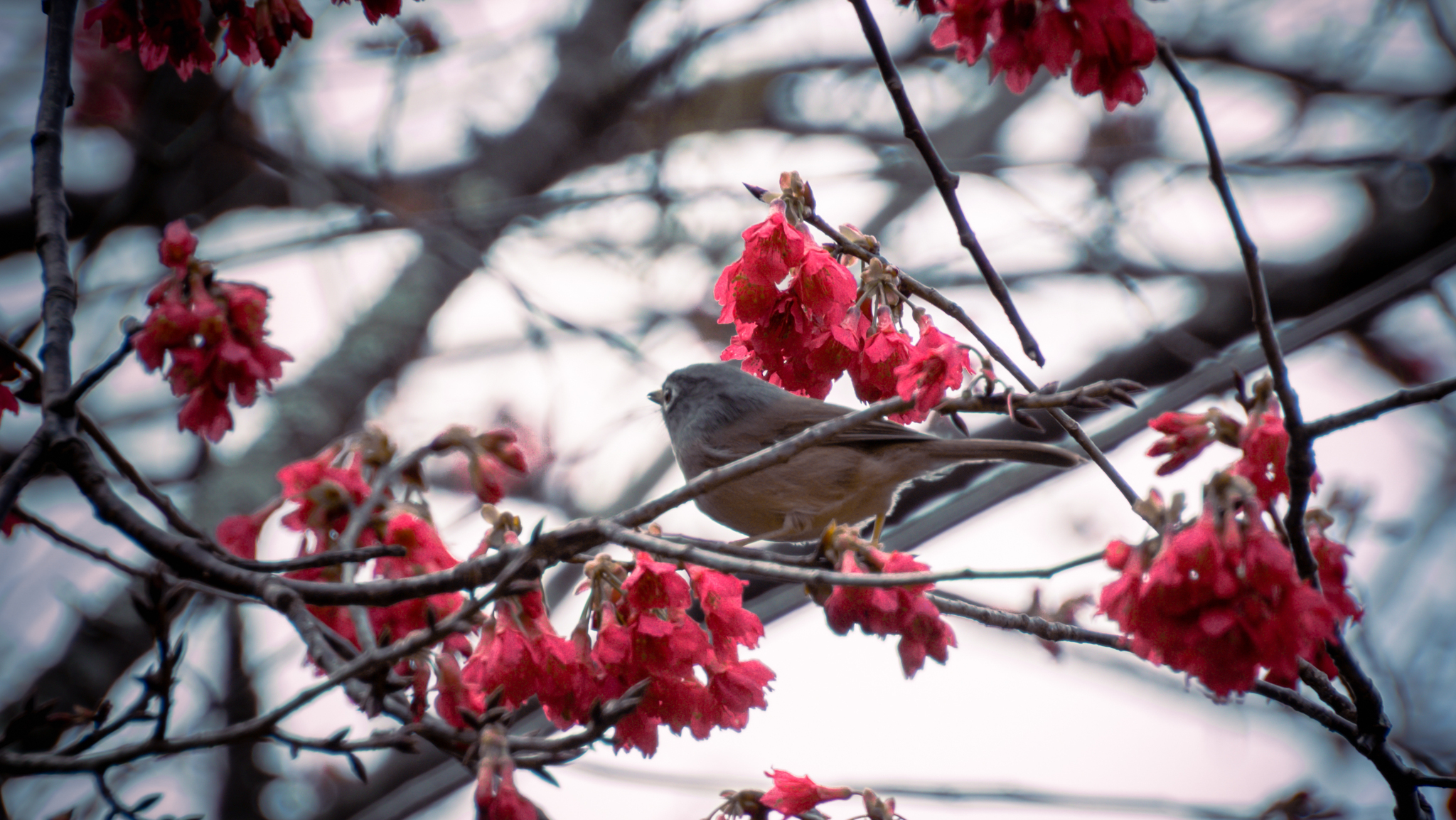
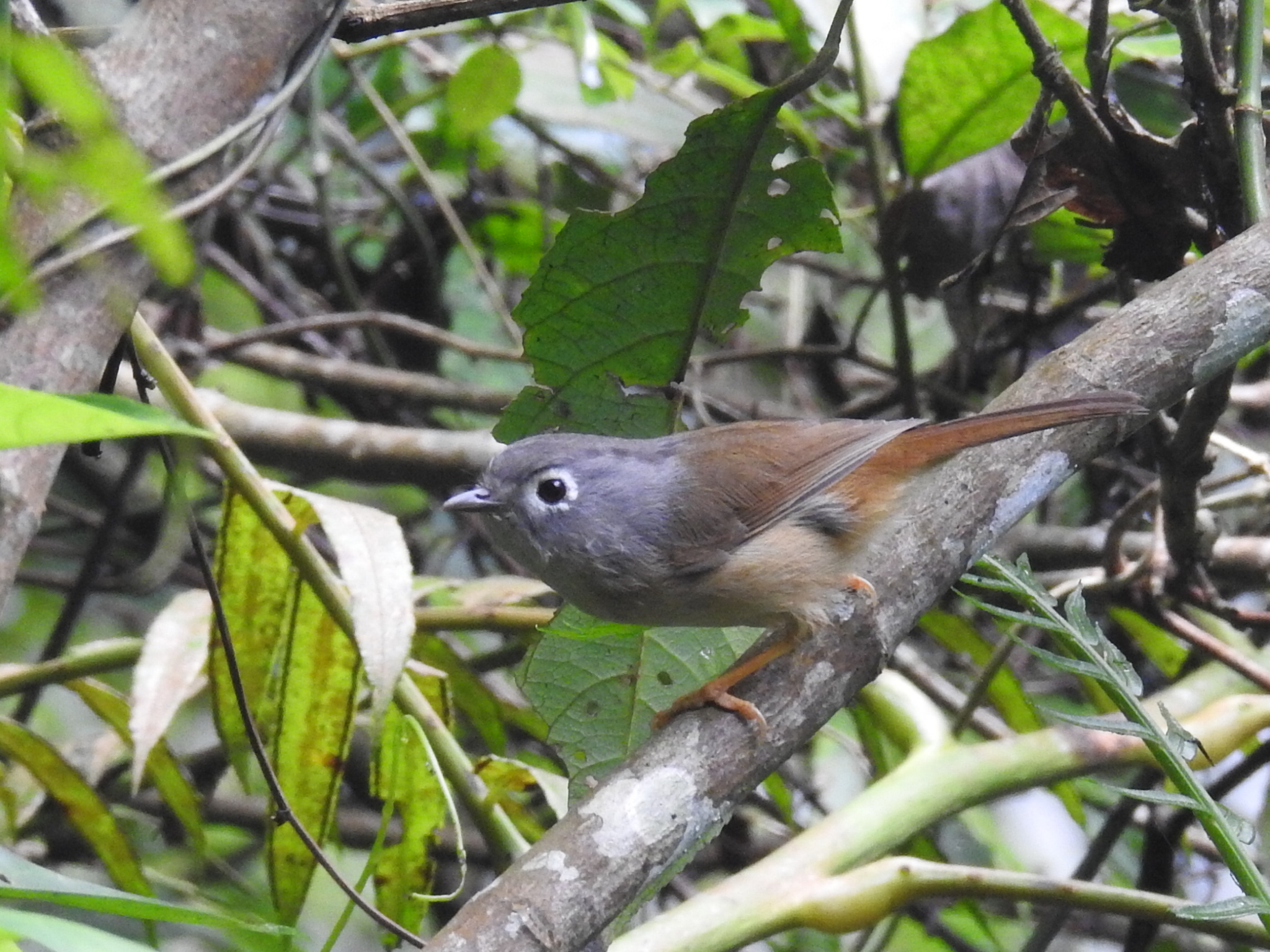
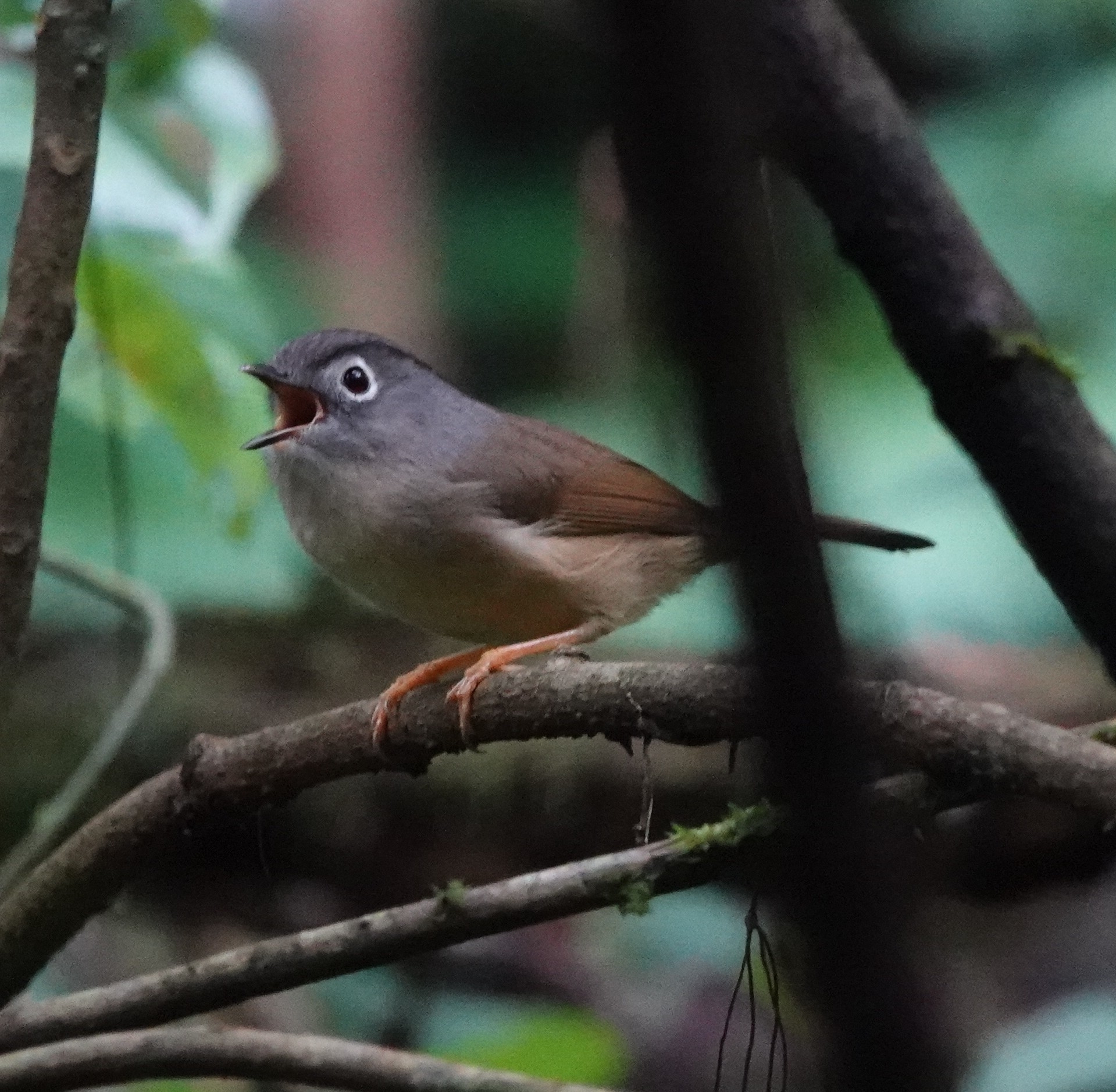
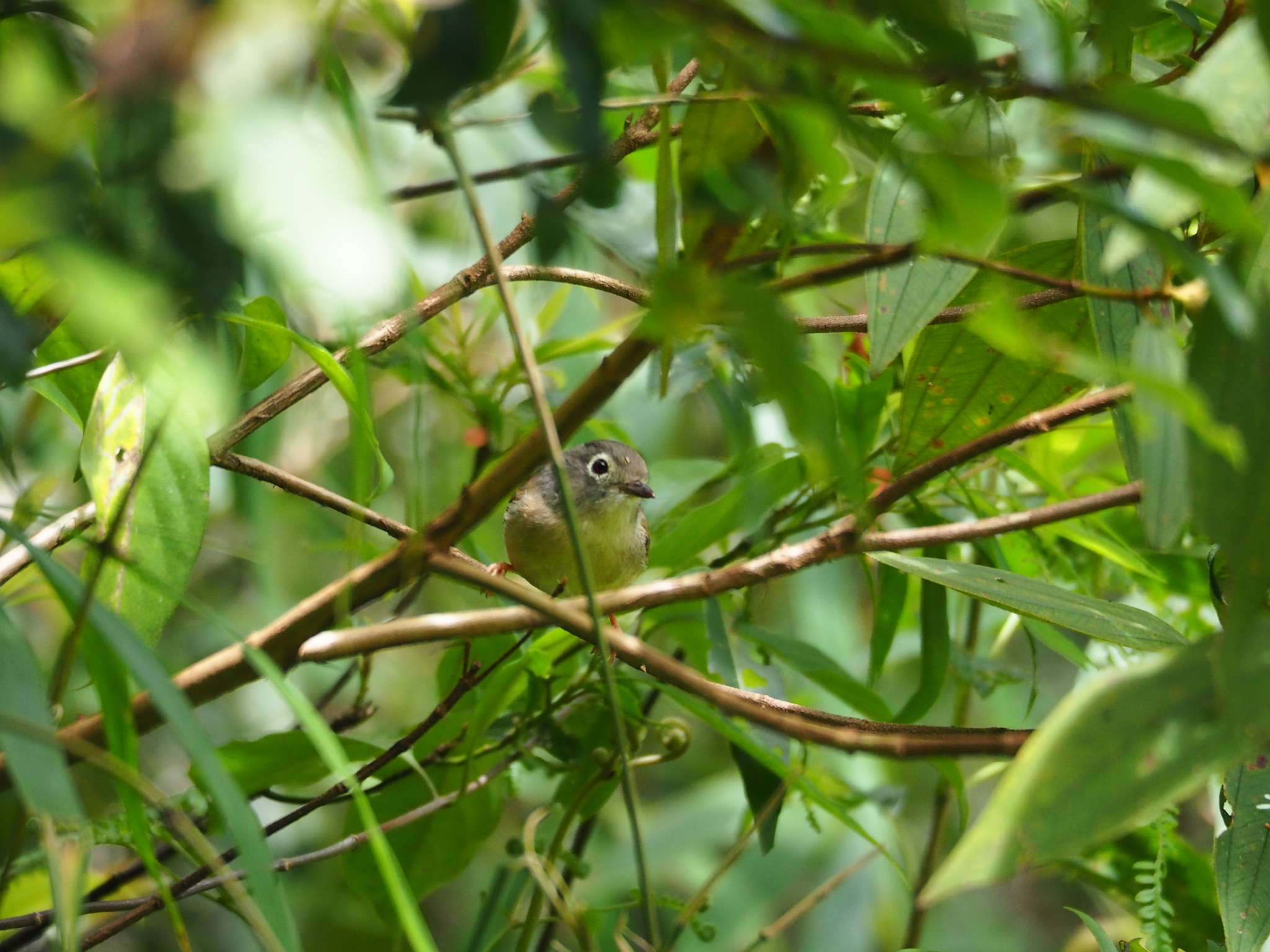
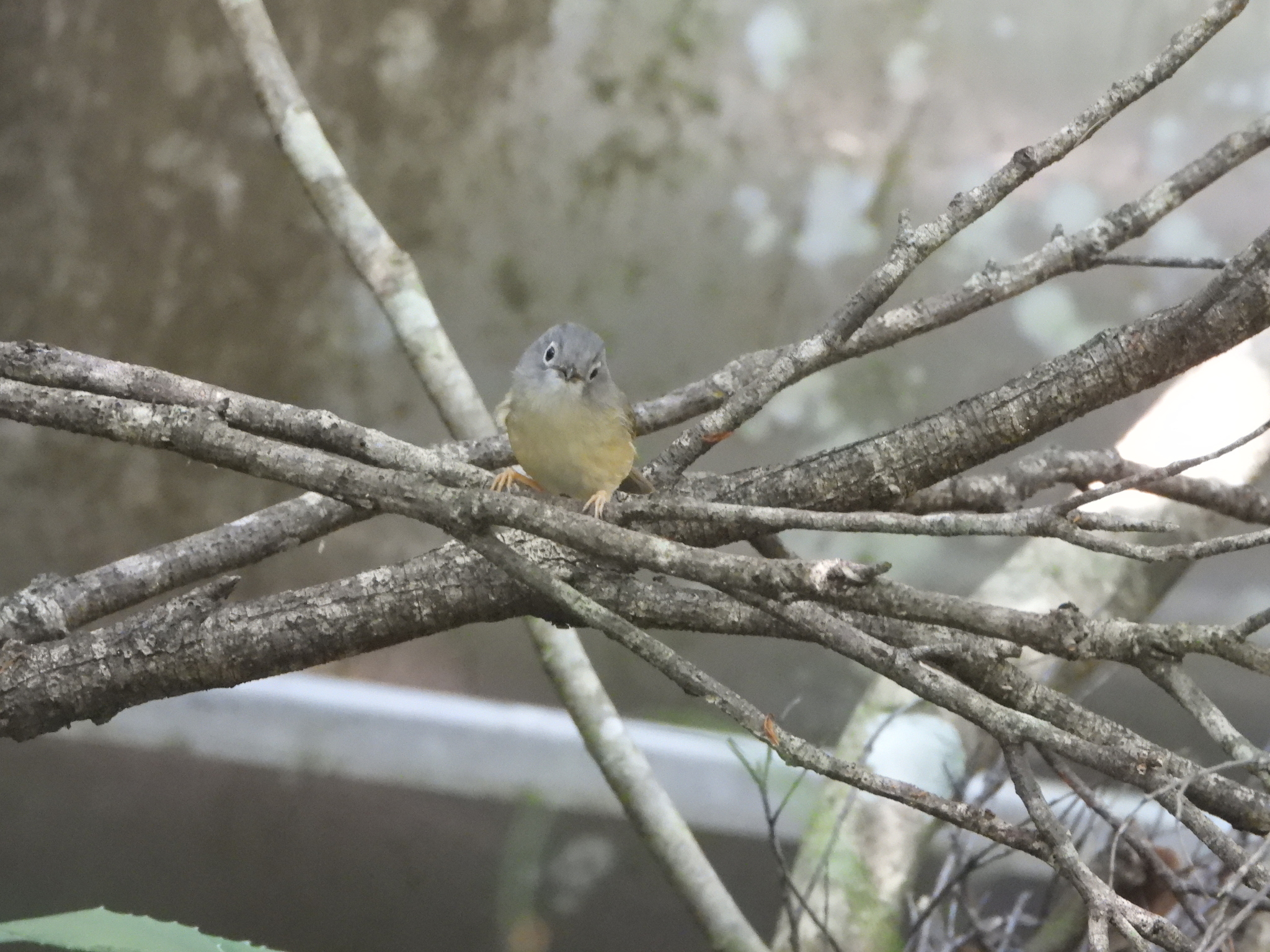
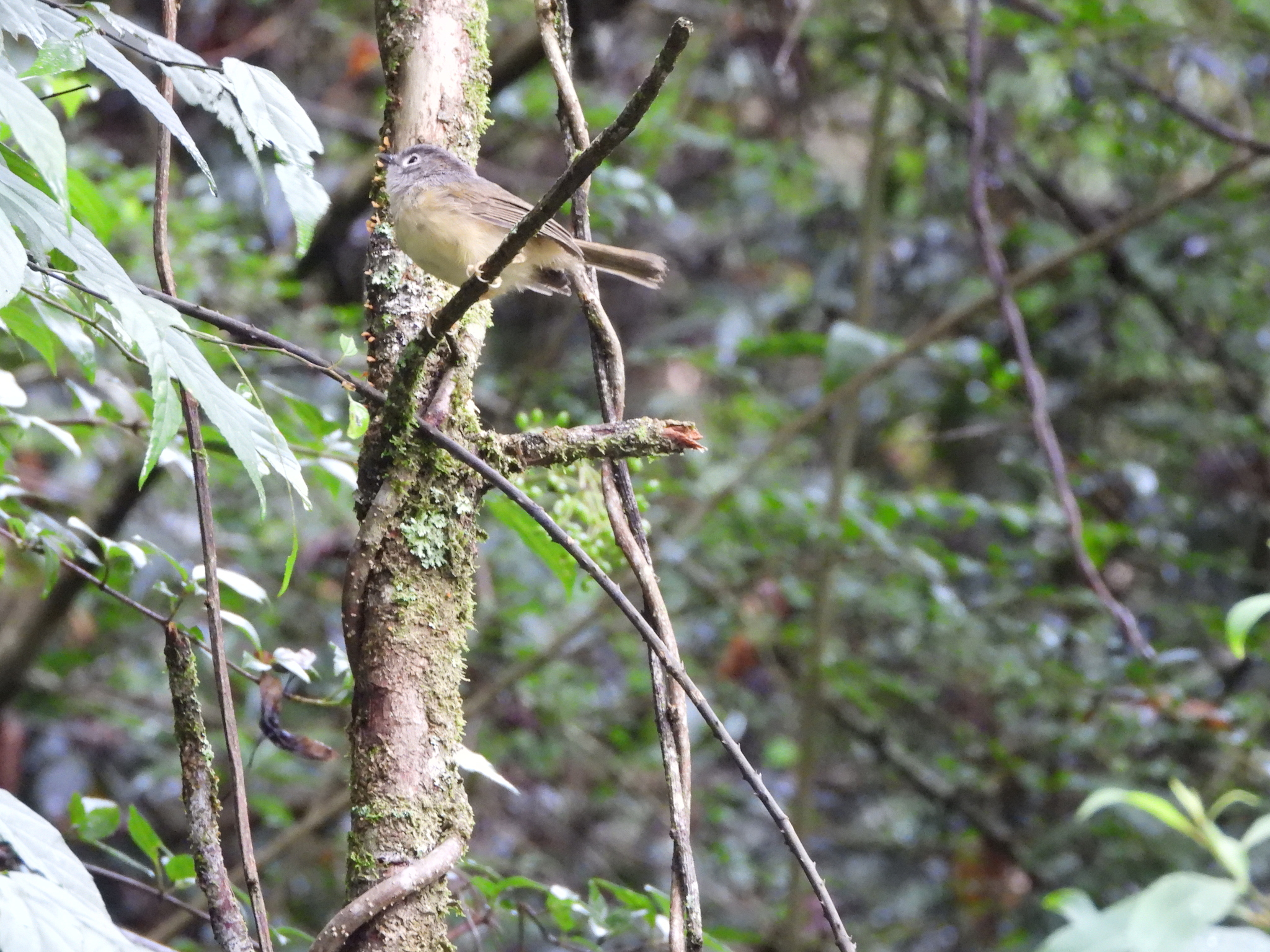
This compact fulvetta measures 15 cm in length with a rounded body shape typical of the genus. The head is predominantly grey, featuring a conspicuous white eye ring that contrasts with the dark face. A distinctive long black eye stripe extends from the base of the bill down the sides of the neck, creating a prominent facial marking. The upperparts display olive-brown coloration, while the underparts are washed with yellow, particularly on the breast and belly. The wings are relatively short and rounded, suited for maneuverability in dense forest habitat. The bill is slender and slightly curved, adapted for insectivory. Legs and feet are pinkish-brown. Sexes are similar in plumage, with no seasonal variation.
Identification
The combination of grey head, white eye ring, and long black eye stripe provides the primary identification features. The 15 cm size and olive upperparts with yellow underparts distinguish it from similarly sized forest birds. The prominent black eye stripe extending down the neck sides is diagnostic within its range. It could be confused with other Alcippe species where ranges overlap, but in Taiwan, this is the only fulvetta species present. The species moves actively through foliage, often revealing itself by joining mixed flocks rather than through deliberate observation of single birds.
Distribution & Habitat
Endemic to Taiwan, this species occurs as a year-round resident throughout the island. It inhabits evergreen mountain forests at elevations ranging from approximately 600 to 2,400 meters, showing a preference for intact primary and mature secondary forest with dense understory vegetation. Within its range, it is more abundant in protected areas and less disturbed forest fragments. No migration is documented, as populations remain in suitable habitat year-round. The species' distribution aligns with the remaining forested areas of Taiwan's central mountain range.
Behavior & Ecology
The vocalization consists of a weak, high-pitched series described as chi-chi-chu-chui, delivered from perches within the forest canopy or mid-story. This call serves as a contact note between paired birds and flock members. The species is primarily insectivorous, foraging by actively gleaning invertebrates from leaves, twigs, and mossy surfaces in the manner of a true babbler. It readily joins mixed-species feeding flocks, particularly during non-breeding seasons, moving through the forest in the company of other small passerines. Breeding behavior is not detailed in available sources, but like other fulvetta species, it likely builds a cup-shaped nest in vegetation and raises multiple broods during the breeding season. It maintains territories in suitable habitat.
Conservation
No specific conservation status or population data is provided in the available sources. As an endemic species restricted to Taiwan, its population is inherently limited, though it appears to remain relatively common within suitable forest habitat. Threats likely include habitat loss from logging, agricultural expansion, and development in mountain areas. Protected areas provide some safeguard for populations.
Source: Wikipedia · CC BY-SA 3.0
Taxonomy
- Order
- Passeriformes
- Family
- Leiothrichidae
- Genus
- Alcippe
- eBird Code
- gycful1
Distribution
Taiwan
Vocalizations
Data Sources
Species description from Wikipedia, licensed under CC BY-SA 3.0.
Bird images and sounds sourced from GBIF, contributed by citizen scientists worldwide under Creative Commons licenses.
Taxonomy data from AviList 2025.