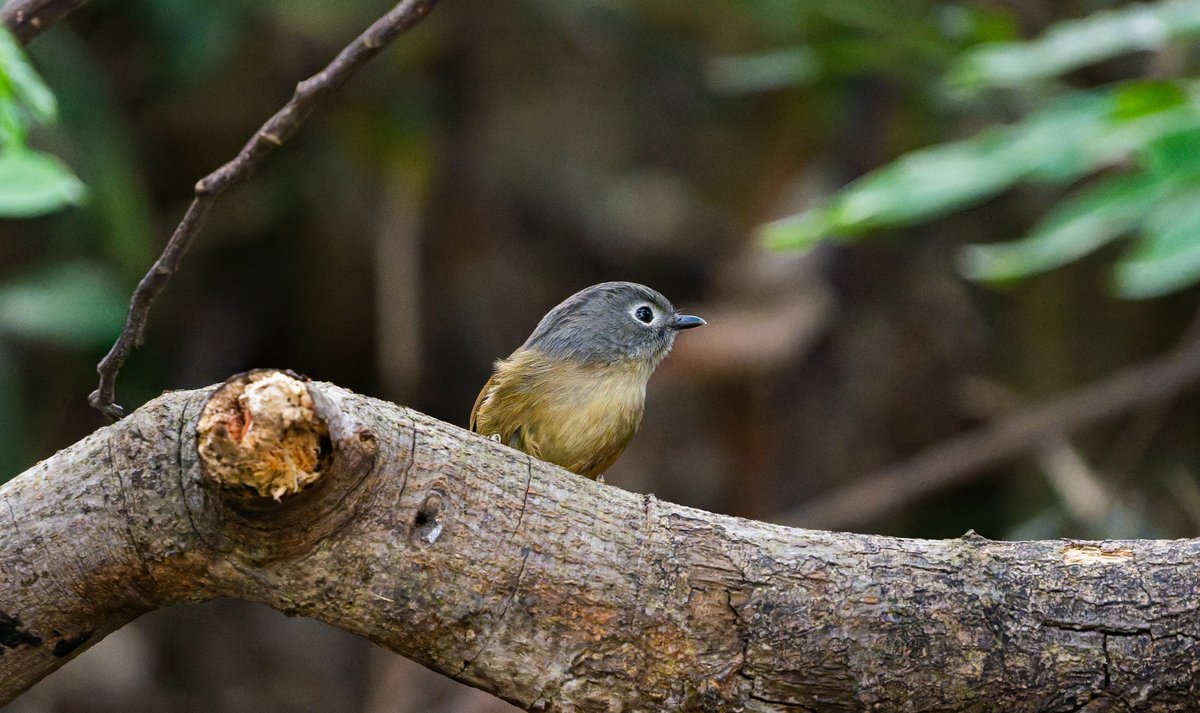
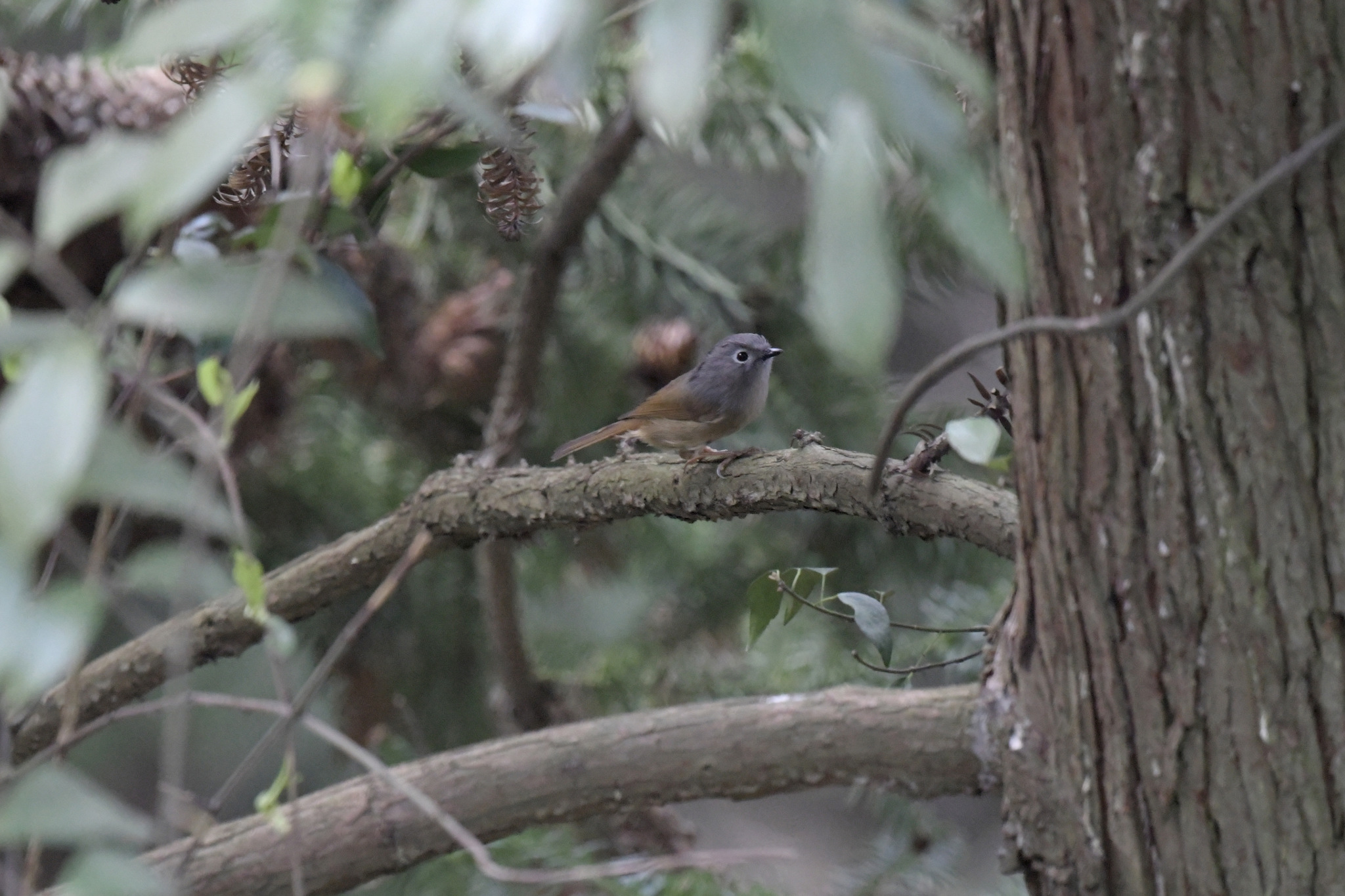
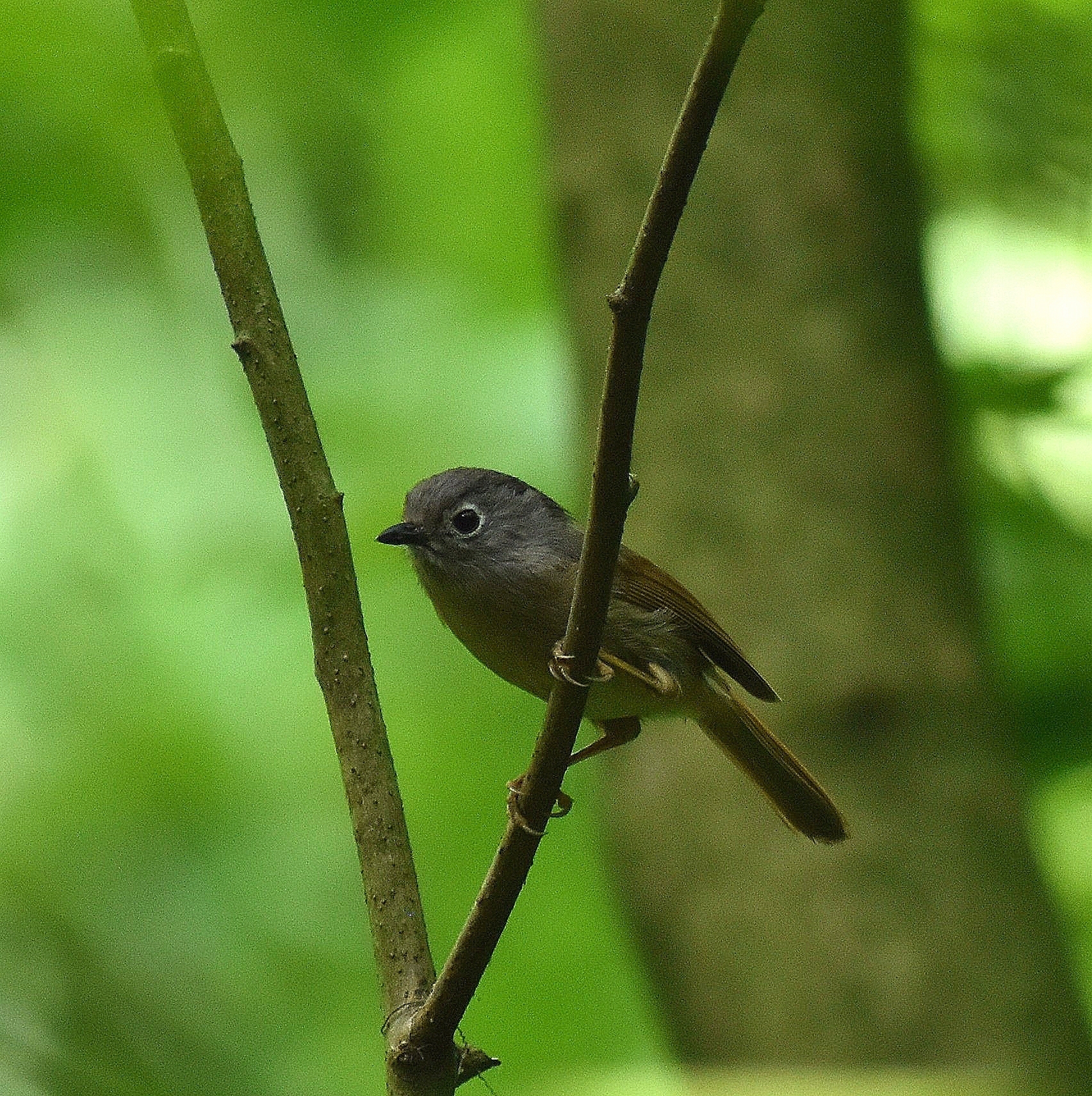
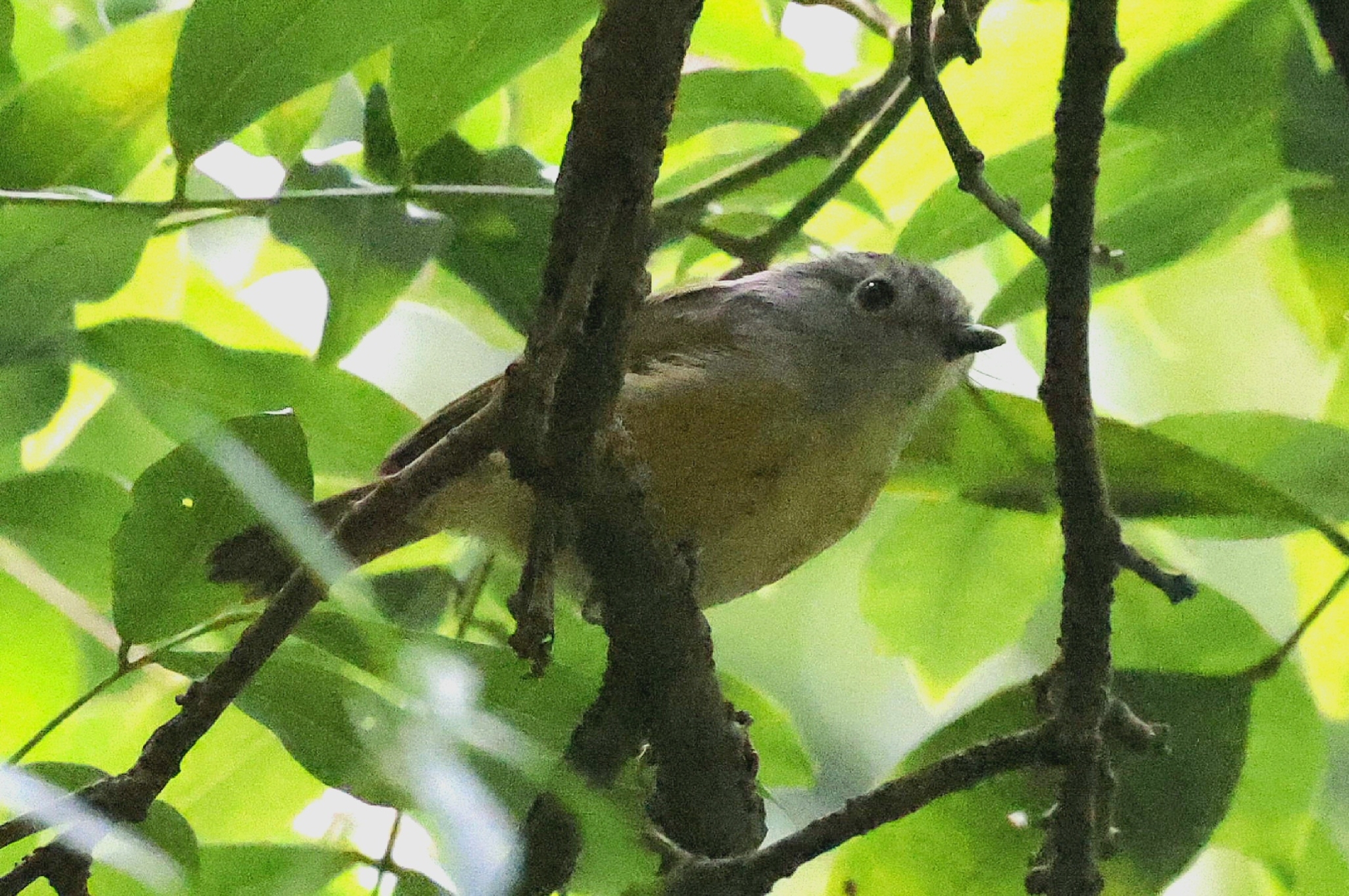
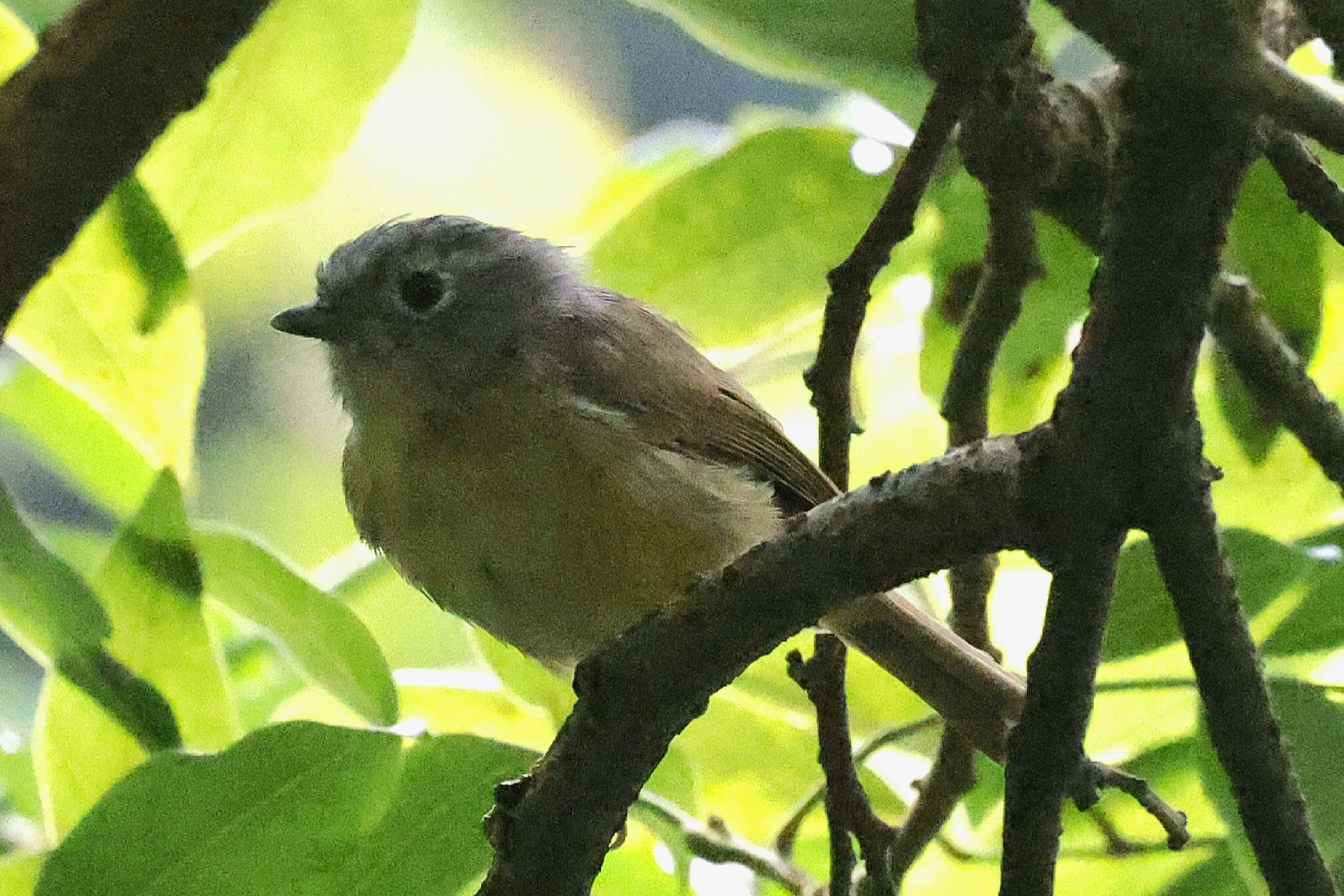
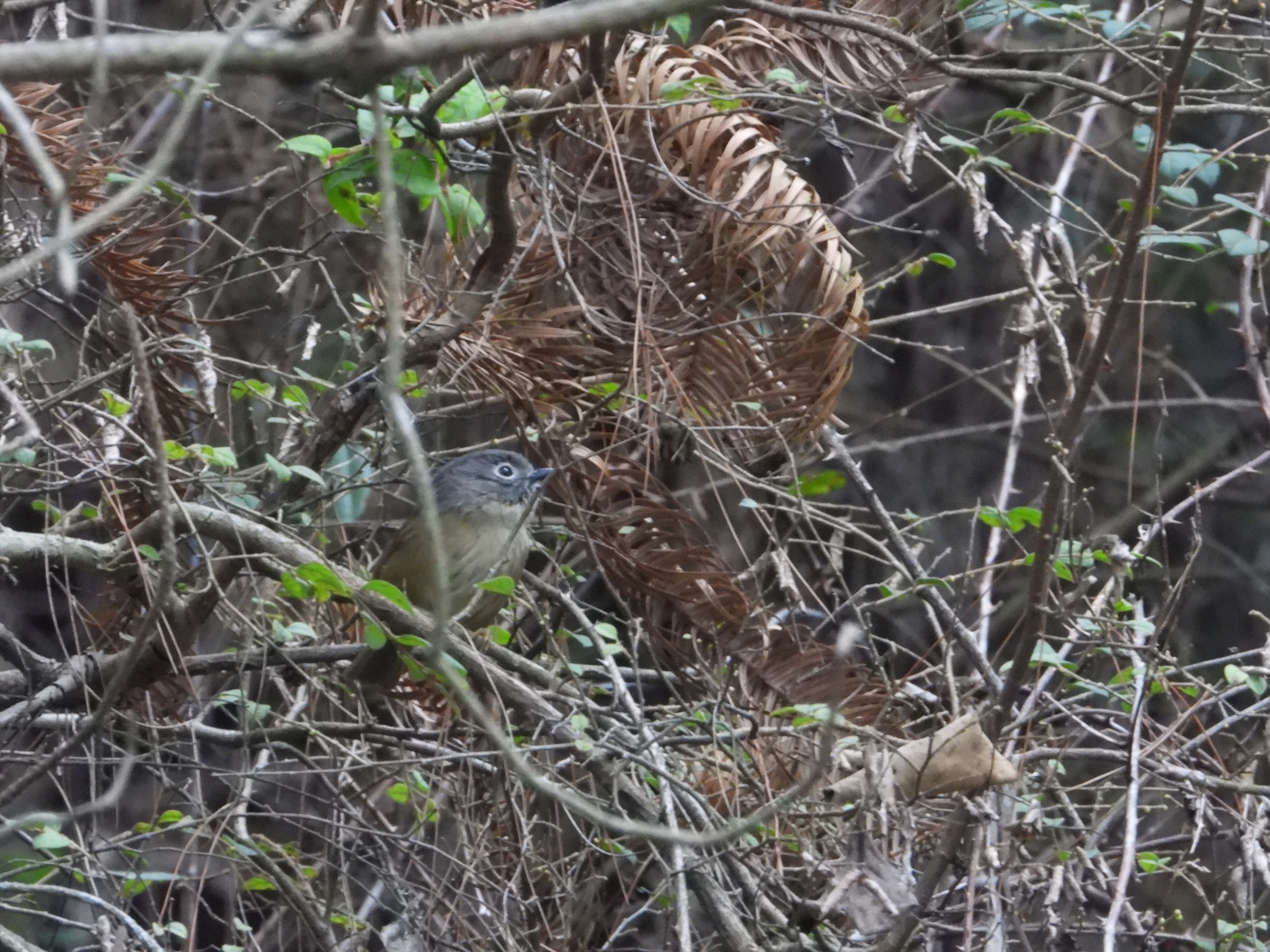
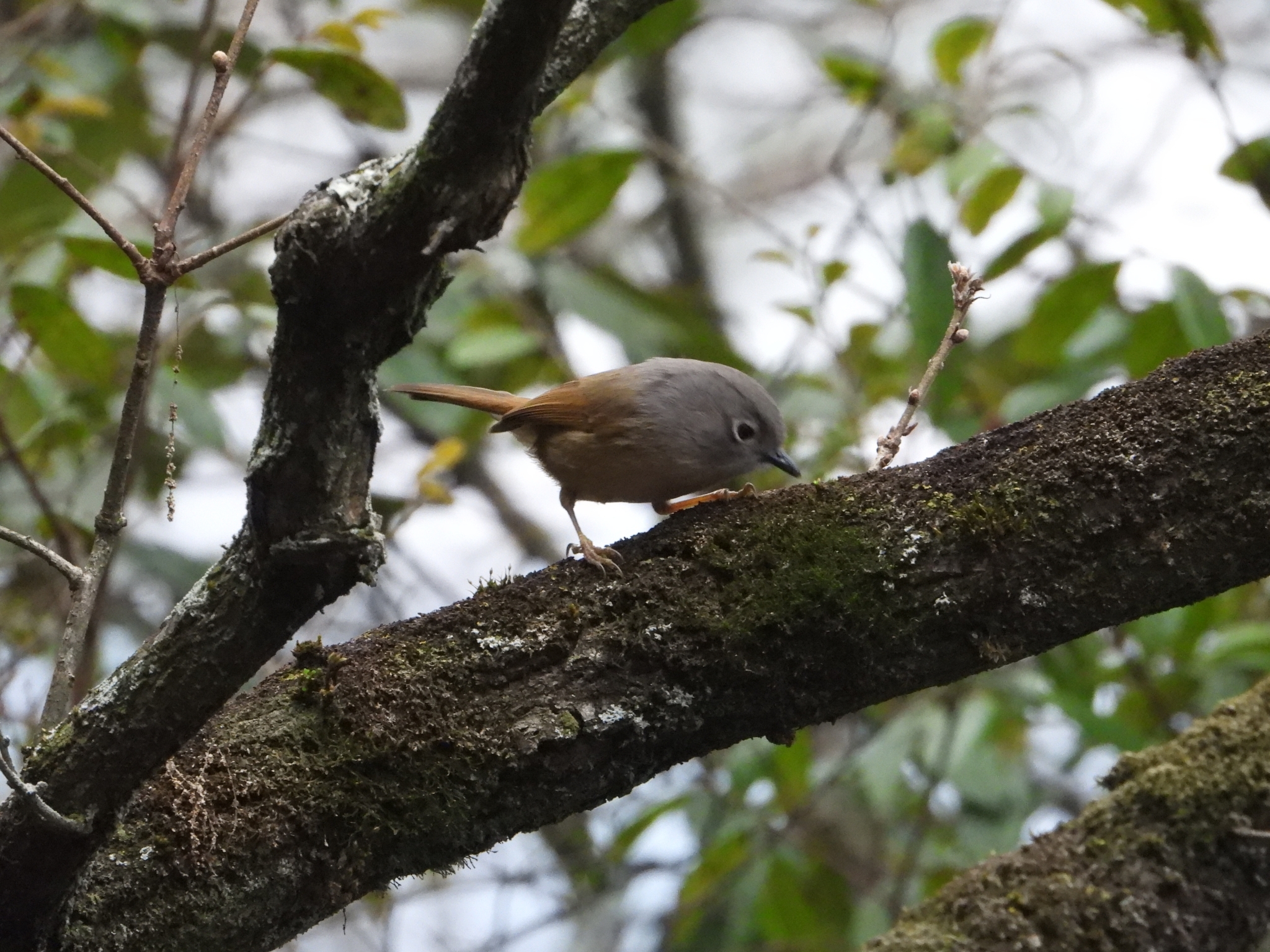
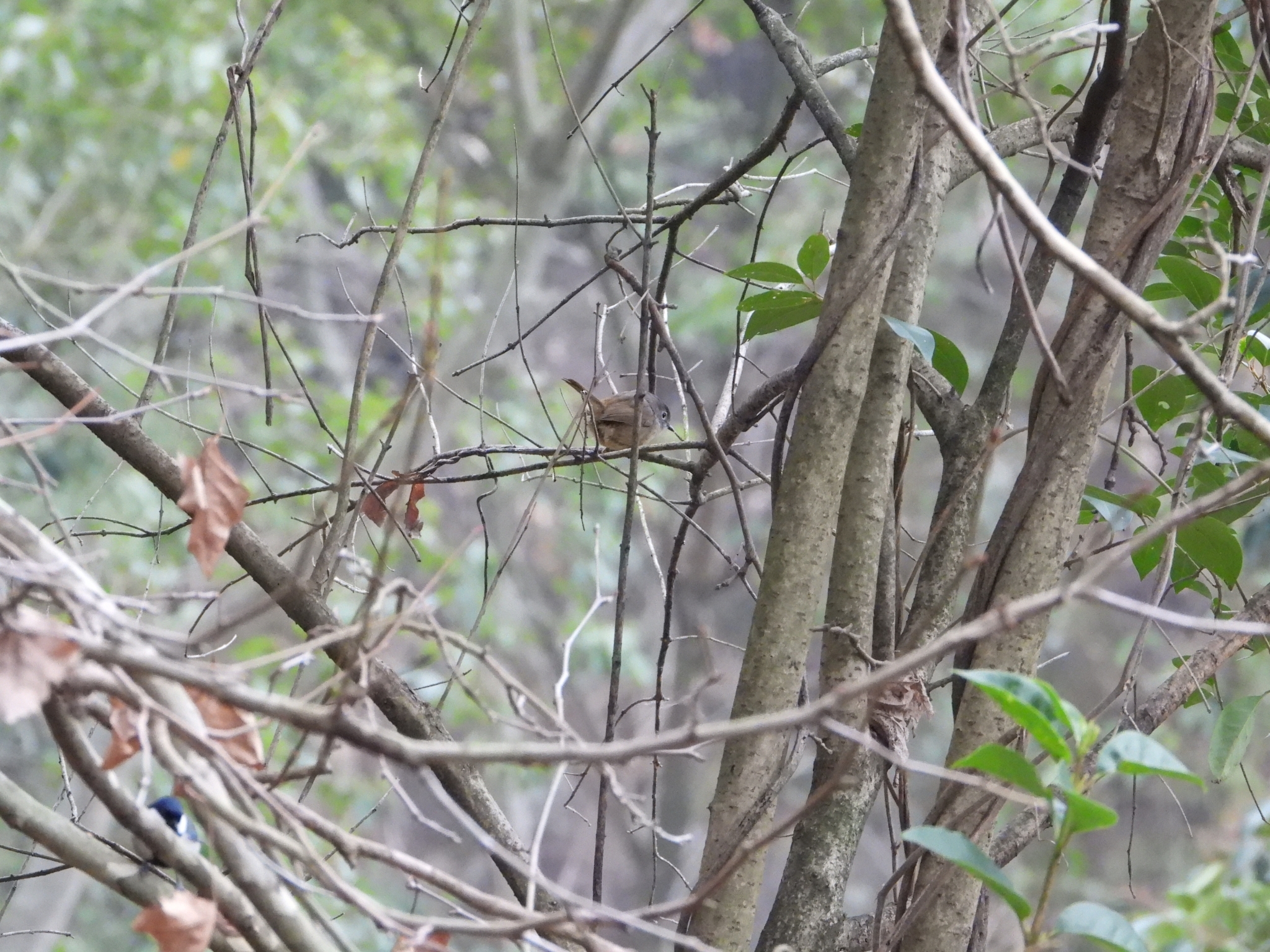
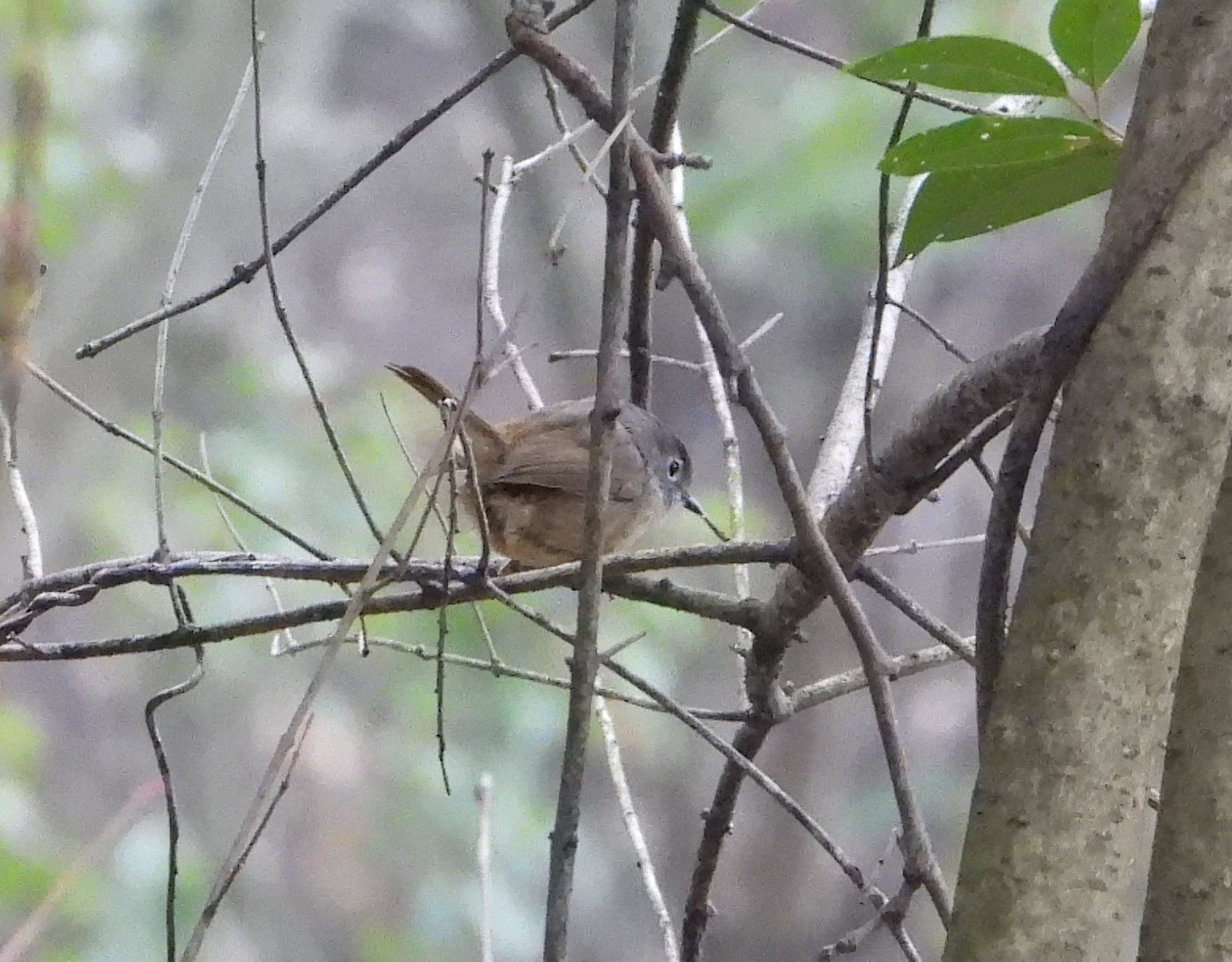
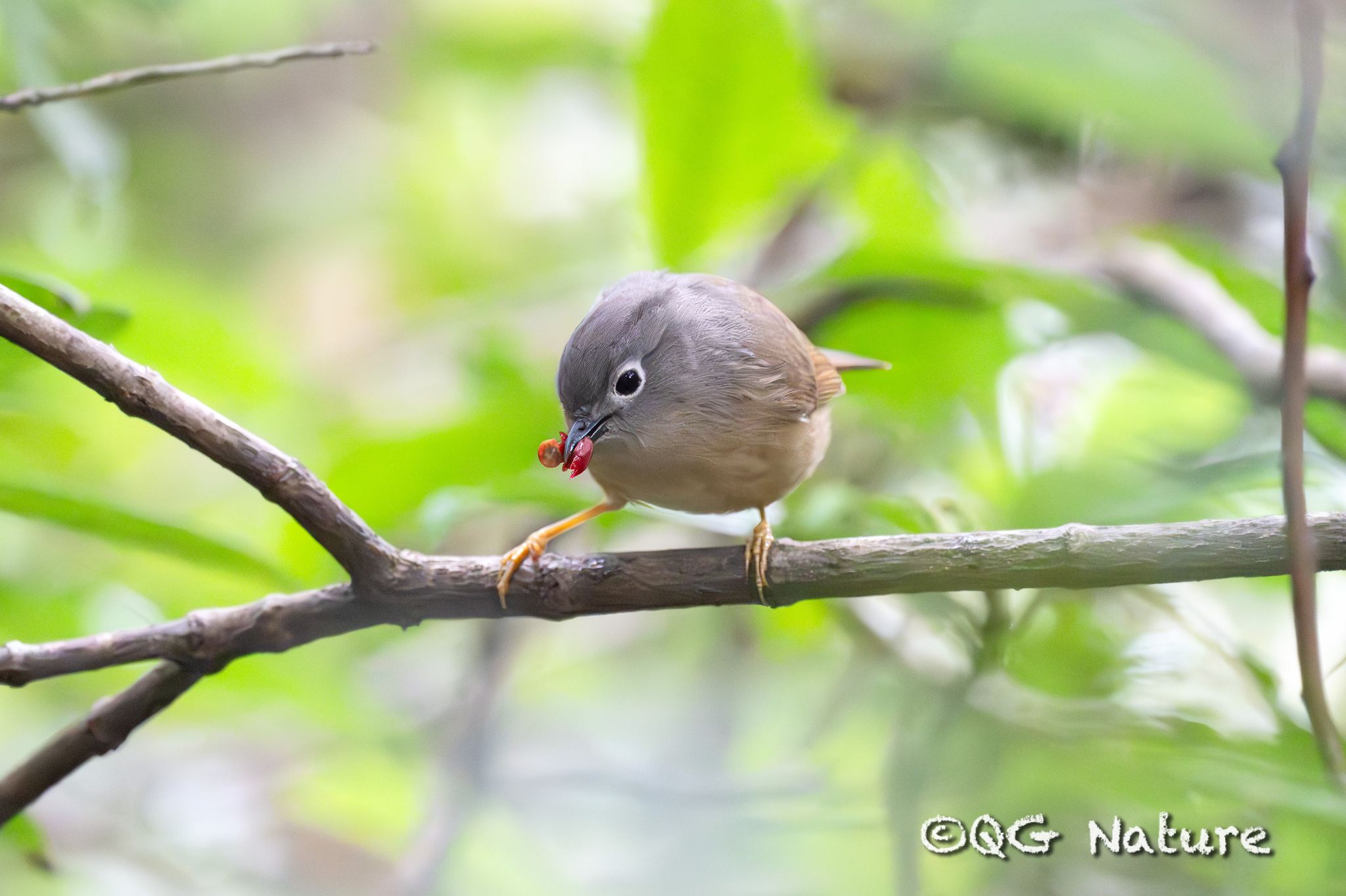
Huet's Fulvetta
Alcippe hueti
淡眉雀鹛
Introduction
This small passerine is endemic to subtropical and tropical moist montane forests of southeastern China. Two subspecies are recognized: the nominate race occupies hill forests from Guangdong to Anhui provinces, while rufescentior is confined to Hainan Island. The species inhabits montane elevations with dense understory vegetation, providing cover and foraging opportunities. Its diet consists of forest fruits, including berries from the shrub Vaccinium carlesii. The species' distribution reflects limited dispersal capabilities and dependence on continuous forest habitat.
Distribution & Habitat
This species is endemic to southeastern China, with a distribution spanning from Guangdong to Anhui provinces on the mainland, and an isolated population on Hainan Island in the south. Two subspecies are currently recognized: A. h. hueti occupies the hill forests of the mainland range, while A. h. rufescentior is restricted to Hainan. The species inhabits subtropical or tropical moist montane forests, demonstrating a preference for well-forested mountain environments with dense understory vegetation. No information is provided regarding migratory movements, suggesting it is likely a resident species within its range.
Behavior & Ecology
The diet includes Vaccinium carlesii, a species of blueberry shrub, indicating that fruit consumption forms part of the species' foraging strategy. This dietary preference aligns with the bird's forest habitat, where it likely searches through understory vegetation for available fruit and insects. No additional information is provided regarding breeding behavior, social structure, or vocalizations.
Source: Wikipedia · CC BY-SA 3.0
Taxonomy
- Order
- Passeriformes
- Family
- Leiothrichidae
- Genus
- Alcippe
- eBird Code
- gycful5
Subspecies (2)
-
Alcippe hueti hueti
hill forest of southeastern China (Guangdong to Anhui)
-
Alcippe hueti rufescentior
Hainan (southern China)
Data Sources
Species description from Wikipedia, licensed under CC BY-SA 3.0.
Bird images and sounds sourced from GBIF, contributed by citizen scientists worldwide under Creative Commons licenses.
Taxonomy data from AviList 2025.