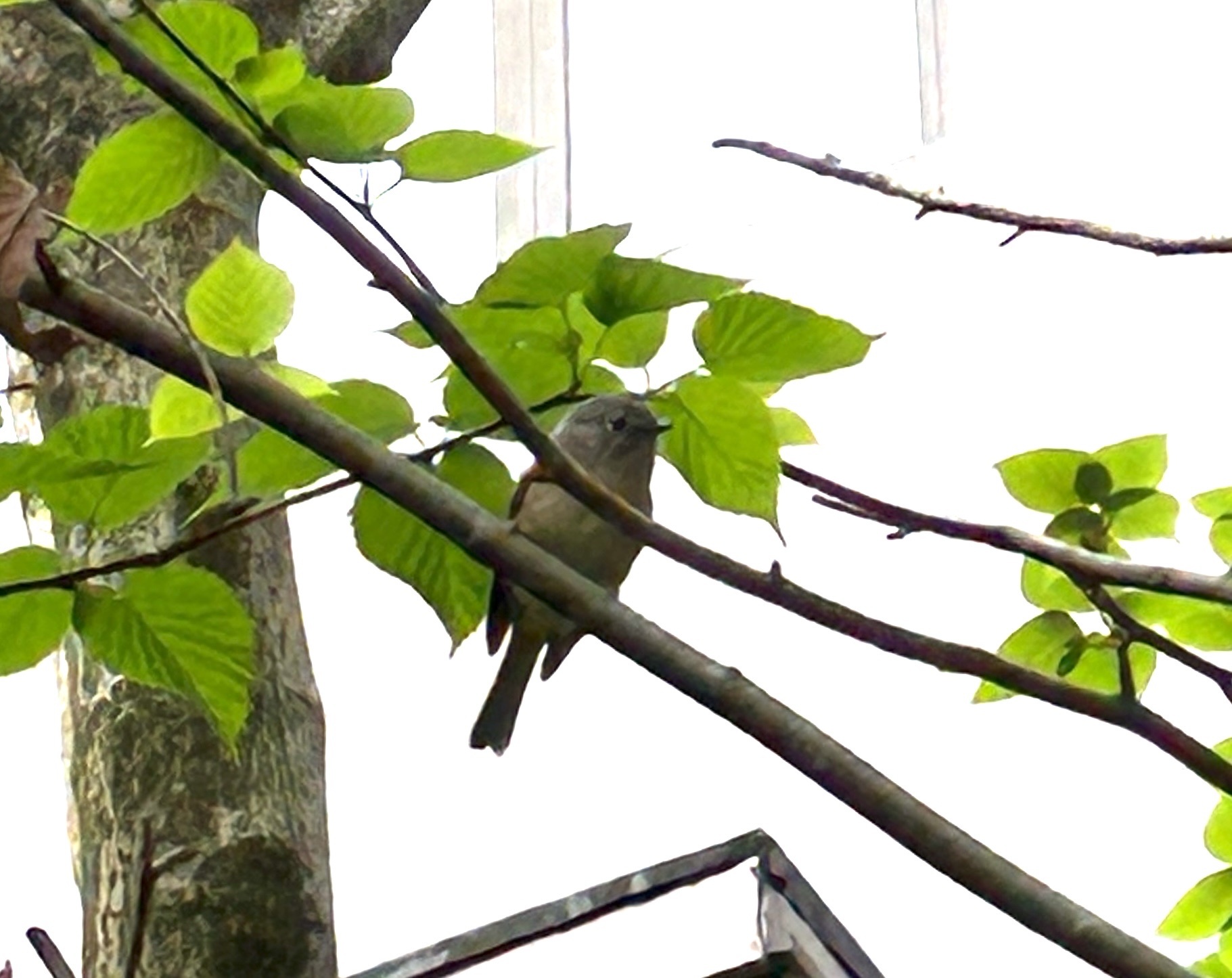
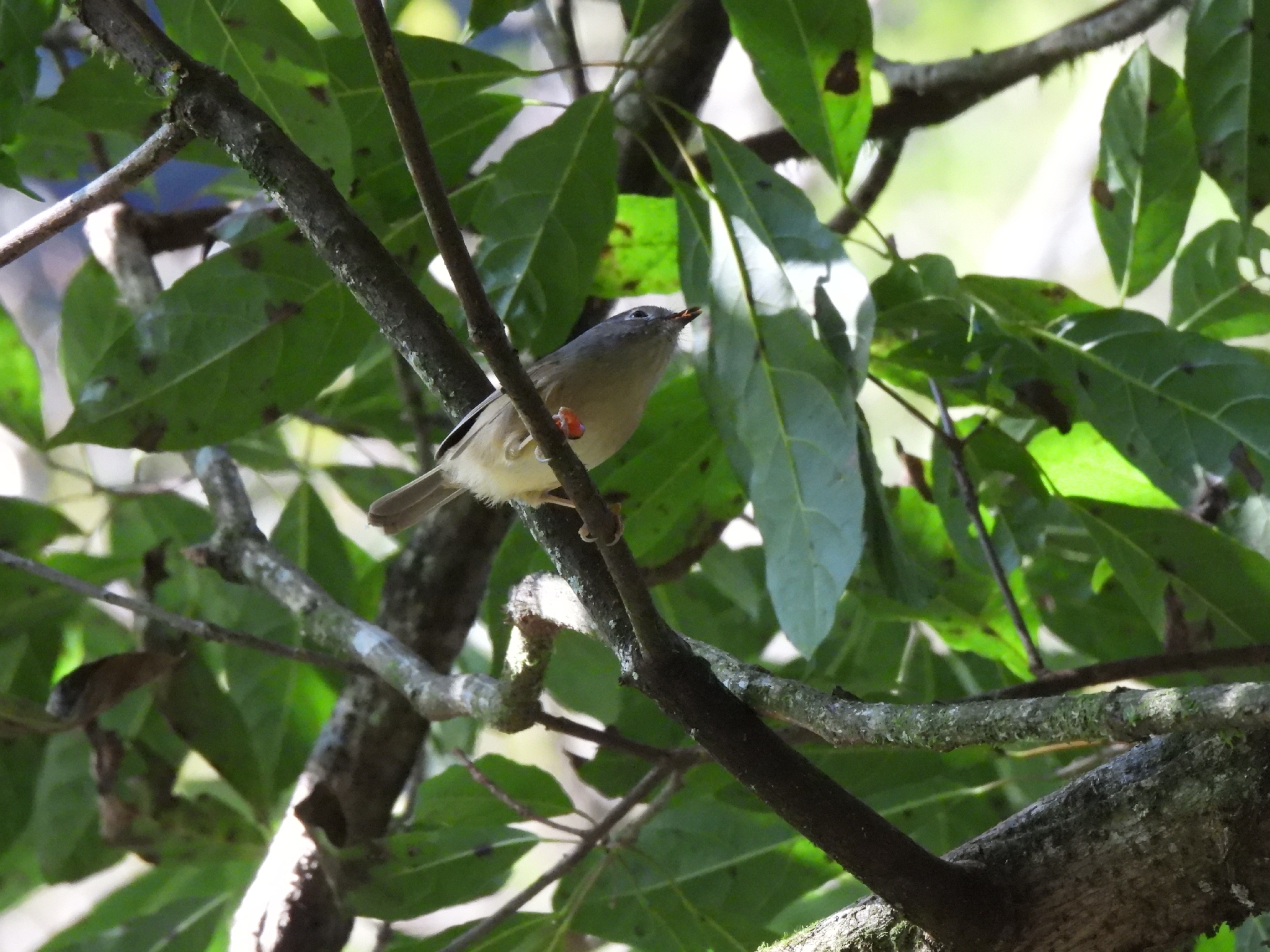
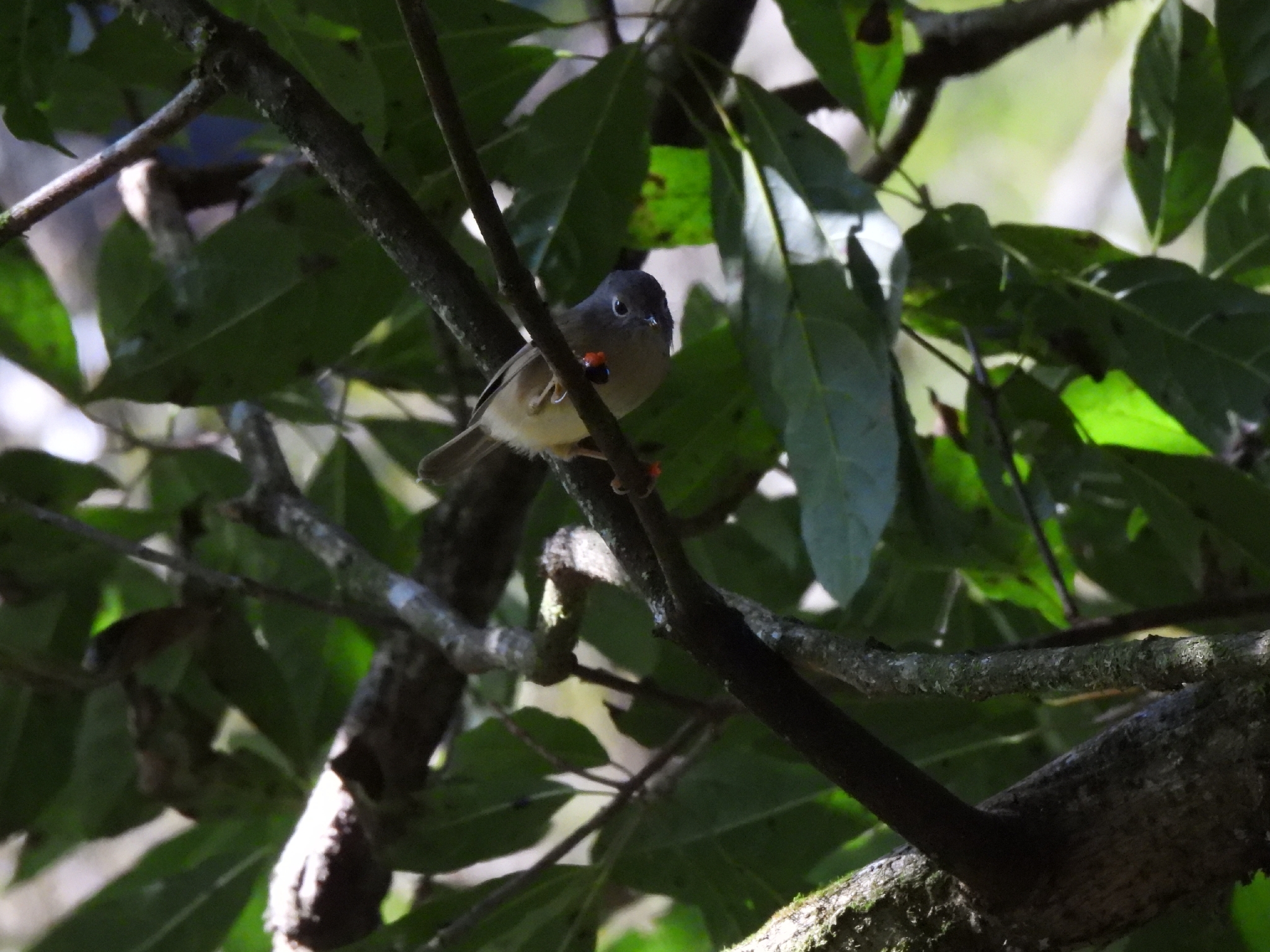
David's Fulvetta
Alcippe davidi
灰眶雀鹛
Introduction
This passerine belongs to the laughingthrush family. Its range extends across Myanmar, Laos, southern China, Vietnam, and Thailand. The species inhabits subtropical and tropical forest environments, from lowland areas to high-altitude shrublands and moist montane forests. It exhibits partially migratory behavior, with populations moving in response to environmental conditions. The diet consists primarily of insects, contributing to control of terrestrial invertebrate populations. Conservation status is Least Concern.
Description
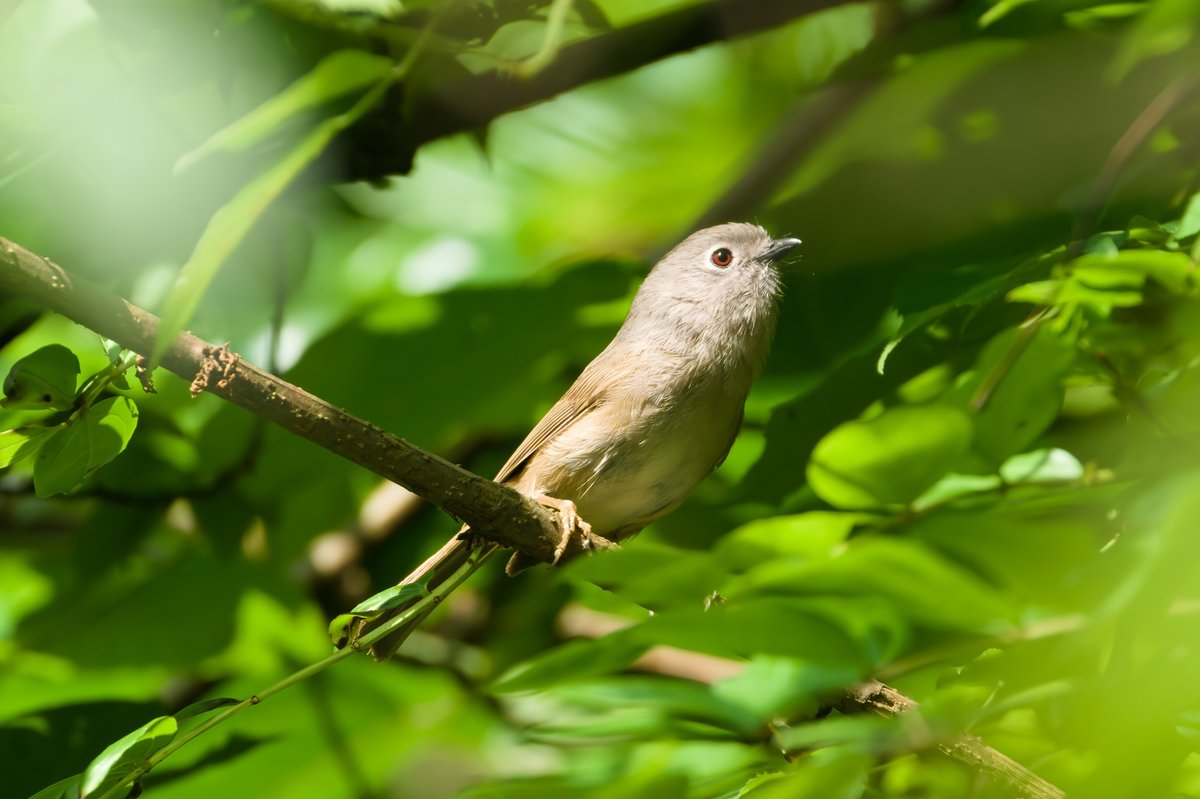
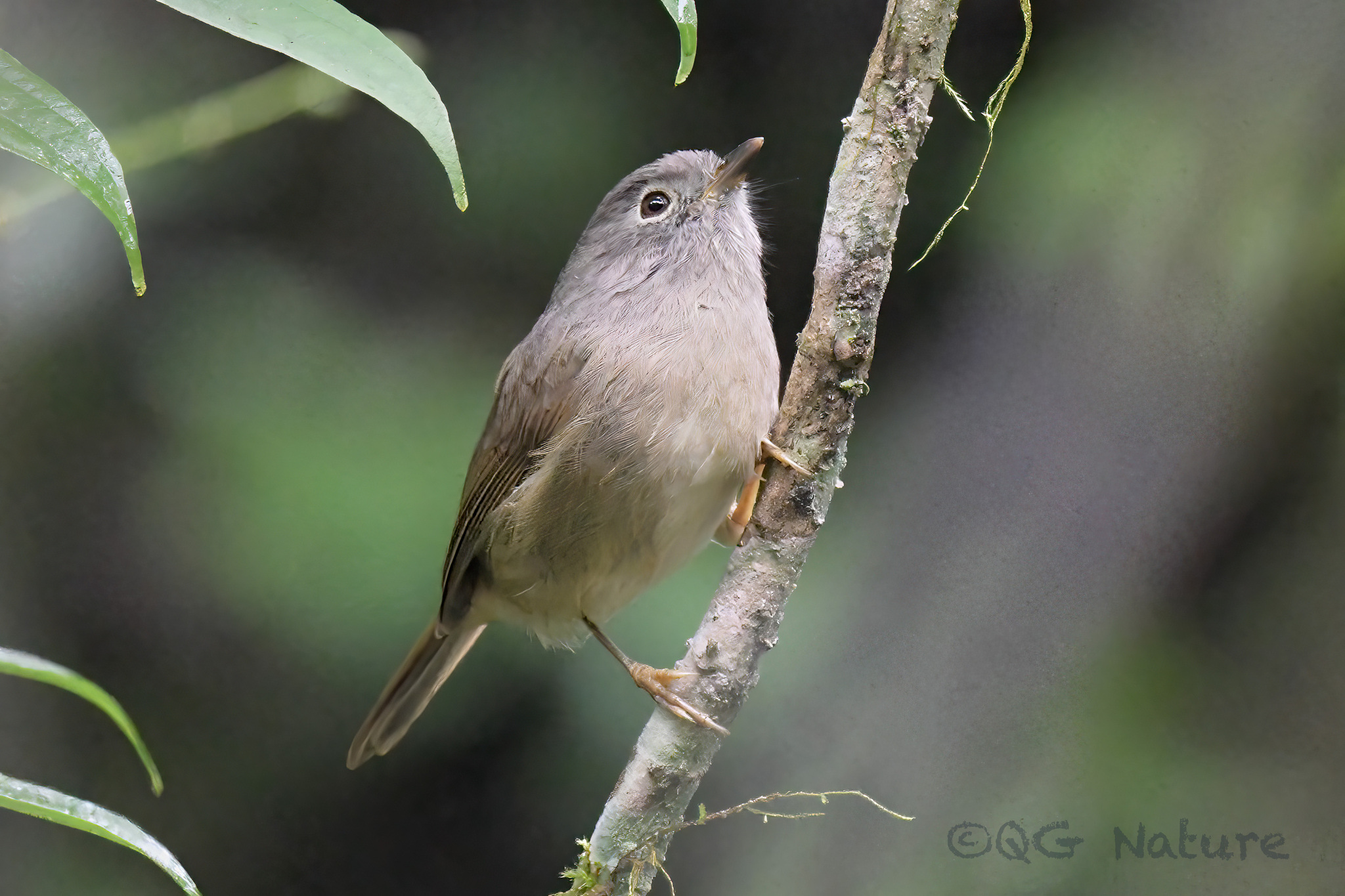
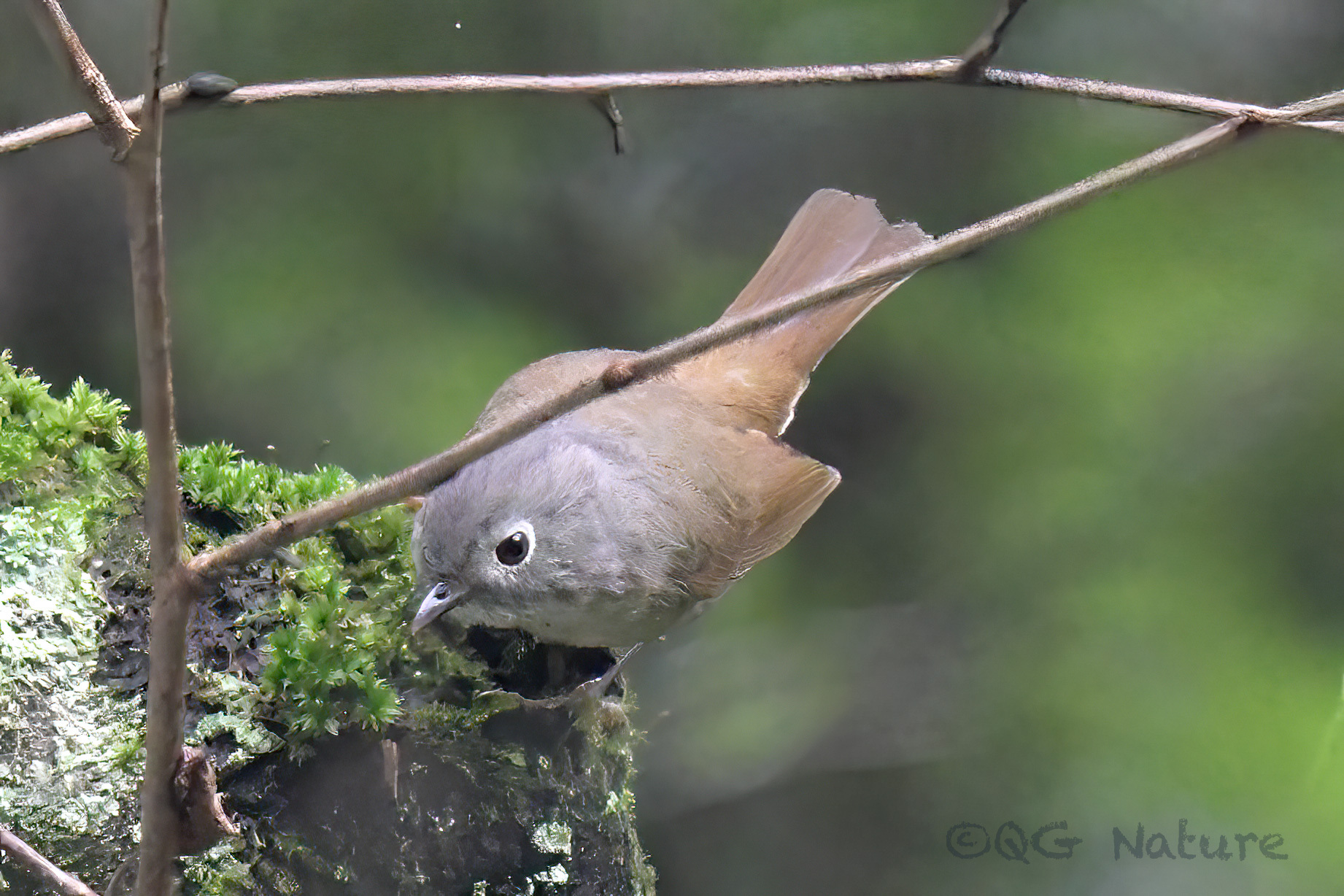
This is a small, compact passerine with measurements reflecting its diminutive size. Adults weigh approximately 15.3 grams, with a wing length of about 60.9 millimeters and a tail length of roughly 52.4 millimeters. The species shows typical fulvetta proportions, with a relatively short tail compared to body size. The beak measures around 12.3 millimeters in length, with a bill width of approximately 3 millimeters and thickness of about 3.8 millimeters. The tarsometatarsus reaches approximately 19.2 millimeters. The plumage follows the general fulvetta pattern of warm brown upperparts and paler underparts, though specific coloration details are not provided in the source material. The species exhibits sexual dimorphism that may be subtle.
Distribution & Habitat
The species occurs across mainland Southeast Asia, with confirmed presence in Myanmar, Laos, Vietnam, Thailand, and southern China. Its habitat preferences encompass subtropical and tropical moist lowland forests, subtropical or tropical high-altitude shrublands, and subtropical or tropical moist montane forests. The elevational range includes both lowland and highland environments, demonstrating adaptability to different forest types within the subtropical zone. As a partially migratory species, some populations undertake seasonal movements in response to food availability or climatic conditions, though specific migration patterns are not detailed.
Behavior & Ecology
The diet is omnivorous, with terrestrial invertebrates forming the primary food source. This feeding strategy involves foraging in the lower vegetation layers and forest floor, where the bird searches through leaf litter and undergrowth for insects and other small invertebrates. The species likely exhibits typical fulvetta behavior of staying concealed within dense cover, emerging briefly to catch prey or move between feeding spots. Breeding behavior, social structure beyond the breeding season, and vocalizations are not documented in the available source material, though many fulvettas are known to be active vocalists within their forest habitats.
Conservation
The conservation status is assessed as Least Concern by the IUCN, indicating that the species does not currently face significant threats that would qualify it for a threatened category. The extensive geographic range spanning multiple countries provides some protection against localized population declines. However, as a forest-dependent species, it remains vulnerable to habitat loss from deforestation and forest degradation throughout Southeast Asia. Population trend data is not available in the source material.
Source: Wikipedia · CC BY-SA 3.0
Taxonomy
- Order
- Passeriformes
- Family
- Leiothrichidae
- Genus
- Alcippe
- eBird Code
- gycful3
Subspecies (2)
-
Alcippe davidi davidi
south-central China (western Hubei to Hunan, Sichuan, and northeastern Yunnan)
-
Alcippe davidi schaefferi
southern China (southeastern Yunnan and Guangxi) to northwestern Vietnam
Data Sources
Species description from Wikipedia, licensed under CC BY-SA 3.0.
Bird images and sounds sourced from GBIF, contributed by citizen scientists worldwide under Creative Commons licenses.
Taxonomy data from AviList 2025.