Wood Duck
Aix sponsa
林鸳鸯
Introduction
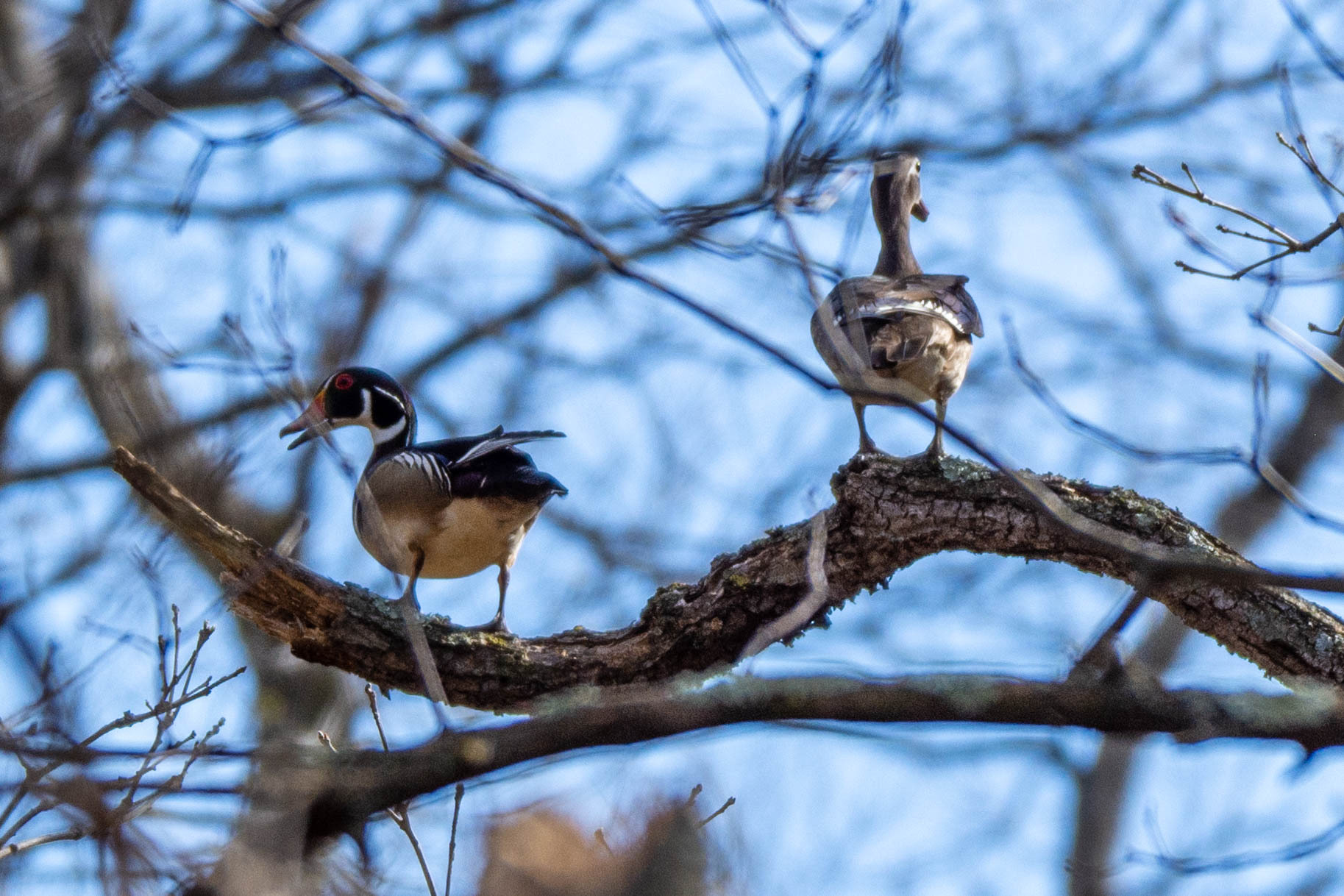
This medium-sized perching duck is native to North America. It inhabits wooded wetland habitats. Unlike most ducks, it has sharp claws that enable it to perch on branches and nest in tree cavities. Northern populations are migratory, moving south for winter, while many populations in the Pacific Flyway remain resident year-round.
Description
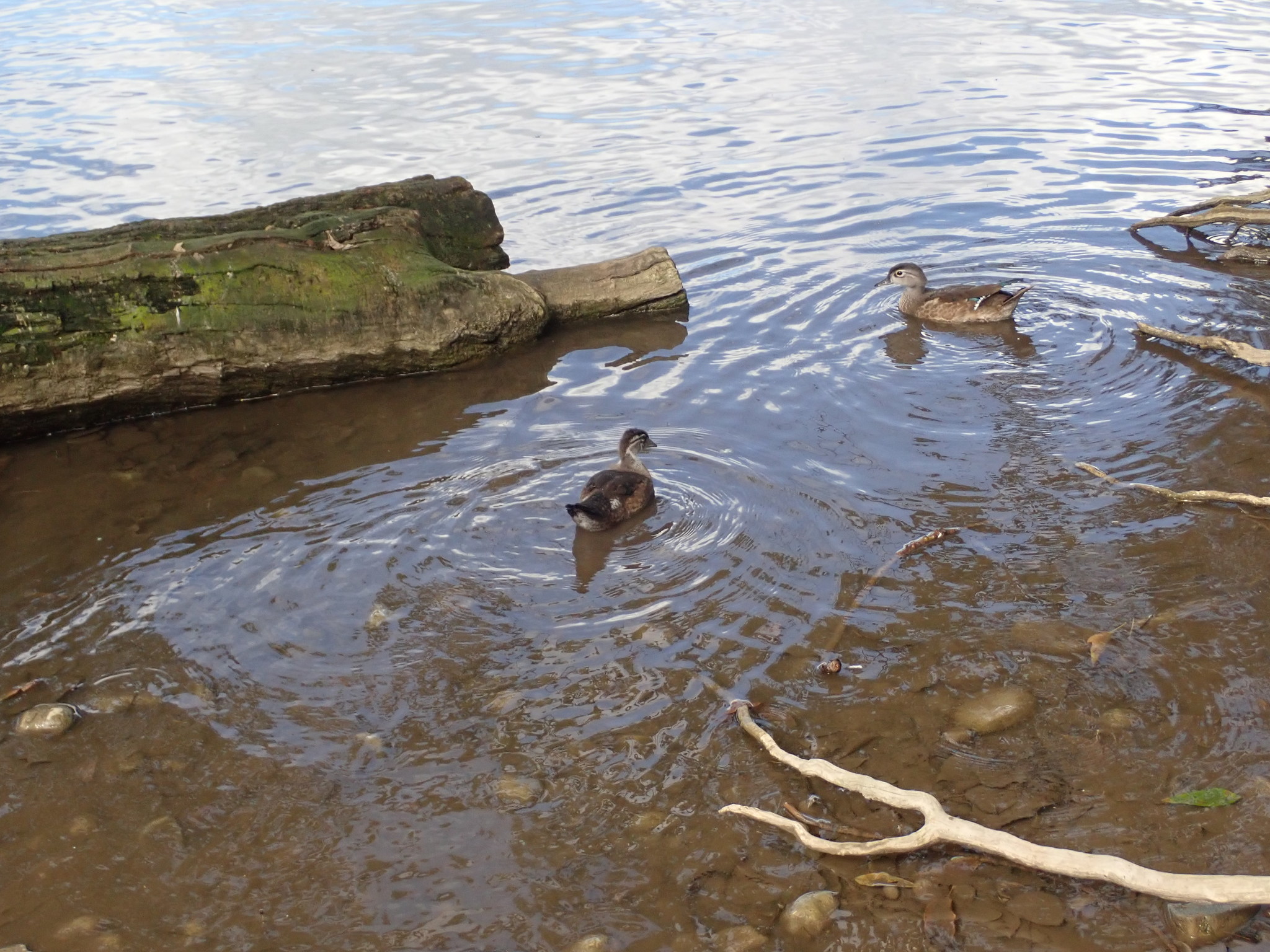
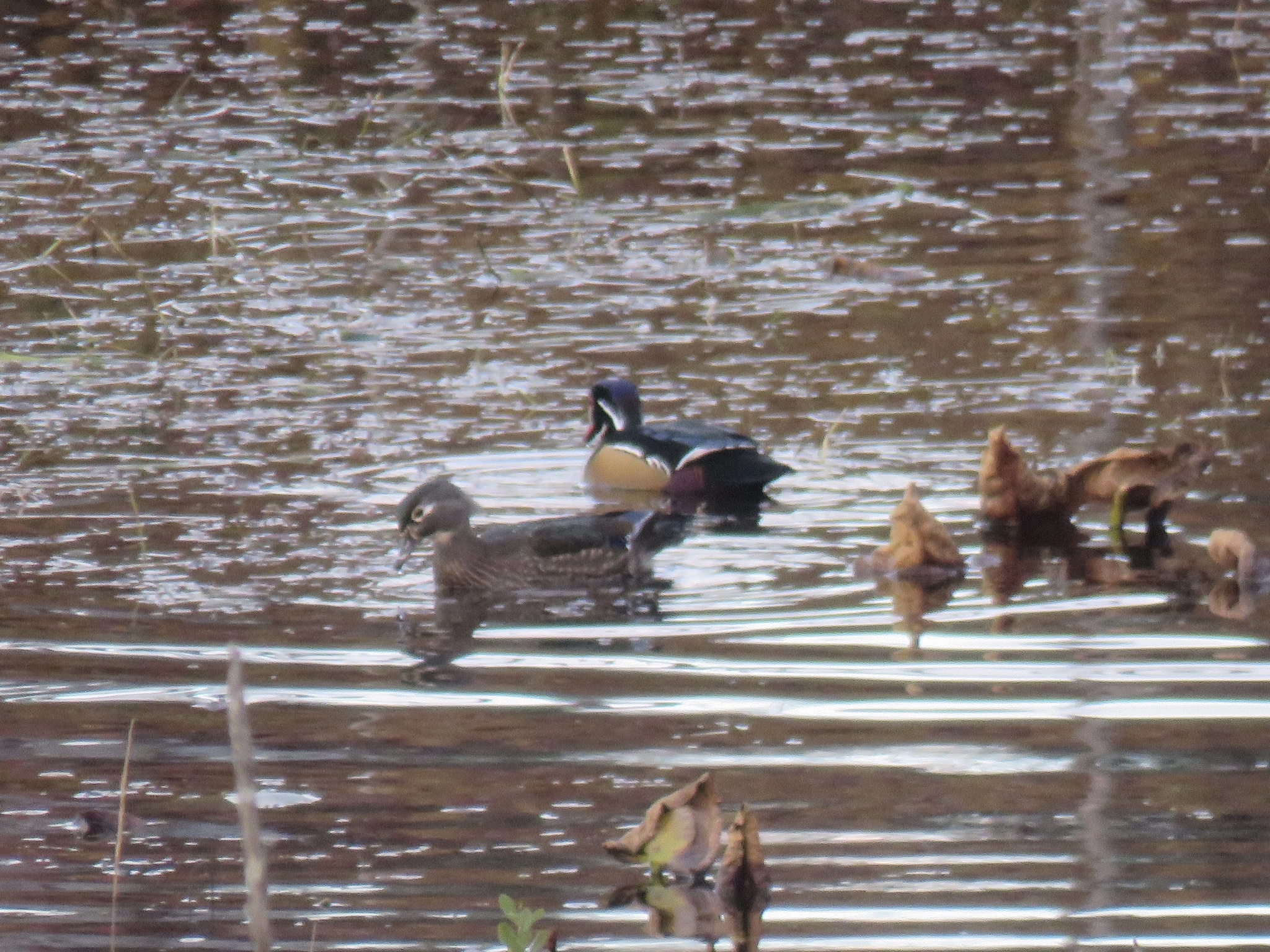
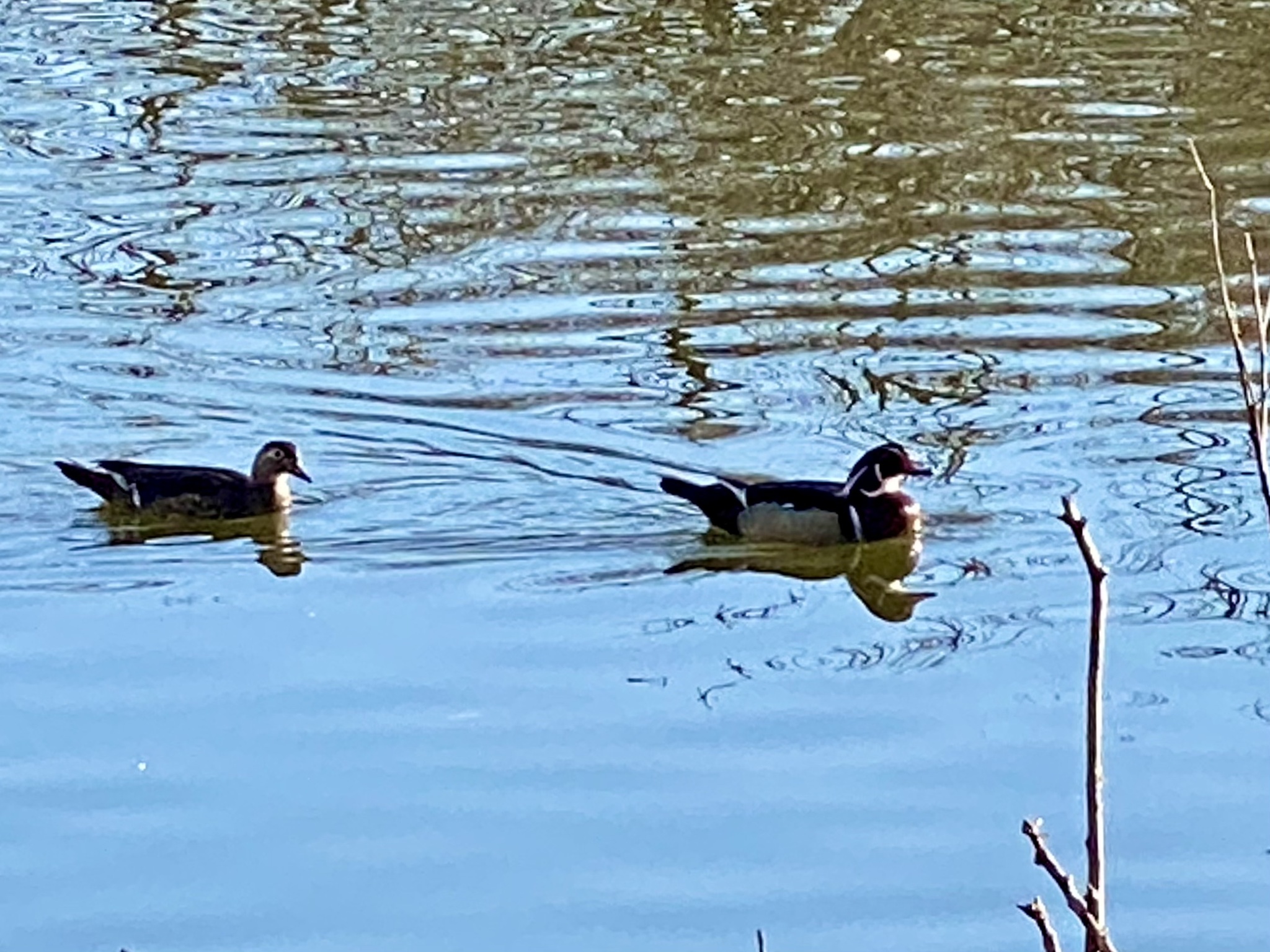
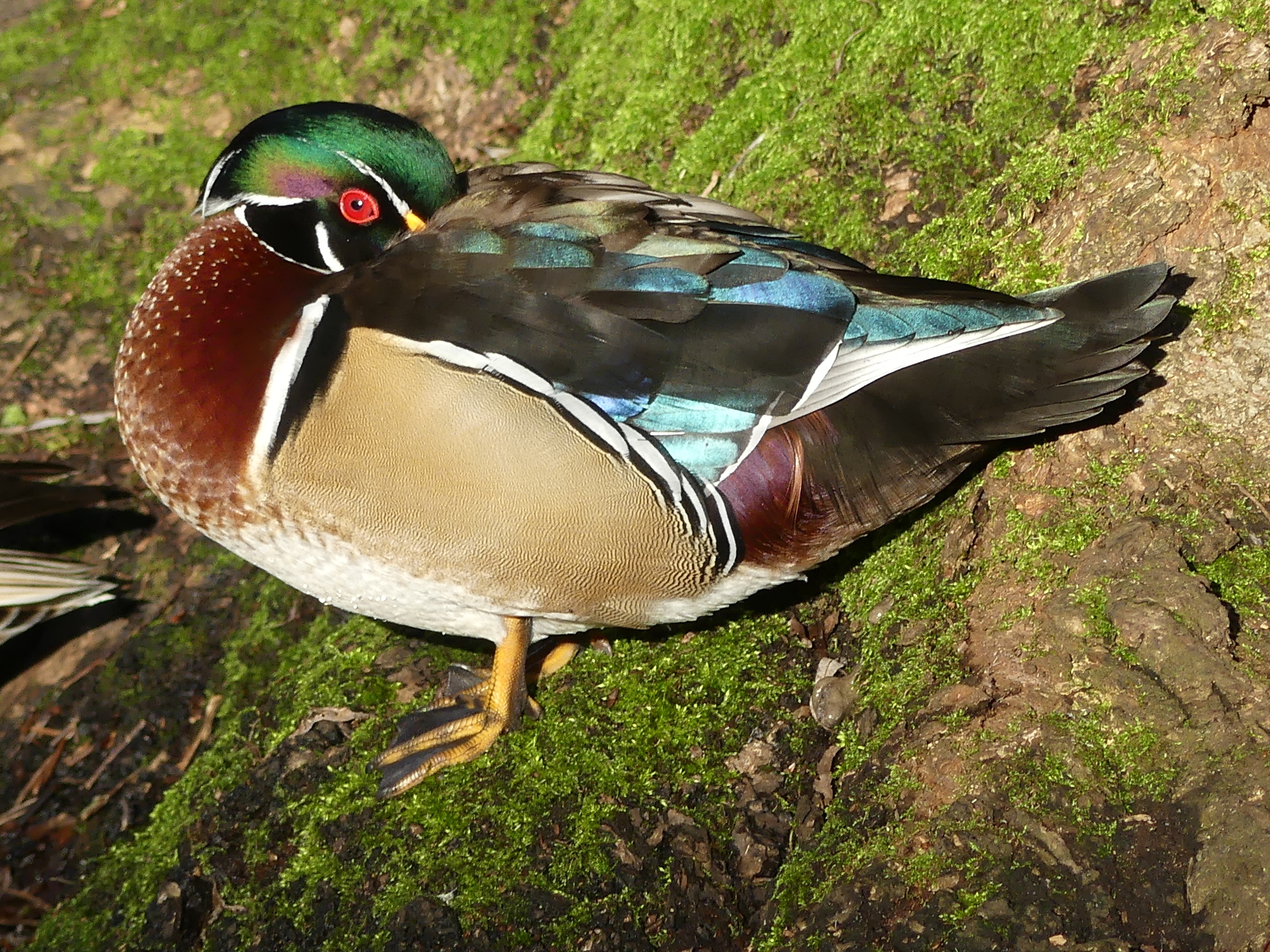
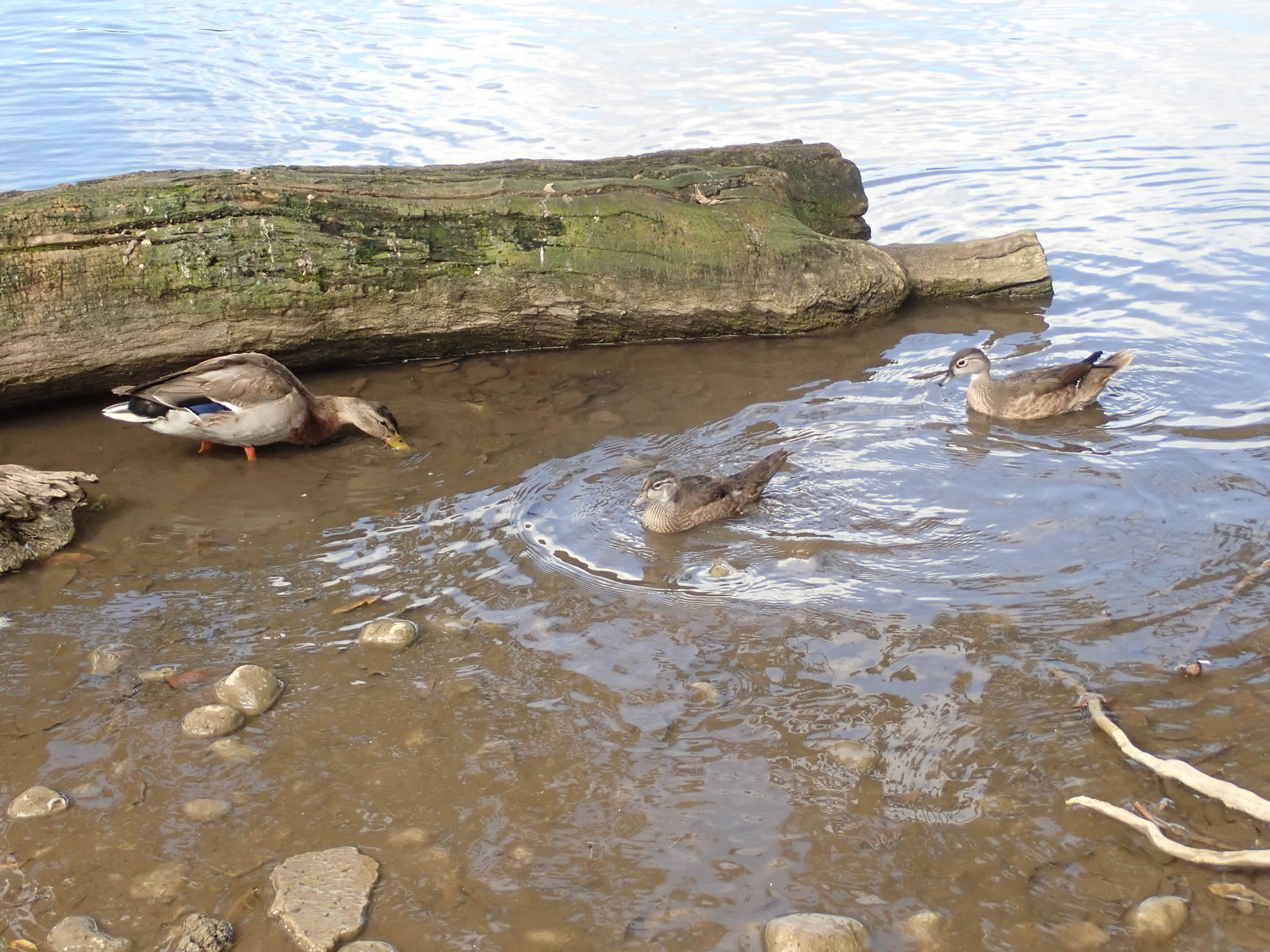
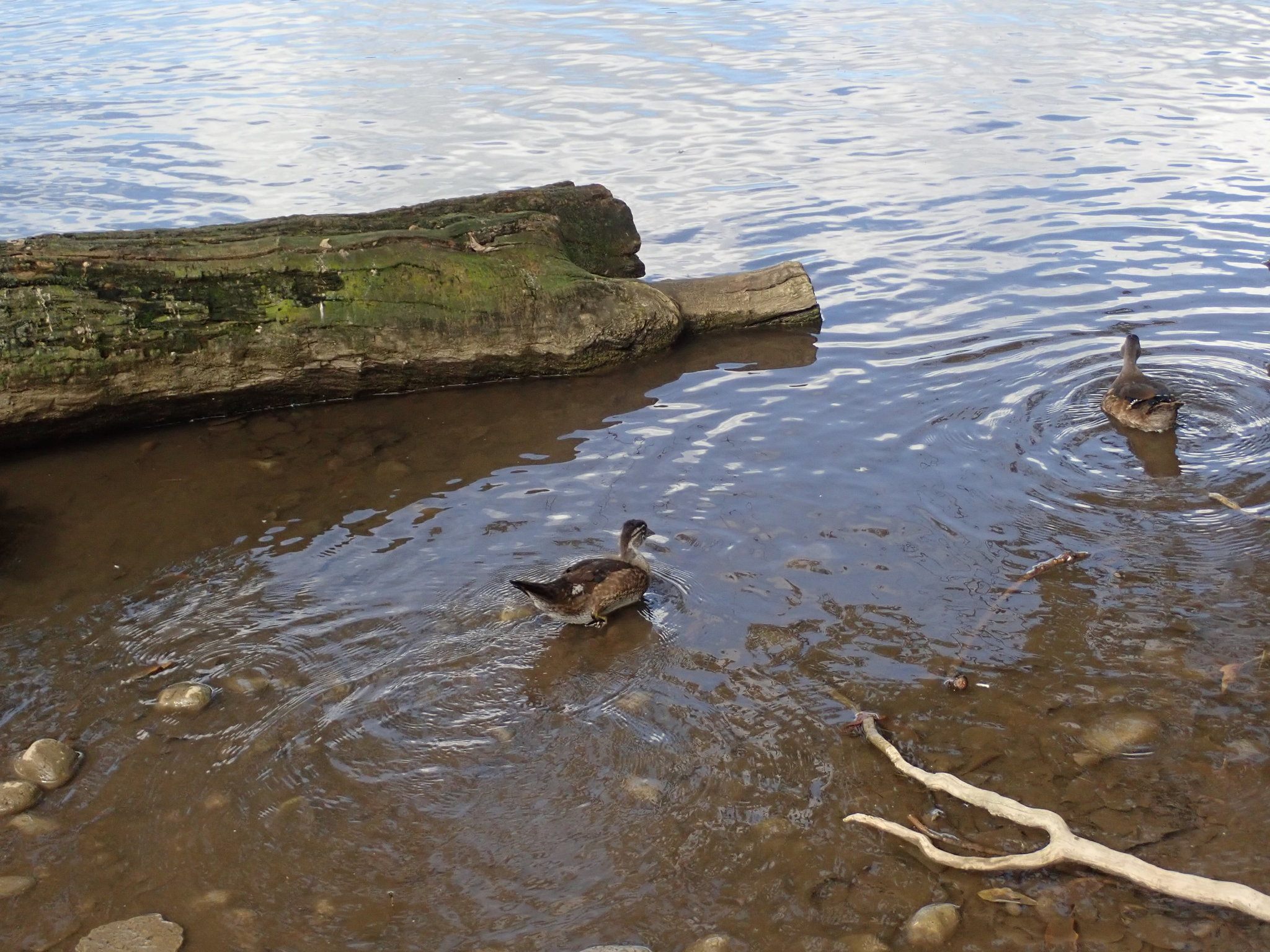
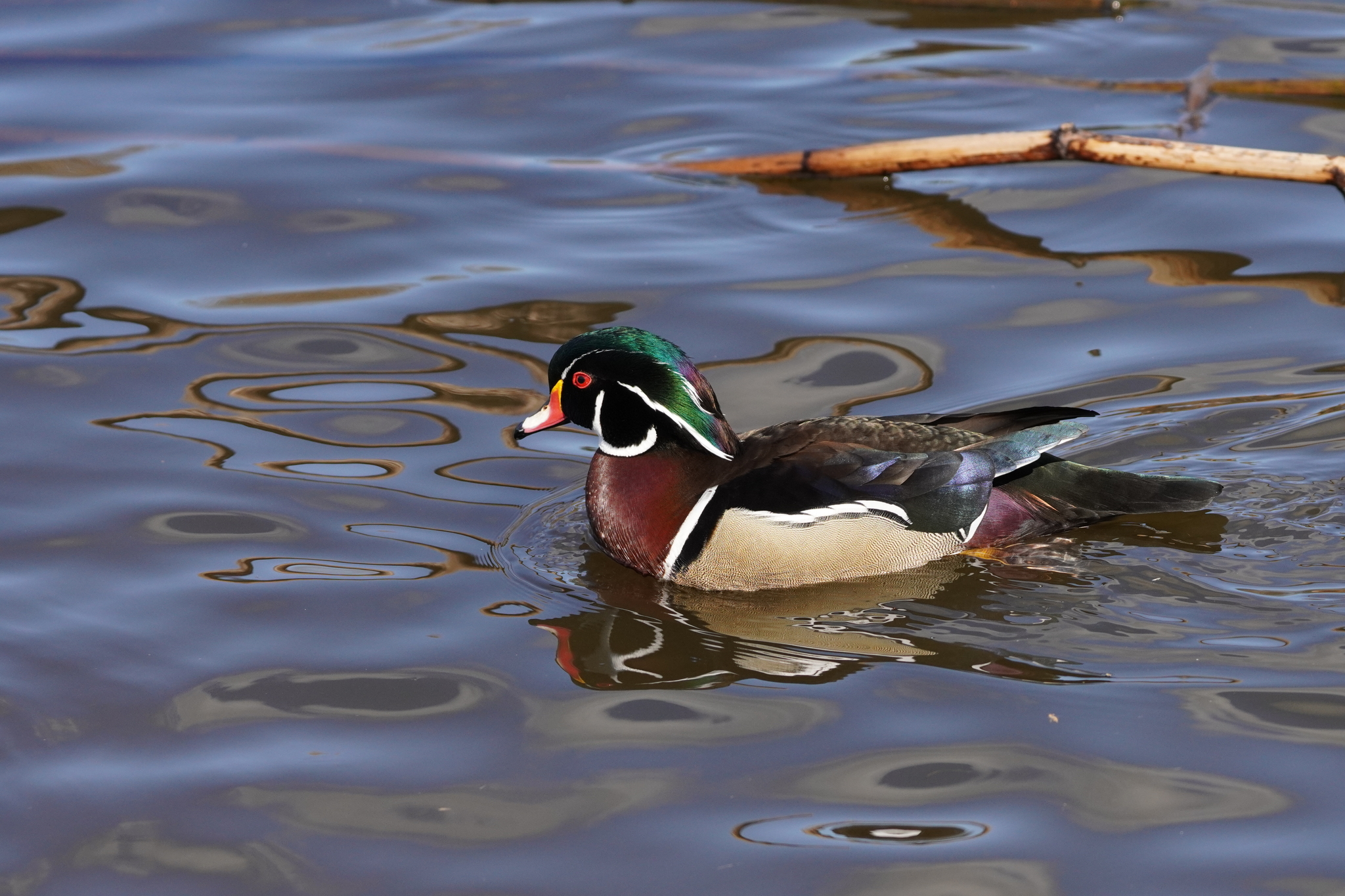
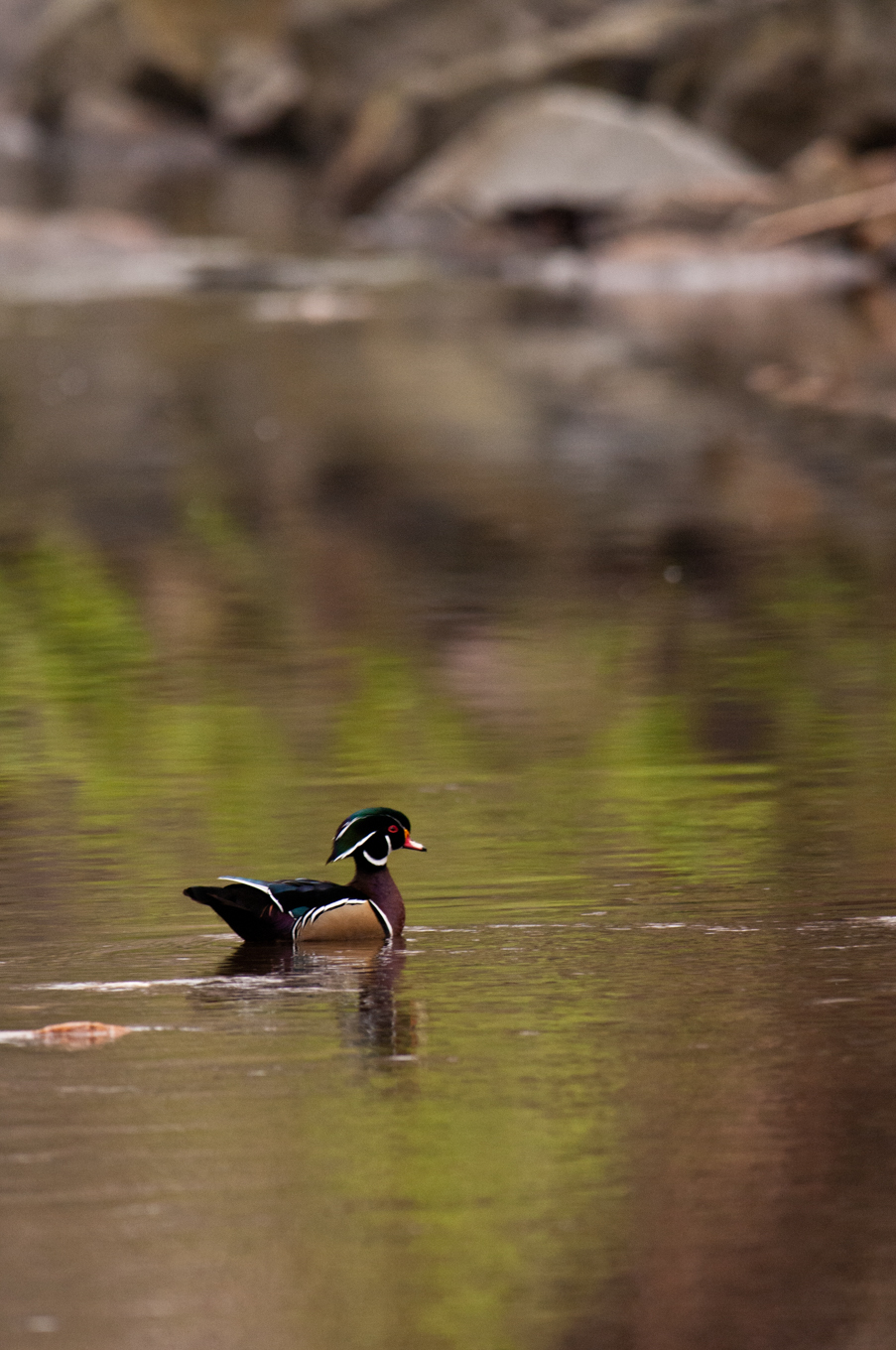
A medium-sized perching duck measuring 47-54 cm in length with a wingspan of 66-73 cm and weighing 454-862 grams, this species is approximately three-quarters the length of a mallard. The male displays stunning multicolored iridescent plumage across its body, accompanied by red eyes and a distinctive white flare running down the neck. The female is considerably less colorful but sports a prominent white eye-ring and whitish throat. Both sexes possess crested heads. The wing speculum is particularly striking, displaying iridescent blue-green coloration with a white border along the trailing edge. This species shares its genus with the Asian mandarin duck.
Identification
The male's spectacular multicolored plumage and red eyes make this species unmistakable among North American ducks. The combination of crested head, white neck flare, and iridescent blue-green speculum with white borders distinguishes it from similar species. Unlike the mallard, this species is smaller and perches in trees rather than swimming openly. The female can be identified by her white eye-ring and whitish throat, differentiating her from other female ducks. In flight, the distinctive wing pattern and relatively long tail are visible.
Distribution & Habitat
This species breeds across the eastern United States, west coast of the United States, parts of southern Canada, and western Mexico, with breeding range having expanded onto the Great Plains in recent decades. The Mississippi alluvial valley now supports the majority of breeding populations. While year-round residents occupy the southern portions of the range, northern populations migrate south for winter, concentrating in the southern United States near the Atlantic Coast. Approximately 75% of individuals in the Pacific Flyway are non-migratory. Preferred habitats include wooded swamps, shallow lakes, marshes, ponds, and creeks.
Behavior & Ecology
These ducks feed by dabbling at the surface or grazing on land, consuming berries, acorns, seeds, and insects, which makes them omnivores capable of crushing acorns in their gizzard. Breeding habitat consists of wooded wetlands where they nest in tree cavities close to water, though they readily use artificial nesting boxes. This is the only North American duck capable of producing two broods per season in southern regions. Courtship involves the male's rising whistle 'jeeeeee' and visual displays, while females produce a drawn-out squeal 'do weep do weep' when flushed and a sharp alarm call 'cr-r-ek, cr-e-ek'. Egg-laying occurs February through April, with clutches of seven to fifteen eggs incubated for approximately thirty days. Nest dumping can occur when boxes are placed too close together. Ducklings jump from nest cavities as high as 50 feet to reach the ground or water below.
Conservation
Populations experienced severe decline in the late 19th century due to habitat loss and market hunting for meat and plumage. Following the Migratory Bird Treaty of 1916 and the Migratory Bird Treaty Act of 1918, populations began recovering in the 1920s. Nesting box programs initiated in the 1930s provided crucial conservation support. Expanding North American beaver populations have also benefited the species by creating ideal forested wetland habitat. Current hunting regulations limit daily bags to two wood ducks in the Atlantic and Mississippi Flyways, two in the Central Flyway, and seven in the Pacific Flyway. It remains the second most commonly hunted duck in North America after the mallard.
Culture
The Royal Canadian Mint released two commemorative coins in 2013 as part of a three-coin set celebrating Ducks Unlimited Canada's 75th anniversary. Fulda, Minnesota has adopted the species as an unofficial mascot, with numerous nest boxes visible throughout the area.
Source: Wikipedia · CC BY-SA 3.0
Taxonomy
- Order
- Anseriformes
- Family
- Anatidae
- Genus
- Aix
- eBird Code
- wooduc
Distribution
breeds inland waters of southern Canada to southern California in the west and east-central Texas to southern Florida and Cuba in the east; mostly absent as a breeder in interior west-central USA; winters to central Mexico and the Bahamas
Data Sources
Species description from Wikipedia, licensed under CC BY-SA 3.0.
Bird images and sounds sourced from GBIF, contributed by citizen scientists worldwide under Creative Commons licenses.
Taxonomy data from AviList 2025.