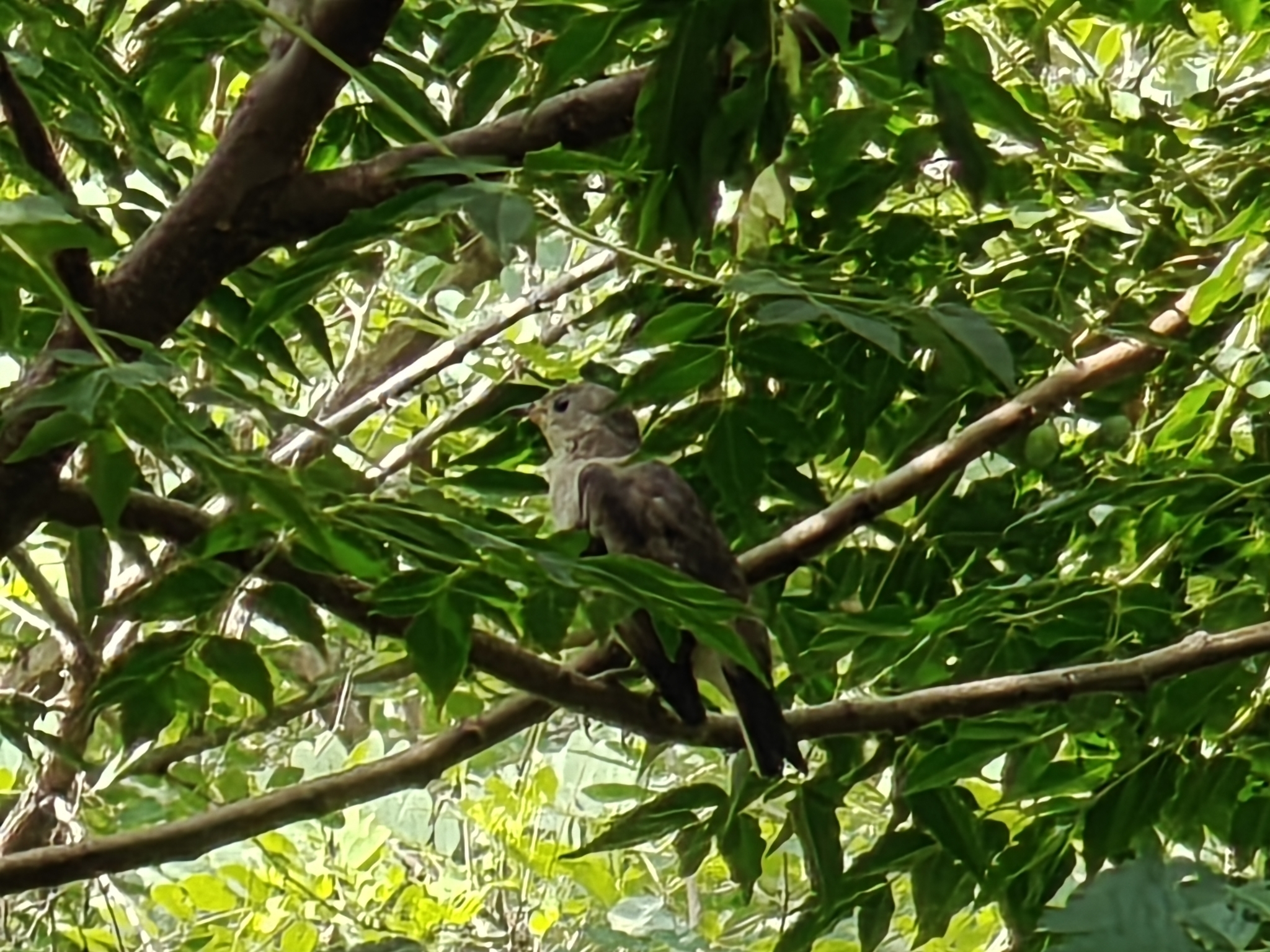
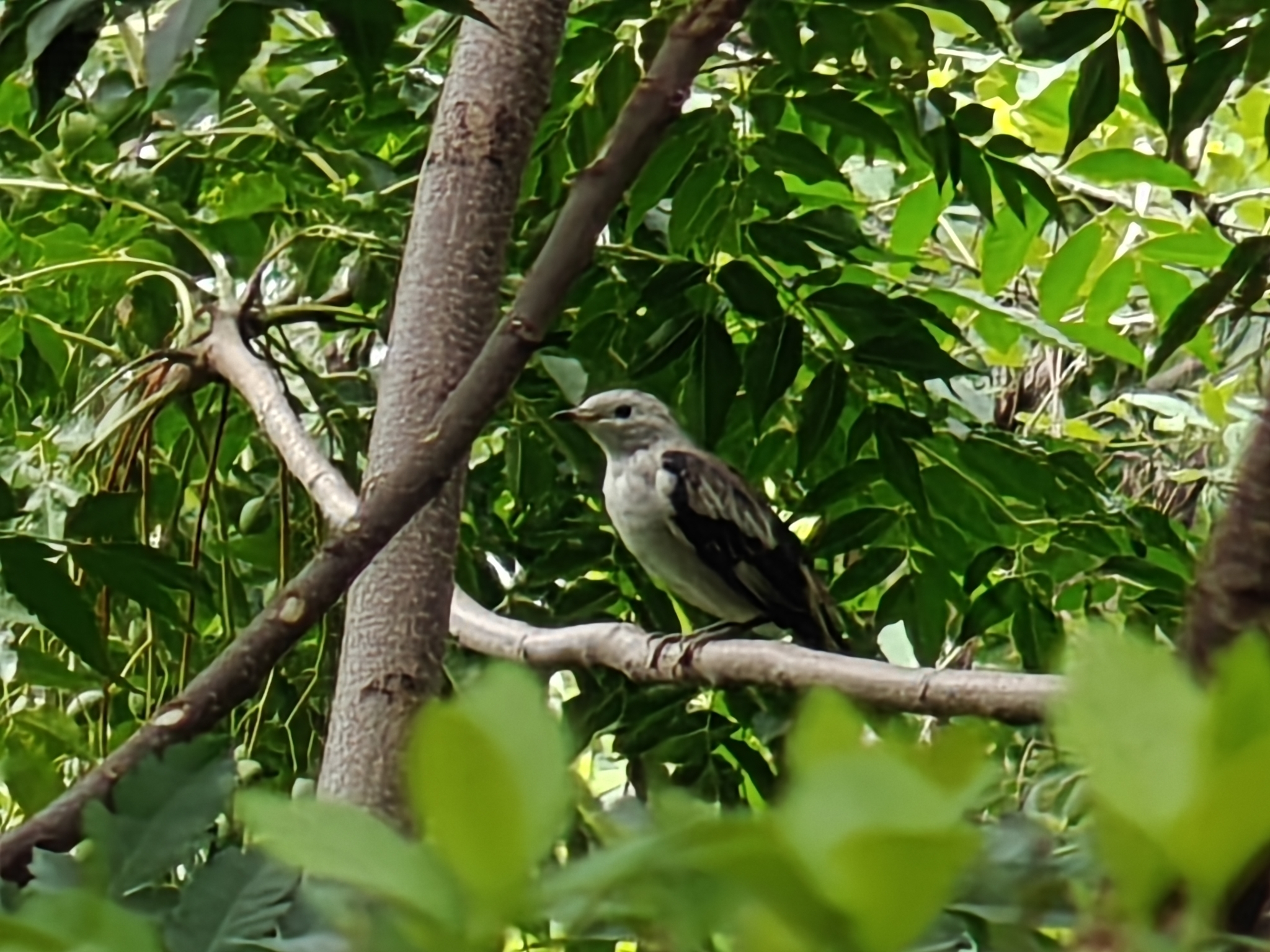
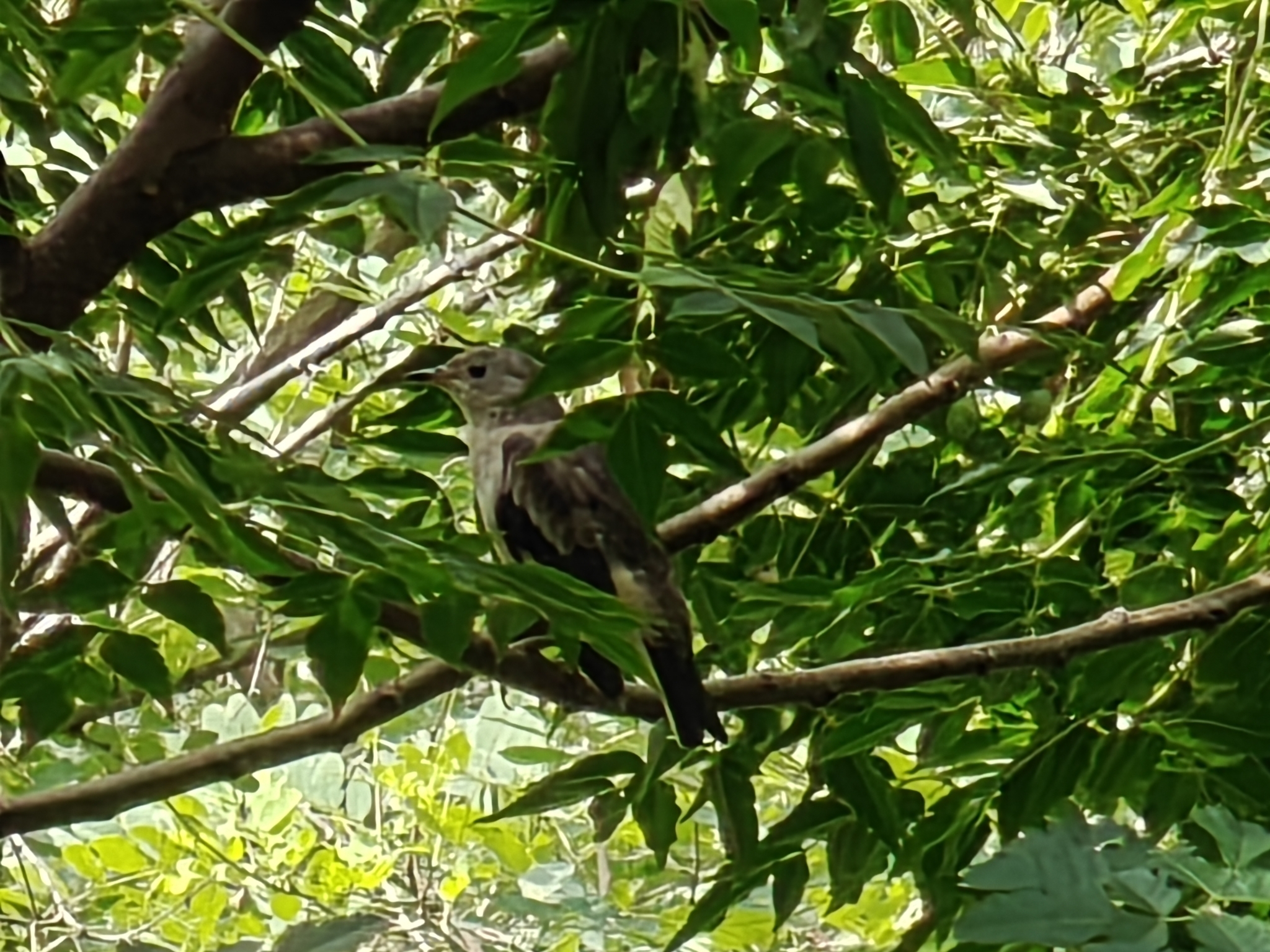
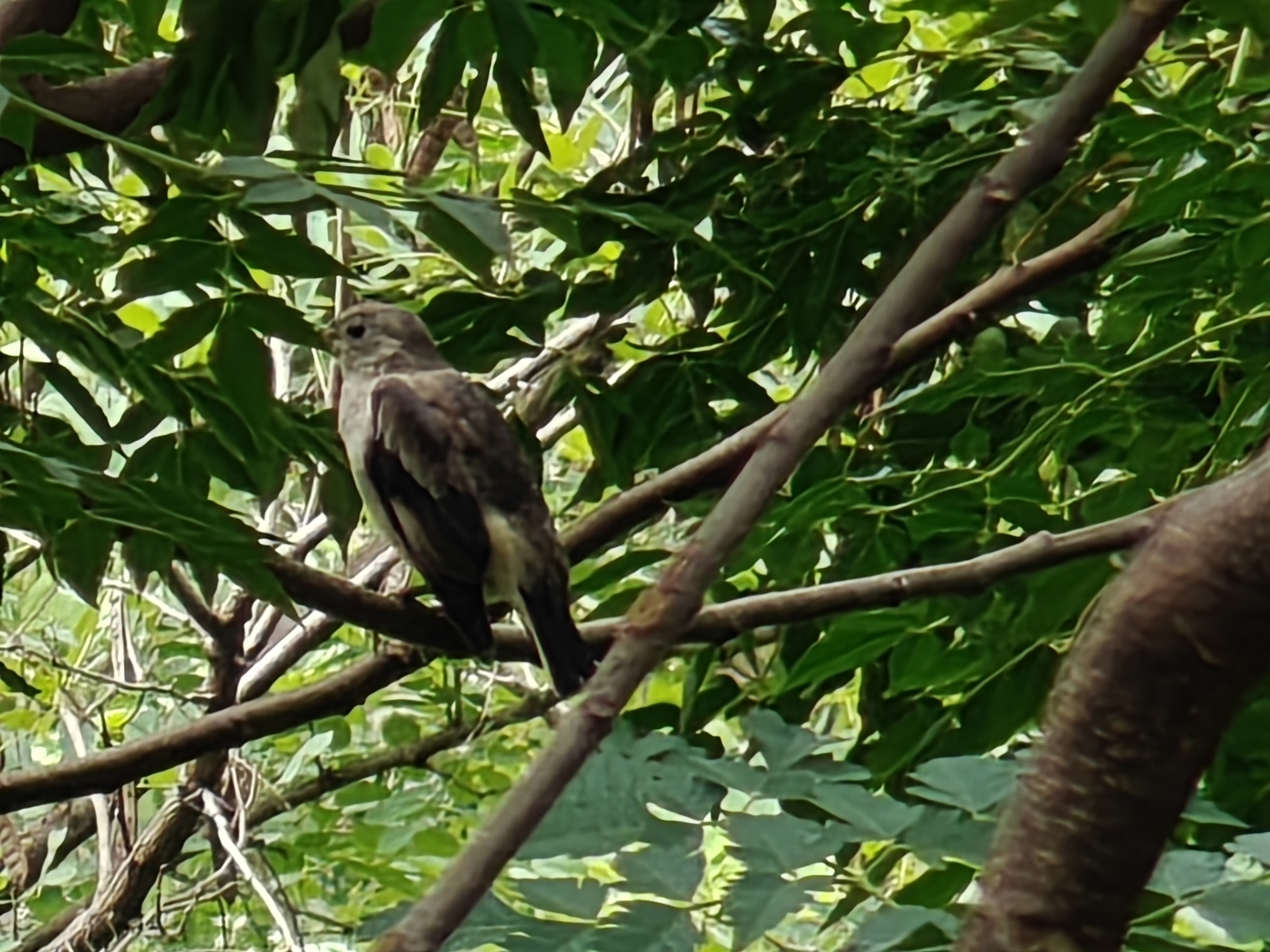
Daurian Starling
Agropsar sturninus
北椋鸟
Introduction
Migratory starling of the eastern Palearctic region. Breeds in forests of eastern Mongolia, southeastern Russia, North Korea, and central China. Inhabits boreal and temperate forest habitats, foraging in open areas. Forms large flocks outside the breeding season. Migrates to lower latitudes in East Asia for winter, returning north in spring. Feeds on insects and fruits. Found in woodland edges and clearings.
Description
A medium-sized starling with a compact body and pointed bill. Adults have dark plumage on the mantle and crown, creating a contrasting appearance. The wings display distinctive narrow wing bars, which serve as key identification features. The underparts are typically paler than the upperparts. The tail is relatively short and square-tipped. Juveniles resemble adults but with more muted colors. The overall length falls within the typical range for starlings of this region.
Identification
This species is distinguished from other starling species in its range by its notably dark mantle and crown, which contrast with lighter underparts. The narrow wing bars are more prominent than those of similar species. It differs from the closely related common starling by its darker upperparts and more restricted wing markings. In flight, the dark upperparts and contrasting wing patterns help distinguish it from other migratory starlings passing through the region.
Distribution & Habitat
Breeds across the eastern Palearctic from eastern Mongolia and southeastern Russia through North Korea to central China. The breeding range extends westward to include suitable habitat in the Transbaikal region. After breeding, the population migrates southward to wintering areas in eastern China, Taiwan, and potentially parts of Southeast Asia. Inhabits boreal and temperate forests, particularly favoring mixed woodland with clearings and edge habitats.
Source: Wikipedia · CC BY-SA 3.0
Taxonomy
- Order
- Passeriformes
- Family
- Sturnidae
- Genus
- Agropsar
- eBird Code
- dausta1
Distribution
breeds southeastern Siberia to northern Mongolia and northern Korea; winters to southeastern Asia
Data Sources
Species description from Wikipedia, licensed under CC BY-SA 3.0.
Bird images and sounds sourced from GBIF, contributed by citizen scientists worldwide under Creative Commons licenses.
Taxonomy data from AviList 2025.