Edible-nest Swiftlet
Aerodramus fuciphagus
爪哇金丝燕
Introduction
This small aerial swiftlet occurs throughout Southeast Asia, from island chains to mainland coastal areas. It spends virtually its entire life on the wing, rarely settling voluntarily on the ground. The species constructs cup-shaped nests composed entirely of hardened saliva on vertical surfaces in caves, cliffs, and artificial structures. These nests are harvested for bird's nest soup. The swiftlet feeds on flying insects and often forms large mixed flocks with other swiftlet and swallow species. High-pitched calls echo through cave systems near breeding colonies.
Description
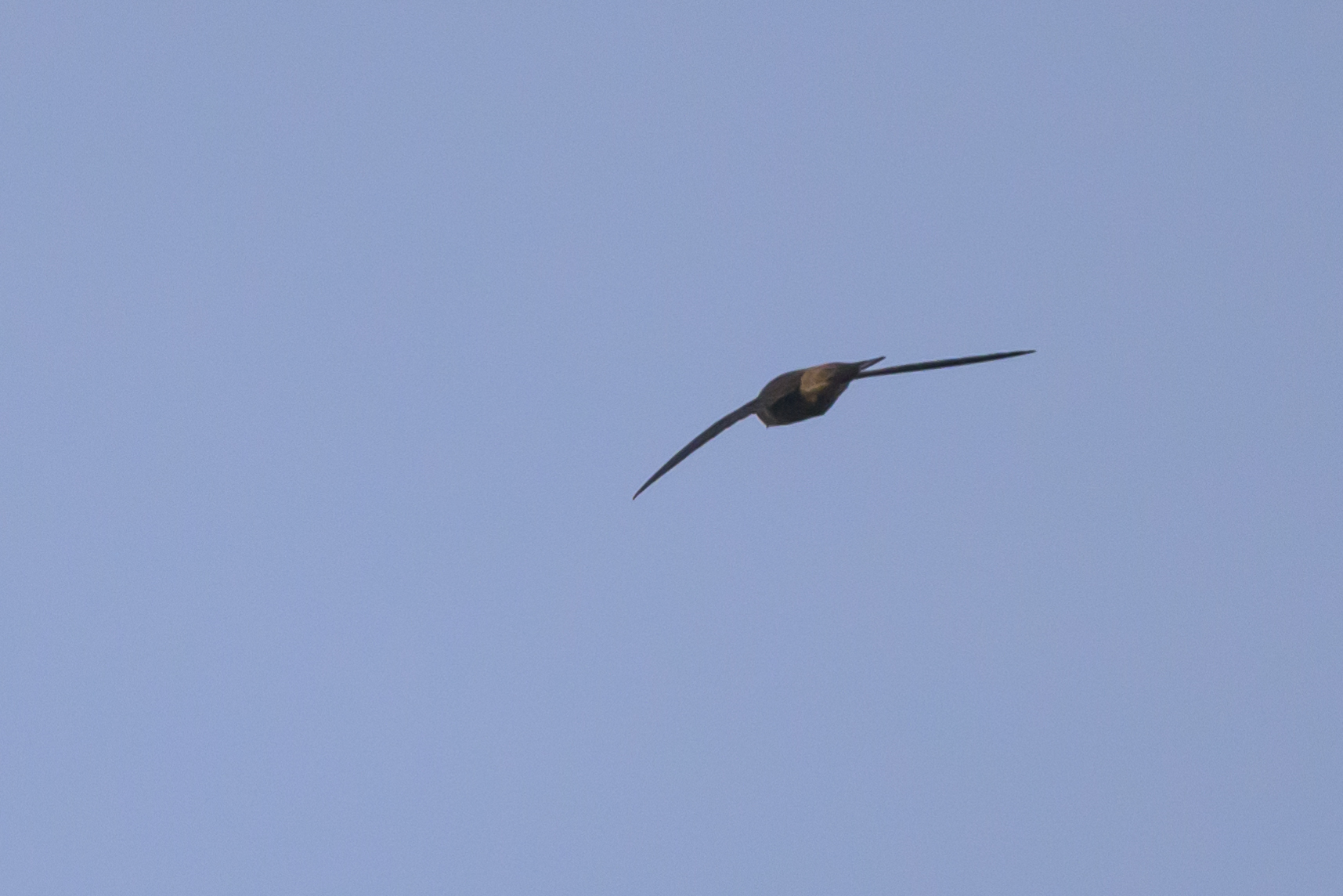
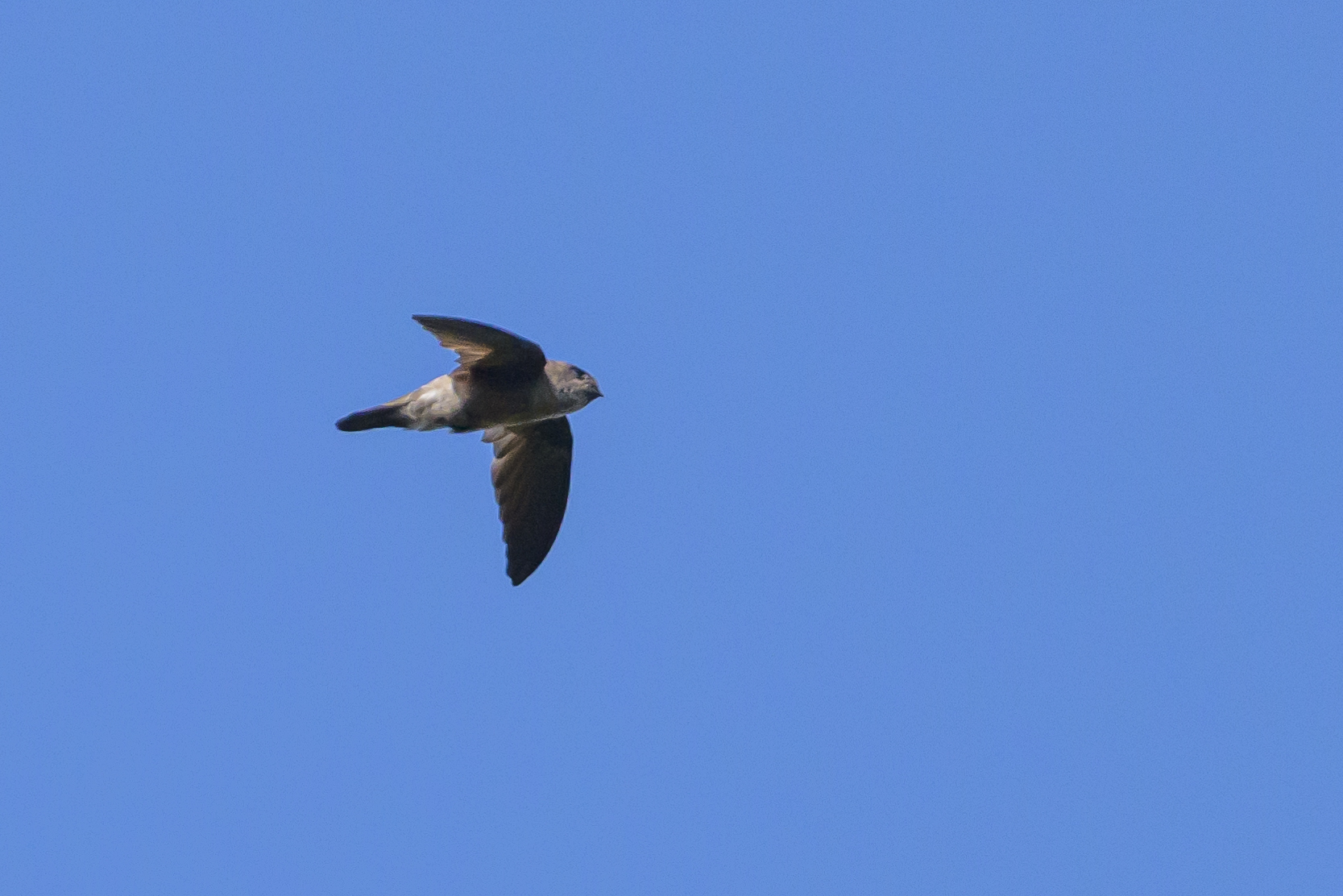
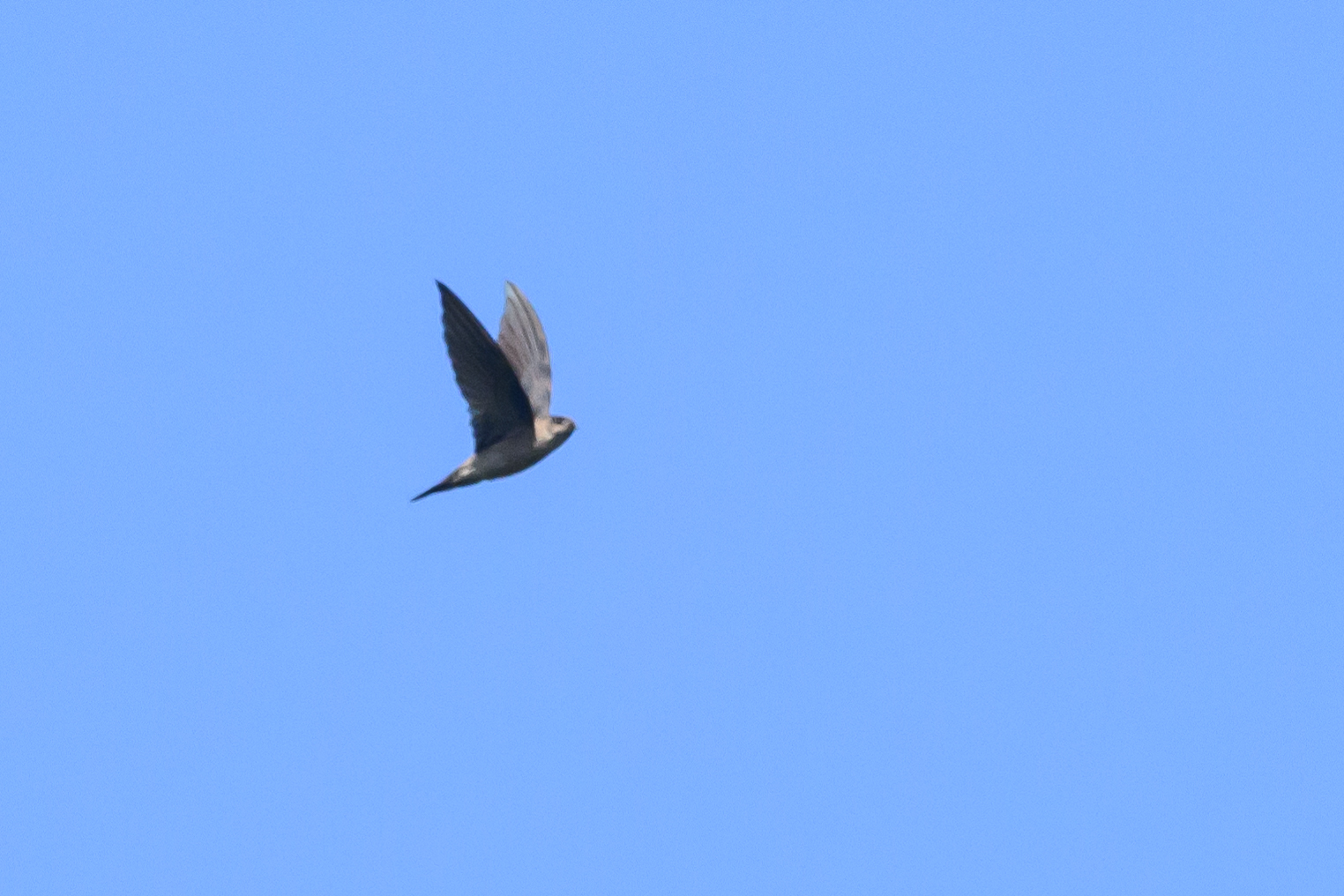
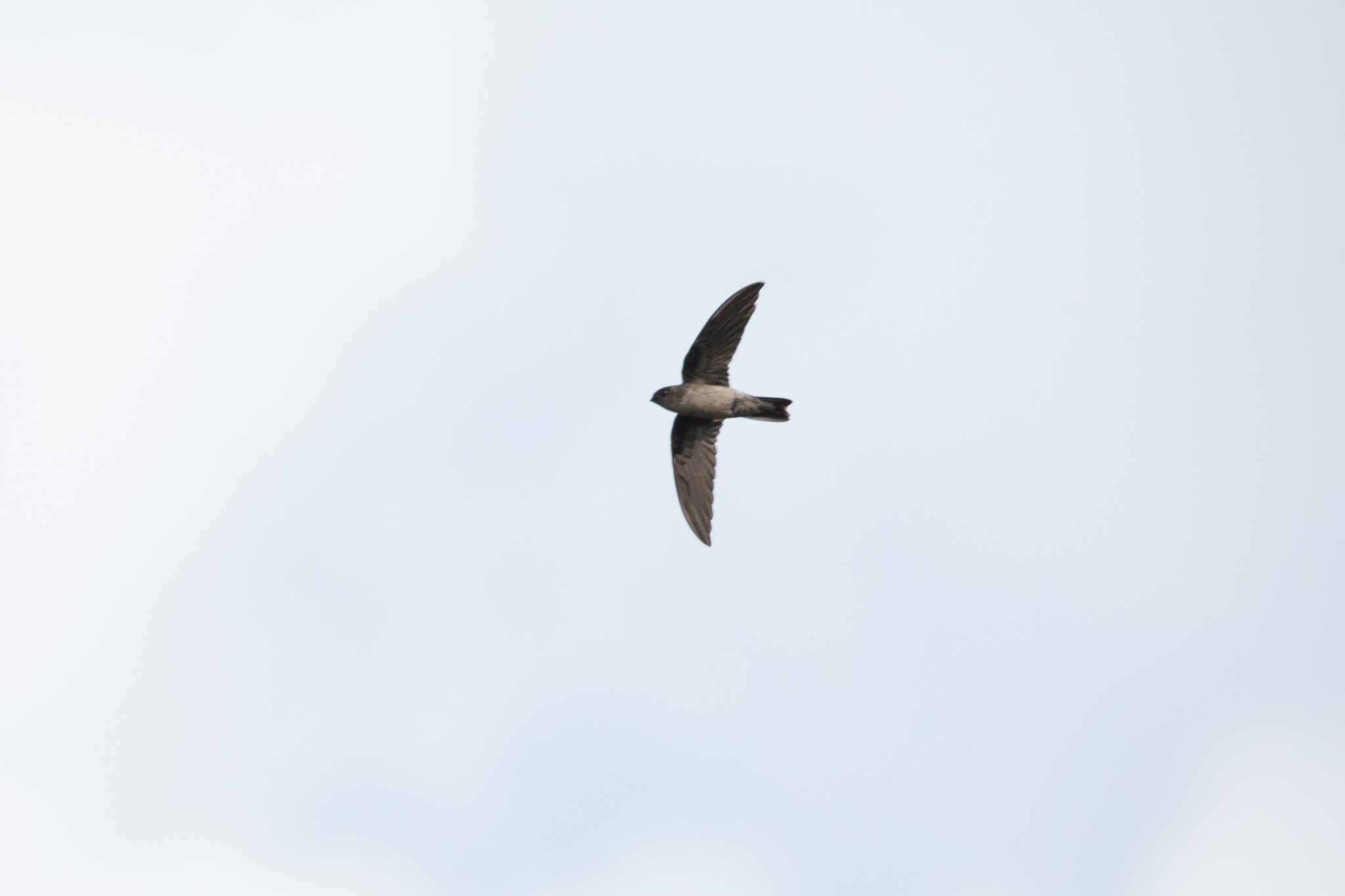
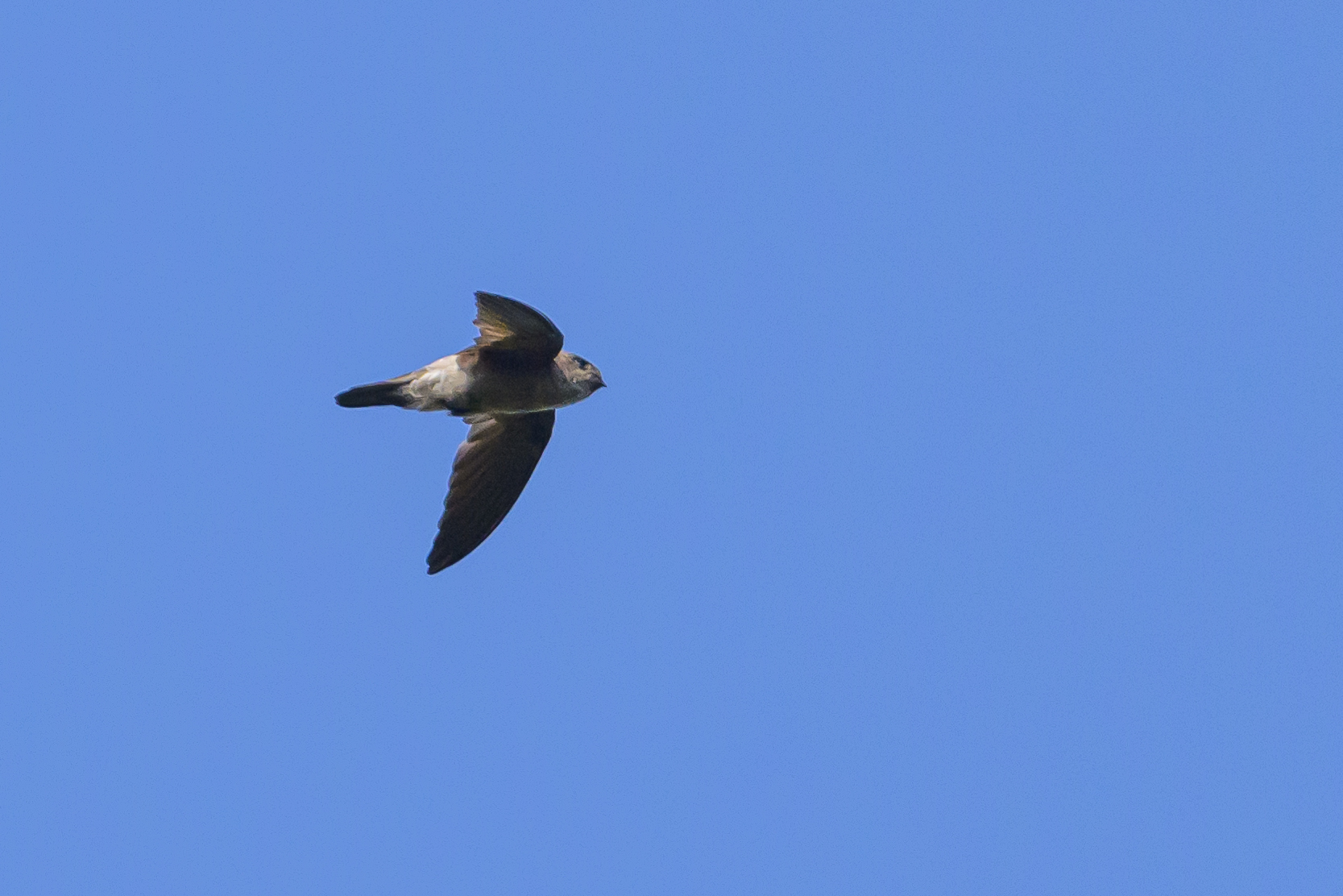
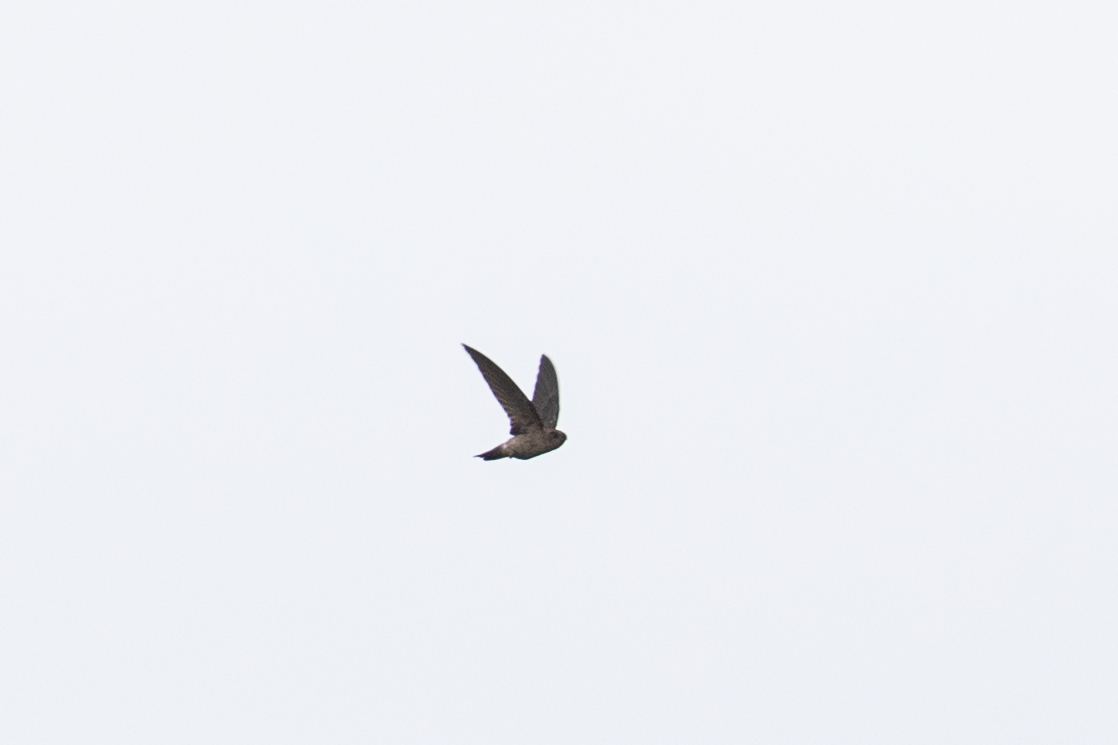
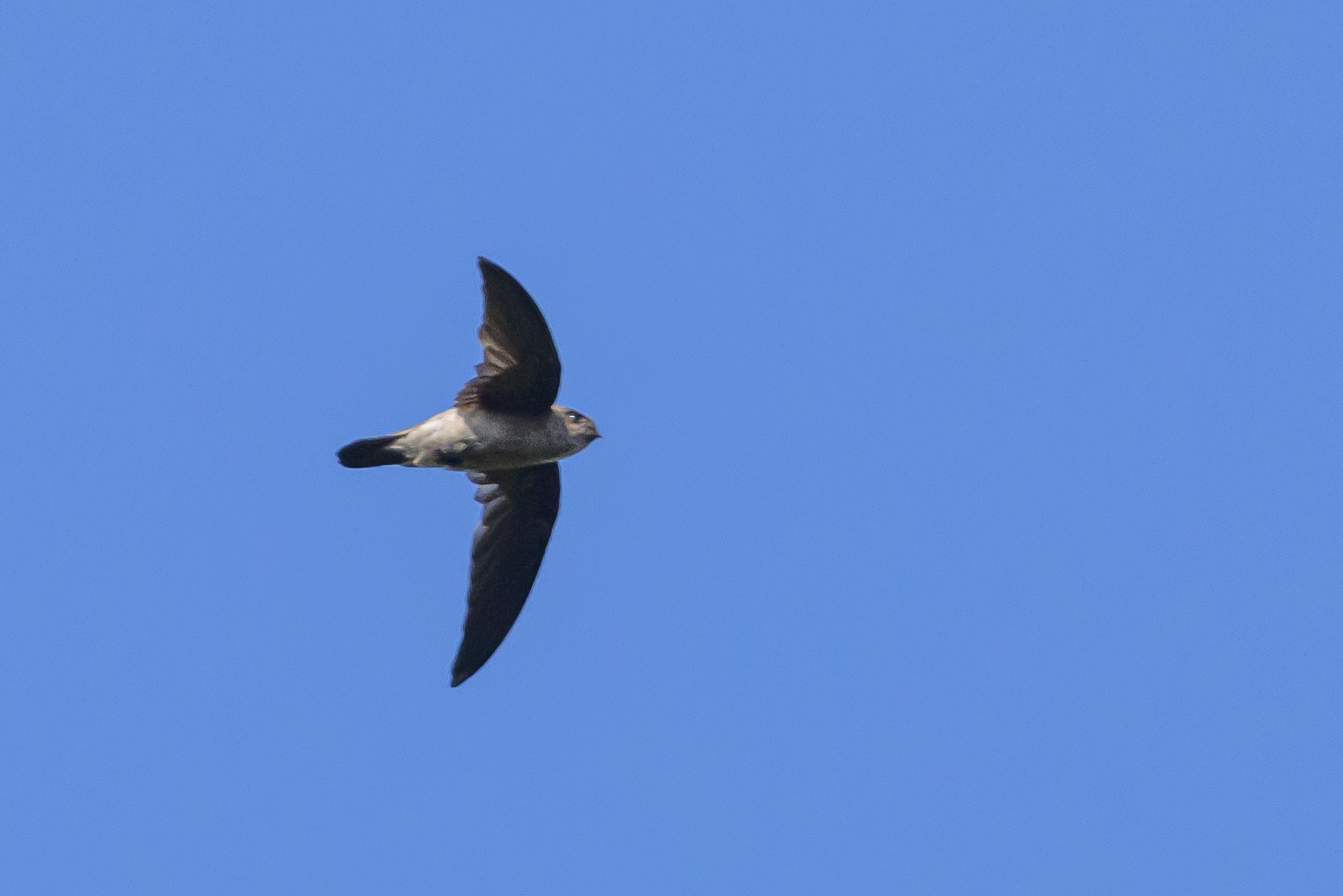
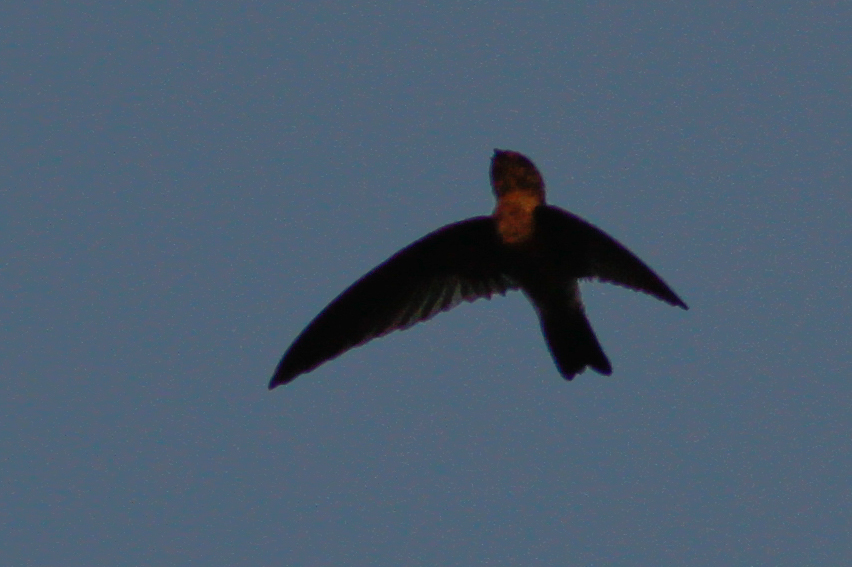
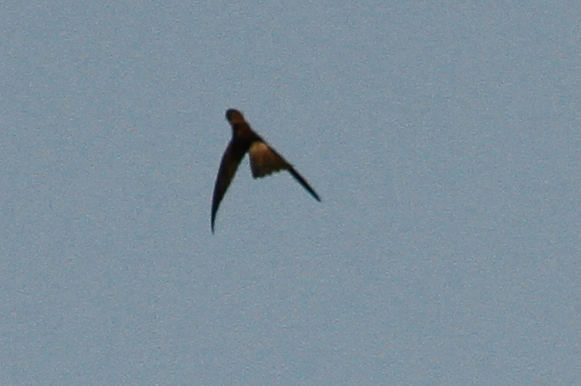
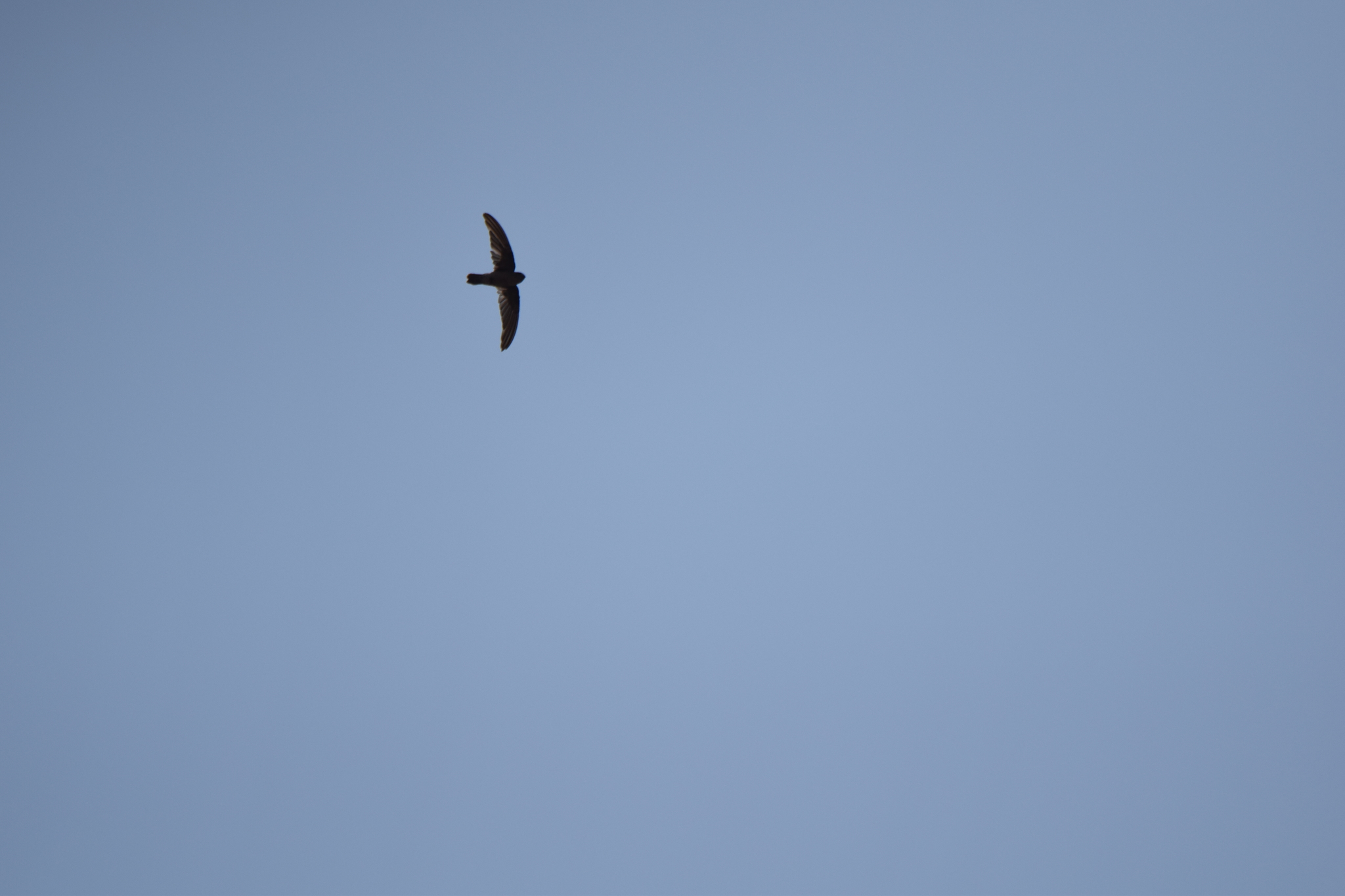
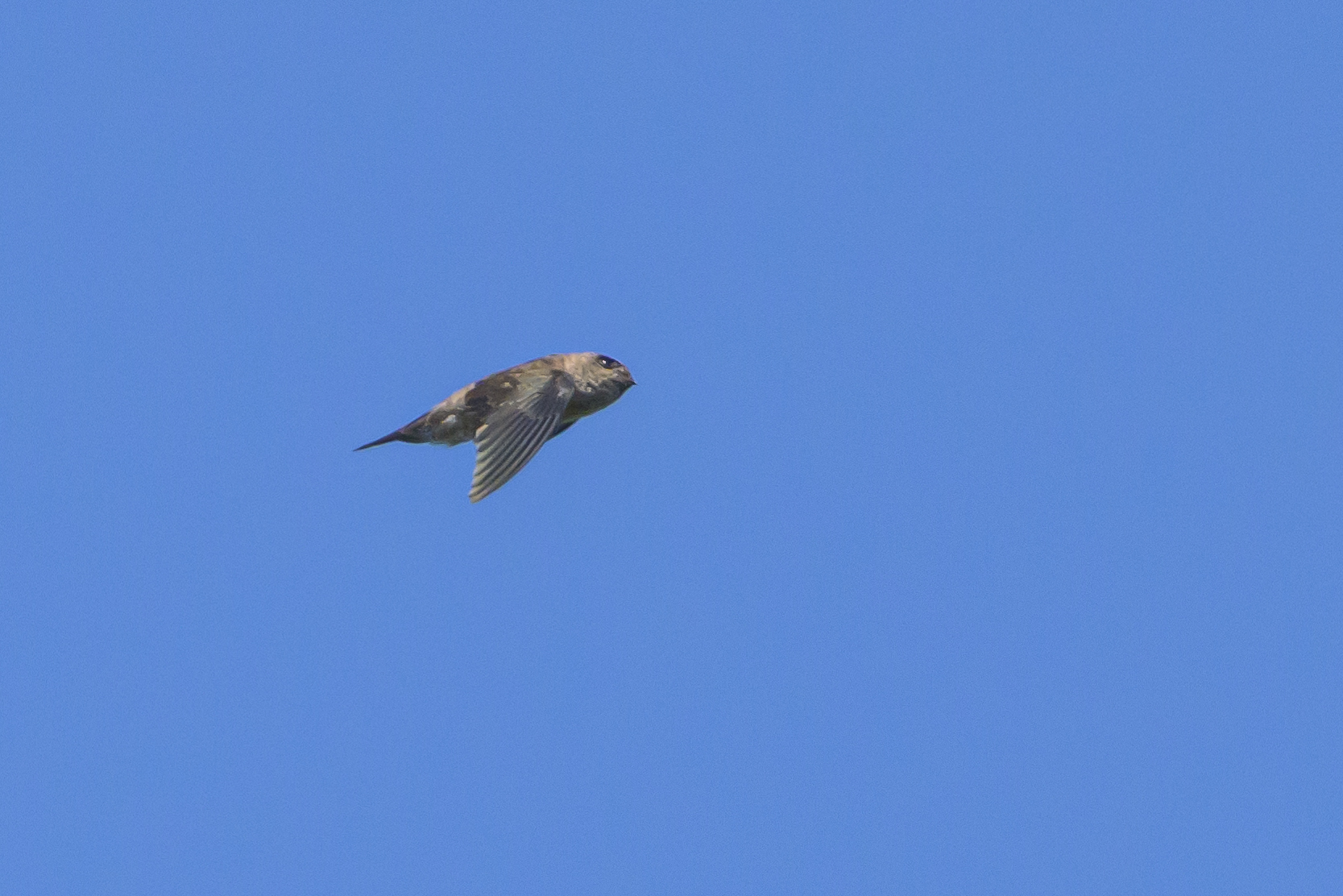
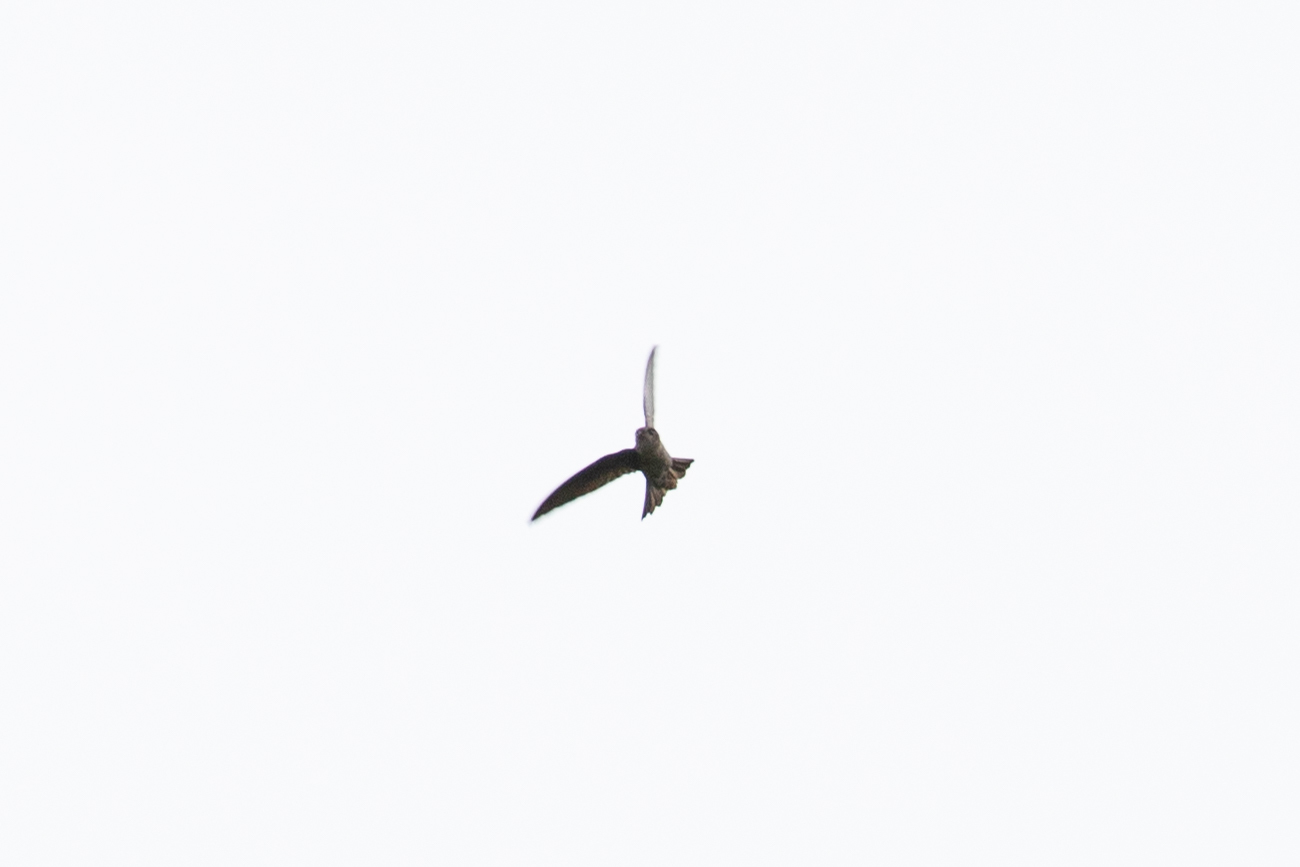
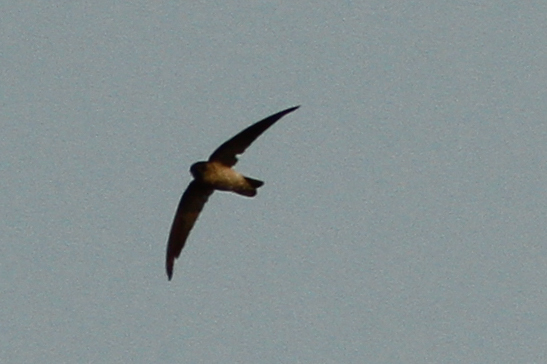
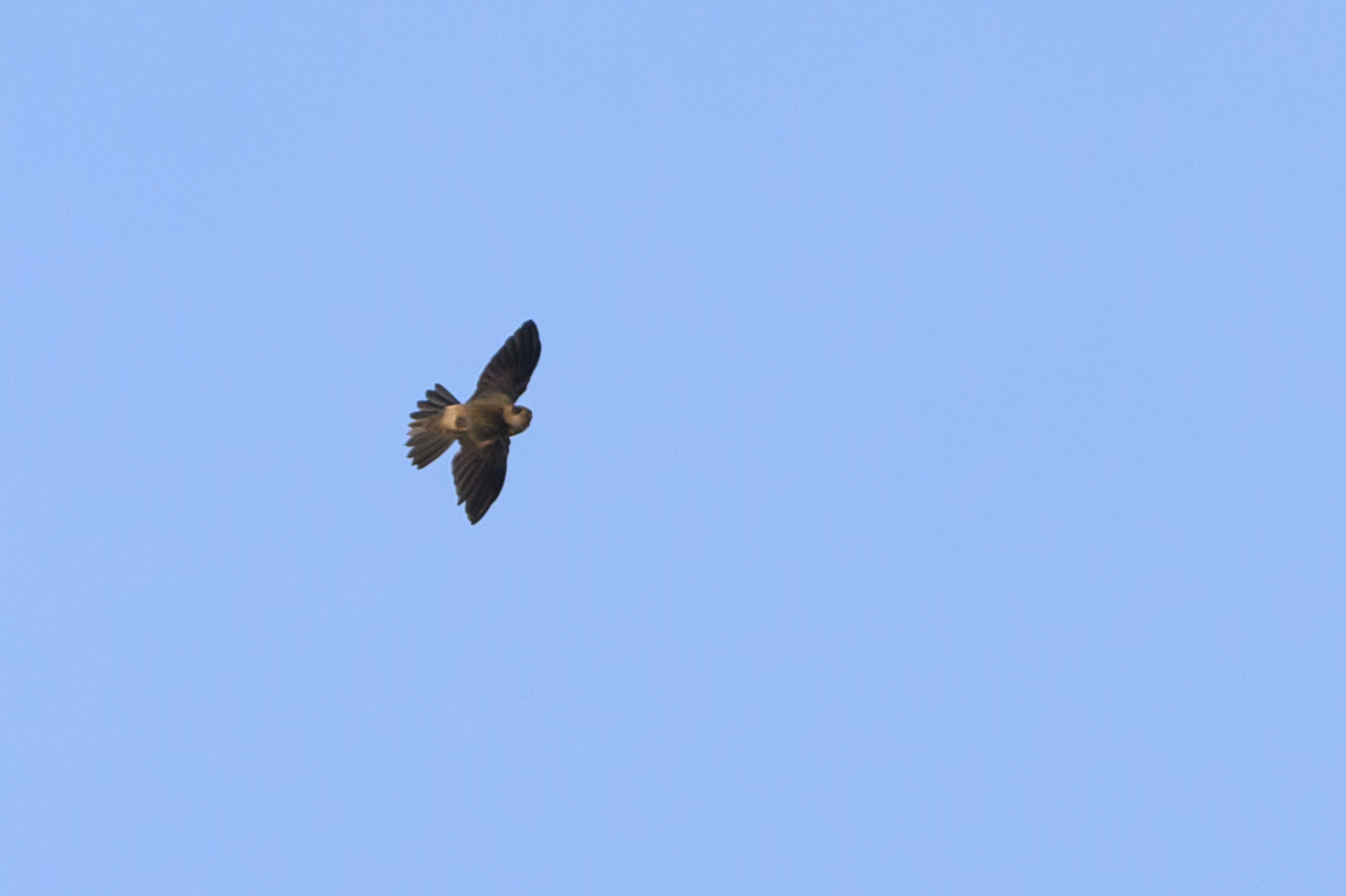
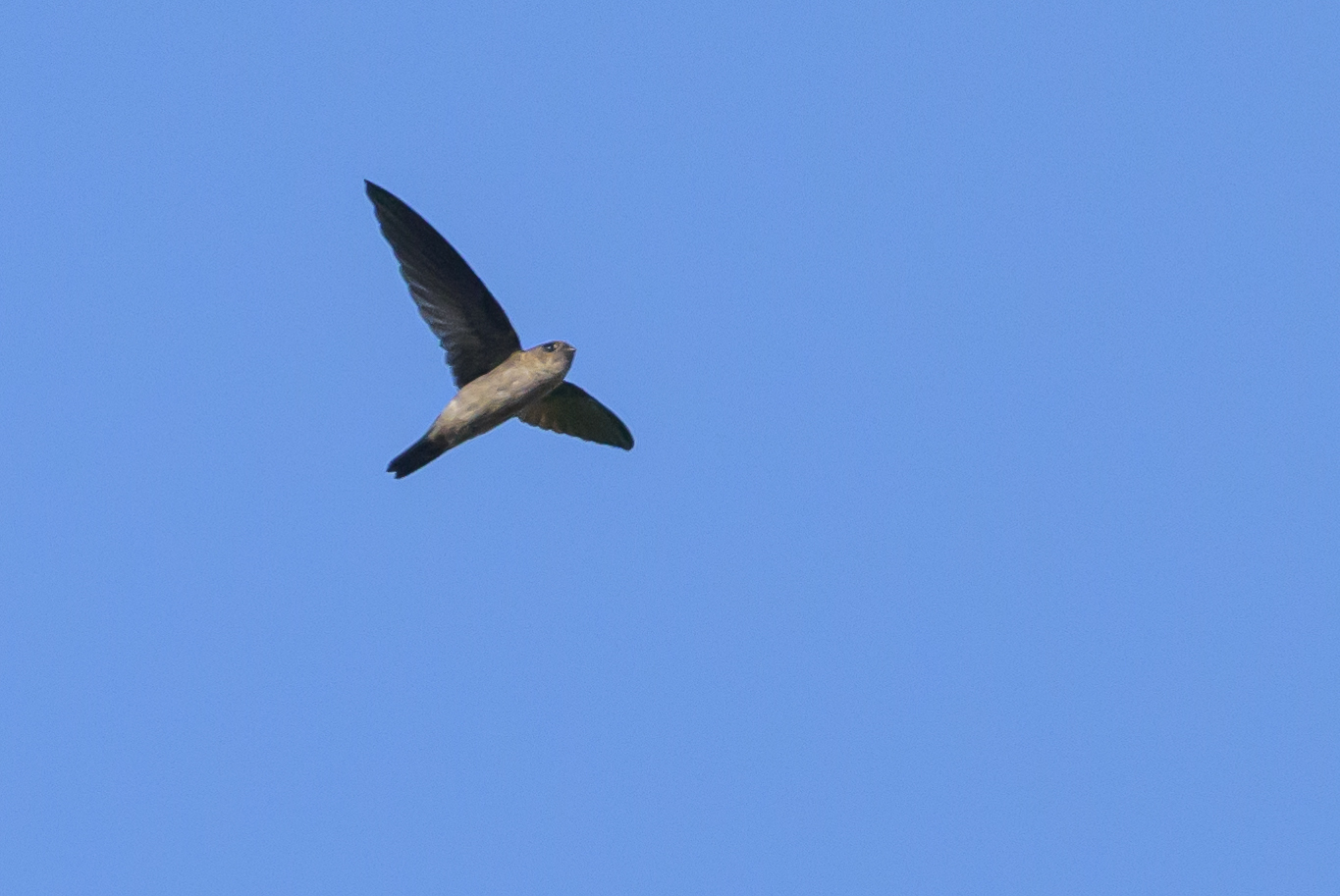
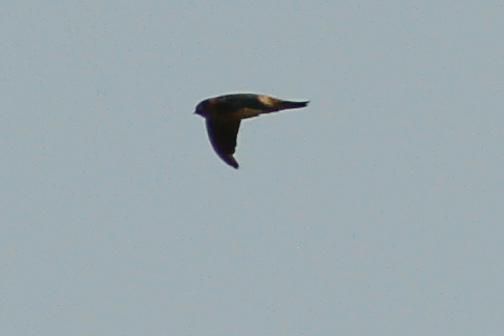
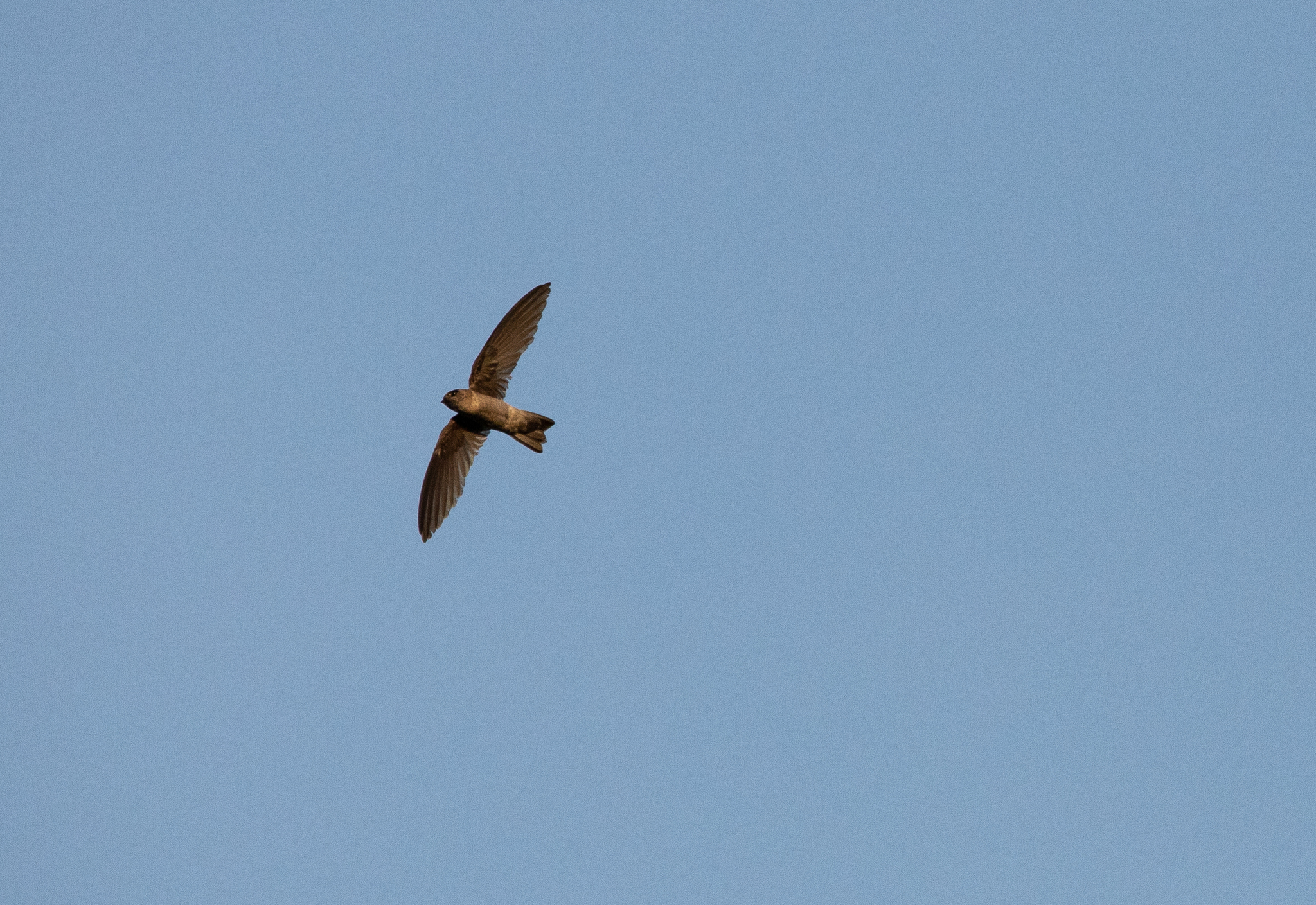
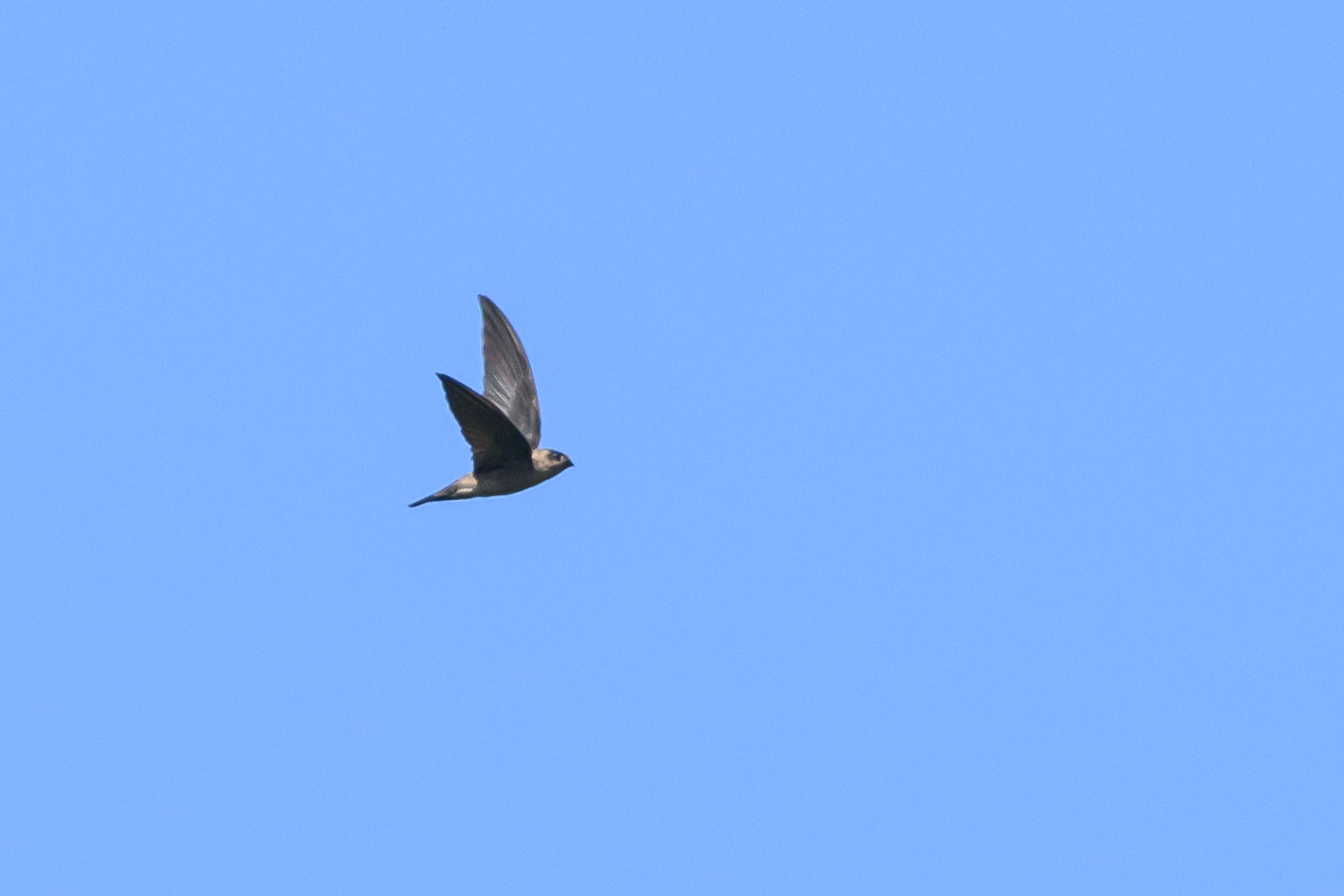
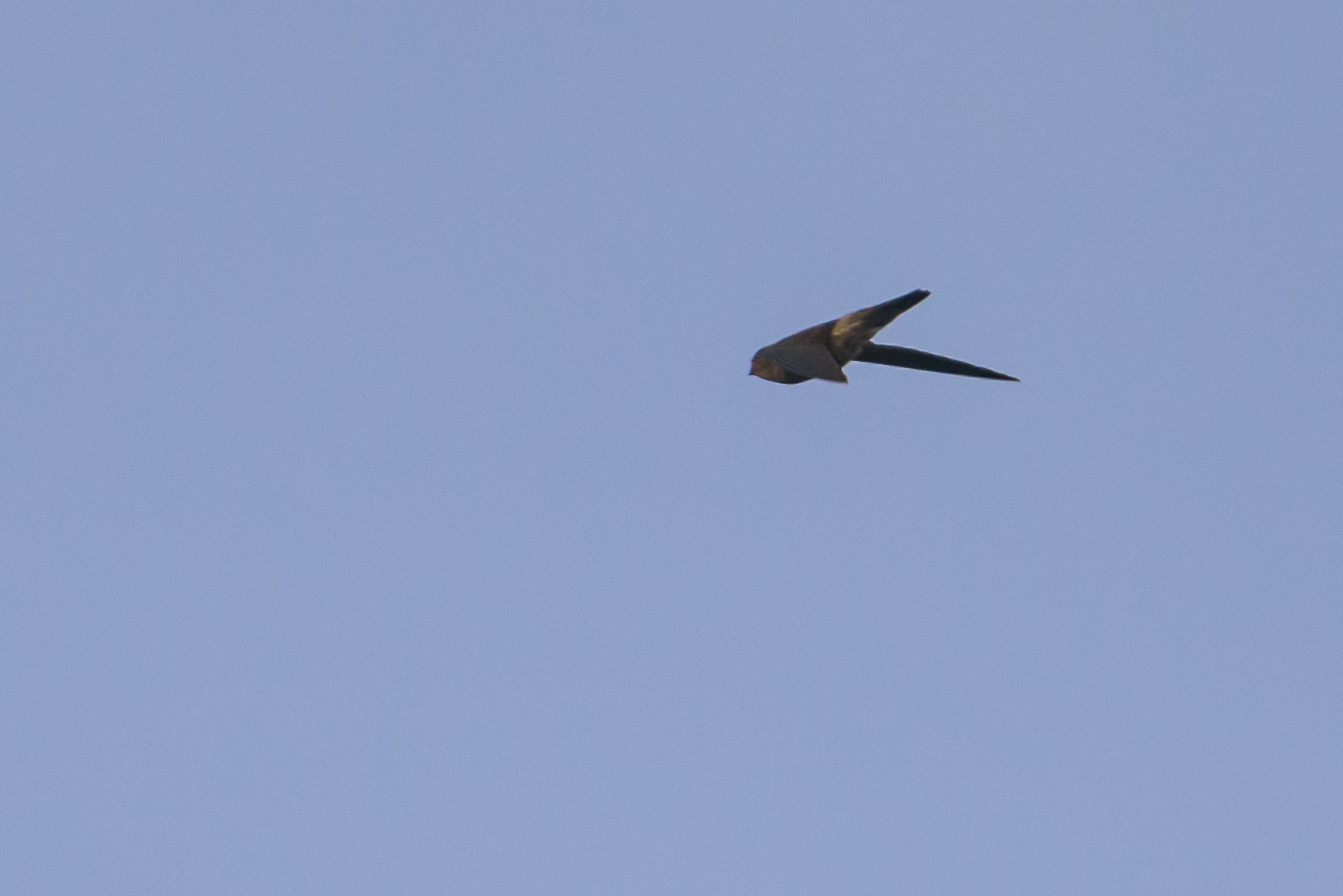
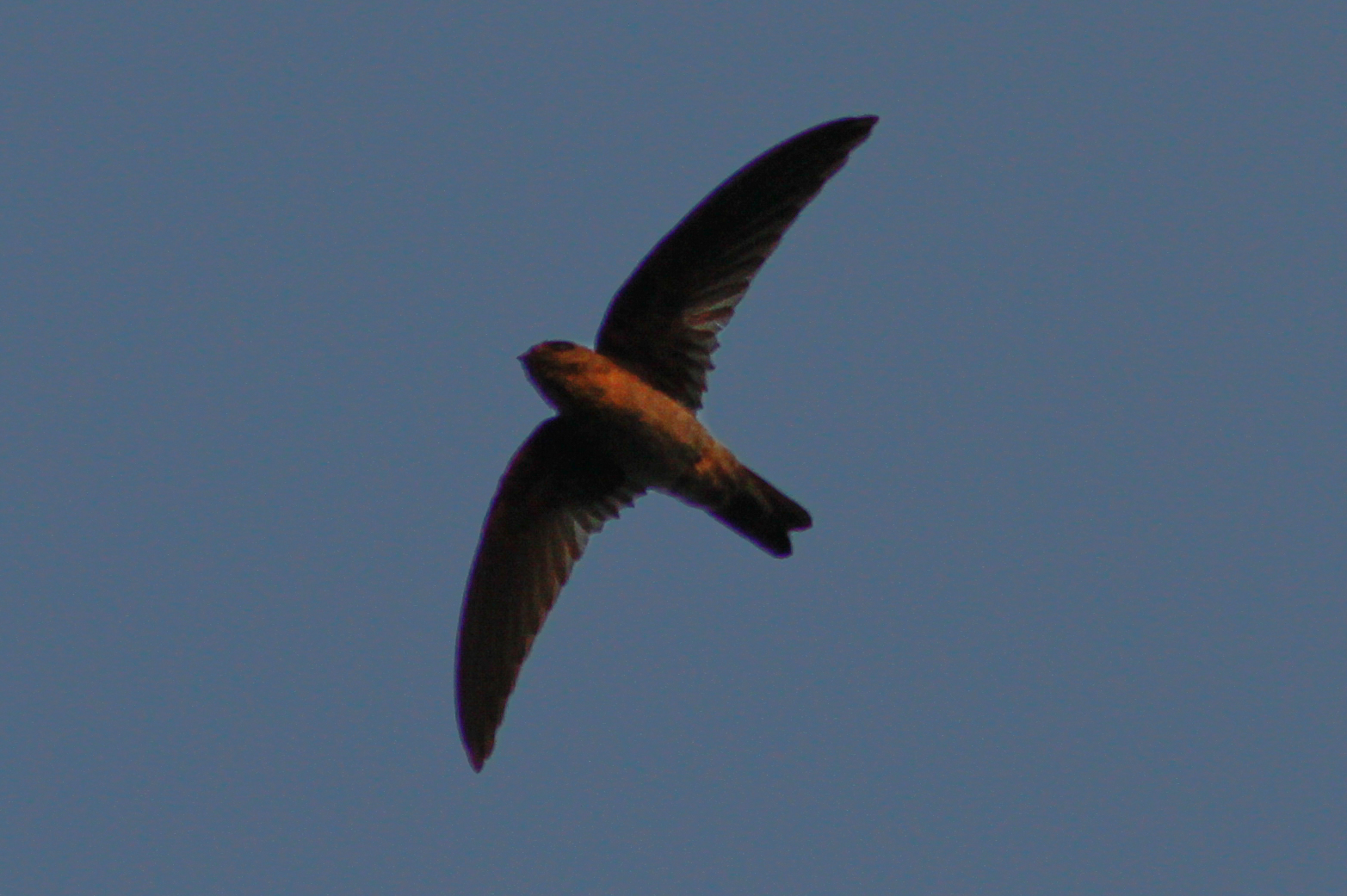
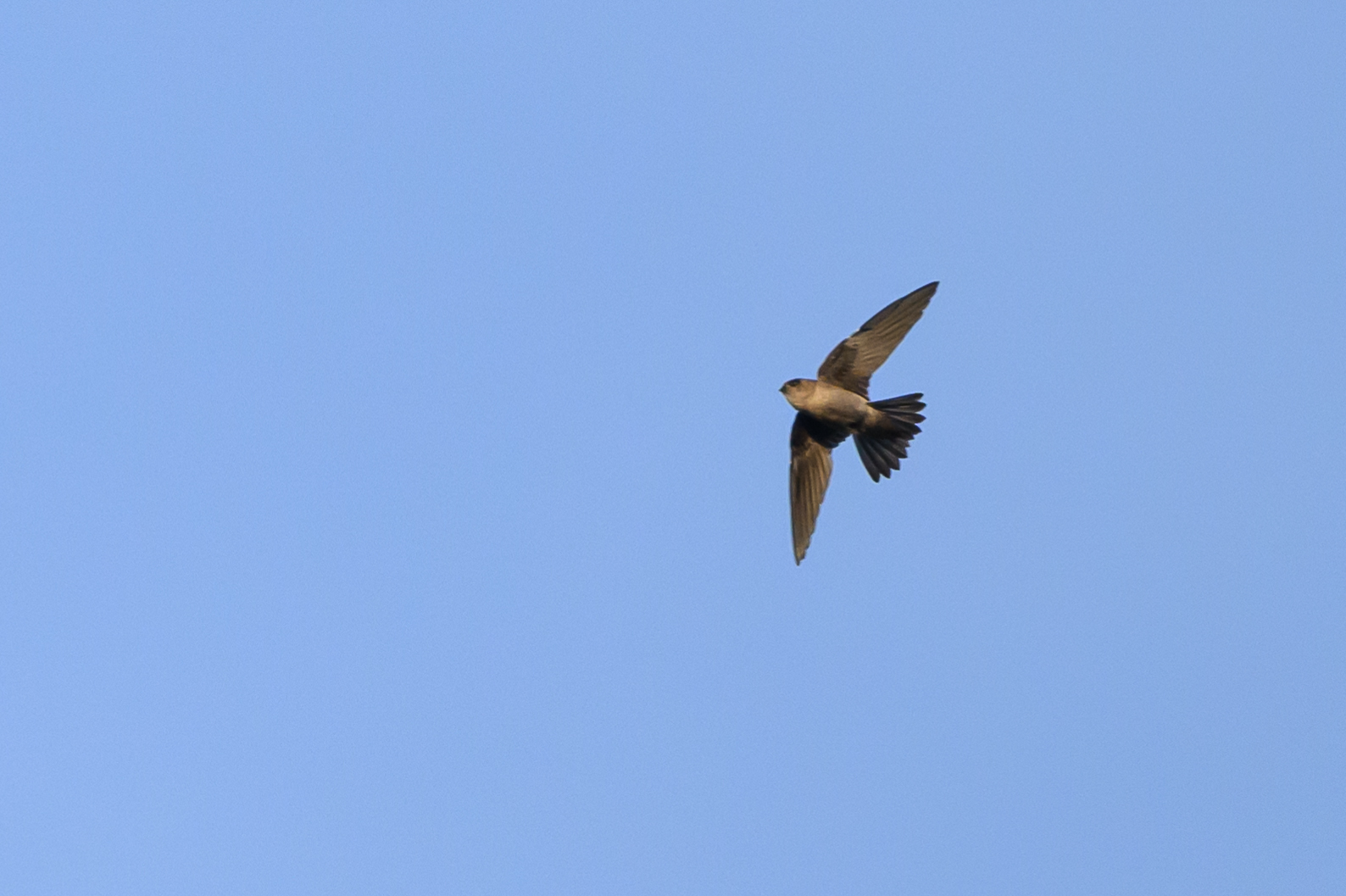
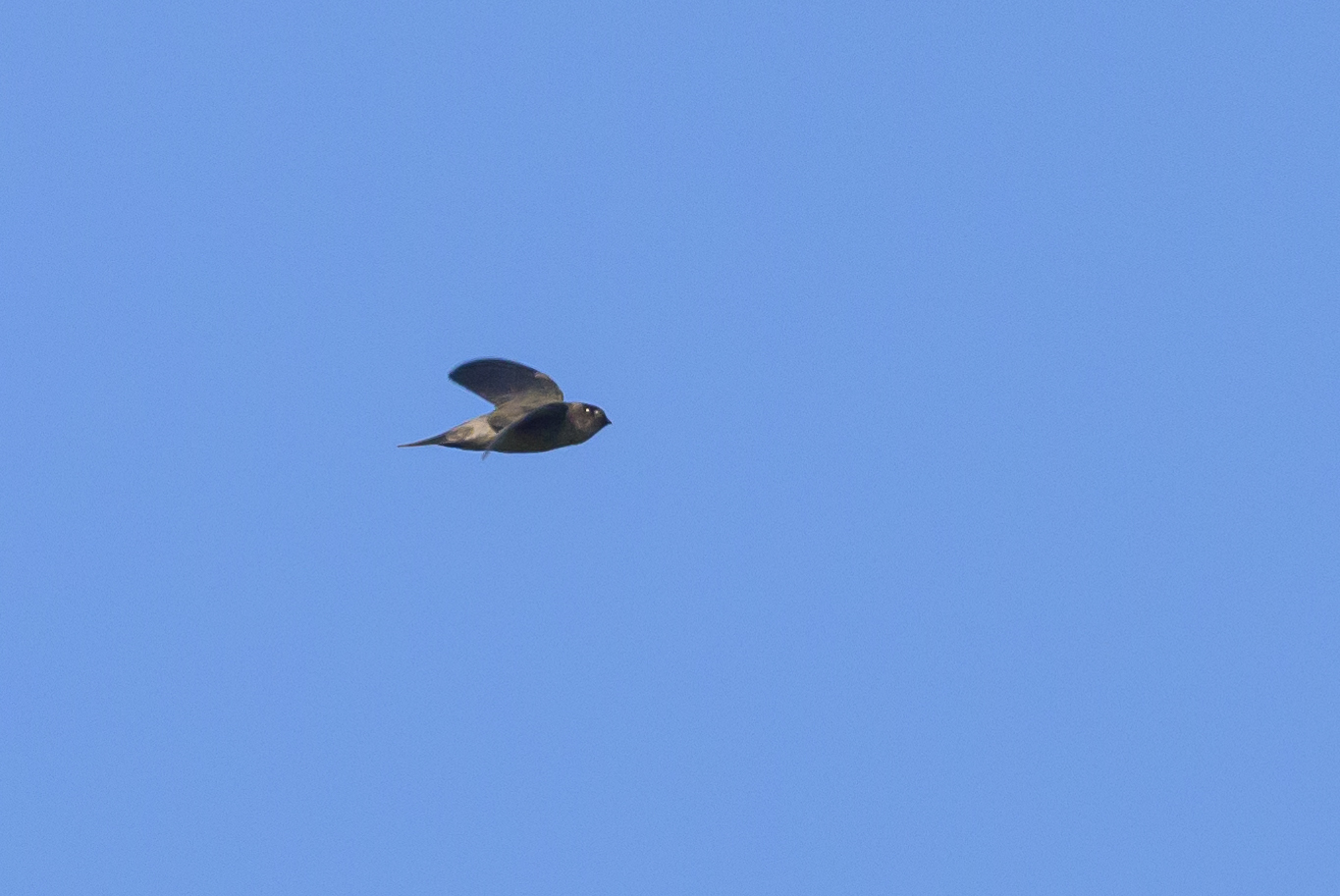
This medium-sized salangana reaches approximately 14 centimeters in body length and weighs between 15 and 18 grams. The slender upperparts are blackish-brown, while the underparts vary from white to blackish-brown depending on subspecies. The tail is notably short with a slight fork or notch. The bill and feet are black, with very short legs that have unfeathered or lightly feathered tarsi. The wings are long, narrow, and swept back in flight, creating a characteristic crescent shape. Subspecies show subtle plumage differences: micans appears paler and greyer, vestitus is darker with a less obvious pale rump, germani has much paler underparts with a broad whitish rump, and amechanus resembles germani but with a greyer rump.
Identification
In flight, the combination of dark plumage, relatively short forked tail, and distinctive crescent-shaped wings helps distinguish this species from other swifts. The pale rump of some subspecies, particularly germani, can be a useful field mark. It is best identified by association with known colonies and by its voice. The high-pitched burbling calls at breeding colonies and the rattling echolocation sounds are distinctive. Separation from similar Aerodramus swiftlets requires careful attention to underpart coloration and rump pattern, though many populations are best identified by location.
Distribution & Habitat
This species occurs throughout Southeast Asia, with populations on the Andaman and Nicobar Islands, Malay Peninsula, Sumatra, Borneo, Java, the Kangean Islands, Bali, Lombok, Sumbawa, Flores, Alor, Sumba, Savu, Timor, and various smaller islands including the Anambas. It also occurs in the Philippines on Panay and Palawan. The swiftlet inhabits a range of elevations from coastal areas up to 2,800 meters on Sumatra and Borneo. It occurs above forests, forest edges, and open country, typically foraging in the air above these habitats. No regular migration is documented, though some local movements may occur.
Behavior & Ecology
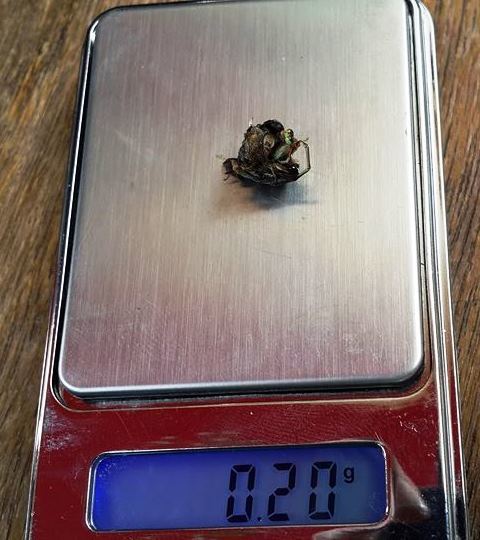
These birds are almost entirely aerial, spending their lives on the wing and even drinking while flying. Their diet consists exclusively of flying insects caught on the wing. They often feed in large mixed flocks with other swiftlet and swallow species. Breeding occurs in colonies situated in coastal areas, limestone caves, rock crevices, cliff faces, and increasingly on buildings. The distinctive bracket-shaped nest is constructed from layers of hardened saliva attached to vertical surfaces, typically measuring about 6 centimeters across, 1.5 centimeters deep, and weighing approximately 14 grams. Two white, oval, non-glossy eggs are laid. Breeding colonies are noisy, with birds emitting high-pitched burbling calls. They also produce a rattling call used for echolocation, allowing navigation in dark cave environments. The long legs are adapted for clinging to vertical surfaces.
Conservation
While the overall species is not considered globally threatened, certain populations face serious concerns. Those in the Andaman and Nicobar Islands have been heavily harvested for their nests and are classified as critically threatened under IUCN criteria. Nest harvesting for the bird's nest soup trade poses the primary threat, as nests command high prices and many colonies are exploited commercially. The development of artificial bird houses is expanding, with purpose-built structures in Indonesia and Malaysia using audio playback systems to attract birds. This farming approach may help reduce pressure on wild populations but raises concerns about habitat modification and noise disturbance in urban areas.
Culture
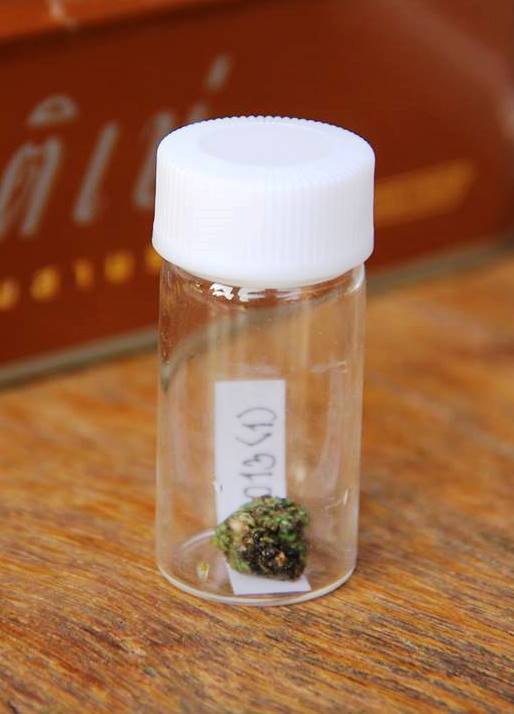
The opaque, whitish nests composed entirely of solidified saliva are the foundation of bird's nest soup, one of the most celebrated delicacies in Chinese cuisine and increasingly available in markets worldwide. The soup is prepared by soaking and steaming the nests, producing a delicate, gelatinous broth. Traditional Chinese medicine attributes several health benefits to the soup, claiming it improves kidney health, reduces phlegm, and functions as an aphrodisiac. The nests fetch extremely high prices, making this one of the most valuable animal products harvested from the wild. This economic value has driven the development of commercial nest farming operations across Southeast Asia, transforming local economies and creating a unique intersection between wildlife exploitation, culinary tradition, and modern agricultural practices.
Source: Wikipedia · CC BY-SA 3.0
Taxonomy
- Order
- Apodiformes
- Family
- Apodidae
- Genus
- Aerodramus
- eBird Code
- y00731
Vocalizations
Subspecies (8)
-
Aerodramus fuciphagus amechanus
Anambas Islands (South China Sea)
-
Aerodramus fuciphagus dammermani
Flores (western Lesser Sundas)
-
Aerodramus fuciphagus fuciphagus
Java, Kangean Islands, and Bali to western Lesser Sundas and Tanahjampea (south of Sulawesi)
-
Aerodramus fuciphagus germani
coasts of Malay Peninsula, northern Borneo, and southern Philippines
-
Aerodramus fuciphagus inexpectatus
Andaman and Nicobar islands
-
Aerodramus fuciphagus micans
eastern Lesser Sundas (Sumba, Sawu, and Timor)
-
Aerodramus fuciphagus perplexus
Maratua Archipelago (off eastern Borneo)
-
Aerodramus fuciphagus vestitus
Sumatra, Belitung Island, and Borneo
Data Sources
CBR Notes: 爪哇金丝燕Aerodramus fuciphagus和戈氏金丝燕A.germani合并为一种A. fuciphagus,学名由Aerodramus germani改为Aerodramus fuciphagus,中文名由戈氏金丝燕改为爪哇金丝燕,应该文明由Germain's Swiftlet改为Edible-nest Swiftlet(Dickinson & Remsen 2013; del Hoyo & Collar 2014)
Species description from Wikipedia, licensed under CC BY-SA 3.0.
Bird images and sounds sourced from GBIF, contributed by citizen scientists worldwide under Creative Commons licenses.
Taxonomy data from AviList 2025.