Sooty Bushtit
Aegithalos fuliginosus
银脸长尾山雀
Introduction
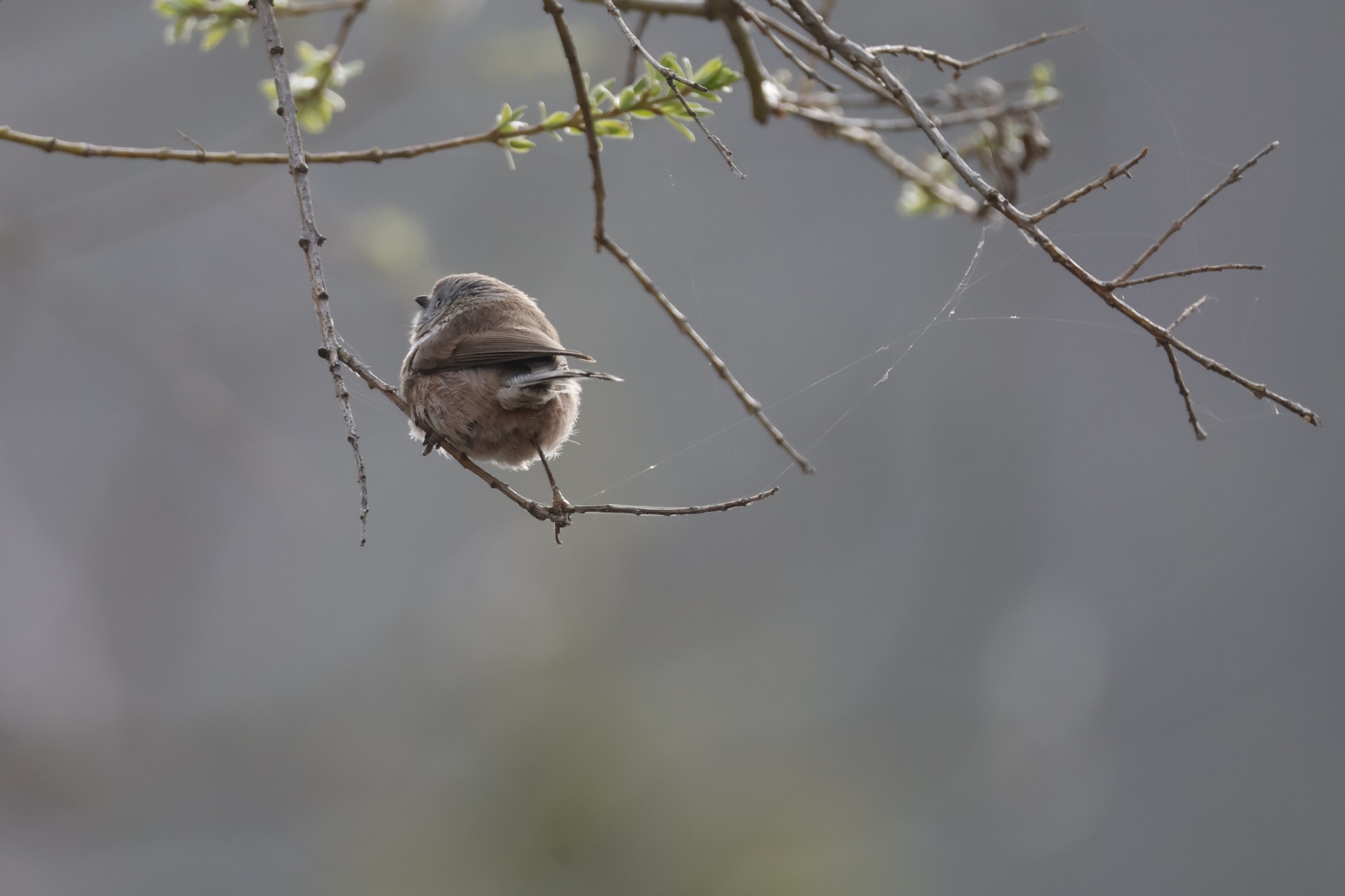
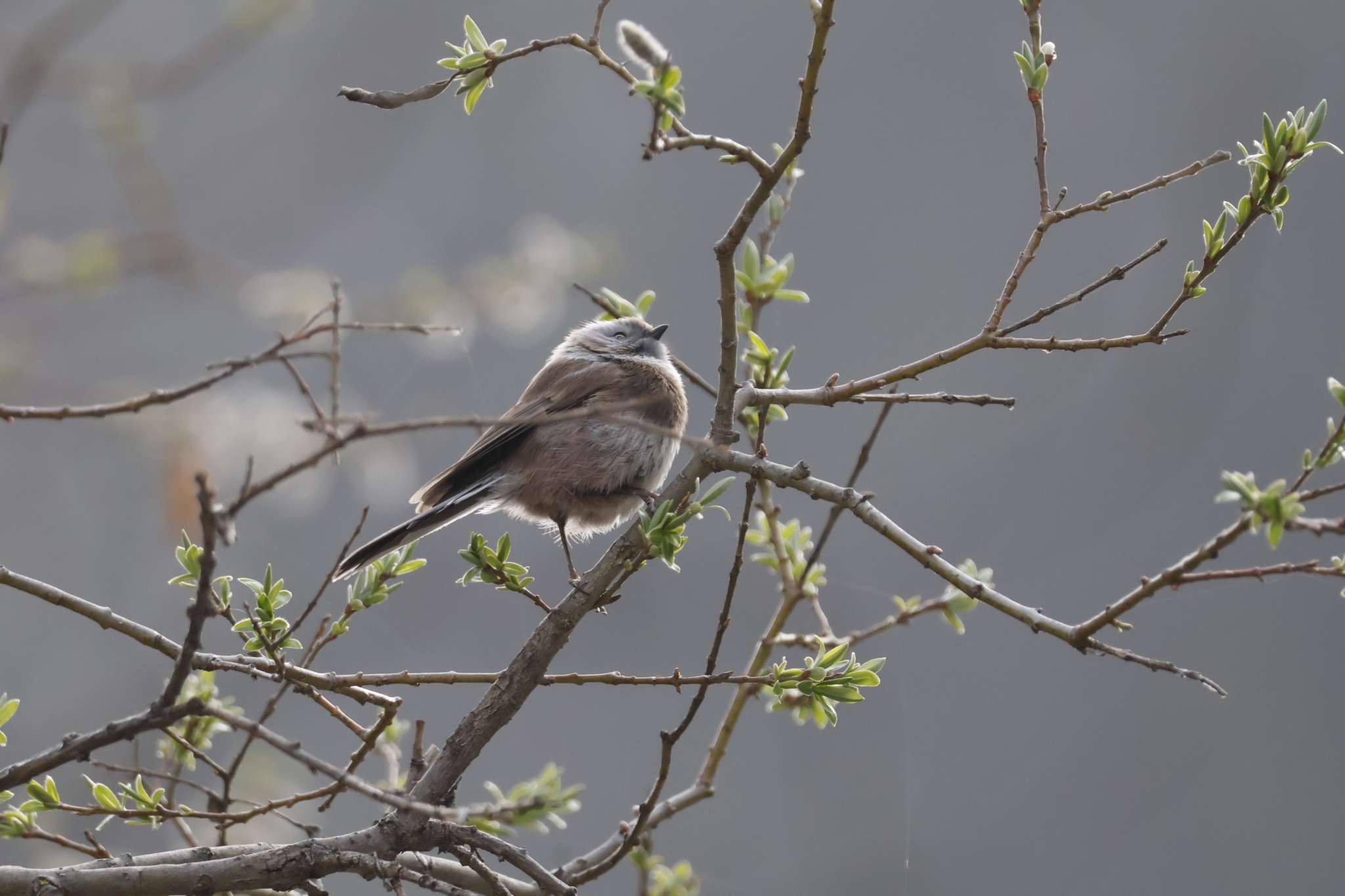
Bushtit (Family: Aegithalidae) endemic to central China. Inhabits forest habitats across several provinces. Characterized by dark plumage and white collar. Social species that moves in active, vocal groups through the canopy, often associating with mixed flocks of other forest species.
Description
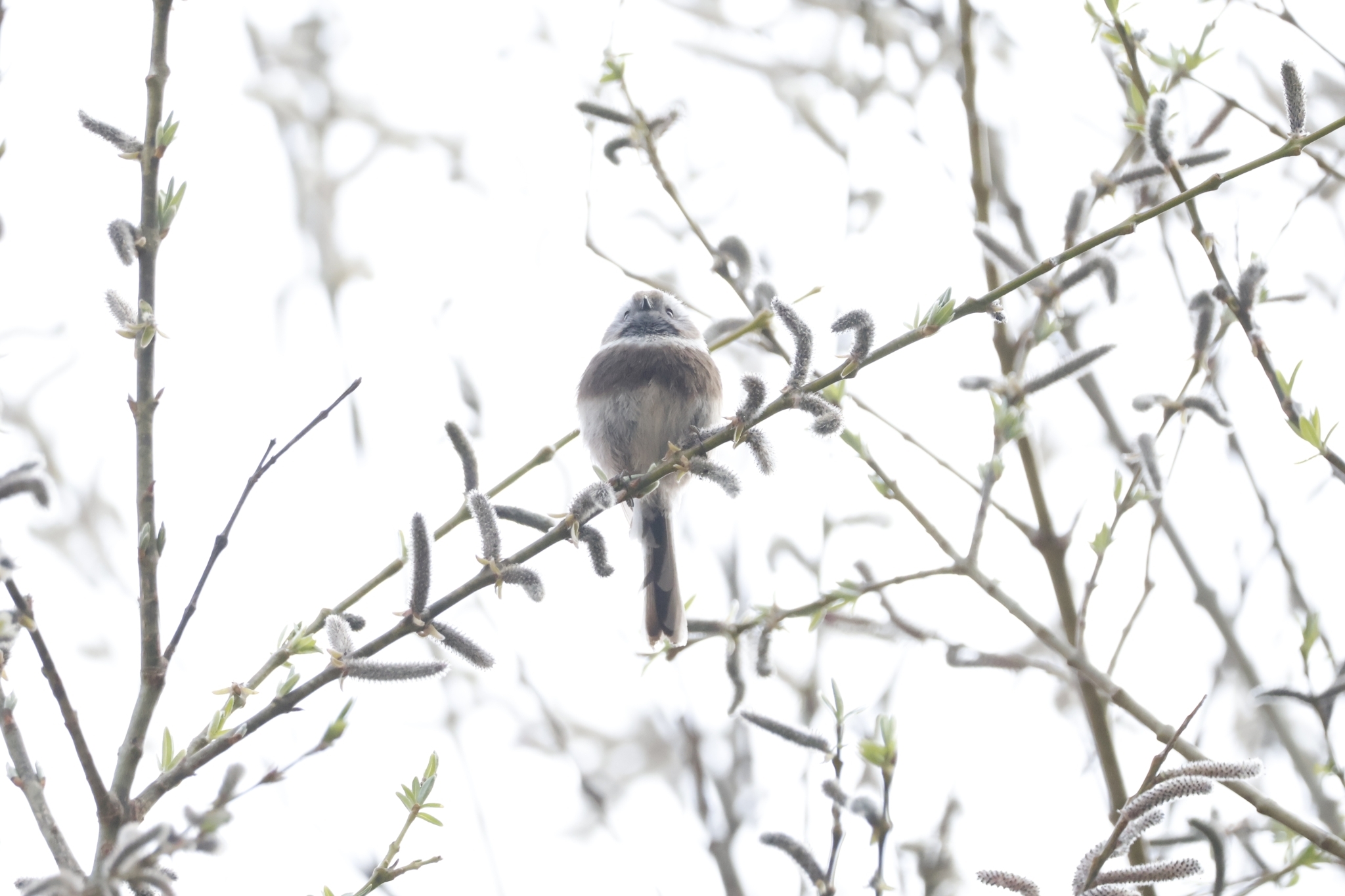
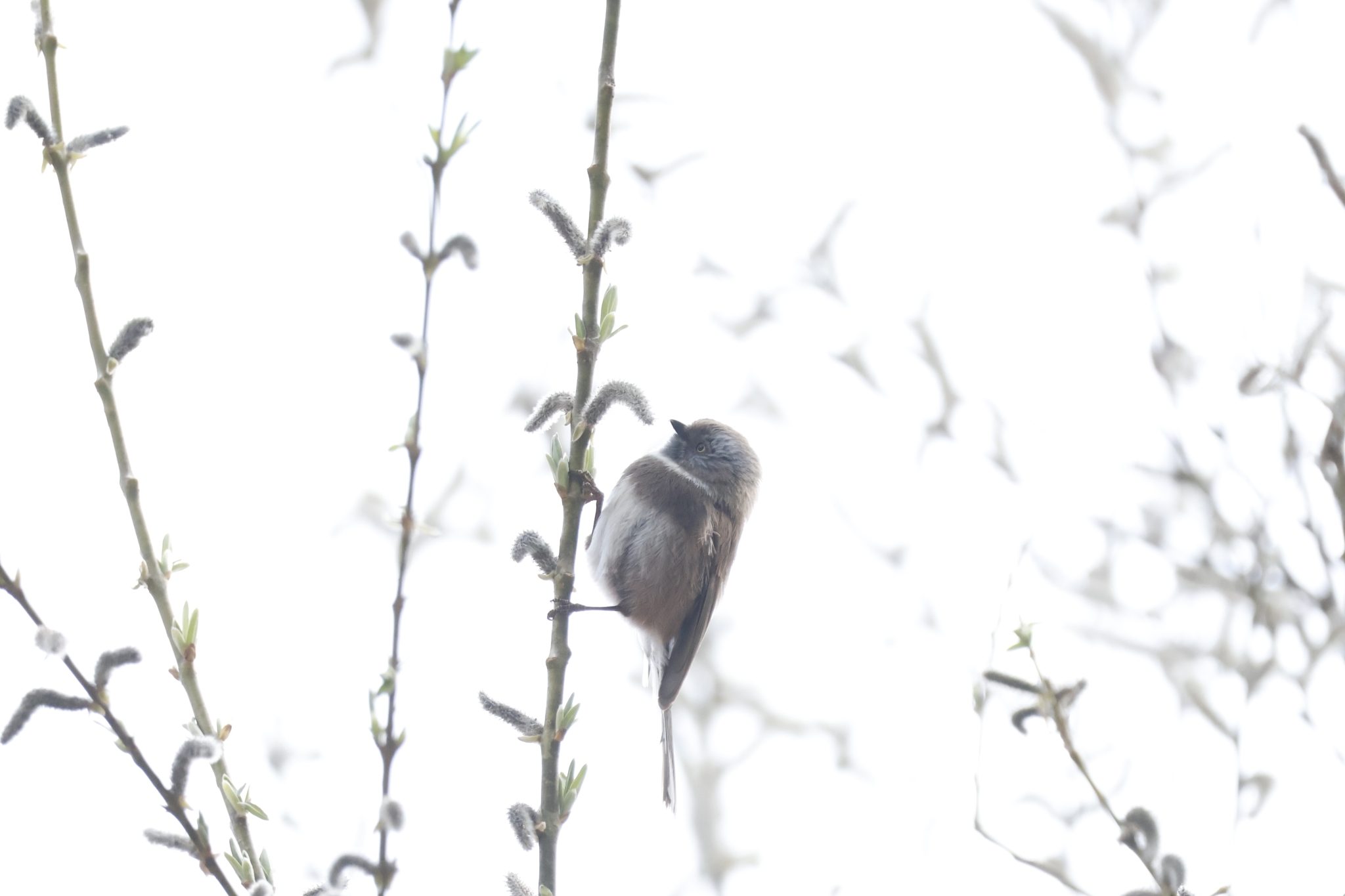
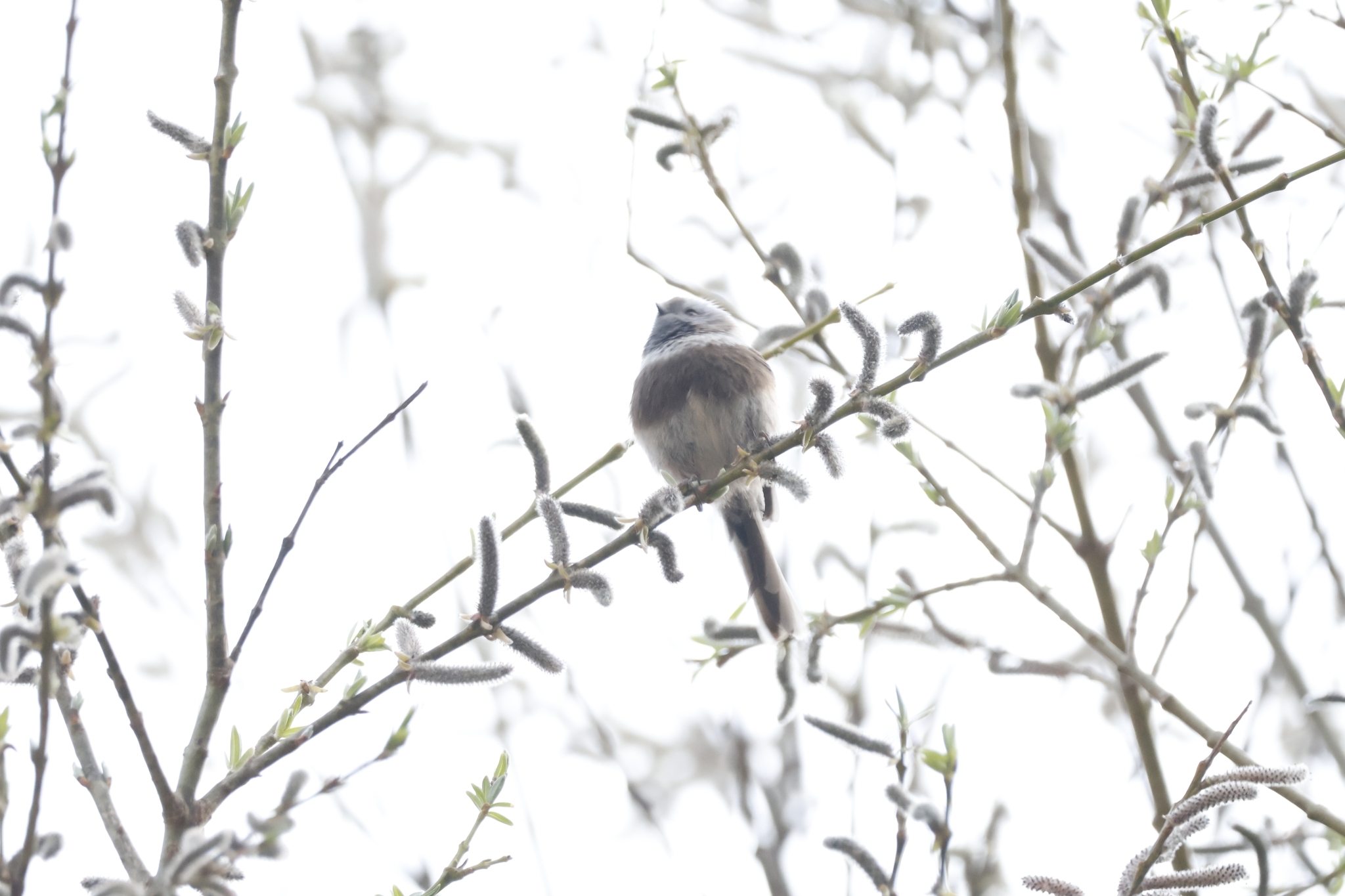
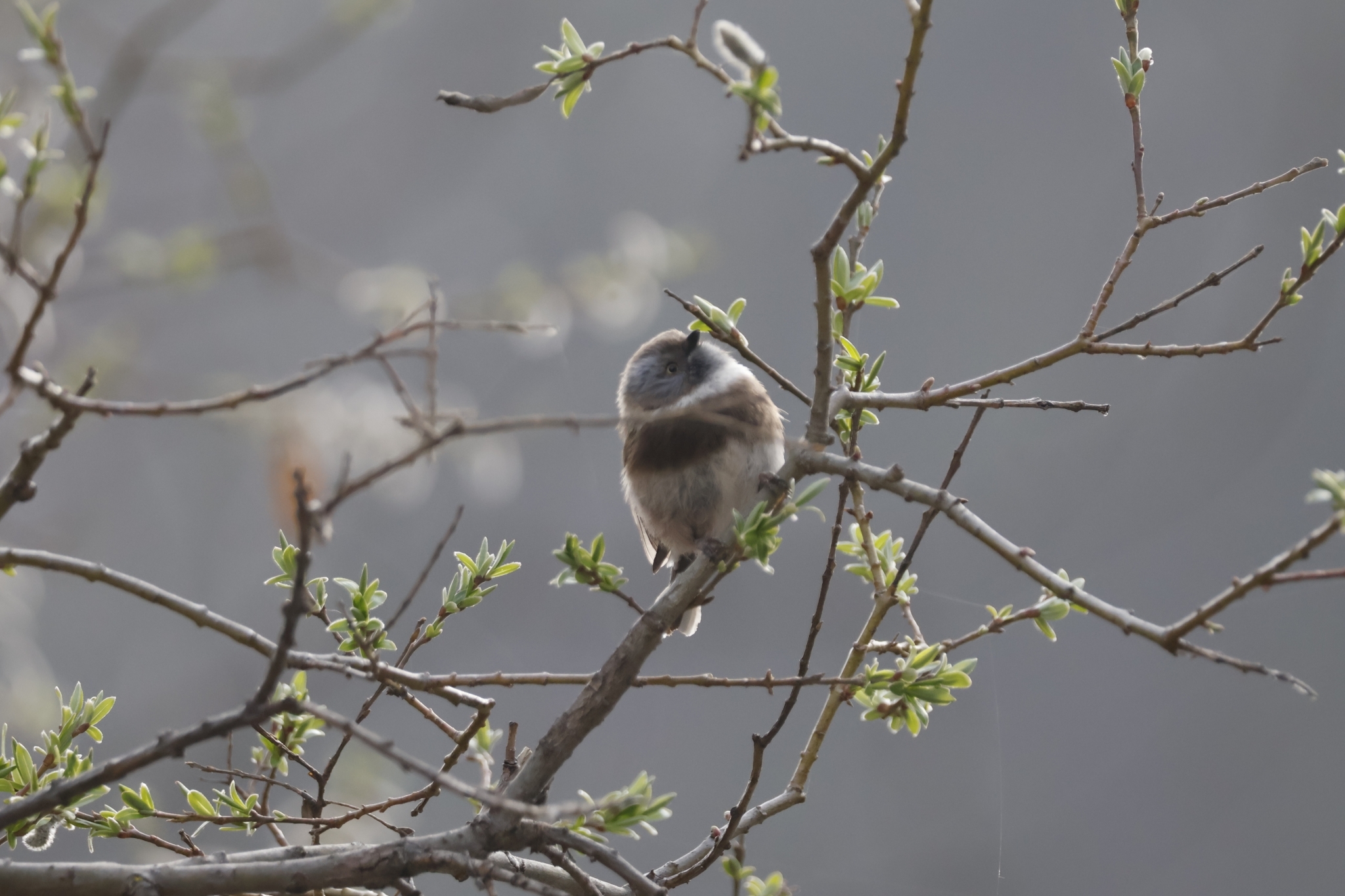
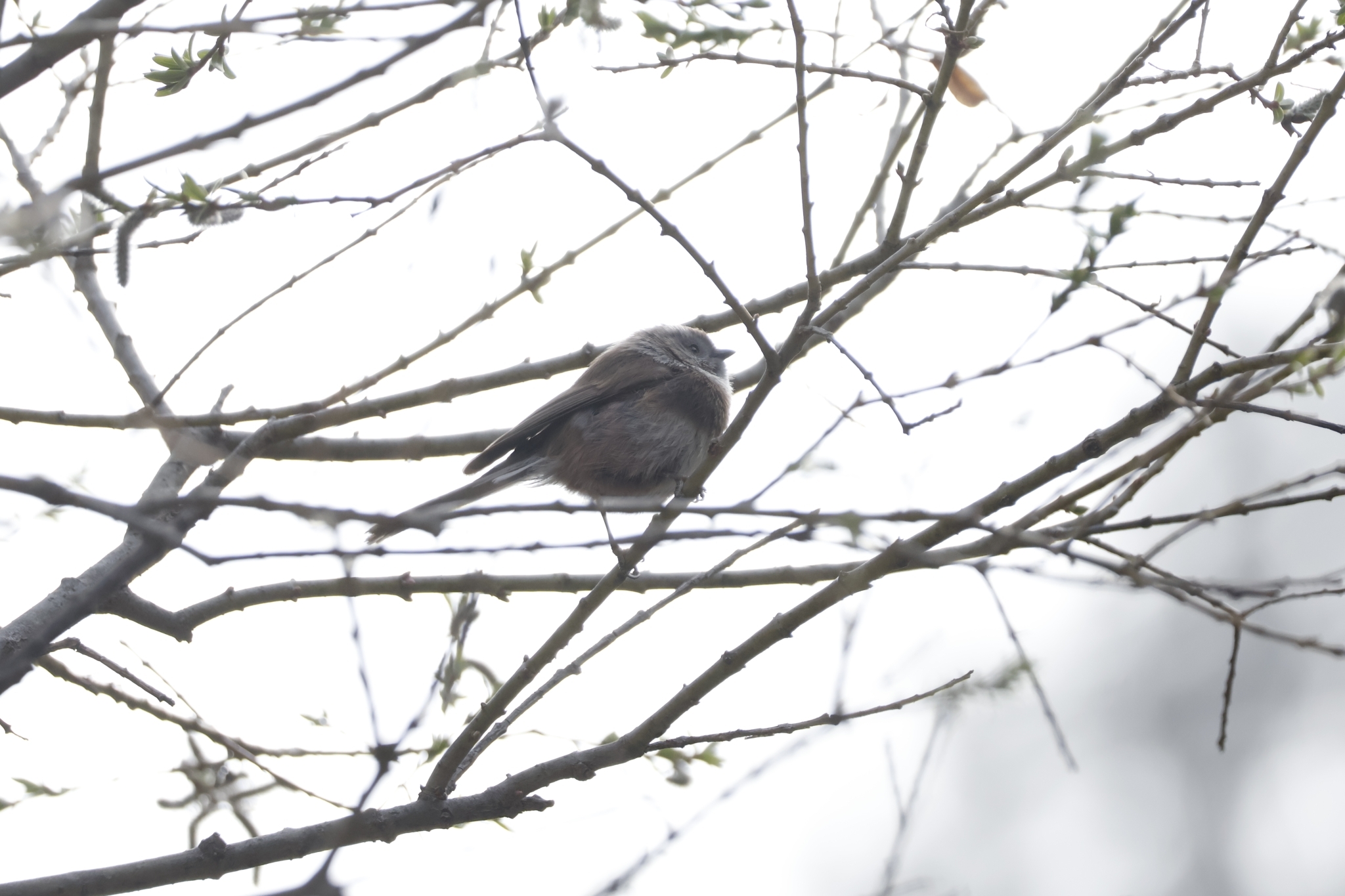
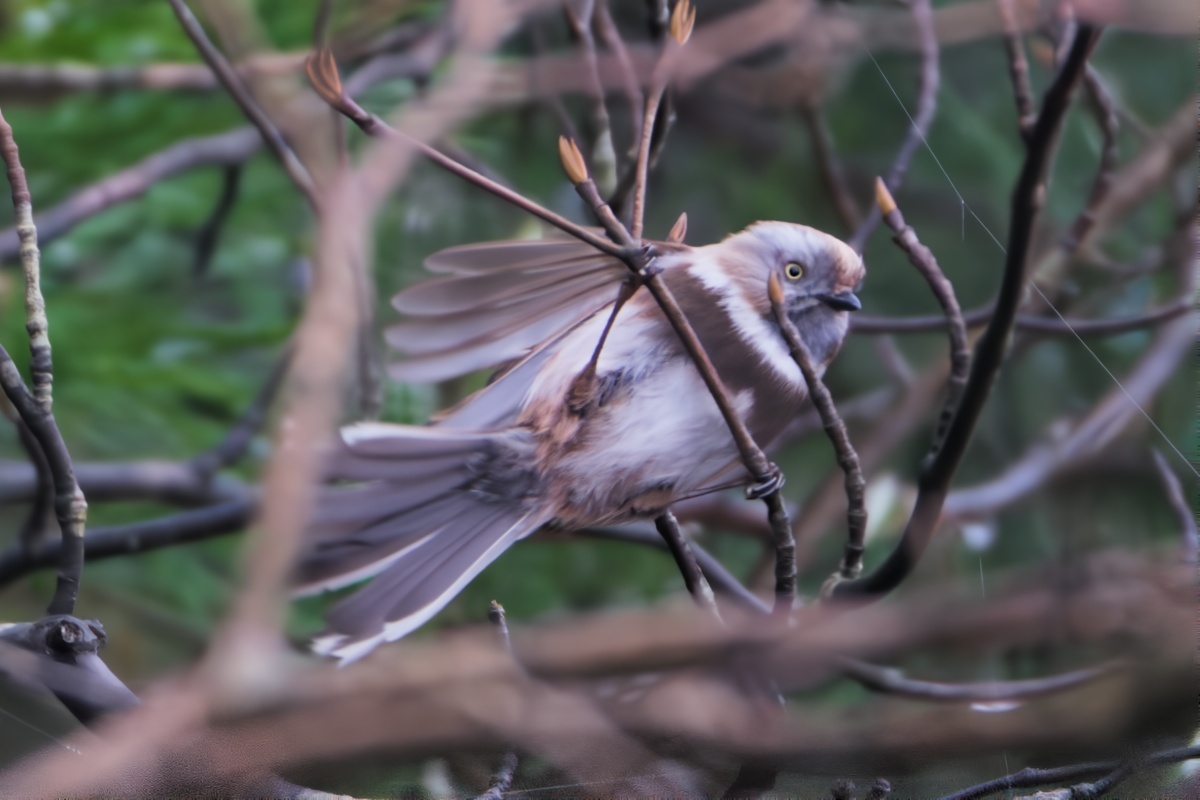
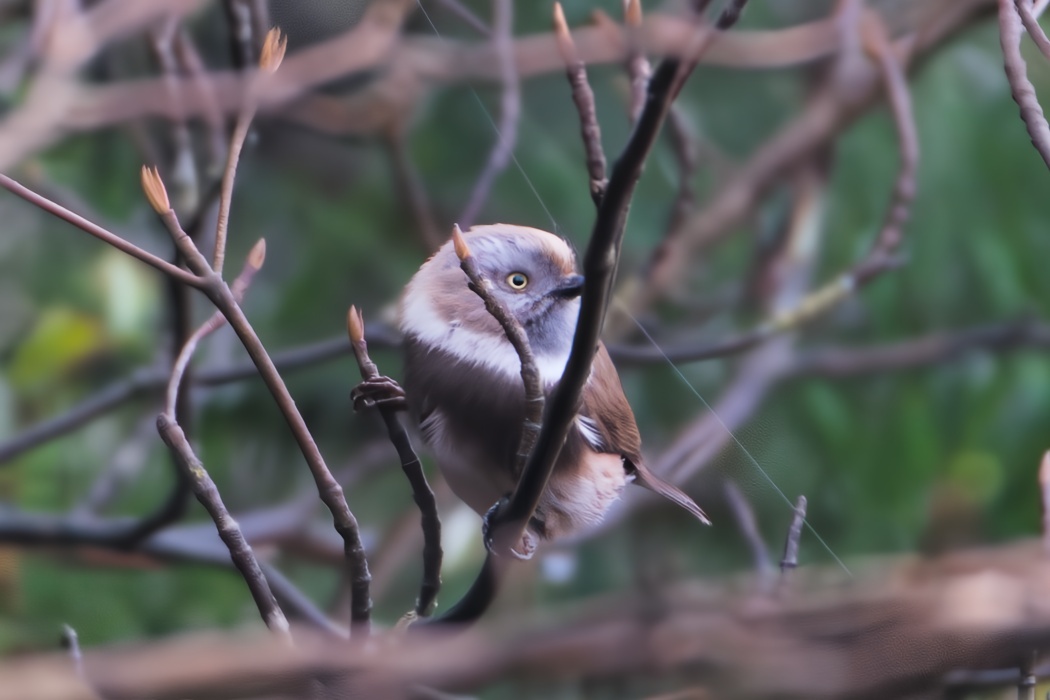
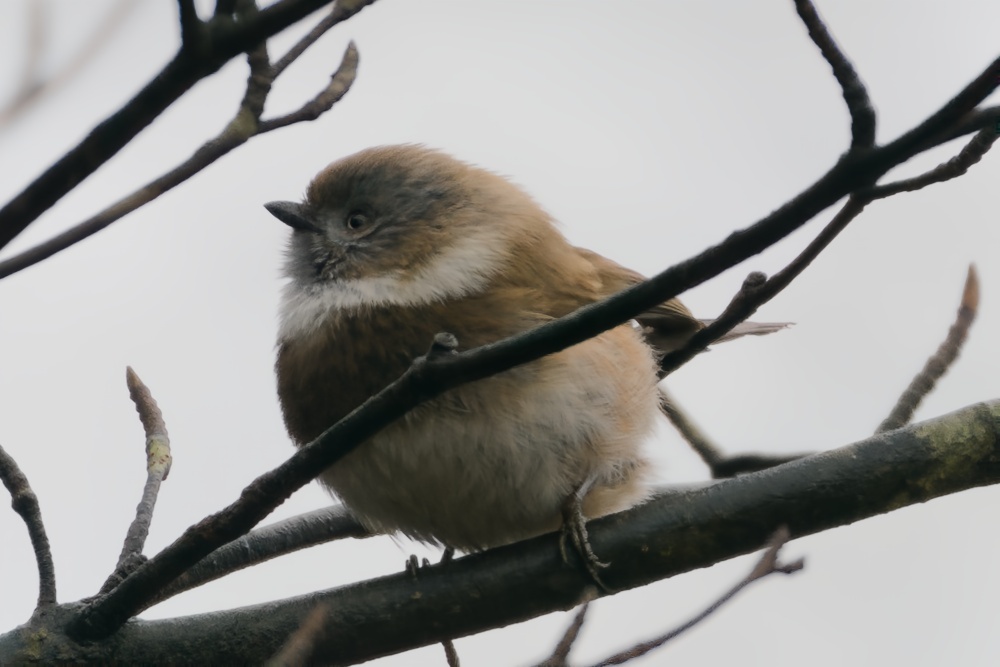
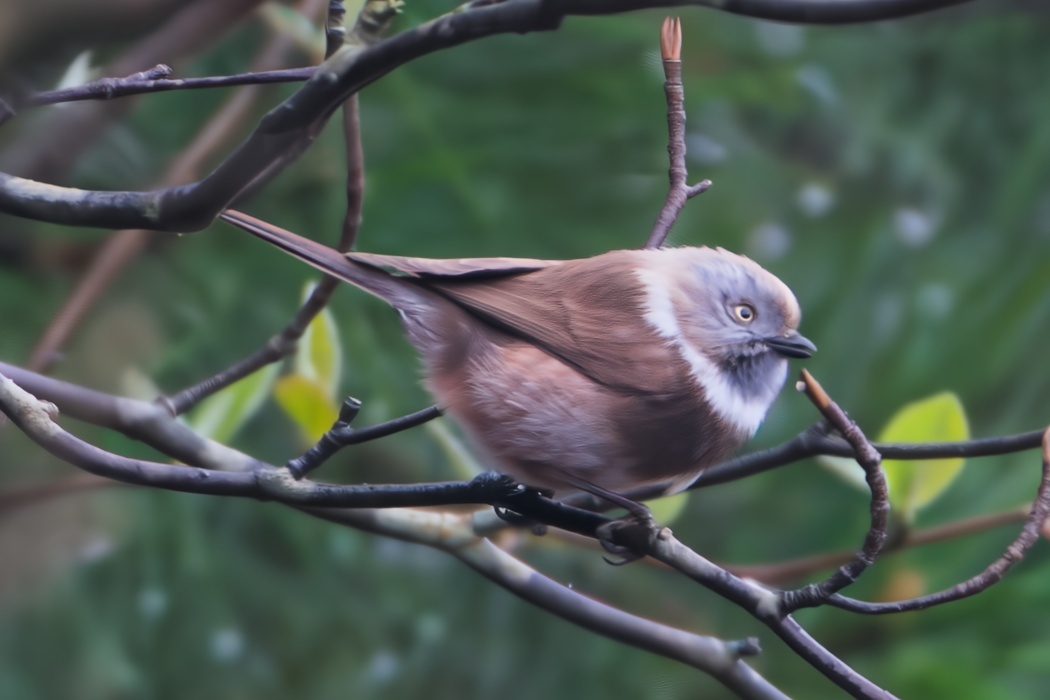
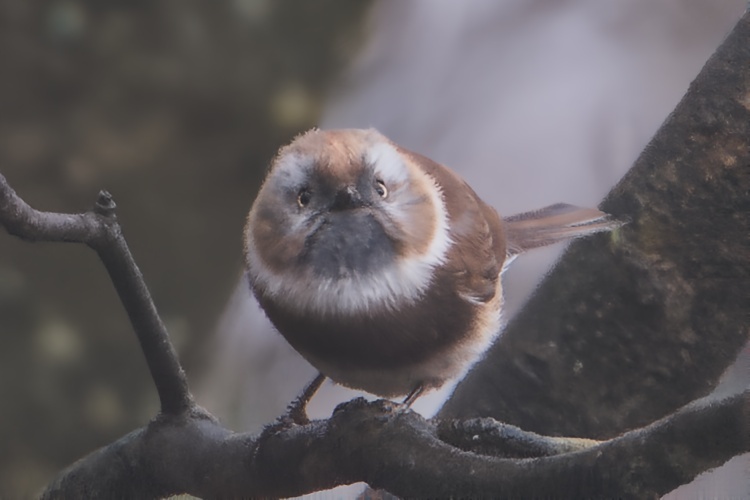
This small passerine exhibits an overall dark brown plumage that distinguishes it from many of its relatives. The key identifying feature is the prominent white collar or necklaced marking that wraps around the upper breast and neck, creating a sharp contrast against the dark feathers. The head, back, and wings show brown tones ranging from warm sepia to darker sootier shades, while the underparts tend toward a slightly lighter brown. The tail is relatively long for its size, typical of bushtits, and the bill is short and slender, adapted for gleaning insects from foliage.
Identification
The combination of dark brown plumage and a white neck collar or necklace makes this species relatively distinctive within its range. It can be separated from other small tits and bushtits by its browner overall appearance rather than the grayer or more rufous tones seen in similar species. The white collar is a particularly reliable field mark, especially when observed in good lighting conditions. When foraging in mixed flocks, look for the dark brown body contrasting with the white neck marking alongside other smaller passerines.
Distribution & Habitat
This species is endemic to central China, where it occurs in the mountainous forested regions of Sichuan province, southern Gansu, southern Shaanxi, and southwestern Hubei. Its preferred habitat consists of foothill and montane forests at various elevations, typically within densely vegetated areas. The species is considered a year-round resident within this range and does not undertake significant migrations, though some seasonal movements to different elevations may occur.
Behavior & Ecology
The species is highly social and almost always encountered in small flocks, often numbering between six and fifteen individuals. These groups actively forage through the forest canopy and middle storeys, moving with agility as they search for insects and spiders among leaves and twigs. Flocks frequently associate with other bird species in mixed feeding parties, taking advantage of the increased detection opportunities such associations provide. The birds communicate with high-pitched contact calls while foraging to maintain group cohesion. Information on specific breeding behavior is limited, though like other bushtits, it likely builds a pendant nest and may exhibit cooperative breeding tendencies.
Conservation
The species is classified as Least Concern by the IUCN Red List. Its relatively restricted range does not appear to be causing significant population concerns, as the montane and foothill forests of central China still provide substantial suitable habitat. Population trends have not been quantified, but there are currently no major identified threats to the species' survival. Continued forest protection in its range will be important for maintaining stable populations.
Culture
No specific cultural significance, folklore, or traditional references to this species are documented in available sources.
Source: Wikipedia · CC BY-SA 3.0
Taxonomy
- Order
- Passeriformes
- Family
- Aegithalidae
- Genus
- Aegithalos
- eBird Code
- sootit1
Distribution
mountains of central China (Sichuan, southern Gansu, southern Shaanxi, and southwestern Hubei)
Data Sources
Species description from Wikipedia, licensed under CC BY-SA 3.0.
Bird images and sounds sourced from GBIF, contributed by citizen scientists worldwide under Creative Commons licenses.
Taxonomy data from AviList 2025.