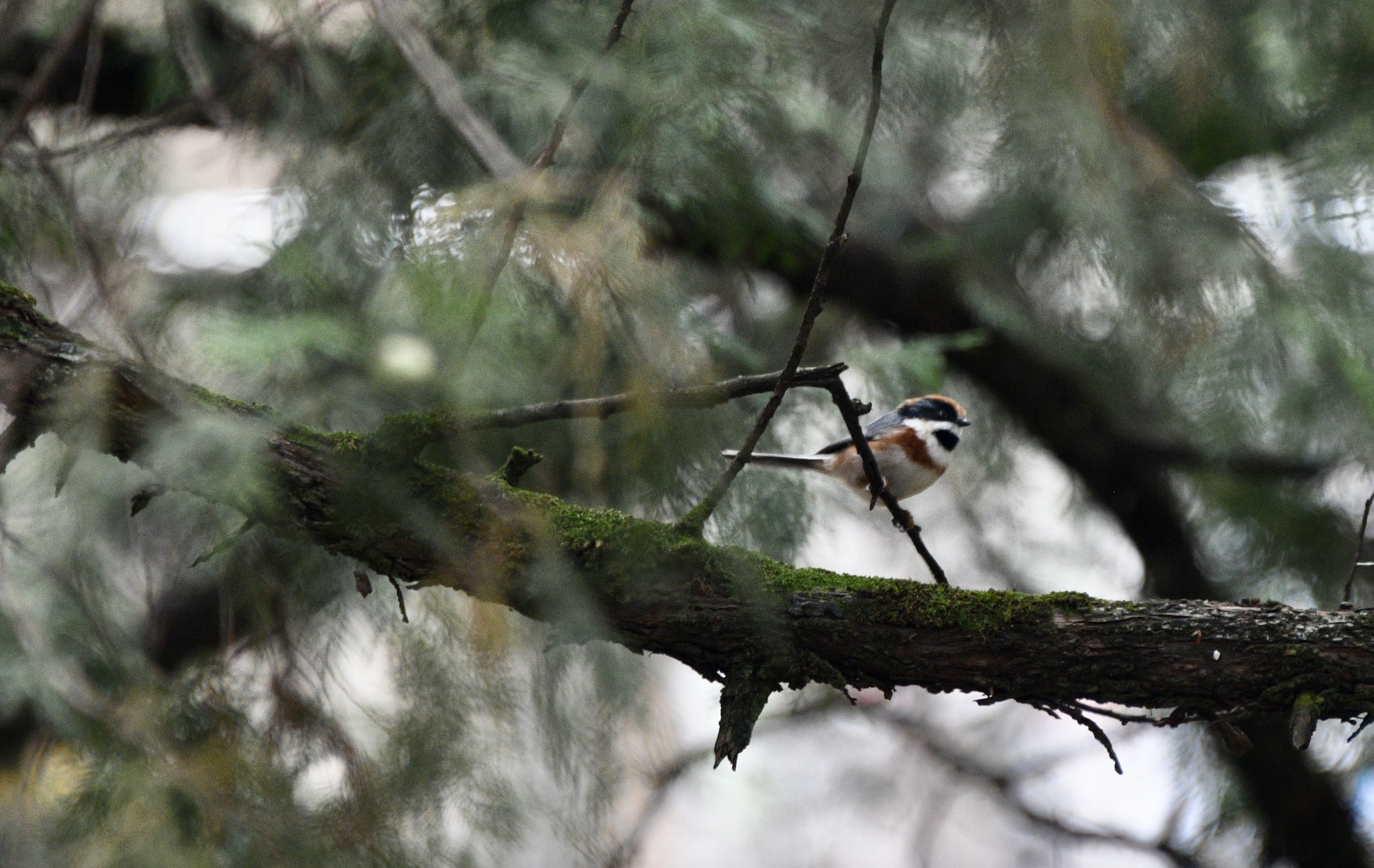
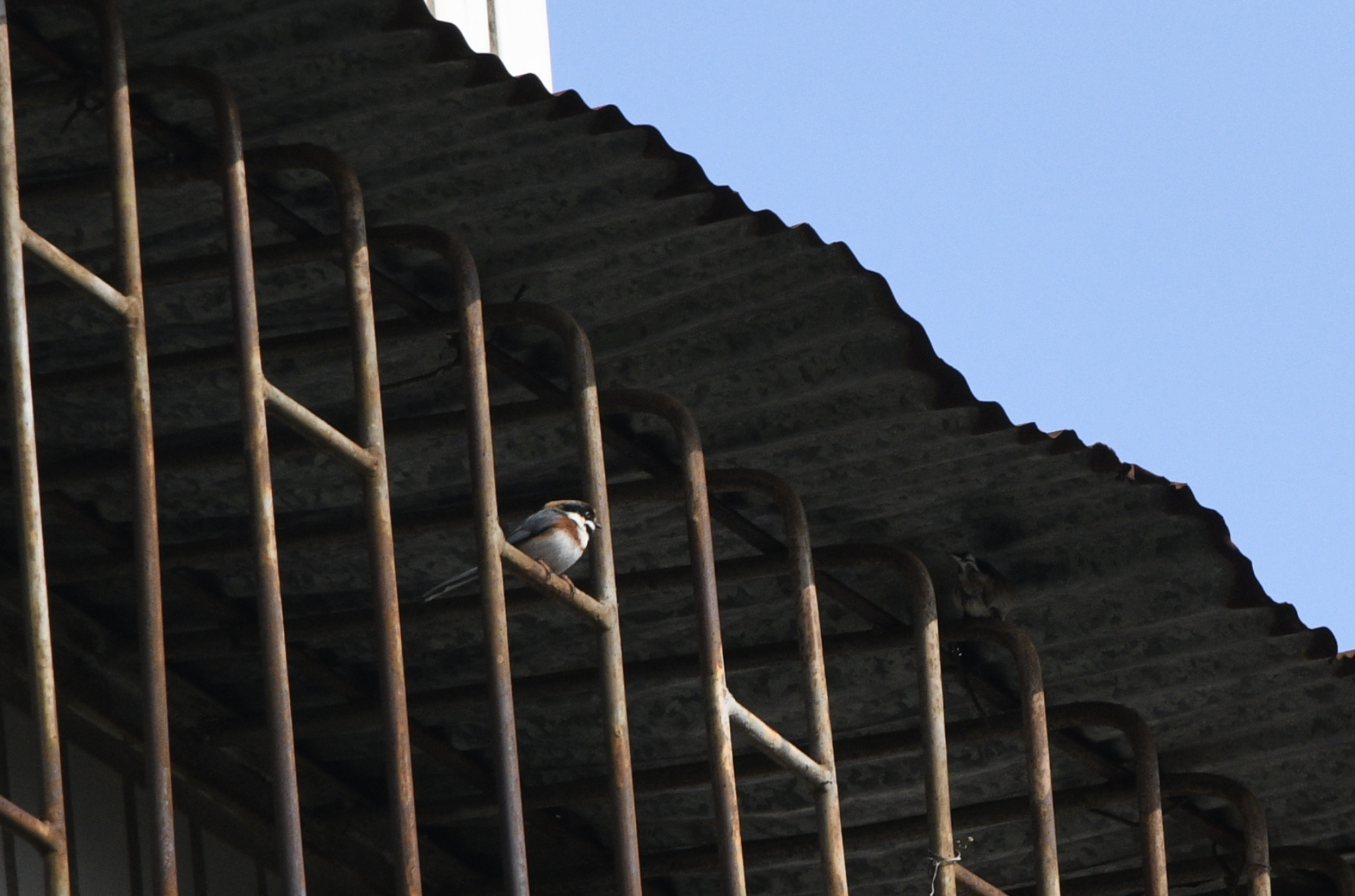
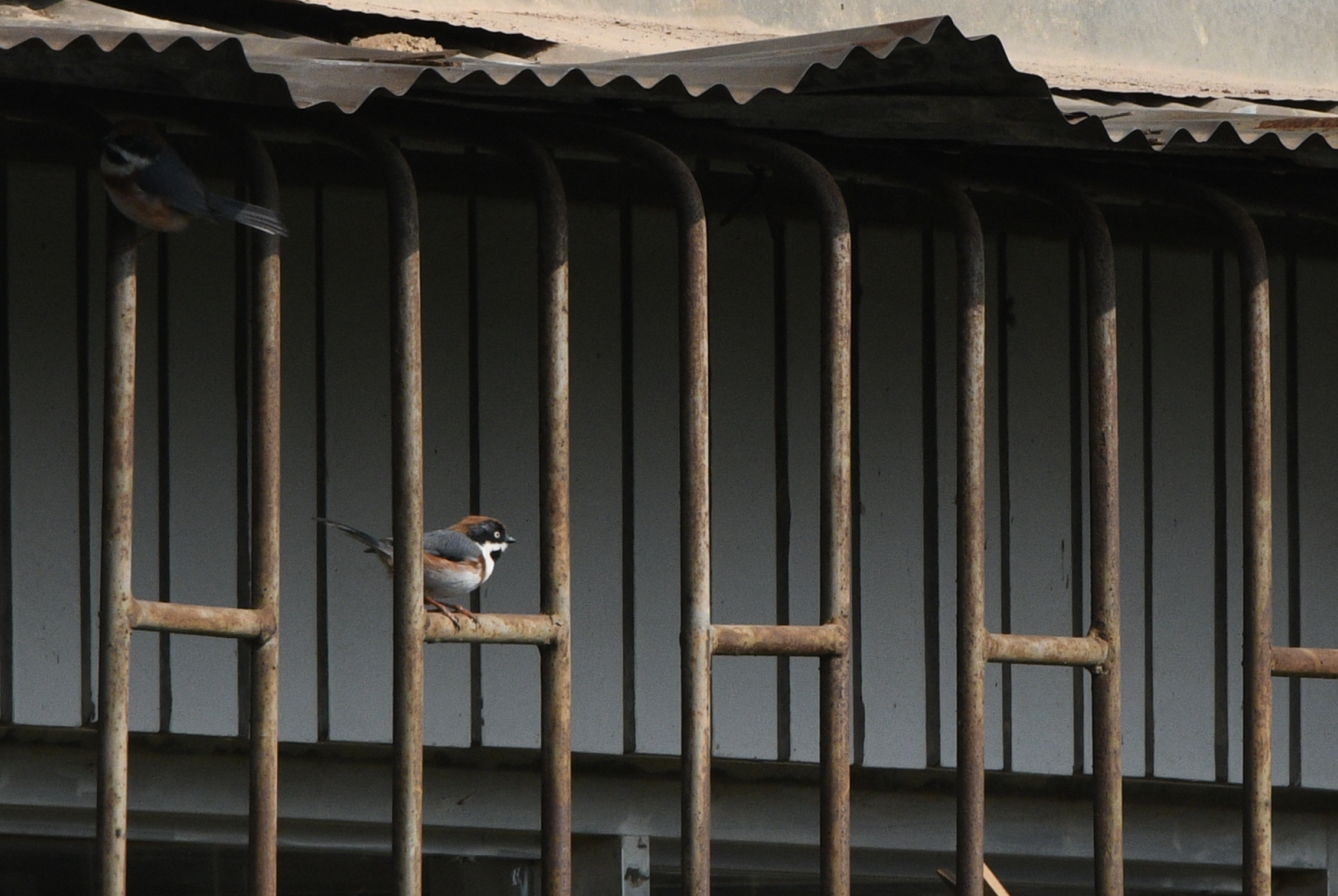
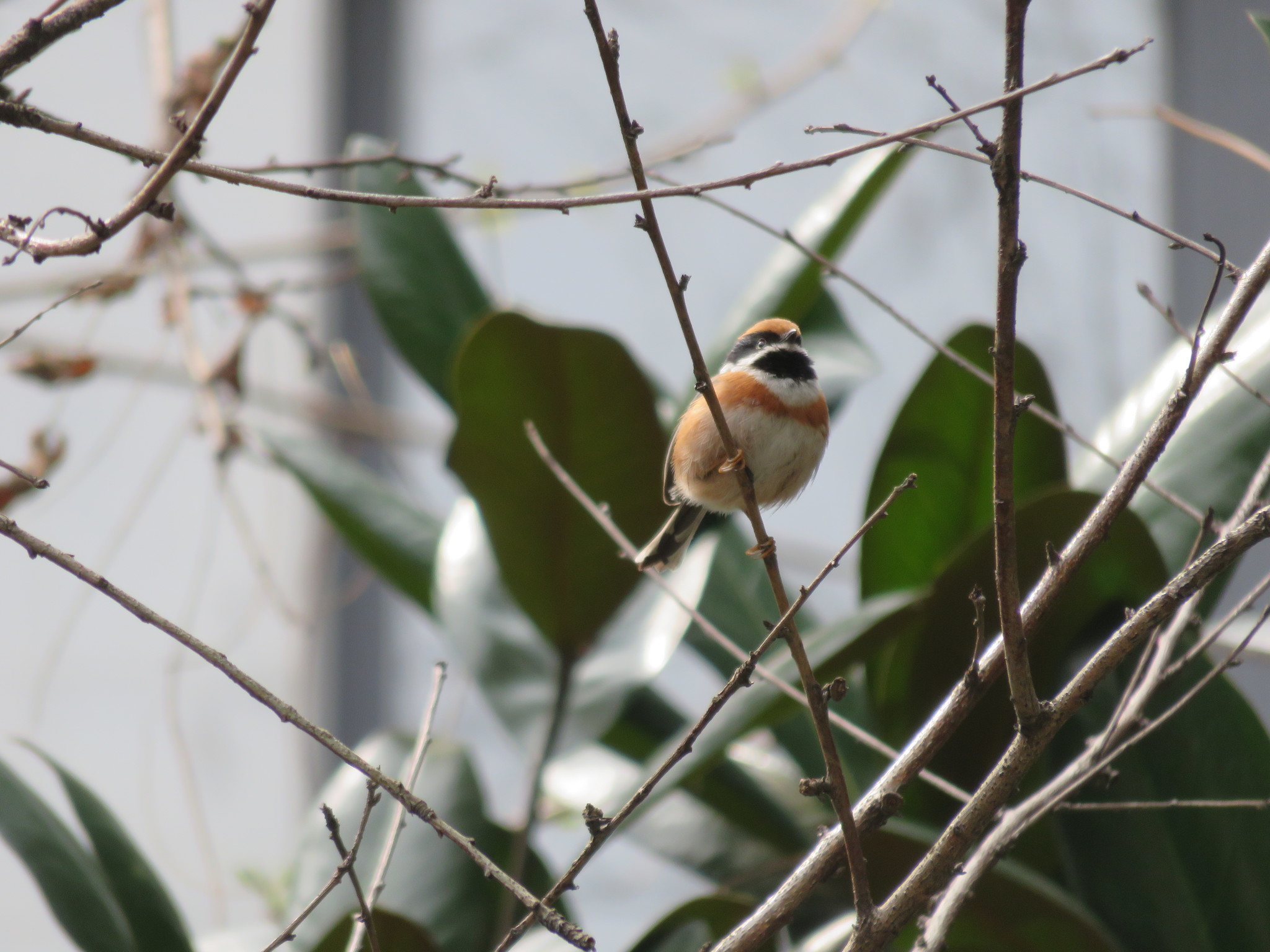
Black-throated Bushtit
Aegithalos concinnus
红头长尾山雀
Introduction
This Asian passerine occurs in broadleaf and pine forests at middle elevations throughout the Himalayan foothills and Southeast Asia. The species travels in flocks through the middle canopy and forages for small prey items and berries.
Description
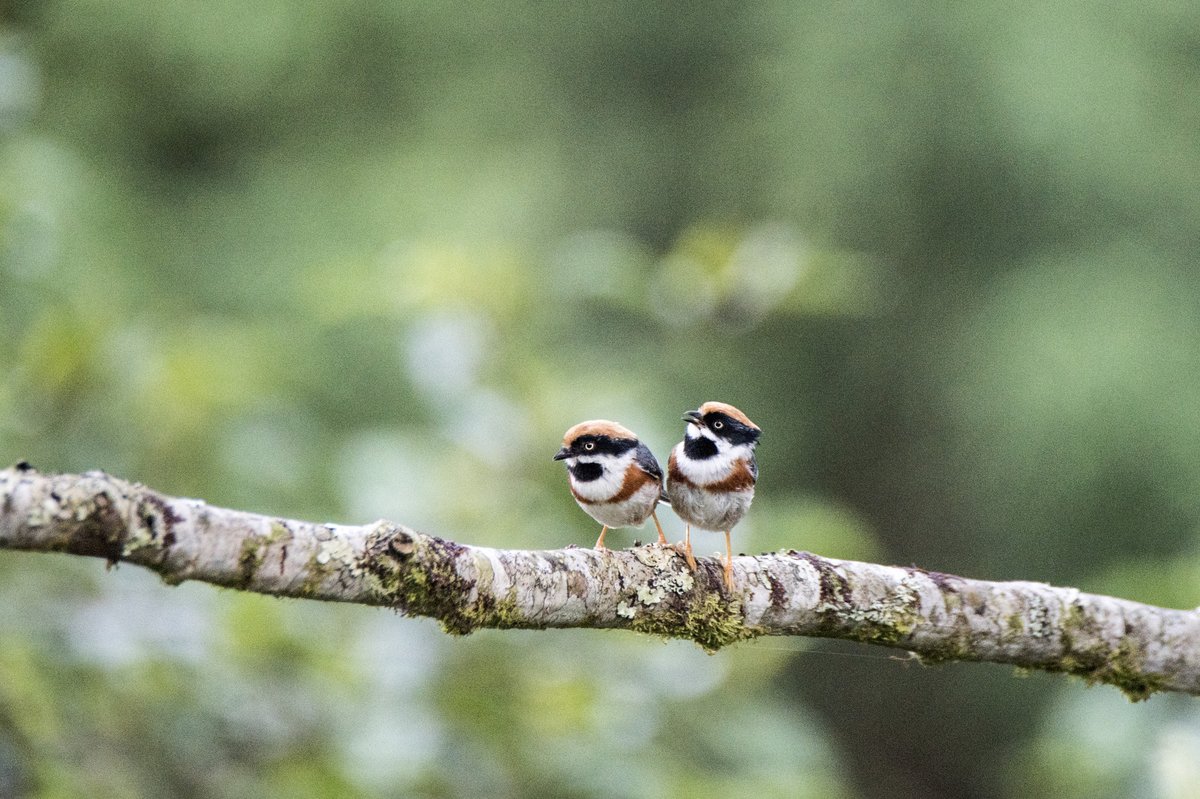
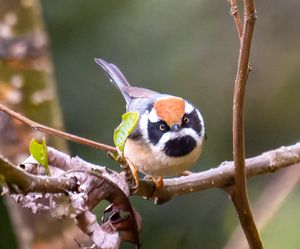
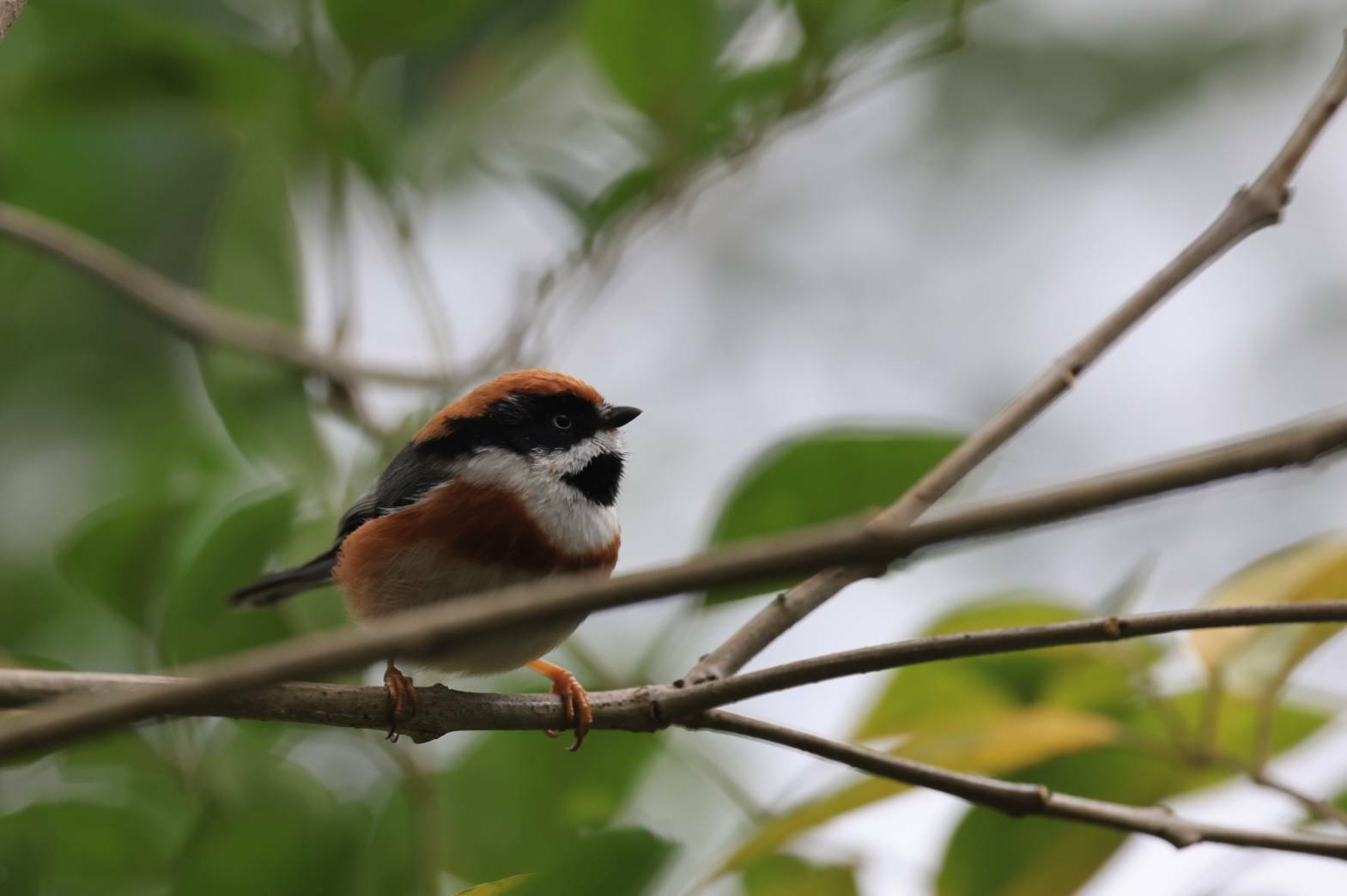
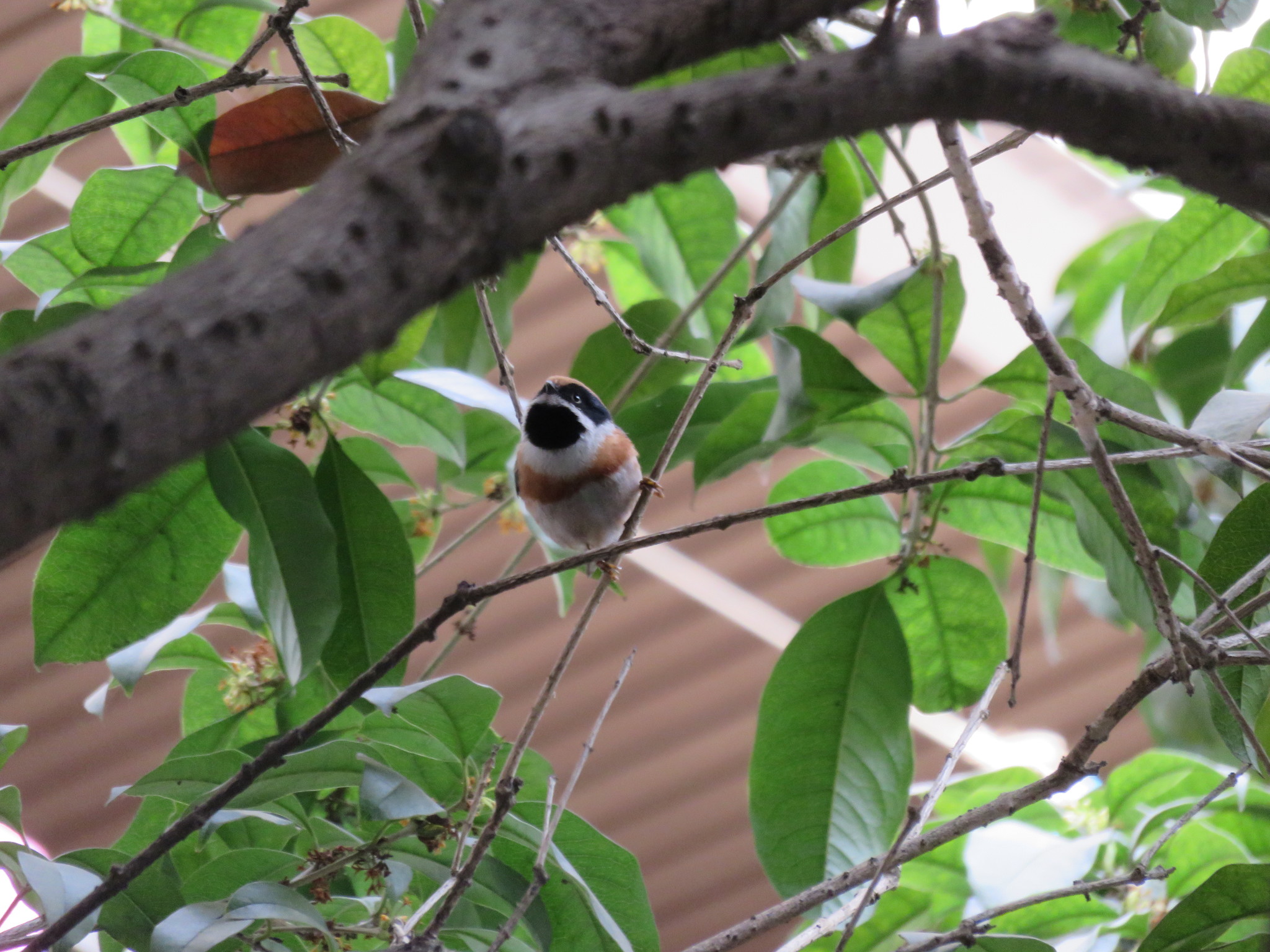
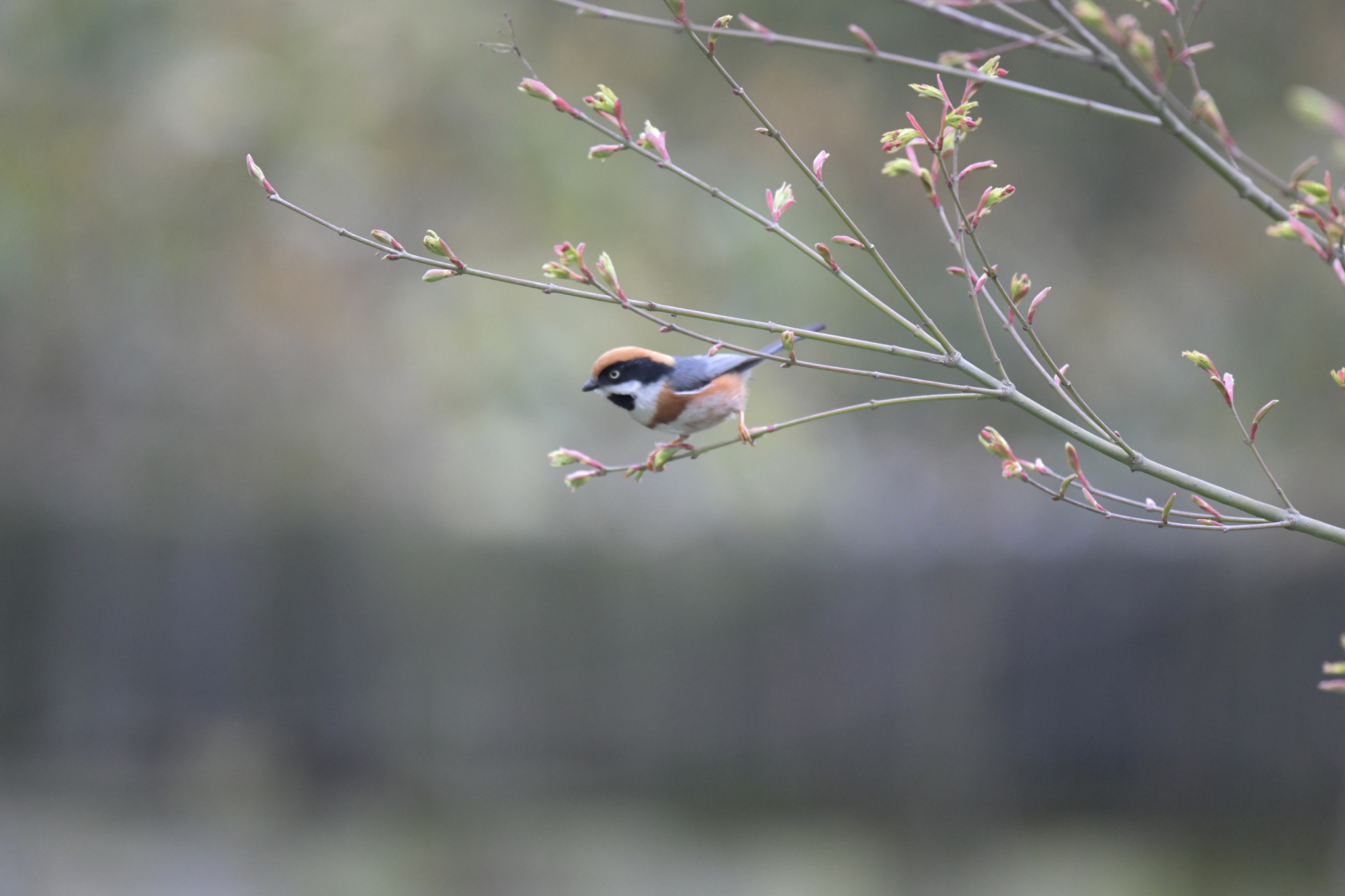
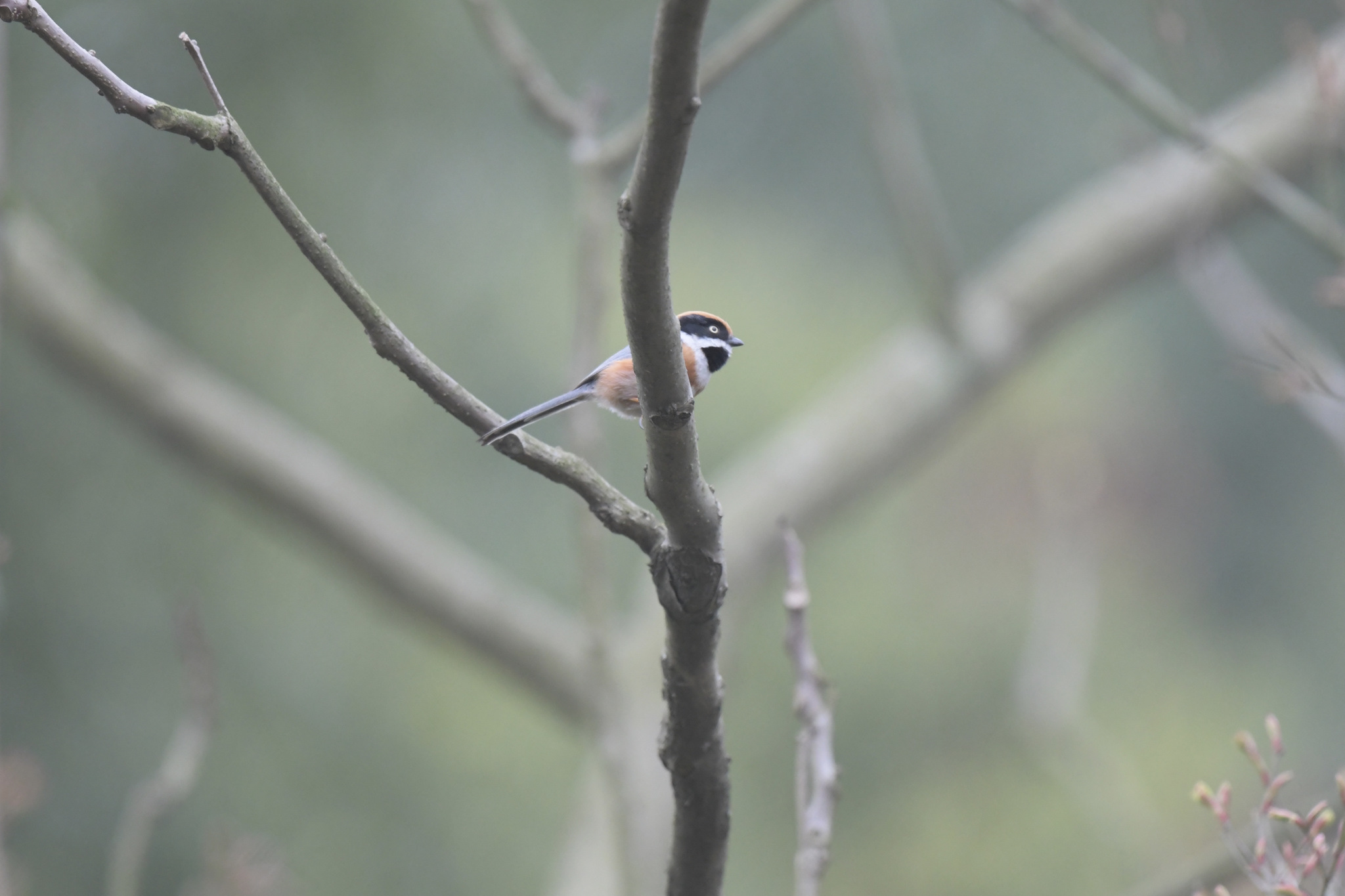
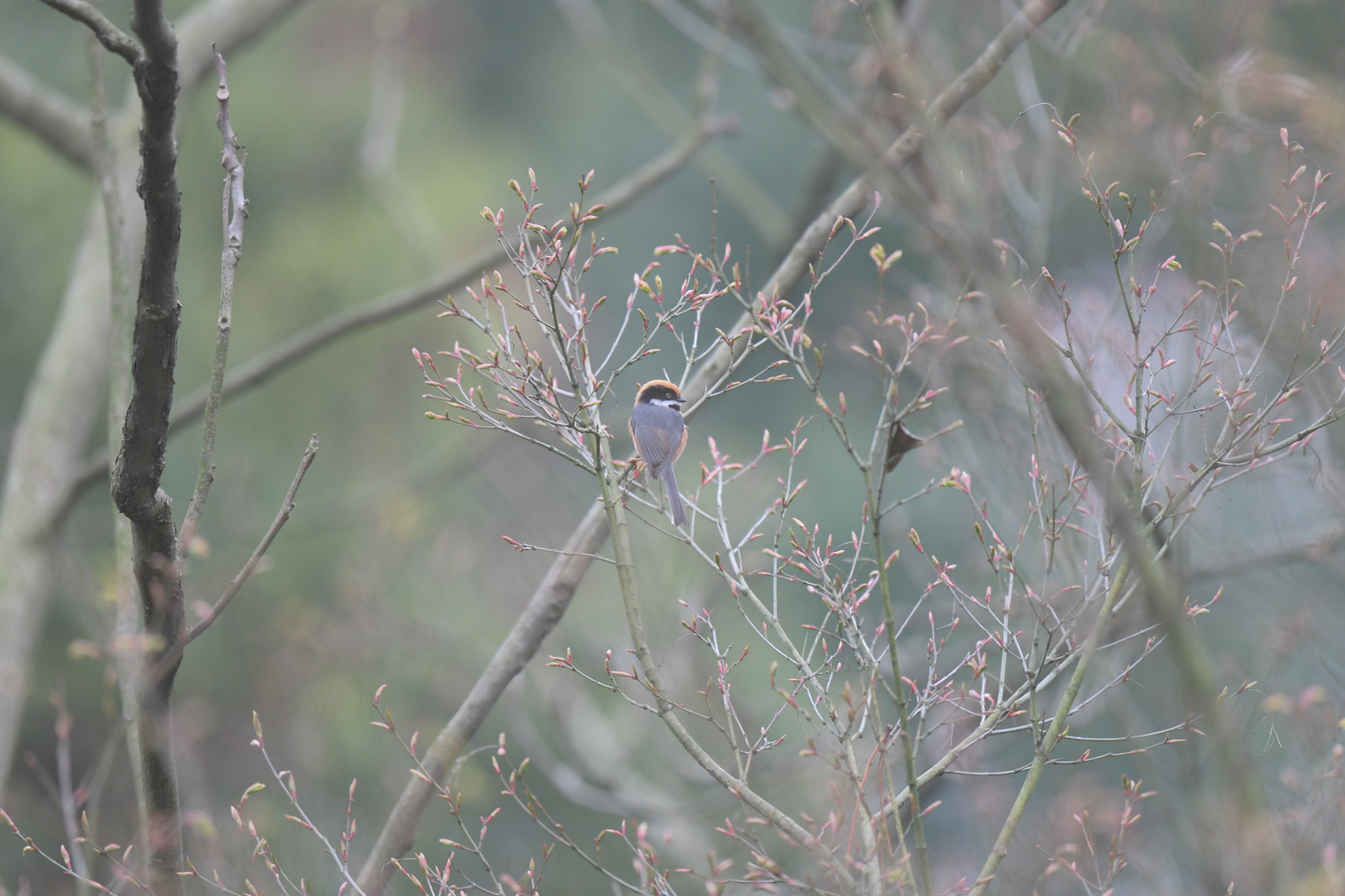
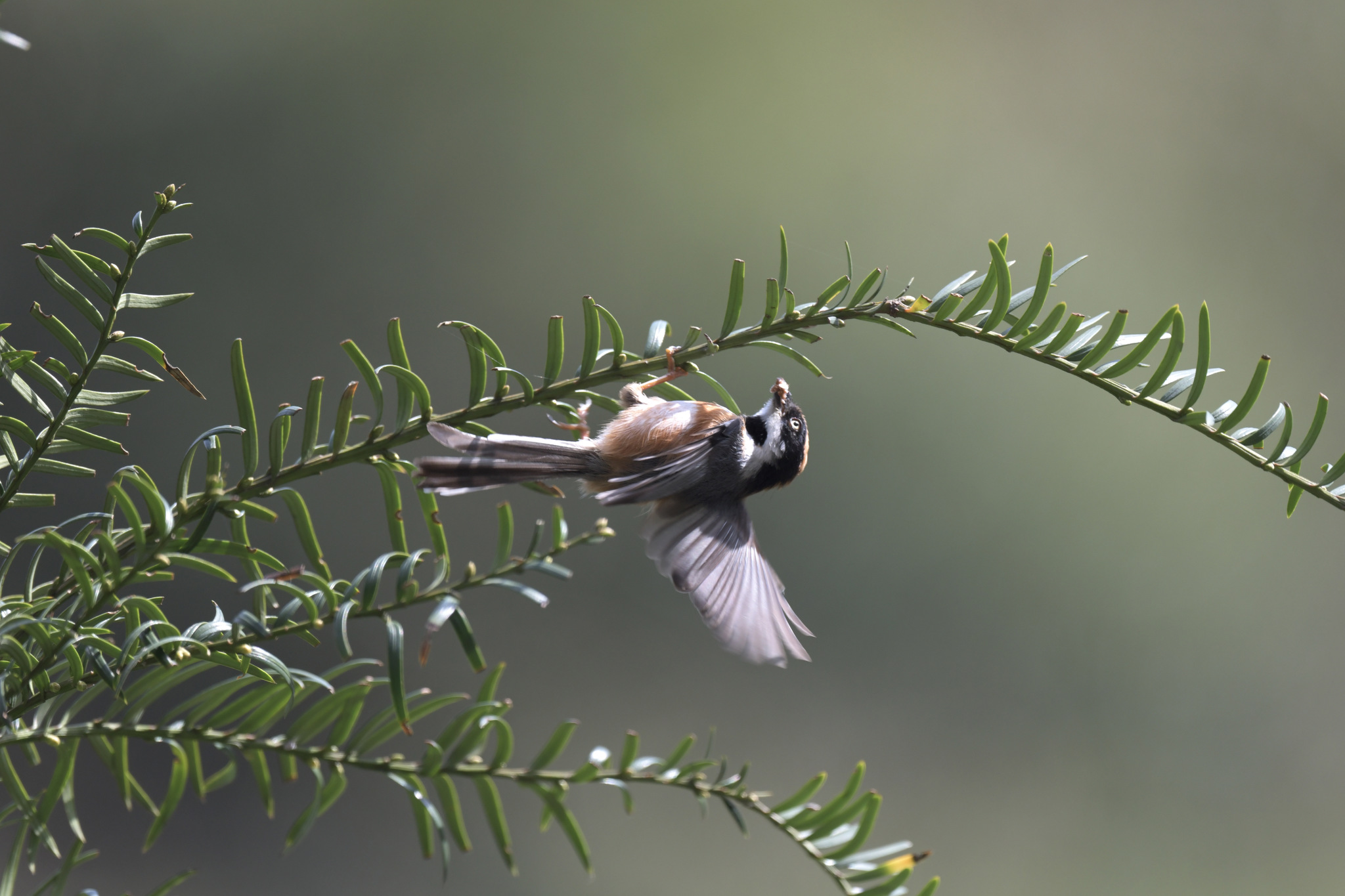
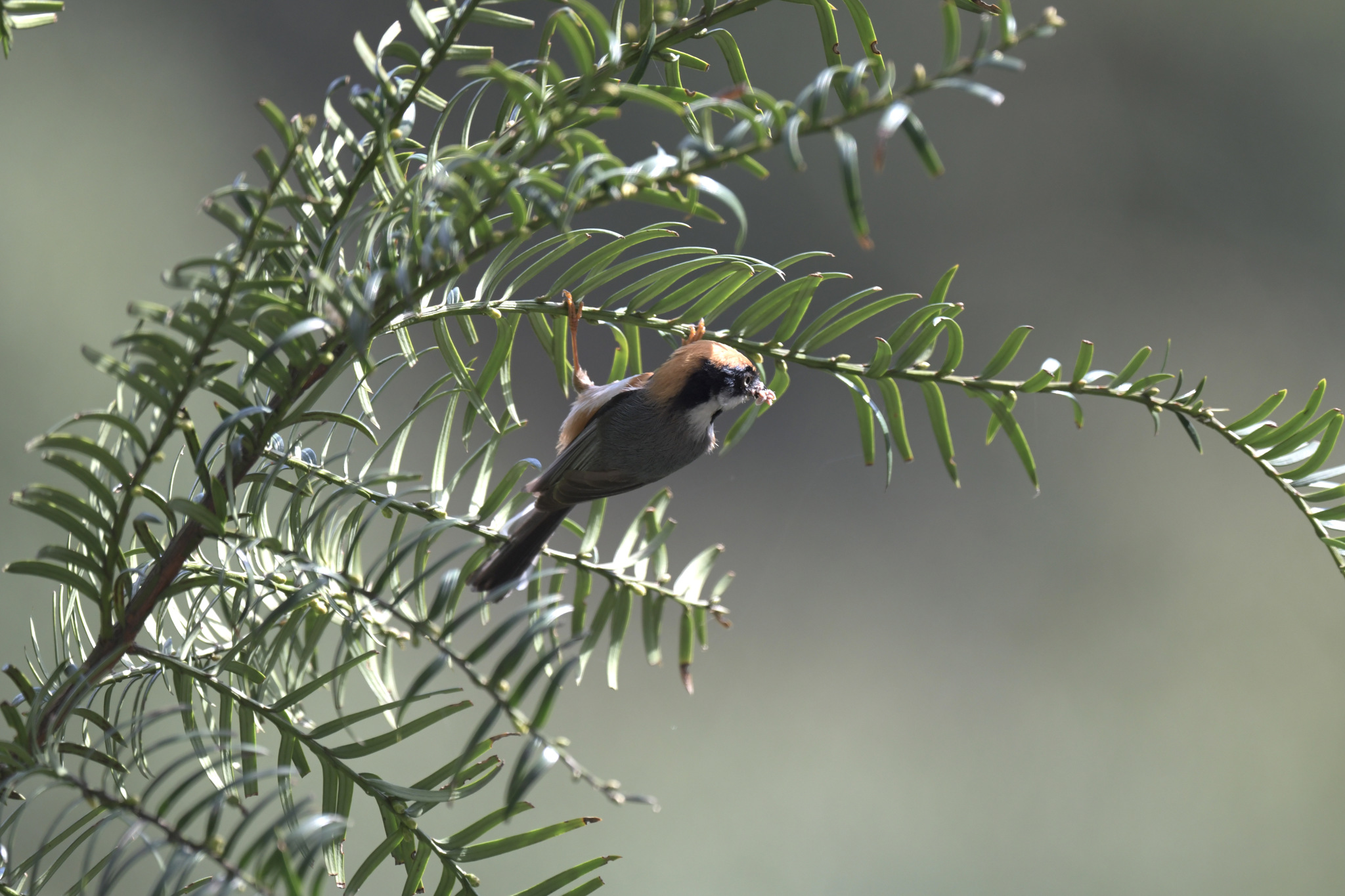
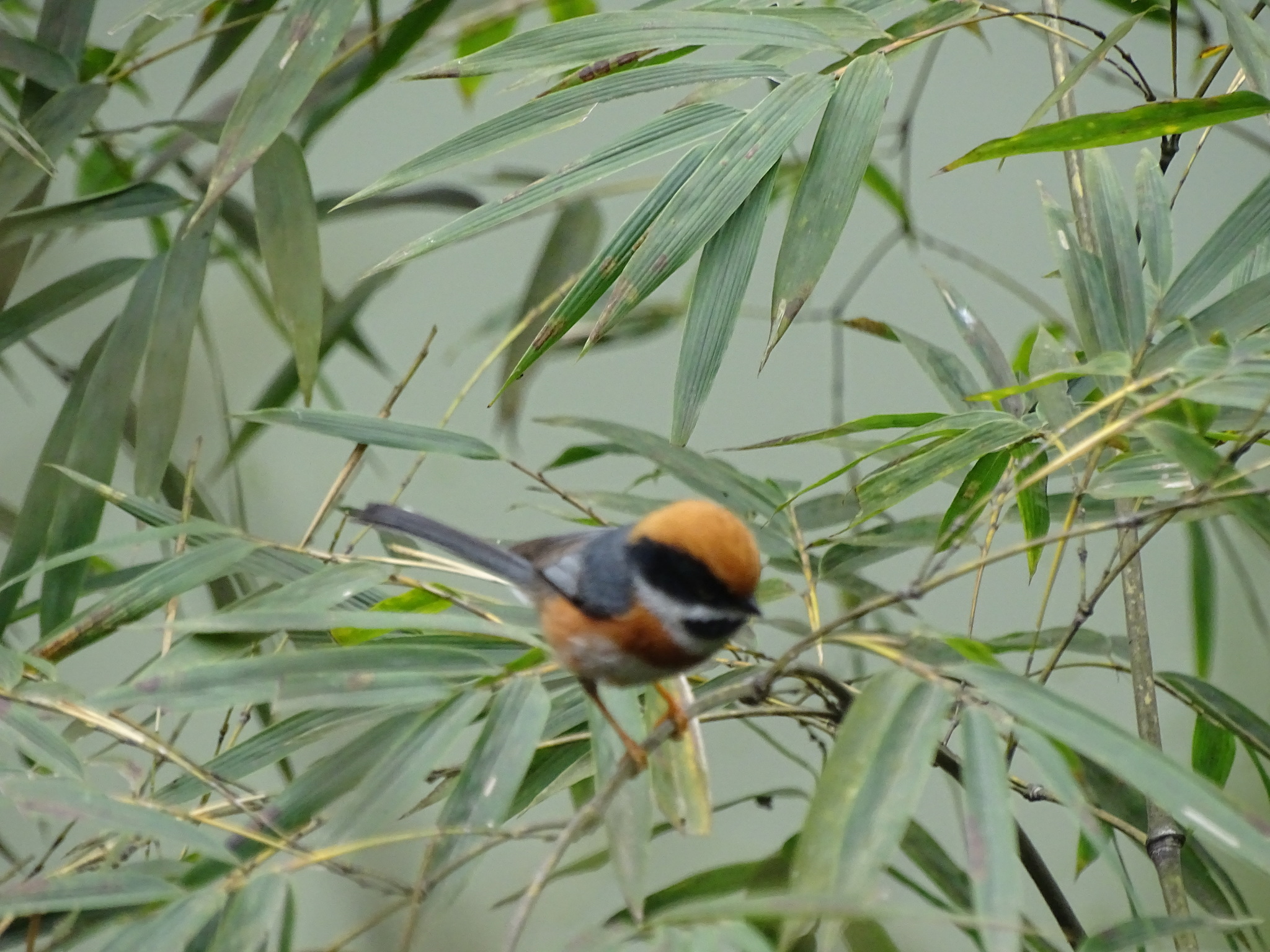
One of Asia's smallest passerines, this species measures approximately 10.5 centimeters in length and weighs between 4 and 9 grams. The most striking features are the black throat patch and the bold black mask extending through the eye region. The tail is medium in length, notably shorter than the extremely long tail of the closely related long-tailed tit. The nominate race displays a chestnut-colored cap, breast band and flanks, contrasting with dark grey upperparts, wings and tail, while the belly is white. Other subspecies show variations, often lacking the chest band and displaying grey caps or entirely grey underparts. The plumage is consistent between sexes, making field separation by sex difficult.
Identification
The combination of tiny size, black throat and distinctive eye mask readily distinguishes this species from similar birds in its range. The medium-length tail separates it immediately from the long-tailed tit, which shares similar habitat preferences but possesses an exaggerated tail extending well beyond the wing tips. The black facial mask and throat are unique among Asian Aegithalidae species within its range. In flight, the white outer tail feathers may be visible. Its habit of traveling in large, vocal flocks aids identification, as single birds are less frequently encountered.
Distribution & Habitat
The species occurs across the foothills of the Himalayas, ranging through northern India, northeastern Bangladesh, Nepal, Bhutan and northern Myanmar. Disjunct populations exist in Vietnam, Taiwan, Hainan Island, eastern Cambodia and northern China up to the Yellow River. It inhabits open broadleaf forests and pine forests at middle altitudes, typically staying below the high-elevation forest limits. No migratory movements have been documented, with populations appearing to be resident year-round.
Behavior & Ecology
Highly gregarious throughout the year, this species travels in large flocks containing up to 40 individuals. Smaller family groups persist year-round, but flock numbers swell during the non-breeding season. These flocks frequently join mixed-species foraging aggregations, moving methodically through the middle and upper canopy layers. The diet consists primarily of small insects and spiders, supplemented by seeds, fruits and berries, with a particular fondness for raspberries. Nest construction is unusual, with both sexes building a hanging structure made from moss and lichen that sways from tree branches.
Conservation
No conservation assessment has been documented in the provided source material.
Culture
No cultural significance or folklore has been documented in the provided source material.
Source: Wikipedia · CC BY-SA 3.0
Taxonomy
- Order
- Passeriformes
- Family
- Aegithalidae
- Genus
- Aegithalos
- eBird Code
- blttit2
Vocalizations
Subspecies (7)
-
Aegithalos concinnus annamensis
southern Laos (Bolaven Plateau) and Vietnam (central and southern Annam)
-
Aegithalos concinnus concinnus
central and eastern China and Taiwan
-
Aegithalos concinnus iredalei
western Himalayas (northeastern Pakistan to northwestern India and Nepal)
-
Aegithalos concinnus manipurensis
northeastern India (southeastern Arunachal Pradesh) to western Myanmar (Chin Hills)
-
Aegithalos concinnus pulchellus
eastern Myanmar (Southern Shan State and Kayah) to far northwestern Thailand
-
Aegithalos concinnus rubricapillus
eastern Himalayas from Nepal and southern Tibet to northeastern India
-
Aegithalos concinnus talifuensis
northeastern Myanmar to southwestern China, northwestern Vietnam, and northern Laos
Data Sources
Species description from Wikipedia, licensed under CC BY-SA 3.0.
Bird images and sounds sourced from GBIF, contributed by citizen scientists worldwide under Creative Commons licenses.
Taxonomy data from AviList 2025.