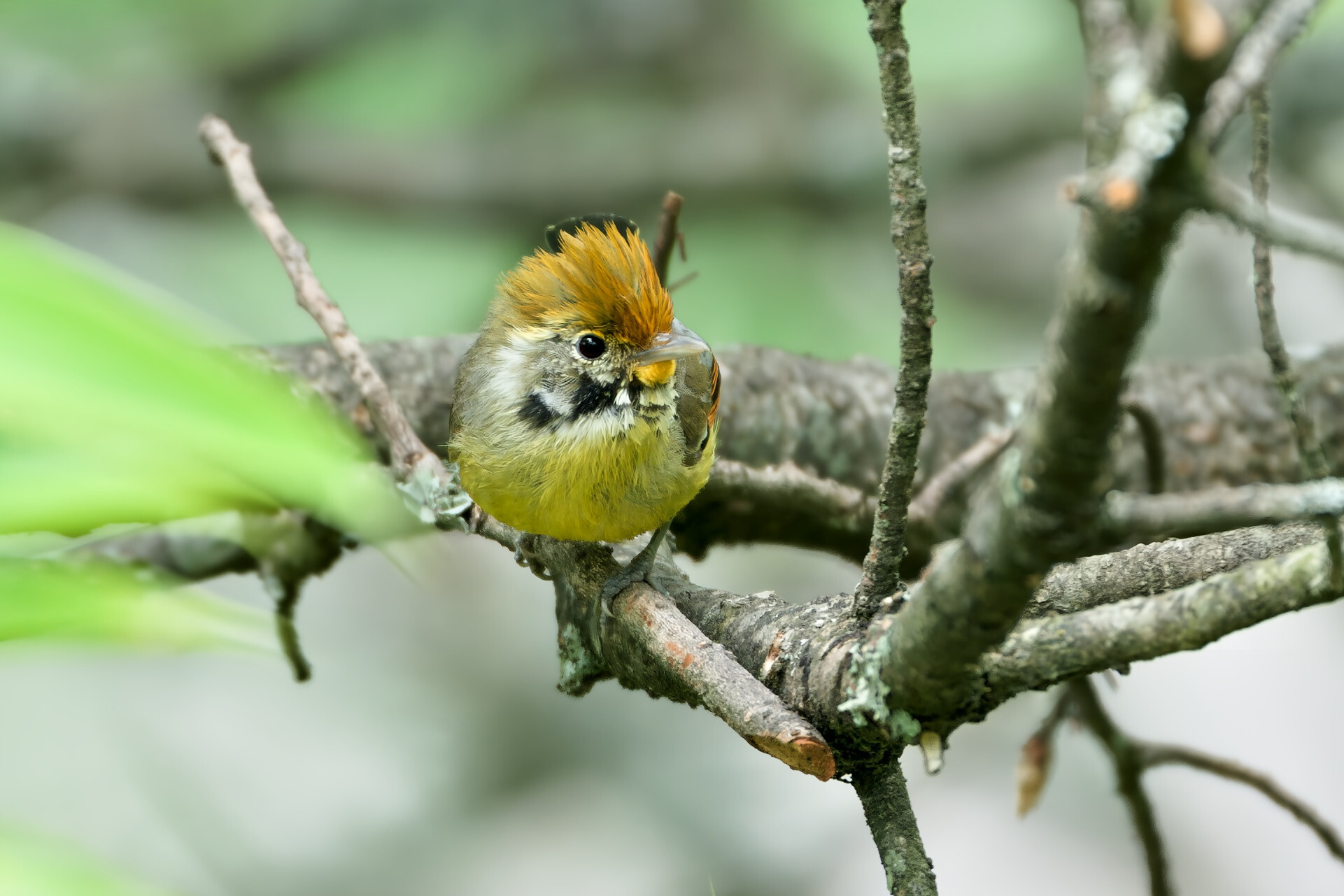
Bar-throated Minla
Actinodura strigula
斑喉希鹛
Introduction
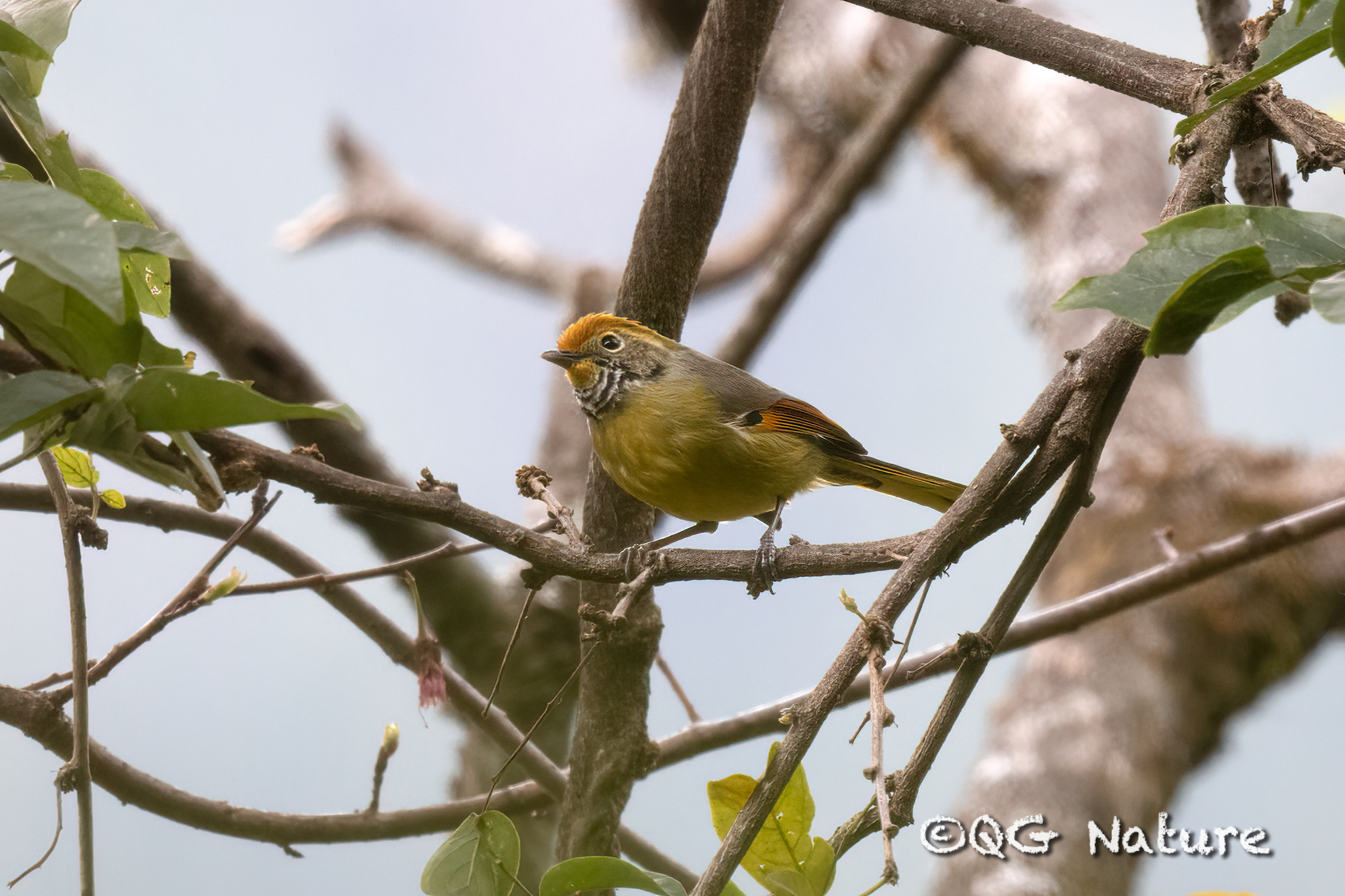
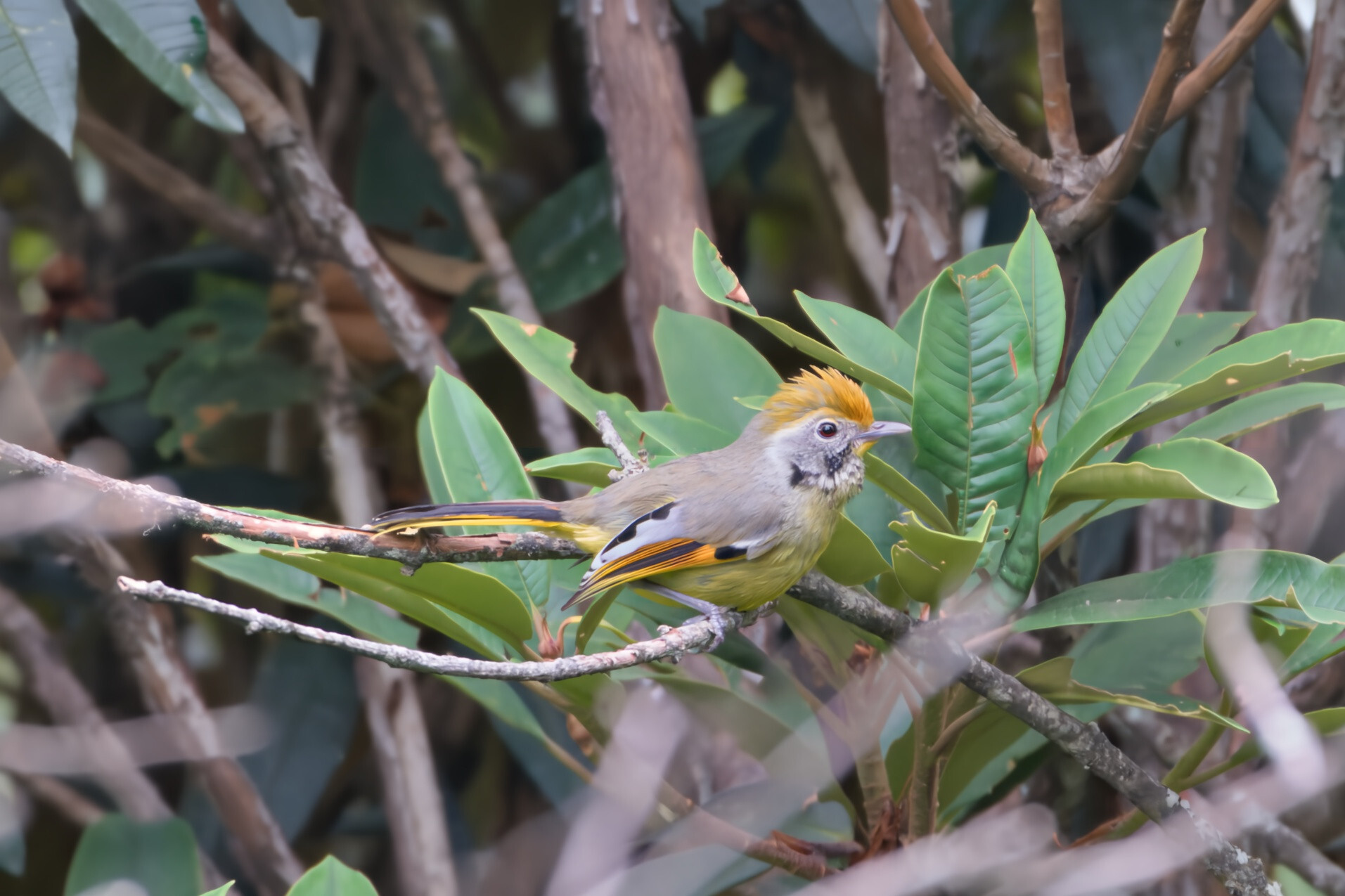
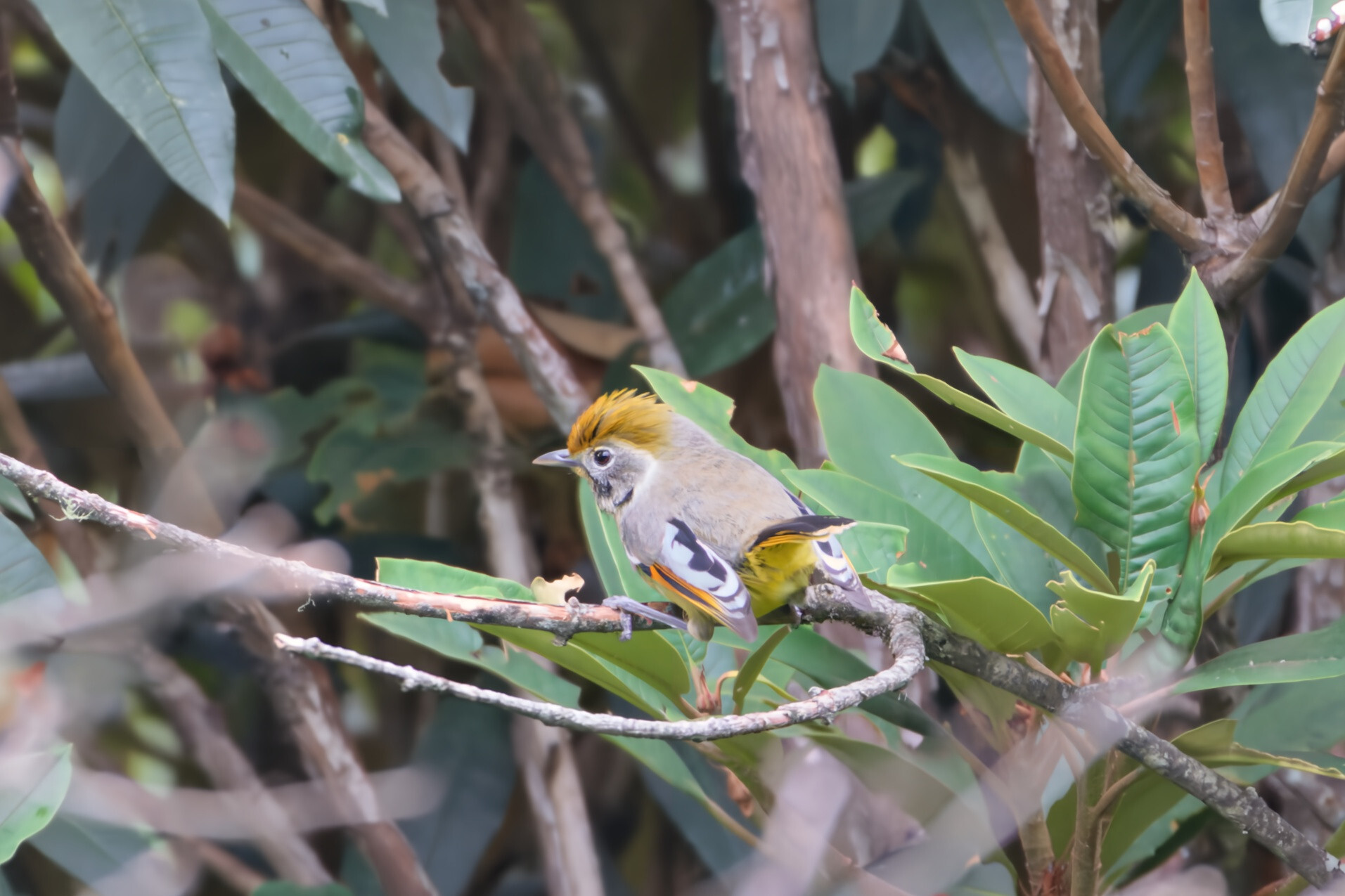
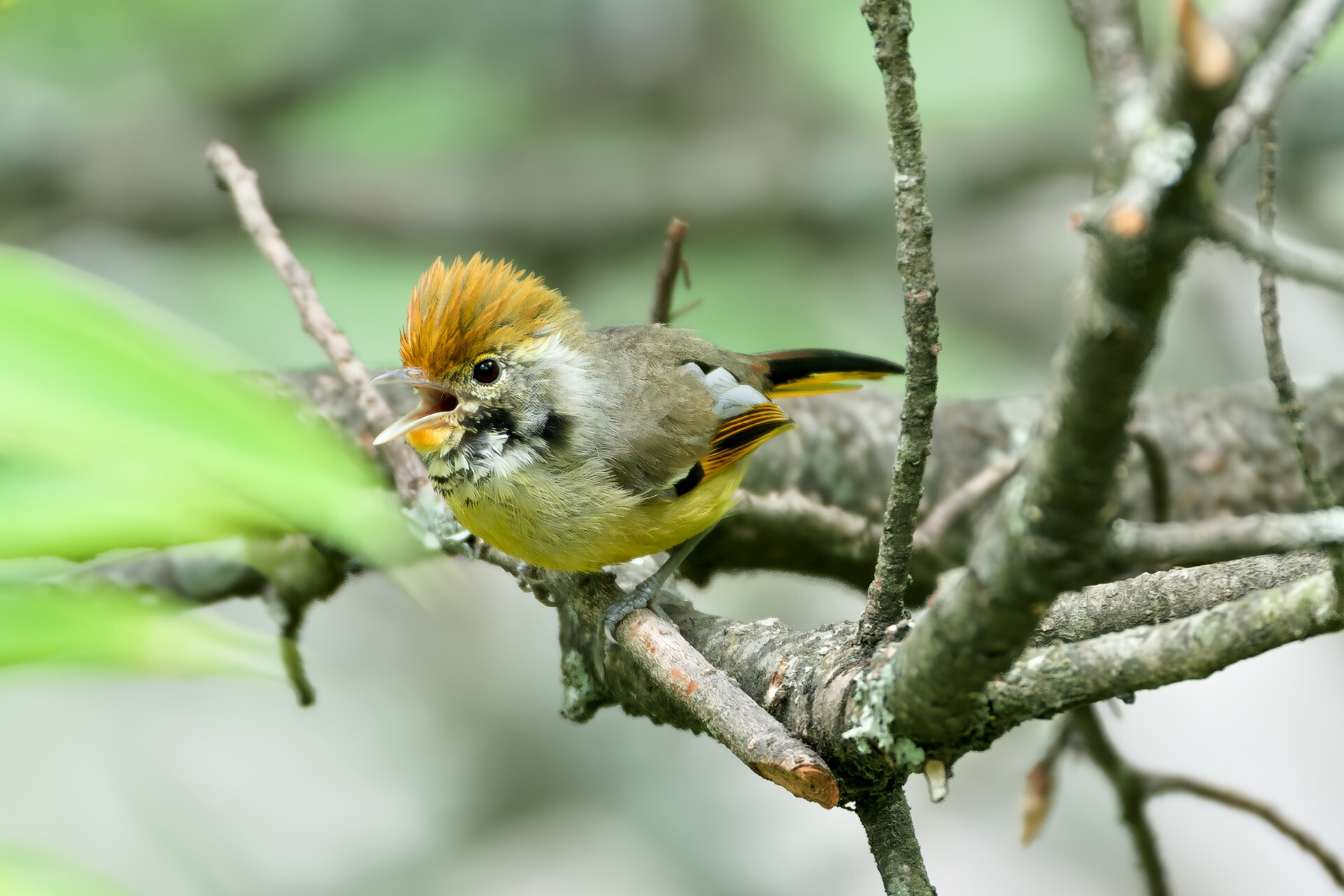
Passerine in the family Leiothrichidae. Formerly placed in genus Minla, now reclassified into Actinodura. Inhabits montane forest habitats from India to Malaysia at high elevations. Joins mixed-species flocks during the non-breeding season. Diet is primarily insectivorous in summer; includes berries, seeds, and nectar in winter. Population considered stable throughout range.
Description
As a member of the babbler family, this medium-sized songbird exhibits the active, agile foraging behavior characteristic of its taxonomic group. The plumage blends cryptic tones suited to its montane forest habitat, though specific coloration details are not provided in the available information. The species' taxonomic history reflects ongoing revision within the babbler family, transitioning from Minla to Actinodura classification.
Distribution & Habitat
This species occupies montane forests from India through Southeast Asia to Malaysia. It is found at elevations between 1,800 and 3,750 meters (5,910 to 12,300 feet), though individuals may descend to 1,300 meters (4,300 feet) during harsh winters. It inhabits various forest types including evergreen broadleaf forest, mixed broadleaf and evergreen forest, pine forest, pine-oak-rhododendron forest, and stands of rhododendron or bamboo. Six recognized subspecies have distinct ranges: one across central Nepal through India, Bhutan, and southern China; another in northern India and western Nepal; one in northeastern India, southern China, northern Burma, Laos, and Vietnam; one in southern Burma and western/northern Thailand; one in Peninsular Malaysia; and one restricted to central Vietnam.
Behavior & Ecology
The diet varies seasonally, shifting from almost exclusively insects during summer months to including berries, seeds, and nectar in winter. Summer prey includes beetles, caterpillars, and other insects. In the non-breeding season, it joins flocks of other babblers and yuhinas, foraging from the canopy down to near the forest floor. The species breeds between March and June, building a cup-shaped nest composed of grass, bamboo leaves, lichen, and birch bark. Clutch size ranges from two to four eggs.
Source: Wikipedia · CC BY-SA 3.0
Taxonomy
- Order
- Passeriformes
- Family
- Leiothrichidae
- Genus
- Actinodura
- eBird Code
- chtmin1
Vocalizations
Subspecies (6)
-
Actinodura strigula castanicauda
southern Myanmar (Karenni Hills) to northwestern Thailand
-
Actinodura strigula malayana
highlands of Malaya (northern Perak to southern Selangor and Pahang)
-
Actinodura strigula simlaensis
Himalayas (Kashmir to western Nepal)
-
Actinodura strigula strigula
Himalayas (central Nepal to Bhutan, northern Assam, and southeastern Tibet)
-
Actinodura strigula traii
highlands of southern Vietnam (Mount Ngoc Linh, Kon Tum Province)
-
Actinodura strigula yunnanensis
northeastern India, adjacent southern China (southeastern Xizang, Yunnan, and southern and southwestern Sichuan), northern, western, and northeastern Myanmar, northern and central Laos, and northern Vietnam (Tonkin)
Data Sources
Species description from Wikipedia, licensed under CC BY-SA 3.0.
Bird images and sounds sourced from GBIF, contributed by citizen scientists worldwide under Creative Commons licenses.
Taxonomy data from AviList 2025.