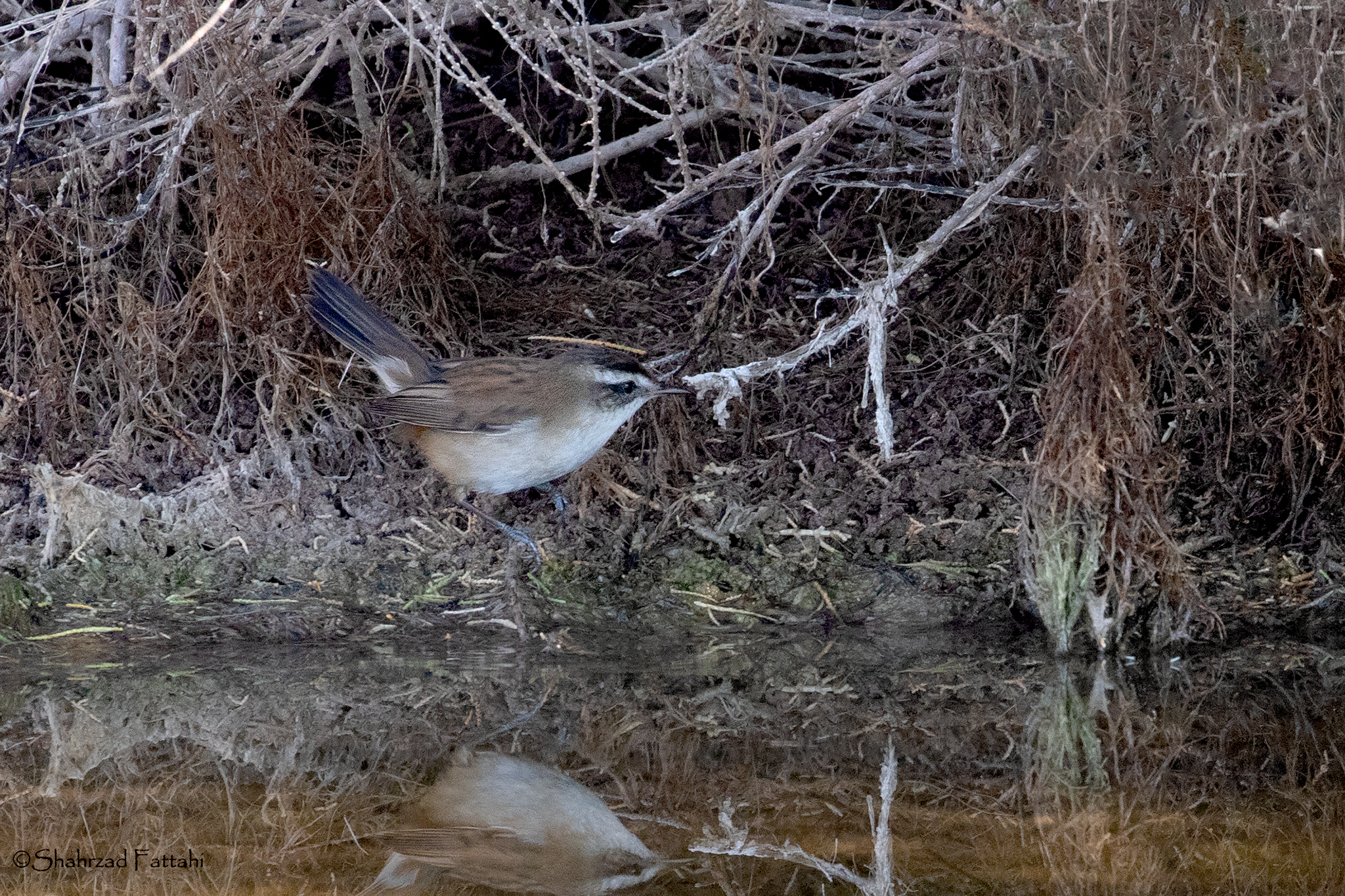
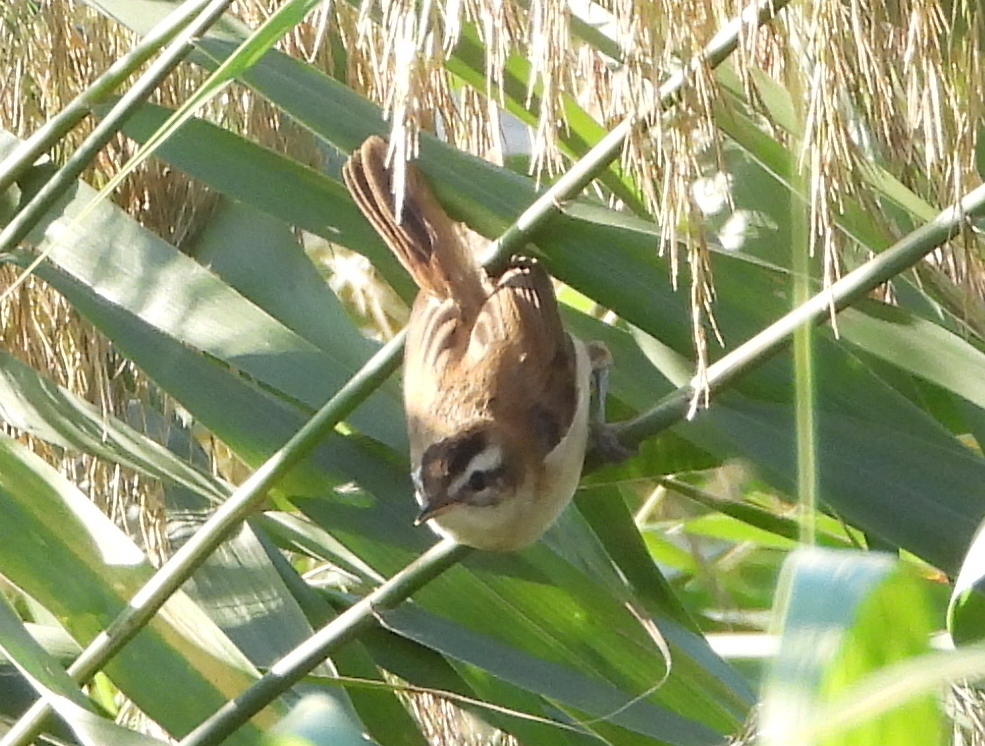
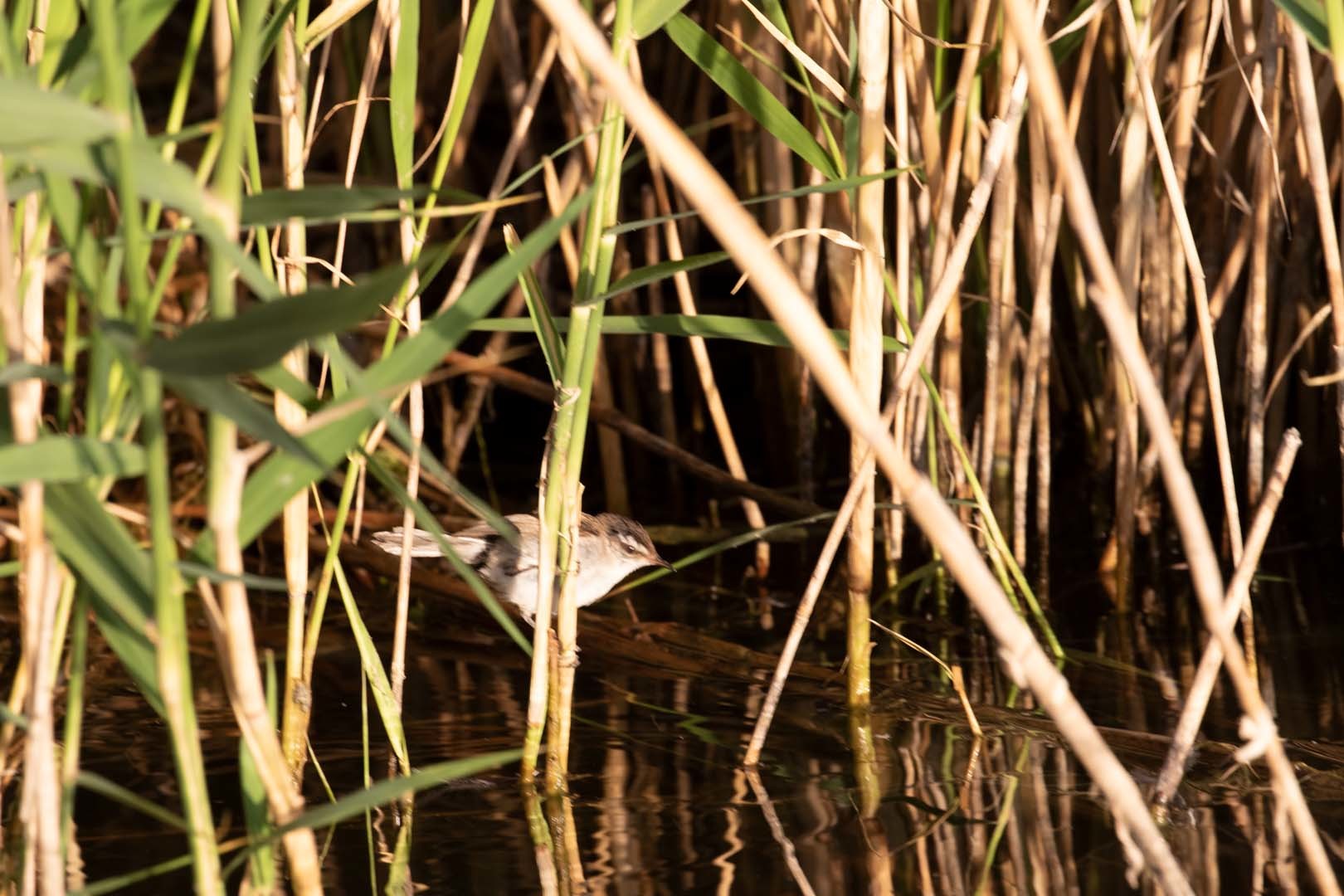
Moustached Warbler
Acrocephalus melanopogon
须苇莺
Introduction
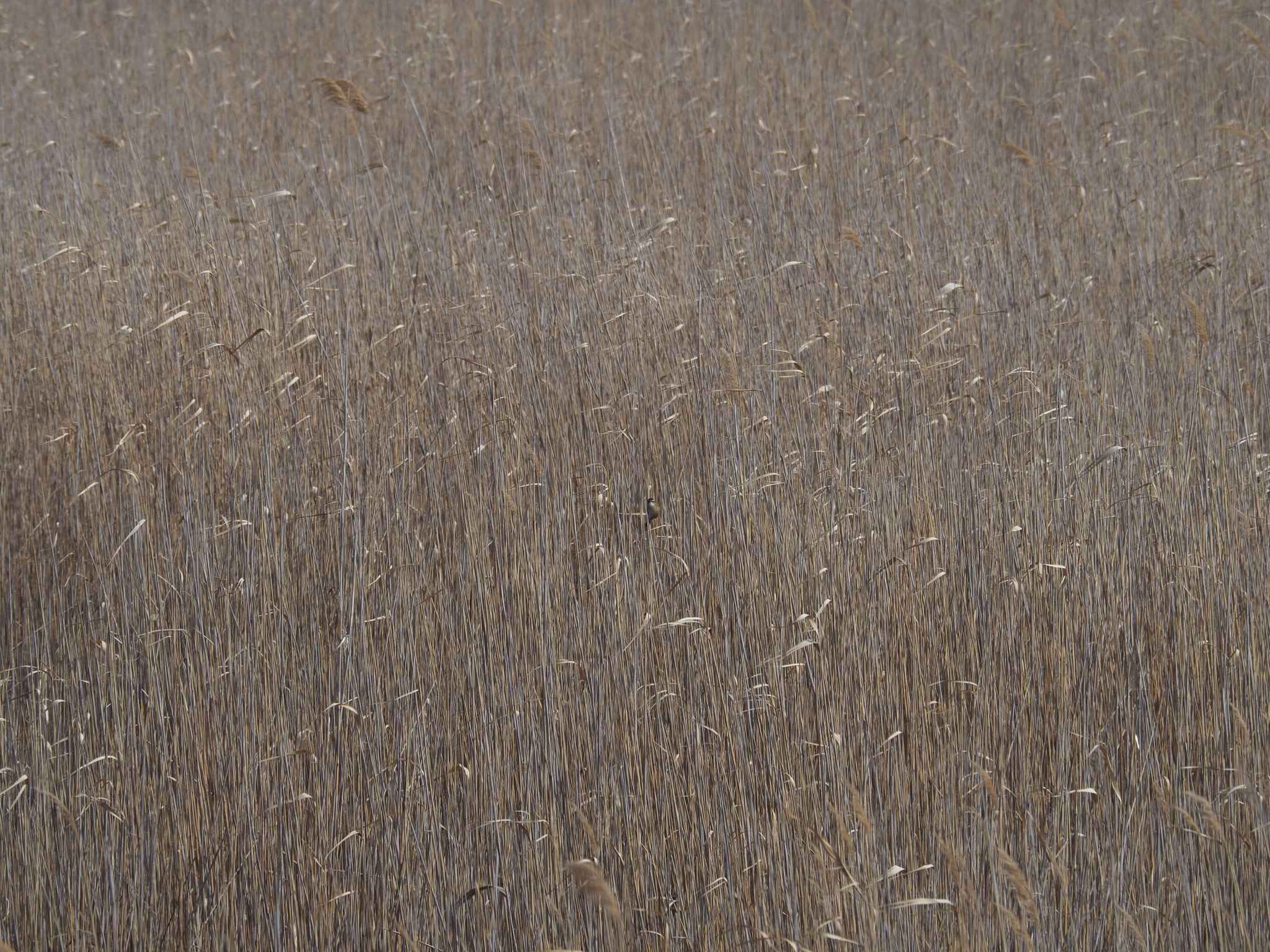
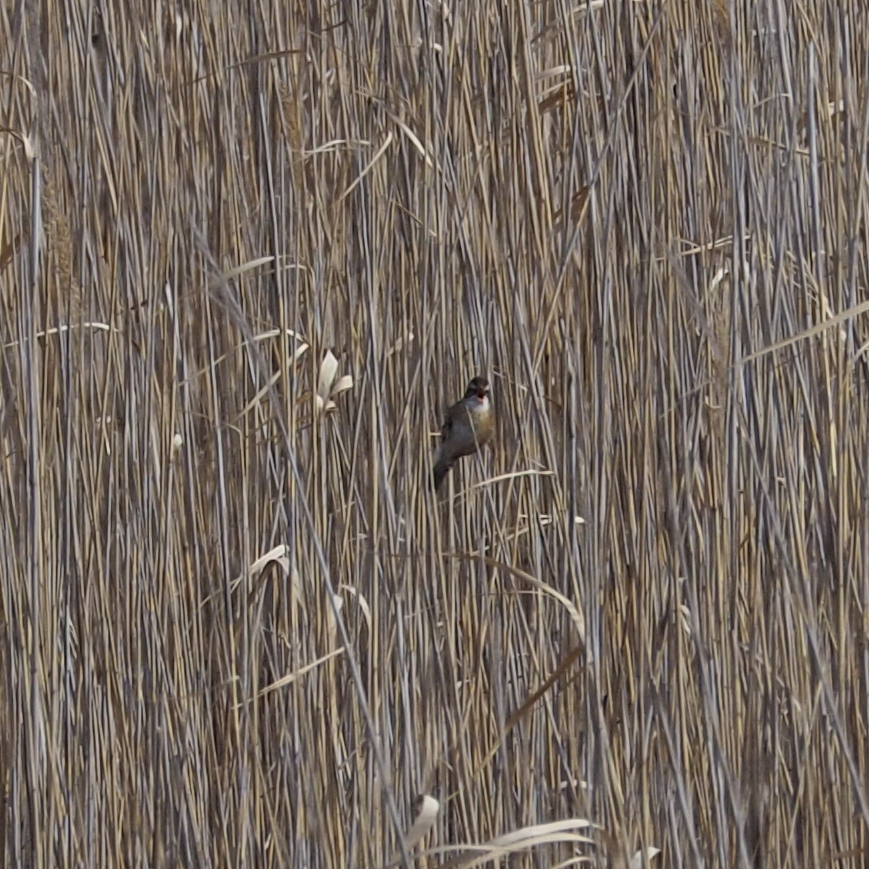
This small warbler inhabits reed beds and wetlands across southern Europe and temperate Asia, preferring dense stands of emergent vegetation. It occupies territories within the denser interior areas of Phragmites beds and sedge marshes rather than reed edges. The species is partially migratory: western populations are resident year-round, while eastern populations migrate to the Indian subcontinent. Song is delivered from reed tops during the breeding season. It is slightly smaller than the sedge warbler but shares similar habitat preferences. British historical records are considered dubious, with most sightings likely representing misidentifications of sedge or paddyfield warblers.
Description
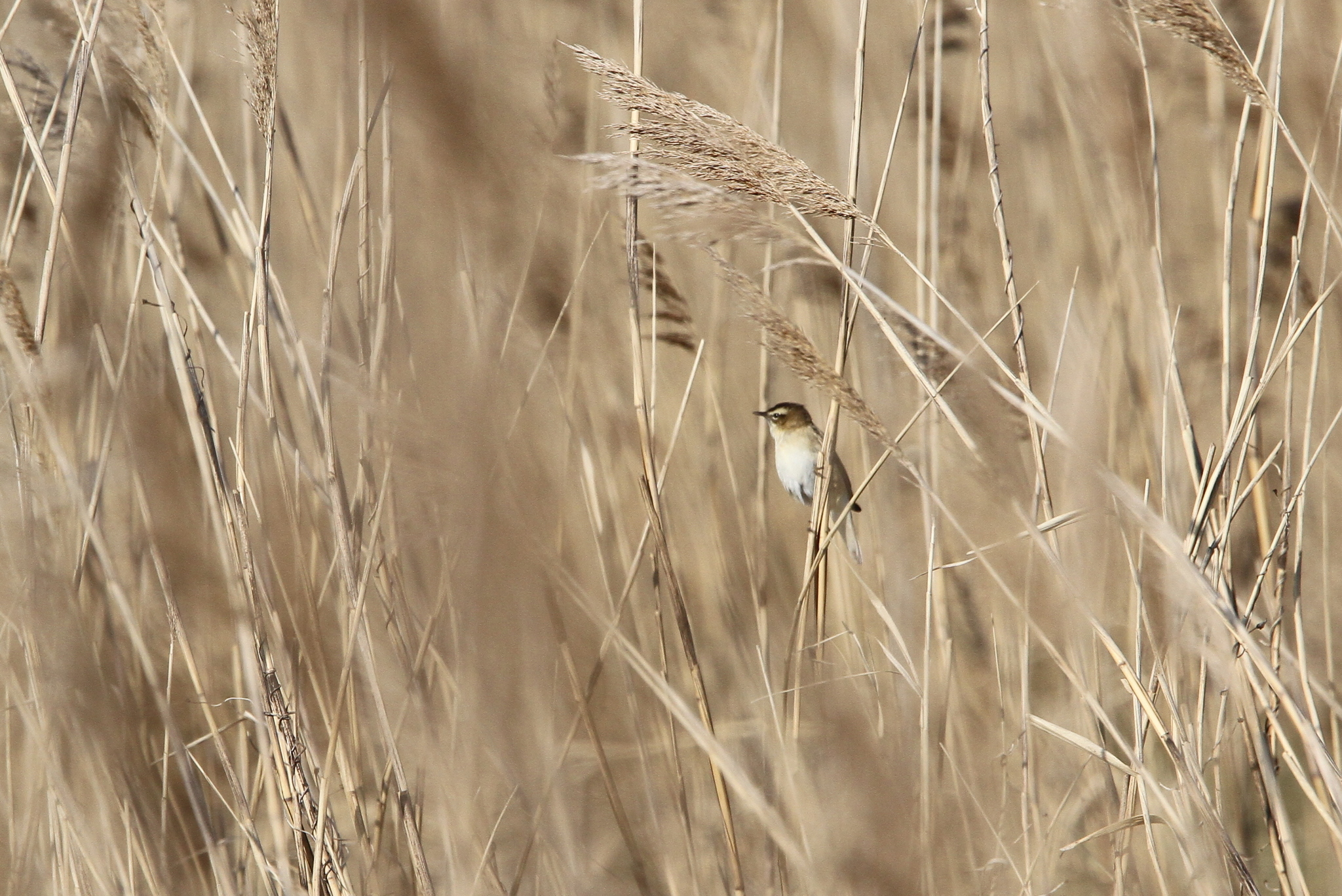
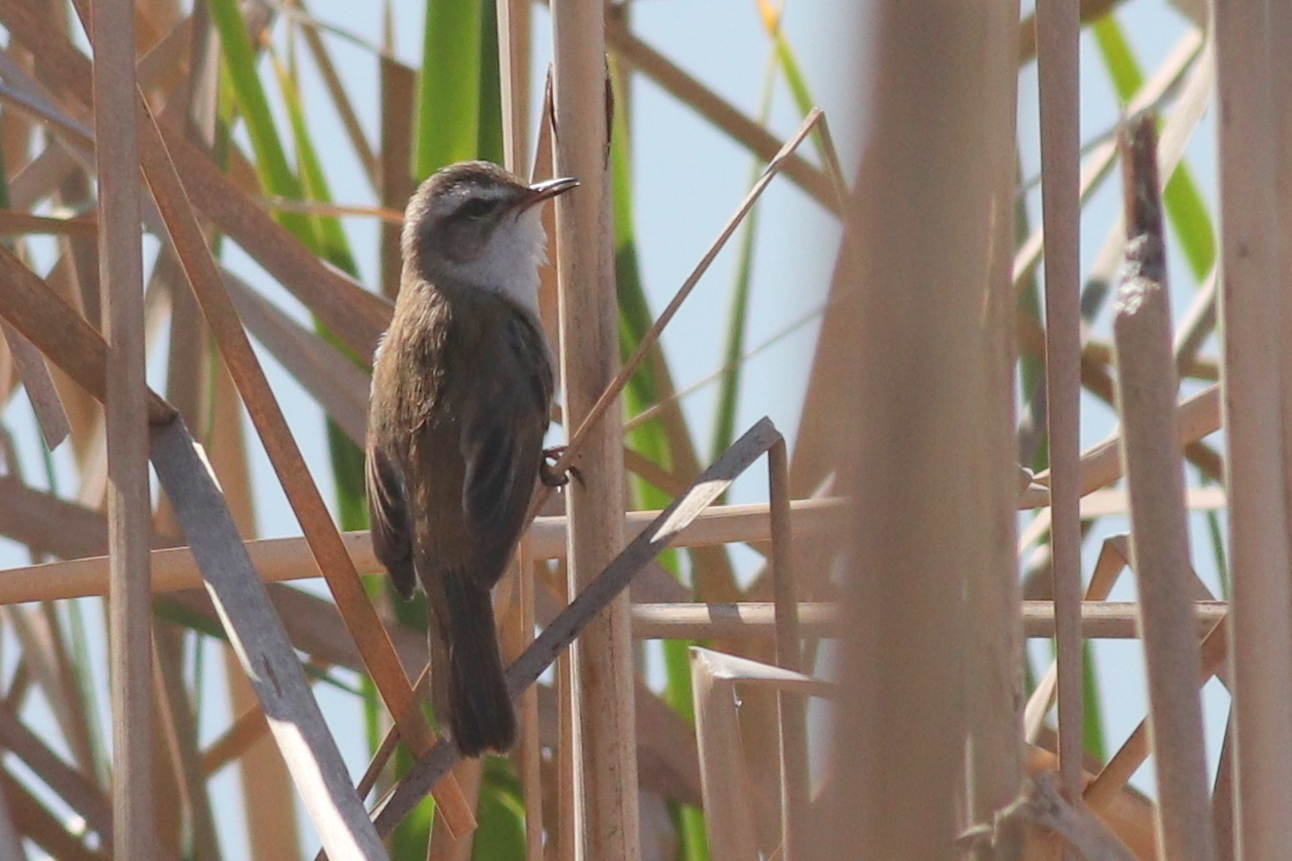
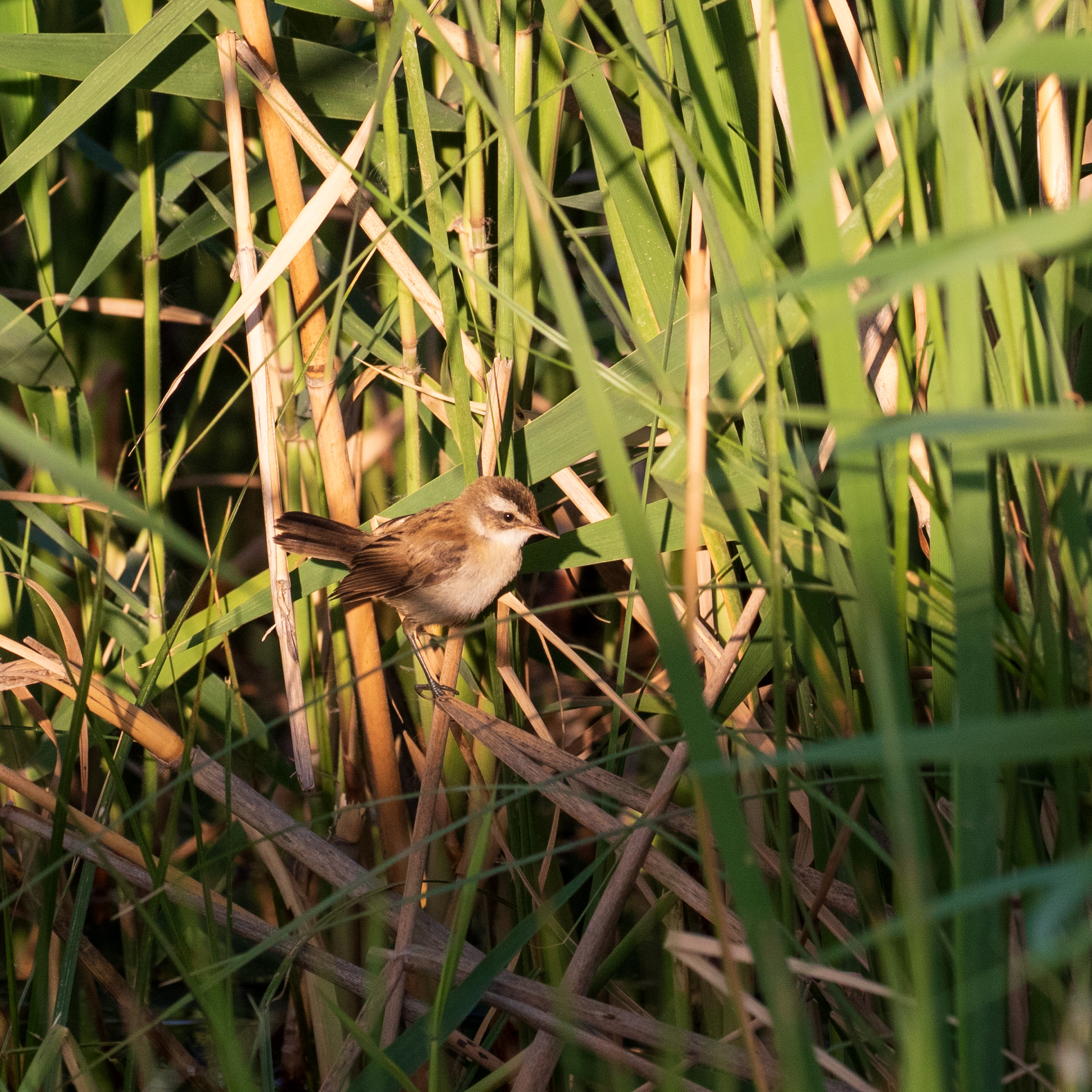
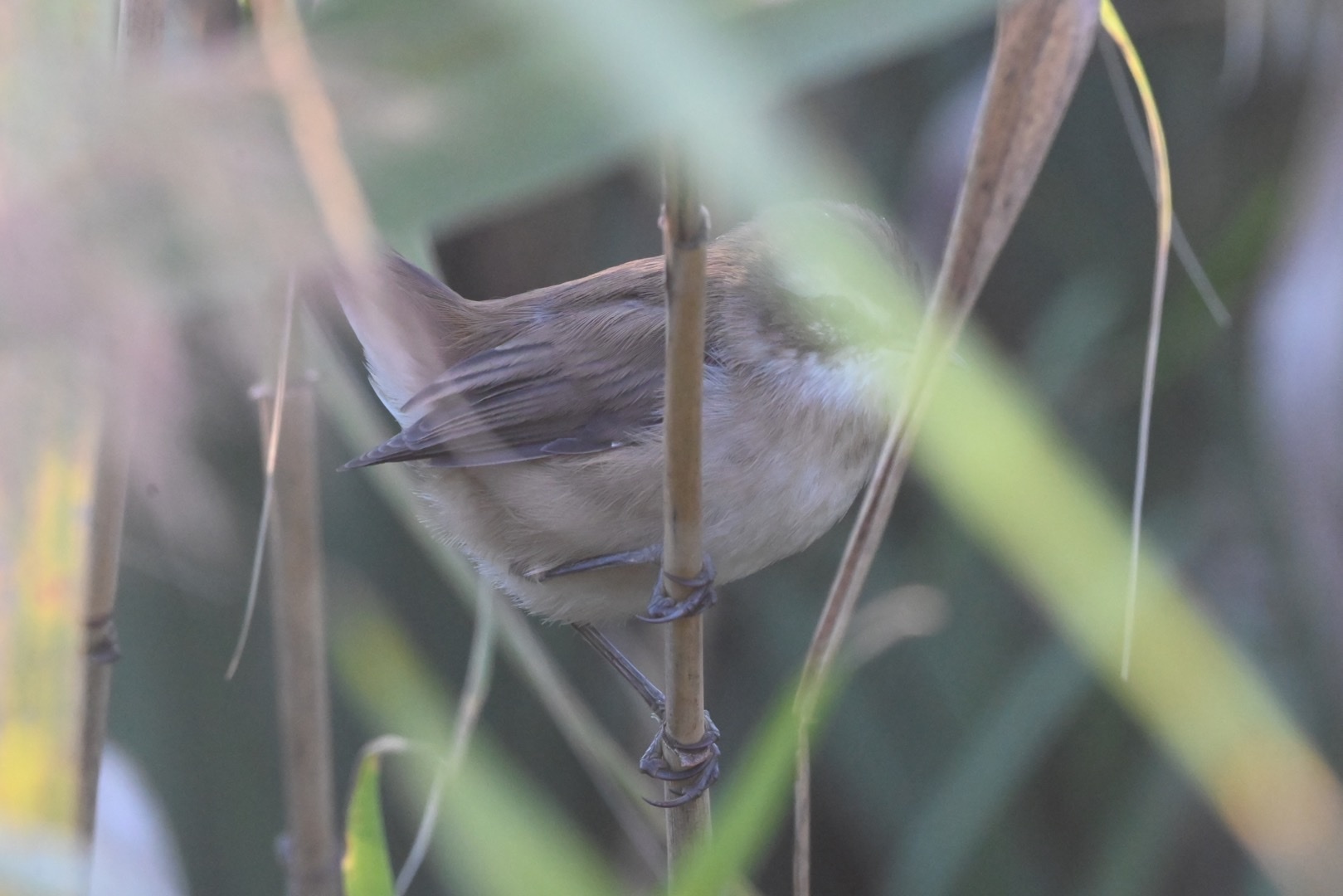
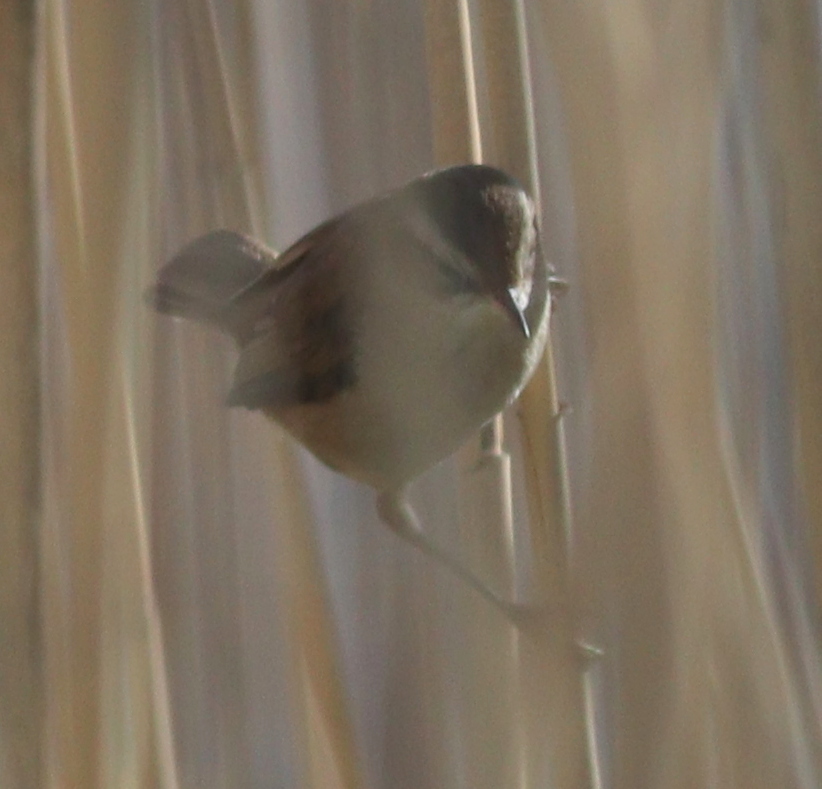
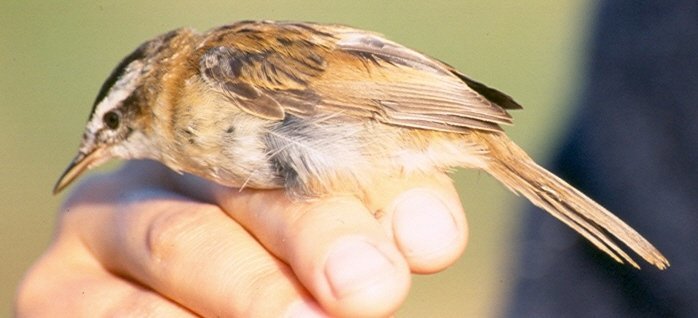
A compact warbler measuring 12-13 cm in length, this species is notably smaller than the similar sedge warbler. The upperparts are finely streaked brown, while the underparts are clean white. The head shows a flattened forehead, a prominent whitish supercilium that contrasts with grey ear coverts, and a strong, pointed bill. The plumage lacks the bold supercilium of the marsh warbler. The sexes are identical, though juveniles display heavier streaking across the upperparts and distinctive markings on the breast. The overall impression is of a neat, brown-backed warbler with a contrastingly pale face pattern.
Identification
Separating this species from the sedge warbler requires careful attention to structure and plumage details. It is marginally smaller than the sedge warbler with a flatter forehead and less prominent supercilium. The song is faster and softer than that of the reed warbler, with a more melodious quality than other Acrocephalus species, incorporating mimicry and distinctive acrocephaline whistles. Unlike the sedge warbler, this species does not sing in flight. Reed warblers show warmer brown plumage without the heavy streaking on the back, while marsh warblers have a more obvious supercilium and greener tones to the upperparts. The combination of streaked back, prominent supercilium, and greyish ear coverts in dense reed habitat is characteristic.
Distribution & Habitat
This species breeds across southern Europe from the Iberian Peninsula and Mediterranean islands eastwards through Turkey and the Middle East to southern temperate Asia, with isolated populations in northwest Africa. Western European populations are largely resident, while eastern populations migrate south to winter in the Mediterranean Basin, Arabia, India and Pakistan. It is scarce at the northern edges of its range, occurring as a very rare vagrant north to Poland and Denmark. Former British records, including an alleged breeding pair in Cambridgeshire in 1946, have been removed from the official list following taxonomic review. It inhabits dense stands of reeds and sedge, typically in freshwater marshes, river deltas and lake margins with abundant emergent vegetation.
Behavior & Ecology
As with most warblers, this species is primarily insectivorous, foraging methodically through reed stems and vegetation in search of invertebrates. Breeding begins in mid-April, with pairs forming monogamous bonds. The female constructs a deep cup-shaped nest suspended among reeds, rushes or low bushes over water. A clutch of 3-6 eggs is laid and incubated by both parents for 13-15 days. Both adults share feeding duties, and chicks fledge at approximately 12 days old, becoming independent 18-22 days after leaving the nest. Two broods are typically raised each season. The song is delivered from a concealed perch within reeds, typically from mid-April through July.
Conservation
Though specific population figures are not available, this species is considered secure across much of its extensive range, with no major threats identified beyond general wetland degradation. Its reliance on healthy reed bed ecosystems means it may be vulnerable to drainage, pollution and changing water management practices in some regions. The species is not currently considered globally threatened.
Source: Wikipedia · CC BY-SA 3.0
Taxonomy
- Order
- Passeriformes
- Family
- Acrocephalidae
- Genus
- Acrocephalus
- eBird Code
- mouwar1
Vocalizations
Subspecies (3)
-
Acrocephalus melanopogon albiventris
breeds Russia (eastern coast of Sea of Azov to lower Don River); winters probably in the Middle East
-
Acrocephalus melanopogon melanopogon
Mediterranean basin (Europe and North Africa)
-
Acrocephalus melanopogon mimicus
breeds western Türkiye to southern Russia, Iraq, Iran, and Afghanistan; winters from Middle East to northwestern Indian Subcontinent
Data Sources
Species description from Wikipedia, licensed under CC BY-SA 3.0.
Bird images and sounds sourced from GBIF, contributed by citizen scientists worldwide under Creative Commons licenses.
Taxonomy data from AviList 2025.