Blyth's Reed Warbler
Acrocephalus dumetorum
布氏苇莺
Introduction
This species breeds across the Palearctic region and has expanded its range westward into Europe in recent decades. It inhabits woodland edges, clearings, and various scrub habitats during the breeding season, showing a preference for damper areas with dense vegetation. During winter, it migrates to the Indian subcontinent and surrounding regions, utilizing both wet and dry woodland habitats. The species is located by its distinctive song, which contains a variable mix of harsh notes and melodious elements including mimicry. The first confirmed breeding in the Netherlands occurred in 2022, with Scotland records following in 2024.
Description
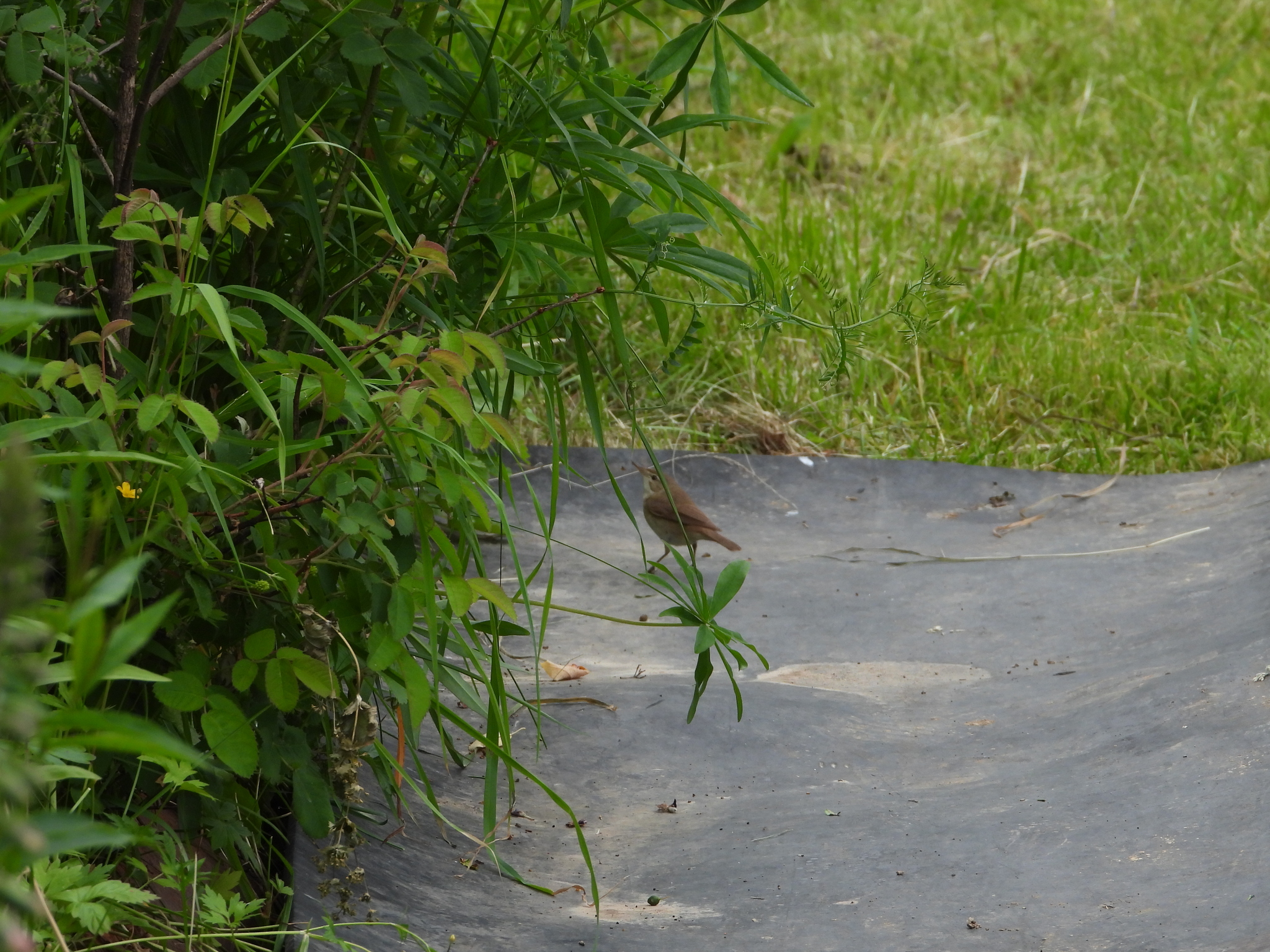
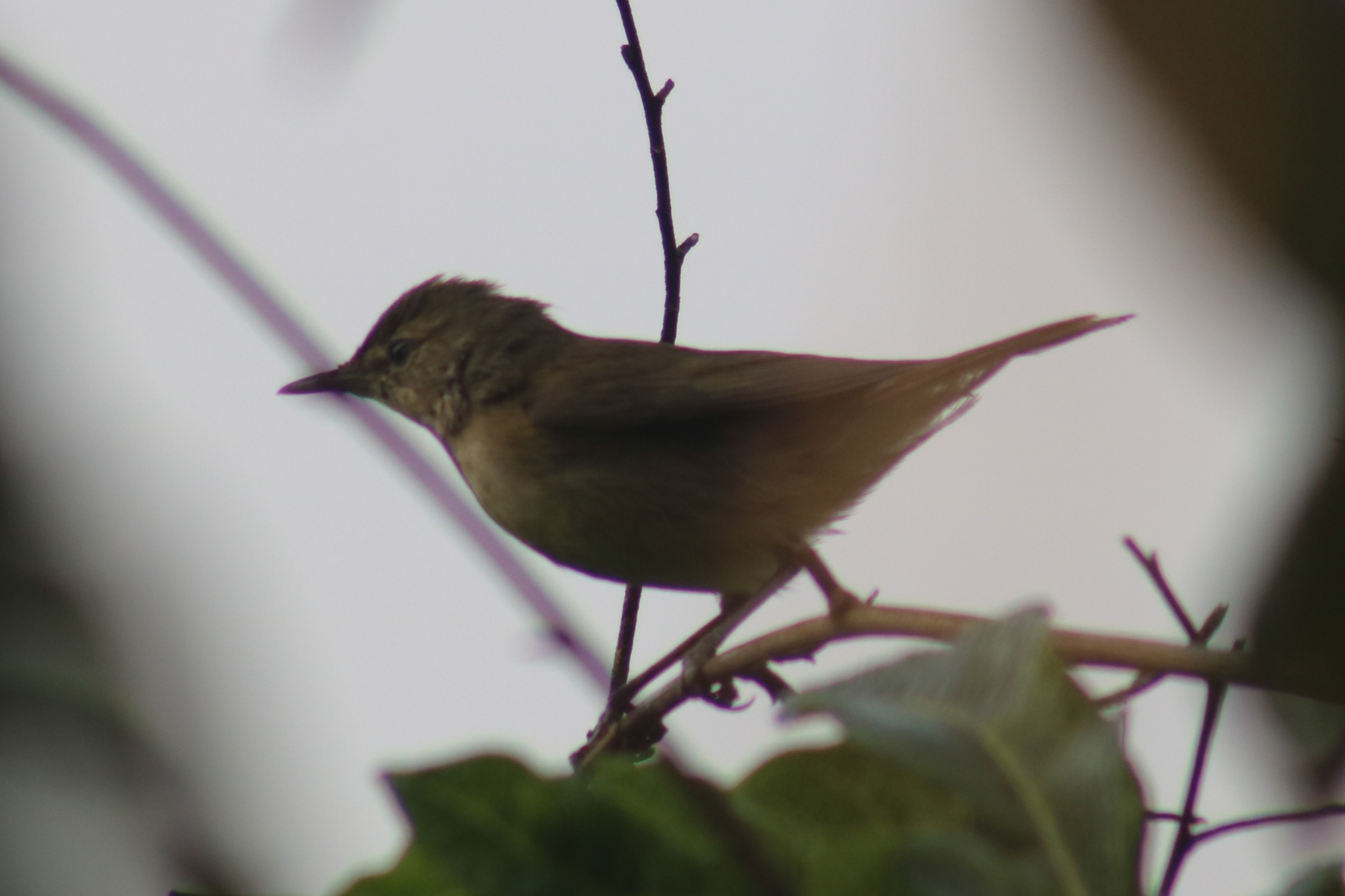
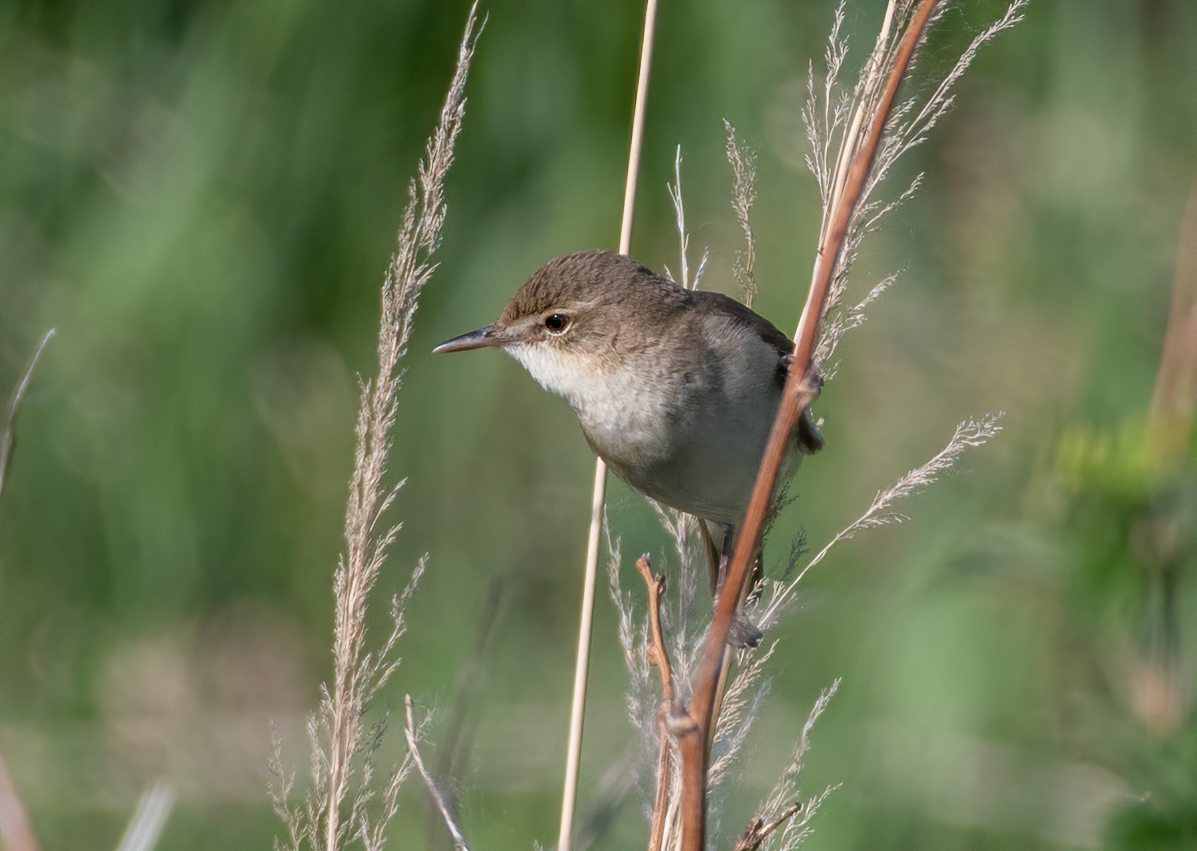
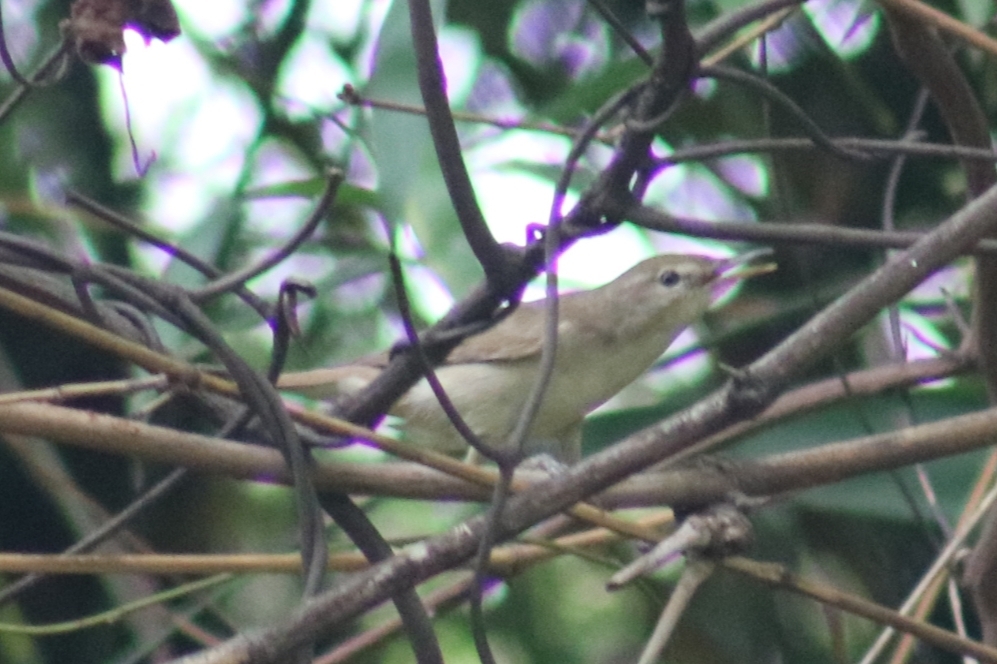
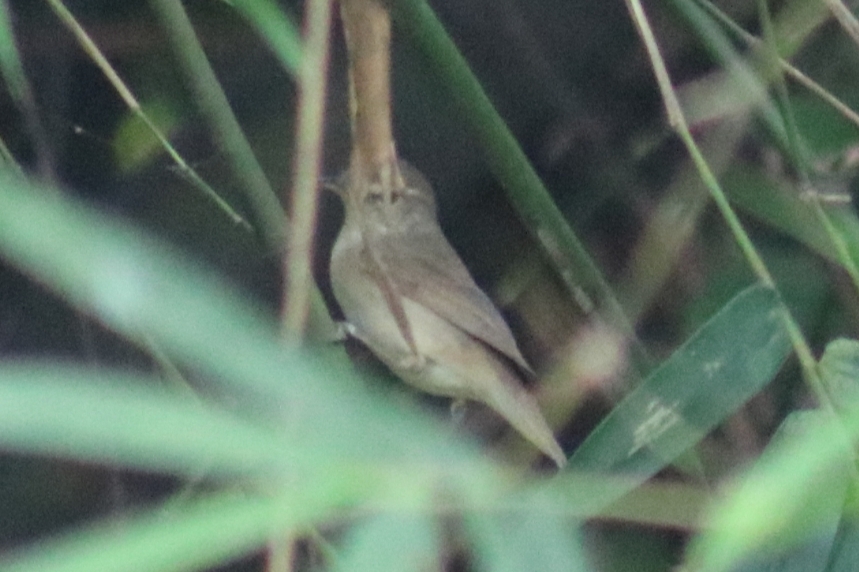
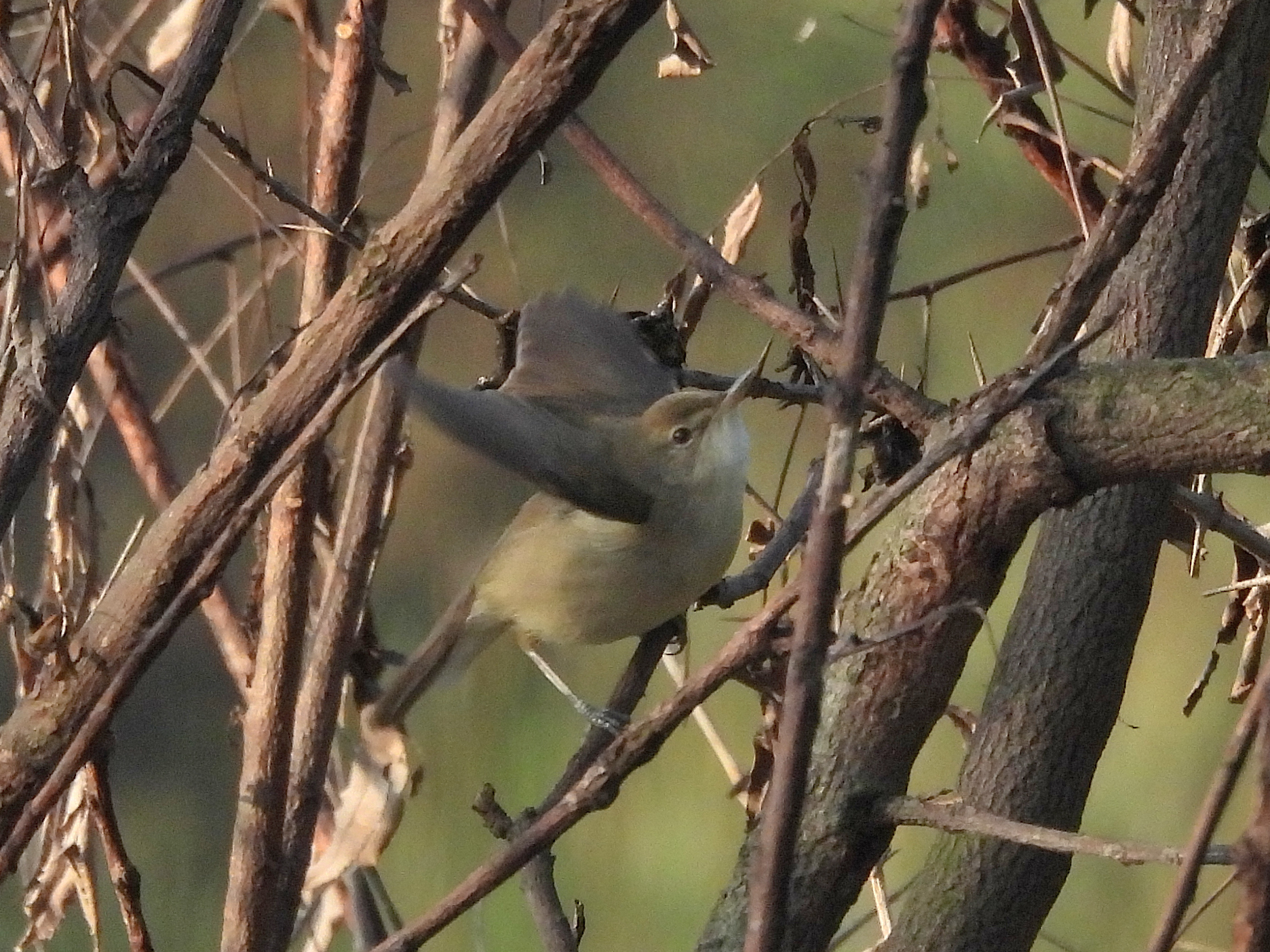
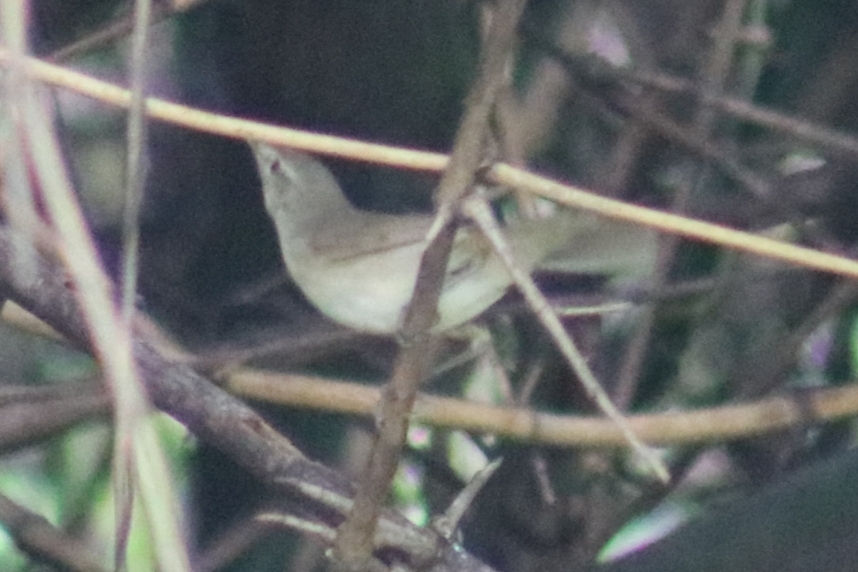
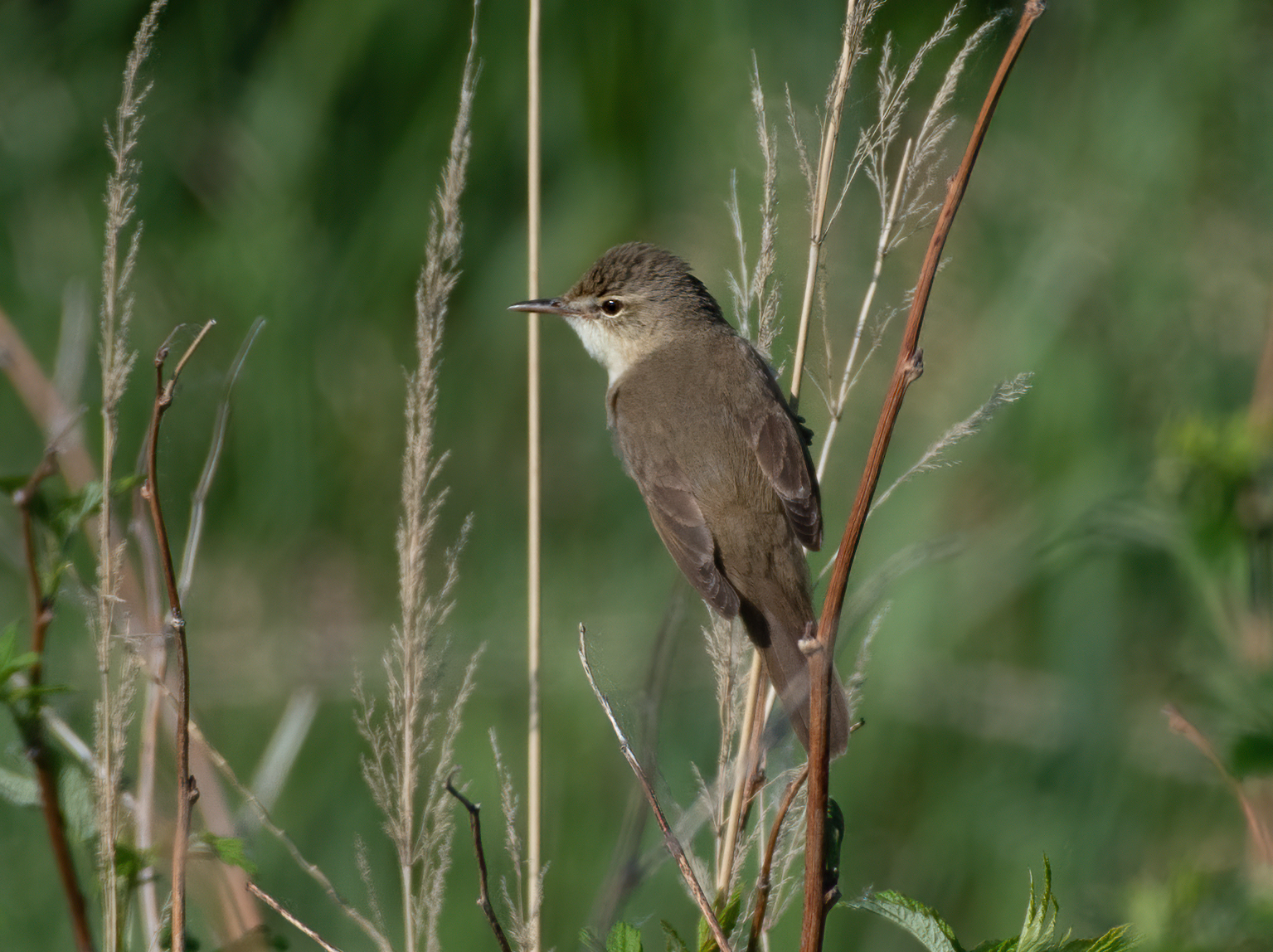
A small, slim warbler measuring 12-14 cm in length with a weight of 8-16 g. It possesses relatively short wings and a notably long, robust bill. The plumage is predominantly plain olive-brown on the upperparts, with the wings showing less olive coloration and a rounded shape. A short whitish stripe runs above the eye from the bill base, complemented by a darker stripe through the eye. The underparts are uniformly off-white. The long bill is greyish-brown with a pale pinkish-brown base on the lower mandible, matching the color of the feet and legs. Overall, the coloration lacks the warmer tones found in related reed warbler species.
Distribution & Habitat
Breeds from the Baltic Sea in eastern Europe eastward to Lake Baikal in Siberia, with an isolated population in Central Asia. The wintering range extends through India, Sri Lanka, Nepal, Bangladesh, and Myanmar. This species has been expanding its range westward and was previously a rare vagrant to western Europe. Recent breeding records include the Netherlands in 2022 and Scotland in 2024, indicating continued range expansion. Breeding habitat consists of damp broadleaved woodland edges and clearings, wooded gullies, parks, gardens, scrub, and coniferous forest. During winter, it occurs in various wooded habitats from wet to dry areas.
Behavior & Ecology
The song is highly variable, combining harsh notes such as ticks, chaks, and churrs with melodious whistles and mimicry of other species. Breeding occurs from late May to July, typically in monogamous pairs though polygyny has been recorded. The species is solitary and territorial, with Finnish territories ranging from 600 to 1,300 m². The nest is a compact cup constructed from plant material and spider webs, positioned 20-60 cm above ground. Clutches contain 3-6 eggs incubated primarily by the female for 12-13 days. Both parents feed the young, which fledge at 11-13 days and remain dependent for another 10-22 days. The male may abandon the brood after fledging to seek additional mates, leaving the female to finish raising the first brood alone.
Conservation
The IUCN Red List status and population assessment for this species were not detailed in the source article. However, the documented range expansion and successful colonization of new areas in western Europe suggest a generally stable population trend. The species faces typical threats including habitat loss and degradation across its breeding and wintering ranges, though specific conservation concerns were not detailed in the provided text.
Culture
Cultural significance for this species was not detailed in the source article.
Source: Wikipedia · CC BY-SA 3.0
Taxonomy
- Order
- Passeriformes
- Family
- Acrocephalidae
- Genus
- Acrocephalus
- eBird Code
- blrwar1
Distribution
breeds Eastern Palearctic; winters in India and Sri Lanka
Vocalizations
Data Sources
Species description from Wikipedia, licensed under CC BY-SA 3.0.
Bird images and sounds sourced from GBIF, contributed by citizen scientists worldwide under Creative Commons licenses.
Taxonomy data from AviList 2025.