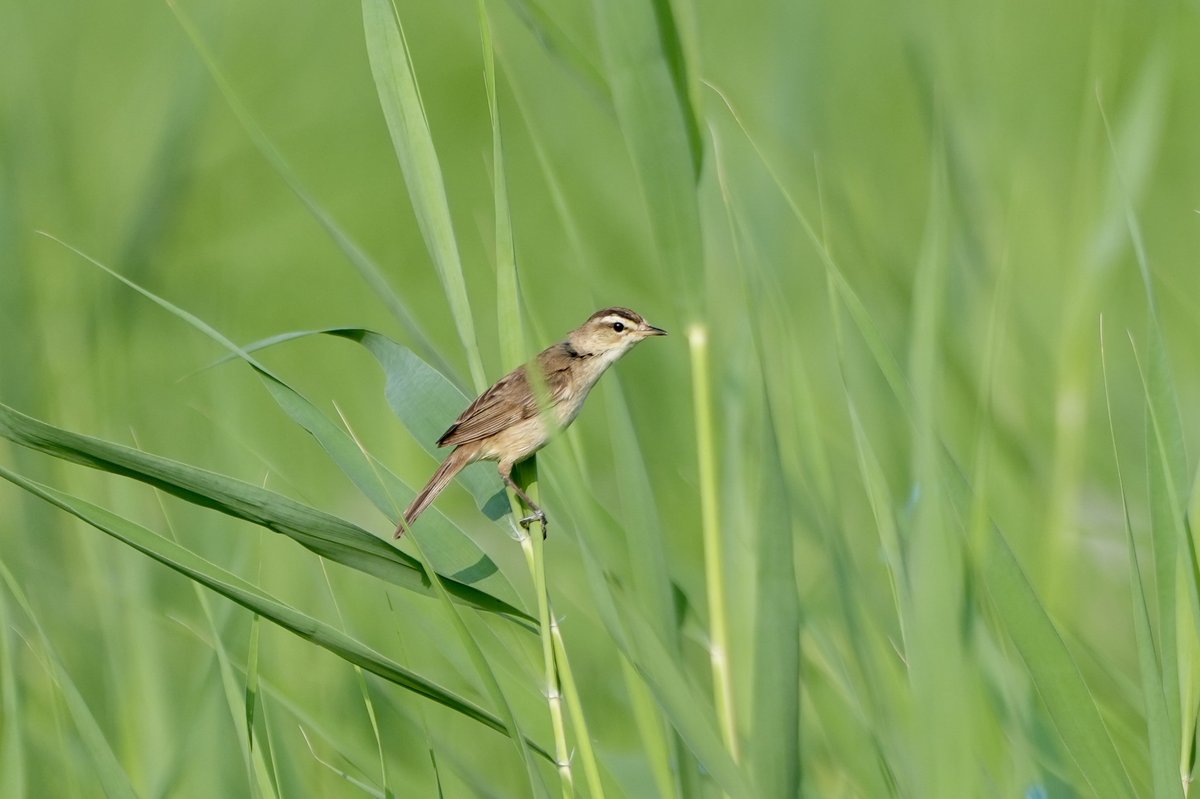
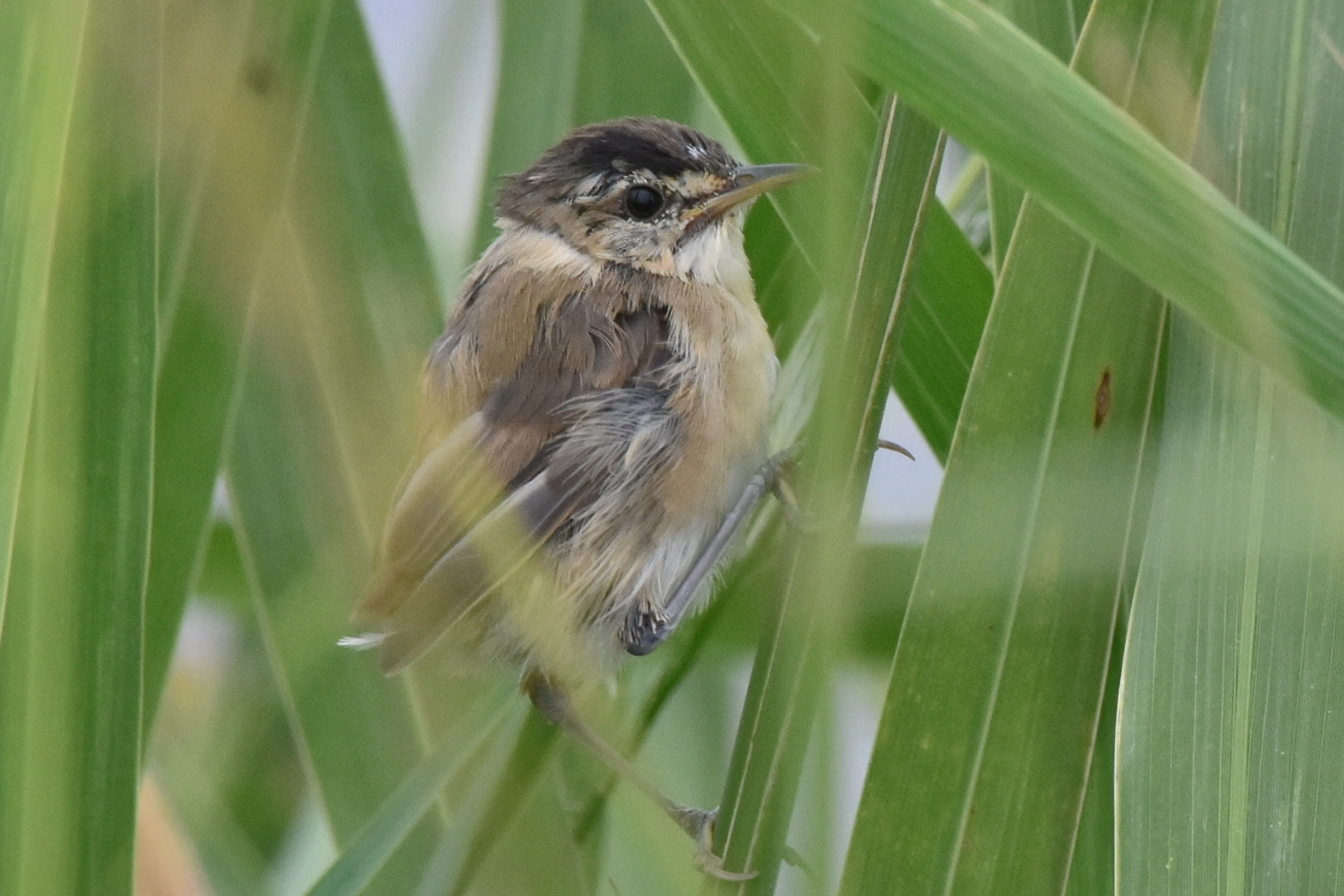
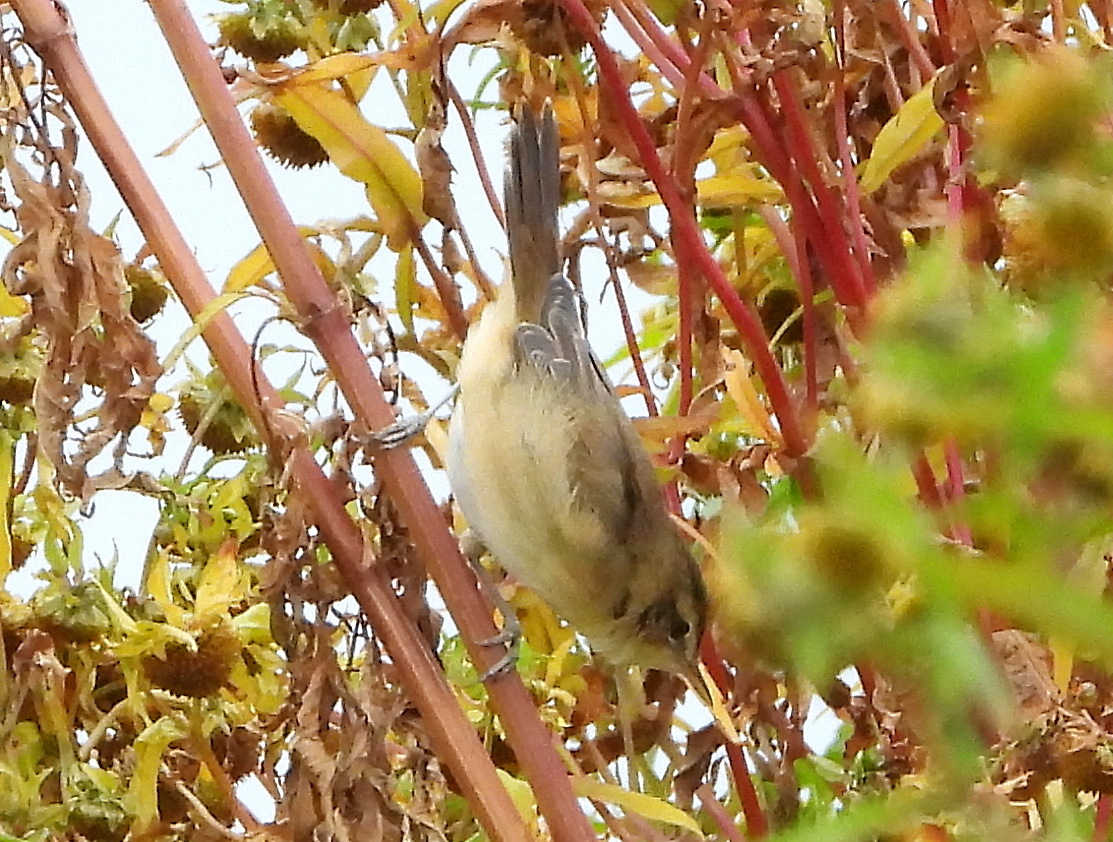
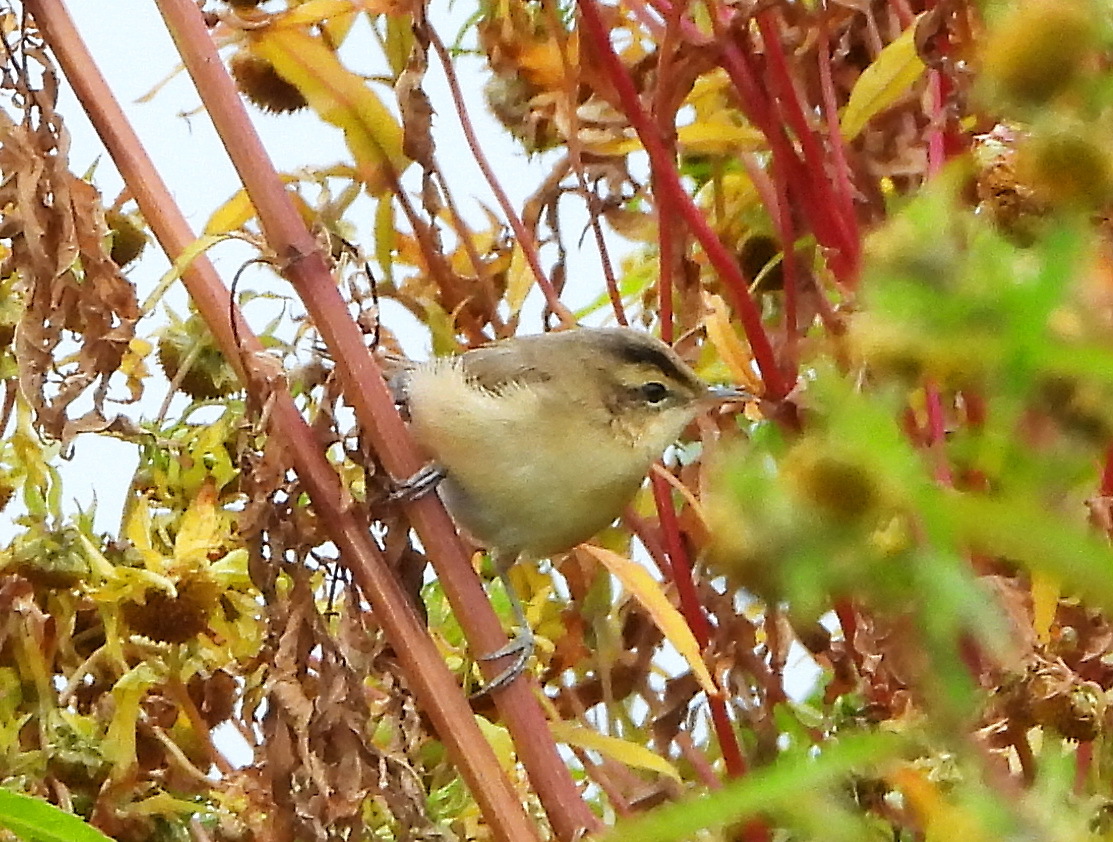
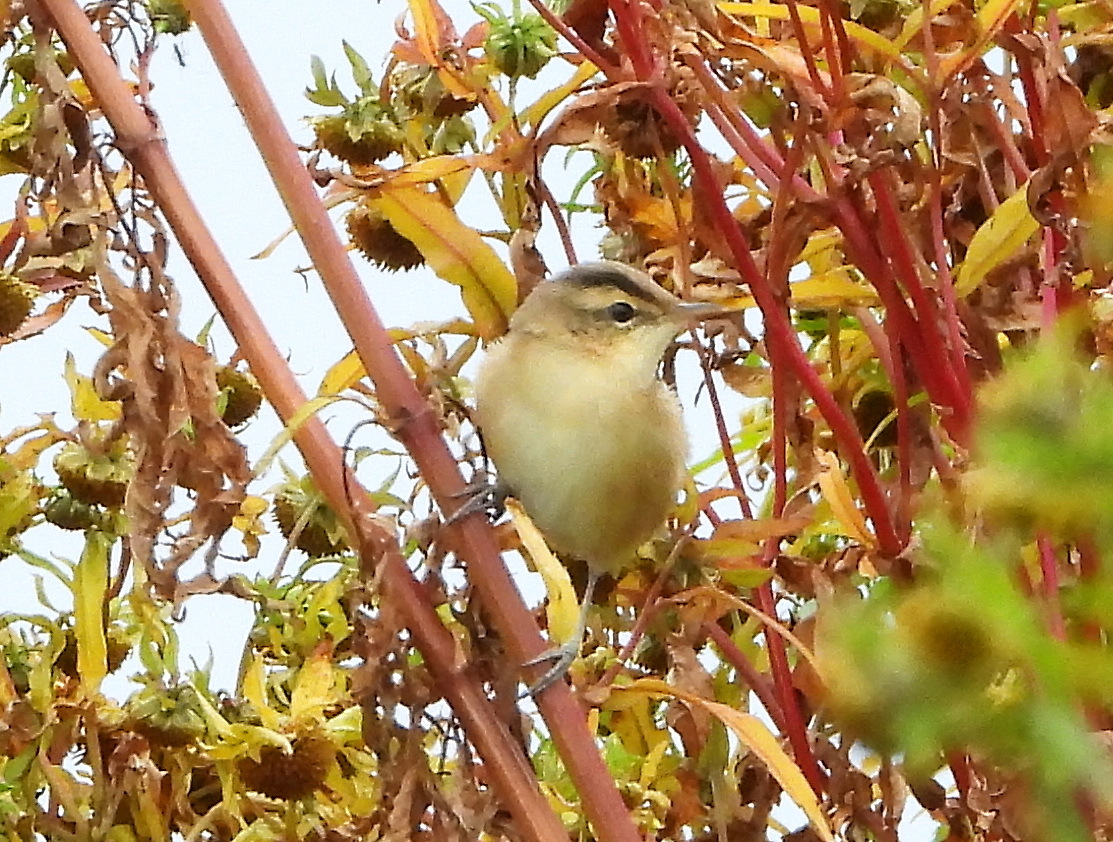
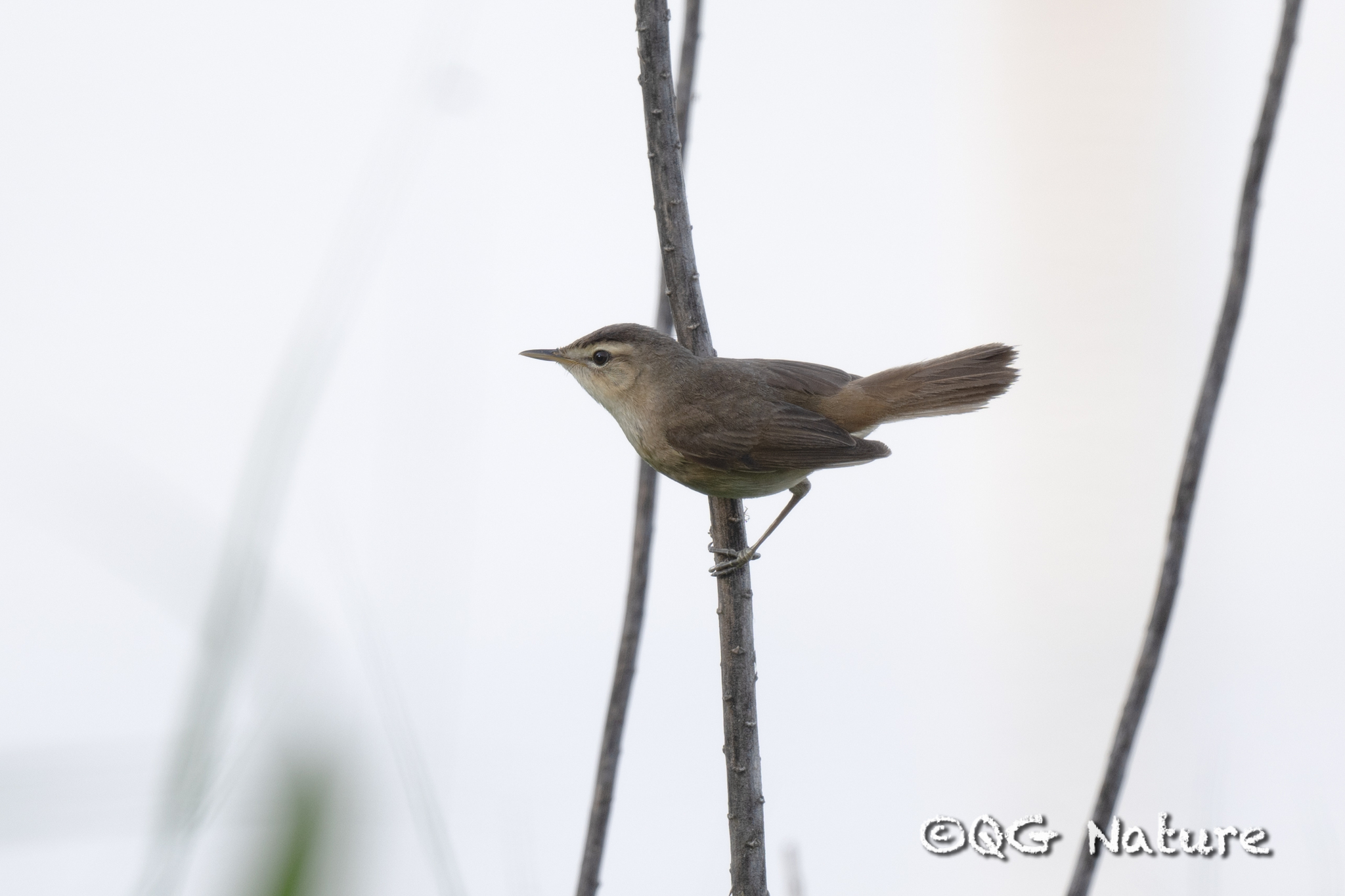
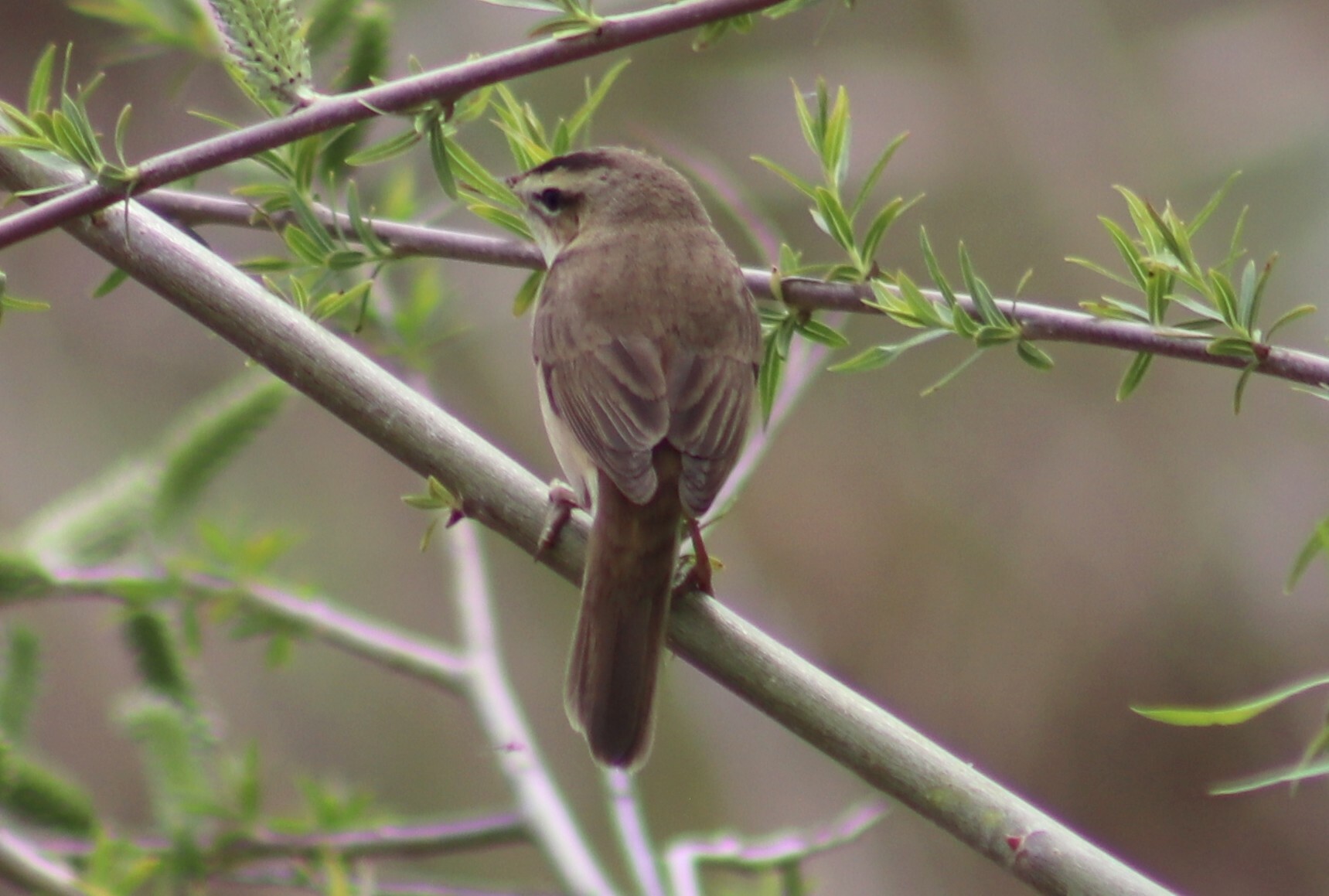
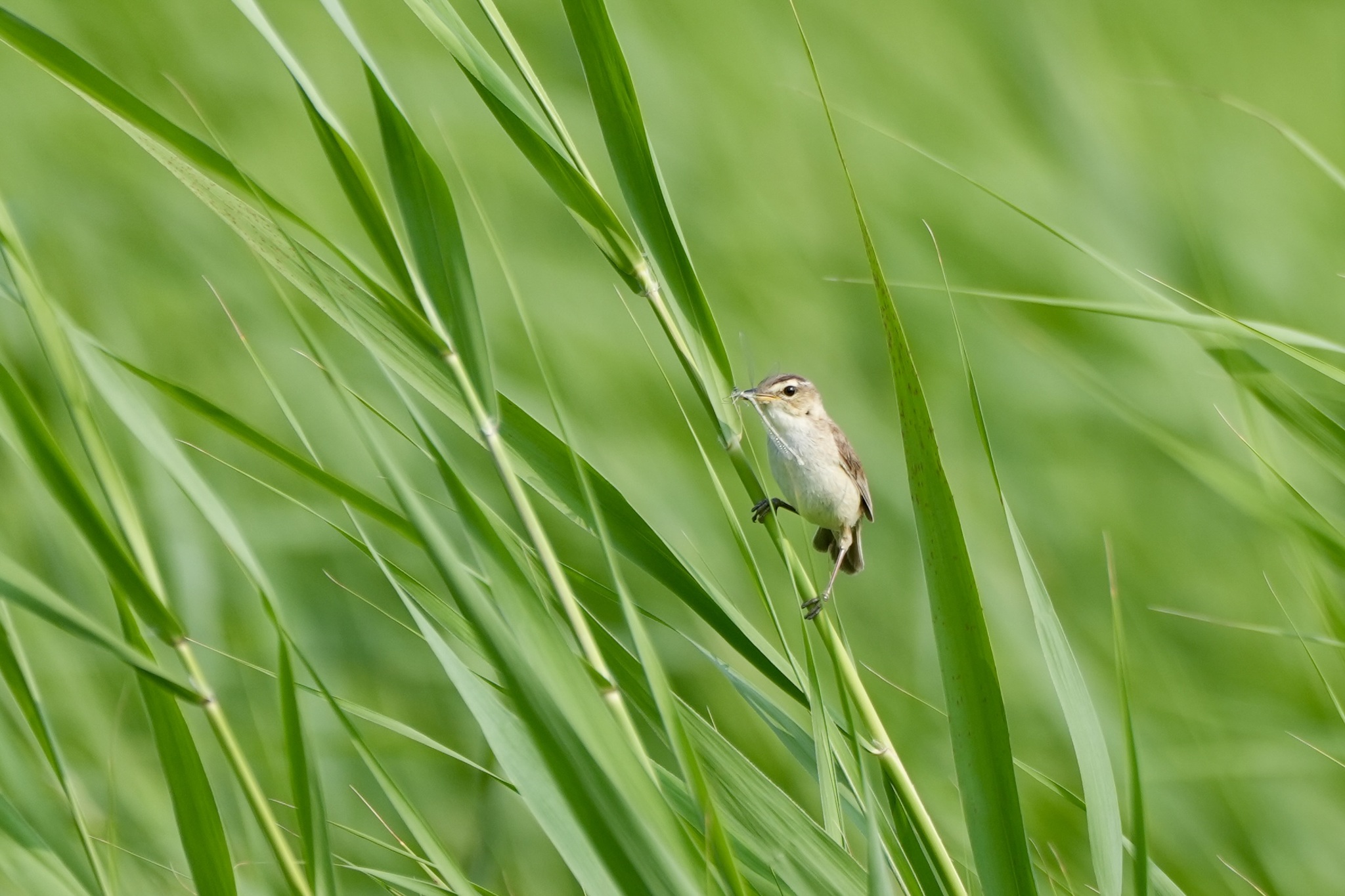
Black-browed Reed Warbler
Acrocephalus bistrigiceps
黑眉苇莺
Introduction
Family Acrocephalidae. First described by Robert Swinhoe in 1860. Inhabits wetland reed beds across East Asia. Closely related to and shares habitat with the Eurasian reed warbler. Faces conservation concerns due to ongoing habitat destruction throughout its range.
Identification
This species is similar and closely related to the more common and widespread Eurasian reed warbler. Field identification requires careful attention to subtle differences in plumage features and structure. The black-browed component of its name refers to distinctive facial markings that help distinguish it from similar species. observers should focus on the head pattern and supercilium when attempting identification within reed bed habitats.
Distribution & Habitat
The breeding range extends from eastern Mongolia and southeastern Russia across eastern China to Japan. During the non-breeding season, individuals migrate south to wintering grounds in Southeast Asia. This species is strongly associated with undisturbed reed beds where it inhabits the interior vegetation, typically staying close to the ground within the dense stands of marsh vegetation.
Behavior & Ecology
The species forages close to the ground inside undisturbed reed beds, moving through the dense vegetation searching for prey items. It maintains a cryptic lifestyle within its marsh habitat, rarely emerging into open areas where it would be more visible to observers. This foraging strategy keeps it well-concealed among the reed stems.
Conservation
This species is of conservation concern due to significant habitat loss throughout its range. The primary threat stems from the destruction of native marsh vegetation, as wetlands are converted to agricultural uses including rice paddies and fishponds. This habitat degradation reduces the availability of suitable breeding and wintering grounds.
Source: Wikipedia · CC BY-SA 3.0
Taxonomy
- Order
- Passeriformes
- Family
- Acrocephalidae
- Genus
- Acrocephalus
- eBird Code
- bbrwar1
Distribution
breeds eastern Siberia to northern China and northern Manchuria; winters to southern Asia
Vocalizations
Data Sources
Species description from Wikipedia, licensed under CC BY-SA 3.0.
Bird images and sounds sourced from GBIF, contributed by citizen scientists worldwide under Creative Commons licenses.
Taxonomy data from AviList 2025.