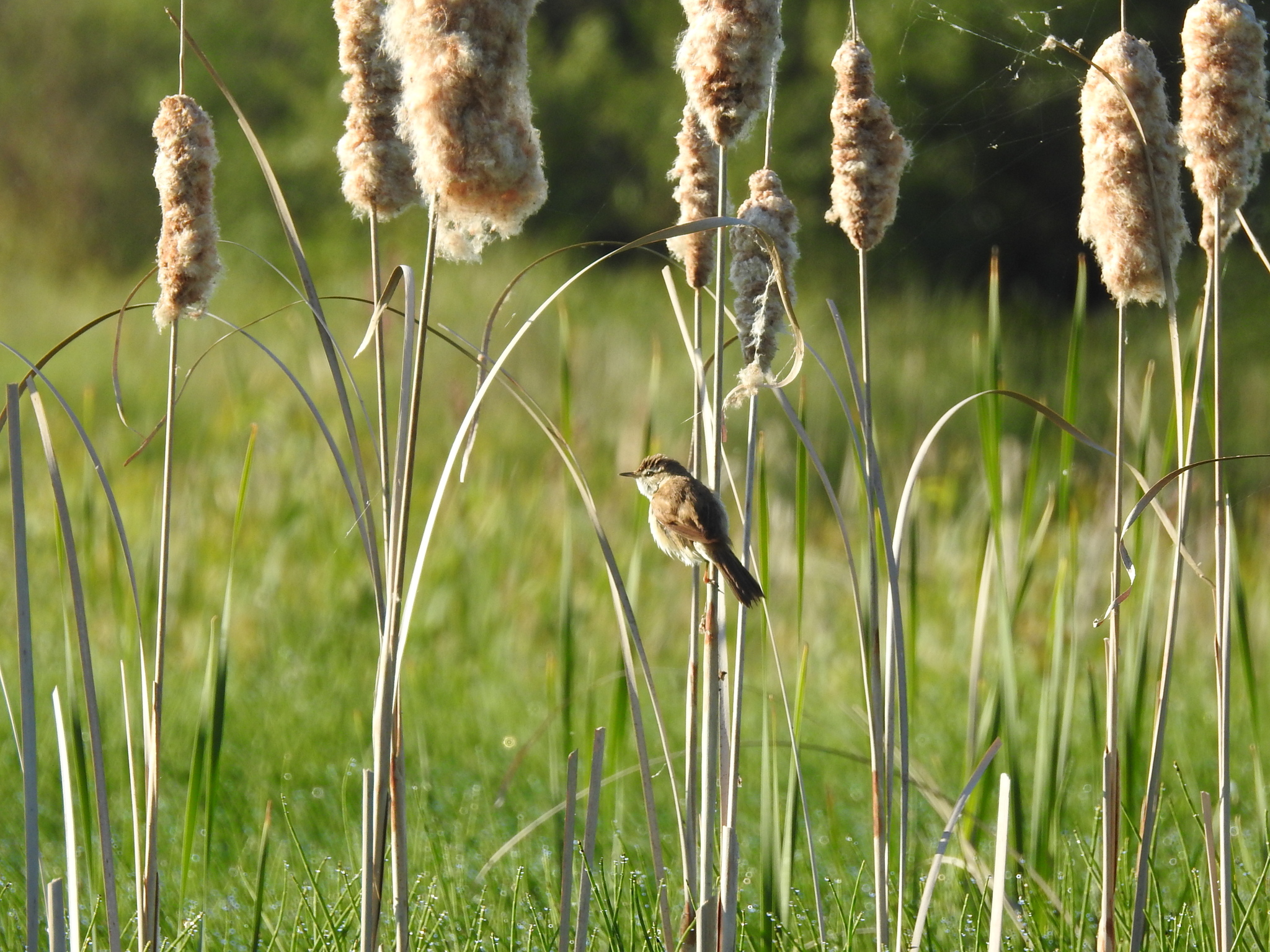
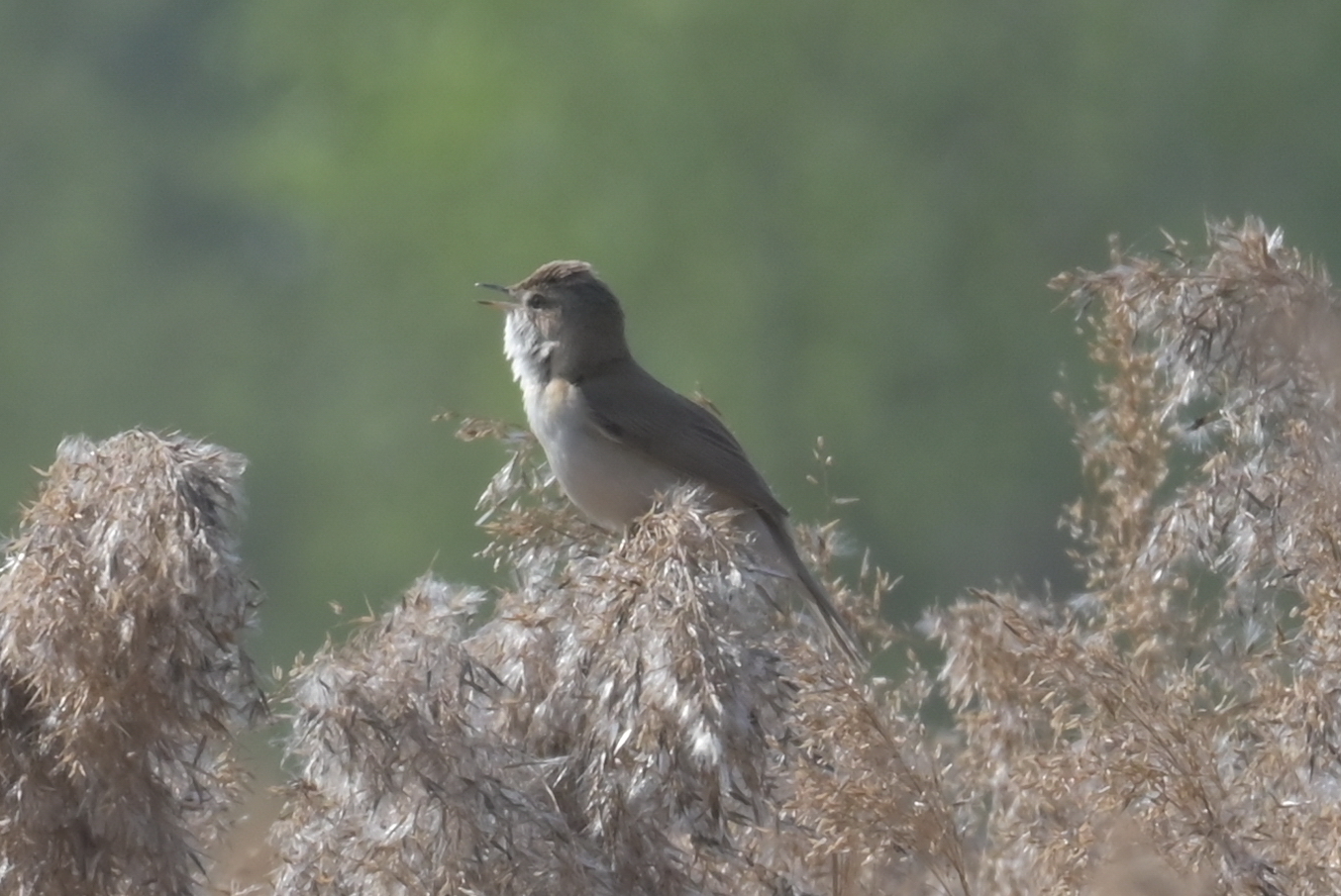
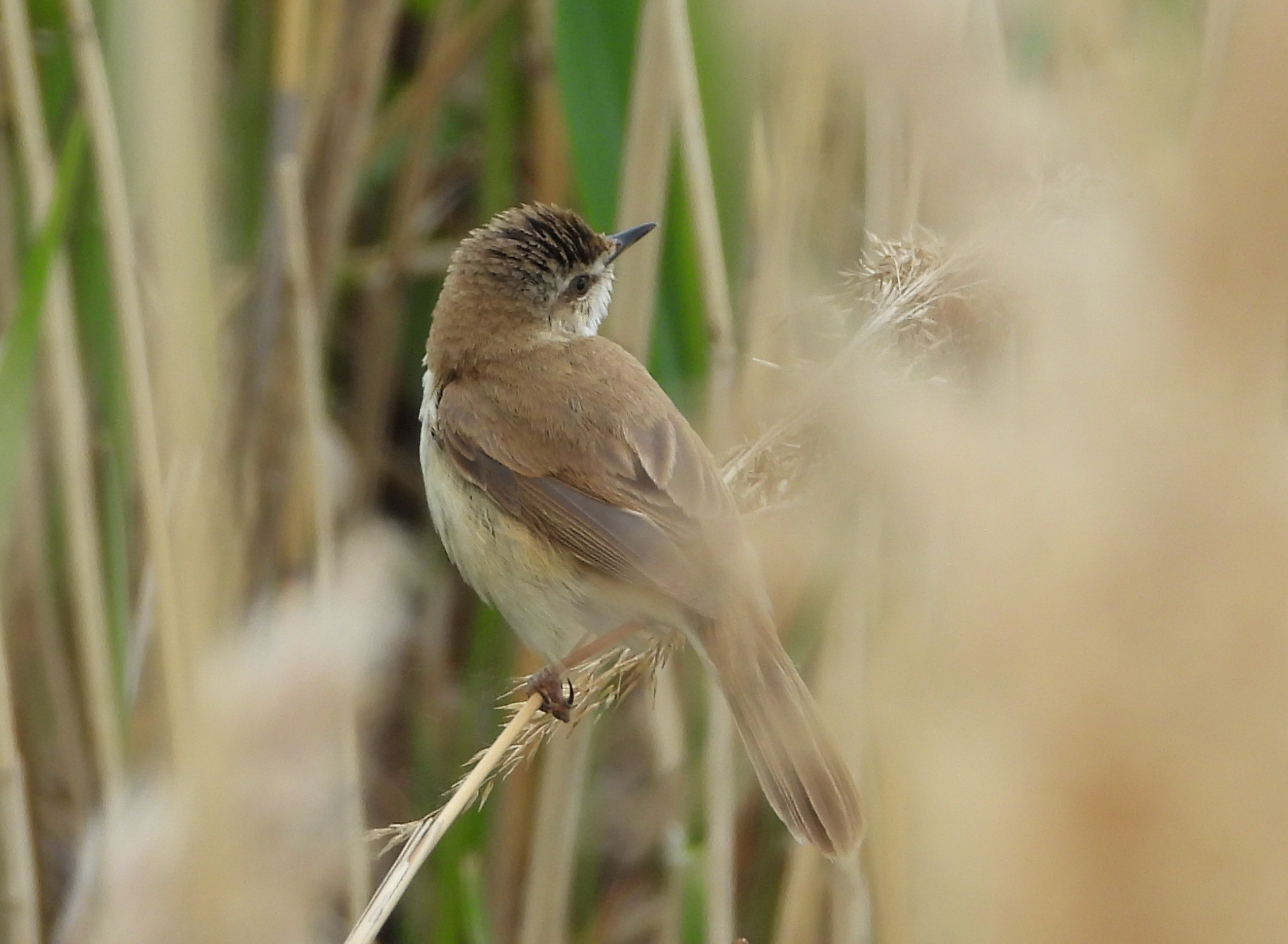
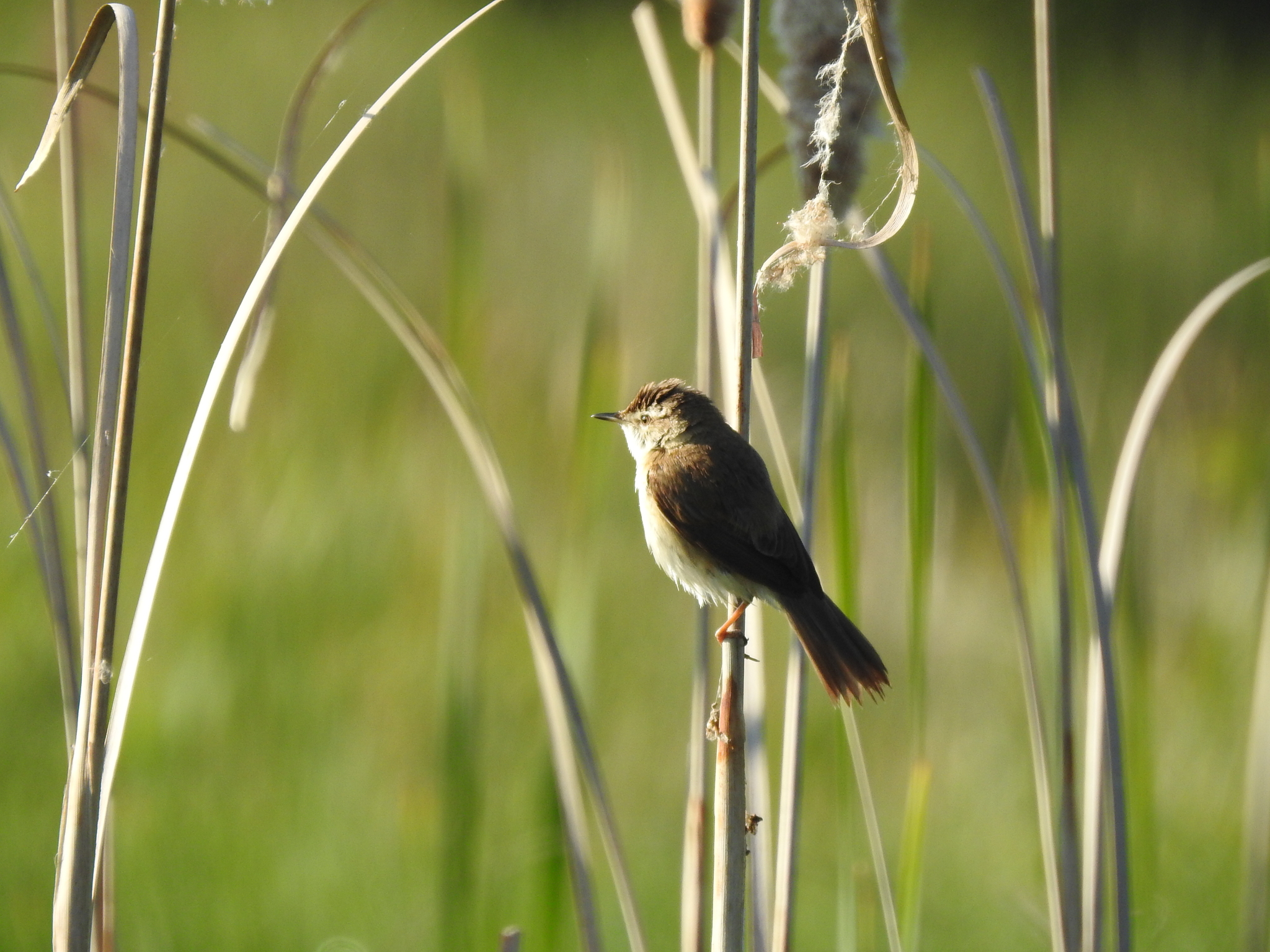
Paddyfield Warbler
Acrocephalus agricola
稻田苇莺
Introduction
The paddyfield warbler is a marsh warbler in the Acrocephalidae family. It breeds across the temperate central Palearctic region and migrates to the Indian subcontinent for winter. It inhabits tall grass and reedbeds. Small breeding populations persist along the western Black Sea coast in Bulgaria and Romania.
Description
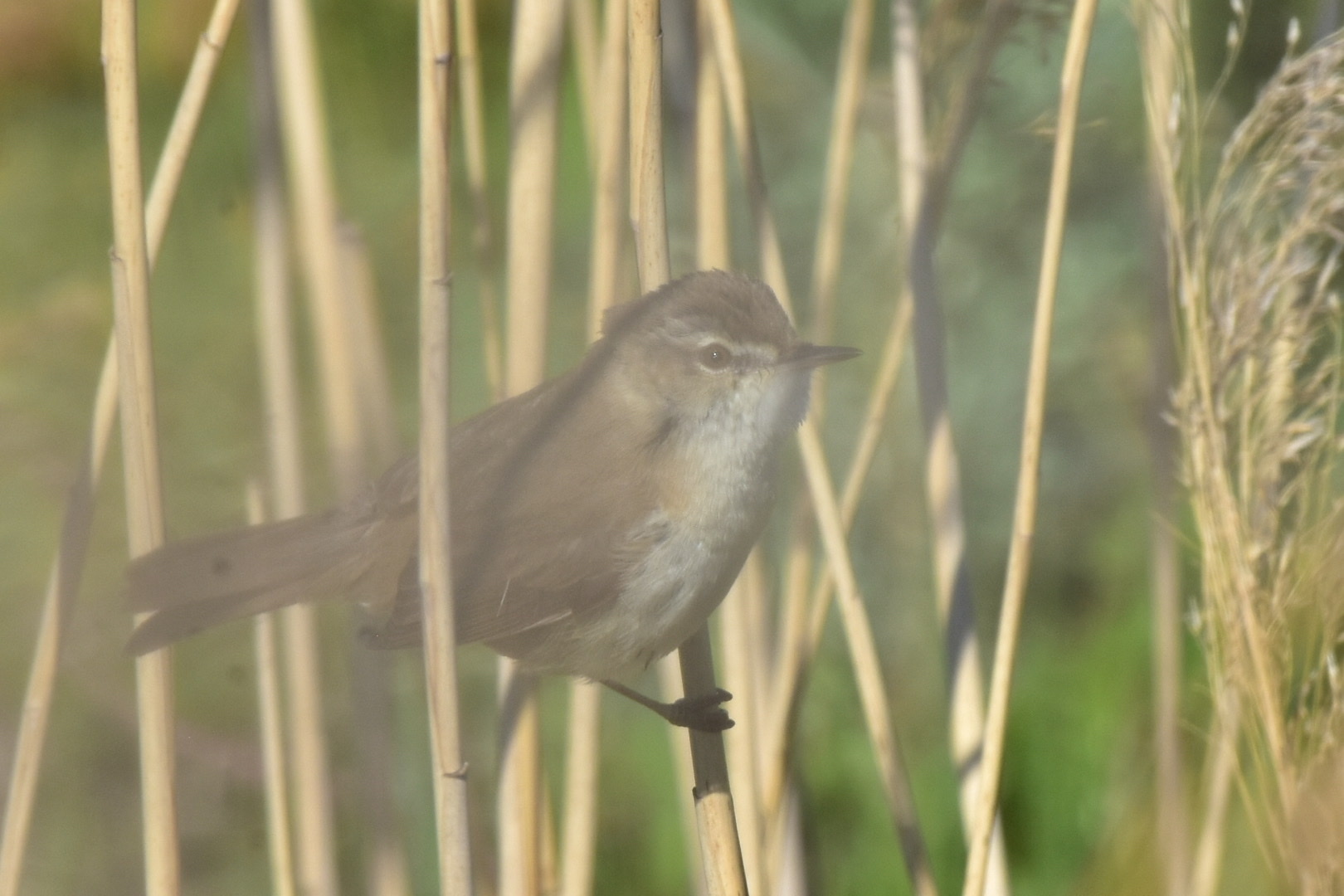
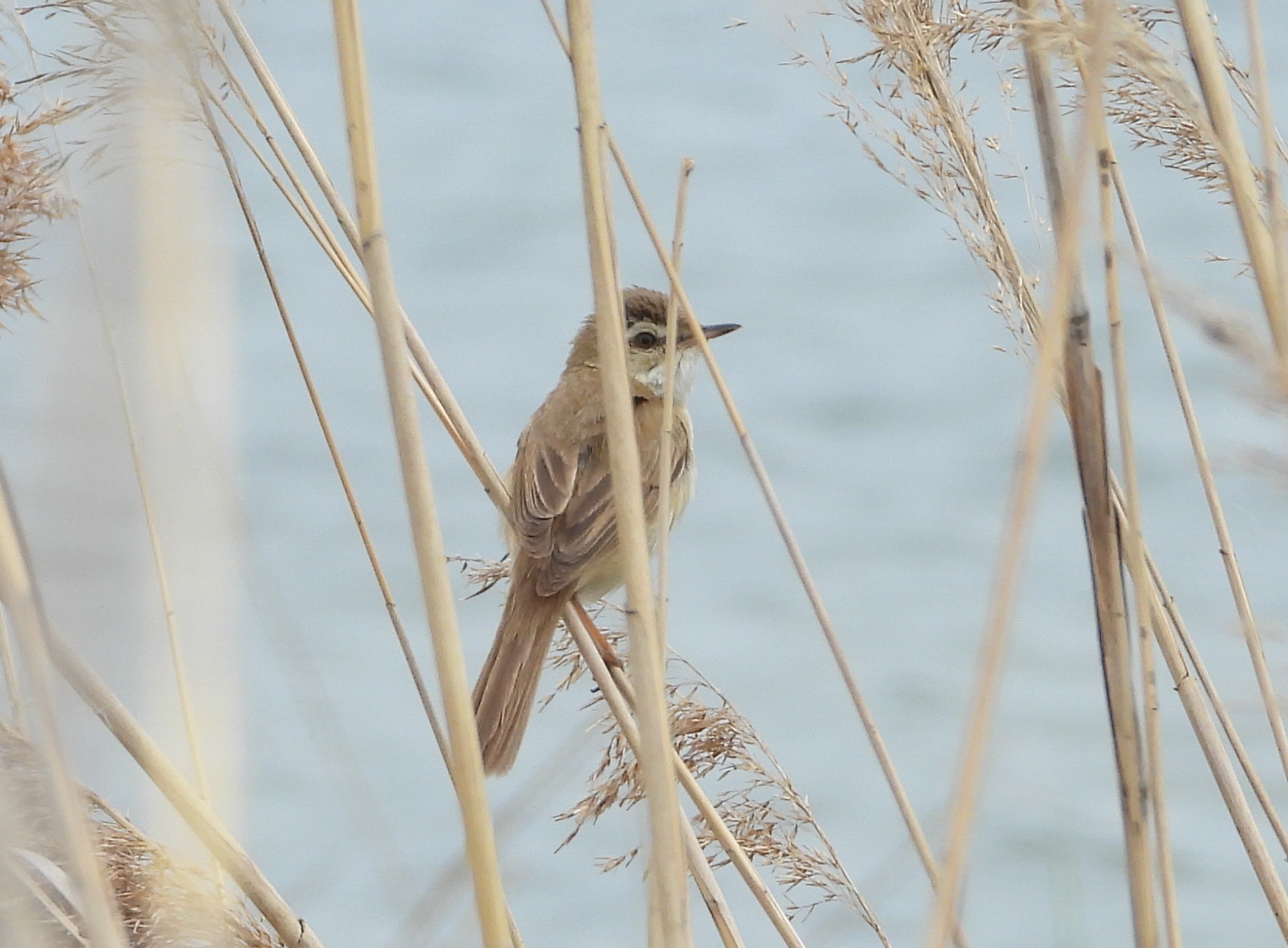
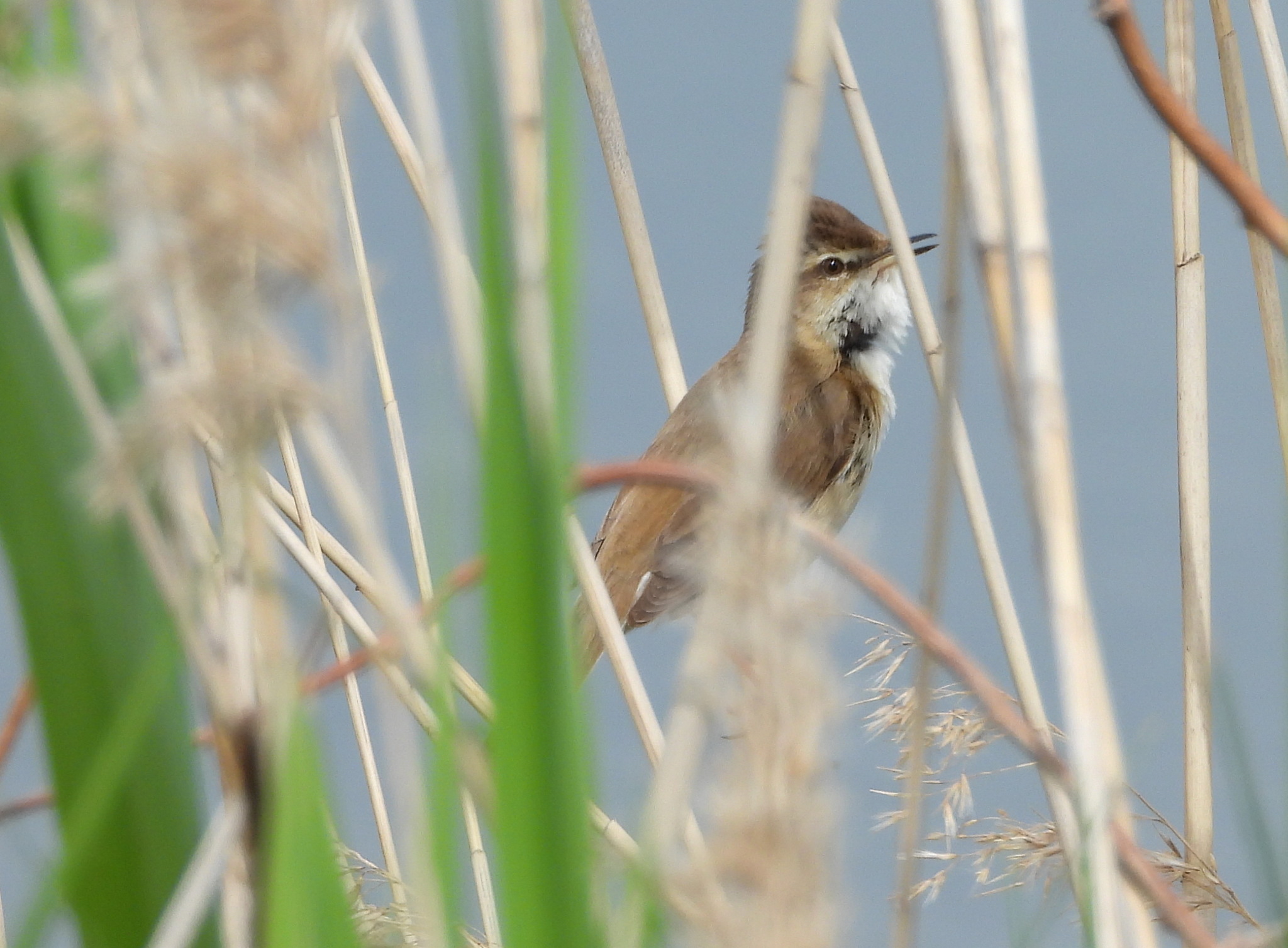
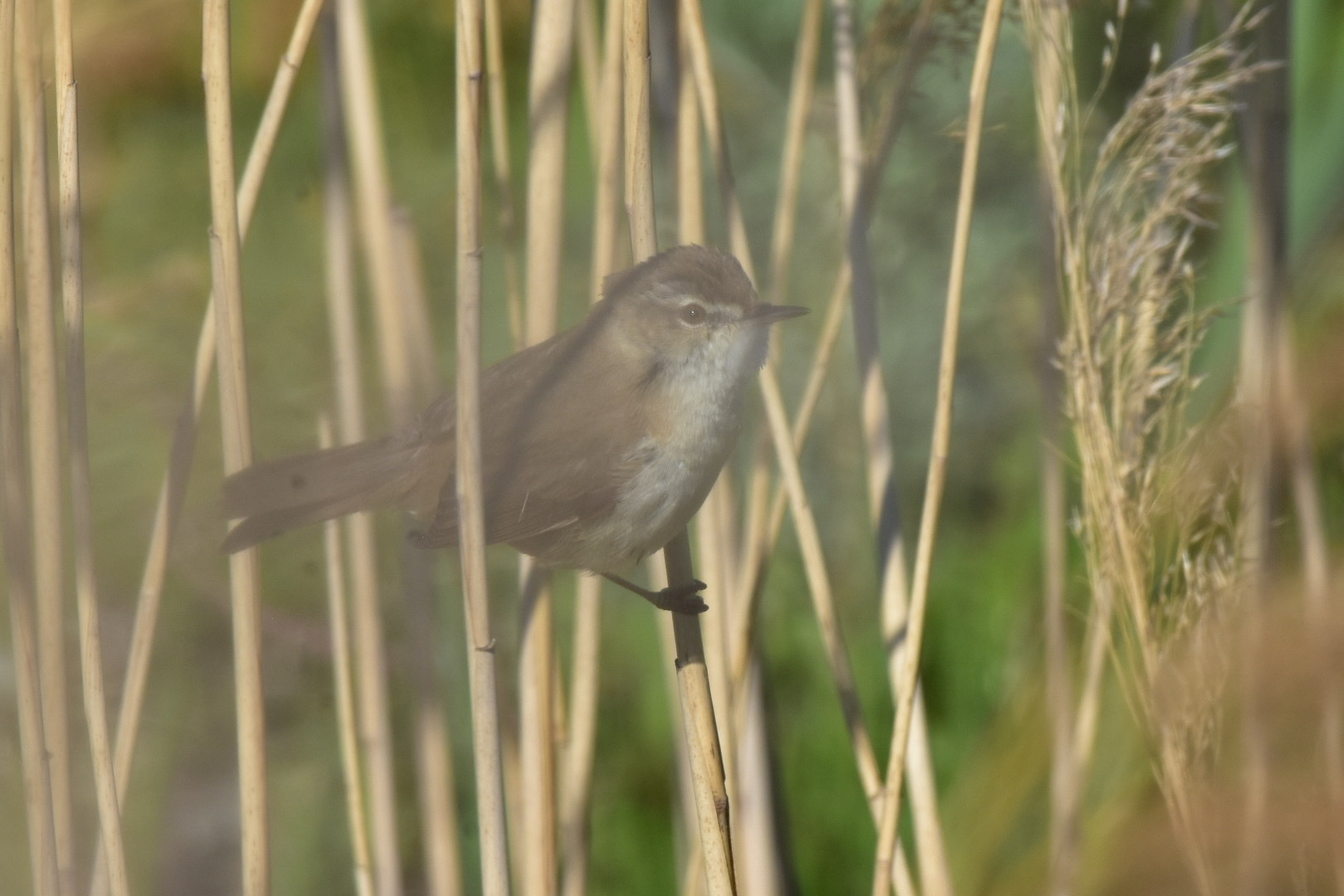
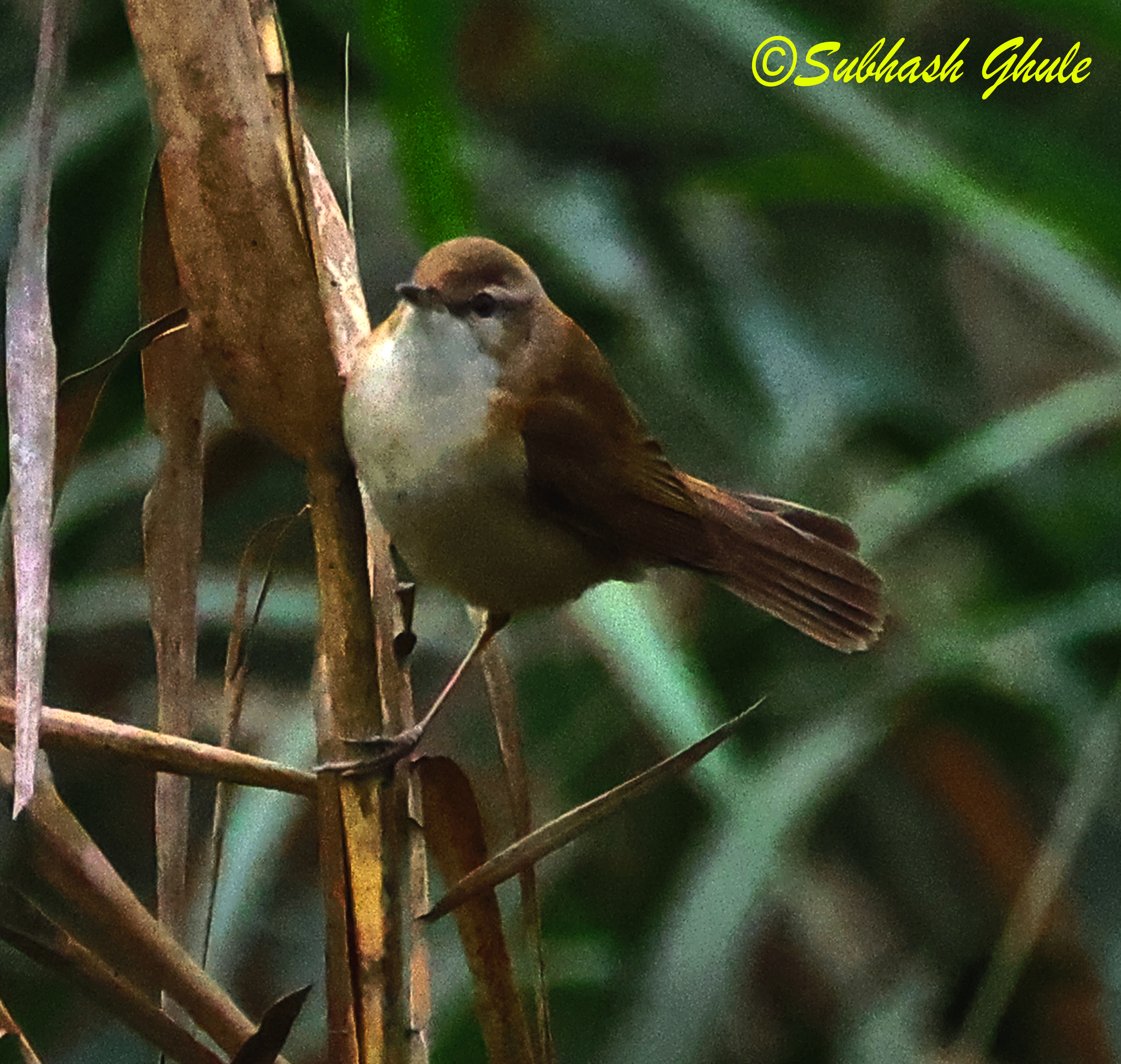
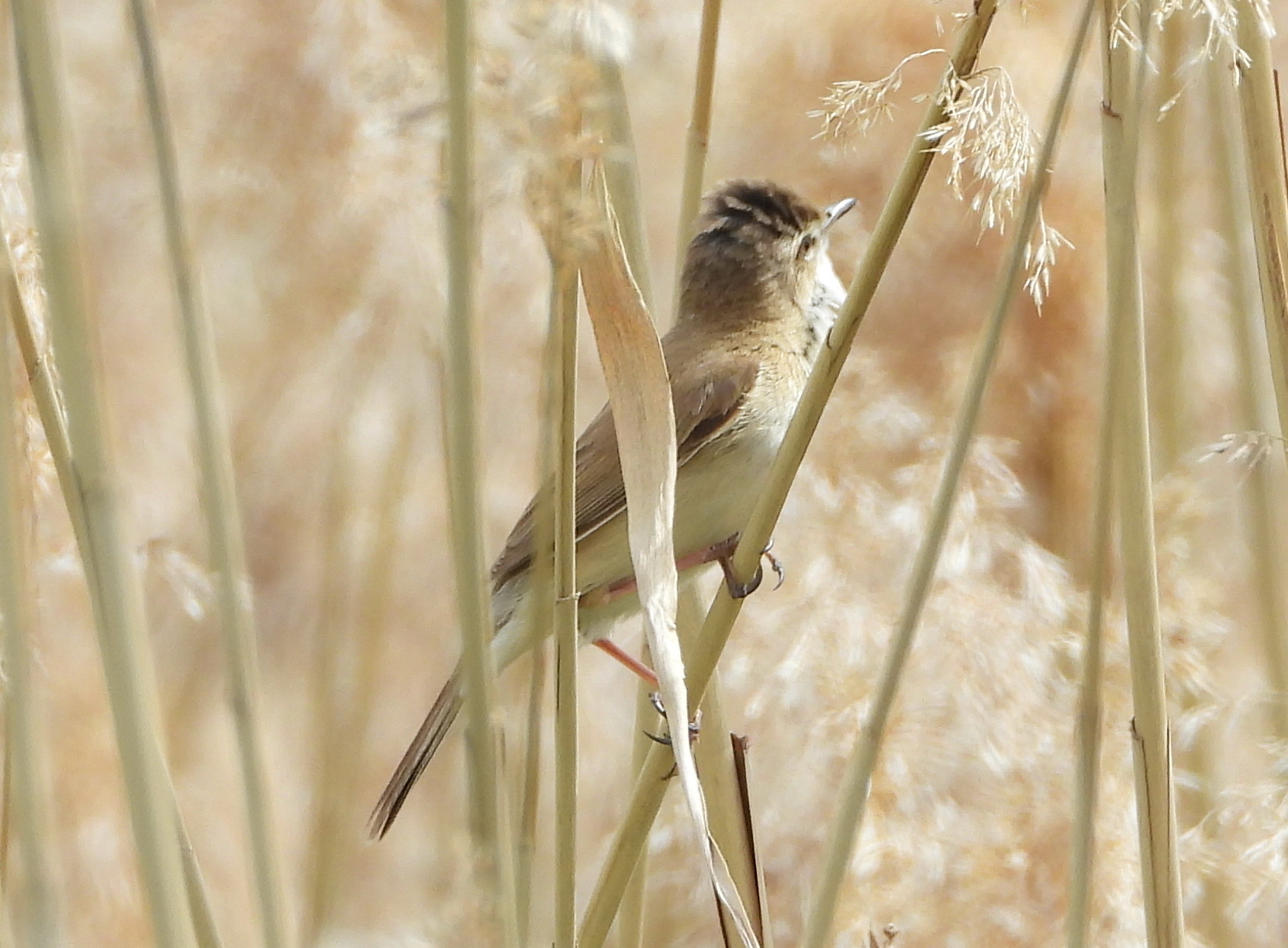
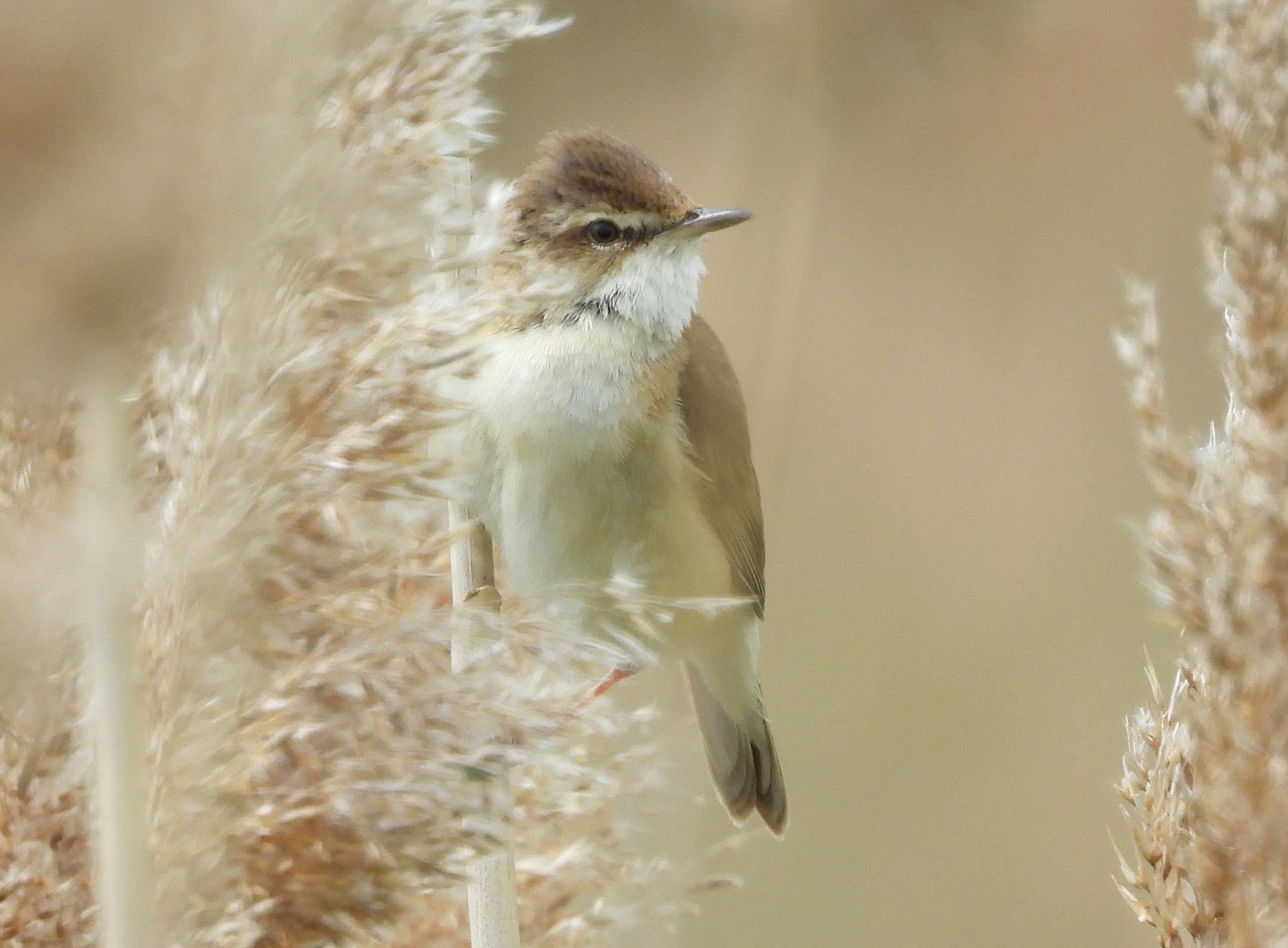
This diminutive warbler measures approximately 13 centimeters in length with a wingspan ranging from 15 to 17.5 centimeters. Compared to the similar Eurasian reed warbler, it appears slightly more compact with a notably shorter bill and wings. The adult plumage features an unstreaked pale brown upperparts contrasting with warm buff underparts and a distinctive warm brown rump. The supercilium is more pronounced and whitish than in related species, giving the bird a slightly more expressive facial appearance. The bill is short and pointed, adapted for gleaning insects from vegetation. Sexes are monomorphic, though juveniles can be distinguished by their richer, more saturated buff underparts.
Identification
The paddyfield warbler is most easily confused with the Eurasian reed warbler and marsh warbler. The most reliable distinguishing feature from the Eurasian reed warbler is its noticeably shorter bill and more compact build with reduced wingspan. From the marsh warbler, it is best separated by voice rather than plumage, as the paddyfield warbler's song is weaker and more rhythmic with less varied mimicry. The combination of unstreaked brown upperparts, buff underparts, and prominent white supercilium in low wetland vegetation should prompt careful scrutiny for this species.
Distribution & Habitat
The breeding range extends across the temperate central Palearctic, though specific distribution details are limited in this source. During the non-breeding season, this migratory species winters primarily in Bangladesh, India, and Pakistan, where it occupies similar wetland habitats. Small but established breeding populations exist along the western shores of the Black Sea in the border region between Bulgaria and Romania. Vagrant individuals occasionally appear in Western Europe, where they are always noteworthy discoveries for local birders.
Behavior & Ecology
As an insectivore, this warbler forages actively in dense low vegetation, gleaning various invertebrates from grass stems, reed leaves, and rice plants. The breeding season sees the construction of a cup-shaped nest woven into tall grass, where the female lays a clutch of four to five eggs. The song, delivered from concealed perches within its grassland habitat, is characteristically fast and includes considerable mimicry of other bird species along with the typical whistled notes characteristic of the Acrocephalus genus. However, compared to its close relative the marsh warbler, the paddyfield warbler's song is weaker in delivery and possesses a more regular, rhythmic quality.
Conservation
No conservation status information was provided in the source article.
Source: Wikipedia · CC BY-SA 3.0
Taxonomy
- Order
- Passeriformes
- Family
- Acrocephalidae
- Genus
- Acrocephalus
- eBird Code
- padwar1
Distribution
breeds central Eurasia; winters in southern Asia
Vocalizations
Data Sources
Species description from Wikipedia, licensed under CC BY-SA 3.0.
Bird images and sounds sourced from GBIF, contributed by citizen scientists worldwide under Creative Commons licenses.
Taxonomy data from AviList 2025.