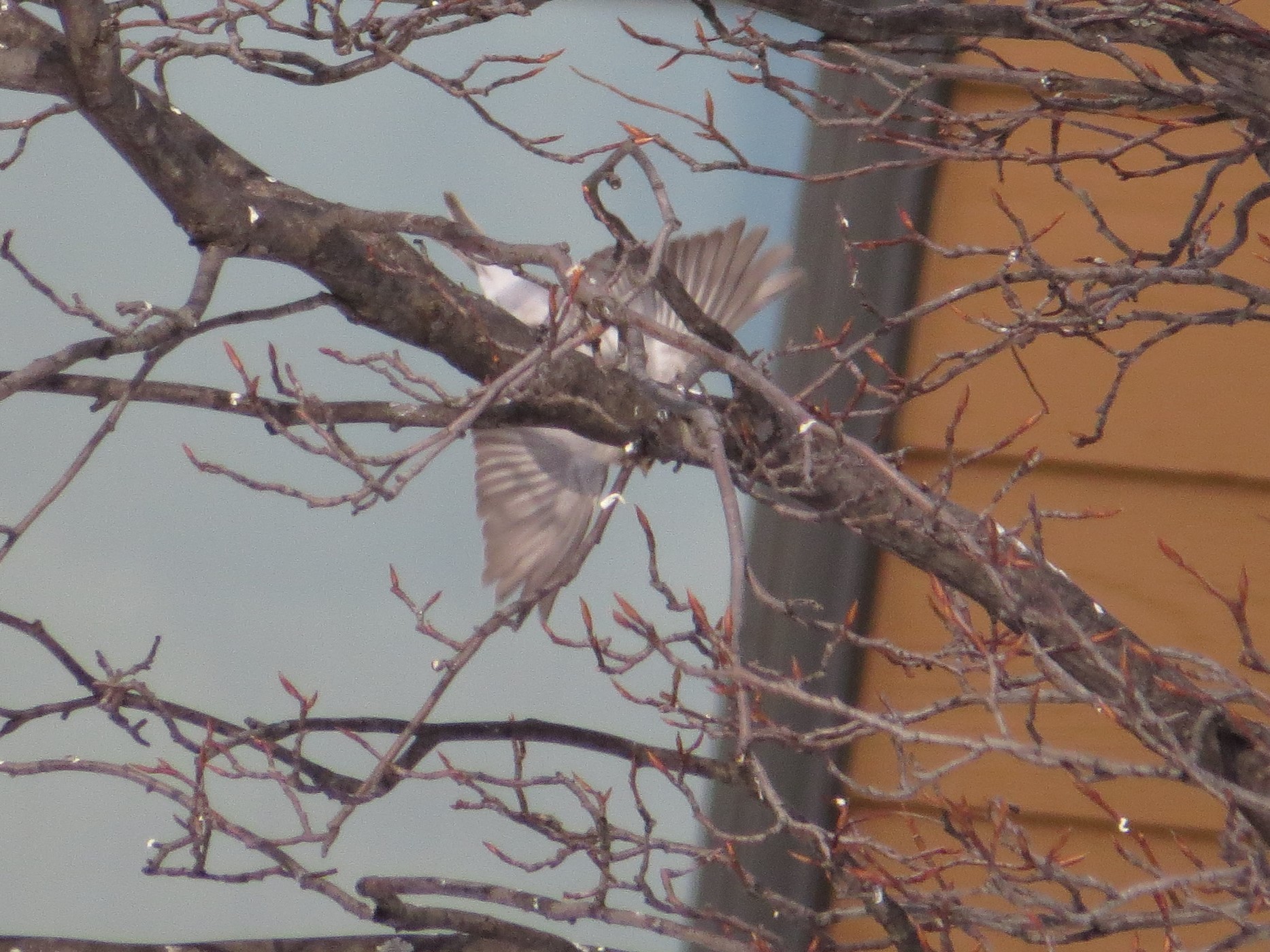
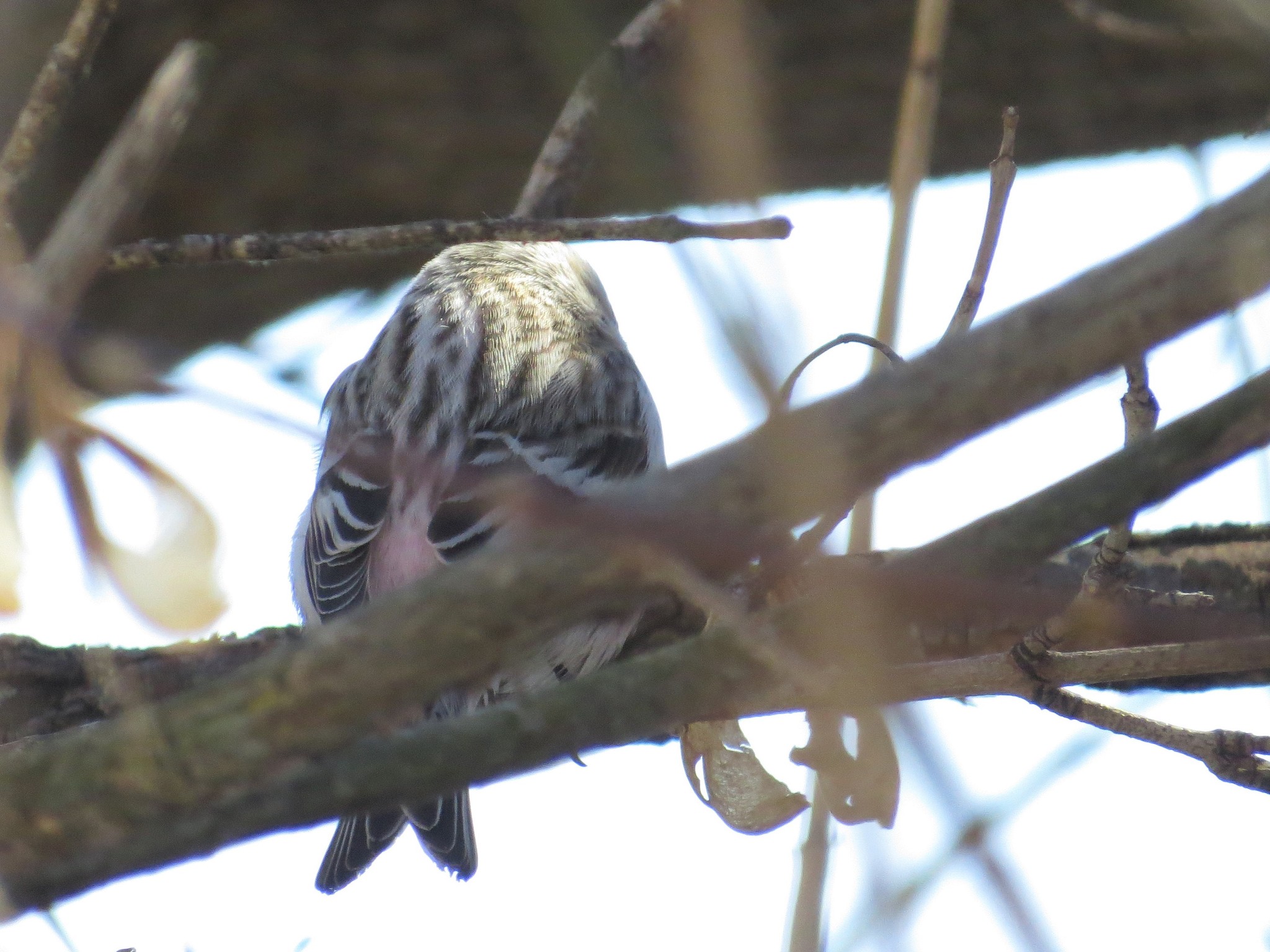
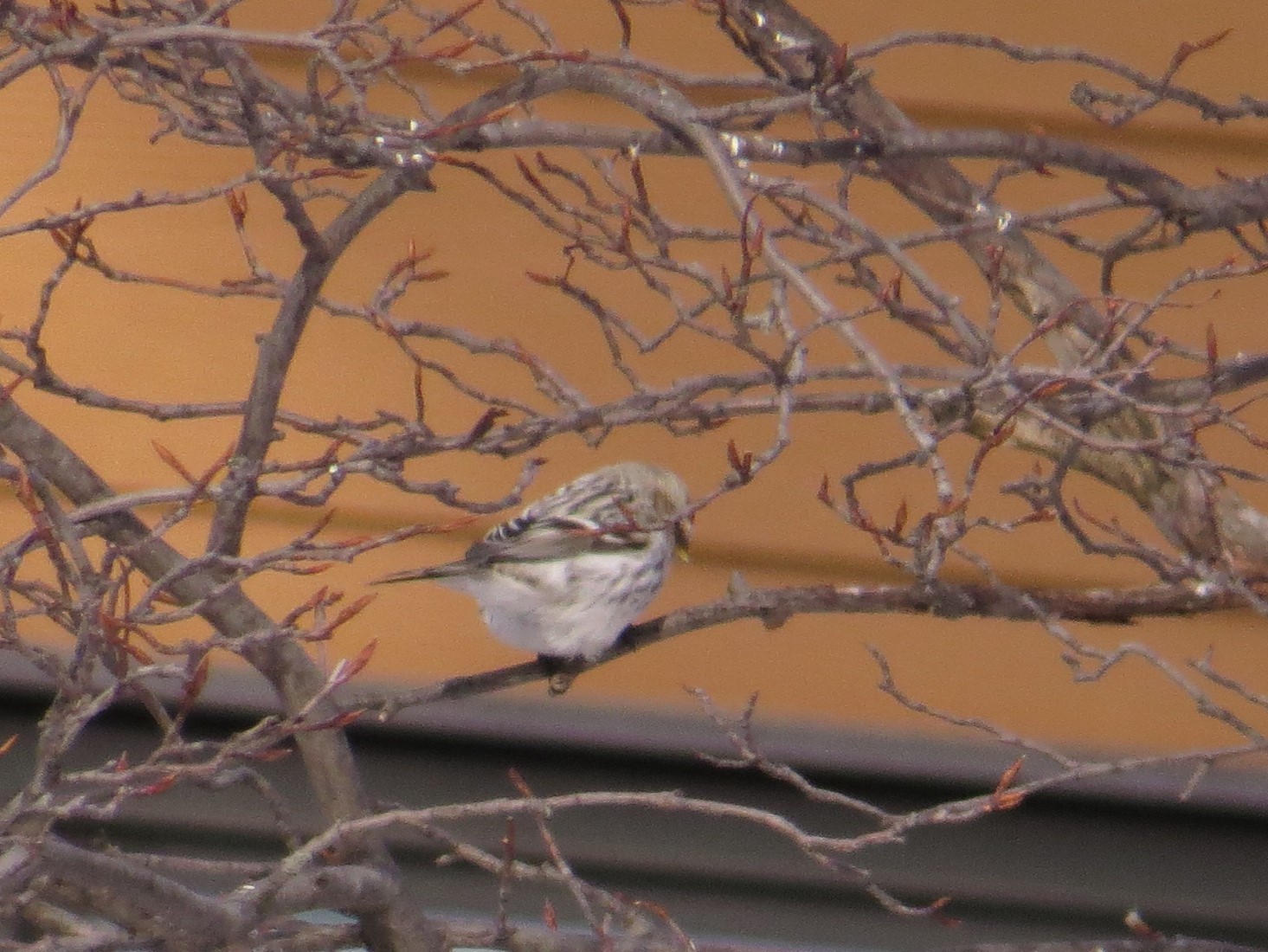
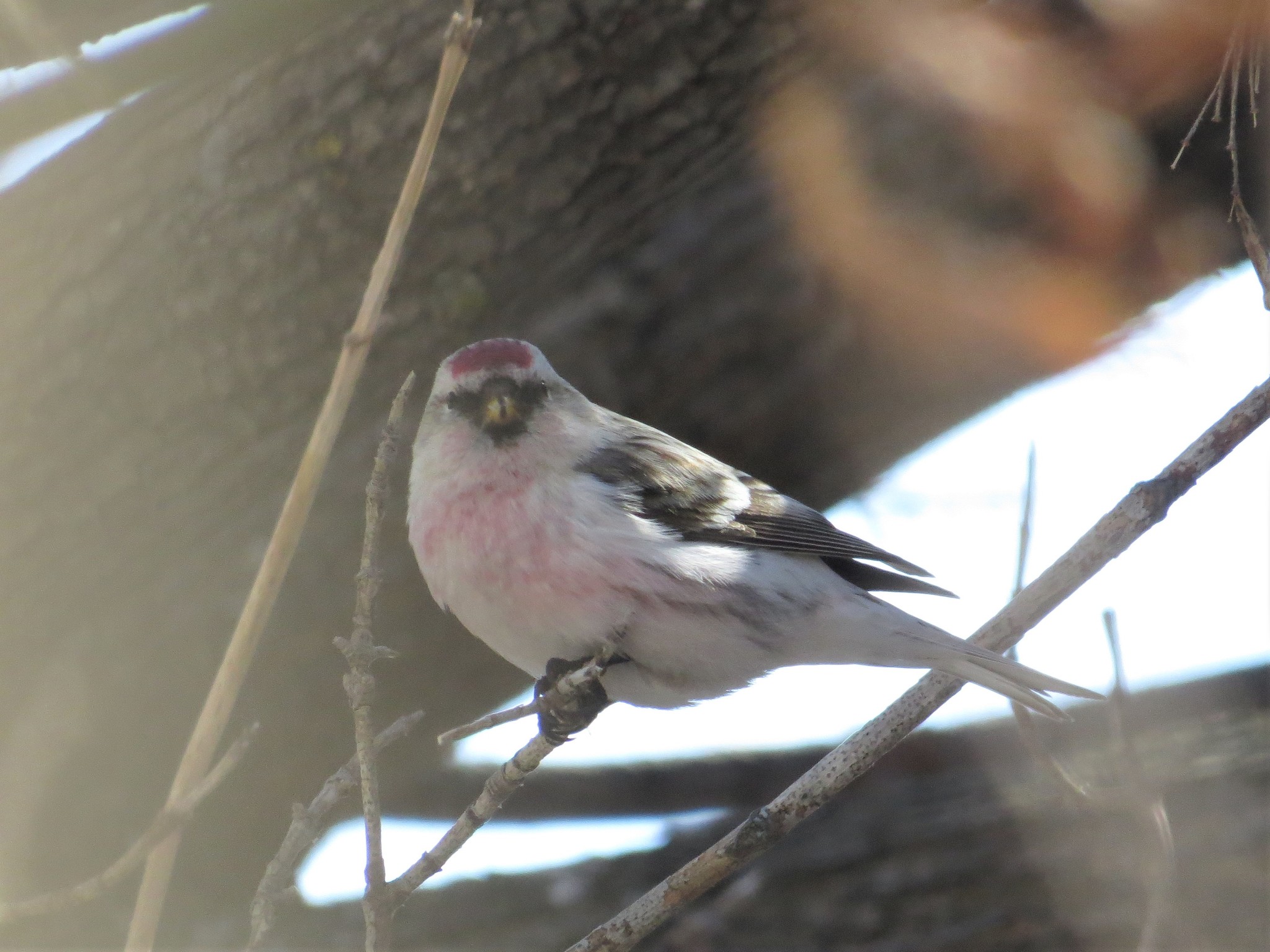
Redpoll
Acanthis flammea
白腰朱顶雀
Introduction
A small passerine bird in the finch family, the sole species in its genus. Breeds in Arctic and north temperate Holarctic tundra and taiga. Five subspecies occur across north Europe, Siberia, Alaska, Canada, Greenland, and Iceland. A subspecies introduced to New Zealand between 1862 and 1875 now occupies both main islands and outlying islands. Partial migrant, moving south in late autumn and returning north March to April. Inhabits boreal forests of pines, spruces, and larches. Diet consists primarily of seeds, especially birch and alder seeds in winter.
Description
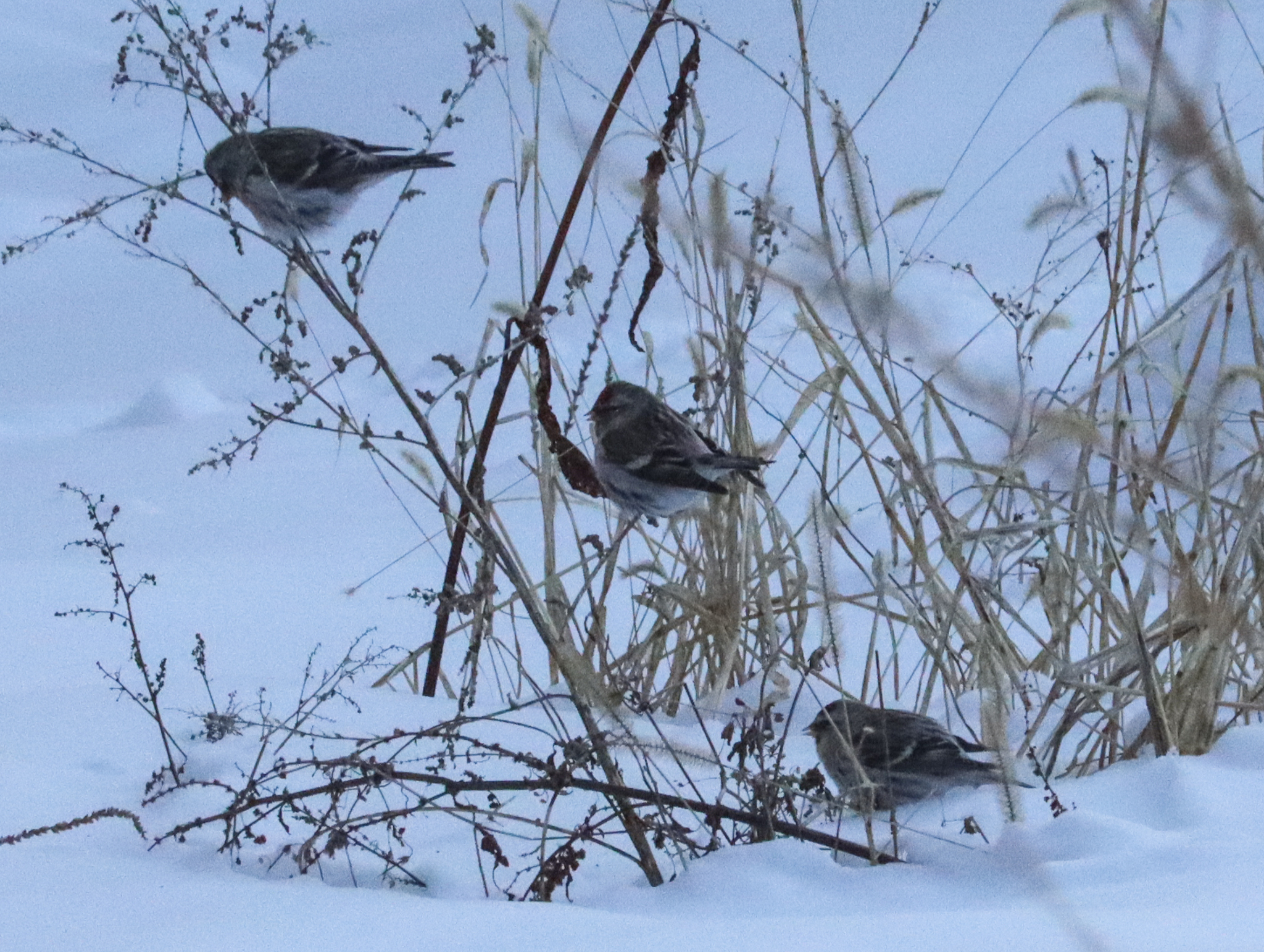
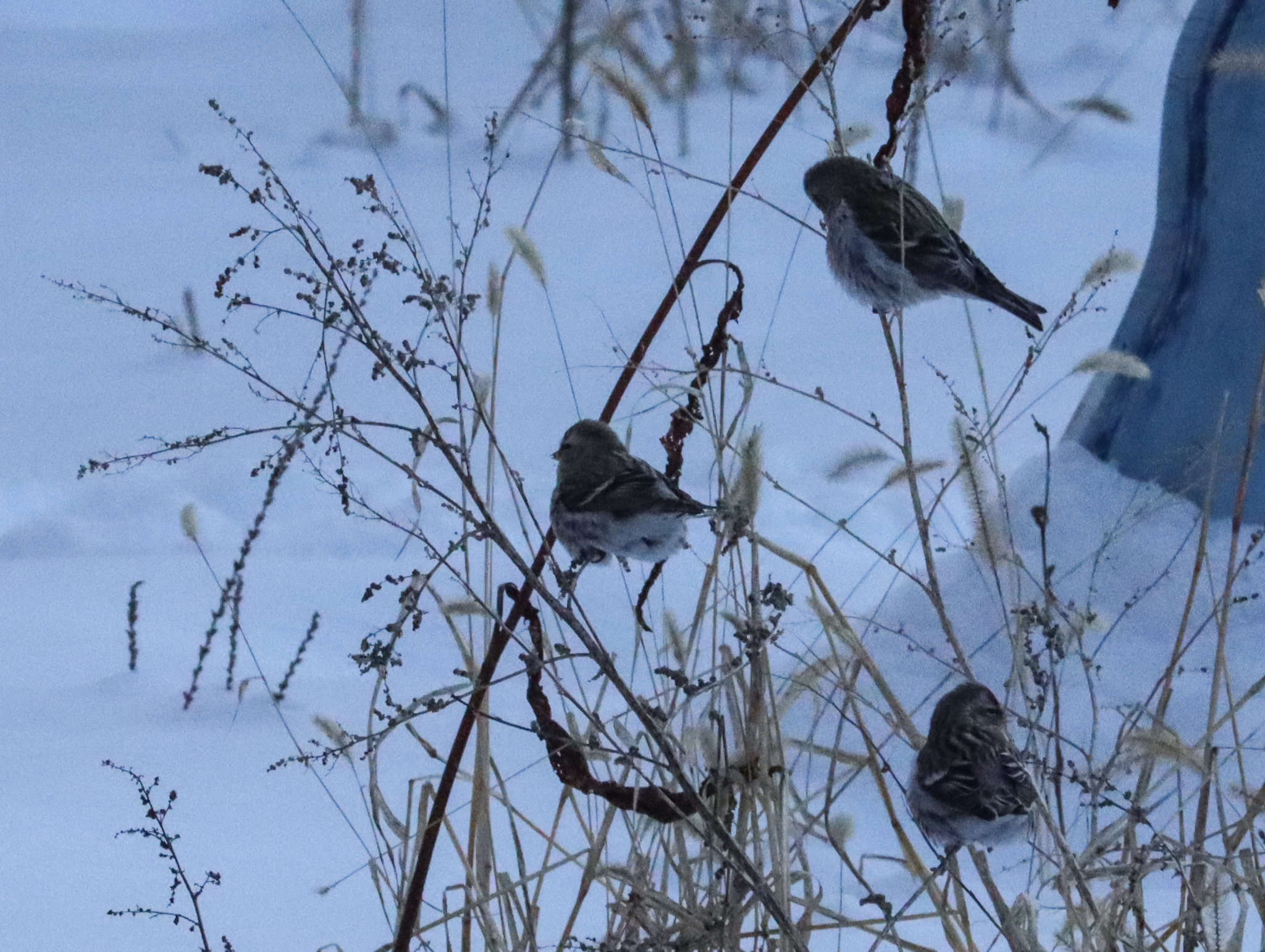
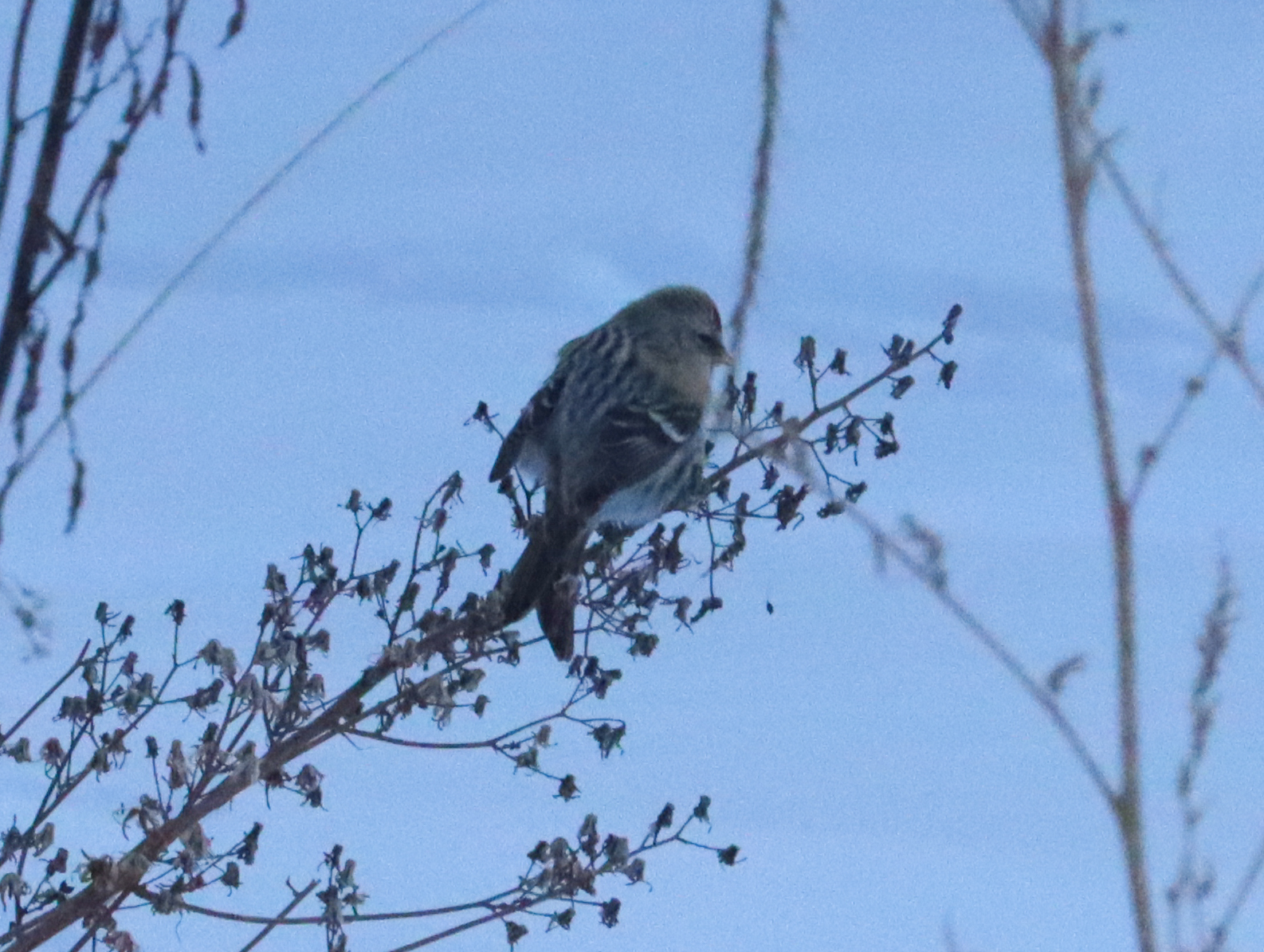
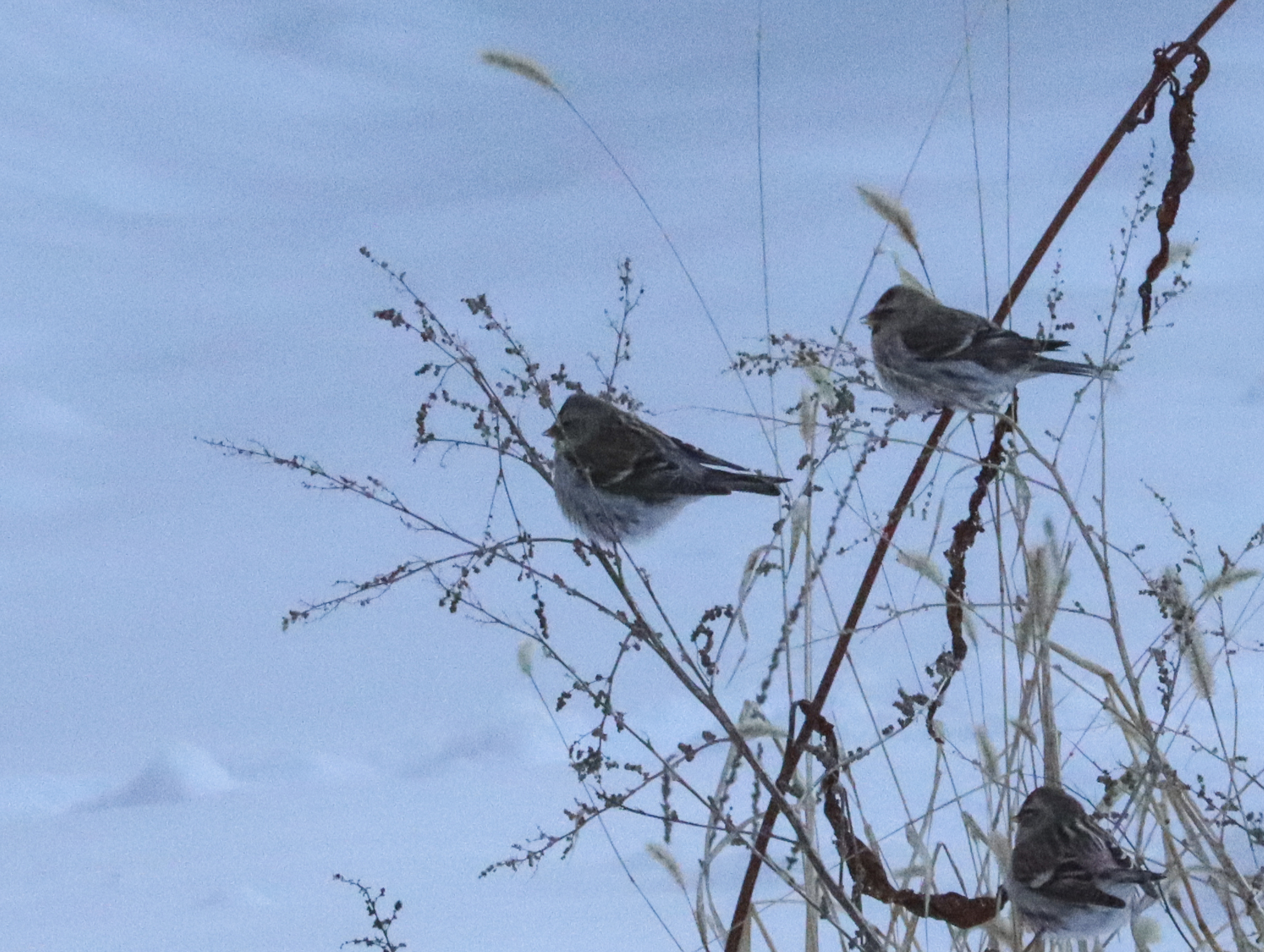
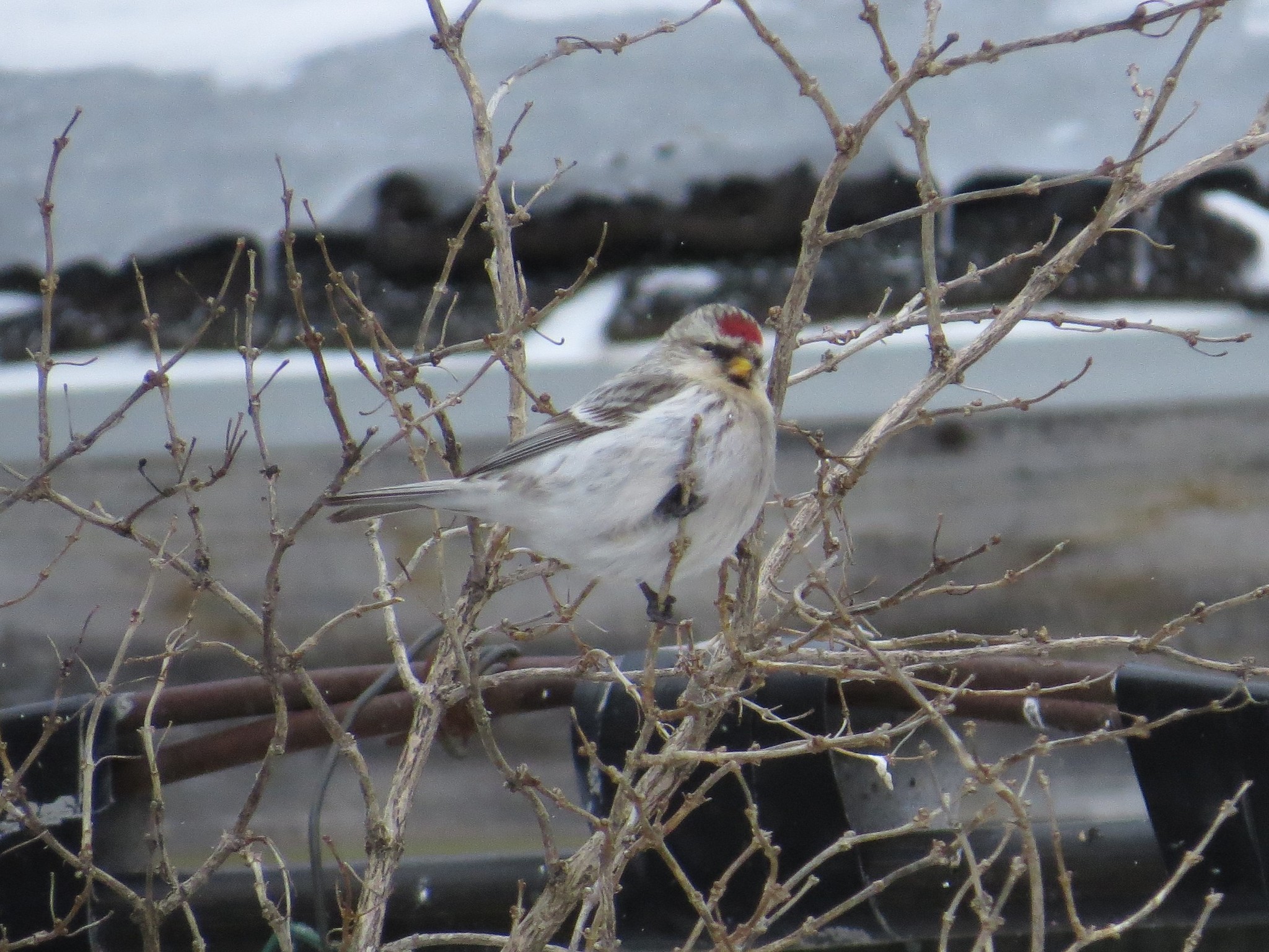
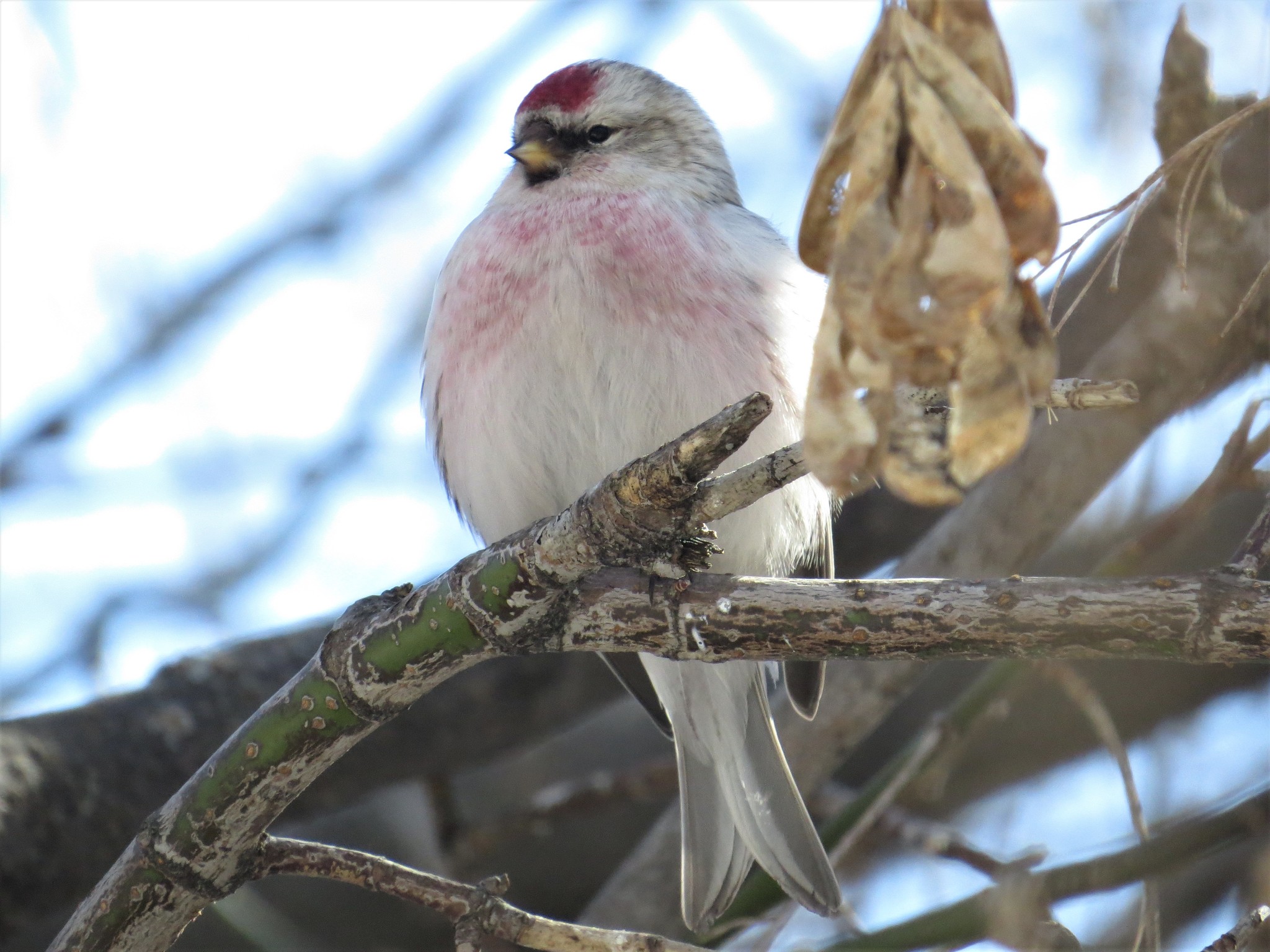
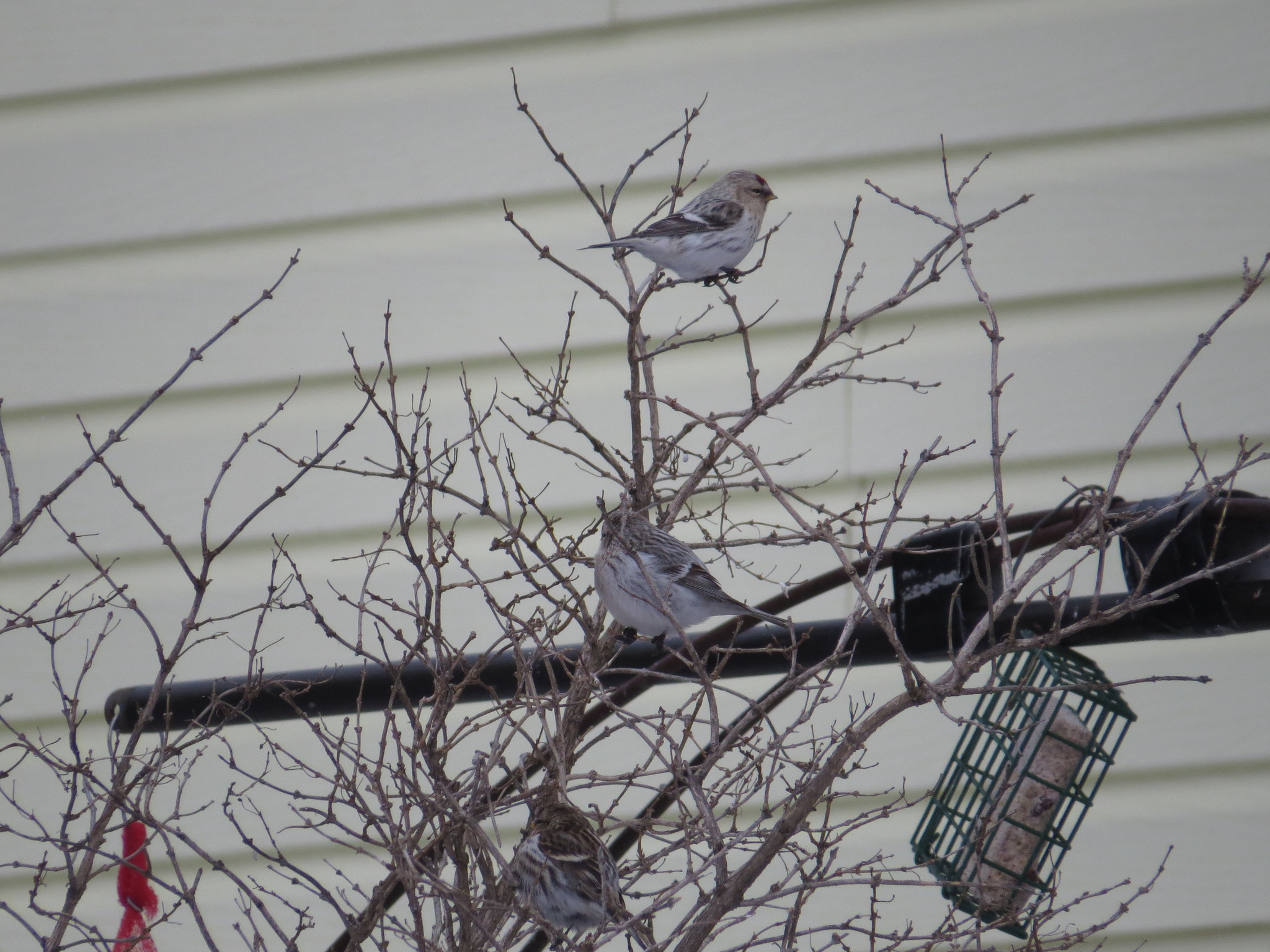
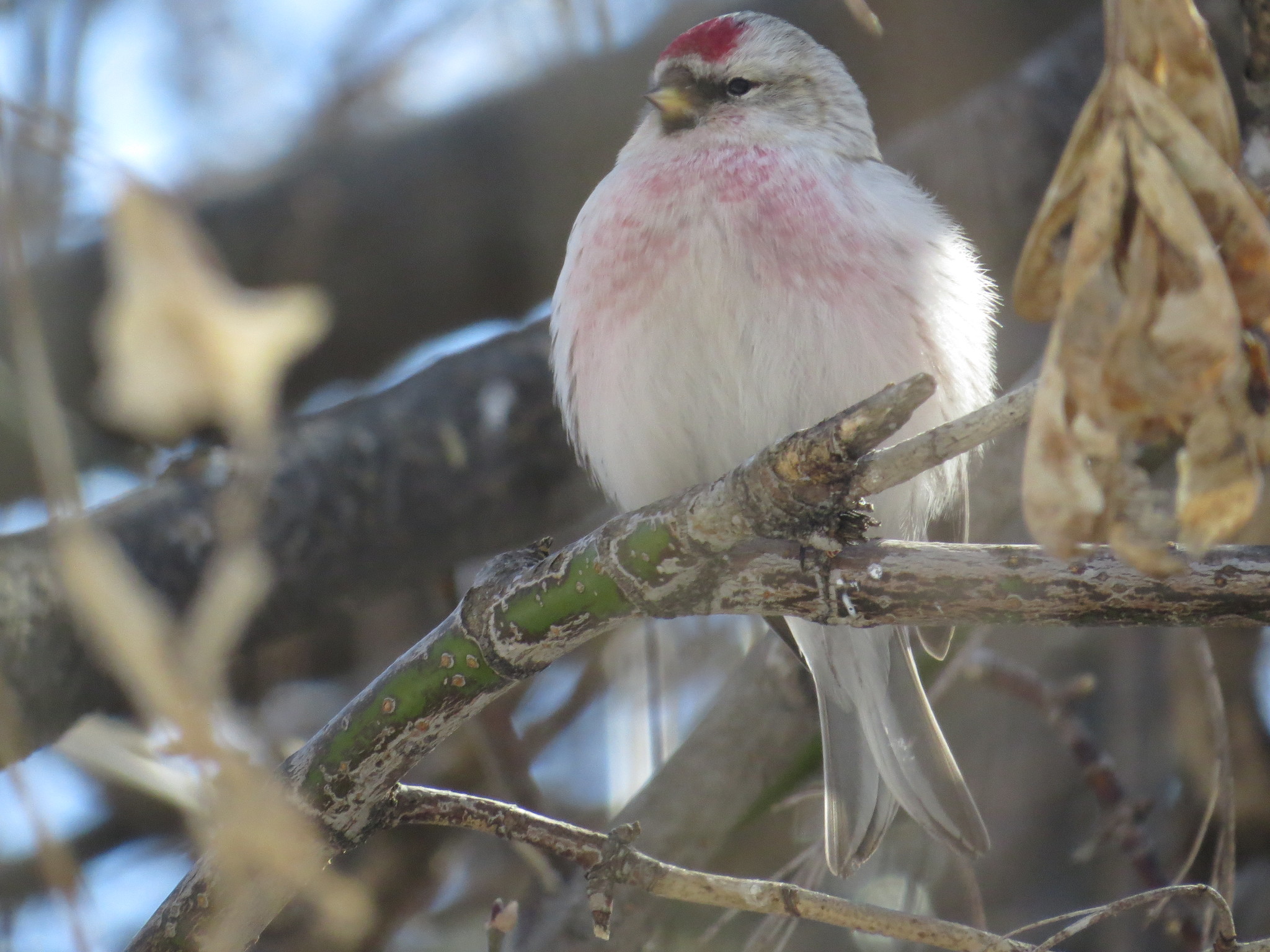
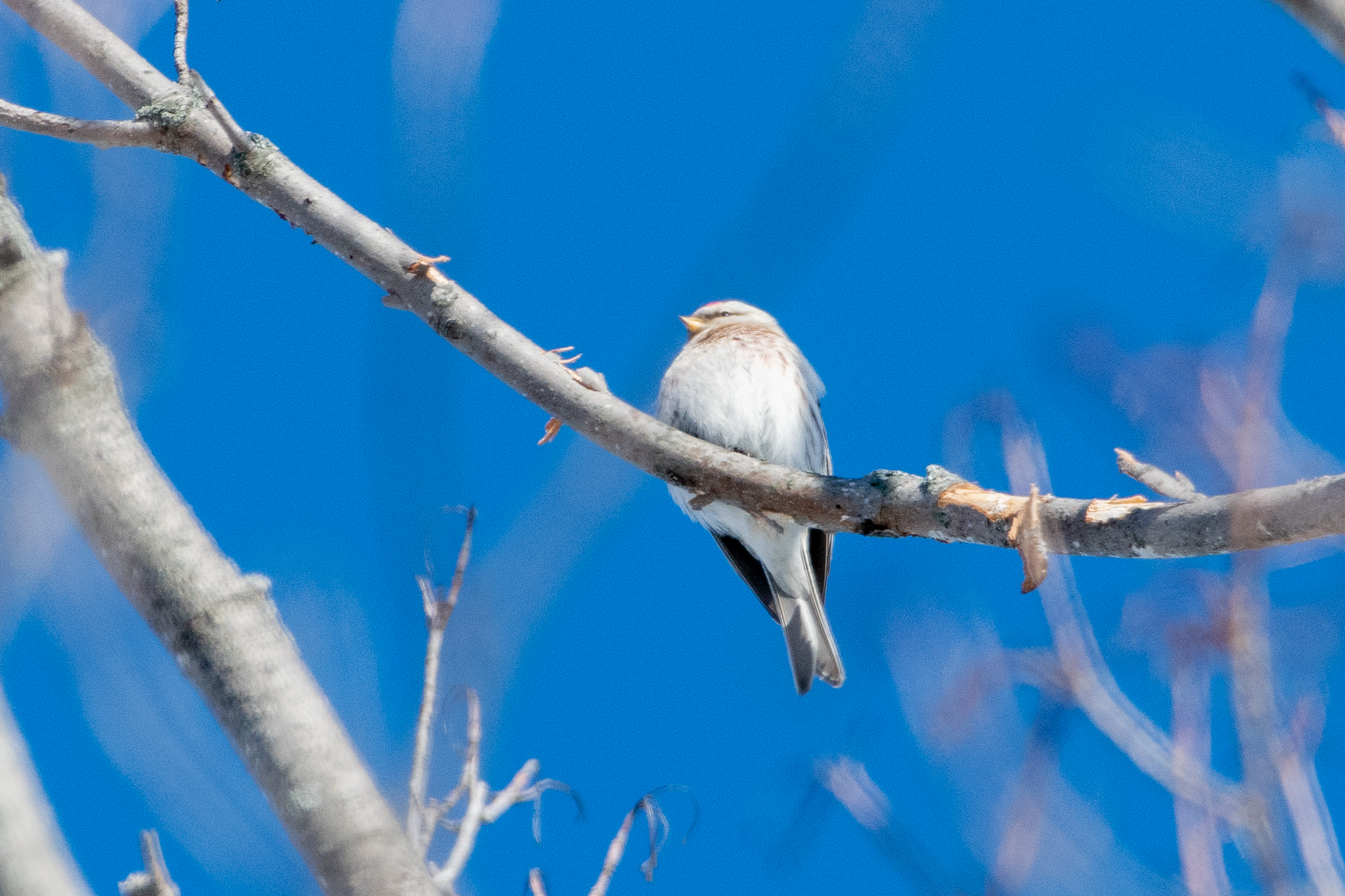
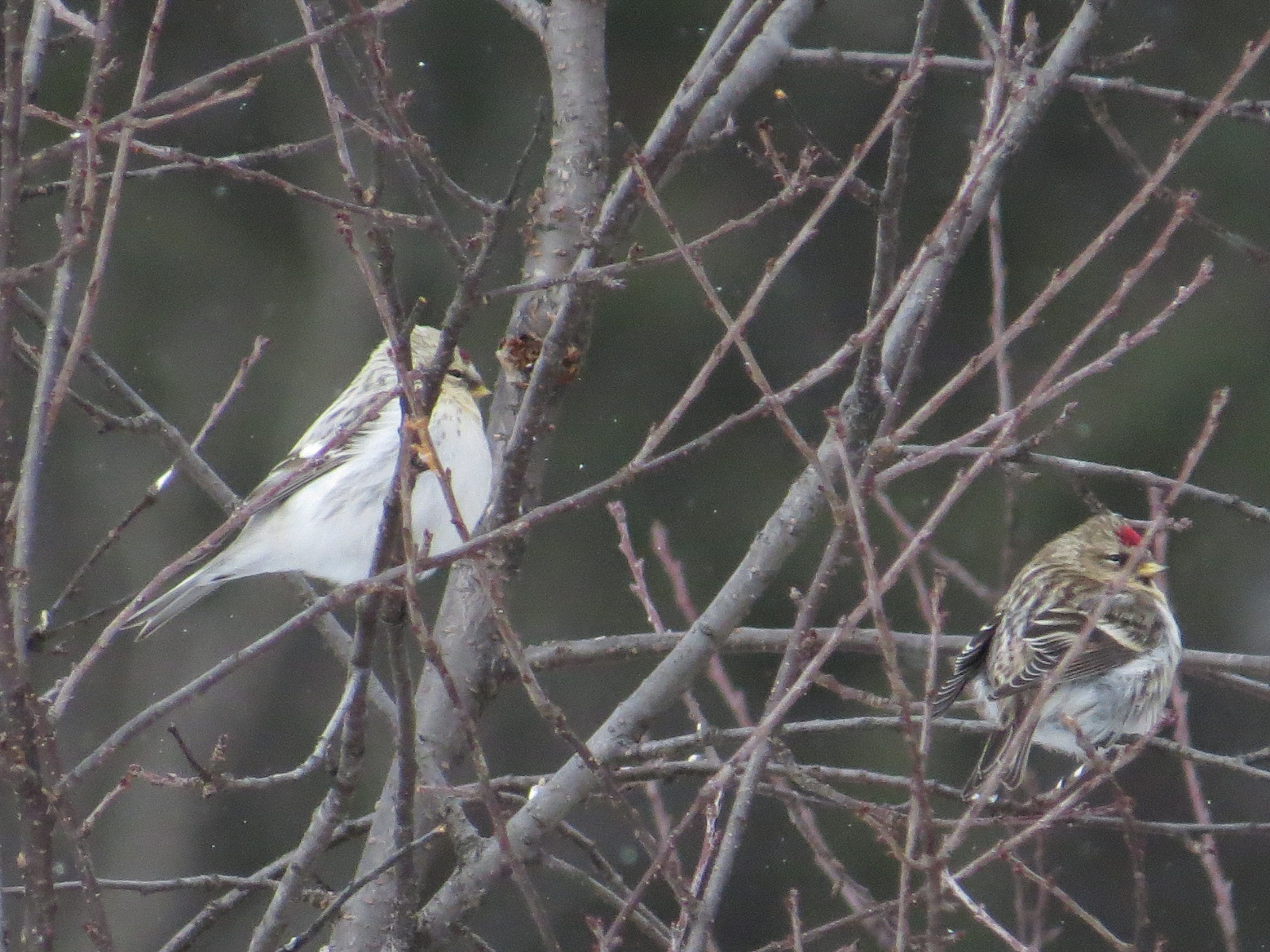
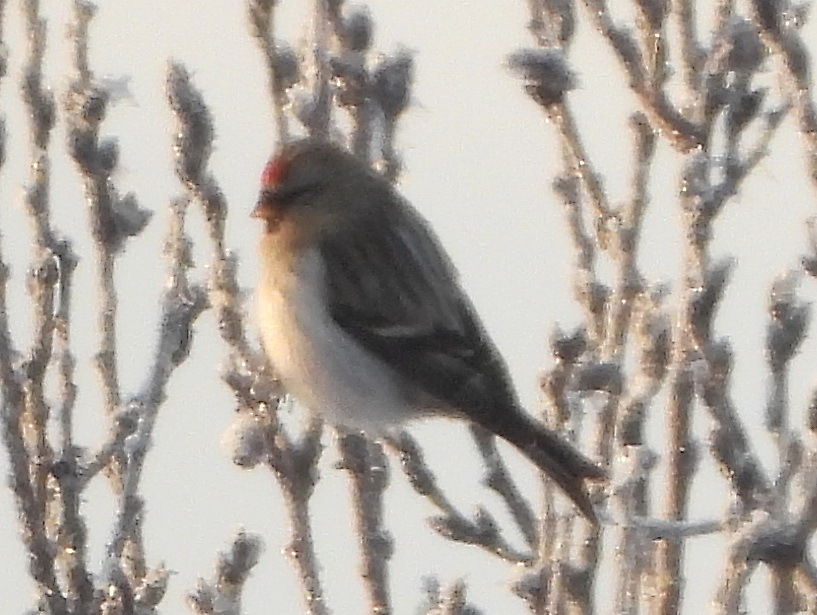
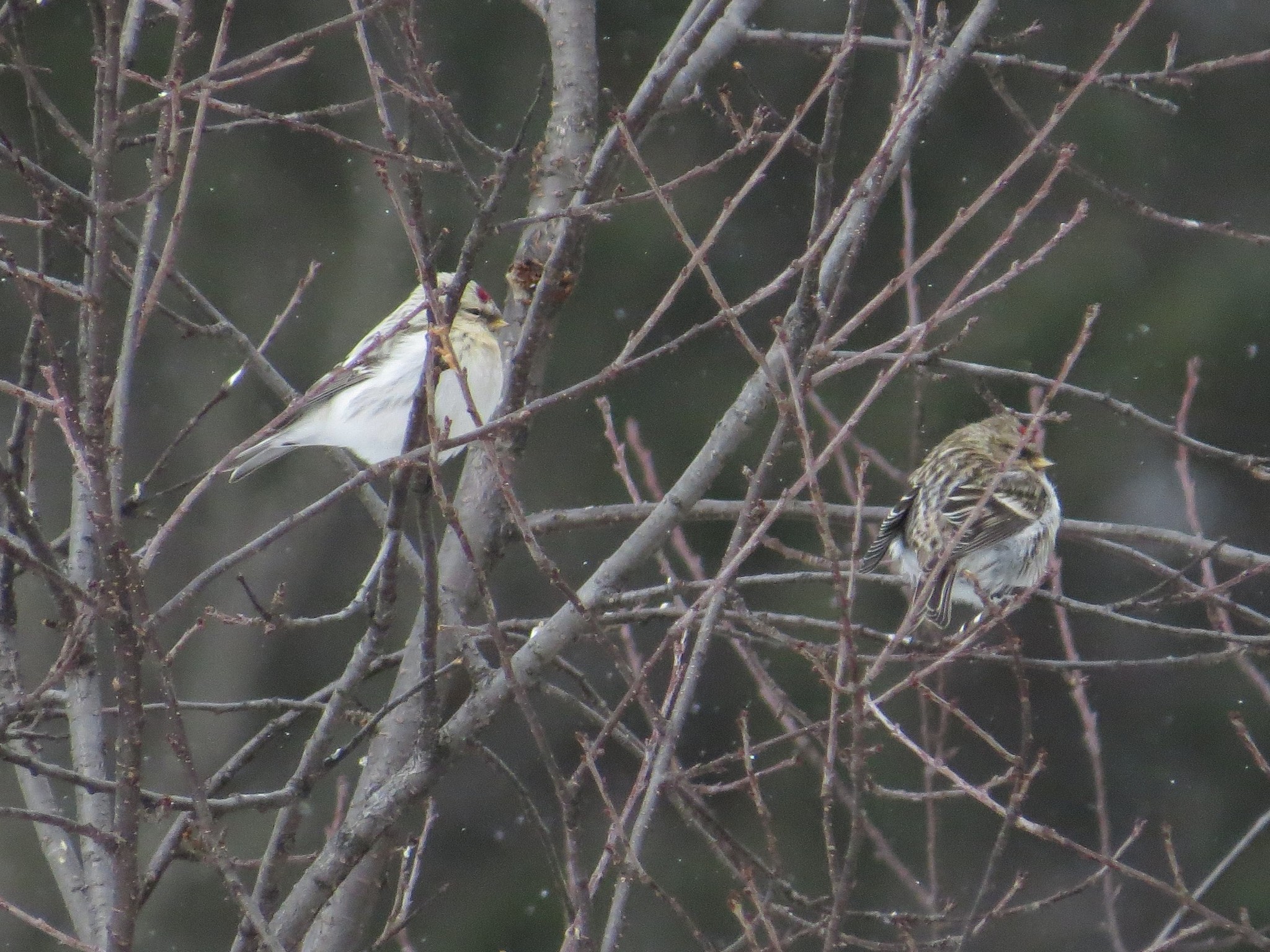
A small brownish-grey finch with dark streaks and a bright red patch on the forehead. It features a black bib and two pale stripes on the wings. Males often have breasts suffused with red. Adults measure between 11.5 and 14 centimetres in length and weigh between 12 and 16 grams. The wingspan ranges from 19 to 22 cm. The rump is streaked, and there is a broad dark brown streak across the vent. It has brown legs, a dark-tipped yellowish bill, and dark brown irises.
Identification
Identification can be complex as this group was formerly regarded as three separate species: the common or mealy form, the arctic or hoary form, and the lesser form. They are now considered conspecific due to small genetic differences and continuous phenotypic variation. Key field marks include a small brownish-grey body with dark streaks, a bright red patch on the forehead, and a black bib. Look for two pale stripes on the wings. Males often show breasts suffused with red. The rump is streaked, and there is a broad dark brown streak across the vent.
Distribution & Habitat
The range extends through northern Europe and Asia to northern North America, Greenland, and Iceland. It is a partial migrant, moving southward in late autumn and northward again in March and April. The typical habitat is boreal forests of pines, spruces, and larches. One subspecies was introduced into New Zealand between 1862 and 1875 and is now found throughout both the North and South Islands as well as on many outlying islands.
Behavior & Ecology
The diet consists mostly of very small seeds, especially those from birch trees. During the breeding season, some invertebrates are also consumed. Foraging occurs mainly in trees, though occasionally on the ground. Breeding begins when the birds are one year old. The female builds the nest low in a tree or bush, constructed with twigs, root fibres, bark, and lichens, lined with down and hair. Three to seven speckled eggs are laid, measuring about 16.9 mm by 12.6 mm. Incubation lasts around 11 days, and chicks fledge at approximately 13 days. Generally, two broods are raised each year.
Source: Wikipedia · CC BY-SA 3.0
Taxonomy
- Order
- Passeriformes
- Family
- Fringillidae
- Genus
- Acanthis
Subspecies (5)
-
Acanthis flammea cabaret
formerly restricted to British Isles and the Alps, but has expanded recently eastward through southern Scandinavia eastward to eastern Europe; introduced to New Zealand, and self-colonized New Zealand subantarctic islands and Macquarie Island (southeast of Australia)
-
Acanthis flammea exilipes
tundra of northern Eurasia and northern North America
-
Acanthis flammea flammea
northern Eurasia and northern North America
-
Acanthis flammea hornemanni
breeds Ellesmere and Baffin islands and northern Greenland; winters to northern USA and British Isles
-
Acanthis flammea rostrata
breeds northeastern Canada, Greenland, and Iceland; winters to northeastern USA and British Isles
Data Sources
CBR Notes: 极北朱顶雀和白腰朱顶雀合并,保留中文名白腰朱顶雀,英文名由Common Redpoll修改为Redpoll。从名录中移除极北朱顶雀(Chesser et al. 2024,Mason & Taylor 2015,Funk et al. 2021)
Species description from Wikipedia, licensed under CC BY-SA 3.0.
Bird images and sounds sourced from GBIF, contributed by citizen scientists worldwide under Creative Commons licenses.
Taxonomy data from AviList 2025.